2027 Capstone vs Thesis Requirements for Forensic Psychology Master's Programs

Co-Founder and Chief Data Scientist
Choosing between a capstone and a thesis profoundly shapes how graduate students approach master's programs in forensic psychology, particularly for working professionals and career-changers balancing multiple obligations. Capstone projects often emphasize applied skills with real-world simulation tools, structured deliverables, and collaborative frameworks mirroring industry casework. In contrast, thesis tracks demand rigorous adherence to established research methodologies, extensive data analysis, and formal committee defenses, which can extend timelines and require deeper immersion in academic research conventions.
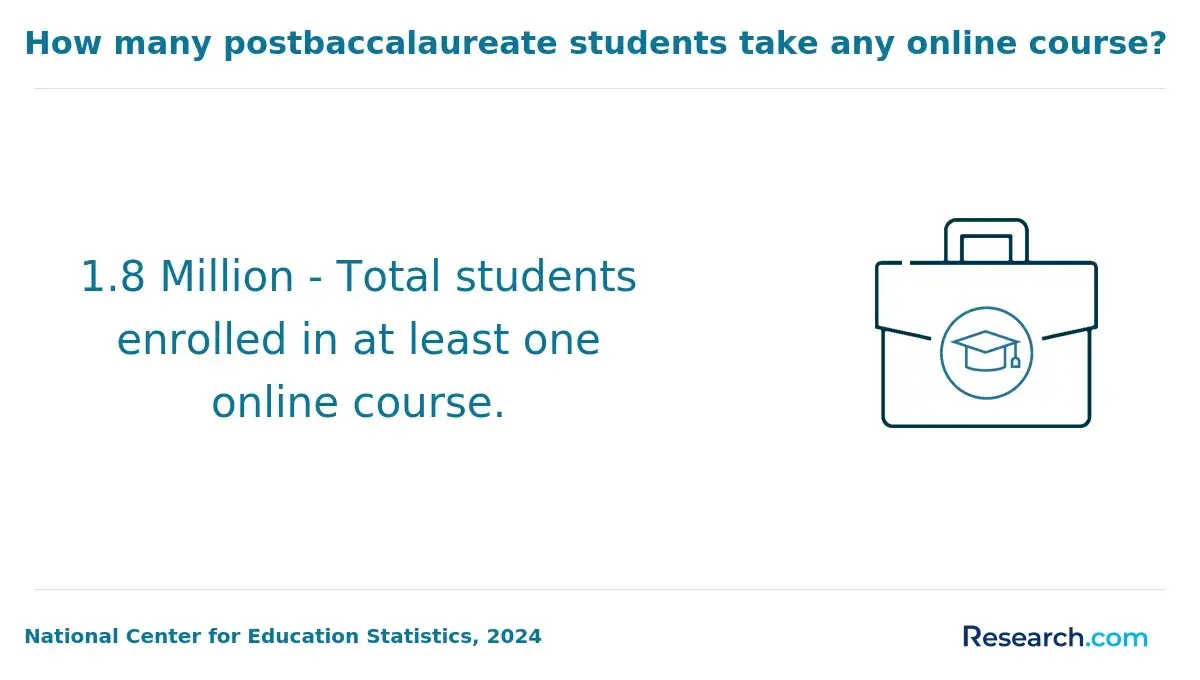
According to the National Center for Education Statistics, increased enrollment of adult learners in online master's programs highlights the need to assess time demands and project formats carefully. This article explores how each option impacts time allocation, training focus, and career alignment to help readers select the most suitable forensic psychology master's program based on their professional and personal priorities.
Key Things to Know About Capstone vs Thesis Requirements for Forensic Psychology Master's Programs
- Capstone projects emphasize applied forensic psychology skills through case analysis, reducing completion time compared to rigorous thesis demands, which often extend enrollment and increase costs due to intensive research requirements.
- Theses cultivate deeper methodological expertise valued by employers focused on research roles in forensic settings, whereas capstones align with applied practice positions, requiring distinct skill sets and influencing job market readiness.
- Given a 15% annual rise in adult online learners per NCES 2024 data, capstones offer better accessibility and flexibility for working professionals balancing career advancement with degree completion timelines.
What Is a Capstone Project in a Forensic Psychology Master's Program?
A capstone project in forensic psychology master's programs functions as a deliberate exercise prioritizing applied professional skills over the theoretical contributions emphasized by traditional theses. This choice reflects the operational demands of forensic psychology careers, where actionable insights and evidence-based interventions are highly valued in settings like criminal justice and victim advocacy.
The capstone's focus on real-world problem-solving translates academic knowledge into practice, often involving direct collaboration with courts, law enforcement, or mental health agencies.
- Professional Alignment: Capstone projects are tailored to mirror challenges encountered in forensic settings, requiring students to design or evaluate practical tools such as assessment protocols or intervention strategies. This alignment ensures graduates possess skills immediately relevant to employers who prioritize applied competencies over academic research.
- Workflow Implication: Unlike theses that demand sustained original research, capstones often follow a structured yet flexible format emphasizing integrative, interdisciplinary approaches. This enables students, particularly working professionals, to complete projects within condensed timelines without sacrificing the depth needed for complex forensic evaluations.
- Program-Design Rationale: Programs adopting this applied capstone experience intentionally cultivate critical thinking, ethical analysis, and real-time problem-solving, providing faculty with opportunities to assess student readiness beyond exams. This holistic evaluation better parallels forensic psychologists' roles, where decisions often hinge on ethical judgment amid practical constraints.
- Contrast with Thesis-Based Learning: Completing a capstone limits opportunities for contributing novel research but accelerates degree completion, which benefits those prioritizing timely credentialing over academic publication. For students targeting doctoral studies or research-heavy careers, the thesis route remains more appropriate, given its emphasis on generating original knowledge.
These capstone project requirements in forensic psychology master's programs often involve collaboration with external agencies or stakeholders, requiring students to navigate professional protocols and real-world data handling challenges. Such experiences differentiate this path by embedding practical constraints into academic assessments, reinforcing workforce readiness.
A nuanced understanding of these differences supports informed decisions among adult learners and career changers evaluating program structures based on time-to-degree preferences and specific career trajectories. Those needing detailed administrative frameworks or wanting to compare accelerated credentialing options might also consider models highlighted in healthcare administration courses online, where applied capstone experiences are similarly emphasized.
What Is a Master's Thesis in Forensic Psychology Programs?
A master's thesis in forensic psychology programs demands more than a typical graduate research project, serving as a rigorous exercise in applying psychological methods specifically geared toward legal and criminal justice contexts. Choosing a thesis track can significantly affect career trajectories: students aiming for doctoral study or research-intensive roles benefit from the in-depth analytical skills developed, while those prioritizing workforce entry or practical application might find a capstone more aligned with their goals.
- Focused Research Scope: The thesis must center on legal-psychological intersections such as evidence evaluation, offender profiling, or expert testimony, ensuring research relevance to forensic environments beyond general psychology topics.
- Faculty Mentorship: Close supervision steers the project to uphold both ethical standards and methodological rigor specific to vulnerable or forensic populations, a non-negotiable in maintaining credibility when findings face legal scrutiny.
- Complex Methodology: Students engage with advanced psychological assessments and data analysis tailored to forensic questions, which means a heavier workload and a deeper understanding of applied forensic science compared to capstone alternatives.
- Career Signaling: Completing a thesis evidences autonomy and competence in conducting ethically grounded, legally informed research, attributes often sought by employers in academic, clinical, or correctional settings.
- Time Investment Tradeoff: The intensive research and writing commitments typically extend program duration, which requires students to carefully balance professional responsibilities, a key consideration for working adults or career changers.

When Should You Choose a Capstone Over a Thesis in a Forensic Psychology Master's Program?
Opting for a capstone over a thesis in forensic psychology master's programs typically aligns best with students prioritizing rapid workforce integration and applied skill development over original research. Many employers in forensic and related behavioral health fields value demonstrated proficiency in practical case assessment and intervention more than theoretical contributions, making a capstone's real-world orientation a more direct fit for immediate job demands.
- Workload Balance: Capstones generally require less intensive oversight on research methodology and data collection than theses, enabling students to manage their projects alongside employment or personal commitments without sacrificing academic rigor.
- Career Alignment: Students targeting practitioner roles in legal or clinical forensic settings benefit from capstones since they emphasize applied knowledge and case-based problem-solving rather than theoretical exploration favored in academic research paths.
- Faculty Expertise: Forensic psychology programs often have faculty more experienced in guiding applied projects than complex thesis research, which improves mentorship quality and practical relevance for capstone students.
- Time Efficiency: Capstones typically offer a shorter completion timeline, reducing the risk of delayed graduation-a crucial factor for adult learners needing prompt credentialing.
- Doctoral Pathway Considerations: Those intending to pursue doctoral studies may prefer a thesis to develop research skills aligned with doctoral expectations; meanwhile, capstones reduce academic risk for students focused on workforce readiness without extending into original research complexities.
When Is a Thesis the Better Option for Forensic Psychology Students?
Choosing a thesis over a capstone in forensic psychology master's programs reflects a commitment to research depth and academic rigor that suits certain student profiles better. The thesis demands extended independent inquiry, complex methodology, and persistent faculty mentorship, which are preserved by programs to maintain high standards for research training and doctoral readiness. Unlike a capstone's applied summary, the thesis aligns with the requirements of research-intensive careers and PhD pursuits.
- Research Preparation: A thesis requires navigating longer timelines and mastering empirical methods fundamental to forensic psychology research, helping students build capabilities essential for PhD programs. This pathway often involves original data collection and extensive analysis, demonstrating research competence beyond typical coursework.
- Faculty Mentorship: Students benefit from close guidance by faculty actively engaged in forensic research, which offers opportunities for scholarly presentations and publications. Mentorship quality directly influences project scope and professional networking, enhancing academic visibility in specialized subfields.
- Focused Specialization: The thesis permits concentration on niche forensic topics, allowing deeper exploration of emerging issues or innovative tools used in forensic assessment and intervention development. This specialization strengthens credentials for roles requiring evidence-based policymaking or advanced consultation skills.
- Career Alignment: For those targeting research-centric or doctoral careers, theses carry greater weight among employers and academic committees compared to practice-focused capstones. However, students balancing professional or personal demands might find the thesis's intensive nature impractical.
Students considering forensic psychology thesis versus capstone for doctoral preparation should weigh these factors carefully. Those seeking thorough research training might also explore programs offering a fast track program to expedite degree completion without sacrificing scholarly depth.
How Do Time, Workload, and Stress Compare Between Capstone And Thesis in a Forensic Psychology Master's Program?
The choice between capstone and thesis pathways in forensic psychology master's programs significantly affects how students manage their time, workload, and stress. This decision impacts not only academic progression but also practical scheduling, especially for those juggling employment or field placements. Understanding these differences illuminates key operational tradeoffs unique to forensic psychology's applied and research demands.
- Time Commitment: Capstone projects typically have more defined timelines, aligning with applied deliverables like case analyses or interventions, which helps students plan around external obligations. In contrast, theses require prolonged research phases-literature review, data collection, and analysis-that extend over months with less predictable pacing, often delaying degree completion.
- Workload Structure: The capstone's focused scope limits the breadth of academic tasks, emphasizing practical problem-solving suited to forensic settings, whereas the thesis demands comprehensive research rigor and independent synthesis, necessitating self-directed learning and extensive revisions that can amplify effort intensity.
- Stress Dynamics: Forensic psychology capstones provide clearer milestones, which can reduce uncertainty but may concentrate stress near deadlines; thesis students face ongoing pressures from iterative feedback and methodological complexities, with stress often compounded by the need for adaptable data strategies against variable research contexts.
- Advisor Interaction: Capstone supervision is generally task-oriented and frequent, facilitating steady progress, while thesis mentoring requires sustained in-depth guidance that may be limited by advisor availability, potentially increasing time burdens and emotional strain.
How Do Capstone and Thesis Choices Affect Career Outcomes in a Forensic Psychology Master's Program?
Capstone and thesis choices in forensic psychology master's programs send distinct signals to employers and academic programs, profoundly shaping career trajectories. Employers in applied settings often prioritize demonstrated professional competence through portfolios cultivated in capstone projects, while doctoral programs and research-intensive roles demand the independent inquiry showcased by a thesis.
Understanding these differences helps students align their investment of time and effort with realistic occupational outcomes in forensic psychology master's research and practice outcomes.
- Employer Expectations: A capstone portfolio provides tangible evidence of practical skills valued in clinical, legal consulting, or correctional environments, making graduates more competitive for immediate practitioner roles where applied knowledge is prioritized over research rigor.
- Career Advancement: Completing a thesis signals preparedness for doctoral study and research careers requiring analytical depth and empirical contribution, enhancing prospects in academia, scientific organizations, and specialized licensing tracks.
- Time Investment Tradeoffs: Thesis routes often require longer commitments and can challenge working professionals balancing study and employment, whereas capstones can streamline degree completion but may limit research specialization evident to some employers.
- Skill Signaling: Capstone projects emphasize integration and application of knowledge through real-world problem-solving, generating versatile interview assets, while theses strengthen academic credibility through publishable work or conference presentations.
Forensic psychology master's research and practice outcomes hinge on these pathways' differing emphases. Candidates targeting research-heavy environments should weigh the thesis's advantages, while those seeking practitioner roles may find capstones better align with industry needs and hiring realities. Considering these distinctions alongside personal goals and constraints ensures a strategic approach to degree selection.
Students comparing program structures may also benefit from examining options in related fields, such as online biology degrees, where similar capstone versus thesis choices impact career pathways.
How Do Research-Based and Applied Learning Differ in a Forensic Psychology Master's Program?
Choosing between research-based and applied learning models in forensic psychology master's programs significantly shapes not only the academic experience but also post-graduate trajectories. Research-based paths commonly demand original investigations through thesis work, which cultivates capabilities crucial for doctoral study or analytical roles requiring methodological rigor.
Conversely, applied learning prioritizes executable projects tied to real-world forensic challenges, gearing students toward immediate professional responsibilities.
- Skill Development: Thesis work refines critical thinking, scientific writing, and comprehensive data handling, preparing graduates for environments focused on theory advancement and policy research. Capstones focus on practical competencies such as assessment techniques, professional report writing, and implementation of intervention strategies, emphasizing functional expertise over theoretical innovation.
- Time Commitment: Research pathways typically require prolonged engagement with complex study designs and data collection phases, often stretching timelines and demanding greater faculty mentorship intensity. Applied projects tend to be more finite and structured around clear deliverables, aligning better with students balancing professional obligations or accelerated completion goals.
- Workforce Alignment: Employers seeking forensic psychologists for clinical or consulting roles generally value applied project experience for its demonstration of relevant problem-solving skills. Meanwhile, academic institutions and research centers foresee thesis-trained graduates as better candidates for continued study and research-intensive employment.
- Causal Tradeoffs: Students pursuing theses risk encountering unpredictable research obstacles that can extend program duration, whereas capstones, while less variable, may not provide competitive leverage for PhD admission or highly specialized roles demanding deep methodological grounding.
- Faculty Roles: Thesis supervisors emphasize originality, hypothesis testing, and contribution to scholarly discourse, often requiring students to navigate complex institutional research protocols. Capstone advisors prioritize feasibility, professional standards, and practical applicability, facilitating projects that translate academic knowledge into direct casework or policy support.
How Does Advising and Mentorship Differ in a Forensic Psychology Master's Program?
Advising and mentorship structures in forensic psychology master's programs crucially shape how students engage with research or applied projects, with direct consequences for their academic experience and professional preparation. While thesis advising typically involves formal, faculty-led supervision focused on research rigor, capstone mentorship usually takes a more flexible, practice-driven approach geared toward applied outcomes.
Understanding these dynamics helps students anticipate workload demands and align their educational choices with career trajectories.
- Advising Structure: Thesis advising often requires a formal committee setup where faculty provide staged feedback aligned with academic milestones. This reflects the field's expectation for thorough methodological foundation needed for research roles or doctoral study preparation.
- Mentorship Flexibility: Capstone mentorship tends to be less rigid, emphasizing ongoing, adaptive guidance that helps students navigate evolving project parameters and stakeholder expectations common in forensic practice environments.
- Faculty Involvement: Thesis advisors maintain a directive role, enforcing rigorous academic standards and iterative revisions, which can extend timelines but deepen methodological competence sought in research-intensive roles.
- Professional Orientation: Capstone mentors prioritize real-world relevance and timely completion over exhaustive scholarship, reflecting employer demand for graduates able to deliver practical solutions under resource constraints.
For example, a working professional balancing employment may find the capstone's adaptable mentorship model better suited to managing deliverables alongside job responsibilities, whereas a student targeting research-intensive or doctoral paths must commit to the thesis's structured advising demands despite the longer completion time. This distinction is especially critical given employers in forensic settings increasingly value candidates who demonstrate applied problem-solving and project management skills alongside academic knowledge.
What Are the Typical Structures and Deliverables in a Forensic Psychology Master's Program?
Choosing between a capstone and a thesis in forensic psychology master's programs substantially affects how students develop expertise and engage with real-world challenges. These options reflect divergent priorities-applied practice versus academic research-shaping not only workload and timelines but also post-graduate employability and scholarly contribution.
- Capstone Format: Typically project-based, a capstone centers on addressing a practical forensic issue through applied methods such as intervention design or policy analysis. It involves collaboration with a faculty advisor rather than a formal committee, resulting in a portfolio or detailed report often shared with community stakeholders or faculty panels.
- Thesis Research: A thesis demands original, in-depth research guided by a supervisory committee and includes forming research questions, obtaining IRB approval if needed, and conducting rigorous data collection and analysis. The final product is a formal written document defended orally, emphasizing methodological rigor and scholarly impact.
- Timeline Differences: Capstones usually span one to two semesters, catering to those needing expedited degree completion due to professional or personal constraints. Theses extend over multiple semesters and require sustained research engagement, suitable for students targeting doctoral studies or research-intensive roles.
- Assessment Methods: Capstones are evaluated on practical impact, integration of theory and practice, and communication of applied outcomes. Theses undergo scrutiny for originality, analytical depth, and contribution to forensic psychology scholarship, often affecting eligibility for academic or consultancy careers.
- Workforce Implications: Capstone graduates typically enter forensic settings with strong applied competencies, aligning with employer expectations for immediate workplace readiness. Thesis completers possess advanced research credentials that enhance prospects for forensic consultancy, academic positions, or further graduate education.
This distinction in typical structures of capstone and thesis in forensic psychology master's programs is crucial for students balancing career timelines and specialization. Understanding key deliverables and assessment methods for forensic psychology master's research clarifies these tradeoffs. Considering these factors can ensure alignment with long-term goals, whether emphasizing practical engagement or research proficiency.
Working professionals evaluating program options-similar to those exploring an accelerated NP program, should carefully weigh the intensity and outcomes of these pathways to optimize educational investment and employability.
How Flexible Are Program Policies in a Forensic Psychology Master's Program?
Flexibility in capstone and thesis requirements significantly influences how students navigate forensic psychology master's programs, impacting not only their academic workload but also time to degree and career direction. Programs often balance limited faculty resources and accreditation standards, creating distinct pathways with varying degrees of adaptability. This flexibility directly affects decisions, particularly for working professionals or those juggling part-time enrollment.
- Policy Variation: Departments set policies based on faculty availability and curriculum design, often resulting in uneven flexibility across programs. Those with more research-focused faculty may restrict capstone substitution options, while applied-oriented programs permit more practical project alternatives, reflecting differences in how forensic psychology culminating requirement options are managed.
- Track Switching: Some programs allow early movement between thesis and capstone tracks, but typically enforce deadlines beyond which switching is barred to maintain cohort stability and resource allocation. This means students must commit decisively early to avoid administrative or scheduling conflicts.
- Defense and Approval: Faculty capacity limits how many theses can be supervised, often enforcing competitive approval for research theses, while capstones usually require less rigorous defense processes. This creates practical tradeoffs, as research tracks promise deeper academic training but come with stricter scrutiny and delays.
- Part-Time and Working Students: Timeline flexibility is more common with capstone projects, accommodating professionals balancing work. Thesis requirements often impose tighter deadlines due to the depth of investigation required. Flexibility here shapes employability and timely degree completion, critical factors for career-changers weighing whether to pursue a research-intensive thesis or an applied capstone.
Students evaluating options should consider these program policies alongside their professional timing and goals. For those exploring broader career shifts, understanding the flexibility of capstone and thesis requirements in forensic psychology master's programs can help clarify which path best aligns with practical realities. For related career planning insights, see how do I become an athletic director.
What Do Forensic Psychology Master's Graduates Say About Their Capstone Vs Thesis Experiences?
- Esteban: "Balancing a full-time job while completing my forensic psychology master's thesis was challenging, but choosing a project focused on internship placement paid off. I prioritized a capstone that included a real-world assessment module, which helped me build a portfolio that stood out during hiring. Despite limited time, that decision landed me a remote analytics position faster than I expected, even though licensure wasn't immediately on the table."
- Alexis: "After switching careers, I faced financial constraints that made a lengthy thesis impractical, so I opted for a shorter, data-driven capstone in forensic psychology. This choice allowed me to gain crucial experience without delaying entry into the workforce. While the lack of direct clinical hours limited some job options, the internship I secured during the program opened doors to roles focused on behavioral analysis in law enforcement agencies."
- Eli: "The workload of my forensic psychology master's program forced me to rethink my thesis topic midway, leading me to focus on certification pathways instead of traditional research. Employers in my area valued my specialized certifications and hands-on internship more than the thesis itself. This pragmatic approach helped me overcome the competitive job market, though I recognized early on that salary advancement without full licensure might require additional steps down the line."
Other Things You Should Know About Forensic Psychology Degrees
Employer expectations should be considered when choosing between a capstone and thesis in forensic psychology. Some employers may value the practical experience of a capstone project, while others might prefer the research skills demonstrated by a thesis. Understanding employer preferences can guide students in aligning their academic work with career goals.
A thesis often involves sustained mentorship by a faculty expert, which can foster deep professional relationships and potential academic collaborations valuable for future research or doctoral study. Capstone projects tend to involve partnerships with external agencies or community organizations, creating a different kind of network that can directly support job placement and practical experience. Selecting between them should consider which network-academic or practice-oriented-is more critical for your career path.
Neither a capstone nor a thesis typically meets standalone licensure requirements, but the experience can indirectly influence readiness by shaping your applied skills or research competence. A capstone focusing on case studies or program evaluation may better develop documentation and ethical decision-making skills relevant to licensure boards. Conversely, a thesis can strengthen your ability to critique research that informs evidence-based practice, which some certification processes emphasize. Prioritize the option that better aligns with the specific licensure or certification standards you aim to meet.
Capstone projects usually offer more structured timelines with clear milestones and collaborative elements, making them slightly easier to fit into busy schedules. Theses demand extended independent research, often requiring flexible time management and greater sustained self-discipline. For working professionals or those with significant outside responsibilities, a capstone could reduce risk of delay or burnout, but be mindful that intensive capstones still require significant effort to produce meaningful applied outcomes.
References
- Thesis & Capstone Requirements For Psychology Programs https://www.psychology.org/resources/writing-a-thesis/
- Capstone Project vs Thesis in University: Key Differences Explained https://www.quetext.com/blog/capstone-project-vs-thesis
- Advising and Mentoring of Students | EP3 Guide https://ep3guide.org/guide/advising-and-mentoring-of-students/
- Dissertation vs Capstone: Learn Key Difference https://edubirdie.com/blog/dissertation-vs-capstone
- Research Based Learning: a Lifelong Learning Necessity - Solution Tree Blog https://www.solutiontree.com/blog/research-based-learning-a-lifelong-learning-necessity/
- What are Deliverables in Project Management? | Wrike https://www.wrike.com/project-management-guide/faq/what-is-a-deliverable-in-project-management/
- Research-Based Learning: Characteristics https://colegiomirasur.com/en/blog/research-based-learning/
- Best Master's Degrees In Forensic Psychology | GradSchoolHub https://www.gradschoolhub.com/best/masters-degrees-in-forensic-psychology/
- Master’s Thesis or Capstone Project? Which One Is the Right Choice for https://research-rebels.com/blogs/how-to-write-thesis/master-s-thesis-or-capstone-project-which-one-is-the-right-choice-for-you
- How College Choices Affect Career Outcomes | Pharmacy Times https://www.pharmacytimes.com/view/how-college-choices-affect-career-outcomes