2027 Highest-Paying Careers After MSN by Specialty

Co-Founder and Chief Data Scientist
Choosing a specialty after earning an msn presents a daunting crossroads: which path maximizes earning potential without sacrificing long-term job security or work-life balance? The complexity deepens as more programs offer hybrid and fully online formats, drawing in nearly 55% of adult learners by 2024 according to the National Center for Education Statistics. This shift expands access but also blurs the lines between program quality and employability outcomes, forcing prospective students to weigh enrollment flexibility against employer preferences and market demand. This article evaluates the highest-paying msn careers by specialty, helping professionals make targeted decisions to optimize salary and career trajectory post-graduation.
Key Things You Should Know
- Cardiology nurse practitioners top earners with median salaries exceeding $120K, yet demand specialized certifications extending program length by 6+ months, increasing opportunity cost and delaying workforce entry per AHRQ 2024 data.
- Employers prioritize MSN graduates with informatics or leadership specialties for system-wide roles, creating a wage premium of 15%-20%, but heightening competition and requiring advanced project management skills.
- Family nurse practitioner tracks dominate enrollment but offer 10%-15% lower median pay than acute care specialties, implying tradeoffs between quicker credentialing and long-term income potential according to Bureau of Labor Statistics 2024.
What are the highest-paying MSN nursing specialties and typical salary ranges?
Certified Registered Nurse Anesthetists (CRNAs) hold the top spot among highest paying msn nursing specialties in the United States, commanding a national median salary of $223,210 and an average exceeding $231,700. This represents an 8.2% growth year-over-year, the fastest for any nursing role, emphasizing high employer demand for this specialization. However, achieving CRNA status involves additional certification and extensive anesthesia clinical hours, which delays entry and requires weighing an $80,000+ annual premium against the significant time and financial investment.
Other msn nursing specialties such as nurse practitioners (NPs), nurse midwives, and clinical nurse specialists (CNSs) typically earn between $100,000 and $150,000, influenced heavily by population focus and geography. For example, family practice NPs in urban hospitals earn closer to the higher end of average salary ranges for msn nursing specialties due to patient complexity and local living costs, while community clinics offer lower salaries but may include incentives such as loan repayment. Employers favor candidates with critical care experience, so developing this expertise early in clinical training is crucial.
Regional cost differences also play a key role: states like California and the Northeast offer salaries 20% to 30% above the national averages, potentially justifying relocation to maximize earning potential. For those evaluating flexible education options in advanced nursing roles, online Psych NP programs provide faster routes into practice, though with lower pay compared to CRNAs.
Which advanced nursing roles can you pursue after earning an MSN?
Financial incentives strongly favor advanced nursing careers after MSN, as nurse practitioners (NPs) outpace other roles in earning potential and accessibility, especially in primary care and family practice. With a median salary of $132,050, NPs command over 40% higher pay than bsn-prepared registered nurses, reflecting significant workforce demand driven by primary care shortages. Family and adult-gerontology NPs quickly access a broad job market serving diverse outpatient populations, making these specialties among the highest-paying nurse practitioner specialties with practical advantages for career pivoters.
Other advanced practice roles include clinical nurse specialists (CNS), certified nurse midwives (CNMs), and certified registered nurse anesthetists (CRNAs). Each has distinct tradeoffs: CNSs typically earn less than NPs and face more competition in hospital specialty units; CNMs contend with regional salary variation despite strong employer demand; CRNAs rank among the top earners but require lengthier certification and bear higher educational and liability burdens.
Decision-making around these roles hinges on balancing certification timelines, clinical hour requirements, and sector-specific growth. An NP's certification process, including clinical hours, often extends re-entry timelines but opens wider primary care opportunities. Considering this tradeoff carefully impacts return on educational investment.
For professionals exploring further specialization, evaluating pathways like a PhD in nursing should factor in cost, job market saturation, and alignment with long-term goals.
How does salary after an MSN compare to a BSN or ADN in nursing?
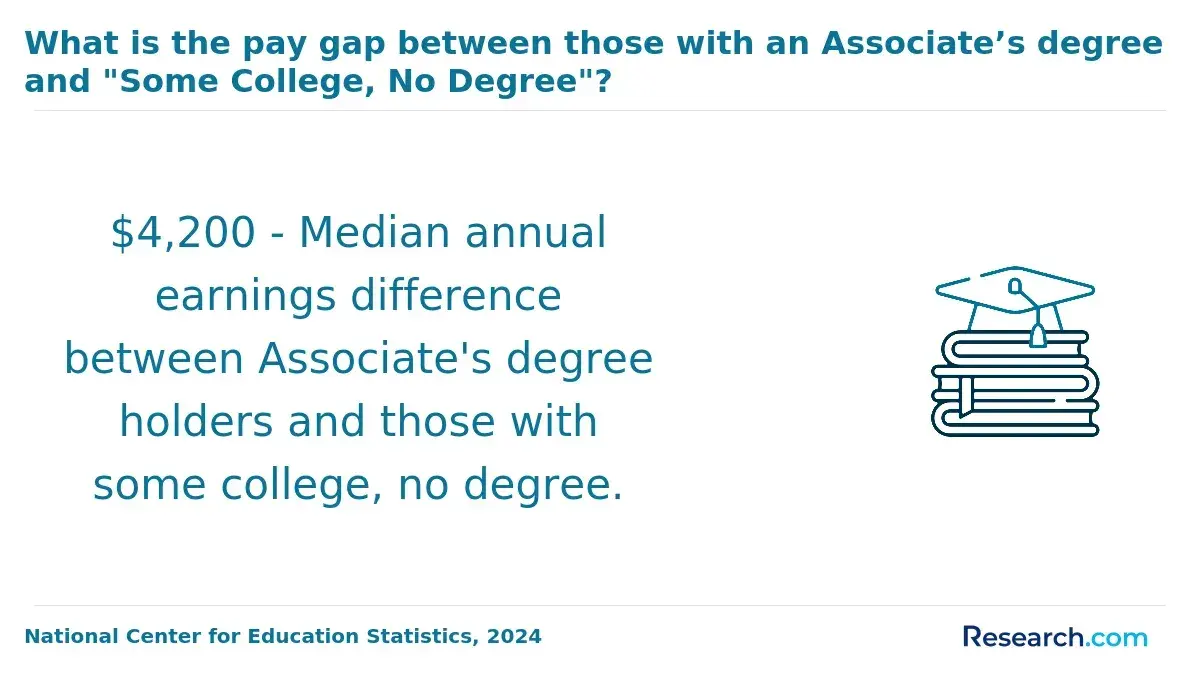
The salary comparison after MSN versus BSN credentials illustrates a significant financial gap grounded in clinical scope and employer expectations. Psychiatric Mental Health Nurse Practitioners (PMHNPs), for example, are forecasted to earn about $150,000 by 2026. This figure places them near the highest earners among registered nurses, a reflection of the advanced responsibilities and autonomy granted by graduate-level education. Meanwhile, nurses with a BSN see median earnings roughly 30% lower, typically between $75,000 and $90,000 depending on location and experience. ADN-prepared nurses tend to earn less than $70,000, reinforcing the economic stratification by degree type.
From a workforce perspective, employers consistently require an MSN for roles such as nurse practitioners, clinical nurse specialists, nurse anesthetists, and nurse midwives-positions that command higher pay due to greater clinical independence and prescriptive authority. However, pursuing an MSN involves a strategic tradeoff: at least two additional years of education, clinical hours, and certification costs, which only pay dividends if the nurse secures one of these in-demand roles. This makes the MSN pathway a calculated investment, especially for those focused on nursing career earnings by degree type.
Conversely, rural or community hospitals often hire ADN nurses at lower wages without rigorous credential requirements. These roles provide immediate employment but limit long-term salary scalability and career mobility. Balancing financial constraints and family commitments with professional goals is thus essential. For some, exploring online RN to BSN programs no clinicals can be a practical step before considering graduate-level advancement.
What education, licensing, and certification steps lead from MSN to top-paying roles?
Achieving top-paying specialty roles following an msn demands strategic alignment with explicit licensing and certification pathways after MSN completion. For instance, certified nurse midwives (CNMs) must not only graduate from accredited midwifery programs embedded within or following their msn but also complete more than 1,000 clinical residency hours centered on women's health and obstetrics. Successfully passing the American Midwifery Certification Board (AMCB) exam is mandatory to secure national certification and state licensure, a legal prerequisite that directly influences employability and compensation. Employers prioritize candidates who demonstrate robust clinical experience coupled with active certification, reflecting readiness for complex care settings.
According to Nurse.org's 2026 compensation analysis, CNMs command an average salary of $128,790, underscoring how specialization and credentialing enhance earning potential. Other advanced practice roles, like nurse anesthetists and nurse practitioners, similarly require board certification and ongoing educational commitments to maintain licensure, affecting career progression and salary growth.
Prospective students, navigating MSN nursing career advancement requirements, must weigh program length, availability of clinical placements, and certification pass rates. Costs and timing for national board exams represent significant considerations, as employers expect seamless certification timelines to facilitate hiring. Those seeking alternative educational routes might explore online accelerated nursing programs for non nurses to manage career pivots effectively without sacrificing training quality.
How do online and campus-based MSN programs differ for career and salary outcomes?
Choosing between online and campus-based MSN programs has measurable consequences for clinical preparedness, employer valuation, and salary benchmarks. Campus programs embed students in live clinical settings under direct faculty supervision, providing structured access to mentors and hospital partnerships that streamline exposure to specialty cases. This results in more competitive placement outcomes and stronger negotiation positions, especially in roles like Clinical Nurse Specialist (CNS), where the median salary reached $94,545 in 2026 per Nurse.org's highest-paying nursing careers data.
Conversely, online MSN students trade immediate flexibility for the challenge of independently securing quality clinical placements, which can lead to delayed readiness for advanced practice demands. Employers in acute care and specialty environments often favor campus-trained candidates due to their demonstrated hands-on experience, which can directly influence salary offers and advancement speed.
Consider a nurse pursuing a CNS role: a campus-based route involves employer-facilitated rotations and targeted clinical exposure. An online path requires proactive clinical coordination by the student, risking inconsistent practical depth and potentially weaker salary negotiation leverage, especially in states with licensing that emphasize clinical hours.
Program choice should weigh the strategic balance between short-term scheduling ease and the long-term career mobility and salary ceilings shaped by embedded clinical integration and perceived employer readiness.
What accreditation and program quality indicators matter most for MSN specialties?
Regional accreditation recognized by the U.S. Department of Education remains the baseline determinant of MSN program credibility, but specialty-specific certifications from bodies like the Commission on Collegiate Nursing Education (CCNE) or the Accreditation Commission for Education in Nursing (ACEN) more directly influence employer confidence and graduate marketability in leadership roles. Without these targeted endorsements, graduates often face delayed credentialing and less competitive positioning for senior nursing administration roles, which command salaries approaching $140,970 for nurse administrators and $137,730 for nurse managers per Credenza's 2025-2026 salary review.
Employers in hospital systems prioritize verifiable outcomes: clinical hours, measurable leadership experience, and evidence-based management skills. A program lacking practicum components that simulate real-world administrative challenges risks producing alumni unprepared for immediate impact in high-responsibility positions. For working professionals, selecting part-time or hybrid formats can minimize work disruption, but the tradeoff is usually a slower path to leadership readiness and salary progression.
Key considerations for candidates targeting top-tier nursing leadership include:
- Ensuring the program's regional accreditation and specialty certifications align with industry demands.
- Verifying demonstrated graduate outcomes, especially leadership practicum experience.
- Evaluating delivery formats against personal career timelines and readiness for administrative duties.
An MSN specialty without robust clinical leadership training or recognized program certifications may hinder swift workforce integration, translating into longer ramp-up times before graduates reach salary brackets consistent with their qualifications.
How long do MSN programs take, and what tuition and financial aid should you expect?
The decision to pursue an msn demands weighing program duration, costs, and potential income disruption. Typically lasting 18 to 36 months, full-time students often finish near two years, while part-time enrollment can stretch to three years or more-important for working professionals balancing shifts and personal commitments. Accelerated options exist but require intense schedules that may preclude concurrent employment, increasing financial strain.
Tuition varies greatly, from about $30,000 to $80,000, influenced by public vs. private status and residency. Additional fees for clinical placements and materials add roughly 10-15% more. Federal loans-including Direct Unsubsidized and Grad PLUS-can cover full costs but accrue interest during study, with repayments starting six months after graduation. Employer tuition reimbursement may reduce upfront expenses but often ties to service commitments or job retention.
Specializations in private nursing sectors like Nursing Informatics show growing demand, with Informatics Nurse Specialists projected to average $115,000 by 2026. This potential salary gain justifies upfront investment for some but requires balancing education time with wage loss and employer expectations. Programs offering flexible online curricula can mitigate income loss by allowing continued employment during study.
What core MSN coursework and clinical training prepare you for high-paying specialties?
Core MSN coursework combined with clinical training directly determines readiness for specialized roles commanding higher salaries. Foundational classes like advanced pathophysiology, pharmacology, and health assessment build essential diagnostic and treatment skills. The decisive factor lies in specialty-specific curricula and clinical placements, which focus on conditions, technologies, and protocols unique to areas such as acute care, nurse education, or pediatrics.
Consider nurse educator positions, which have a median wage of $91,852 according to Indeed data cited by Sacred Heart University. These roles demand proficiency beyond clinical skills-encompassing educational theory, curriculum design, and leadership in academic settings. Consequently, MSN programs suited for this path integrate clinical hours with coursework on pedagogy and faculty development to meet employer expectations for postsecondary teaching and staff training.
Practicum selections must strategically reflect the specialty's case complexity and typical care environments. For instance, advanced practice nurses like anesthetists benefit from high-acuity clinical rotations that validate applied competencies employers prioritize.
Balancing rigorous coursework with substantial clinical time is a frequent friction point, especially in specialties requiring technical expertise paired with leadership or research components. This combination drives value in the labor market by signaling both hands-on mastery and systemic knowledge.
Ultimately, aligning MSN coursework and clinical experiences with the market's high-demand specialty benchmarks is critical in demonstrating job readiness, maximizing employability, and accessing competitive salary tiers.
What is the job outlook and demand for major MSN specialties in the United States?
Demand for major MSN specialties in the U.S. is shaped less by general healthcare growth and more by specific market pressures such as regulatory complexity and evolving clinical research needs. Research nurses and clinical research coordinators stand out, with a median wage near $157,740 and about 8,300 new job openings expected through 2033 due to increased clinical trials and the need to comply with rigorous study protocols.
Advanced practice registered nurses (APRNs) in primary care experience strong hiring in underserved areas, though urban centers present tougher competition as supply begins to catch up with demand. Candidates with state-specific certifications, electronic health record expertise, and interdisciplinary skills have a distinct advantage.
Choosing nurse anesthetist or nurse midwife tracks requires weighing substantial upfront investment in extended clinical hours and credentialing against higher median pay. This path may delay income and requires a clear alignment of personal financial capacity and career timeline.
For professionals pivoting from clinical roles, research and informatics offer quicker transitions by leveraging existing skills and embracing digital proficiency. However, geographic and licensing nuances must be thoroughly assessed to avoid costly mismatches that impede employment progress.
How can you compare and choose the best MSN specialty and school for your goals?
Salary outcomes and curriculum alignment often dictate which MSN specialty delivers the most tangible workforce returns. Nurse consultants, for example, averaged a base salary of $92,384 in 2025, with ranges extending from $71,000 to $130,000. Those combining regulatory compliance expertise and consulting management frequently surpass these figures, underscoring how targeted skill acquisition impacts earning potential.
Prospective students must weigh program formats against career and life logistics. Part-time or online pathways offer flexibility that supports continued employment but may lengthen completion time, delaying advancement. Accelerated full-time options enable quicker role transitions but depend on financial readiness and schedule availability.
Key decision factors include:
- Curriculum fidelity to employer expectations in healthcare regulation, data analysis, or leadership
- Access to internships and projects through strong industry partnerships
- Verification of employment outcomes by accredited research beyond promotional claims
For instance, a nurse pivoting to health policy analysis should prioritize programs emphasizing regulatory frameworks, whereas those targeting clinical leadership need administration and operational management coursework. Realistic evaluation of placement rates and salary data from credible sources is essential to avoid misaligned investments in specialty and school.
Other Things You Should Know About MSN
Most high-paying MSN roles in 2027 require an active, unencumbered RN license before admission or before clinical practice begins. Nurse practitioner, clinical nurse specialist, nurse anesthetist, and nurse midwife pathways also usually require accreditation through CCNE or ACEN and state board approval for clinical placement.
Employers tend to value hands-on clinical experience more than the program format, but online programs with limited practicums may face skepticism in highly procedural fields. Campus-based programs often provide more immersive clinical training and networking opportunities, which can translate to stronger initial job placement. For highly competitive specialties, choosing programs with robust clinical hours and direct faculty mentorship offers better employment leverage.
Specialization choice directly impacts immediate employability and salary, making it essential when targeting specific high-paying roles. However, broad leadership skills gained through certain MSN tracks enable advancement into administrative or policy positions with greater long-term career flexibility. Prospective students should prioritize specialization if aiming for clinical mastery and immediate income gains but consider leadership-focused programs if their goal is upward mobility beyond bedside care.
Working nurses must carefully assess program flexibility, as rigorous msn courses can conflict with shift work and family obligations. Programs demanding synchronous attendance or heavy clinical components may extend time to completion or increase burnout risk. Prioritizing programs that offer asynchronous learning and clearly defined clinical placements improves feasibility and reduces stress, especially for nurses maintaining full-time employment throughout their studies.
References
- 8 Highest Paying MSN Jobs | Eagle Gate College https://www.eaglegatecollege.edu/blog/highest-paying-msn-jobs/
- Masters in Nursing Salary & Highest Paid Jobs | USAHS https://www.usa.edu/blog/master-science-nursing-salary/
- Where Could a Master of Science in Nursing (MSN) Take You? https://blog.methodistcollege.edu/where-could-a-master-of-science-in-nursing-msn-take-you
- MSN Programs and Specialties: How to Choose the Right Path for Your Nursing Career – FRESHRN https://www.freshrn.com/msn-programs/
- Why Pursue an MSN? Top Benefits for Aspiring Nurse Leaders https://www.shawnee.edu/blog/benefits-of-msn-degree-why-pursue-your-msn
- Online FNP Programs vs. Campus-based FNP Programs https://www.nursepractitionerlicense.com/aprn-guide/online-fnp-programs-vs-campus-based-fnp-programs/
- Credenza https://credenza.com
- My Account / Create Account https://www.practicematch.com/healthcare/articles/nursing-career-outlook-2023.cfm
- How to Choose the Right Online MSN Program https://www.edumed.org/articles/how-to-choose-the-right-msn-program/
- EdAssist | Advancing your nursing career with an MSN: Know your options https://www.brighthorizons.com/resources/blog/edassist/advancing-your-nursing-career-with-an-msn-know-your-options