2027 What to Know Before Applying to Florida Institute of Technology Online Programs

Co-Founder and Chief Data Scientist
Prospective students often underestimate the demands of Florida Institute of Technology online programs, especially regarding time management and technology proficiency. Online learners must navigate rigorous coursework outside a traditional campus environment, which requires strong self-discipline. Recent studies show that 60% of students struggle with balancing work, family, and academic commitments in online settings, highlighting the importance of realistic preparation before applying.
Admission criteria and application timelines at Florida Institute of Technology also shape candidate readiness, with specific prerequisites depending on the program. Understanding these early can prevent missteps and delays. This article will detail essential admission requirements, outline what students should expect academically and logistically, and offer insight into assessing whether Florida Institute of Technology's online programs align with individual career goals and learning styles.
Key Points About Florida Institute of Technology Online Programs
- Florida Institute of Technology requires applicants to meet selective academic criteria, reflecting moderate admission difficulty. This necessitates adequate preparation to satisfy standards that impact acceptance chances and program suitability.
- The total tuition cost is $65,900, representing a significant financial commitment. Prospective students should assess funding options and weigh this cost against projected career benefits and long-term return on investment.
- The average graduation rate is 65%, indicating notable attrition likely due to balancing rigorous coursework, deadlines, and professional responsibilities in an online environment. This requires strong time management and self-discipline to complete successfully.
How competitive is the overall admission process at Florida Institute of Technology?
The overall admission process at Florida Institute of Technology reflects moderate competitiveness, with an acceptance rate of 63%. Out of every 100 applicants, approximately 63 gain admission, indicating a balanced selectivity level that filters applicants effectively without highly restrictive barriers. This rate suggests applicants should anticipate meaningful, but not overwhelming, competition.
Admission requirements vary by program, and some do expect greater demonstration of academic readiness or relevant standardized test scores. Programs with technical or specialized curricula may weigh subject-specific scores or prior coursework more heavily, increasing selectivity slightly. However, the institution's acceptance of ACE credits, CLEP, and DSST exams alongside transfer credits softens entry barriers, especially for students with prior learning experience.
Compared with other online institutions, Florida Institute of Technology maintains consistent academic standards across both online and on-campus pathways, unlike some schools that relax criteria for online applicants. This aligns with national 2024 trends showing a shift toward holistic admission practices, where schools increasingly value practical experience and adaptability over raw test scores, benefiting diverse student backgrounds.
A prospective online student with significant military or professional credits can find Florida Institute of Technology's transfer-friendly policies advantageous, allowing earlier progression without redundant coursework. This practical flexibility contrasts with more traditional online programs that may require full credit transfers or stricter documentation.
What are the admissions requirements at Florida Institute of Technology?
Admission to Florida Institute of Technology's online programs requires meeting clear academic and testing benchmarks, reflecting the institution's commitment to selectivity and rigor. This approach contrasts with growing trends toward test-optional policies seen at many schools aiming to increase access.
For example, a non-traditional student balancing work and family may need to allocate significant preparation time to meet Florida Tech's standardized test requirements, which can impact how quickly they enter a program. The following list outlines the essential admissions requirements for Florida Institute of Technology online program application criteria and eligibility.
- High School Completion Credential: Applicants must provide proof of high school graduation or an equivalent, such as a GED, to verify foundational education before enrolling in online courses designed for college-level study.
- Secondary School Record: A detailed transcript showing GPA is required, as it represents the student's academic consistency and ability to handle coursework rigor.
- Standardized Test Scores: SAT scores within 570-660 verbal and 560-660 math or ACT scores from 23 to 28 are necessary, ensuring candidates possess critical reasoning skills aligned with academic demands.
- English Proficiency Testing: TOEFL scores are required for non-native speakers to demonstrate effective communication abilities vital for participation and success in a virtual learning setting.
- Advanced Placement Credits: While not mandatory, AP credits can offer students advantages in course placement or credit recognition, supporting accelerated progress.
- Recommended Supplementary Tests: Tests like Wonderlic or WISC-III are suggested to provide additional evidence of academic aptitude, aiding admissions decisions though not required.
- No Open Admissions or Life Experience Credits: Florida Tech upholds traditional standards by not accepting life experience credit, emphasizing formal academic achievements instead.
Applicants researching how to navigate Florida Institute of Technology online program application criteria should note that these standards maintain alignment with employer expectations, seeking candidates who demonstrate preparedness through established metrics. For those exploring accelerated studies, the institution's requirements may differ from those in a 1-year masters degree pathway, which often emphasizes expedited entry. Understanding these criteria helps prospective students realistically plan their admissions strategy and optimize outcomes in a competitive environment.
What online programs are Florida Institute of Technology known for?
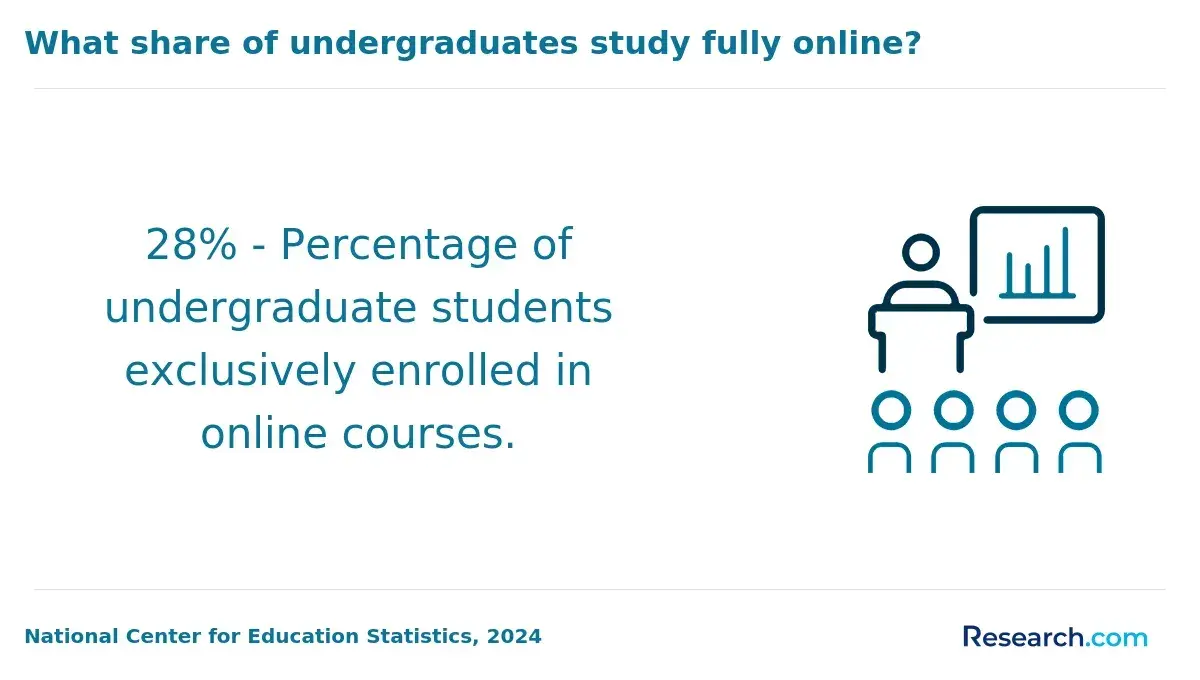
Florida Institute of Technology online engineering programs are distinguished by their focus on applied learning and industry relevance. The integration of real-world projects, especially capstone collaborations with companies in aerospace and cybersecurity, offers students a practical edge in a competitive job market.
For instance, a cybersecurity student might work directly on challenges faced by a defense contractor, gaining experience beyond theoretical coursework. Below is a list of notable online programs and what makes them distinctive:
- Master of Science in Cybersecurity: This program emphasizes hands-on solutions to current cybersecurity threats, supported by partnerships with industry players. Demand for these skills is rising rapidly, as reflected in a 27.4% increase in online cybersecurity enrollment in Florida. Students must stay committed to intensive, project-based learning to secure relevant positions in the evolving tech security field.
- Master of Science in Data Science and Analytics: Focused on transforming large data sets into actionable insights, this degree equips students with advanced tools and strategies used by firms across sectors. The curriculum balances theory with applied assignments that simulate real-world data challenges, preparing graduates to meet employer expectations for problem-solving agility.
- Master of Business Administration with Technology Management Focus: This program targets professionals seeking leadership roles in tech-driven organizations. It combines business fundamentals with specialized knowledge in managing technology projects and teams, addressing a market need for executives who understand digital transformation.
- Bachelor of Science in Mechanical Engineering: Adapted for online delivery without sacrificing core technical rigor, this program prepares students for engineering roles that require foundational and applied mechanical expertise.
- Bachelor of Science in Computer Science: Known for its flexibility and alignment with current industry standards, this online degree trains students in programming, software development, and systems analysis suited for various tech careers.
The emphasis on applied learning in these programs requires students to be self-motivated and capable of balancing rigorous, project-driven study with professional commitments. As workforce demands shift, especially in STEM fields, prospective students should weigh their readiness for online study formats against the demands of programs recognized for practical meaning.
Those exploring the range of available degrees should also consider non-technical alternatives. For a broader view of accessible programs, the easiest online college degrees list offers insight into lower-barrier paths that differ from Florida Institute of Technology online engineering programs in intensity and specialization.
What is the cost of attending an online program at Florida Institute of Technology?
The total cost to complete an online program at Florida Institute of Technology averages around $65,900, including a tuition fee of $44,360 and approximately $1,200 for books and supplies. This sum reflects direct academic expenses but often underrepresents the full financial commitment many students face.
Students must also consider mandatory institutional fees like technology or distance education charges, which cover essential online platform access and technical support. Additional hidden costs include proctored exam fees, identity verification, and licensing for specialized software, potentially increasing the overall investment significantly. These factors are critical for students weighing the practical costs of Florida Institute of Technology online tuition fees.
Tuition rates vary by program level: undergraduate courses typically charge about $575 per credit hour, while graduate courses approach $770 per credit hour. This variance means the total cost can differ greatly depending on the chosen degree path and credit requirements, which influences return on investment and employability outcomes.
Recent research shows administrative fees for online education have risen by up to 10% annually in many US institutions, making it prudent for prospective students to assess whether the financial burden aligns with their career goals. Students seeking the best degrees for stay-at-home moms may find Florida Institute of Technology's programs offer flexibility but should plan carefully for these financial nuances.
What is the program schedule like at Florida Institute of Technology?
Florida Institute of Technology follows a traditional semester schedule, offering courses mainly in fall and spring with optional summer sessions. Admissions deadlines align with these semesters, requiring applicants to plan months ahead to meet registration cutoffs. This schedule suits students needing predictable academic pacing tied to fixed semesters.
Online learners at Florida Institute of Technology can expect typical course loads similar to on-campus programs, demanding consistent weekly study hours aligned with semester timelines. This structure supports steady progress but may challenge those seeking accelerated credentialing or flexible pacing due to work or life commitments.
The university offers fully asynchronous courses, allowing students to study without set class times, which supports balancing professional obligations. However, cohort-based executive or accelerated leadership tracks are limited. In contrast, a 2024 report shows 56.3% of US colleges expanded asynchronous options, highlighting growing employer demand for flexible learning models, a space where Florida Institute of Technology is less aggressive.
Prospective students balancing careers should consider whether Florida Institute of Technology's structured semesters fit their timelines. Those needing peer collaboration or rapid completion might struggle with this format's constraints despite its steady framework.
Does Florida Institute of Technology have a high completion rate?
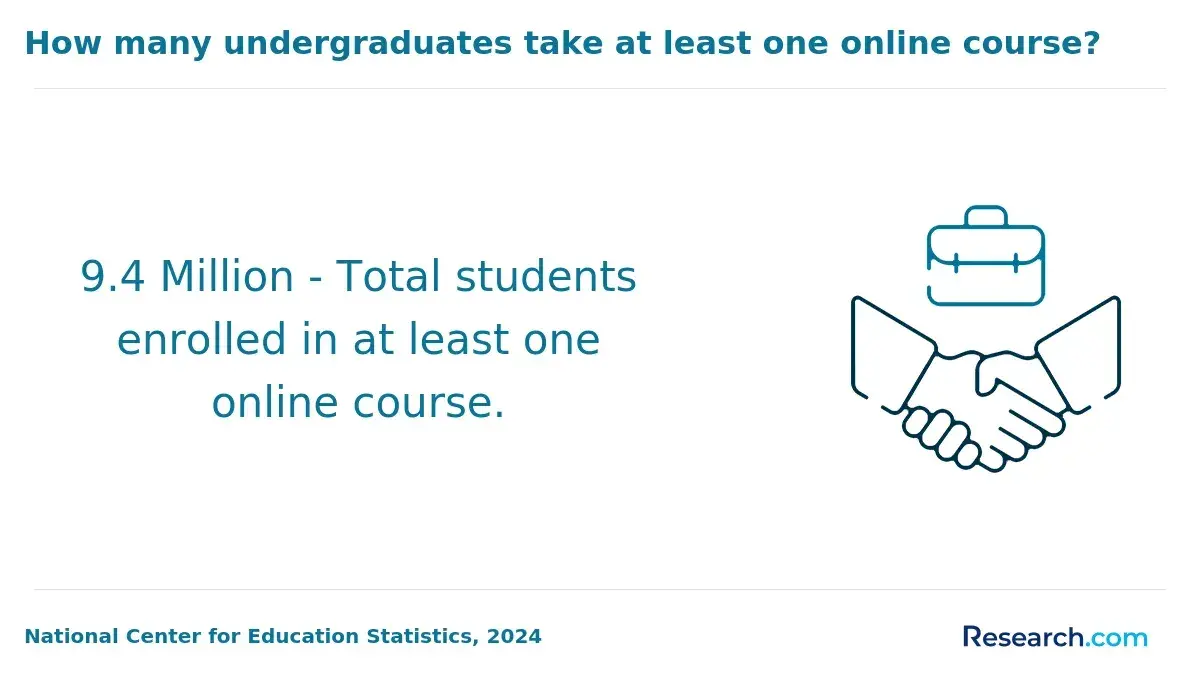
Florida Institute of Technology has an average graduation rate of 65% from a student body of 8,516 enrollees. This indicates a moderate level of program completion, with roughly two-thirds of students finishing their studies. Such a rate should be interpreted as neither exceptionally high nor alarmingly low within the context of online learning.
Completion rates vary significantly depending on factors like degree level, student support, and course format. Online students, often balancing work and family, usually take up to six years to graduate. National research shows about 60% of remote undergraduate learners finish within this timeframe, signaling Florida Tech's rate aligns reasonably with broader trends.
For example, a part-time working adult juggling multiple responsibilities may find the 65% rate a realistic gauge of the effort needed to succeed. Employers often see completion as evidence of persistence, especially for remote degrees requiring strong self-management skills.
Prospective students should weigh this rate carefully against personal circumstances and learning preferences. Completion statistics offer a practical benchmark reflecting sustained commitment rather than a guarantee of success.
Does Florida Institute of Technology have a good online student culture?
Florida Institute of Technology's online student culture offers practical tools and structured opportunities that help remote learners stay connected, though it stops short of creating a fully immersive community experience. The culture is sustained by a mix of technology platforms and organized virtual groups that encourage real-time interaction and peer support.
These features form the foundation of the online environment, addressing key aspects of engagement while still requiring proactive student involvement. The factors that contribute to Florida Institute of Technology's online student culture include:
- Canvas Learning Platform:This is the main hub for course materials and discussion boards. It supports academic interaction but has limited features for informal socializing beyond coursework.
- Virtual Student Organizations:Groups like the Online Student Services and Leadership Association provide webinars and peer mentorship. They help build connections around shared interests and leadership development.
- Microsoft Teams and Zoom Integration:These tools facilitate synchronous meetings and study sessions. They offer opportunities for real-time collaboration that can reduce isolation if students actively participate.
- Career Services Tailored for Online Students:Virtual job fairs and networking events connect students with employers. While focused on employability, they also create professional community links beyond the classroom.
- Dependence on Student Initiative:The system lacks a centralized social platform. Success in building relationships heavily depends on how much effort students make to join groups and use available tools.
- Balancing Commitments:Online learners often juggle work, family, and studies. This reality shapes a culture where engagement varies widely and flexibility is crucial.
- National Engagement Trends:A 2024 EDUCAUSE report shows only 47.3% of remote students feel highly connected to their institutions. This highlights the ongoing challenge of creating meaningful digital community experiences.
What makes Florida Institute of Technology an ideal option for online students?
Florida Institute of Technology stands out for online students due to its comprehensive financial support, flexible program design, and alignment with technical workforce demands. For instance, a working parent pursuing an online STEM degree can rely on extensive aid while maintaining employment. The following points highlight why Florida Institute of Technology is a practical choice for nontraditional learners balancing various commitments.
- Universal Financial Aid Access: Every online student reportedly receives financial assistance, which lessens the heavy total attendance cost of $60,387. This aid is essential for mitigating the upfront economic burden and increasing program accessibility for those managing career and family obligations.
- Targeted Program Flexibility: Online programs at Florida Institute of Technology are tailored for working professionals, allowing students to advance without interrupting income flow. Flexibility is especially critical given the realities of juggling remote learning with job responsibilities.
- STEM and Technical Focus: Specialization in science, technology, engineering, and math disciplines aligns with sectors valuing certifications and skills alongside degrees. This focus prepares students for roles where practical expertise is increasingly prioritized.
- Recognized Online Credentials: A 2024 study shows a 25% rise in employer acceptance of online degrees for remote and hybrid tech positions. This trend indicates that Florida Institute of Technology's online programs can enhance employability in evolving professional markets.
- Dedicated Student Support Services: Online learners have access to resources that improve engagement and reduce isolation. These services promote persistence and better completion rates, critical for long-term academic and career success.
Despite a median alumni salary of $43,137, which is moderate within technical fields, Florida Institute of Technology offers viable pathways for students aligned with realistic expectations. Prospective enrollees seeking less restrictive admission criteria might also consider looking at options for an online college with no GPA requirements. Understanding these dynamics can aid in making informed application decisions.
What resources are available to online students at Florida Institute of Technology
Online student support services at Florida Institute of Technology reflect an understanding that successful remote learning hinges on more than just course delivery. For a student struggling to keep up in a demanding STEM course while balancing a part-time job and family obligations, immediate access to virtual tutoring and robust academic tools can be a decisive factor in maintaining progress and motivation.
The institution integrates key resources to address practical and emotional barriers faced in distance education. Below is a focused overview of the primary academic and career resources available to online learners at Florida Institute of Technology.
- Virtual Tutoring Services: On-demand access to expert tutors allows students to resolve complex STEM problems promptly, preventing backlog and supporting steady academic performance.
- Remote Library Access: Comprehensive digital databases and research tools provide learners with critical scholarly materials regardless of location, enabling thorough research without physical library visits.
- 24/7 Technical Support: Continuous technical assistance addresses connectivity or platform issues swiftly, minimizing disruptions that could otherwise undermine course engagement and satisfaction.
- Career Development Resources: Customized virtual job boards, resume coaching aligned with digital recruitment trends, and online networking events prepare students for evolving employer expectations, especially in remote or hybrid work environments.
Mental health and wellness support are embedded in the online framework, offering remote counseling and advising tailored to mitigate social isolation risks common among distance learners. Financial counseling and literacy programs assist students in navigating aid and managing budgets, vital for those balancing studies with other responsibilities.
This comprehensive support model corresponds with a 45% increase in remote student support usage correlated with improved academic outcomes, which highlights how thoughtfully designed online services can influence retention and success. Students exploring accelerated credential options may also benefit from reviewing 6-month certificate programs that pay well, integrating these pragmatic considerations into their academic planning.
How can you evaluate if Florida Institute of Technology is the right school for you?
Choosing Florida Institute of Technology for online education requires an assessment grounded in practical outcomes rather than institutional appeal alone. Imagine a working professional weighing whether to invest $27,000 in median graduate debt for a degree promising regional STEM recognition. This decision demands evaluating how well the program fits career goals, learning preferences, and financial limits.
Students should weigh multiple factors to ensure their choice aligns with tangible career benefits and sustainable personal investment. Below are key considerations for this evaluation:
- Acceptance Rate and Accessibility: The 63% acceptance rate indicates moderate selectivity. Students must judge if this balance aligns with their academic preparation and desire for a competitive learning environment without facing excessive barriers to entry.
- Debt Levels and Return on Investment: Understanding the $27,000 median graduate debt is essential. Prospective enrollees should project whether future earnings justify this cost, considering their field's salary trends and personal financial situation.
- Program Availability and Fit: Not all specializations may be offered fully online. Confirming curriculum relevance and delivery formats ensures the program matches professional ambitions and accommodates scheduling needs like synchronous or asynchronous learning.
- School Reputation in Target Industries: Regional recognition, especially in STEM, matters unevenly across employers. Investigating employer acceptance of online credentials in desired fields avoids surprises in employability.
- Career Support Services: Programs providing career counseling and internship facilitation increase practical outcome chances. Over 70% of remote applicants prioritize these supports according to recent decision-making studies, underscoring their importance.
- Long-term Alumni Success: Reviewing alumni employment rates or advanced study progression gives insight into real-world program value beyond graduation.
- Learning Format Compatibility: Matching online course structure to personal learning style enhances engagement and persistence, which directly affects success rates.
What Graduates Say About Florida Institute of Technology Online Programs
- Chloe: "Before applying to Florida Institute of Technology's online programs, I carefully reviewed the admissions requirements and tuition costs, which helped me set realistic expectations. The application process was straightforward but required me to prepare all documents meticulously, especially since remote learning demands high self-discipline. Once enrolled, the orientation was practical and gave a clear picture of academic expectations, which made adapting to online coursework less daunting. Graduating with an online degree has definitely enhanced my qualifications and helped me secure a position in a demanding tech role where flexibility and continuous learning are vital."
- Hope: "My decision to pursue an online degree from Florida Institute of Technology was influenced by their thorough online student resources and the variety of programs available. I approached the admissions process cautiously, ensuring I was technically prepared to handle the virtual learning environment and proactive about meeting deadlines. The orientation helped me understand the school's academic standards and how to access support services, which proved essential as I balanced work and study. Ultimately, earning this degree gave me a competitive edge when transitioning careers and demonstrated my ability to manage complex projects independently."
- Eva: "Choosing Florida Institute of Technology's online program involved weighing the rigor of their curriculum against their admissions criteria and tuition fees, both of which I found transparent and fair. The initial orientation set a realistic tone, showing me that self-motivation would be key to my success in this format. Although remote learning presented challenges, the program's structure and the faculty's accessibility made a significant difference. Having this degree from a respected institution has opened doors in my industry and validated my commitment to professional growth despite the unconventional learning path."
Other Things You Should Know About Florida Institute of Technology Degrees
The structure of Florida Institute of Technology's online programs often includes a mix of asynchronous and synchronous sessions, which can complicate scheduling for working adults. While asynchronous content allows for flexibility, required live sessions or group projects may demand specific time commitments during business hours, limiting your ability to study purely on your own schedule. Prioritize programs with mostly asynchronous content if you need maximum control over your study time; otherwise, be prepared to negotiate work commitments around fixed class times.
Employers increasingly accept online degrees, but Florida Institute of Technology's reputation varies by industry and region. In technology and engineering fields, its online programs tend to carry more weight, which can positively influence job prospects. However, some employers may still view online degrees with caution unless supplemented by strong work experience or professional certifications. If employer perception is a priority, focus on programs with strong industry connections and accreditation that match your targeted career path.
Florida Institute of Technology's online programs often require the same rigor and volume of work as their in-person counterparts, meaning the workload can be substantial and time-intensive. Expect to spend significant hours weekly on readings, assignments, and interaction with peers and instructors. This level of commitment demands strong self-discipline and time management skills, especially if balancing employment or family responsibilities. Choosing an online program at Florida Institute of Technology without accurate consideration of this workload can lead to burnout or delayed completion.
Effective participation in Florida Institute of Technology's online programs requires reliable internet access and a compatible computer setup, but beyond hardware, the experience depends heavily on institutional support for technical issues. Although Florida Institute of Technology provides online support, response times and problem resolution may vary, affecting your study continuity. Prioritize familiarizing yourself with the learning management system and support services before enrolling, especially if you have limited technical skills or anticipate needing frequent assistance.
References
- Florida Institute of Technology Admission Process 2026 : Requirements, Application Dates & Deadlines https://www.gyandhan.com/study-abroad/usa/universities/florida-institute-of-technology/admission
- Distance Learning https://www.sf-institute.com/content/distance-learning
- CFIT | Central Florida Institute of Training https://www.cfitinc.com/
- Florida Institute of Technology on CollegeXpress https://www.collegexpress.com/graduate-school/florida-institute-of-technology/5009549/
- Florida Institute of Technology - Top Ten Online Colleges https://www.top10onlinecolleges.org/school-profiles/florida-institute-of-technology/
- Find Course Materials | Florida Institute of Technology Official Bookstore https://fit.bncollege.com/course-material/course-finder
- Florida Institute of Technology Requirements for Admission https://www.prepscholar.com/sat/s/colleges/Florida-Institute-of-Technology-admission-requirements
- Is Florida Institute of Technology Hard to Get Into Admissions Guide https://techtrim.co.uk/is-florida-institute-of-technology-hard-to-get-into-admissions-guide/
- ATPC1740 Fire Service Course Delivery | Couch Courses https://couchcourses.com/courses/course-delivery/
- Florida Institute of Technology (Florida Tech) https://www.princetonreview.com/college/florida-institute-technology-1023516