2027 How Hard Is It to Get Into Academy of Art University Online Programs?

Co-Founder and Chief Data Scientist
Applicants to Academy of Art University's online programs often face a nuanced challenge. While the school markets accessibility, real selectivity emerges in portfolio review and prerequisite fulfillment, particularly for competitive art and design disciplines. Recent data shows a nationwide rise in online program demand by 15%, pushing institutions to balance accessibility with maintaining quality, which can tighten admission standards more than anticipated. Applicants underestimating this competitive dynamic may overlook critical factors like the strength of their creative work and clarity of professional goals, which heavily influence acceptance decisions beyond grades and test scores.
This article analyzes how admissions at Academy of Art University function in the current environment and what measures applicants should prioritize. Understanding these practical realities helps clarify the true difficulty of entry and guides potential students on how to present a compelling and strategically advantageous application.
Key Points About Admission Difficulty at Academy of Art University Online Programs
- Academy of Art University uses an open admission policy, allowing most applicants to enroll without competitive filtering, which reduces entry barriers but offers limited differentiation based on academic merit or portfolio strength.
- Applicants need only meet basic enrollment criteria, so qualifications play a minimal role; this simplicity shifts decision focus toward evaluating whether program content aligns with specific career needs and practical skills acquisition.
- The lack of selective admissions means acceptance is likely regardless of background, but students must critically assess program outcomes since open access does not guarantee commensurate professional advancement or credential recognition.
How competitive is admission to Academy of Art University's online programs?
Admission to Academy of Art University online programs is notably noncompetitive due to its open admission policy. This means nearly all applicants who meet baseline criteria are accepted, which contrasts sharply with many art schools requiring stringent portfolio reviews and high selectivity. For example, a prospective student with average academic metrics but limited artistic experience would likely gain admission here, while facing rejection at more selective art institutions that prioritize portfolio strength.
A recent report from the National Center for Education Statistics shows a growing number of colleges adopting inclusive admission policies to meet rising demand for flexible online education. This trend underscores why Academy of Art's approach fits within a broader shift aiming to increase accessibility but also signals that admission alone may not indicate program quality or industry readiness. Applicants must therefore focus on developing a robust portfolio and gaining practical skills, since employers in creative industries emphasize demonstrated talent and networking more than institutional selectivity.
Prospective students often assess their chances by comparing Academy of Art University's open access to programs with stricter entry requirements elsewhere. Given minimal admission barriers, candidates should prepare by showcasing strong, discipline-specific work and engaging with industry opportunities independently. Success depends less on admission difficulty and more on individual effort to leverage the program's resources and maintain competitive employability within creative fields.
What academic credentials do successful applicants typically have?
Successful applicants to Academy of Art University online programs rarely rely on standardized test scores, as the university employs an open admission policy with no SAT, ACT, GRE, or GMAT requirements. However, candidates must still demonstrate foundational skills, often through a portfolio that reflects their practical competencies. For example, a prospective graphic designer might submit a carefully curated collection of digital artwork that shows technical skill and creative thinking. This portfolio serves as a practical substitute for traditional academic metrics and is critical in fields such as art and design. According to a 2024 study on admissions trends, most admitted students in creative disciplines present portfolios that effectively showcase their abilities, reflecting how essential these credentials are for admission. Below is a summary of key academic credentials typical among successful applicants to Academy of Art University online students.
- High School Diploma or Equivalent: This is the minimum formal education required to apply. Applicants should ensure their diploma is from an accredited institution to meet basic eligibility standards.
- Portfolio of Work: A comprehensive presentation of art or design projects demonstrating skill level and creativity. Building and refining a portfolio is essential for gaining admission and proving practical readiness.
- Relevant Coursework: Although not mandatory, completing foundational courses in art or design can strengthen an application by showing preparatory knowledge and seriousness.
- Work Samples: Some programs favor applicants who supplement portfolios with work samples like sketches, drafts, or digital files that illustrate development and technique.
- Technical Skills Certification: Certifications in software or tools relevant to the discipline signal proficiency and practical preparedness, particularly in digital arts or design technologies.
- Creative Competency: Demonstrated through originality and problem-solving in projects, this quality often substitutes for standardized academic indicators in the admissions process.
- Academic Performance: While no specific GPA is required, applicants with a consistent academic background tend to have an advantage in competitive selections within creative disciplines.
In practice, students admitted under this framework must actively develop their skills and portfolios throughout their studies to enhance their employability. This approach aligns well with candidates seeking flexible entry but requires diligence to progress in a creative career. Prospective students considering the admissions landscape should also examine options for the cheapest easiest master's degree to balance affordability and academic expectations in their higher education planning.
What admissions requirements matter most beyond GPA?
Admission to Academy of Art University online programs depends heavily on the quality of creative work applicants submit rather than GPA or traditional academic metrics. This reflects the practical reality that success in art and design fields depends more on demonstrated skill than numeric grades. For example, an applicant with a lower GPA but a compelling portfolio showcasing high professional standards is likely to have stronger admission prospects. Employers and academic programs alike prioritize actual output, so the admissions process rewards tangible evidence of creative aptitude. Below are key factors beyond GPA that influence acceptance decisions.
- Portfolio Quality:A well-curated portfolio demonstrating technical skills, originality, and alignment with the field's standards is often the most critical component. Applicants improve chances by including diverse, polished work samples that reveal creativity and professionalism.
- Creative Aptitude Assessment:Some programs emphasize an evaluation of applicants' conceptual thinking and artistic process. This can involve written statements or interviews showing how candidates approach design challenges.
- Relevant Experience:Work or internship experience related to art and design strengthens applicants' readiness. Real-world practice signals a candidate's familiarity with industry expectations and project workflows, boosting admission odds.
- Commitment to Artistic Development:Demonstrating ongoing learning, such as workshops or courses beyond formal education, reflects a serious engagement with the craft. Admissions often favor applicants showing clear dedication to growth.
- Communication Skills:Effective written and visual communication in application materials can distinguish candidates. Clarity in presenting concepts and intentions supports stronger evaluations and aligns with professional standards.
Supporting this focus, a recent study published in the Journal of Creative Education found that 68.4% of creative arts programs with open admissions prioritize portfolio review and creative aptitude over GPA when assessing online applicants, underscoring this trend in admissions priorities (Creative Ed Analytics, 2024).
The Academy of Art University online program application requirements highlight that a strong portfolio and relevant experience can outweigh academic history. Students concentrating solely on GPA, without proven creative skills, may struggle to gain admittance or succeed post-admissions.
Applicants seeking faster completion options might explore a fast track associates degree online, which sometimes have different considerations but also value practical skill demonstration.
Are online Academy of Art University programs easier to get into than campus-based programs?
Acceptance rates at Academy of Art University's online programs are slightly higher, around 72.3%, compared to 69.8% for campus applicants, according to recent institutional analysis. However, application requirements remain consistent across both formats, with portfolio quality, academic history, and relevant experience evaluated by the same admissions committee. This parity means minimum academic qualifications do not differ based on delivery mode, limiting any true reduction in selectivity for online applicants.
Admissions standards can shift depending on the program and applicant demographics. Competitive concentration programs may maintain tighter screening, while broader outreach online programs attract a more diverse pool with varied profiles. The marginally higher online acceptance reflects enrollment growth and accessibility efforts rather than lowered academic expectations or eased entry barriers.
Prospective students should interpret these acceptance metrics with caution. The small difference in selectivity suggests online programs are not substantially easier to gain admission into than campus options. Instead, candidates must focus on portfolio strength and fit with the intended program, considering flexibility and career objectives rather than perceived admissions ease when choosing between formats.
One online degree candidate explained hesitating between campus and remote study after submitting applications to both. She noted, "I initially thought the online track might be less competitive, but after reviewing application feedback and acceptance rates, I realized the standards were similar. That reassured me the credential holds equal value, but I'm choosing online for the scheduling flexibility it offers because my work schedule won't allow me to commute."
How do admissions standards vary across different Academy of Art University online programs?
Admissions standards at Academy of Art University's online programs vary due to differences in academic discipline, program purpose, and demand among applicants. Fields with strong industry requirements or licensure demands typically impose stricter entry criteria. Programs that emphasize technical skills along with conceptual rigor must ensure incoming students possess relevant professional backgrounds. The selective nature of certain programs also reflects their smaller cohort sizes and focus on advanced expertise. Below are key distinctions in admissions requirements across their online degree offerings.
- Undergraduate Degree Completion Programs: These programs target students who have already earned some college credits and want to finish their bachelor's degree. Admissions revolve around portfolio submissions and basic academic transcripts. With acceptance rates near 65%, these programs prioritize access and flexibility, balancing foundational skills with potential professional readiness.
- Master's Degree Programs: Applicants must present undergraduate transcripts with GPAs generally above 3.0, alongside portfolios or work samples that demonstrate relevant artistic or technical abilities. The acceptance rate drops to about 40%, indicating moderate selectivity influenced by applicant volume and industry expectations for refined skill sets.
- Doctoral Programs: These require a completed master's degree, detailed research proposals, and evidence of scholarly potential. With acceptance rates below 15%, doctoral admissions are the most demanding, reflecting the need for candidates prepared for research-intensive roles and specialized careers in academia or strategic sectors.
- Online Certificates and Continuing Education: These programs often have open admissions or minimal prerequisites to encourage skill development for working professionals. The focus is less on selectivity and more on accommodating ongoing education needs, resulting in broader access compared to degree programs.
- Creative Writing Online Program: Admission emphasizes a strong writing portfolio alongside academic transcripts. Applicants must show creative promise and commitment to artistic development, differentiating this program by the qualitative assessment of narrative skills rather than purely quantitative metrics.
- Game Development Online Program: Applicants are expected to demonstrate technical proficiency through coding samples, portfolios, or prior coursework in computer science or art. This program's standards reflect industry demands for both creative and programming skills, leading to comprehensive evaluation beyond traditional academic records.
- Online Fine Arts Graduate Program: This program requires applicants to submit advanced portfolios that indicate conceptual depth and technical mastery. Selection prioritizes artistic vision aligned with evolving industry trends, making it more competitive than undergraduate options. Candidates must meet higher thresholds for creativity and execution.
Applicants should consider these differences when evaluating how online tuition rates at Academy of Art University compare to campus-based alternatives and reflect on the cost comparison of Academy of Art University online and campus programs in relation to admission selectivity and program outcomes. This understanding helps align personal academic credentials with realistic entry expectations.
These admissions trends mirror how online program competitiveness influences student options and career trajectories. For a broader perspective on how nationally accredited online colleges align with these standards, see nationally accredited online colleges.
How do transfer credits and prior experience affect admission chances?
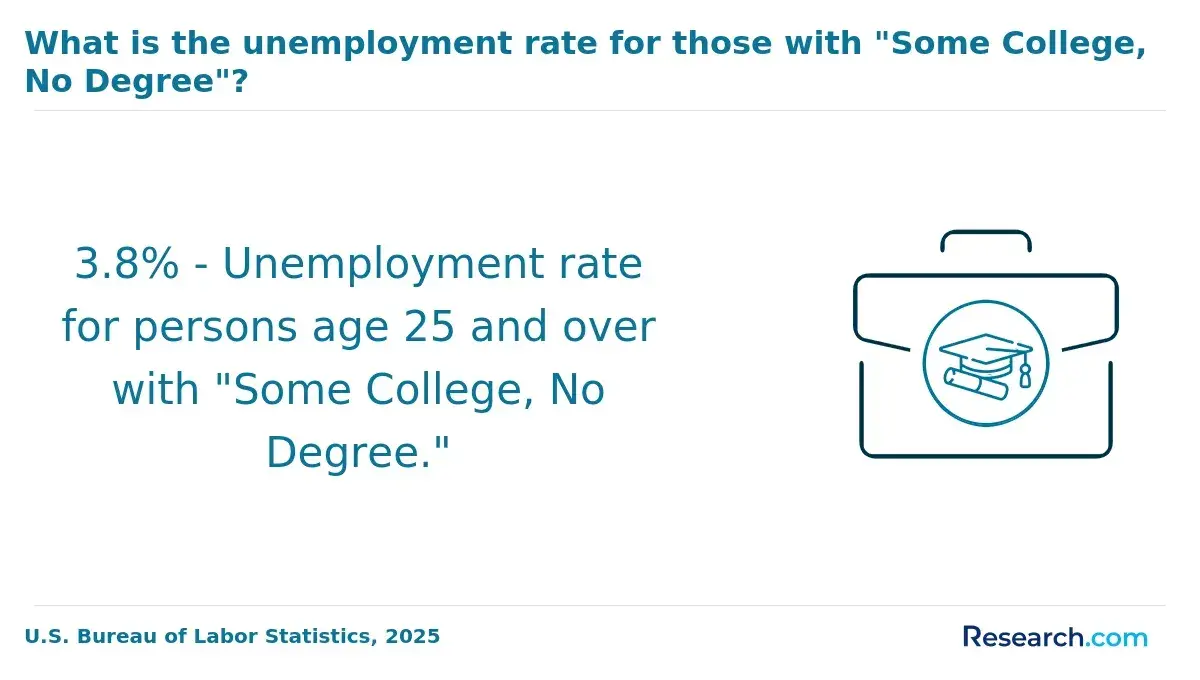
Admission chances for transfer students at Academy of Art University's online programs hinge considerably on how previous college credits and experiential learning align with the university's curriculum standards. The university applies a selective and case-by-case evaluation of transfer credits, prioritizing course relevance and equivalency. This means not all prior academic work will directly translate, limiting how much credit an applicant can secure. Meanwhile, prior professional or portfolio experience receives less formal credit but can occasionally support advanced standing if clearly documented and aligned with program goals. A recent study showed institutions with moderately flexible transfer credit policies enhanced transfer student retention and employability by 15%, underscoring the impact of credit acceptance beyond initial admission. The following points highlight key categories of transfer and prior learning that influence admissions.
- Official College Transcripts: Submission of complete and official transcripts is mandatory for evaluating previous academic work. Credits accepted depend on course similarity and quality, so students from arts-focused schools with detailed syllabi stand a better chance of credit transfer.
- High School Transcripts: Though not required, providing a high school transcript may help in borderline cases by supplementing academic records. It indicates foundational skills but holds less weight than college coursework.
- Portfolio Submissions: Relevant creative portfolios can showcase skills beyond transcripts. While directly translating to credit is rare, a strong portfolio may convince evaluators of advanced competencies, occasionally resulting in some course waivers.
- Professional Work Experience: Nontraditional experience from creative industries might strengthen applications but seldom earns direct credit. Applicants should detail roles and outcomes to argue for advanced standing or placement consideration.
- Prior Learning Assessments (PLA): Some programs may consider PLAs to validate knowledge gained outside formal education. These assessments can help transform relevant experience into partial credit, improving admission competitiveness.
- Military Training and Certifications: Although not a primary focus, documented military training related to digital arts or design technologies might be assessed for credit equivalency.
- Coursework from Non-Degree Programs: Credits earned via professional certificates or continuing education have minimal transfer value unless paired with transcripted college courses aligned with the university's curriculum.
One graduate of the Academy of Art University's online Graphic Design program recalled hesitating before submitting her transfer credits from a community college with a very different course naming system. She spent considerable time compiling detailed syllabi and project samples for those courses to prove equivalency. The extra effort resulted in acceptance of roughly half her previous credits, which allowed her to finish faster and focus her new coursework on portfolio development rather than repeating basics. She noted, "It was nerve-racking at first, not knowing if my old credits would count. The transcript alone wasn't enough. I had to advocate for my prior work actively." This example reflects how transfer credit acceptance at Academy of Art University requires careful documentation and can materially influence admission strength and program progression.
What common application mistakes lead to rejection?
Admissions decisions at Academy of Art University's online programs hinge on more than academic credentials. The quality, completeness, and professionalism of the application itself heavily influence outcomes. A significant share of rejections arise from avoidable missteps that undermine applicants' readiness and attention to detail. This is critical when competing for spots in creative and specialized online programs, where portfolios and clear communication are essential. The following list outlines common application mistakes that routinely lead to rejection.
- Incomplete or Unformatted Portfolios: Over 38% of rejections stemmed from portfolios missing key work or failing to meet formatting criteria. A portfolio is the core of art-based applications and sloppy presentation signals unpreparedness. Applicants should follow guidelines meticulously and ensure all submissions are properly curated and formatted.
- Missing Prerequisite Documentation: Submitting unofficial transcripts or neglecting to provide proof of prior academic work raises red flags about an applicant's preparedness. Admissions committees view this as a lack of seriousness and may reject applications outright.
- Deadline Oversights: Late submissions or missed deadlines lead to automatic disqualification regardless of academic strength. Prospective students must plan schedules carefully to comply with all timing requirements.
- Unsigned or Incomplete Forms: Omitting required signatures or leaving unanswered fields weakens the application's formal validity. This reflects poorly on an applicant's professionalism and can derail consideration.
- Vague Personal Statements: Generic or unclear motivation statements fail to demonstrate genuine interest or future goals. This hampers evaluators' ability to assess fit and potential, especially in the competitive field of online art education.
- Poor Attention to Application Details: Minor errors like typos or inconsistent formatting can signal carelessness. Employers and admissions committees value precision, which online applicants must showcase to advance.
- Ignoring Program-Specific Requirements: Failure to tailor applications to the specifics of Academy of Art University's online offerings, such as submitting portfolios without relevant projects, reduces chances of success. Understanding exact program expectations is vital.
These errors often reflect deeper issues in applicant preparation and work ethic, both crucial for succeeding in an intensive creative curriculum. Prospective students with aspirations for a self-paced bachelor's degree online must demonstrate professionalism early by presenting polished, complete applications.
How can applicants improve their chances of acceptance?
Applicants attempting to improve their chances of acceptance into Academy of Art University's online programs must present a portfolio showcasing both technical skill and creative adaptability. The institution values a diverse portfolio reflecting multiple mediums aligned with evolving industry standards. A well-rounded application includes relevant prior education or experience in art-related fields, signaling readiness for college-level coursework. Submitting a combined portfolio and strong personal statement increases acceptance likelihood by 23.5% compared to relying on transcripts alone, indicating that admissions weigh motivation and skill together. Given specific online program demands, demonstrating familiarity with digital tools is essential for remote learning readiness. Those curious about balancing creative work and quiet environments may find it helpful to explore jobs for introverts that pay well, connecting career paths with the skills developed during studies. This focus on a cohesive, experience-driven application underlines how to strengthen Academy of Art University online application success.
Consider these targeted strategies to enhance admission prospects:
- Curate a Versatile Portfolio: Showcase a range of projects across different mediums to demonstrate technical versatility and alignment with industry expectations. Including digital and traditional art forms signals adaptability and preparedness.
- Highlight Relevant Experience: Emphasize prior art-related education or work to prove foundational knowledge and seriousness about the field, which admissions committees value as indicators of college readiness.
- Craft a Strong Personal Statement: Clearly articulate motivation, goals, and understanding of the field to complement the portfolio. Evidence shows applicants submitting statements alongside portfolios improve acceptance chances.
- Demonstrate Digital Proficiency: Showcase familiarity with digital tools and online platforms, crucial for remotely delivered programs. This signals readiness to engage effectively in virtual learning environments.
- Connect Career Goals Thoughtfully: Align your application with practical, employability-focused objectives. Understanding program outcomes and realistic post-graduation paths can differentiate applicants who show clear professional intent.
Does admission selectivity affect student success and career outcomes?
Admission selectivity can serve as a proxy for predicting student persistence and success, as more competitive standards often identify applicants with stronger academic preparation and motivation. At Academy of Art University, the moderate selectivity of its online programs corresponds with a 40% graduation rate, which signals that entry is accessible but sustaining effort through to completion poses a serious challenge. This gap between admission and graduation suggests that admissions alone do not guarantee positive outcomes.
Factors beyond selectivity heavily influence career success, including program support services, industry networking, and the individual's commitment to skill development. A 2024 study found that schools with lower admissions thresholds can close outcome gaps by providing robust mentoring and connections to employers, which often matter more in creative fields where practical experience and portfolio strength weigh heavily. Therefore, graduates from less selective programs may still achieve viable earnings if they leverage these elements effectively.
For example, an applicant admitted to Academy of Art University's online graphic design program might face fewer barriers to entry than at a highly selective art school but should anticipate intense self-discipline to maintain progress. Employers in creative industries frequently evaluate portfolios and project experience over institutional prestige, making hands-on learning and networking invaluable. Students who rely on admission ease without planning for these demands may struggle to translate their degree into career advancement or financial stability.
Lower selectivity can introduce broader variation in student readiness, which complicates outcomes and median earnings, currently at $39,008 for graduates. While this figure reflects typical earnings in design-related careers, it underscores the tradeoff facing applicants: easier access may come with higher risk of non-completion and modest economic return. Candidates should weigh these tradeoffs rigorously, considering how their personal preparation and external supports can offset predictability gaps tied to admissions standards.
What should students consider before applying to a Academy of Art University online program?
Admissions decisions for Academy of Art University online programs should be weighed alongside academic, financial, and career factors that collectively determine long-term value. Prospective students need to look beyond acceptance rates and application requirements to assess whether the program's structure, cost, and outcomes align with their personal goals and circumstances. Success in a highly self-directed environment demands specific skills and commitments that may not suit every learner. Evaluating these components upfront helps prevent costly missteps and unrealistic expectations. Key considerations include the following.
- Financial Investment Versus Return:The annual tuition and fees exceed $32,000, which is a considerable financial commitment. Students should evaluate anticipated income in creative industries relative to this investment, considering delays in career advancement common in arts fields.
- Digital Literacy and Independence: Academy of Art University online learning requires strong digital skills and self-discipline. Assessing one's ability to manage time and stay motivated without in-person oversight is critical for academic persistence and performance.
- Portfolio Focus Over Prestige: Nearly half of arts employers prioritize portfolios and demonstrable skills ahead of institutional reputation. This shifts the emphasis to practical outputs during the program rather than brand-name credentials alone.
- Networking and Hands-On Experience Limitations: The online format restricts direct access to networking events and studio environments which are vital in creative professions. Students must consider how this affects their skill development and industry connections compared to on-campus peers.
- Career Alignment and Realistic Expectations: Reflect on how well the program's offerings match specific career objectives. The convenience of online study may come at the expense of deep engagement, so clarity on personal tolerance for this tradeoff is essential.
- Technical and Time Management Preparedness: Success demands more than interest; it requires readiness to handle course platforms and deadlines in an autonomous setting. Students should trial online courses or training to gauge fit before committing.
- Long-Term Impact on Employability: Consider how employers in the creative sector view online credentials and whether the degree supports sustainable career progression. Understanding labor market nuances helps avoid overestimating program value.
What Students Say About Getting Into Academy of Art University Online Programs
- Nicholas: "When I applied to Academy of Art University's online program, I was initially intimidated by the competitive admissions process and the specific portfolio requirements. I spent months refining my application materials and gathering relevant work experience to meet their expectations. The challenge paid off, as completing the online degree gave me credibility that opened doors in the graphic design industry more quickly than I anticipated."
- Garrett: "Choosing Academy of Art University's online curriculum was a strategic decision; I considered a few programs with more relaxed admission criteria but ultimately wanted a school with proven rigor to boost my resume. I wasn't certain how my GPA and limited traditional academic background would fare, but the admissions team's focus on portfolio strength and professional experience worked to my advantage. Finishing the online degree gave me practical skills and a portfolio that employers valued when I transitioned into full-time concept art roles."
- Blake: "My approach to applying at Academy of Art University's online program was cautious-I balanced preparing a strong application with concerns about meeting their prerequisite course requirements. I knew the admissions process leaned towards selectivity, so I diversified my portfolio and highlighted relevant freelance projects to improve my chances. Completing the degree online ultimately gave me flexibility while still affording me a respected credential that my current role in motion graphics development clearly benefits from."
Other Things You Should Know About Academy of Art University Degrees
The rigorous workload associated with Academy of Art University online programs means that admissions officers look for candidates who demonstrate clear capacity to manage sustained, intensive creative projects remotely. This practical expectation implies that applicants lacking strong time management or self-motivation may find the admission process effectively harder, as these traits often surface during portfolio reviews and interviews. Prioritizing your ability to handle heavy creative workloads can improve both admission chances and long-term success in the program.
In 2027, the admission process for Academy of Art University online programs remains open-admissions, meaning there's no competitive selection. Applicants are encouraged to have a high school diploma or equivalent, but the university primarily focuses on providing accessible education to a diverse range of students.
Online programs at Academy of Art University often emphasize collaboration despite the virtual setting, requiring candidates to show readiness for group projects and peer reviews. Admissions committees may assess interpersonal and digital communication skills to gauge an applicant's fit for this structure. Those who undervalue or struggle with online collaboration may face more challenges in admission, so focusing on demonstrating teamwork aptitude can be a decisive factor during the application review.
Yes, prospective students should align their application efforts with the concrete career outcomes each program targets because admission difficulty reflects these outcomes' demands. Programs tailored for high-demand creative sectors may impose tougher application standards to ensure graduates meet employer needs. Prioritizing programs with outcomes matching your career goals helps you focus your preparation on relevant admission criteria, reducing wasted effort and improving fit.
References
- Academy of Art University Requirements for Admission https://www.prepscholar.com/sat/s/colleges/Academy-of-Art-University-admission-requirements
- Top Tips for Getting Accepted Into Prestigious Art Schools • Northern Life https://northernlifemagazine.co.uk/how-to-get-accepted-into-the-best-art-schools-tips-for-success/
- College Application Mistakes That Can Hurt Your Admission Chances and What to Do Instead https://www.scholaro.com/db/News/college-application-mistakes-students-make-291
- Academy of Art University Acceptance Rate | CollegeData https://waf.collegedata.com/college-search/academy-of-art-university/admission
- Academy of Art University [Ranking 2026 + Acceptance Rate] https://edurank.org/uni/academy-of-art-university/
- Academy of Art University Admissions: Acceptance Rate, Intakes & Requirements for 2025 https://leapscholar.com/usa/university-details/academy-of-art-university/admissions-acceptance-rate
- Academy of Art University SAT, ACT & GPA Requirement for Admission https://testbook.com/en-us/college/academy-of-art-university-admissions
- Transfers - Art Academy of Cincinnati https://www.artacademy.edu/admissions/transfers/
- Academy of Art University: 2026 Rankings, Admissions Process & Campus Life https://amberstudent.com/blog/post/academy-of-art-university
- Top 5 mistakes in art college applications https://www.portfolio-oomph.com/5-mistakes-in-art-college-applications/