
2027 Best Accounting Schools in Kansas – How to Become a CPA in KS

Co-Founder and Chief Data Scientist
Choosing an accounting school in Kansas is not just a question of which campus is closest or which program has the lowest tuition. The better question is whether a program prepares you for the accounting role you want, the CPA pathway if you plan to pursue licensure, and the realities of Kansas’s labor market. Nationally, employment for accountants and auditors has remained steady, with projected growth of 5% by 2034. In Kansas, the broader service economy also continues to support business and finance roles, with labor forecasts showing the financial activities sector reaching about 81,100 workers by early 2025.
That creates opportunity, but it does not remove competition. Employers increasingly look for candidates who can do more than record transactions: they want accounting graduates who understand tax rules, audit procedures, data tools, internal controls, compliance, and business decision-making. A well-chosen accounting program can help you build those skills while positioning you for entry-level roles, graduate study, CPA eligibility, or specialized career paths.
This guide explains how to evaluate the best accounting schools in Kansas, what degree level may fit your goals, how costs and salaries compare, and what questions to ask before enrolling. It also covers the main types of accounting jobs and salaries students commonly consider so you can connect your education choice to a realistic career plan.
Best Accounting Schools in Kansas Table of Contents
- Quick answer: Are Kansas accounting schools worth considering?
- How do you become an accountant in Kansas?
- How long do accounting programs in Kansas take?
- When does an accelerated accounting degree make sense?
- How much do accounting programs in Kansas cost?
- Kansas schools with accounting programs for 2027
- How to compare accounting programs in Kansas
- How can accounting connect to healthcare careers in Kansas?
- Which accounting program format fits your goals?
- How does forensic training strengthen an accounting career?
- Is an online accounting degree practical in Kansas?
- How can accounting support healthcare billing and coding?
- What CPA exam support should Kansas students look for?
- What challenges should accounting students expect?
- How can accounting support public finance and urban development?
- What networking options are available to Kansas accounting students?
- Which accounting certifications can improve career mobility?
- How is technology changing accounting education?
- Can accounting experience lead to education careers?
- Can accounting skills help in legal support roles?
- What if accounting is not your final career path?
Quick answer: Are Kansas accounting schools worth considering?
Yes, accounting schools in Kansas can be a practical choice if you want a business-focused degree with clear employment pathways in public accounting, corporate finance, government, nonprofit finance, tax, audit, and advisory work. The strongest programs are usually those with recognized business or accounting accreditation, CPA-aligned coursework, internship access, technology training, and strong employer connections in Kansas and the surrounding region.
The decision should still be made carefully. Kansas accounting salaries are below national averages in some reported roles, so students should compare total program cost, financial aid, CPA preparation, internship placement, transfer credit policies, and likely career outcomes before enrolling.
| Best fit | Why it may work | What to verify first |
| Students planning to become CPAs | Accounting degrees can help meet education requirements and prepare for the Uniform CPA Examination. | Confirm Kansas Board of Accountancy requirements and whether the program supports the CPA pathway. |
| Working adults changing careers | Online, part-time, or accelerated formats may make accounting education more manageable. | Check scheduling, course sequencing, transfer credits, and total cost. |
| Students seeking business versatility | Accounting skills apply across tax, audit, finance, operations, compliance, healthcare, and government. | Review electives, internships, and career services for your preferred sector. |
| Students focused only on the lowest tuition | A lower-cost program can improve ROI if quality and support are strong. | Do not choose by tuition alone; confirm accreditation, outcomes, and employer connections. |
Is accounting a good job in Kansas?
Accounting can be a solid career option in Kansas, but students should weigh salary levels against living costs and career advancement potential. Reported salary data shows that auditors in Kansas earn an average annual salary of $69,332, which is 17% below the national average, while accountants earn an average salary of $53,982, or 13% below the national average (Indeed, 2023a; 2023b). On salary alone, Kansas may not appear as strong as higher-paying states. The broader financial picture is more balanced because living expenses in Kansas are comparatively low.
World Population Review data from 2026 identifies Kansas as having the fifth-lowest cost of living among all states. Lower housing and utility costs can help offset below-average salaries, especially for early-career accountants who are building experience, preparing for the CPA exam, or pursuing employer-sponsored advancement.
For students who plan carefully, accounting in Kansas can offer stability and upward mobility. The key is to avoid treating “accountant” as a single career outcome. Public accounting, corporate accounting, internal audit, tax, healthcare finance, government accounting, and management accounting can have different pay ranges, schedules, advancement patterns, and credential expectations.
| Role or factor | Reported Kansas figure | What it means for students |
| Auditor average salary | $69,332 | Audit may offer stronger earnings than some general accounting roles, especially with experience or CPA progress. |
| Accountant average salary | $53,982 | Entry-level and general accounting roles may require careful cost planning and career progression strategy. |
| Cost of living | Fifth-lowest cost of living among all states | Lower living costs can improve take-home value compared with higher-cost states. |
| Financial activities employment | Approximately 81,100 individuals by early 2025 | The sector supports demand for business, finance, compliance, and accounting skills. |
How do you become an accountant in Kansas?
The path to becoming an accountant in Kansas depends on the job you want. Some bookkeeping and accounting assistant roles may be accessible with an associate degree or certificate, while staff accountant, auditor, tax associate, and analyst roles commonly require a bachelor’s degree. CPA licensure requires additional steps beyond earning a degree. In 2024, about 8,760 accountants and auditors were employed across Kansas.
- Build the right academic foundation. Most students begin with a bachelor’s degree in accounting or a related business field from an accredited school. Core coursework usually covers financial accounting, managerial accounting, auditing, taxation, business law, information systems, and finance.
- Decide whether graduate study is necessary. A master’s degree is not required for every accounting role, but it can help students deepen technical knowledge, prepare for CPA requirements, specialize in tax or audit, or compete for management-track positions.
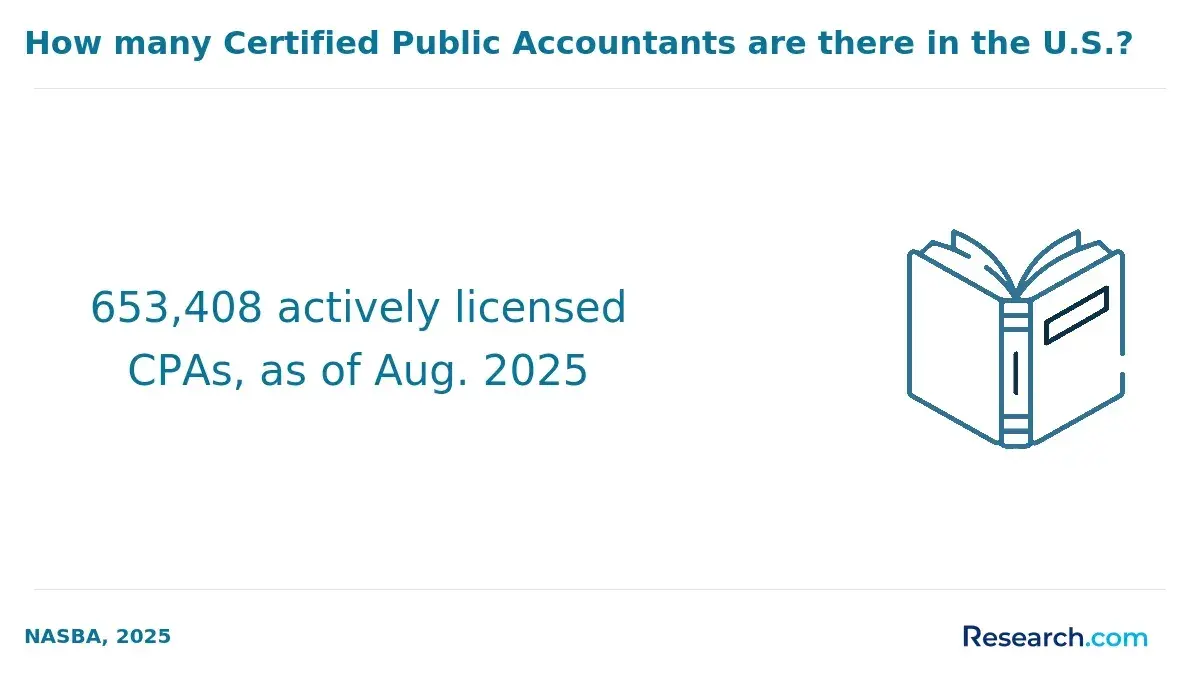
- Map your CPA plan early. Students who want the Certified Public Accountant credential should review Kansas CPA rules before choosing courses. CPA candidates must satisfy education requirements, pass the Uniform CPA Examination, and complete required experience under rules set by the Kansas Board of Accountancy.
- Gain practical experience before graduation. Internships, part-time accounting work, volunteer tax preparation, student-run consulting projects, and campus accounting organizations can help students turn classroom knowledge into job-ready skills.
- Apply for licensure if you pursue the CPA route. Kansas accounting license requirements include the appropriate education, passing CPA exam results, and qualifying experience. Because rules can change, students should verify current CPA Kansas requirements directly with the Kansas Board of Accountancy.
- Keep learning after your first job. Accountants must stay current with tax law changes, reporting standards, audit tools, analytics software, cybersecurity issues, and industry-specific compliance requirements. Continuing education is especially important for licensed CPAs.
| Career goal | Typical education path | Credential to consider |
| Bookkeeping or accounting assistant | Certificate or associate degree | Software certifications may help, depending on employer needs. |
| Staff accountant or tax associate | Bachelor’s degree in accounting | CPA track if long-term goals include public accounting or licensure. |
| Auditor or assurance associate | Bachelor’s degree; master’s may help | CPA is often valuable for advancement. |
| Management accountant | Bachelor’s or master’s in accounting or business | CMA may be useful for corporate finance and internal reporting roles. |
| Professor, researcher, or senior academic role | Doctoral degree | Research record and teaching experience are usually important. |
How long do accounting programs in Kansas take?
Accounting programs in Kansas are available at several levels, and the right choice depends on whether you want a fast entry point, a CPA-oriented pathway, advanced specialization, or academic research preparation.
- Associate degree: An associate program usually takes about two years and can prepare students for bookkeeping, payroll, accounting clerk, or transfer pathways into a bachelor’s program.
- Bachelor’s degree: A bachelor’s degree generally requires about four years of study and is the standard entry credential for many accounting, audit, tax, and business analyst roles.
- Master’s degree: A master’s in accounting usually takes one to two years and can help students complete advanced coursework, specialize, or strengthen readiness for CPA-related career goals. If you are weighing graduate study, this guide on whether a master of accounting is worth it in terms of salary can help frame the decision. Current labor market data from the U.S. Bureau of Labor Statistics shows that advanced degree holders earn a median weekly salary approximately 16% higher than those with only a bachelor’s degree, with some fields seeing a premium of over 20% in management roles.
- Doctoral degree: A doctorate in accounting takes several years and is most relevant for students who want to teach at the university level, conduct research, or pursue high-level academic leadership.
Common accounting specializations
Specializations help students connect accounting coursework to a specific career direction. Common options include tax, audit, forensic accounting, management accounting, data analytics, and advisory services. Students who want broader leadership preparation may also consider an accounting MBA program, which combines accounting knowledge with management, strategy, and decision-making coursework.
| Specialization | Best for students interested in | Typical career connection |
| Taxation | Tax planning, compliance, and advisory work | Tax associate, tax analyst, tax consultant |
| Audit or assurance | Testing records, controls, and financial statements | External auditor, internal auditor, assurance associate |
| Forensic accounting | Fraud detection, investigations, and litigation support | Forensic accountant, fraud analyst, investigative support role |
| Management accounting | Budgeting, forecasting, and internal reporting | Management accountant, cost analyst, controller-track role |
| Data analytics | Using technology to interpret financial and operational data | Audit analytics associate, financial analyst, risk analyst |
Why accreditation matters for Kansas accounting students
Accreditation is one of the first items students should verify. Business or accounting programs accredited by the Association to Advance Collegiate Schools of Business (AACSB) or the Association of Collegiate Business Schools and Programs (ACBSP) have gone through external review for academic quality, faculty qualifications, curriculum standards, and institutional effectiveness.
Accreditation does not guarantee a job, salary, CPA exam success, or admission to graduate school. It does, however, give students a stronger basis for comparing programs and can matter to employers, graduate schools, and licensing-related education reviews. Before enrolling, students should confirm both institutional accreditation and any business or accounting-specific accreditation listed by the school.
When does an accelerated accounting degree make sense?
An accelerated accounting degree is designed for students who want to finish coursework faster than a traditional schedule allows. It may be a good fit for career changers, working adults with transfer credits, motivated students preparing for CPA eligibility, or learners who can handle compressed courses without falling behind.
An accelerated online accounting degree can also help students reduce time away from the workforce. However, speed should not be the only reason to choose a program. Accelerated courses can be demanding, and students who are balancing full-time work, family responsibilities, internships, or CPA preparation should make sure the workload is realistic.
| Accelerated degree advantage | Possible drawback | Who should consider it |
| Shorter completion timeline | Less recovery time between assignments and exams | Students with strong time-management skills |
| Earlier entry into the job market | May limit internship scheduling if courses are too compressed | Career changers or students with transfer credits |
| Often available online | Requires strong self-direction and reliable technology | Working adults and remote learners |
| Can support CPA course planning | Students must still verify CPA education requirements | Students with a clear licensure plan |
How much do accounting programs in Kansas cost?
Accounting program costs in Kansas vary by school type, degree level, residency status, delivery format, credit load, and whether students transfer previous credits. The estimates below were developed by the Research.com team from reviewed state programs and do not include online accounting degrees in Kansas.
- Associate degree: $8,000 to $22,000
- Bachelor’s degree: $22,000 to $45,000
- Master’s degree: $26,000 to $55,000
- Doctoral degree: $28,000 to $63,000
Students should also budget for expenses beyond tuition. Books and supplies typically range from $9,00 to $2,200 per year, room and board may cost about $8,000 to $12,000 per year, transportation may add $1,000 to $2,000 annually, and other personal or academic expenses may total around $1,000 to $2,000 per year. These are estimates, so students should request a full cost of attendance from each school.
Financial aid can change the real price of a degree. Students should compare grants, scholarships, loans, employer tuition assistance, assistantships, and transfer credit opportunities. Accounting students may find support through the Kansas Board of Regents Scholarship, the Kansas Accounting Society Scholarship, and the American Institute of Certified Public Accountants (AICPA) Scholarship.
How to think about ROI before enrolling
Return on investment depends on more than the school’s name. Students asking, “What can I do with an accounting degree in Kansas?” should compare total cost with likely roles, internship access, CPA alignment, salary expectations, and time to completion. Graduates may pursue audit, tax, accounting, financial analysis, management accounting, compliance, nonprofit finance, or government finance roles.
A graduate degree may improve long-term options for students targeting leadership or specialized roles. Recent salary data indicates that earning a graduate degree in the field can increase earning potential by approximately 18% to 25% compared with holding only a bachelor's degree. Still, that does not mean every student needs a master’s degree immediately. The best ROI often comes from choosing the lowest-cost accredited pathway that still supports your specific career goal.
- Accountant: $53,982
- Auditor: $69,047
- Management Accountant: $47,434
Kansas schools with accounting programs for 2027
The schools below offer accounting-related programs in Kansas and can be starting points for your research. Research.com considered factors such as faculty expertise, networking opportunities, student outcomes, public data, and user-generated student reviews. Use this list as a shortlist, not as a final decision. Students should verify current program availability, tuition, accreditation, CPA alignment, online options, and admissions requirements directly with each institution.
| School | Location | Accounting options listed | Accreditation listed |
| University of Kansas | Lawrence, Kansas | Bachelor’s, master’s, taxation, doctoral options | AACSB |
| Kansas State University | Manhattan, Kansas | Bachelor’s, master’s, taxation, doctoral options | AACSB |
| Wichita State University | Wichita, Kansas | Bachelor’s, master’s, taxation options | AACSB |
| Friends University | Wichita, Kansas | Bachelor’s and master’s options | ACBSP |
| Emporia State University | Emporia, Kansas | Bachelor’s, master’s, and MBA accounting concentration options | ACBSP |
1. University of Kansas, Lawrence, Kansas
The University of Kansas offers accounting programs designed for students preparing for public accounting, corporate accounting, government accounting, nonprofit finance, tax, advisory, and academic pathways. Students can benefit from advanced coursework, faculty expertise, experiential learning, and access to industry professionals.
- Available programs: Bachelor of Science in Accounting, Master of Accounting (MAcc), Master of Science in Taxation (MST), Doctor of Accounting (PhD)
- Available specializations: Assurance, Advisory/Consulting Services, Taxation, Forensic Accounting, Data Analytics
- Accreditation: Association to Advance Collegiate Schools of Business (AACSB)
2. Kansas State University, Manhattan, Kansas
Kansas State University provides accounting education across undergraduate, graduate, doctoral, certificate, and minor options. Coursework includes financial reporting, taxation, auditing, ethics, and data analytics, while internships, research activities, and student organizations can help students connect academic work to professional practice.
- Available programs: Bachelor of Business Administration in Accounting, Master of Accountancy (MAcc), Master of Science in Taxation (MST), Doctor of Accounting (PhD)
- Available specializations: Assurance, Taxation, Data Analytics, Forensic Accounting, Enterprise Risk Management
- Accreditation: Association to Advance Collegiate Schools of Business (AACSB)
3. Wichita State University, Wichita, Kansas
Wichita State University offers accounting programs focused on technical accounting knowledge, professional standards, ethics, and career preparation. Students can choose from undergraduate and graduate accounting options, and the university also lists a PhD in Business Administration with a concentration in Accounting. Networking events and employer connections may be especially useful for students seeking work in the Wichita area.
- Available programs: Bachelor of Science in Accounting, Master of Accountancy (MAcc), Master of Science in Taxation (MST)
- Available specializations: Assurance, Taxation, Data Analytics
- Accreditation: Association to Advance Collegiate Schools of Business (AACSB)
4. Friends University, Wichita, Kansas
Friends University offers accounting programs for students preparing for public, corporate, government, and nonprofit accounting careers. The curriculum emphasizes accounting principles, ethics, applied learning, and professional development. The program is also positioned for students interested in Kansas CPA exam preparation.
- Available programs: Bachelor of Science in Accounting, Master of Accountancy (MAcc)
- Available specializations: None
- Accreditation: Association of Collegiate Business Schools and Programs (ACBSP)
5. Emporia State University, Emporia, Kansas
Emporia State University’s School of Business offers accounting programs that cover core accounting skills, ethical practice, professional standards, and career-focused preparation. Students can pursue bachelor’s or master’s-level accounting study, and business students may also consider the MBA with an Accounting concentration.
- Available programs: Bachelor of Science in Accounting, Master of Accountancy (MAcc)
- Available specializations: Assurance, Taxation
- Accreditation: Association of Collegiate Business Schools and Programs (ACBSP)
How to compare accounting programs in Kansas
The best accounting program is the one that matches your target role, budget, learning format, and credential plan. A high-ranking school may not be the right choice if it does not offer your needed schedule, accepts few transfer credits, lacks CPA advising, or costs more than your likely career outcomes justify.
- Confirm accreditation first. Look for institutional accreditation and, when available, AACSB or ACBSP accreditation for the business or accounting program.
- Check CPA alignment. If you plan to become a CPA, ask how the curriculum maps to Kansas Board of Accountancy education requirements and whether advisors regularly support CPA candidates.
- Review faculty background. Faculty with academic credentials, CPA experience, audit or tax practice, analytics expertise, or industry leadership can add practical value to coursework.
- Compare curriculum depth. Strong programs should cover financial accounting, auditing, taxation, accounting systems, ethics, analytics, business law, and communication.
- Look for internships and employer access. Ask which accounting firms, companies, government agencies, and nonprofits recruit from the program.
- Evaluate flexibility. If you work or have family responsibilities, compare online, evening, hybrid, part-time, and accelerated options.
- Calculate net price, not sticker price. Include fees, supplies, housing, transportation, lost wages, scholarships, grants, transfer credits, and employer reimbursement.
- Use rankings carefully. Rankings can help create a shortlist, but they should not replace accreditation checks, cost analysis, career fit, and conversations with advisors or alumni.
Questions to ask before applying
- Does the program meet the education needs for the accounting role I want?
- If I want to become a CPA, which courses count toward Kansas requirements?
- What percentage of accounting students complete internships before graduation?
- Which employers recruit accounting students from this school?
- Can I complete the degree online, part-time, in the evening, or on an accelerated schedule?
- How many of my previous credits will transfer?
- What is the total cost of attendance after financial aid?
- Does the program include accounting technology, data analytics, and information systems coursework?
- What CPA exam review resources, tutoring, or advising are available?
- What career outcomes are available for recent accounting graduates?
Common mistakes to avoid
| Mistake | Why it can hurt you | Better approach |
| Choosing a school without checking accreditation | It can create problems for employer recognition, graduate study, or credential review. | Verify institutional and business/accounting accreditation before applying. |
| Comparing only tuition | Fees, housing, supplies, and lost income can change the true cost. | Compare full cost of attendance and expected net price. |
| Assuming every accounting degree prepares you for CPA licensure | CPA eligibility depends on specific education and experience rules. | Ask for a written CPA course map and verify requirements with the Kansas Board of Accountancy. |
| Ignoring internships | Graduating without experience can make the job search harder. | Choose a program with employer partnerships, career fairs, and internship support. |
| Overlooking technology training | Accounting work increasingly relies on software, analytics, automation, and controls. | Prioritize programs that teach accounting systems, Excel, analytics, and digital audit tools. |
How can accounting connect to healthcare careers in Kansas?
Healthcare organizations need accounting expertise for budgeting, reimbursement analysis, revenue cycle management, grant tracking, cost control, and regulatory compliance. Kansas accounting graduates may find opportunities in hospitals, clinics, insurance-related organizations, and healthcare administration teams where financial accuracy directly affects operations.
Some students may eventually shift from finance-facing healthcare roles to patient-facing careers. If you are comparing healthcare pathways, this guide on how to become a nurse practitioner in Kansas can help you understand a very different professional route that still benefits from analytical and process-focused thinking.
Which accounting program format fits your goals?
Program format can affect completion time, cost, networking, internship access, and work-life balance. Campus programs may provide easier access to faculty, student organizations, employer events, and peer study groups. Online programs may be better for working adults, rural students, military learners, caregivers, and students who cannot relocate.
Students comparing delivery formats should review this online degree vs traditional degree resource, then ask each school how online students access advising, tutoring, accounting software, career fairs, internships, and CPA exam support.
| Format | Best for | Trade-off to consider |
| Campus-based | Students who want face-to-face networking, campus recruiting, and structured schedules | Less flexible for students who work full time or live far from campus |
| Online | Working adults, remote learners, and students needing schedule flexibility | Requires self-discipline and careful verification of support services |
| Hybrid | Students who want some campus access with reduced commuting | Schedules may still require travel at fixed times |
| Accelerated | Motivated students who want faster completion | Compressed pacing can make work, internships, and CPA preparation harder to balance |
| Part-time | Students managing jobs, family, or gradual career changes | Longer time to degree may delay career advancement |
How does forensic training strengthen an accounting career?
A forensic perspective can make an accounting graduate more valuable in fraud detection, litigation support, internal investigations, compliance reviews, insurance claims, and risk assessment. Forensic accounting combines financial analysis with investigative thinking, documentation, interviewing, and evidence-based reporting.
Students who want a broader investigative background can explore related fields such as a forensic science degree in Kansas. While forensic science and forensic accounting are different disciplines, both require careful evidence handling, analytical reasoning, and clear communication.
Is an online accounting degree practical in Kansas?
An online accounting degree can be a viable option in Kansas when the program is accredited, academically rigorous, and supported by strong advising and career services. Online study can reduce commuting and make it easier to continue working, but students should not assume every online accounting program offers the same level of CPA advising, internship help, or software access.
Cost-conscious students can begin by comparing the most affordable online accounting degree options, then narrow the list to programs that fit Kansas career goals, transfer credit needs, and CPA planning requirements.
How can accounting support healthcare billing and coding?
Accounting skills are useful in healthcare billing and coding because both fields require accuracy, documentation, compliance awareness, and careful review of financial information. An accounting graduate may be well prepared for revenue cycle support, claims review, billing audits, reimbursement analysis, or healthcare finance operations.
Students interested in this narrower healthcare administration route can review how to be a medical coder in Kansas to understand training, certification, and job expectations outside traditional accounting roles.
What CPA exam support should Kansas students look for?
CPA preparation should begin before the final semester. Kansas students should ask whether a program offers CPA-focused advising, exam review partnerships, faculty mentoring, accounting lab support, tutoring, mock exams, and guidance on experience requirements. Programs that only offer accounting courses but no licensure planning may leave students to navigate eligibility on their own.
Because CPA rules are state-specific, students should compare school advising with official information about CPA requirements in Kansas. A good advisor can help you plan course sequencing, graduate credits, exam timing, and documentation for licensure.
What challenges should accounting students expect?
Accounting is manageable for disciplined students, but it is not an easy major. Common challenges include technical coursework, cumulative concepts, heavy exam preparation, internship competition, software learning curves, and balancing school with work. Students preparing for the CPA exam may also face a long study timeline after graduation.
Financial pressure is another concern. Tuition, books, housing, transportation, and reduced work hours can add up quickly. Students should build a budget before enrolling and ask whether part-time pacing, transfer credits, employer tuition assistance, scholarships, or online options can reduce the burden.
Some students eventually decide that accounting is not their preferred long-term path. If you are weighing a switch into education, comparing requirements such as what degree do you need to be a teacher in Kansas can help you evaluate a different professional direction before making another major education investment.
How can accounting support public finance and urban development?
Accounting is important in public-sector decision-making because cities, counties, and agencies need accurate budgets, transparent reporting, grant accounting, internal controls, and long-term financial planning. Accountants can help evaluate infrastructure spending, monitor project costs, support audits, and improve accountability in economic development initiatives.
Students interested in the intersection of finance, communities, and public planning can explore how to become an urban planner in Kansas. Accounting and urban planning are different careers, but budgeting and financial analysis can strengthen work in public administration and development planning.
What networking options are available to Kansas accounting students?
Networking matters in accounting because internships and first jobs often come through employer events, faculty referrals, alumni connections, and professional organizations. Kansas students should look for programs that create repeated contact with accounting firms, corporate finance teams, government agencies, and nonprofit employers.
- Kansas Society of CPAs membership: Student involvement with the Kansas Society of CPAs can provide access to events, professional development, mentorship, and exposure to practicing CPAs.
- University career fairs: Schools such as the University of Kansas and Kansas State University commonly host accounting, business, or finance career events where students can meet regional employers.
- Student accounting organizations: Groups such as Beta Alpha Psi, accounting societies, and business clubs can help students build peer networks, practice interviews, meet guest speakers, and learn about specializations.
- Internships and practicums: Accounting internships provide practical experience and can become the bridge to full-time job offers after graduation.
- Alumni mentoring: Alumni can explain career tracks, recommend electives, review resumes, and introduce students to employer networks.
Which accounting certifications can improve career mobility?
Certifications can help accountants demonstrate specialized knowledge, but they are not interchangeable. The CPA is especially important for students who want public accounting, audit authority, or certain advisory roles. Other credentials, such as Certified Management Accountant (CMA) or Certified Internal Auditor (CIA), may be better aligned with corporate finance, management reporting, internal controls, or audit careers.
Students should choose certifications based on the work they want to do, not simply because a credential sounds prestigious. Many programs at institutions recognized among the best business schools in Kansas may offer workshops, exam guidance, student organizations, or faculty advising that supports certification planning.
| Certification | Best aligned with | What students should ask |
| CPA | Public accounting, audit, tax, financial reporting, advisory | Does the program help meet Kansas CPA education requirements? |
| CMA | Corporate finance, budgeting, performance management, internal decision support | Are there courses in cost accounting, management accounting, and analytics? |
| CIA | Internal audit, risk management, controls, compliance | Does the curriculum cover audit, governance, risk, and internal controls? |
| Forensic-focused credentials | Fraud investigation, litigation support, compliance reviews | Are forensic accounting, data analytics, and fraud examination electives available? |
How is technology changing accounting education?
Accounting education is becoming more technology-centered because employers increasingly expect graduates to work with accounting platforms, spreadsheets, data analytics tools, cloud systems, automated workflows, and internal control technologies. Students who only learn manual accounting processes may be less prepared for modern roles.
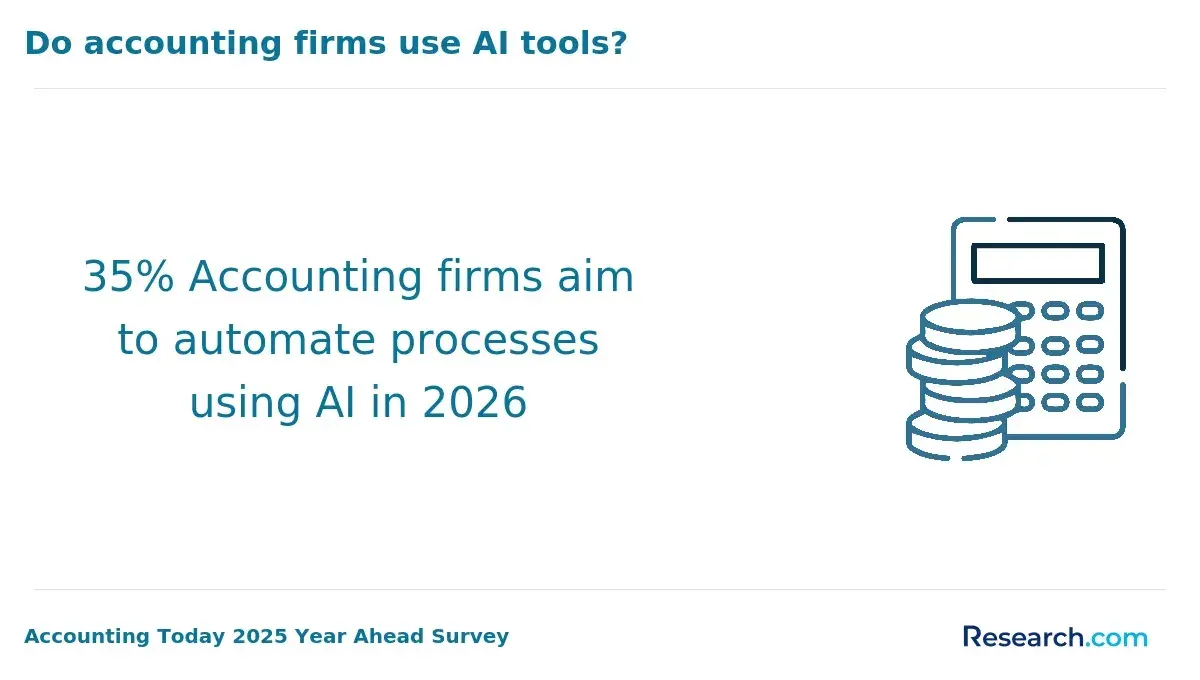
Kansas accounting programs may expose students to tools such as QuickBooks, SAP, and Microsoft Excel, along with topics such as blockchain applications in accounting, artificial intelligence-driven audit solutions, cybersecurity protocols, and data analytics. These areas are especially relevant for students interested in audit, advisory, risk, forensic accounting, financial analysis, or systems-heavy roles.
Online platforms can also support virtual labs, simulations, discussion boards, and remote collaboration. Students considering a bachelor of accounting online should ask whether the online format includes hands-on software assignments rather than lecture-only coursework.
Can accounting experience lead to education careers?
Accounting builds quantitative reasoning, financial literacy, problem-solving, and communication skills that can be useful in education, especially for teaching business, finance, economics, or mathematics-related subjects. Transitioning into teaching usually requires meeting state education requirements, so accounting knowledge alone is not enough.
If you are considering a move from accounting into classroom teaching, review how to become a high school math teacher in Kansas to understand the education, certification, and preparation steps involved.
Can accounting skills help in legal support roles?
Accounting skills can be valuable in legal support work involving financial records, fraud allegations, compliance documentation, due diligence, business disputes, bankruptcy, tax issues, and damages analysis. Legal teams often need professionals who can read financial statements, organize evidence, and explain money-related facts clearly.
Students or professionals interested in this crossover can review how to become a paralegal in Kansas to see how legal training may combine with financial analysis skills.
What if accounting is not your final career path?
An accounting degree can be useful even if you later move into another field because it develops financial analysis, documentation, compliance, software, and decision-support skills. Still, students should not stay in accounting simply because they have already started. If your interests shift, compare the education requirements, licensure rules, salary expectations, and daily responsibilities of other careers before changing programs.
For example, students interested in teaching younger students can review elementary school teacher requirements in Kansas to understand how that path differs from accounting in preparation, certification, and work environment.
Why enroll in one of the best accounting schools in Kansas?
A strong accounting school in Kansas can give students more than a credential. The right program provides technical coursework, CPA planning, internship access, faculty guidance, employer connections, technology training, and exposure to real accounting problems. These supports can make a meaningful difference when students apply for internships, prepare for exams, or compete for first jobs.
Students should also be realistic about the work required. Accounting programs demand precision, consistent study habits, and strong exam preparation. Resources on preparing for accounting exams can help students build better study routines before advanced coursework or CPA review begins.
Kansas may be especially appealing for students who want a lower-cost environment while building a business career. Reported accounting salaries in Kansas may be below national averages, but the state’s lower cost of living can make the path financially workable. The strongest outcomes usually come from pairing an affordable accredited program with internships, technology skills, CPA or certification planning, and a clear target role.
Key Insights
- Accounting can be a practical Kansas career, but salary context matters. Reported average salaries include $53,982 for accountants and $69,332 for auditors, while Kansas’s fifth-lowest cost of living can help offset lower-than-national pay levels.
- Accreditation should be a non-negotiable filter. AACSB or ACBSP recognition can signal stronger academic review, but students should still verify CPA alignment, career support, and total cost.
- The best degree level depends on your goal. Associate degrees can support entry-level or transfer plans, bachelor’s degrees fit many accounting roles, master’s degrees can support specialization or CPA planning, and doctorates are mainly for research and academia.
- Do not choose by ranking or tuition alone. Compare net cost, transfer credits, internships, CPA advising, technology training, course format, and employer relationships.
- Technology skills are now part of accounting readiness. Look for coursework involving Excel, accounting systems, analytics, audit tools, cybersecurity, and emerging technologies.
- Certifications should match your career direction. CPA, CMA, CIA, and forensic-oriented credentials serve different purposes, so students should choose based on intended roles rather than credential popularity.
- Online and accelerated options can work, but only with strong support. Flexible formats are valuable for working adults, but students must confirm advising, software access, internship support, and CPA preparation before enrolling.
Related Articles for Nearby States
- 2027 Best Accounting Schools in Nebraska – How to Become a CPA in NE
- 2027 Best Accounting Schools in Oklahoma – How to Become a CPA in OK
- 2027 Best Accounting Schools in Missouri – How to Become a CPA in MO
- 2027 Best Accounting Schools in Colorado – How to Become a CPA in CO
- 2027 Best Accounting Schools in Iowa – How to Become a CPA in IA
- 2027 Best Accounting Schools in Arkansas – How to Become a CPA in AR
- 2027 Accounting Schools in Texas: How to Become a CPA in TX
- 2027 Best Accounting Schools in South Dakota – How to Become a CPA in SD
- 2027 Best Accounting Schools in Wyoming – How to Become a CPA in WY
- 2027 Best Accounting Schools in Minnesota – How to Become a CPA in MN
References:
- Franklin University. Master’s degree in accounting salary: How much can you expect to earn? Franklin University
- Indeed. Auditor salary in Kansas. Indeed
- Indeed. Accountant salary in Kansas. Indeed
- Indeed. Management accountant salary in Kansas. Indeed
- Living Cost. (2025, October 14). Cost of living in Kansas state, US: 24 cities compared. Livingcost.org
- U.S. Bureau of Labor Statistics. (2025, August 28). Accountants and Auditors. BLS
Other Things You Should Know About The Best Accounting Schools in Kansas
In Kansas, a bachelor's degree in accounting typically takes four years of full-time study. Some students may opt for accelerated programs to finish sooner, while CPA candidates will need additional coursework and experience to meet state requirements after graduation.
The Kansas State Board of Accountancy licenses CPAs in Kansas. It sets education, exam, experience, and ethics rules, and it handles CPA certificate and permit applications. Candidates must meet Kansas requirements before receiving a license to practice and use the CPA title in the state.
To become a CPA in Kansas, you need 150 college credit hours, including specific accounting and business courses. Additionally, you must have one year of supervised work experience in accounting or auditing. These requirements help prepare you for the Uniform CPA Examination.
Yes, financial aid options such as grants, scholarships, and loans are available for accounting students in Kansas. Specific scholarships for accounting students include the Kansas Board of Regents Scholarship and the American Institute of Certified Public Accountants (AICPA) Scholarship.


