2027 Accounting Schools in Illinois – How to Become a CPA in IL

Co-Founder and Chief Data Scientist
Becoming a certified public accountant in Illinois is not just a matter of passing an exam. You need the right education plan, a passing score on the Uniform CPA Exam, qualifying experience, and a clear understanding of Illinois licensing and renewal rules. For students earning a degree in accounting, finance, business, or a related field, the CPA credential can open doors to audit, tax, advisory, corporate accounting, government, and leadership roles.
The decision matters because the path requires time, money, and sustained preparation. The U.S. Bureau of Labor Statistics projects employment of accountants and auditors to grow 5 percent from 2024 to 2034, faster than the average for all occupations, with about 124,200 openings each year. This guide explains how CPA licensure works in Illinois, what the process costs, how salaries vary, which schools and firms may be worth considering, and how to avoid common mistakes before investing in the credential.
How to Become a CPA in Illinois Table of Contents
- What does a CPA do?
- CPA education, exam, and experience requirements
- CPA certification and exam costs
- Steps to become a CPA in Illinois
- Illinois CPA salary and job outlook
- Major accounting firms in Illinois
- How to apply for an Illinois CPA license
- CPA license renewal in Illinois
- Illinois accounting associations
- Top accounting schools in Illinois for 2027
- Lower-cost education options for Illinois CPA candidates
- How aspiring CPAs can become stronger job candidates
- Forensic accounting as a CPA specialization
- Forensic science and fraud investigation skills
- Recent CPA certification updates
- When a master’s in accounting makes sense
- Soft skills CPAs need
- Academic career options for CPAs
- CPA skills in urban planning and public finance
- Work-life balance for CPAs
- Networking and professional growth in Illinois
- Other careers for people who like education and numbers
- Digital transformation in the CPA profession
- Complementary certifications for CPAs
- Legal and compliance risks for Illinois CPAs
Quick Answer: How Do You Become a CPA in Illinois?
To become a CPA in Illinois, you typically need to complete the education required for CPA exam eligibility, pass the Uniform CPA Exam, receive an Illinois CPA certificate through the Illinois Board of Examiners, complete at least one year of qualifying full-time experience or the equivalent, and apply for licensure through the Illinois Department of Financial and Professional Regulation. Illinois also requires continuing professional education for license renewal.
The fastest route is usually to choose an accounting program that helps you reach the 150-semester-hour requirement, begin CPA exam preparation before or soon after graduation, and confirm that your work experience fits Illinois rules before applying for the license.
| Illinois CPA milestone | What it means | Decision point for candidates |
| Education | Complete college coursework that supports CPA exam eligibility and the 150-semester-hour expectation | Choose whether to use undergraduate credits, a master’s program, online coursework, or transfer credits |
| CPA Exam | Pass the computer-based Uniform CPA Exam | Plan study time around the three Core sections and one Discipline section |
| CPA certificate | Receive the Illinois CPA certificate through the Illinois Board of Examiners | Keep documentation organized before moving to licensure |
| Experience | Complete at least one year of full-time qualifying experience or the equivalent | Verify that your role involves eligible attest, accounting, advisory, tax, or consulting work |
| Licensure and renewal | Apply through IDFPR and complete required CPE for renewal | Track deadlines and CPE hours early to avoid compliance problems |
What is a CPA?
A certified public accountant is a licensed accounting professional authorized by a state board or licensing agency to perform services that require a higher level of public trust. In Illinois, the CPA credential signals that the professional has met education, exam, experience, and licensing standards.
The designation matters because some accounting work is restricted. Accountants may prepare internal reports, help with bookkeeping, analyze budgets, or support tax preparation, but CPAs can perform certain regulated services, including external audits and audits of public companies. CPAs may also represent clients before IRS or state tax authorities on eligible financial statement and tax matters.
Outside the United States, similar accounting credentials may be known as chartered accountant designations. In the U.S., CPA licensure is state-based, although reciprocity rules may allow a licensed CPA to practice across jurisdictions when specific conditions are met.
CPA Requirements
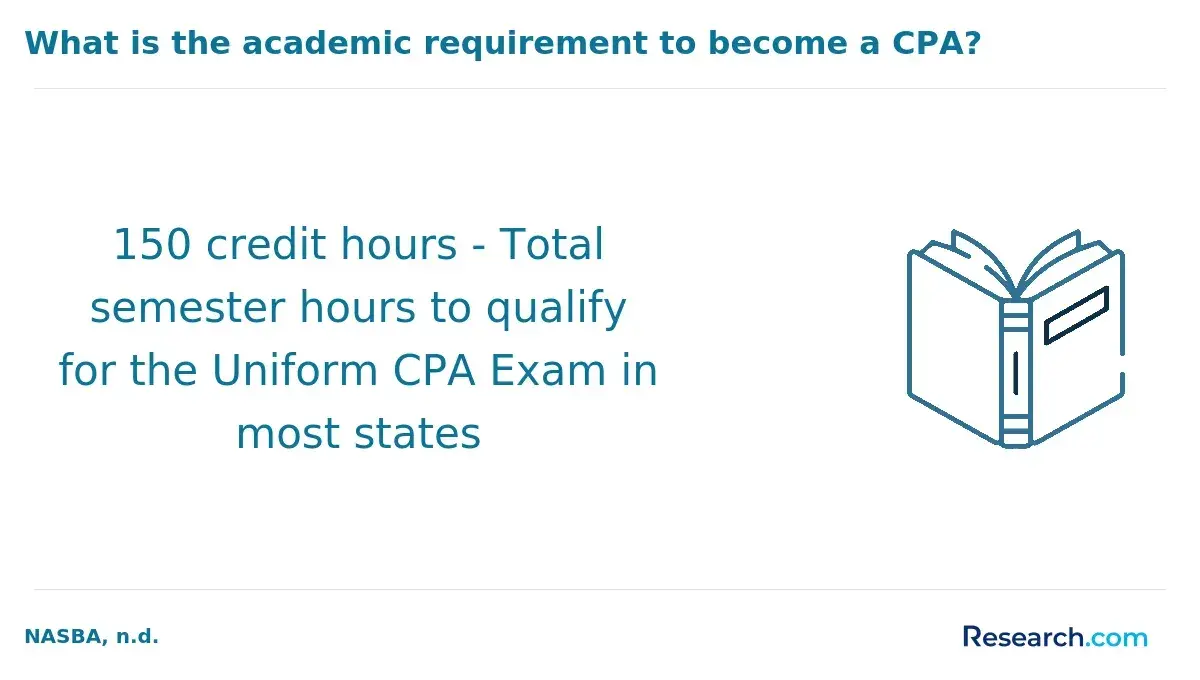
CPA requirements combine education, examination, experience, and ongoing professional learning. Candidates must pass the Uniform CPA Exam and usually complete a bachelor’s degree in accounting, finance, business administration, or another acceptable field. The 150-semester-unit education requirement is about 30 hours beyond a standard bachelor’s degree.
Many jurisdictions also require two or more years of public accounting experience, while some states require an ethics exam or ethics course before final licensure. Maintaining the credential commonly involves continuing education, and some states use a benchmark of fifty hours of continuing education per year or an equivalent requirement.
The CPA Exam is a 16-hour computer-based examination. It includes three Core sections: Auditing and Attestation (AUD), Financial Accounting and Reporting (FAR), and Taxation and Regulation (REG). Candidates also choose one Discipline section from Business Analysis and Reporting (BAR), Information Systems and Controls (ISC), or Tax Compliance and Planning (TCP). The 2024 CPA Evolution model reshaped the exam by placing greater emphasis on specialization, analytics, technology, and applied professional judgment.
Because many students now complete accounting coursework through flexible formats, online accounting programs and asynchronous classes can be practical options for candidates who work while preparing. The most effective study approach is usually active problem solving: completing simulations, practicing multiple-choice questions, reviewing explanations, and rebuilding weak areas instead of only watching lectures.
Cost can also influence preparation. Pairing structured CPA review with affordable online business programs may help students reduce education expenses while still meeting academic requirements. The main risks are underestimating the weekly workload, delaying exam preparation until after concepts fade, and assuming that motivation alone will be enough for a difficult professional exam.
CPA Certification Costs
The CPA is a professional license and certification pathway, not one of the standard types of college degrees. Candidates should budget for both education and exam-related expenses. Total expenses can reach $4,035.75, although employer assistance, tuition reimbursement, review-course support, or military reimbursement may reduce out-of-pocket costs. Military-affiliated candidates may qualify for reimbursements of up to $2,000 in testing expenses.
| CPA cost category | Typical amount stated | How to evaluate it |
| CPA review course | $1,500 | Compare pass-support tools, question banks, simulations, and access length |
| Application fees | $50 to $200 | Check the current fee schedule before applying |
| Exam fees | Around $193 per section | Budget for all sections and possible retakes |
| Registration fees | Around $65 | Confirm whether the fee applies per registration window |
| Ethics exam, if required | $150 to $200 | Verify whether the requirement applies to your licensing situation |
| State license fee | $50 to $500 | Review the state licensing agency’s current instructions |
| Continuing education | Roughly $1,000 a year | Ask whether your employer pays for CPE |
Before paying for a review course or extra credits, ask employers whether they reimburse CPA exam fees, offer paid study time, or provide bonuses after passing. Also compare the total cost of a master’s program against cheaper ways to reach 150 semester hours, such as transfer credits, community college coursework, or online electives that meet eligibility rules.
How to Become a CPA in Illinois
Illinois CPA licensure is handled by the Illinois Department of Financial and Professional Regulation (IDFPR). To become licensed, candidates need an Illinois CPA certificate through the Illinois Board of Examiners and at least one year of full-time experience, or the equivalent, providing services or advice that use accounting-related skills in attest, accounting, management advisory, financial advisory, tax, or consulting work.
The qualifying experience may come from public practice, industry, government, or academic employment. Illinois does not require the experience to be supervised by a licensed CPA, but candidates should still document job duties carefully. The experience must be completed after the CPA exam education requirement is met.
Out-of-state CPAs may apply to the IDFPR “by endorsement” if they hold one or more equivalent valid and active CPA licenses from another state or jurisdiction and meet reciprocity rules.
Continuing professional education may also affect the timing of licensure. Illinois requires 90 hours of CPE, including 4 hours of professional ethics, during the three years immediately before the license application when the application date is more than four years after the Illinois CPA certificate was issued.
Step-by-step Illinois CPA path
- Choose an accounting education plan. Confirm that your bachelor’s, master’s, transfer, or online coursework supports CPA exam eligibility and the 150-semester-hour expectation.
- Apply for CPA exam eligibility. Work through the Illinois Board of Examiners process and keep transcripts, course descriptions, and evaluation records available.
- Prepare for the CPA Exam with a schedule. Build a section-by-section plan for AUD, FAR, REG, and one Discipline section: BAR, ISC, or TCP.
- Pass all required CPA Exam sections. Use practice questions, simulations, and review analytics to target weak areas.
- Receive the Illinois CPA certificate. This is not the same as full licensure, so do not assume you can use the license before IDFPR approval.
- Complete qualifying experience. Track work that involves attest, accounting, management advisory, financial advisory, tax, or consulting responsibilities.
- Apply to IDFPR for licensure. Submit the required application materials and complete any CPE that applies to your timing.
- Maintain the license. Track CPE and renewal notices electronically through the IDFPR system.
Illinois CPA Salary and Job Outlook
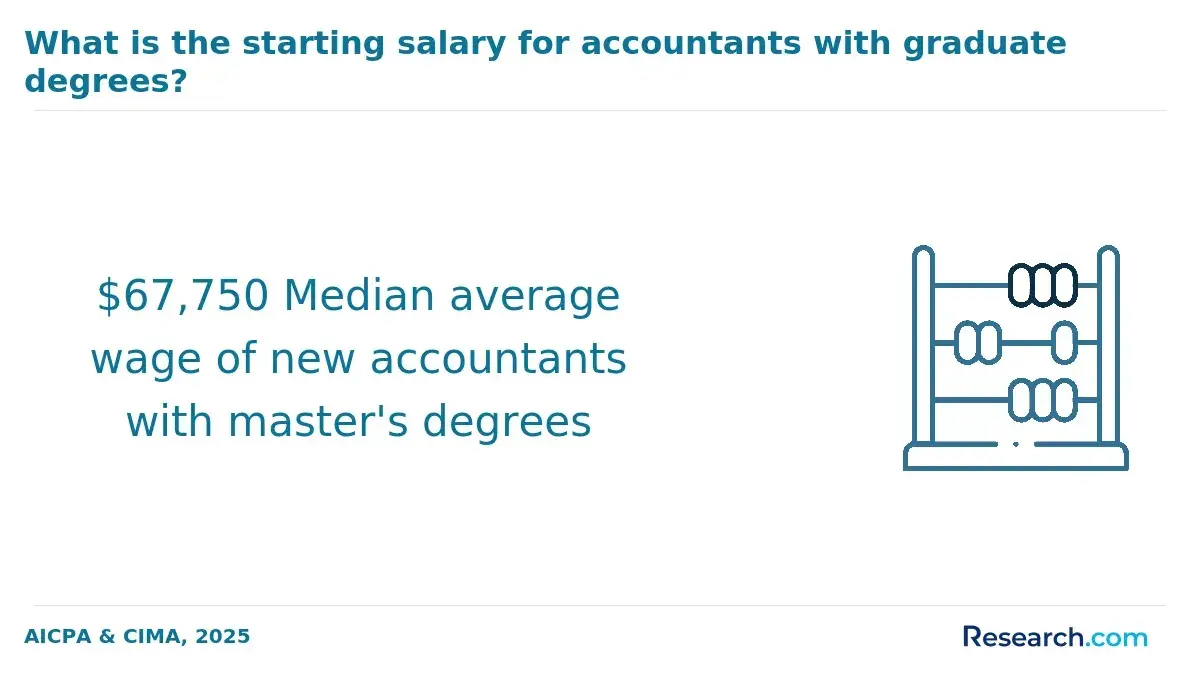
CPA compensation depends on location, industry, firm size, specialization, and years of experience. According to recent Payscale data, the average Certified Public Accountant salary in Chicago, Illinois is $85,820 per year with a median of $86k. Total pay typically ranges from $63k to $123k, with base salaries ranging from $62k to $116k, bonuses from $1k to $13k, and profit sharing from $2k to $10k.
Career stage has a large effect on pay because CPAs often move from staff accounting into audit, tax, controllership, financial management, or executive roles. Some professionals also combine accounting with other fields. For example, finance professionals involved in development, real estate, or infrastructure may benefit from knowledge connected to construction management education, especially when budgeting and project controls are part of the role.
| CPA career stage | Years of experience | Average total compensation* |
| Entry-level | < 1 year | $57,194 |
| Early career | 1-4 years | $64,743 |
| Mid-career | 5-9 years | $84,335 |
| Experienced | 10-19 years | $86,389 |
| Late career | 20 years and higher | $82,000 |
| *Includes tips, bonus, and overtime pay |
Common advancement routes include senior accountant, audit senior, tax senior, accounting manager, financial controller, director of accounting, Vice President (VP) Finance, Chief Financial Officer (CFO), and, in some organizations, Chief Executive Officer (CEO). Many professionals who begin by researching how to become an accountant in Illinois later pursue CPA licensure because it can improve access to roles with signing authority, audit responsibility, or senior financial oversight.
Salaries By City
Illinois accounting salaries vary by city because of employer concentration, local cost of living, firm size, and specialization. Major metro areas often provide more opportunities in public accounting, corporate headquarters, consulting, finance, healthcare, manufacturing, and government contracting.
| City | Annual Salary | Monthly Pay | Hourly Wage |
| Andalusia | $71,703 | $5,975 | $34.47 |
| Winnetka | $71,606 | $5,967 | $34.43 |
| Manhattan | $71,375 | $5,947 | $34.31 |
| Wheeling | $70,743 | $5,895 | $34.01 |
| Carol Stream | $70,670 | $5,889 | $33.98 |
| Pittsfield | $70,460 | $5,871 | $33.88 |
| Chicago | $70,441 | $5,870 | $33.87 |
| Hickory Hills | $70,187 | $5,848 | $33.74 |
| Buffalo Grove | $70,071 | $5,839 | $33.69 |
| West Chicago | $69,790 | $5,815 | $33.55 |
| *Approximate values |
Salaries By Industry
The industry you enter can matter as much as the city where you work. Audit, Big 4 accounting, part-time CPA work, and small-firm roles can have very different compensation patterns. The table below presents 2026 CPA salary figures for Illinois by role category.
| Job Title | Annual Salary | Monthly Pay | Hourly Wage |
| CPA Audit | $116,511 | $9,709 | $56.01 |
| CPA Big 4 | $114,776 | $9,564 | $55.18 |
| Certified Public Accountant | $89,131 | $7,427 | $42.85 |
| Part Time CPA | $65,658 | $5,471 | $31.57 |
| Small CPA Firm | $50,159 | $4,179 | $24.11 |
| *Approximate values |
Top Accounting Firms in Illinois
Illinois, especially Chicago, has a strong public accounting market. The state includes offices for major national and global firms, including the Big Four accounting firms: Deloitte LLP, Ernst & Young LLP, PricewaterhouseCoopers LLP, and KPMG LLP.
The following firms appear on the Crain’s list for Illinois. Use the list as a starting point for internship research, audit and tax recruiting, advisory roles, and employer comparisons.
| Firm | Illinois Location |
| Deloitte LLP | Chicago |
| Ernst & Young LLP | Chicago |
| PricewaterhouseCoopers LLP | Chicago |
| KPMG LLP | Chicago |
| RSM US LLP | Chicago |
| Crowe Horwath LLP | Chicago |
| BDO USA LLP | Chicago |
| Grant Thornton LLP | Chicago |
| Plante Moran PLLC | Chicago |
| Miller Cooper & Co. Ltd. | Deerfield |
| FGMK LLP | Bannockburn |
| Sikich LLP | Naperville |
| Baker Tilly Virchow Krause LLP | Chicago |
| WIPFLI LLP | Chicago |
| Mueller & Co. LLP | Elgin |
| BKD LLP | Oakbrook Terrace |
| Lauterbach & Amen LLP | Naperville |
| Ostrow Reisin Berk & Abrams Ltd. | Chicago |
| CliftonLarsonAllen LLP | Oak Brook |
| Legacy Professionals LLP | Chicago |
| Marcum LLP | Chicago |
| Cohn Reznick LLP | Chicago |
| Porte Brown LLC | Elk Grove Village |
| Warady & Davis LLP | Deerfield |
| CBIZ & Mayer Hoffman McCann PC | Chicago |
How to Apply for a CPA License
After you pass the CPA Exam and receive your Illinois CPA certificate, your next step is licensure through IDFPR. If the certificate was issued less than 4 years before you apply for licensure, you do not need to complete CPE for the initial license application.
If more than four years have passed before you apply for licensure, Illinois requires at least 90 hours of CPE within the three years immediately before your application date. Those hours must include four hours of ethics and one hour of sexual harassment prevention training.
Candidates comparing accounting programs often review CPA exam outcomes. For context, the 2025 Illinois Board of Examiners candidate information and CPA exam results are shown in the following chart for selected schools; schools with one passer and a 0% pass rate were not included.
CPA License Renewal
Illinois CPAs renew individual licenses and registrations every three years. Renewal dates follow the schedule set by the Illinois Department of Financial and Professional Regulation, so licensees should check the agency’s website rather than relying on paper mail.
Illinois renewal is completed online through the IDFPR website. Renewal reminders and notices are electronic only, which makes it important to keep your email address, mailing address, and contact information current in the IDFPR system.
Individual CPA license renewal requires 120 hours of CPE, including four hours of ethics and one hour of sexual harassment prevention training.
Illinois Accounting Associations
Professional associations can help CPA candidates and licensed accountants find continuing education, legislative updates, networking events, mentorship, and career support. In Illinois, two major organizations are especially relevant.
Independent Accountants Association of Illinois (IAAI)
The Independent Accountants Association of Illinois was established in 1949 and serves as the Illinois State Affiliate Organization of the National Society of Accountants. The organization supports accounting and tax professionals through education, legislative information, representation, technology updates, and professional interaction. Many members work with individuals and small businesses, helping clients understand tax-law changes and financial practices that affect daily operations.
Illinois CPA Society
Founded in 1903, the Illinois CPA Society has more than 21,700 members and is one of the largest state CPA societies in the U.S. It provides professional education, timely industry information, advocacy, and networking. Members include professionals in public accounting, industry, academia, financial institutions, tax practice, and executive finance roles such as CFOs, controllers, treasurers, managers, and directors.
Top Accounting Schools in Illinois for 2027
Illinois has many accounting programs that can help students prepare for CPA eligibility. When comparing schools, look beyond reputation alone. Consider total cost, CPA exam passing rate, accreditation, course availability, online options, employer recruiting, graduate placement, and whether the program helps you reach 150 semester hours.
Students who want graduate-level accounting options can also compare low-cost online master’s in accounting programs. Candidates interested in fraud investigation may also explore online forensic accounting degree options as part of a broader accounting career plan.
1. Bradley University
Bradley University’s Foster College of Business offers a Master of Science in Accounting designed to deepen accounting knowledge, strengthen leadership skills, and prepare students for professional accounting work. Graduates work in settings that include not-for-profit organizations, local accounting firms, Big 4 firms, and large companies. The program is structured to help students gain the knowledge, skills, and 150 hours needed for CPA exam educational requirements. Bradley also offers an integrated 3:2 MSA pathway that adds a 5th year to the BS degree so students can move toward CPA readiness by graduation.
- Program Length: 1 year full-time, 2 years part-time
- Tracks/concentrations: Concentration in Internal Auditing; various elective options including Accounting elective (3), Business electives (9), other electives (6)
- Tuition Cost: $910 per credit hour
- Required Credits to Graduate: 30 semester hours
- Accreditation: The Higher Learning Commission
2. University of Chicago
The University of Illinois at Urbana-Champaign (UIC) Business Liautaud Graduate School offers a Master of Science in Accounting for students preparing for accounting careers, CPA exam plans, or career changes into business. The curriculum is flexible enough for applicants with accounting, business, and non-business backgrounds. Depending on prior undergraduate coursework, students complete the degree through eight16 courses (3264 credit hours). A joint MBA/MSA option is also available.
- Program Length: 2 years
- Tracks/concentrations: Various elective course choices
- Tuition Cost: $6,083 per semester
- Required Credits to Graduate: 816 courses (3264 credit hours)
- Accreditation: North Central Association of Colleges and Schools, The Higher Learning Commission
3. Northern Illinois University
Northern Illinois University offers a Master of Accounting Science degree that combines advanced accounting study with leadership and entrepreneurship preparation. The Master of Accounting Science (Leadership) program emphasizes the integration of professional accounting knowledge with leadership and workplace skills.
The MAS program is STEM-designated, which can help F-1 visa holders extend the time they may remain in the U.S. after graduation through the Optional Practical Training (OPT) benefit. NIU also offers a 100% online Master of Accountancy for students whose undergraduate degrees are not in accounting. Among Illinois accounting colleges, NIU is presented as one of the more affordable options.
- Program Length: 1 year
- Tracks/concentrations: Various elective course choices
- Total Tuition Cost: $24,573
- Required Credits to Graduate: 30 credit hours
- Accreditation: Association to Advance Collegiate Schools of Business (AACSB International)
Affordable Education Options for Aspiring CPAs in Illinois
The CPA path can become expensive if students pay for unnecessary credits, choose a high-cost program without comparing alternatives, or buy review materials without employer support. Illinois candidates should build an education plan that satisfies CPA requirements at the lowest reasonable cost while still protecting program quality.
| Option | Best for | What to check before enrolling |
| Community college transfer pathway | Students who want to reduce lower-division tuition costs | Transfer agreements, course equivalencies, and whether credits count toward CPA education rules |
| Online accounting degree | Working adults, parents, and students outside major metro areas | Accreditation, asynchronous course quality, faculty access, and CPA eligibility alignment |
| Scholarships and grants | Students with financial need, strong academics, or accounting career goals | Deadlines, renewal conditions, and whether awards apply to graduate credits |
| Employer tuition reimbursement | Accounting employees who can work while completing credits or CPA prep | Service commitments, grade requirements, approved schools, and covered expenses |
| Accelerated programs | Students who want to combine undergraduate and graduate study | Total cost, pace, admission requirements, and whether the program truly saves time |
- Community colleges with transfer pathways: Harper College and College of DuPage offer affordable accounting associate degree options that may connect to four-year transfer plans. This route can help students lower tuition costs while building toward the 150-hour education expectation.
- Online accounting degree programs: Online programs can provide flexibility for candidates balancing work, caregiving, or commuting limits. Students comparing lower-cost options can review affordable online accounting degree programs before committing.
- Scholarships and grants: Illinois-based organizations, including the Illinois CPA Society, may offer accounting scholarships. Colleges may also provide merit-based or need-based aid, and eligible students may use federal grants such as the Pell Grant.
- Employer sponsorship and tuition reimbursement: Many Illinois employers, particularly accounting firms, help employees pay for CPA preparation, exam fees, or additional coursework. Ask about reimbursement before paying out of pocket.
- Accelerated degree programs: Combined undergraduate and graduate options, including 3:2 Master of Accountancy structures at institutions such as Northern Illinois University, may help students reach CPA eligibility faster.
How can aspiring CPAs enhance their skills and stand out in the job market?
Passing the CPA Exam is important, but employers also look for candidates who can use accounting knowledge in real business situations. Strong candidates combine technical accounting, software skills, communication, professional judgment, and relevant experience.
- Build advanced technical skills: Become comfortable with Excel, QuickBooks, and enterprise systems such as SAP or Oracle. Data tools such as Power BI and Tableau can also help candidates compete for analytics-heavy accounting and advisory roles.
- Practice clear communication: CPAs often translate complex financial information for clients, executives, department leaders, and regulators. Work on concise writing, presentation skills, and the ability to explain risk without jargon.
- Learn an industry deeply: Healthcare, technology, finance, manufacturing, government, and nonprofits each have distinctive accounting rules and business models. Industry knowledge can make a CPA more valuable than a generalist in some roles.
- Get practical experience early: Internships, apprenticeships, seasonal tax roles, audit internships, and corporate accounting placements can clarify whether you prefer audit, tax, advisory, controllership, or compliance.
- Add focused credentials when useful: Certifications such as Certified Management Accountant (CMA) or Certified Internal Auditor (CIA) can support specialized career goals. Forensic accounting or international tax study may also help in niche roles.
- Network before graduation: Join accounting associations, attend firm events, request informational interviews, and use alumni connections. Many internships and early-career openings are influenced by relationships and timing.
Is specializing in forensic accounting a strategic advantage for CPAs?
Forensic accounting can be a strong specialization for CPAs who enjoy investigations, fraud detection, litigation support, risk management, and detailed financial analysis. It is not necessary for every CPA, but it can differentiate candidates who want to work with law firms, government agencies, insurers, public accounting advisory teams, or corporate compliance departments.
A focused program such as a master’s in forensic accounting may help professionals build skills in evidence analysis, fraud schemes, valuation disputes, and investigative reporting. The best fit is usually a CPA candidate who enjoys asking why numbers do not make sense, not just preparing accurate statements.
How can forensic science enhance a CPA's fraud investigation capabilities?
Forensic science can strengthen a CPA’s fraud investigation work by adding structured evidence-handling habits, investigative reasoning, and interdisciplinary collaboration. CPAs who understand forensic methods may be better prepared to document findings, analyze suspicious transactions, and work with attorneys or investigative teams.
This does not replace accounting expertise. Instead, it complements audit, tax, and financial reporting skills. Candidates interested in this crossover can explore a forensic science degree in Illinois to understand how investigative training may support fraud examination and financial dispute work.
What are the latest updates in CPA certification requirements?
The most important recent shift is the CPA Evolution model introduced in 2024. The CPA Exam now requires all candidates to complete three Core sections and one Discipline section, reflecting employer demand for deeper specialization, stronger data literacy, and better technology awareness.
Future CPAs should expect continuing emphasis on analytics, cybersecurity awareness, information systems, ethics, and advisory judgment. Because licensing rules can differ by state and change over time, candidates should confirm current requirements before registering for exams or choosing coursework. A broader overview is available in Research.com’s guide to CPA certification requirements.
Why consider a master’s in accounting?
A master’s in accounting is not automatically required to become a CPA, but it can be useful for candidates who need additional credits, want structured CPA exam preparation, or plan to pursue specialized accounting roles. The key question is whether the degree helps you reach a specific goal at a reasonable cost.
Students asking whether a master’s in accounting is worth it should compare the program’s cost, CPA alignment, employer recruiting, alumni outcomes, and available concentrations.
| A master’s in accounting may be worth considering if... | It may not be the best option if... |
| You need credits to reach the 150-semester-hour expectation | You can meet the credit requirement through cheaper approved coursework |
| You want graduate-level tax, audit, analytics, or forensic accounting study | You are mainly seeking the fastest possible route to exam eligibility |
| The school has strong accounting employer connections | The program has limited recruiting support or unclear outcomes |
| You want a structured academic environment before the CPA Exam | You learn better through self-study and a review course |
| Your employer helps pay tuition | You would need to borrow heavily without a clear salary or career benefit |
- Career advancement: Graduate study may support movement into senior accounting, tax management, controllership, or finance leadership roles.
- Potential earning benefit: Advanced education can be valuable when paired with CPA licensure, experience, and specialization, especially in competitive markets such as Chicago.
- CPA exam preparation: Many programs are designed around the 150-credit expectation and advanced accounting topics tested or applied in CPA work.
- Networking: Graduate programs can connect students with faculty, alumni, classmates, firms, and corporate recruiters.
- Specialization: Concentrations in forensic accounting, taxation, audit, analytics, or advisory can help students target specific roles.
What soft skills are crucial for successful CPAs?
Technical accuracy is expected from CPAs, but long-term success often depends on communication, judgment, organization, and client management. CPAs must explain financial issues to people who may not have accounting backgrounds, especially when risks, deadlines, tax consequences, or audit findings are involved.
- Communication: Translate accounting findings into practical recommendations for clients and business leaders.
- Critical thinking: Identify inconsistencies, evaluate evidence, and challenge assumptions before reaching conclusions.
- Time management: Balance busy-season workloads, filing deadlines, audit timelines, and client expectations.
- Adaptability: Adjust to new software, tax changes, reporting standards, and client industries.
- Leadership: Guide junior staff, manage engagements, and coordinate with cross-functional teams.
- Ethical judgment: Protect independence, confidentiality, and professional credibility.
For state-specific licensing context, candidates can review Research.com’s guide to accountant and CPA requirements in Illinois.
Can CPAs Leverage Academic Roles to Broaden Their Career Impact?
Experienced CPAs can extend their influence through teaching, curriculum development, continuing education, and mentorship. Academic roles may appeal to professionals who enjoy explaining accounting concepts, training future accountants, or conducting applied research in taxation, auditing, fraud, or financial reporting.
The transition may require additional education or teaching credentials, depending on the institution and level of instruction. CPAs considering this path can review teacher degree requirements in Illinois to understand how education roles may differ from accounting practice.
Can CPAs play a role in urban planning initiatives?
CPAs can contribute to urban planning and public development projects through budgeting, financial feasibility analysis, grant compliance, risk review, capital planning, and oversight of public funds. Their work can help cities and agencies evaluate whether infrastructure and redevelopment plans are financially sustainable.
Professionals interested in combining financial expertise with community planning may explore how to become an urban planner in Illinois to understand how fiscal analysis and planning policy can intersect.
How can CPAs achieve a sustainable work-life balance in a demanding field?
CPA work can involve long hours, especially during tax season, audit deadlines, quarter-end close, year-end reporting, or major transactions. A sustainable career requires deliberate choices about employer type, specialization, workflow, boundaries, and technology use.
- Choose the right practice area: Tax, audit, advisory, corporate accounting, government, and academia can have very different seasonal pressures.
- Use technology intentionally: Automation, workflow tools, and document management can reduce repetitive work when implemented well.
- Set communication boundaries: Clarify response times, busy-season expectations, and client escalation rules.
- Plan recovery periods: Build rest into the calendar after intense filing, audit, or reporting cycles.
- Consider alternative roles: Teaching or training roles may offer a more predictable schedule for some professionals. Research.com’s guide to becoming a high school math teacher in Illinois may be useful for those considering education-related pivots.
Networking Opportunities and Professional Growth for CPAs in Illinois
Networking is not optional for CPA candidates who want better internships, stronger mentorship, and access to roles that are not widely advertised. In Illinois, candidates can build professional visibility through state associations, campus recruiting, firm events, alumni groups, and continuing education programs.
The Illinois CPA Society hosts career events, conferences, seminars, and professional development programs that can help students and licensed CPAs connect with mentors and employers. Volunteering for committees or attending chapter meetings can also help young professionals become known beyond their resumes.
Schools with strong business networks can also improve access to internships, firm recruiting, and alumni advice. Students comparing programs may want to review the best business schools in Illinois as part of their accounting education research.
Professional growth also happens through peer communities, LinkedIn groups, local meetups, and study groups. The strongest networks are built before a job search becomes urgent.
What Other Career Paths Are Available to Individuals Interested in Education and Numbers?
Not everyone who enjoys numbers needs to become a CPA. Some people prefer teaching, analytics, statistics, finance operations, payroll, budgeting, school administration, or data-focused roles. If education is a stronger interest than accounting practice, learning about elementary school teacher requirements in Illinois may help clarify whether classroom work is a better fit.
Students should compare daily tasks before choosing a path. CPA work often centers on compliance, reporting, audit evidence, tax rules, and financial controls. Education roles focus more on instruction, child development, assessment, and classroom communication. Data analysis and statistics roles may emphasize modeling, visualization, and pattern recognition rather than licensure-based accounting services.
How is digital transformation reshaping the CPA profession?
Technology is changing what employers expect from CPAs. Artificial intelligence, automation, data analytics, cloud accounting systems, blockchain-related controls, and cybersecurity concerns are shifting many accounting roles away from manual data entry and toward review, interpretation, risk analysis, and advisory work.
CPAs who can evaluate system outputs, identify anomalies, design controls, and explain data-driven insights will be better positioned than those who rely only on traditional bookkeeping skills. This mirrors broader changes across regulated fields where technology and professional judgment increasingly overlap. For comparison, readers interested in another highly regulated career path can explore how to become a nurse practitioner in Illinois.
What complementary certifications can broaden a CPA's career?
Additional credentials can help CPAs move into specialized roles, but they should match a clear career goal. A tax-focused CPA may not need the same credential as an internal audit professional, forensic accountant, healthcare finance analyst, or corporate controller.
| Career direction | Credential or skill area to consider | Why it may help |
| Management accounting | Certified Management Accountant (CMA) | Supports budgeting, performance management, and corporate finance work |
| Internal audit and controls | Certified Internal Auditor (CIA) | Signals focus on risk, controls, governance, and audit processes |
| Forensic accounting | Fraud examination and investigative accounting training | Helps with fraud detection, litigation support, and financial investigations |
| Data-heavy accounting roles | Analytics, ERP, Power BI, Tableau, SAP, or Oracle skills | Improves ability to analyze large datasets and support advisory work |
| Healthcare finance | Medical billing, coding, and healthcare revenue-cycle knowledge | Can support accounting roles in hospitals, clinics, insurers, or healthcare systems |
Professionals interested in healthcare finance can learn how to be a medical coder in Illinois to understand the documentation and reimbursement side of medical finance.
What legal and compliance risks should CPAs mitigate in Illinois?
CPAs work in environments where errors, independence violations, confidentiality breaches, missed deadlines, weak documentation, and conflicts of interest can create legal and reputational risk. Illinois CPAs should understand state licensing rules, professional standards, client engagement letters, record retention expectations, and the limits of services they are authorized to perform.
- Independence risk: Avoid relationships or financial interests that could compromise audit objectivity.
- Documentation risk: Keep clear support for conclusions, estimates, advice, and client communications.
- Confidentiality risk: Protect client data, especially when using cloud platforms or AI-enabled tools.
- Scope risk: Define services in engagement letters to prevent misunderstandings.
- Compliance risk: Track CPE, license renewal, ethics training, and sexual harassment prevention training requirements.
CPAs who want stronger legal-documentation awareness may benefit from understanding adjacent legal support roles, including how to become a paralegal in Illinois.
CPA Future Challenges
Illinois accounting schools continue to prepare CPA candidates, and the CPA credential remains associated with credibility, professional mobility, and strong earning potential. Still, the profession faces challenges in attracting students and young professionals to the license path.
Common reasons some accounting students and graduates delay or avoid CPA licensure include the belief that exam costs and extra credit requirements may outweigh salary benefits, limited employer support, and the view that the credential is not necessary for their preferred career. Some candidates also see alternative credentials in technology, analytics, or specialized business fields as better aligned with their interests.
The right decision depends on your career target. If you want public accounting, audit authority, controllership, tax leadership, or senior financial reporting roles, the CPA credential can be a strong investment. If you prefer software, healthcare support, education, or another applied field, compare options carefully. Related pathways include an online software engineering degree, dental assistant programs, or state-specific accounting guides such as Research.com’s overview of accounting schools in Florida.
Common Mistakes to Avoid When Pursuing the CPA in Illinois
| Mistake | Why it creates problems | Better approach |
| Assuming every accounting degree meets CPA rules | Coursework may not satisfy exam or licensure expectations | Confirm eligibility before enrolling or transferring credits |
| Looking only at tuition | Fees, review courses, commuting, lost work time, and retakes can change total cost | Compare the full CPA pathway cost, not just per-credit tuition |
| Waiting too long to study for the exam | Core accounting knowledge can fade after graduation | Begin exam planning while coursework is still fresh |
| Choosing a school only because of rankings | A highly ranked school may not be the best financial or logistical fit | Compare CPA support, employer recruiting, scheduling, cost, and accreditation |
| Ignoring experience documentation | Incomplete records can slow licensure | Track job duties and dates as soon as you begin qualifying work |
| Assuming salary outcomes are guaranteed | Pay varies by city, firm, industry, skill, and career stage | Use salary data as a planning tool, not a promise |
| Missing renewal and CPE deadlines | License problems can affect employment and credibility | Track CPE hours continuously and keep IDFPR contact information updated |
Questions to Ask Before Choosing an Illinois CPA Program
- Does the program help students reach the 150-semester-hour education expectation for CPA eligibility?
- Is the institution accredited, and does the accounting program have specialized business or accounting accreditation?
- What are the CPA exam pass outcomes for recent graduates?
- Can I complete the program full-time, part-time, online, or through evening courses?
- How much will the full pathway cost, including tuition, fees, books, exam fees, review materials, and possible retakes?
- Does the school have recruiting relationships with Illinois accounting firms, corporations, government agencies, or nonprofits?
- Are internships built into the program or strongly supported by career services?
- Will transfer credits, community college credits, or prior coursework count toward graduation and CPA education planning?
- Does the curriculum include data analytics, information systems, audit technology, ethics, and advanced tax or reporting topics?
- What support is available for CPA exam preparation, advising, and licensure documentation?
Key Insights
- The Illinois CPA path has several separate steps. Passing the CPA Exam is essential, but candidates also need the Illinois CPA certificate, qualifying experience, IDFPR licensure, and continuing education for renewal.
- The 2024 CPA Evolution model changed exam strategy. Candidates now prepare for three Core sections and one Discipline section, making specialization and technology readiness more important.
- Cost planning matters. CPA-related expenses can reach $4,035.75 before considering broader education costs, so candidates should investigate employer reimbursement, scholarships, transfer credits, and affordable online options.
- Salary potential varies widely. Chicago CPA salary data shows an average of $85,820 per year and a median of $86k, but actual pay depends on experience, city, industry, firm type, bonuses, and specialization.
- Illinois offers strong employer access. Chicago and surrounding areas include Big Four firms, national firms, regional firms, corporate accounting departments, government employers, and nonprofit opportunities.
- A master’s degree is useful only when it supports a clear goal. It can help candidates reach 150 hours, prepare for the exam, and specialize, but cheaper credit options may work for some students.
- Digital skills are becoming part of CPA readiness. Data analytics, ERP systems, automation, information systems controls, and cybersecurity awareness increasingly shape accounting work.
- The best CPA candidates are not only technically strong. Communication, ethics, time management, judgment, and client service often determine who advances into management and advisory roles.
Related Articles for Nearby States
- 2027 Best Accounting Schools in Indiana – How to Become a CPA in IN
- 2027 Best Accounting Schools in Wisconsin – How to Become a CPA in WI
- 2027 Best Accounting Schools in Iowa – How to Become a CPA in IA
- 2027 Best Accounting Schools in Missouri – How to Become a CPA in MO
- 2027 Best Accounting Schools in Kentucky – How to Become a CPA in KY
- 2027 Accounting Schools in Michigan – How to Become a CPA in MI
- 2027 Best Accounting Schools in Minnesota – How to Become a CPA in MN
- 2027 Accounting Schools in Ohio: How to Become a CPA in OH
- 2027 Best Accounting Schools in Tennessee – How to Become a CPA in TN
- 2027 Best Accounting Schools in Arkansas – How to Become a CPA in AR
References:
- AICPA. CPA Career Paths. AICPA career paths.
- AICPA. Frequently Asked Questions FAQs Become a CPA. AICPA becoming a CPA FAQs.
- Becker Professional Education. Certified Public Accountant (CPA) | What is a CPA. Becker CPA overview.
- Illinois Board of Examiners. (2025). Exam Statistics. Illinois Board of Examiners exam statistics.
- Illinois CPA Society. Certified Public Accountants. Illinois CPA Society overview.
- Illinois CPA Society. Illinois CPA License Requirements. Illinois CPA license requirements.
- Maryville Online. The Top Four Accounting Firms: Who are They and Why Work for Them. Maryville Online Big Four guide.
- NASBA. What is the Uniform CPA Examination? NASBA Uniform CPA Exam overview.
- Payscale (2026). Certified Public Accountant (CPA) Salary in Chicago, Illinois. PayScale Chicago CPA salary data.
- The Minnesota Society of CPAs (MNCPA). Becoming a CPA costs: CPA exam fees, review course costs, certification application fee. MNCPA CPA cost guide.
- ZipRecruiter (2026, February 3). Accountant Salary in Illinois. ZipRecruiter accountant salary in Illinois.
- ZipRecruiter (2026, February 3). Cpa Salary in Illinois. ZipRecruiter CPA salary in Illinois.
Other Things You Should Know About Accounting Schools in Illinois
In 2027, CPAs in Illinois are required to complete 120 hours of continuing professional education (CPE) every three years, including four hours in ethics. These courses ensure CPAs maintain professional competency and adhere to accounting standards.
Aspiring CPAs in Illinois must pass an ethics examination administered by the AICPA. This exam is separate from the CPA Exam and focuses on professional ethics as outlined by the accounting profession. Successful completion is mandatory for CPA licensure in Illinois.
In 2027, top accounting schools in Illinois for CPA preparation include the University of Illinois at Urbana-Champaign, DePaul University, and Loyola University Chicago. These institutions offer comprehensive programs that cover essential accounting principles and help fulfill educational requirements for Illinois CPA candidates.
In 2027, Illinois requires CPA candidates to complete one year of full-time work experience in accounting, which must be verified by a licensed CPA. This experience is necessary to apply for CPA licensure after passing the Uniform CPA Exam.
The Illinois Department of Financial and Professional Regulation, or IDFPR, issues CPA licenses and handles enforcement. CPA candidates must also meet the Illinois Board of Examiners’ education, exam, and experience rules before applying for licensure through the state system.