2027 How to Become a Hedge Fund Manager: Education, Salary, and Job Outlook

Co-Founder and Chief Data Scientist
Becoming a hedge fund manager means taking responsibility for investment decisions made under uncertainty, often with large pools of institutional or private capital at stake. The role appeals to people who enjoy markets, research, competition, and high-conviction decision-making, but it is not a simple path to prestige or wealth. Performance is visible, pressure is constant, and compensation can rise or fall sharply with results.
This guide explains what it takes to enter and grow in hedge fund management: the credentials that matter, the skills employers look for, common career paths, earning potential, internships, advancement strategies, work settings, and the personal fit questions you should answer before pursuing this career.
What are the benefits of becoming a hedge fund manager?
- The career outlook for hedge fund managers is projected to grow by 9% through 2025, reflecting expanding market complexities and demand for sophisticated investment strategies.
- Average salaries exceed $120,000 annually, with performance bonuses significantly enhancing total compensation, challenging typical notions of finance career rewards.
- Pursuing this path offers intellectual rigor and financial upside, but requires mastering risk management and market psychology beyond conventional financial education.
What credentials do you need to become a hedge fund manager?
There is no single credential that automatically qualifies someone to become a hedge fund manager. Employers and investors usually look for a combination of strong academic preparation, credible finance training, market experience, and a documented ability to generate sound investment ideas. Credentials help you get considered; performance and judgment keep you in the field.
The most relevant credentials include:
- Bachelor's Degree: A degree in finance, economics, mathematics, computer science, or a related analytical field is the usual starting point. The goal is to build a base in markets, accounting, statistics, valuation, and data analysis.
- MBA or Advanced Degrees: An MBA or graduate degree can help candidates deepen investment knowledge, build networks, and qualify for more competitive roles. Programs from top universities may be especially useful for recruiting and investor-facing credibility, though they do not replace investment results.
- Chartered Financial Analyst (CFA): The CFA credential is widely respected because it covers investment analysis, portfolio management, ethics, and financial reporting. It is especially useful for analysts and managers who want a rigorous, recognized finance credential.
- Registered Investment Advisor (RIA): RIA status is relevant for professionals or firms providing investment advice under applicable regulatory requirements. It signals attention to compliance, fiduciary responsibilities, and investor protection.
- Financial Risk Manager (FRM): The FRM designation can be valuable for candidates focused on risk, derivatives, quantitative strategies, or portfolio construction.
- Series 7/63 and related licenses: These licenses may be useful depending on the role, employer, and activities performed. Licensing needs can vary by job function and regulatory setup.
Requirements do not substantially vary by state, but managers operating globally may face local licensing, registration, and compliance issues. Candidates who want to shorten their academic timeline may compare options such as the best accelerated degree programs, but they should still prioritize academic quality, internship access, and recruiting outcomes.
The practical takeaway: credentials can open doors, but hedge funds ultimately value repeatable research skill, disciplined risk management, and strong risk-adjusted returns. No certification can substitute for a verifiable track record.
What skills do you need to have as a hedge fund manager?
Hedge fund managers need a rare mix of analytical depth, market judgment, communication ability, and emotional control. The job is not just about finding good ideas; it is about sizing positions, managing losses, explaining decisions, and adapting when the market contradicts your thesis.
The most important skills include:
- Financial analysis: You must be able to build and test models, value companies or securities, analyze scenarios, and separate meaningful signals from market noise.
- Risk management: Good managers know how much they can lose, where portfolios are exposed, how leverage affects outcomes, and when to reduce or hedge positions.
- Market knowledge: Hedge fund strategies may involve equities, bonds, commodities, derivatives, currencies, macroeconomic trends, or multiple asset classes. You need to understand how instruments interact under different market conditions.
- Technical proficiency: Excel remains foundational, while Python or R may be necessary for quantitative research, data analysis, backtesting, and automation.
- Accounting expertise: For many strategies, especially equity and credit investing, accurate interpretation of financial statements, cash flow, balance sheets, and accounting assumptions is essential.
- Regulatory insight: Managers must understand the legal and compliance boundaries that shape trading, disclosures, investor communications, and fund operations.
- Communication skills: You need to explain complex strategies clearly to investors, analysts, traders, risk teams, and internal leadership without overstating certainty.
- Collaboration: Even strong individual investors rely on analysts, traders, operations staff, compliance professionals, and investor relations teams to execute effectively.
- Resilience and adaptability: Losses, drawdowns, missed opportunities, and crowded trades are part of the job. The best managers learn quickly without becoming reckless or defensive.
- Entrepreneurial mindset: This is especially important for launching a fund, raising capital, hiring a team, managing vendors, and building trust with investors.
A common mistake is focusing only on technical intelligence. Technical skill may help you enter the industry, but long-term success depends on decision quality under pressure, intellectual honesty, and the discipline to change your view when evidence changes.
What is the typical career progression for a hedge fund manager?
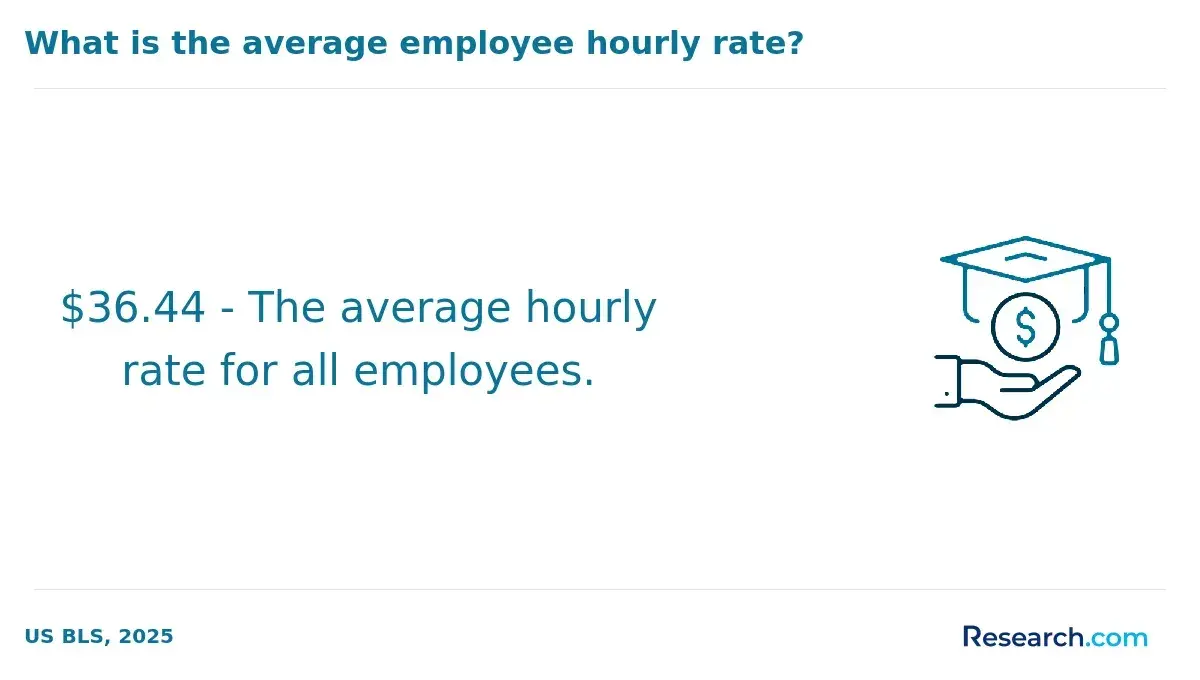
Most hedge fund managers do not begin by managing capital. They usually build a record through research, analysis, trading support, and progressively larger investment responsibility. The timeline can vary widely because promotion depends less on tenure and more on the quality of investment ideas, risk control, and performance.
- Junior Analyst or Research Associate: Entry-level professionals typically focus on financial modeling, data gathering, due diligence, and support for senior investors. These roles often last two to four years and may pay base salaries between $80,000 and $120,000 plus bonuses.
- Senior Analyst or Sector Head: At this level, professionals are expected to generate original investment ideas, defend recommendations, and develop specialized coverage. Compensation can rise to $300,000-$500,000 base, with bonuses that can be 150-200% of salary.
- Portfolio Manager: This role usually requires six or more years of experience and gives the professional direct responsibility for fund capital. Base pay may exceed $500,000, and bonuses can extend into millions through profit-sharing when performance is strong.
- Chief Investment Officer or Managing Partner: These senior roles represent the top of the career path and involve capital allocation, team leadership, firm strategy, investor confidence, and risk oversight. Exceptional individuals, including Andrew Law, have advanced rapidly and shown that timelines are not fixed.
- Specialized or nontraditional paths: Emerging areas such as ESG investing are creating new advancement routes, especially for professionals skilled in areas like carbon accounting. Moves across strategies, hybrid investing roles, and specialized research niches can also reshape the path.
The best way to think about progression is by responsibility: first you support investment decisions, then you recommend them, then you own them, and eventually you may lead the people and systems that produce them.
How much can you earn as a hedge fund manager?
Hedge fund manager pay is highly variable because it depends on role, fund size, strategy, performance, and incentive structure. The career can be extremely lucrative, but averages can be misleading because a small group of top performers earns far more than the typical professional.
In 2025, the average hedge fund manager salary in the United States is projected at approximately $192,521 annually, though some data points suggest figures closer to $177,000. Entry-level managers in smaller firms may earn just above $100,000, while top performers at large, successful funds can earn total compensation in the millions through bonuses and profit-sharing.
Experience is one of the biggest drivers of compensation. Early-career professionals usually earn less because they are still proving their ability to generate investment ideas and manage risk. Senior managers with strong track records may earn much more because their decisions can directly affect fund performance and investor capital.
Education and specialization can also influence pay. Advanced degrees, quantitative skills, and expertise in areas such as risk management or data-driven investing may improve access to higher-paying roles. Students comparing academic routes should be careful not to choose a program only because it sounds easy, but resources such as an easiest degree course list may help them understand flexible options and entry points.
Fund scale and performance often matter as much as title. Managers at larger funds may receive substantial base salaries, but the most meaningful upside usually comes from performance-linked incentives. That makes the career both attractive and volatile: strong results can be rewarded quickly, while poor performance can limit pay or shorten tenure.
What internships can you apply for to gain experience as a hedge fund manager?
The most obvious internship target is a hedge fund, but it is not the only useful route. Many future hedge fund professionals build their early experience through investment banking, asset management, pension funds, consulting, research, corporate finance, or endowment-related roles. The key is to gain experience with markets, valuation, portfolio thinking, risk, and decision-making under incomplete information.
Relevant internship options include:
- Bridgewater Associates and Point72 Academy: Summer analyst and training roles at firms like these can expose students to market research, portfolio analysis, macroeconomic thinking, and data-driven investment processes.
- Missouri Local Government Employees Retirement System (LAGERS): Investment internships at pension funds such as LAGERS can provide experience with portfolio allocation, risk management, institutional reporting, and multi-asset strategy.
- JPMorgan and Goldman Sachs: Internships in corporate finance, asset management, investment research, or related areas can develop modeling, client communication, product knowledge, and market awareness.
- Nonprofits and healthcare providers: Organizations with sizable endowments may offer analytical exposure to alternative investments, due diligence, manager selection, and long-term capital allocation.
When evaluating internships, look beyond brand names. A smaller role that gives you direct research responsibility may be more valuable than a prestigious placement with limited analytical work. Strong internship experiences should help you produce writing samples, investment memos, models, or a clear story about how you think.
Graduate education can also affect later specialization and compensation. Candidates considering advanced study may review resources on the highest paying masters degrees to understand which programs may align with finance, analytics, and investment management goals.
How can you advance your career as a hedge fund manager?
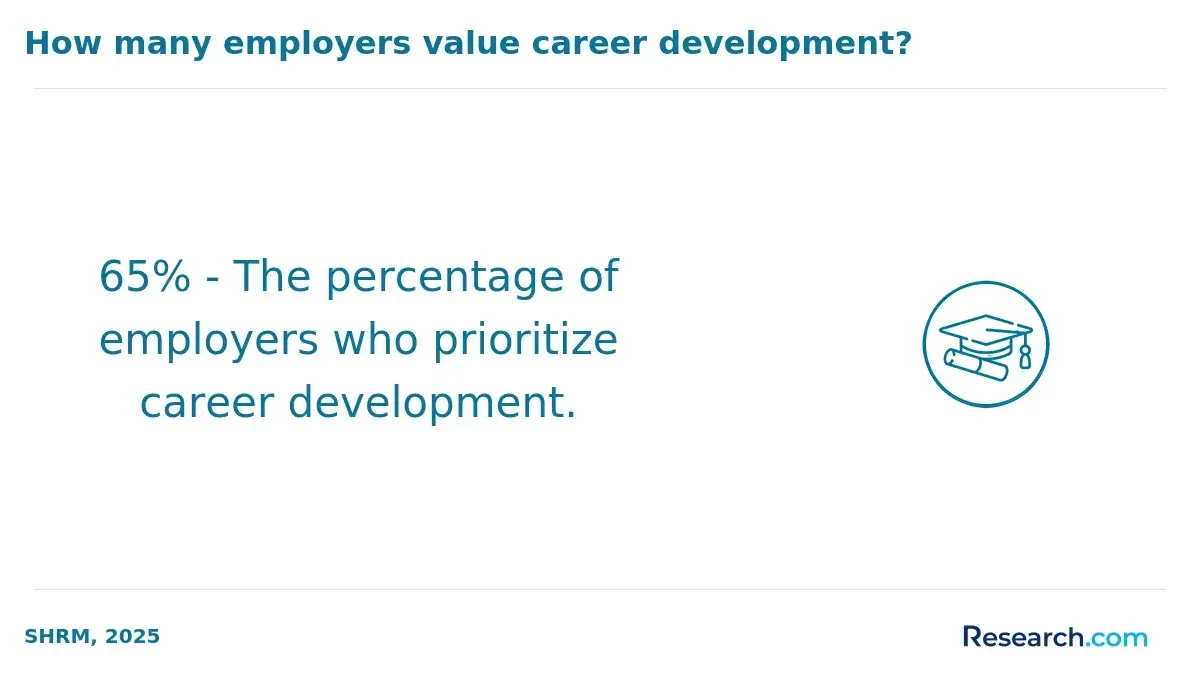
Advancement in hedge fund management is rarely automatic. You move forward by improving investment judgment, building a credible track record, gaining trust, and showing that your process can survive different market conditions. Academic credentials help, but sustained performance and professional reputation matter more.
- Lifelong Learning: Markets change, data sources expand, and strategies become crowded. Staying competitive may require ongoing study in AI, machine learning, alternative data, derivatives, risk modeling, and portfolio construction. Advanced certifications, such as the Financial Risk Manager (FRM) designation, can strengthen credibility and technical depth.
- Strategic Networking: Relationships with investors, analysts, traders, allocators, recruiters, and other fund professionals can create access to ideas and opportunities. Conferences, professional organizations, alumni networks, and thoughtful investor conversations can all matter.
- Purposeful Mentorship: Strong mentors can help you avoid common mistakes in research, risk, hiring, investor communication, and career moves. Mentoring others can also strengthen your leadership skills and make you more valuable inside a firm.
To advance, document your process as well as your results. Keep track of the thesis, risk case, catalysts, position sizing logic, and post-investment review for major ideas. This habit helps you improve and gives employers or investors a clearer view of how you make decisions.
The strongest career strategy is proactive: learn continuously, build trusted relationships, seek honest feedback, and take responsibility for measurable outcomes rather than waiting for title changes to arrive with time.
Where can you work as a hedge fund manager?
Hedge fund managers can work in several types of organizations, and the right environment depends on your strategy, risk tolerance, preferred culture, and career goals. Some settings offer more structure and resources; others offer more autonomy and visibility.
- Multistrategy Hedge Funds (Pod Shops): Firms like Millennium, Citadel, Point72, and Balyasny are known for fast-paced, performance-driven environments. They may offer strong infrastructure, data, trading support, and capital, but expectations are high and turnover can be significant.
- Boutique and Specialized Hedge Funds: Smaller funds may focus on niche strategies such as distressed debt or ESG investing. These roles can offer greater visibility and broader responsibility, but managers may also need to help with fundraising, operations, and investor communication.
- Asset Management Arms of Banks: Hedge fund-like teams within global banks such as Goldman Sachs and Morgan Stanley may appeal to professionals who want exposure to sophisticated strategies within a larger institutional structure.
- Family Offices: Family offices manage private capital and may run hedge fund-style strategies internally. These roles can involve more personalized investment mandates and potentially different work-life tradeoffs.
- Startups: Launching your own fund offers the greatest autonomy but also requires capital, infrastructure, compliance support, investor trust, operational discipline, and a clear strategy.
Geography also matters. Hedge fund manager jobs are often concentrated in financial hubs, with Connecticut, New York, and Massachusetts frequently associated with stronger opportunity density. Location can also influence compensation, networking access, and the types of strategies or investors you encounter.
Operationally, hedge funds depend on reliable technology, strong compliance processes, secure data systems, and effective collaboration. While hybrid models exist, many teams still value in-office presence during key market hours because decisions, news, and risk events can move quickly.
Students building finance skills while managing cost may compare education options such as cheap online schools that accept FAFSA as part of a broader plan to enter investment-related roles.
What challenges will you encounter as a hedge fund manager?
Hedge fund management is demanding because the job combines public performance pressure, uncertain markets, investor scrutiny, and strict operational requirements. Technical skill is necessary, but it does not protect managers from stress, competition, regulation, or changing market structure.
- Emotional and mental endurance: Managers must make decisions during volatility, explain losses, manage investor expectations, and avoid emotional reactions that can damage long-term performance.
- Intense competition: With over $4.5 trillion under management globally, the industry is crowded. Standing out requires a differentiated process, strong execution, and the ability to identify opportunities that others miss.
- Regulatory and operational demands: SEC oversight, compliance obligations, reporting requirements, cybersecurity, vendor management, and internal controls are essential parts of running or working within a fund.
- Industry shifts: Traditional models like the 60/40 portfolio are losing their edge, pushing some investors toward hedge funds and alternative strategies. That can create opportunity, but it also raises expectations for consistent value.
- Non-linear career path: The profession has no guaranteed ladder. Success usually requires years of experience, strong networks, proven results, and the ability to recover from setbacks.
One of the hardest parts of the role is separating a bad outcome from a bad process. Good decisions can lose money in the short term, and weak decisions can sometimes look successful. Strong managers review both results and reasoning so they do not learn the wrong lesson from market noise.
What tips do you need to know to excel as a hedge fund manager?
To excel as a hedge fund manager, you need a repeatable investment process, disciplined risk controls, and the humility to update your views. The best professionals combine deep analysis with practical execution and clear communication.
- Build a clear investment process: Define how you source ideas, test assumptions, evaluate downside, size positions, and decide when to exit. A repeatable process is easier to improve than instinct alone.
- Prioritize risk control: Focus on drawdowns, concentration, leverage, liquidity, and correlation. A strong idea can still damage a portfolio if it is sized poorly.
- Stay current with markets and regulation: Continue learning about market structure, compliance requirements, data tools, and emerging strategies. Certifications and structured education can help, but daily market awareness is equally important.
- Develop emotional intelligence: Investor behavior, team dynamics, and market panic can all affect decisions. Composure matters when prices move against you.
- Communicate with precision: Explain what you believe, why you believe it, what could prove you wrong, and how the position fits the portfolio. Avoid vague confidence and unsupported claims.
- Build a serious professional network: Strong relationships can improve access to research, talent, investor feedback, and career opportunities. Networking should be based on credibility, not transactional outreach.
- Review mistakes systematically: After major wins and losses, study the original thesis, assumptions, risk controls, and execution. This prevents overconfidence after gains and panic after losses.
How do you know if becoming a hedge fund manager is the right career choice for you?
Hedge fund management may be a good fit if you enjoy research, uncertainty, competition, and accountability for measurable results. It may be a poor fit if you want predictable hours, stable compensation, low-pressure work, or career progress based mainly on seniority.
- Personality Traits: Successful hedge fund managers often show discipline, patience, independent thinking, and comfort with calculated risk. Contrary to popular belief, traits linked to the Dark Triad—such as psychopathy, Machiavellianism, and narcissism—have been shown to correlate with poorer financial outcomes rather than success.
- Lifestyle Adaptability: The work can involve long hours, intense stress, and constant monitoring of markets and portfolio risk. Consider whether that environment supports or harms your long-term well-being.
- Career Competition and Job Market: The field is competitive and sensitive to financial-sector cycles. Even talented professionals can face instability if funds underperform, strategies close, or capital shifts elsewhere.
- Personal Values and Goals: Ask whether you are motivated by investment problem-solving, leadership, financial upside, intellectual challenge, or market impact. Then compare those goals with the actual pressures of the role.
- Education and Preparation: Candidates exploring alternative routes into finance may compare options at top online trade colleges while also building quantitative, accounting, and investment research skills.
A useful self-test is whether you can tolerate being wrong in public, revise your thesis quickly, and keep making disciplined decisions after losses. If that challenge energizes you rather than drains you, hedge fund management may be worth exploring further.
What Professionals Who Work as a Hedge Fund Manager Say About Their Careers
- : "Pursuing a career as a hedge fund manager has given me unmatched financial stability and impressive salary potential. The high stakes environment pushes you to constantly evolve your strategies, which is both challenging and rewarding. The industry outlook remains strong, making this a reliable career choice for the long term. — Enrique"
- : "The unique opportunities within hedge fund management lie in navigating complex market dynamics and leveraging innovative investment techniques. It's not just about numbers; it's about understanding global trends and adapting swiftly, which keeps the role exciting every day. I appreciate how this career fosters resilience and creative problem-solving. — Drew"
- : "Career growth as a hedge fund manager is substantial, supported by rigorous training programs and mentorship from seasoned experts. The professional development pathways are clearly defined, enabling a structured climb up the ladder while honing specialized skills. This role has truly enhanced my leadership abilities and strategic thinking. — Calvin"
Other Things You Should Know About Becoming a Hedge Fund Manager
In 2027, hedge fund managers must adhere to regulations set by the SEC, including registering under the Investment Advisers Act and maintaining compliance with the Dodd-Frank Act. They must also fulfill reporting obligations and implement investor protection measures to operate legally.
Crucial skills for hedge fund managers in 2027 include quantitative analysis, financial modeling, and risk management. Understanding market trends, portfolio management, and regulatory compliance, along with strong communication skills and decision-making abilities, are essential for navigating the complex financial landscape effectively.
References
- How to Get a Job at a Hedge Fund: Networking, Interviews & Pitching https://mergersandinquisitions.com/how-to-get-a-job-at-a-hedge-fund/
- Funds of hedge funds face new challenges · The Hedge Fund Journal https://thehedgefundjournal.com/funds-of-hedge-funds-face-new-challenges/
- Insider Tips On How To Get Into Hedge Funds https://hedgefundalpha.com/education/how-to-get-into-hedge-funds/
- What Is a Hedge Fund Manager? | Bright Network https://www.brightnetwork.co.uk/career-path-guides/investment-banking/hedge-fund-management/
- How to Become a Fund Manager: Career Path - Schweser.com https://www.schweser.com/cfa/blog/career-information/how-to-become-a-fund-manager
- Unique Problems of Hedge Funds https://www.abcquant.com/unique-risk-problems-of-hedge-funds
- What challenges are fund managers facing? | Deloitte France https://www.deloitte.com/fr/fr/services/consulting-risk/analysis/what-challenges-are-fund-managers-facing.html
- Top Skills Hedge Funds Look for in Job Candidates https://www.investopedia.com/articles/investing/051415/top-skills-hedge-funds-look-job-candidates.asp
- 20 Pros & Cons of a Career in Hedge Fund Management [2025] - DigitalDefynd https://digitaldefynd.com/IQ/pros-cons-of-a-career-in-hedge-fund-management/
- Hedge fund - Wikipedia https://en.wikipedia.org/wiki/Hedge_fund