
2027 Public Health vs. Epidemiology Degree: Explaining the Difference

Co-Founder and Chief Data Scientist
Choosing between a public health degree and an epidemiology degree is really a choice between two ways of improving population health. Public health is the broader path: it prepares students to design programs, shape policy, manage community health initiatives, and address social, environmental, and behavioral drivers of health. Epidemiology is the more specialized path: it trains students to study disease patterns, evaluate risk, analyze health data, and produce evidence that guides prevention and response.
The two fields are closely connected, and many public health programs include epidemiology coursework. Still, the day-to-day training, academic demands, and career outcomes can differ. A student who wants to work directly with communities, agencies, and health programs may prefer public health. A student who enjoys statistics, research design, surveillance, and data interpretation may be better suited to epidemiology.
This guide explains how public health and epidemiology degree programs compare in curriculum, skills, difficulty, cost, and career outcomes so prospective students can choose the path that fits their strengths and professional goals.
Key Points About Pursuing a Public Health vs. Epidemiology Degree
- Public health degrees cover broader topics like policy and health promotion, while Epidemiology focuses deeply on disease patterns and statistical analysis.
- Public health programs typically last 2 years with average tuition around $25,000; Epidemiology programs may extend longer and cost up to $35,000.
- Graduates with epidemiology degrees often pursue research or clinical roles, whereas public health grads work in community health, administration, or policy advocacy.
What are public health degree programs?
Public health degree programs prepare students to improve health at the community, organizational, and population levels. Rather than focusing only on individual patient care, these programs examine why health problems occur across groups and how policies, education, environments, and health systems can reduce risk.
In the United States, public health programs commonly cover epidemiology, biostatistics, environmental health, health policy, and social and behavioral sciences. Students learn how to assess community needs, evaluate public health data, design prevention programs, communicate health information, and support evidence-based decision-making.
Most Master of Public Health (MPH) programs require between 42 and 80 credits and are designed to be completed in about two years of full-time study. Many include fieldwork, applied practice experiences, and capstone projects so students can connect classroom learning to real public health challenges.
Admission typically requires a bachelor's degree. Some schools also look for relevant professional, volunteer, clinical, research, or community-based experience, especially for applicants who want to pursue leadership, policy, or program management roles after graduation.
What public health programs are best for
- Students who want broad career flexibility: Public health graduates may work in community health, nonprofit organizations, healthcare systems, government agencies, policy groups, or global health organizations.
- Students interested in implementation: The field emphasizes turning evidence into programs, services, campaigns, and policies.
- Students who prefer interdisciplinary work: Public health draws from health science, sociology, policy, communication, management, environmental science, and data analysis.
What are epidemiology degree programs?
Epidemiology degree programs train students to investigate how diseases and health conditions spread, who is most affected, what factors increase risk, and which interventions are likely to work. Epidemiology is often described as a core science of public health because it provides the evidence used to guide prevention, policy, and emergency response.
The curriculum is more quantitative and research-focused than a general public health degree. Students study biostatistics, study design, analytic epidemiology, causal inference, confounding, bias, and methods for interpreting population-level health data. Many programs also include infectious disease epidemiology, chronic disease epidemiology, environmental health, and training in statistical software such as R.
Master's degrees generally require 45 credit hours and take one to two years of full-time study. Coursework is often paired with practicum experiences, research projects, and capstone work that asks students to apply epidemiologic methods to real datasets or public health problems. Students typically dedicate about 55 hours per week to their studies.
Admission requirements vary by degree level. Doctoral applicants usually need prior coursework in introductory epidemiology and biostatistics. PhD programs extend over four to five years and require at least 61 credit hours beyond the master's level.
What epidemiology programs are best for
- Students who enjoy quantitative analysis: Epidemiology requires comfort with statistics, research methods, and data interpretation.
- Students interested in disease surveillance and outbreak investigation: Graduates may help monitor health trends, detect emerging risks, and evaluate interventions.
- Students considering research or doctoral study: Epidemiology provides a strong foundation for academic, government, clinical research, and data-centered roles.
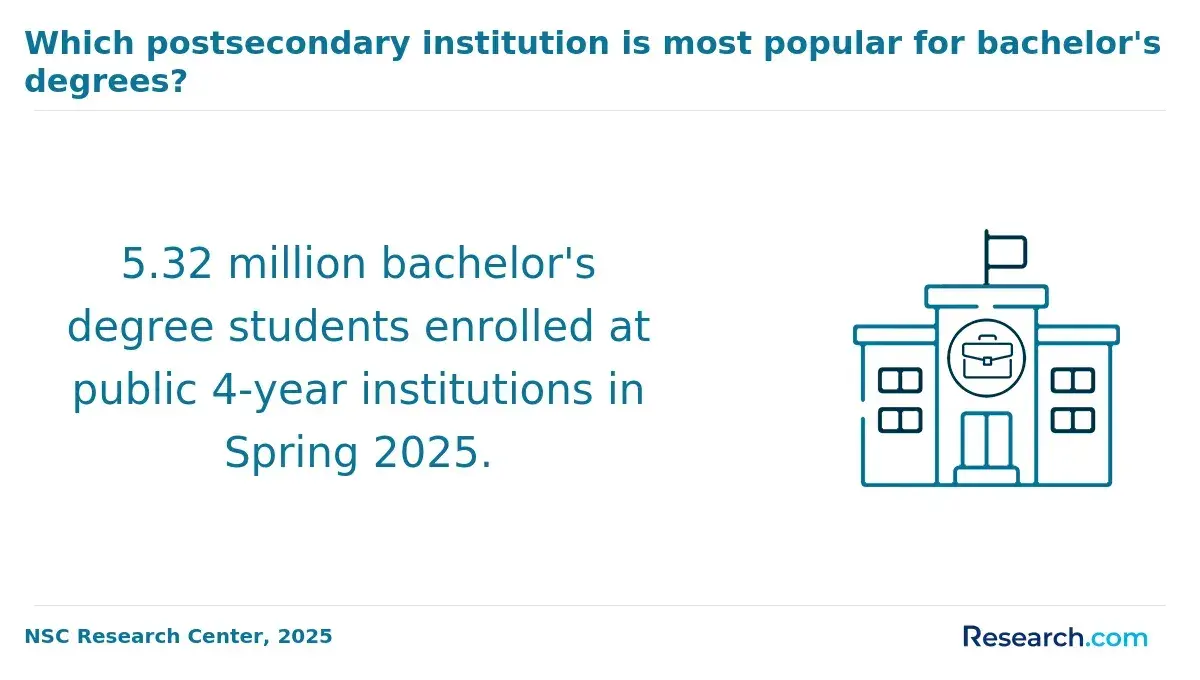
What are the similarities between public health degree programs and epidemiology degree programs?
Public health and epidemiology degree programs share the same larger mission: improving health outcomes for populations. Both fields rely on evidence, data, prevention strategies, and an understanding of how health risks affect communities. Many students in both pathways complete an MPH or a related graduate degree, often over about two years, and both programs commonly include applied learning through practica, research projects, or capstone experiences.
The overlap is strongest at the graduate level, where students in public health and epidemiology often study core public health principles before specializing. Even students who choose a broad MPH usually take epidemiology and biostatistics, while epidemiology students still need to understand policy, health systems, ethics, and community impact.
- Shared population-health focus: Both programs look beyond individual care and examine patterns, risks, prevention, and outcomes across groups.
- Similar degree credentials: Both pathways may lead to a Master of Public Health or a related master's degree, depending on the school and concentration.
- Overlapping coursework: Students often study data analysis, biostatistics, research methods, health systems, and the use of evidence in public health decision-making.
- Applied training: Practicum placements, capstones, and research projects help students connect theory to real health problems.
- Comparable admissions foundation: Programs generally require a bachelor's degree, transcripts, recommendations, and sometimes GRE scores. Applicants may come from varied undergraduate backgrounds, including biology, statistics, social science, healthcare, or related fields.
- Career settings: Graduates from both fields may work in government, healthcare, academia, nonprofits, research organizations, and public health agencies.
Students who want a shorter credential before committing to a graduate degree may also compare top paying 6 month certificate programs, especially if they want to build skills, strengthen an application, or explore health-related work before entering a full degree program.
What are the differences between public health degree programs and epidemiology degree programs?
The main difference is scope. Public health degree programs are broad and applied, while epidemiology degree programs are narrower and more research-intensive. Public health students learn how to plan, manage, communicate, and evaluate health initiatives. Epidemiology students spend more time learning how to measure disease frequency, identify risk factors, design studies, and interpret health data.
| Comparison point | Public health degree programs | Epidemiology degree programs |
| Primary focus | Improving community and population health through programs, policy, education, and systems change. | Studying disease patterns, causes, risks, and outcomes using research methods and data analysis. |
| Curriculum style | Interdisciplinary, with courses in policy, environmental health, community health, health behavior, management, and evaluation. | Quantitative and method-driven, with heavier emphasis on biostatistics, study design, surveillance, and analytic methods. |
| Typical assignments | Program plans, policy briefs, community assessments, health communication projects, and evaluation reports. | Data analyses, literature reviews, study protocols, statistical modeling, and research-based capstones. |
| Career direction | Program coordination, health education, policy analysis, community health leadership, and public health administration. | Disease surveillance, research analysis, outbreak investigation, health data analysis, and academic or applied research. |
| Best fit | Students who want broad public health roles and direct involvement in programs, policy, or community work. | Students who want technical, research-centered roles and are comfortable working with data and statistical methods. |
- Curriculum breadth: Public health programs cover several areas of practice, including policy, environmental health, community wellness, and health behavior.
- Research depth: Epidemiology programs concentrate more heavily on statistical techniques, causal reasoning, disease tracking, and study design.
- Educational goals: Public health emphasizes applying knowledge to real-world interventions, while epidemiology emphasizes producing and interpreting evidence.
- Career outcomes: Public health graduates often pursue leadership, program, education, or policy roles. Epidemiology graduates more often pursue research, surveillance, and data-driven positions.
- Work environment: Public health professionals may spend more time with communities, partners, and agencies. Epidemiologists may spend more time with datasets, research teams, reports, and surveillance systems.
What skills do you gain from public health degree programs vs. epidemiology degree programs?
Both degrees build analytical and problem-solving skills, but they develop different professional strengths. Public health programs train students to move from evidence to action. Epidemiology programs train students to produce, test, and interpret the evidence itself.
Skill Outcomes for Public Health Degree Programs
- Community health assessment: Students learn how to identify population needs, map health risks, and understand social, behavioral, and environmental contributors to health outcomes.
- Health education and communication: Graduates can translate technical information into clear messages for communities, policymakers, healthcare teams, and partner organizations.
- Program planning and implementation: Students learn how to design, launch, manage, and evaluate public health initiatives.
- Project management: Public health work often involves coordinating timelines, budgets, stakeholders, grants, and reporting requirements.
- Health policy development: Students examine how laws, regulations, institutional practices, and funding decisions affect population health.
- Leadership and collaboration: Graduates develop skills for working across agencies, disciplines, and community groups.
These skills are useful for students who want to manage programs, support policy change, lead prevention initiatives, or work directly with communities and organizations.
Skill Outcomes for Epidemiology Degree Programs
- Advanced research design: Students learn how to structure studies that can identify associations, measure risk, and support valid conclusions.
- Statistical analysis: Epidemiology programs build skills in biostatistics, modeling, hypothesis testing, and interpretation of quantitative findings.
- Disease surveillance: Graduates learn how to monitor health trends, detect outbreaks, and track changes in disease patterns over time.
- Data analysis and interpretation: Students learn to clean, analyze, and explain health data in ways that support decision-making.
- Causal inference and confounding control: Epidemiology students study how to separate true relationships from misleading patterns in data.
- Scientific reporting: Graduates develop the ability to write research reports, present findings, and communicate evidence to technical and nontechnical audiences.
These skills fit students who want research-centered or data-centered roles in public health agencies, hospitals, universities, government, or private research settings.
Students who are still exploring entry-level health education options may also review easy two year degrees in health sciences as a starting point before pursuing a bachelor's or graduate degree.
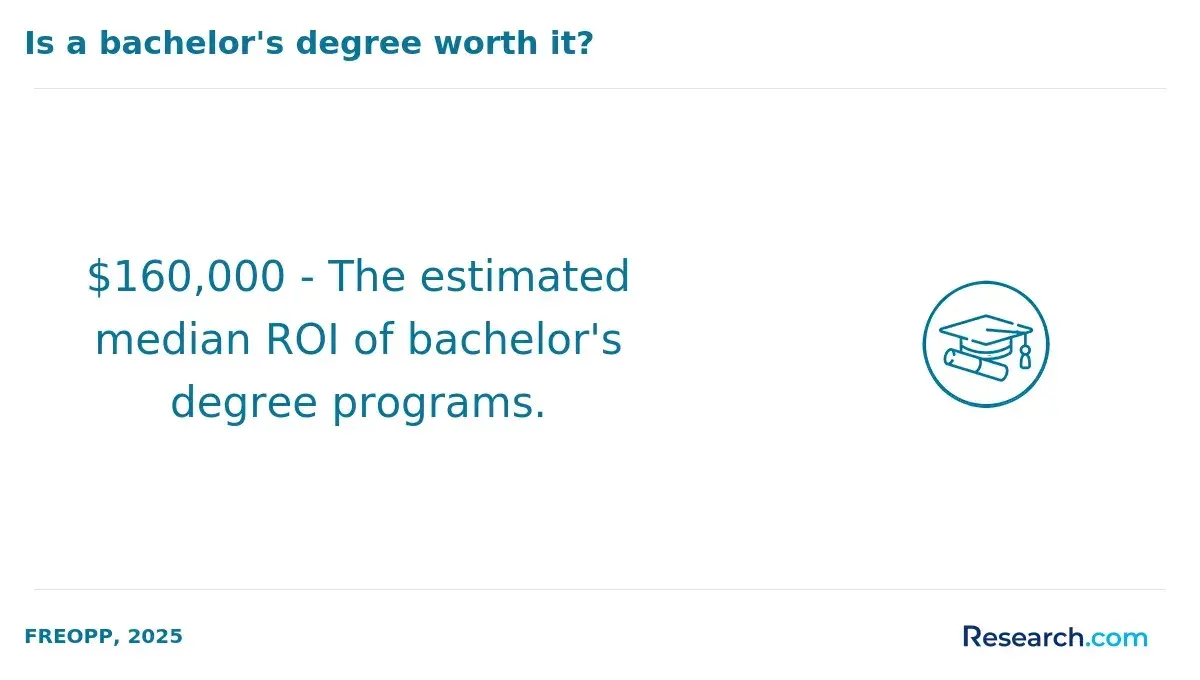
Which is more difficult, public health degree programs or epidemiology degree programs?
Epidemiology degree programs are often considered more technically difficult because they require stronger preparation in statistics, research methods, and quantitative reasoning. Public health programs can also be demanding, but the difficulty is usually spread across policy, communication, program design, leadership, social science, and applied public health practice.
The harder degree depends on the student's strengths. A student who is comfortable with math, statistical software, and research design may find epidemiology challenging but manageable. A student who prefers writing, policy analysis, community engagement, and project-based work may find public health a better academic fit.
Why epidemiology can feel harder
- More quantitative coursework: Epidemiology relies heavily on biostatistics, analytic methods, and interpretation of complex datasets.
- Technical research expectations: Students may need to understand causal inference, confounding, bias, study design, and statistical modeling.
- Higher data workload: Assignments often involve statistical software, data cleaning, coding, analysis, and technical reporting.
Why public health can still be challenging
- Broad subject matter: Students must connect policy, health behavior, environmental factors, data, ethics, and community practice.
- Applied projects: Practicums, capstones, and program plans require students to work with real-world constraints, stakeholders, and implementation challenges.
- Communication demands: Public health students must learn to explain evidence clearly to different audiences, including communities, agencies, and decision-makers.
Completion rates and student satisfaction can vary, and quantitative-heavy epidemiology programs may see higher attrition among students who are less prepared for intensive mathematics. Before enrolling, students should review course descriptions, prerequisites, capstone expectations, and software requirements rather than relying only on the degree title.
For students comparing cost and flexibility, many cheap masters programs are available online, including options that may fit working professionals or students balancing school with other responsibilities.
What are the career outcomes for public health degree programs vs. epidemiology degree programs?
Public health and epidemiology graduates can both pursue meaningful work in population health, but they often enter different types of roles. Public health graduates tend to move into program, policy, education, management, and community-facing positions. Epidemiology graduates are more likely to work in surveillance, research, analytics, outbreak response, and evidence generation.
Career Outcomes for Public Health Degree Programs
Public health careers often emphasize leadership, coordination, prevention, education, and systems improvement. The public health epidemiology career salary often falls between $50,000 and $100,000 annually, with management roles offering higher pay.
- Health Education Specialist: Designs and delivers programs that promote wellness, prevention, and healthier behaviors in communities.
- Program Coordinator: Manages public health initiatives, tracks progress, coordinates partners, and helps ensure programs meet goals and compliance requirements.
- Policy Analyst: Reviews laws, regulations, budgets, and health outcomes to support policies that address disparities and improve population health.
Career Outcomes for Epidemiology Degree Programs
Epidemiology careers are more specialized and data-driven. Graduates may work with health departments, hospitals, universities, research institutes, government agencies, or private organizations that analyze health risks and outcomes. Epidemiology roles have favorable job growth of 27% projected through 2032. The epidemiology salary trends 2025 indicate median pay around $78,520, with higher earnings for those in private industry or holding advanced degrees.
- Research Assistant: Supports epidemiological studies through data collection, literature review, participant tracking, and preliminary analysis.
- Data Analyst: Interprets health data to identify trends, evaluate interventions, and inform disease prevention or control strategies.
- Principal Investigator: Leads research projects designed to understand, prevent, or respond to health threats.
| Career factor | Public health degree programs | Epidemiology degree programs |
| Common focus | Programs, policy, education, management, and community health improvement. | Research, surveillance, statistical analysis, and disease investigation. |
| Typical employers | Health departments, nonprofits, healthcare organizations, advocacy groups, schools, and government agencies. | Health departments, research institutions, hospitals, universities, government agencies, and private industry. |
| Best advancement route | Program leadership, policy expertise, grant management, and administrative responsibility. | Advanced analytics, research leadership, doctoral study, and specialized disease-area expertise. |
Students comparing online options can explore a list of best online colleges while also checking accreditation, practicum requirements, faculty expertise, and whether the program supports the career path they want.
How much does it cost to pursue public health degree programs vs. epidemiology degree programs?
The cost of public health and epidemiology degrees depends on degree level, school type, residency status, delivery format, and financial aid. Students should compare total program cost, not just advertised tuition, because fees, practicum costs, technology charges, books, travel, and lost work time can change the real price of attendance.
For public health undergraduate degrees, average tuition hovers around $31,365. Graduate programs, such as the Master's in Public Health (MPH), average approximately $24,621 annually. Public universities generally provide more affordable options than many private institutions, though actual costs vary by school.
Online programs may offer more flexibility, but they are not always cheaper than campus-based programs. Some online bachelor's degrees in public health start near $8,092. Financial aid, scholarships, employer tuition assistance, assistantships, and public service-focused funding may help reduce out-of-pocket costs.
Epidemiology costs vary sharply by residency status. Undergraduate tuition for in-state students averages about $10,904, while out-of-state learners may face fees near $35,099. At the graduate level, in-state tuition averages $14,342, with out-of-state costs rising to around $35,658.
| Program type | Public health degree programs | Epidemiology degree programs |
| Undergraduate tuition | Average tuition hovers around $31,365. | In-state students average about $10,904; out-of-state learners may face fees near $35,099. |
| Graduate tuition | MPH programs average approximately $24,621 annually. | In-state tuition averages $14,342; out-of-state costs rise to around $35,658. |
| Online options | Some online bachelor's degrees in public health start near $8,092. | Online and on-campus programs may both offer financial support options. |
| Major cost variable | Institution type, program length, fees, and whether the degree is online or campus-based. | Residency status, degree level, research requirements, and institutional pricing. |
Before enrolling, students should ask whether tuition is charged per credit or per term, whether online students pay different fees, whether practica require travel, and whether the program offers scholarships or graduate assistantships. Cost should be weighed against program quality, accreditation, field placement support, and the career outcomes associated with the specific degree.
How to Choose Between Public Health Degree Programs and Epidemiology Degree Programs
The best choice depends on what kind of work you want to do after graduation. Choose public health if you want a broad, applied degree that can lead to roles in programs, policy, education, management, and community health. Choose epidemiology if you want a more technical degree centered on research, data, disease patterns, and evidence generation.
Choose public health if you want to:
- Work directly with communities, agencies, nonprofits, or healthcare organizations.
- Design, manage, or evaluate health programs.
- Influence health policy, prevention strategy, or community education.
- Build leadership, communication, and project management skills.
- Keep your career options broad across multiple public health settings.
Choose epidemiology if you want to:
- Analyze health data and identify disease patterns.
- Study risk factors, outbreaks, and population-level health trends.
- Use statistics and research methods as a central part of your work.
- Pursue research, surveillance, analytics, or doctoral study.
- Contribute evidence that helps agencies and organizations make public health decisions.
Key questions to ask before applying
- Field focus: Do you want broad health promotion and disease prevention work, or do you want to specialize in studying disease patterns and causes?
- Skillset: Are you more interested in communication, leadership, and implementation, or statistics, study design, and data analysis?
- Learning style: Do you prefer practicums and community projects, or research, data work, and thesis-style assignments?
- Work environment: Do you see yourself managing programs and working with stakeholders, or analyzing data for agencies, research teams, or health systems?
- Impact preference: Do you want visible community engagement, or do you prefer behind-the-scenes scientific problem-solving?
Students who thrive in broad policy and program roles will often find MPH programs fitting. Students who are motivated by advanced data techniques, disease tracking, and research may prefer epidemiology. For a wider look at education and career outcomes, including trade school jobs salary, compare programs by skills gained, cost, completion requirements, and realistic job paths.
What Graduates Say About Their Degrees in Public Health Degree Programs and Epidemiology Degree Programs
- Yanzie: "Enrolling in the Public Health program challenged me intellectually, especially with its rigorous coursework on disease prevention and health policy. The hands-on projects and internships gave me exposure to real-world public health initiatives that truly enhanced my understanding. Since graduating, I've noticed a significant improvement in my job prospects and earning potential."
- Norman: "The Epidemiology degree offered me a unique chance to work directly with data from ongoing studies, which was both fascinating and eye-opening. Learning to interpret complex statistical models in the context of infectious diseases gave me a deep appreciation of the field's impact. Reflecting on my journey, I'm grateful for the professional growth and networking opportunities it provided."
- Sofia: "What stood out the most in my Public Health studies was the diversity of workplace settings introduced, from local clinics to international health organizations. This exposure helped me tailor my career path toward global health epidemiology, which is in high demand. The program's blend of theory and practice has substantially boosted my confidence entering the workforce."
Other Things You Should Know About Public Health Degree Programs & Epidemiology Degree Programs
Graduates can transfer skills such as data analysis, critical thinking, and public health principles between public health and epidemiology. Both fields benefit from experiences in research methodologies and understanding disease patterns, supporting career mobility. Employers value interdisciplinary experience, making mobility feasible within health-related sectors after graduation.
Both public health and epidemiology degrees in 2027 often require fieldwork or internships. These experiences are crucial for hands-on learning, allowing students to apply theoretical knowledge in real-world settings and gain valuable insights into community health challenges or patterns of disease spread.
A 2027 master’s program in public health should have CEPH accreditation, and many epidemiology degrees are housed inside CEPH-accredited schools of public health. For epidemiology research training, look for a curriculum with biostatistics, study design, and at least one capstone or thesis option.
References
- Stressors Among Healthcare Workers: A Summative Content Analysis - PMC https://pmc.ncbi.nlm.nih.gov/articles/PMC10068501/
- Tuition and Fees | Johns Hopkins | Bloomberg School of Public Health https://publichealth.jhu.edu/offices-and-services/office-of-admissions-services/tuition-and-fees
- PhD After MPH: The Ultimate Career Advancement Guide https://dblp.ucnedu.org/blog/phd-after-mph-in-public-health/
- Career Outcomes for Epidemiology Students | University of Michigan School of Public Health https://sph.umich.edu/epid/career-outcomes.html
- What is an MPH Degree? - MPH Online https://www.mphonline.org/what-is-a-mph-degree/
- Epidemiology vs. Public Health: Careers, Roles, and Key Differences https://holistiquetraining.com/en/news/epidemiology-vs-public-health-careers-roles-and-key-differences
- Epidemiologist: Roles and Responsibilities | SPH https://www.bu.edu/sph/blog/epidemiologist/
- MPH in Epidemiology vs. Biostatistics: Similarities and Differences https://www.publichealthdegrees.org/specializations/epidemiology/mph-epidemiology-vs-biostatistics/
- 15 Top Cost-No-Object and 15 Top Affordable Master's in Public Health (MPH) Degree Programs - Healthcare Administration Degree Programs https://www.healthcare-administration-degree.net/best/top-affordable-cost-no-object-mph-degree-programs/
- Choosing between the MSc in Epidemiology and the Master in Public Health https://www.youtube.com/watch


