
2027 Associate to Bachelor's in Behavioral Health Science: Transfer Pathways Explained

Co-Founder and Chief Data Scientist
Students with an associate degree in behavioral health science often face a practical question: should they enter the workforce now, or transfer into a bachelor’s program to qualify for broader roles, stronger credentials, and future graduate study?
The answer depends on your career target, transfer credit fit, program accreditation, cost, and timeline. Behavioral health employers increasingly value bachelor’s-level preparation for jobs involving client assessment, care coordination, case planning, documentation, and collaboration with clinical teams. At the same time, transferring is not automatic. Course equivalencies, prerequisite rules, GPA thresholds, and accreditation standards can determine whether your associate credits move cleanly into a four-year degree.
Recent data indicates that fewer than 40% of students pursue a successful transfer from an associate to a bachelor’s degree in behavioral health science, often because credits do not align, advising happens too late, or students apply without understanding program requirements.
This guide explains how associate-to-bachelor’s transfer pathways in behavioral health science work, what documents and academic requirements to prepare, how prior experience may count, where savings and scholarships may come from, and what mistakes can delay graduation.
Key Points About Transferring from an Associate to Bachelor's in Behavioral Health Science
- Many programs offer flexible online or evening classes, accommodating working professionals balancing employment and education commitments in behavioral health science transfer pathways.
- Accelerated curricula reduce time to bachelor's degree completion by integrating prior credits and focused skill development, improving readiness for shifting behavioral health demands.
- Transferring from an associate degree can significantly lower tuition costs-students save an average of 40% compared to starting a four-year program anew in behavioral health science.
Why should you consider an associate to bachelor's in Behavioral Health Science transfer pathway?
An associate-to-bachelor’s transfer pathway can be a strong option if you want to lower your first two years of college costs while keeping the door open to bachelor’s-level behavioral health roles. The main advantage is sequencing: you complete foundational coursework at the associate level, then transfer into upper-division study focused on assessment, intervention, ethics, research, case management, and systems of care.
The pathway is especially useful for students who need flexibility, want to test their interest in behavioral health before committing to a four-year institution, or plan to work while completing their degree. It can also help students build a stronger application for competitive bachelor’s programs by showing college-level performance before transfer.
The career case is also important. The U.S. Bureau of Labor Statistics projects a 12% growth in behavioral health-related jobs from 2022 to 2032, and many employers favor bachelor’s-level credentials for roles involving higher responsibility, complex client needs, interdisciplinary coordination, or supervisory duties.
Key reasons to consider this pathway include:
- Lower upfront cost: Completing associate-level coursework first can reduce the amount spent at a four-year institution, especially when credits transfer without duplication.
- Broader career options: A bachelor’s degree may qualify graduates for more advanced case management, program coordination, behavioral health support, and human services roles than an associate degree alone.
- Better preparation for certification or licensure routes: Requirements vary by state and role, but bachelor’s coursework often provides stronger academic preparation for professional credentials or later graduate-level clinical training.
- Graduate school readiness: Students considering counseling, social work, psychology, addiction studies, or related graduate programs usually need a bachelor’s degree before applying.
- Stronger analytical and research skills: Upper-division behavioral health programs typically emphasize evidence-based practice, statistics, ethics, policy, and program evaluation.
This pathway is not automatically the best choice for every student. If your credits do not transfer well, if the bachelor’s program lacks proper accreditation, or if your intended role requires a different major, the route can become longer and more expensive than expected. Before enrolling, compare transfer agreements, total cost, program outcomes, and career requirements in your state.
Students comparing healthcare transfer routes may also find it useful to review how targeted completion pathways work in fields such as RN to BSN with no clinical hours programs.
What are the academic requirements to transfer from an associate to bachelor's in Behavioral Health Science?
Academic requirements vary by college, but most bachelor’s programs look for evidence that transfer students can move directly into upper-division behavioral health science coursework. The most important factors are GPA, completed credits, prerequisite alignment, and whether prior courses match the receiving school’s curriculum.
Typical transfer requirements include:
- Minimum GPA: Many programs expect a cumulative GPA around 2.5 to 3.0 on a 4.0 scale. A higher GPA may improve admission odds and scholarship eligibility, especially at selective institutions.
- Transferable credits: Applicants commonly enter with 30 to 60 semester credits that include general education and introductory behavioral health or social science coursework.
- Prerequisite courses: Programs often require courses such as introduction to psychology, human development, statistics, sociology, biology, or related foundations. Many schools require at least a grade C in prerequisite classes.
- Behavioral health foundation courses: Some bachelor’s programs expect prior coursework in mental health, counseling concepts, substance use, community health, human services, or crisis response.
- General education completion: English composition, math, natural science, humanities, and social science requirements can affect how many credits apply toward the bachelor’s degree.
- Good academic standing: Students may need to show they are eligible to return to previous institutions and have no unresolved academic or conduct holds.
The biggest transfer risk is assuming that every associate degree course will count toward the major. A course may transfer as an elective but not satisfy a bachelor’s requirement. That distinction matters because elective credit may increase your total credits without reducing the number of required major courses left to complete.
Before applying, ask the receiving institution for a degree audit or preliminary transfer evaluation. Compare course descriptions, syllabi, catalog years, and articulation agreements. If you are still enrolled in an associate program, choose remaining courses based on the bachelor’s plan—not only the associate degree checklist.
Students planning budgets alongside transfer requirements may also want to compare healthcare education costs, including resources on healthcare administration degree cost.
What documents do you need for a Behavioral Health Science transfer application?
A behavioral health science transfer application usually requires more than a standard admissions form. Because the receiving school must evaluate both admission eligibility and credit transfer, you should prepare academic, identity, health-related, and professional documents early.
Commonly requested documents include:
- Official college transcripts: Submit transcripts from every postsecondary institution attended, even if you took only one course or withdrew. Missing transcripts can delay admission and credit evaluation.
- High school diploma or GED documentation: Some institutions request this for transfer applicants, particularly when the student has limited college credit or when high school coursework affects placement or prerequisite review.
- Course descriptions or syllabi: These may be needed when the transfer office cannot determine whether a course matches a behavioral health science requirement.
- Application form and fee documentation: Keep confirmation numbers, payment receipts, and deadline records in case materials are not matched correctly.
- Resume or work experience summary: Relevant employment, volunteer service, internships, peer support work, or human services experience can strengthen applications and may support prior learning review.
- Health clearances: If the program includes practicum, internship, service learning, or field placement, you may need immunization records, health screenings, or other clearance documents.
- Background check materials: Programs with client-facing placements may require background checks or drug screening before fieldwork begins.
- Financial aid records: FAFSA information, scholarship applications, employer tuition reimbursement forms, and prior aid history may be needed to finalize your cost plan.
Document delays are common because transcripts, health records, and transfer evaluations often come from different offices. Request transcripts early, save copies of all submissions, and use the same legal name and student ID whenever possible. If you have attended multiple colleges, build a checklist for each institution so nothing is overlooked.
One transfer student described the process this way: “It wasn’t just about sending transcripts; I had to request multiple copies and coordinate between my old college and the new program.” The same student noted that health requirements added pressure because vaccinations and appointments had to be scheduled close to application deadlines.
A practical step is to ask for a preliminary credit assessment before committing. It can show which credits apply to general education, which count toward the major, and which may transfer only as electives.
Can prior work experience in Behavioral Health Science count toward your bachelor's credits?
Prior work experience may count toward bachelor’s credits, but it depends on the institution’s credit for prior learning policy. Behavioral health science programs do not usually award credit simply because a student has worked in the field. Instead, they evaluate whether the student can document college-level learning that matches specific course outcomes.
Studies indicate that credit for prior learning can shorten degree completion time by up to a year. However, policies vary widely, and some programs limit how many credits can be earned through prior learning assessment.
Common ways experience may be evaluated include:
- Professional certifications: Counseling-related credentials, behavioral health technician training, peer support certifications, substance use training, crisis intervention training, or clinical support credentials may be reviewed for credit if they align with course objectives.
- Portfolio review: Students may submit a portfolio with job descriptions, supervisor verification, training records, reflective essays, case-related projects, or examples of applied learning. The portfolio must usually connect experience to academic outcomes.
- Prior Learning Assessment (PLA): A PLA process may evaluate workplace learning from counseling centers, community agencies, residential programs, case management settings, hospitals, corrections, schools, or nonprofit organizations.
- Formal non-credit training: Employer-led programs, continuing education, military schooling, workshops, and agency training may be considered if properly documented.
- Standardized exams or challenge exams: Some colleges allow students to test out of certain lower-division requirements, though availability depends on the institution and course.
Before relying on prior experience, ask three questions: Which courses can be replaced? How many credits can be awarded? Will those credits count toward the major, general education, or electives only? Elective credit can still be useful, but it may not shorten the path if major requirements remain unchanged.
Students interested in accelerated education models may also compare how experience-based or fast-track pathways operate in programs such as an LPN accelerated program.
How much can you save if you take a Behavioral Health Science transfer pathway?
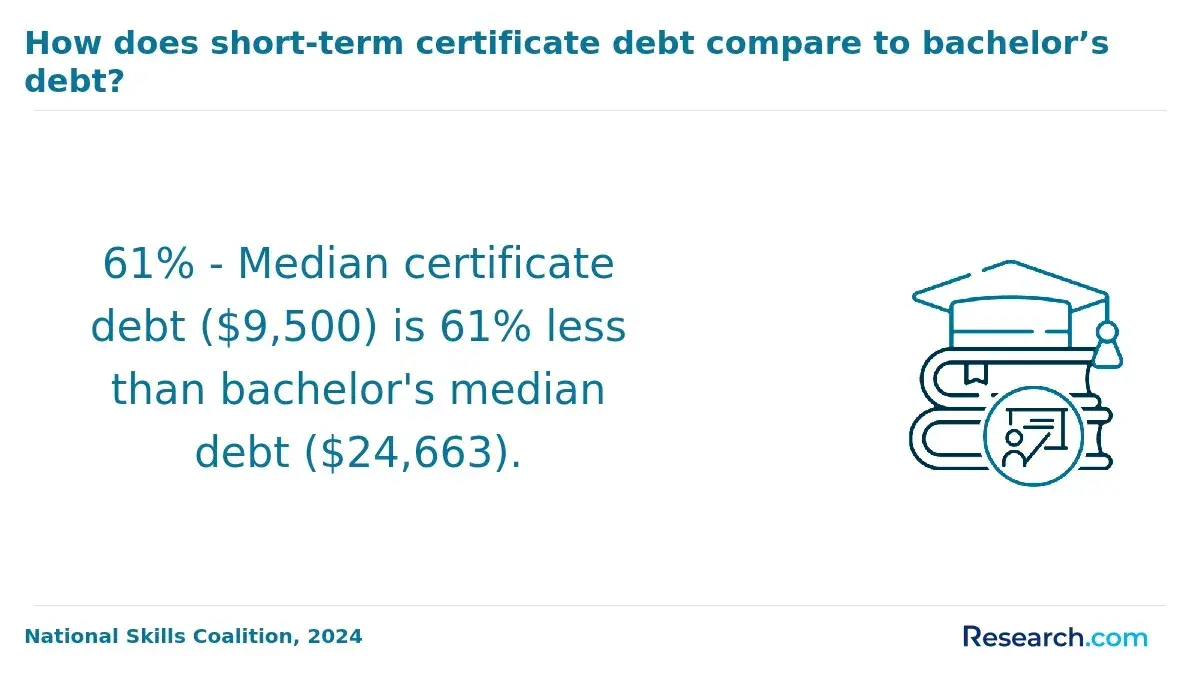
An associate-to-bachelor’s transfer pathway can reduce the total cost of a behavioral health science degree, especially if you complete lower-division credits at a public two-year college and transfer them efficiently. Tuition at public two-year colleges typically runs about $3,500 annually, whereas four-year public universities average around $10,000 per year.
The potential savings come from more than tuition. Students may also reduce fees, housing costs, transportation costs, and borrowing during the first part of their degree. If they work while attending community college, they may be able to pay more costs out of pocket before transferring.
The size of the savings depends on several factors:
- How many credits transfer: Savings are strongest when most associate credits apply directly to bachelor’s degree requirements.
- Whether you repeat courses: Repeating prerequisites or major courses can erase part of the financial advantage.
- Institution type: Public, private nonprofit, and online programs may have very different tuition and fee structures.
- Residency status: In-state tuition can make a major difference at public universities.
- Time to completion: Extra semesters increase tuition, fees, books, and living costs.
- Financial aid eligibility: Grants, scholarships, employer assistance, and loan limits can affect net cost more than published tuition alone.
A student who followed this route said, “Starting at a community college was intimidating at first, especially managing course transfers and maintaining GPA standards.” He described the process as “navigating a constant puzzle,” but said the savings helped him stay motivated.
The best way to estimate your own savings is to compare total program cost, not just annual tuition. Ask each school for a transfer credit evaluation, remaining course list, expected graduation term, fees, and financial aid estimate. A lower-cost pathway is only a good deal if it moves you toward graduation without unnecessary credit loss.
Are there scholarships available for students transferring to a Bachelor's in Behavioral Health Science?
Yes. Transfer students entering a bachelor’s in behavioral health science may qualify for scholarships, grants, and other aid from universities, states, foundations, and professional organizations. Approximately 45% of transfer students in health-related fields receive some form of scholarship or grant.
Common funding sources include:
- Institutional transfer scholarships: Universities may offer awards specifically for students transferring from community colleges or associate programs. Eligibility often depends on completed credits, GPA, enrollment status, and admission to a degree program.
- Major-specific scholarships: Some colleges provide aid for behavioral health science, psychology, human services, addiction studies, social work, or public health students.
- State-funded grants: Many states support students in health-related fields. These programs may require state residency, enrollment in an accredited bachelor’s program, and satisfactory academic progress.
- Professional association scholarships: Behavioral health, counseling, social work, mental health, and substance use organizations may fund students who demonstrate academic achievement, service commitment, or interest in underserved communities.
- Need-based aid: Federal, state, and institutional grants may be available based on financial need and FAFSA results.
- Academic and demographic-based aid: Some awards support high-performing students, first-generation students, adult learners, veterans, or students from underrepresented groups in behavioral health fields.
Scholarship timing matters. Some awards require students to apply before admission, while others require proof of enrollment. Transfer students should check deadlines at both the associate institution and receiving university, because community college foundations sometimes offer transfer scholarships to graduating students.
When reviewing scholarships, confirm whether the award is renewable, whether it requires full-time enrollment, whether online students qualify, and whether it can be combined with employer tuition reimbursement or state grants.
Are Behavioral Health Science transfer pathways eligible for employer tuition reimbursement?
Behavioral health science transfer pathways may be eligible for employer tuition reimbursement if the employer’s policy covers degree completion programs and the institution meets accreditation requirements. Approximately 60% of U.S. employers now offer educational assistance benefits, making this a potentially valuable way to reduce out-of-pocket tuition.
Eligibility is usually determined by employer policy, not by the college alone. Before enrolling, ask your human resources department for the written tuition assistance policy and confirm the approval process.
Important policy details to review include:
- Employment tenure: Employers often require continuous employment for a minimum period, often between six months and one year, before tuition benefits begin.
- Program relevance: Some employers reimburse only degrees related to the employee’s current role or a clear internal career path.
- Accreditation requirements: Many employers require the college or university to hold recognized accreditation.
- Minimum grade requirements: Employees may need to maintain a GPA commonly between 2.5 and 3.0 or earn a minimum course grade to receive reimbursement.
- Annual benefit caps: Many policies limit yearly reimbursement. $5,250 is the maximum tax-free amount allowed under IRS guidelines.
- Payment timing: Some employers pay the school directly, while others reimburse employees after course completion.
- Post-graduation work agreements: Some employers require employees to remain with the organization for a set period after receiving tuition assistance. Leaving early may trigger repayment obligations.
For behavioral health workers, employer reimbursement can be especially useful when the bachelor’s degree supports advancement into case management, supervision, program coordination, or other agency roles. Keep copies of course approvals, grades, receipts, and reimbursement submissions. If you change employers before finishing, review whether benefits stop immediately or whether repayment rules apply.
How will accreditation standards affect your Behavioral Health Science degree transfer?
Accreditation can determine whether your credits transfer, whether your degree is respected by employers, and whether your education supports future graduate study or credentialing. Over 85% of bachelor’s programs require incoming transfer students to have credits from institutions with recognized accreditation for smooth credit mobility and career advancement.
There are two accreditation issues to understand:
- Institutional accreditation: This applies to the college or university as a whole. Transfer offices commonly use institutional accreditation to decide whether prior credits are eligible for review.
- Programmatic accreditation: This applies to specific programs when a field has specialized accrediting bodies. Not every behavioral health science program has separate programmatic accreditation, but students should check whether it matters for their intended career, graduate program, or state credential.
Accreditation does not guarantee that every credit will transfer. A course must still match the receiving program’s requirements, credit level, content, and grade standards. However, attending an institution with recognized accreditation greatly improves the chances that credits will be considered.
Before enrolling in an associate or bachelor’s program, verify accreditation directly through the school and the relevant accreditor. Also ask the bachelor’s program whether credits from your associate institution have transferred in the past, whether an articulation agreement exists, and whether online or hybrid coursework is treated differently.
This step is especially important if you plan to continue into counseling, social work, psychology, psychiatric nursing, or other regulated fields. Licensure and certification rules vary, and a degree that is acceptable for one role may not meet requirements for another.
Students comparing healthcare-related career paths and earnings may also review information on medical coding salary as part of broader education planning.
What careers are available to graduates after completing a Bachelor's in Behavioral Health Science?
A bachelor’s in behavioral health science can prepare graduates for non-licensed and entry-to-mid-level roles in behavioral health, human services, community programs, addiction services, care coordination, and mental health support. It can also serve as a foundation for graduate study in counseling, social work, psychology, public health, or related fields.
The U.S. Bureau of Labor Statistics projects a 23% growth in employment for mental health and substance abuse counselors from 2022 to 2032, reflecting strong demand for behavioral health services. However, job titles and licensure rules vary by state. Some counseling roles require graduate education, supervised clinical hours, and state licensure, so students should verify requirements before choosing a program.
Possible career paths include:
- Behavioral Health Specialist: Supports clients with behavioral, emotional, or mental health needs through care plans, interventions, documentation, and coordination with clinical teams. Duties vary by employer and state regulations.
- Substance Abuse Counselor: Helps individuals affected by addiction or substance use disorders. Some roles may be available with a bachelor’s degree, while others require specific certification, supervised experience, or graduate-level preparation.
- Mental Health Program Coordinator: Assists with program planning, scheduling, reporting, community outreach, quality improvement, and coordination of services in agencies, clinics, nonprofits, or public health settings.
- Case Supervisor: Oversees case management workflows, supports frontline staff, reviews documentation, and helps ensure clients are connected to appropriate services.
- Community Health Worker or Outreach Coordinator: Connects individuals and families with behavioral health resources, prevention programs, crisis supports, and social services.
- Residential Program Staff or Manager: Works in group homes, recovery residences, youth programs, crisis stabilization settings, or other supervised care environments.
When comparing programs, look beyond the degree title. Review internship options, field placement support, faculty background, state credential alignment, and employer partnerships. If your long-term goal is licensed clinical practice, confirm whether the bachelor’s curriculum prepares you for the graduate program you will eventually need.
What are the most common pitfalls to avoid in a Behavioral Health Science transfer?
The most common transfer problems are preventable. Students often lose time or credits because they apply without a course plan, misunderstand prerequisites, choose a program without checking accreditation, or assume that an associate degree automatically satisfies the first half of a bachelor’s degree. Studies show that students lose approximately 20-30% of their previously earned credits when transferring.
Common pitfalls include:
- Credit loss: Credits may transfer as electives instead of major requirements, or they may not transfer at all if course content, level, accreditation, or grades do not meet the receiving school’s standards.
- Missing prerequisites: If you do not complete required courses such as psychology, statistics, human development, or biology before transfer, you may need extra semesters before starting upper-division classes.
- Relying on informal advice: Advice from classmates or unofficial transfer guides can be outdated. Use written evaluations from admissions, transfer offices, or academic advisors.
- Changing majors late: Switching from behavioral health science to psychology, social work, healthcare administration, or another field may change requirements and reduce how many credits apply.
- Ignoring accreditation: Credits from institutions without recognized accreditation may face transfer barriers and may not support future credentialing or graduate admission.
- Missing deadlines: Transfer admissions, scholarship applications, transcript requests, field placement requirements, and financial aid forms may have separate deadlines.
- Poor document management: Lost syllabi, incomplete transcripts, missing health records, or unverified work experience can delay credit review and field placement clearance.
- Underestimating total cost: A program may look affordable per credit but become expensive if you need repeated courses or additional semesters.
To avoid these problems, request a written transfer credit evaluation before enrolling, keep copies of syllabi and course catalogs, confirm accreditation, and map every remaining course to a graduation term. If possible, use an articulation agreement between your associate institution and bachelor’s program.
Students who plan to continue beyond the bachelor’s degree may also want to explore advanced options such as the best online post master's PMHNP programs.
What Graduates Say About Transferring from an Associate to Bachelor's in Behavioral Health Science
- : "Choosing to transfer from an associate to a bachelor’s in behavioral health science was a critical step for me because I wanted a deeper understanding of mental health interventions and policy. The affordability of the program allowed me to continue my education without overwhelming debt, which made the transition smoother. Now, I feel empowered to contribute meaningfully in clinical settings, knowing my degree has equipped me with both theory and practical skills. — Robert"
- : "Looking back, the decision to pursue a behavioral health science bachelor’s degree after my associate’s was all about career growth and credibility. Transferring saved me time and money, which was extremely important given the rising costs of higher education. The program’s comprehensive curriculum gave me a fresh perspective on community health, and I’m confident this degree will open doors for leadership roles in the future. — Gina"
- : "My journey from an associate to a bachelor’s in behavioral health science was transformative. I initially wanted to expand my knowledge beyond the basics, and the transfer pathway was the perfect fit since it balanced cost-effectiveness with academic rigor. Pursuing this degree has not only enhanced my professional opportunities but also strengthened my commitment to advocating for mental health awareness in underserved populations. — Jewel"
Other Things You Should Know About Behavioral Health Science Degrees
Credits in general education and foundational behavioral health courses are the most likely to transfer. Specific courses in psychology, sociology, and general biology often meet the requirements of a bachelor's program. Each institution may have unique transfer credit policies, so checking directly with the program is advisable.
To transfer into a bachelor's in behavioral health science program, students typically need a minimum GPA of 2.5 from their associate degree coursework. Meeting this requirement is crucial for eligibility and can vary slightly based on the institution's policies.
Students transferring in 2027 may access financial aid options like federal grants, scholarships specific to behavioral health science, and transfer-friendly student loans. It's crucial to check with both the sending and receiving institutions for tailored financial aid advice and opportunities.
References
- Behavioral Health Scholarships https://www.nbhp.org/scholarship.html
- How to Transfer Credits Between Human Services Programs https://www.allpsychologyschools.com/blog/your-guide-to-transferring-credits-to-a-human-services-program/
- Behavioral Health https://www.pikespeak.edu/programs/behavioral-health/index.php
- Mental Health and Human Services 2+2 (Transfer to Franciscan University of Steubenville), A.A. | Career Pathways & Programs | West Virginia Northern Community College https://www.wvncc.edu/career-pathways-and-programs/mental-health-and-human-services-2+2-(transfer-to-franciscan-university-of-steubenville)-a.a./513
- College Pathways and Articulations | Future Undergraduate Students | Wilfrid Laurier University https://www.wlu.ca/future-students/undergraduate/applicants/transfer/college-pathways.html
- Transfer Pathways Search - Community College of Vermont https://ccv.edu/academics/transfer-from-ccv/transfer-pathways-search/
- How to Go from an Associate’s Degree to a Bachelor’s Degree | George Fox University https://www.georgefox.edu/adult-degree/articles/associate-to-bachelor-degree.html
- Will My Employer Pay for My Tuition? https://www.herzing.edu/blog/will-my-employer-pay-my-tuition


