
2027 Best Online Game Development Degree Programs

Co-Founder and Chief Data Scientist
With the growing demand for video games and interactive media, game development has become a thriving industry. Aspiring developers are increasingly seeking online degree programs that offer flexibility and access to cutting-edge skills. This article explores the best online game development degree programs in 2027, providing a data-driven analysis to help prospective students make informed decisions.
What are the benefits of getting an online game development degree?
- Job Opportunities: Graduates can pursue careers as game developers, software engineers, and technical artists within the gaming industry.
- Salary Potential: The median annual salary for software developers, quality assurance analysts, and testers is approximately $130,160.
- Flexibility of Online Learning: An online degree allows students to balance their studies with other responsibilities, offering convenience without sacrificing quality education.
What can I expect from an online game development degree program?
An online game development degree equips students with essential skills in coding, animation, game design, and software engineering. The curriculum typically includes courses on game mechanics, 3D modeling, artificial intelligence (AI), and multiplayer network programming. These programs are designed to be hands-on, often including capstone projects where students create and showcase fully functional games. Online programs offer flexibility, with asynchronous learning modules that allow students to complete coursework at their own pace while interacting with instructors and peers through virtual platforms.
Where can I work with an online game development degree?
Graduates of online game development degree programs can find opportunities in a variety of sectors. The most common industry is the video game industry, where they may work for large studios or indie game developers. Additionally, many graduates find employment in related industries like virtual reality (VR), augmented reality (AR), and mobile app development, which often overlap with game design principles. These industries are rapidly expanding, creating diverse career paths.
Game developers are also in demand in sectors outside of entertainment. For instance, they may work in education (developing educational games or simulations), healthcare (creating gamified therapeutic tools or training simulators), or defense (building simulations for training purposes). The rise of serious games for practical applications is broadening the scope for where a game development degree can be utilized.
How much can I make with an online game development degree?
Salaries for game development professionals vary based on experience, location, and specialization. Entry-level game developers typically earn around $77,020 annually. However, with several years of experience or a focus on specialized skills like AI, game physics, or 3D rendering, salaries can exceed $200,000. Freelance game developers and consultants may also experience significant earnings, depending on project size and demand for their expertise.
- List of the Best Online Game Development Degree Programs for 2025 Best Certifications
- How long does it take to complete an online game development degree program? Completion Time
- How does an online game development degree compare to an on-campus program? Online vs. On-campus
- What is the average cost of an online game development degree program? Certification Cost
- What are the financial aid options for students enrolling in an online game development degree program? Financial Aid
- What are the prerequisites for enrolling in an online game development degree program? Prerequisites
- What courses are typically in an online game development degree program? What courses are typically in an online game development degree program?
- What types of specializations are available in online game development degree programs? What types of specializations are available in online game development degree programs?
- How to choose the best online game development degree program? How to choose the best online game development degree program?
- What are the key considerations when choosing an online university for a game development degree? What are the key considerations when choosing an online university for a game development degree?
- What career paths are available for graduates of online game development degree programs? What career paths are available for graduates of online game development degree programs?
- What is the job market for graduates with an online game development degree program? What is the job market for graduates with an online game development degree program?
- How can I negotiate a competitive salary in game development? How can I negotiate a competitive salary in game development?
- How does an online game development degree compare to other high-paying majors? How does an online game development degree compare to other high-paying majors?
- The Importance of Interdisciplinary Skills in Game Development Careers The Importance of Interdisciplinary Skills in Game Development Careers
- What challenges do online game development students commonly face? What challenges do online game development students commonly face?
- How Does Data Science Enhance Game Development Strategies? How Does Data Science Enhance Game Development Strategies?
- How does interdisciplinary collaboration drive innovation in online game development? How does interdisciplinary collaboration drive innovation in online game development?
- Is an Online Game Development Degree a Worthwhile Investment? Is an Online Game Development Degree a Worthwhile Investment?
- How do online game development programs enhance entrepreneurial success? How do online game development programs enhance entrepreneurial success?
- Why is Cybersecurity Awareness Essential for Game Development Professionals? Why is Cybersecurity Awareness Essential for Game Development Professionals?
- Future Trends in Game Development for Online Degree Graduates Future Trends in Game Development for Online Degree Graduates
- How are AI innovations shaping online game development curricula? How are AI innovations shaping online game development curricula?
- How do online game development programs foster diversity and inclusion? How do online game development programs foster diversity and inclusion?
- How do online game development programs facilitate industry connections and practical experience? How do online game development programs facilitate industry connections and practical experience?
- What supplemental certifications can boost my game development career? What supplemental certifications can boost my game development career?
- How do online game development programs support career placement and professional growth? How do online game development programs support career placement and professional growth?
- Can online game development degrees lead to interdisciplinary tech careers? Can online game development degrees lead to interdisciplinary tech careers?
- How do online game development programs foster research-driven innovation? How do online game development programs foster research-driven innovation?
- Can online game development programs expand opportunities in health informatics? Can online game development programs expand opportunities in health informatics?
Best Online Game Development Degree Programs for 2027
Choosing an online game development degree is not just about finding a creative major. It is a decision about cost, portfolio development, technical depth, career flexibility, and whether the program will prepare you for real work in game design, game programming, 3D art, simulation, or interactive media. The best choice depends on the kind of role you want: designer, developer, technical artist, level designer, UX/UI designer, or software-focused game programmer.
This guide explains how online game development degrees work, how long they take, what they cost, what courses and specializations to expect, and how to compare programs before enrolling. It also covers career paths, job outlook, salary negotiation, financial aid, accreditation, online versus campus study, common student challenges, and related technology fields that can strengthen your options after graduation.
Quick Answer: Is an Online Game Development Degree Worth Considering?
An online game development degree can be a strong option if you want structured training in game design, programming, interactive media, 3D modeling, or animation while studying from home. It is most useful when the program is accredited, teaches current tools and engines, includes portfolio-based projects, and offers career support or industry connections. Students who mainly want a coding career may also want to compare game development with computer science, software engineering, web development, or artificial intelligence programs.
How Research.com Evaluates Online Game Development Programs
Students comparing online game development degrees need more than a list of schools. They need to know whether a program is affordable, academically credible, and aligned with employment outcomes. Our ranking methodology considers factors such as tuition, academic quality, distance learning availability, institutional data, and student outcomes using recognized data sources, including:
- IPEDS database
- Peterson’s database, including the Distance Learning Licensed Data Set
- College Scorecard database
- National Center for Education Statistics and NCES institutional data
Online Game Development Degree Programs Compared
| School | Program Focus | Program Length | Credits | Cost per Credit | Accreditation |
| Savannah College of Art and Design | Bachelor of Fine Arts in Interactive Design and Game Development with Game Art and Interactive Design tracks | Four years | 180 | $890 | Southern Association of Colleges and Schools Commission on Colleges (SACSCOC) |
| Full Sail University | Bachelor’s Degree in Game Design and Bachelor’s in Game Development with a project-based format | 29 months (accelerated) | 120 | $717 | Accrediting Commission of Career Schools and Colleges |
| Liberty University | BS in Information Technology with a Game Design specialization and programming coursework | Three and a half years | 120 | $390 | SACSCOC |
| Southern New Hampshire University | Online BS in Game Art and Development for students interested in 3D modeling, animation, and design | Four years | 120 | $320 | New England Commission of Higher Education |
| Academy of Art University | Game development program with a strong art and animation emphasis | Four years | 120 | $1,010 | WASC Senior College and University Commission |
| Baker College | BS in Game Software Development covering software engineering, interactive design, and game programming | Four years | 120 | $435 | Higher Learning Commission (HLC) |
| University of Advancing Technology | Online Bachelor of Arts in Game Design with game design, game programming, and game art options | Three and a half years | 120 | $420 | HLC |
| Kennesaw State University | BS in Computer Game Design and Development focused on programming, simulations, software engineering, and virtual worlds | Four years | 120 | $185 (in-state), $644 (out-of-state) | SACSCOC |
| Rocky Mountain College of Art and Design | Bachelor of Fine Arts in Game Art combining art training with technical production skills | Four years | 123 | $594 | HLC |
| Lindenwood University | Bachelor of Arts in Game Design for game development, writing, design, and simulation-related work | Four years | 120 | $495 | HLC |
Program Notes for Each School
- Savannah College of Art and Design: SCAD’s Bachelor of Fine Arts in Interactive Design and Game Development combines visual design, animation, and technical production. Its online program has operated since 2008 and may appeal to students aiming for game design, animation, or interactive media roles.
- Full Sail University: Full Sail offers both game design and game development bachelor’s options. Since 2007, the program has emphasized project-based learning and an accelerated timeline.
- Liberty University: Liberty’s BS in Information Technology with a Game Design specialization combines IT foundations with game design and programming. The university has offered online courses since 2009 and is known for its Christian values-based approach.
- Southern New Hampshire University: SNHU’s online BS in Game Art and Development is designed for students interested in 3D modeling, game art, animation, and design production.
- Academy of Art University: Academy of Art University has offered its online game development program since 2002, with a strong creative focus on game art and animation.
- Baker College: Baker College’s BS in Game Software Development is more software-oriented, emphasizing game programming, interactive systems, and engineering fundamentals. The school has delivered online education since 2001.
- University of Advancing Technology: UAT’s online BA in Game Design includes work in programming, level design, AI development, and game art. The curriculum is designed around innovation and industry-connected projects.
- Kennesaw State University: KSU’s BS in Computer Game Design and Development is a public university option that covers programming, simulation, virtual worlds, and software engineering. The university has offered online education since 2012.
- Rocky Mountain College of Art and Design: RMCAD’s BFA in Game Art is built for students who want to develop visual production skills for games. Its online programs have been available since 2010.
- Lindenwood University: Lindenwood’s BA in Game Design prepares students for game design, game writing, development, and simulation design. The university has offered online courses since 2011.
How Long Does an Online Game Development Degree Take?
Most online game development bachelor’s programs take three to four years for full-time students and commonly require 120 to 128 credits. Accelerated programs may be completed in as little as two and a half years, depending on the school’s calendar, course load, and transfer credit policy. Part-time students often need up to five years because they spread courses around work, family, or other commitments.
The timeline is similar to many online computer science degree pathways, but game development students usually spend more time building creative portfolios, playable prototypes, art assets, interactive systems, or design documentation.
| Enrollment Path | Typical Completion Time | Best For |
| Full-time | Three to four years | Students who can prioritize school and want a standard bachelor’s timeline |
| Accelerated | As little as two and a half years | Students who can handle a heavier workload and want to enter the field sooner |
| Part-time | Up to five years | Working adults, parents, and students balancing school with other obligations |
Online vs. On-Campus Game Development Degrees: Which Format Fits You?
Online and on-campus game development degrees often cover similar academic areas, including game design, programming, 3D modeling, animation, AI, UX/UI, and production workflows. The difference is usually not the subject matter; it is how students access instruction, collaborate, build projects, and receive support.
Online programs usually offer more schedule flexibility, recorded lessons, asynchronous assignments, and virtual collaboration tools. This can work well for students who need to keep a job or live far from a campus. On-campus programs may provide easier access to physical labs, in-person critiques, faculty office hours, and studio-style collaboration.
Students comparing game development with related technical fields may also want to review online software engineering degrees, especially if they are more interested in systems design, backend engineering, or software architecture than visual game production.
| On-Campus | Online | |
| Curriculum | Game Design, Programming, 3D Modeling, and AI | Game Design, Programming, 3D Modeling, and AI |
| Delivery | In-person access to faculty, labs, critiques, peer teams, and campus resources | Virtual labs, digital collaboration platforms, recorded lectures, online networking tools, and project-based learning |
| Best fit | Students who want face-to-face studio work and campus immersion | Students who need flexibility, remote access, and self-paced study options |
How Much Does an Online Game Development Degree Cost?
Online game development degree costs vary widely by school type, credit requirements, residency status, and fee structure. Tuition often ranges from $300 to $1,000 per credit hour, while total program cost typically falls between $30,000 and $60,000. Public universities may offer lower in-state rates, such as $185 per credit at Kennesaw State University, while private institutions can be closer to the upper end of the range.
As with an affordable online sports management degree, the sticker price is only one part of the cost. Students should also ask about technology fees, software subscriptions, textbooks, equipment requirements, transfer credits, and portfolio-related expenses.
| Total Number of Credits | 120 to 180 |
| Per-Credit Cost | $300 to $1,000 |
| Total Program Cost | $30,000 to $60,000 |
Financial Aid Options for Online Game Development Students
Students in eligible online game development programs may qualify for the same major categories of aid as campus-based students. The first step is usually completing the FAFSA through Federal Student Aid. Depending on eligibility, students may be considered for Pell Grants, federal loans, and other aid programs.
Schools may also offer merit scholarships, need-based institutional aid, transfer student awards, online learner scholarships, or program-specific funding. Working adults should ask employers about tuition reimbursement, especially if game development coursework supports a current role in software, design, training, simulation, or digital media.
- Submit the FAFSA early: Some funds are limited and deadlines can vary.
- Ask about online student fees: A low tuition rate may be offset by technology or platform charges.
- Compare net price, not only tuition: Scholarships, transfer credits, and employer benefits can change the real cost.
- Check satisfactory academic progress rules: Falling below required performance standards can affect aid eligibility.
Admission Requirements and Prerequisites
Most online bachelor’s programs in game development require a high school diploma or GED. Some schools may ask for standardized test scores, although many online programs have adopted test-optional policies. Art-focused programs, including some online fine arts programs, may request a portfolio showing creative work, sketches, digital art, animation, or game concepts.
Applicants should also expect programs to value mathematics, problem-solving, and basic computer literacy. Programming-heavy tracks may recommend prior exposure to algebra, coding logic, or introductory computer science. Creative tracks may place more weight on design fundamentals, visual communication, and portfolio potential.
| Requirement | Why It Matters |
| High school diploma or GED | Establishes basic undergraduate eligibility |
| Math readiness | Supports game physics, programming logic, and technical problem-solving |
| Portfolio, when required | Helps art and design programs evaluate creative ability |
| Basic coding exposure, when recommended | Prepares students for programming-intensive coursework |
Common Courses in an Online Game Development Degree
Game development is demanding because students must combine software skills, design thinking, visual production, and problem-solving. It can feel similar to other rigorous technical and creative fields discussed in guides to the hardest college majors. Typical courses include:
- Game Programming: Introduces coding concepts and commonly used languages such as C++ and Python.
- 3D Modeling and Animation: Covers asset creation, motion, rendering, and tools such as Blender and Maya.
- Game Mechanics and Design: Teaches how rules, systems, incentives, and player choices shape gameplay.
- AI for Games: Explains how AI can support non-player character behavior and adaptive experiences.
- Multiplayer Game Development: Covers networking concepts and technical issues in shared play environments.
- User Interface and User Experience Design: Focuses on menus, controls, feedback, accessibility, and player interaction.
Game Development Specializations to Compare
Specializations matter because game development careers are not interchangeable. A portfolio for a 3D artist looks different from a portfolio for a gameplay programmer, and both differ from the work expected of a UX designer or technical artist. Common options include:
- Game Art and Animation: A strong fit for students focused on 2D assets, 3D models, character art, environments, and motion. Students comparing creative programs may also review the best online art schools.
- Game Design: Best for students interested in mechanics, systems, level design, balance, narrative flow, and player experience.
- Game Programming: Designed for students who want to code gameplay systems, tools, engines, physics, and interactive features.
- VR and AR: Focuses on immersive media, spatial interaction, and applications beyond entertainment.
- Mobile Game Development: Prepares students to design and build games for mobile platforms and touch-based interfaces.
| If You Want To... | Consider This Specialization |
| Create characters, props, environments, and animations | Game Art and Animation |
| Build rules, levels, player systems, and narratives | Game Design |
| Write code and solve technical implementation problems | Game Programming |
| Work with immersive training, simulation, or spatial media | VR and AR |
| Develop games for phones and tablets | Mobile Game Development |
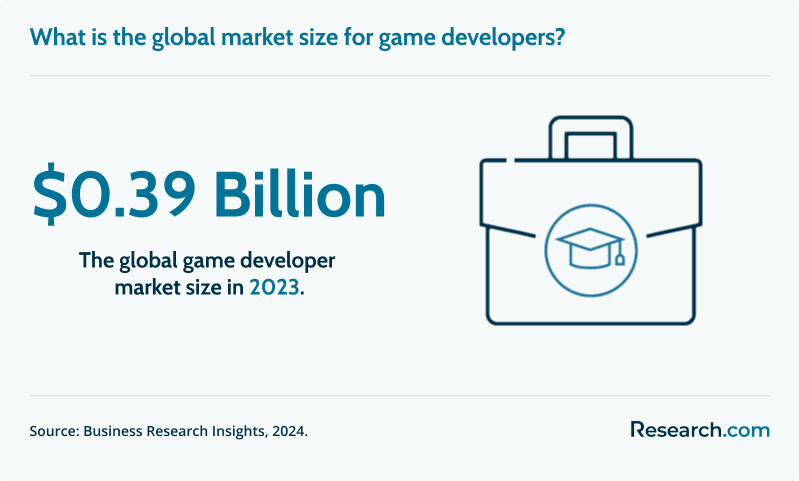
How to Choose the Best Online Game Development Degree
The best program is the one that matches your career target, budget, learning style, and portfolio needs. Before deciding which degree program to pursue, compare curriculum depth, faculty experience, project expectations, software access, career support, and accreditation.
Accreditation is especially important because it can affect credit transfer, graduate school eligibility, and access to some forms of financial aid. You can verify recognized accrediting organizations through CHEA’s regional accrediting organization directory.
- Define the job you want first. Choose game art, programming, design, UX, or simulation based on the portfolio you need.
- Review the course list carefully. Look for game engines, programming, design projects, 3D production, AI, UX, and capstone work.
- Check accreditation. Confirm the institution is accredited by a recognized body before applying.
- Ask what software and hardware are required. Game development can require capable computers, creative software, and engine access.
- Compare total cost. Include tuition, fees, transfer credits, books, equipment, and time to completion.
- Evaluate portfolio outcomes. A strong program should help students graduate with finished, reviewable work.
- Look for career support. Internship help, portfolio reviews, alumni networks, and employer connections can matter.
Key Questions to Ask an Online University Before Enrolling
Students should not rely only on rankings or marketing pages. A reputable online university should be able to explain accreditation, curriculum design, faculty qualifications, student support, career services, graduation outcomes, and how online students complete collaborative projects. You can also compare accredited school options through Research.com’s guide to online universities.
| Question | Why You Should Ask |
| Is the institution accredited by a recognized accreditor? | Accreditation supports educational quality, transferability, and financial aid eligibility. |
| What game engines, languages, and tools are taught? | Employers and clients often expect practical tool familiarity. |
| Will I graduate with a portfolio or playable projects? | Game development hiring is heavily influenced by demonstrated work. |
| How do online students collaborate? | Team-based production is common in studios and simulation environments. |
| Are internships, portfolio reviews, or employer events available online? | Remote students need access to the same career-building opportunities as campus students. |
| What are the transfer credit rules? | Accepted credits can reduce cost and shorten the timeline. |
Career Paths for Online Game Development Graduates
Graduates can pursue roles in game studios, software companies, media firms, simulation teams, education technology, healthcare training, and interactive design. Many positions overlap with software engineering careers, especially when the role involves programming, tools development, platforms, or simulation systems.
- Game Designer: Creates gameplay systems, levels, rules, player progression, and narrative structures.
- Game Developer: Writes code, implements features, fixes bugs, and builds interactive systems.
- Level Designer: Designs playable spaces, objectives, pacing, and environmental flow.
- Technical Artist: Connects art and engineering by optimizing assets, pipelines, shaders, and engine workflows.
- UX/UI Designer: Improves menus, controls, feedback, onboarding, accessibility, and player interaction.
Game development skills can also apply outside entertainment, including education, healthcare, business training, visualization, and virtual simulation.
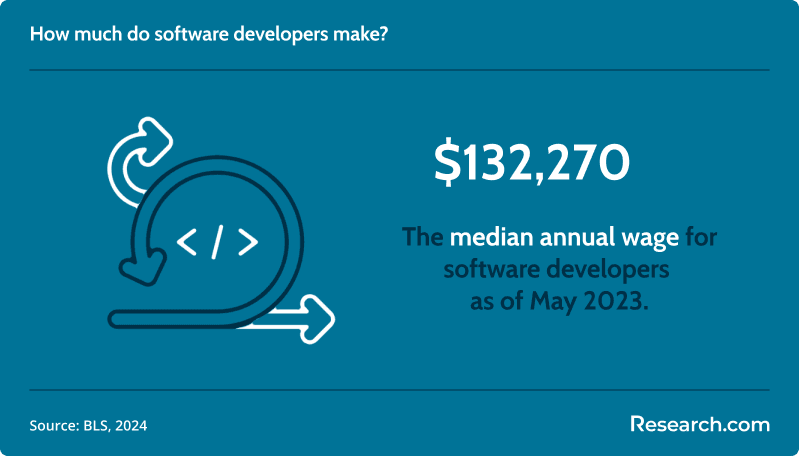
Job Market and Outlook for Game Development Graduates
The game development job market is connected to broader demand for software, interactive media, VR/AR, mobile products, simulations, and gamified digital experiences. The U.S. Bureau of Labor Statistics projects a 17% increase in software development roles by 2033, a category that includes many skills used in game development.
Graduates who combine game production with strong programming, UX, data, or business skills may have more flexible options than those who prepare for only one narrow studio role. Students comparing adjacent fields may also review the cheapest online sports management master's programs as an example of how industry-specific degrees can connect to broader business and entertainment markets.
Students interested in launching a studio, publishing indie games, managing intellectual property, or monetizing a product may benefit from exploring business degree programs alongside game development training.
How to Negotiate a Competitive Salary in Game Development
Salary negotiation in game development should be based on evidence, not assumptions. Before discussing compensation, research current pay ranges for your target role, location, experience level, and skill set. Broader computer science salary resources can help you benchmark related technical roles.
- Use a portfolio as proof: Show shipped projects, prototypes, tools, environments, scripts, or playable demos.
- Connect your skills to business value: Explain how your work improves performance, user experience, retention, production speed, or technical reliability.
- Highlight scarce skills: AI, multiplayer systems, optimization, engine work, technical art, and UX research can strengthen your position.
- Discuss the full package: Consider salary, remote work, bonuses, benefits, professional development, hardware support, and creative ownership policies.
Game Development vs. Other High-Paying Majors
Game development blends technical training with creative production. That makes it different from majors such as computer science, engineering, and data analytics, even when they share programming or software design skills. Students who want the broadest software job market may prefer computer science or software engineering. Students who want interactive storytelling, player systems, game art, simulation, or real-time environments may find game development more aligned with their goals.
Game development can lead to competitive earnings for graduates with strong programming, AI, 3D, technical art, or engine skills, but outcomes vary by role, employer, location, portfolio, and experience. Students comparing long-term earning potential should review majors that make the most money while also considering whether they want a creative, technical, or hybrid career path.
Why Interdisciplinary Skills Matter in Game Development
Game development rarely depends on one skill alone. A strong developer may need programming, design, psychology, storytelling, business, UX, data interpretation, and collaboration. Understanding player behavior can improve level design and accessibility. Business knowledge can help independent developers manage marketing, budgets, publishing, and monetization.
Students who want broader career flexibility can explore complementary areas such as marketing, UX design, education technology, software engineering, or analytics. Research.com’s guide to majors in college can help students compare paths that pair well with game development.
Common Challenges for Online Game Development Students
Online game development can be rewarding, but it is not effortless. Students must manage deadlines, learn technical tools remotely, collaborate with classmates online, and build a portfolio without the constant structure of a campus studio.
| Challenge | Better Strategy |
| Falling behind in asynchronous courses | Use a weekly production schedule and treat project work like studio deadlines. |
| Feeling isolated | Join critique sessions, Discord or LMS groups, student teams, and virtual office hours. |
| Underestimating technical requirements | Confirm hardware, software, and internet needs before enrolling. |
| Building weak portfolio pieces | Prioritize polished projects over many unfinished experiments. |
| Struggling with programming | Use tutoring, practice exercises, peer review, and related resources such as the cheapest software engineering degree online guide to compare coding-heavy alternatives. |
How Data Science Can Improve Game Development
Data science helps developers understand how players behave, where they quit, which features they use, and how design decisions affect engagement. In professional settings, analytics can support playtesting, balancing, monetization decisions, performance tracking, and user experience improvements.
Students who enjoy both games and analytics may consider pairing game development with data-focused study. An online data science masters can be relevant for professionals who want to move toward player analytics, product analytics, experimentation, or data-informed design.
Interdisciplinary Collaboration and Innovation in Game Development
Modern game development often brings together artists, programmers, writers, sound designers, producers, psychologists, educators, healthcare professionals, and business strategists. Online programs that include team projects can help students practice this type of collaboration before entering the workforce.
Some students also look beyond gaming into technical fields with very different applications. For example, a biotechnology master's online may seem unrelated at first, but both fields can involve simulation, visualization, data interpretation, and user-centered digital tools.
Is an Online Game Development Degree a Worthwhile Investment?
An online game development degree may be worth the investment if it helps you build a strong portfolio, develop marketable technical skills, access career support, and qualify for roles that match your goals. It may be less worthwhile if the program is expensive, weak on projects, poorly aligned with your desired role, or not accredited.
Before enrolling, compare the total program cost with the skills and portfolio outcomes you expect. Also compare alternative routes, such as bootcamps, certificates, computer science programs, or a one year computer science degree, if your main goal is software development rather than game-specific production.
How Online Game Development Programs Support Entrepreneurship
Game development students who want to launch an independent studio or publish their own games need more than creative and technical ability. They also need basic business knowledge: budgeting, marketing, platform strategy, intellectual property, project management, and audience research.
Programs that include entrepreneurship or production courses can help students understand how games move from idea to market. Students interested in AI-driven mechanics, procedural content, or advanced automation may also compare options such as the cheapest online masters in artificial intelligence.
Why Cybersecurity Awareness Matters for Game Developers
Online games, multiplayer platforms, cloud saves, in-game purchases, and user accounts create security responsibilities. Developers need to understand secure coding, player data protection, account safety, vulnerability testing, and intellectual property risks. Security mistakes can damage players, studios, and reputations.
Students who want to work on multiplayer systems, online platforms, or backend services may benefit from cybersecurity coursework or related training. Research.com’s guide to online degrees cyber security can help students compare security-focused academic paths.
Future Trends Affecting Online Game Development Graduates
Several trends are shaping the skills game development graduates may need. Cloud gaming is changing how players access games across devices. AI is influencing non-player character behavior, procedural content, testing, and adaptive gameplay. VR and AR continue to expand into training, education, healthcare, and real estate. Blockchain and NFT-based models have also influenced discussions around digital ownership and monetization.
Because game development increasingly overlaps with web platforms, tools, and networked applications, students may also consider an online bachelor's degree in web development if they want broader front-end and back-end programming skills.
How AI Is Changing Online Game Development Curricula
AI is becoming more visible in game development coursework. Programs may introduce machine learning concepts, neural network applications, procedural systems, intelligent characters, adaptive storytelling, and data-driven gameplay. Students should look for practical AI assignments rather than only theoretical coverage.
Those who want deeper AI preparation can compare game development coursework with a masters in AI, especially if they want to work on intelligent systems, automation, simulation, or advanced technical design.
Diversity, Inclusion, and Accessibility in Game Development Education
Inclusive game development education matters because games are created for players with different cultures, abilities, languages, ages, and experiences. Strong programs encourage accessible design, diverse storytelling, ethical representation, and collaboration among students from different backgrounds.
Flexible online programs can also widen access for students who cannot relocate or attend campus full time. Similar issues appear in other applied online fields, including the most affordable HIM bachelor's degree online programs, where accessibility, student support, and career relevance are also important.
Industry Connections, Internships, and Practical Experience
Game development hiring is portfolio-driven, so practical experience is essential. Strong online programs may offer internships, mentor feedback, live client projects, team-based production, game jams, guest lectures, studio critiques, or career fairs. Students should ask whether these opportunities are available to online learners, not only campus students.
Students who want broad technology flexibility can also compare game development with an online degree in computer science, especially if they want more options in software engineering, systems, AI, or data.
Can Game Development Skills Apply to Health Informatics?
Game development skills can be useful in healthcare when applied to simulation, patient education, therapy tools, training modules, and interactive clinical learning. Developers who understand user-centered design, data, security, and health workflows may be able to contribute to serious games or health technology products.
Students interested in this direction may compare game development with the best health informatics master's programs, especially if they want to work at the intersection of healthcare data, digital tools, and interactive learning.
Student Perspectives on Online Game Development Study
- Alex: "The online format made it possible for me to keep working while learning programming, 3D production, and game design. The most valuable part was building projects I could show to employers."
- Rachel: "Studying remotely gave me access to instructors, digital resources, and team projects without relocating. Collaborating online also helped me practice the kind of communication expected in distributed game teams."
- Jordan: "I started without much coding experience, so the structure and instructor support mattered. The flexible schedule helped me keep up while balancing family responsibilities and building a portfolio."
Supplemental Certifications That Can Strengthen a Game Development Career
Certifications are not a replacement for a strong portfolio, but targeted credentials can help validate specific skills. Depending on your goals, useful areas may include programming, project management, cybersecurity, cloud platforms, game engines, UX, data analytics, or AI. These credentials can also help candidates compete for broader technology roles, including some of the best paying jobs in IT.
Career Placement and Professional Growth Support
Career support can make a major difference for online students. Look for programs that provide resume help, interview preparation, portfolio critiques, internship guidance, alumni connections, and access to recruiters or industry events. Ask whether career services understand game portfolios specifically, since a standard resume review is not enough for many creative technical roles.
Students who want to move quickly into technology roles may also compare timelines with an accelerated information technology degree online.
Can Online Game Development Degrees Lead to Interdisciplinary Tech Careers?
Yes. The skills developed in online game development programs can transfer into simulation, visualization, UX, training technology, software development, data-informed design, and digital media. Coding, interactive design, 3D environments, and problem-solving can be useful well beyond entertainment games.
Some graduates may even explore specialized computational fields, including bioinformatics career opportunities, where visualization, data systems, and interactive tools can support scientific or healthcare applications.
Research-Driven Innovation in Game Development Programs
Research-oriented game development programs may involve simulation labs, usability testing, player behavior studies, AI experiments, accessibility research, or interdisciplinary capstone projects. These experiences help students move beyond simple assignments and learn how to test, refine, and justify design decisions.
Students interested in research-heavy technical fields can compare this kind of work with a bioinformatics masters online, where data, computation, and applied research are central.
Game Development and Health Informatics Opportunities
Online game development programs can support healthcare-related innovation when students learn simulation design, secure digital systems, UX, data analytics, and interactive training methods. These skills can be applied to patient engagement tools, clinical education, and digital health simulations.
Students who want to focus more directly on healthcare technology should compare game development with the best online health informatics programs.
Common Mistakes to Avoid When Choosing an Online Game Development Degree
- Choosing a school without checking accreditation: Always verify accreditation before applying or paying deposits.
- Looking only at tuition: Include fees, software, hardware, textbooks, and lost time.
- Ignoring portfolio outcomes: A game development degree should help you produce finished work.
- Assuming all game degrees lead to the same jobs: Game art, design, programming, and UX require different skill sets.
- Overlooking transfer credit policies: Accepted credits can reduce both cost and time.
- Relying only on rankings: Rankings are useful, but your specialization, budget, and learning style matter more.
- Assuming salary outcomes are guaranteed: Pay depends on role, employer, location, experience, portfolio quality, and market conditions.
Key Insights
- An online game development degree is most valuable when it is accredited, project-based, portfolio-focused, and aligned with a specific career path.
- Most programs take three to four years, though accelerated options may take as little as two and a half years and part-time paths may take up to five years.
- Costs vary significantly, with tuition commonly ranging from $300 to $1,000 per credit hour and total program costs typically between $30,000 and $60,000.
- Specialization choice matters. Game art, game design, game programming, VR/AR, and mobile development prepare students for different roles.
- Online programs can match campus programs academically, but students must be proactive about collaboration, portfolio development, and career networking.
- Graduates can work in game studios and related fields such as simulation, education technology, healthcare training, UX, software development, and interactive media.
- The BLS projects 17% growth in software development roles by 2033, but game development job outcomes still depend heavily on demonstrated skills and portfolio quality.
- Before enrolling, ask about accreditation, total cost, required tools, transfer credits, portfolio expectations, internships, and online access to career services.
References:
- BLS. (2024). Software Developers, Quality Assurance Analysts, and Testers. U.S. BLS
- Business Research Insights. (2024). Game Developer Market Size, Share, Growth, And Industry Analysis, By Type (C++, Java, Others), By Application (PC Games, Mobile Games, TV Games, Other), Regional Forecast To 2032. Business Research Insights
Other Things You Should Know About Online Game Development Degree Programs
Yes. Many accredited online game development programs require a portfolio for applicants to show coding, art, animation, or design work. Common materials include 3 to 10 sample projects, a résumé, transcripts, and a personal statement. Some schools waive portfolios for transfer students or first-year applicants.
An online game development degree in 2027 typically requires around 120 credit hours to complete. This includes core courses in programming, graphic design, and project management, along with various electives to tailor the education to specific interests within game development.
Admission requirements for top online game development degree programs in 2027 typically include a high school diploma or equivalent, with a strong foundation in mathematics and computer science. Some programs may require a portfolio of creative work or prior coding experience. Standardized test scores and letters of recommendation can also be part of the application process.


