2027 Most Affordable Online Cinematography Degree Programs

Co-Founder and Chief Data Scientist
Choosing an online cinematography degree is not just about finding the cheapest film program. It is about deciding whether a school can help you build a serious visual portfolio, learn camera and lighting workflows, understand production teams, and enter a competitive industry without taking on unnecessary cost. For aspiring directors of photography, camera operators, video editors, content producers, and visual storytellers, the right online program can offer structure, feedback, and career preparation while allowing you to study from home.
This guide reviews affordable online cinematography degree options for 2027 and explains how to compare them realistically. You will learn what online cinematography programs usually teach, how long they take, what they may cost, what accreditation means, which careers may be available, and what questions to ask before enrolling. The goal is to help you choose a program based on fit, value, and career readiness—not marketing claims alone.
Quick answer: Are online cinematography degrees worth considering?
An online cinematography degree can be worth considering if you need flexibility, want formal training in visual storytelling, and are prepared to build hands-on work outside a physical campus studio. The strongest programs combine film theory, camera and lighting practice, editing, production planning, instructor critique, and portfolio development. However, students should compare accreditation, total cost, equipment expectations, faculty experience, transfer policies, and access to internships or industry networking before enrolling.
What are the benefits of pursuing an online cinematography degree?
- The field continues to offer recurring entry points: there are around 7,100 openings for cinematographers each year across film, television, digital video, and related media roles (BLS, 2024).
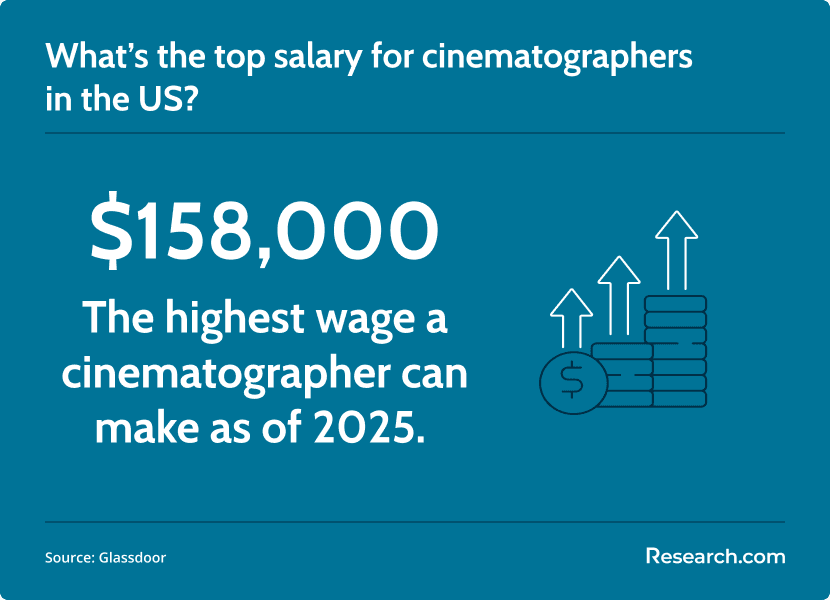
- Reported cinematographer earnings range from $85,000 to $158,000 annually, depending on experience, geography, project type, and employer or client base (Glassdoor, 2025).
- Online programs can reduce the need to relocate, making cinematography education more accessible for working adults, career changers, and students who do not live near a major film school.
- A degree program can provide structure, critique, and deadlines—three things many self-taught filmmakers struggle to replicate consistently.
What can I expect from an online cinematography degree?
An online cinematography degree teaches students how images communicate story, emotion, tone, and information. Programs vary by school, but most combine asynchronous lectures, live critiques, production assignments, peer collaboration, editing projects, and portfolio review. Because students may not be on campus, programs often expect them to complete projects with accessible cameras, lighting kits, smartphones, editing software, or rented equipment.
The best online programs do not treat cinematography as only camera operation. They connect lighting, composition, movement, editing, color, sound, production design, and collaboration so students understand how visual decisions support a finished film, commercial, documentary, or digital video project.
| Learning area | What students typically practice | Why it matters professionally |
| Film language and theory | Shot types, framing, visual rhythm, film history, genre conventions, and scene analysis | Helps cinematographers make intentional choices instead of relying on attractive images alone |
| Camera and lens work | Exposure, focal length, movement, digital camera settings, handheld techniques, and shot continuity | Prepares students to execute a director’s vision and maintain technical consistency |
| Lighting | Natural light, three-point lighting, contrast, shadows, mood, interior and exterior setups | Lighting is central to visual style, production quality, and emotional tone |
| Editing and post-production | Video editing, basic sound sync, color correction, file management, and workflows in tools such as Adobe Premiere Pro and DaVinci Resolve | Even camera-focused professionals benefit from understanding how footage is assembled and finished |
| Portfolio and reel development | Short films, documentary clips, commercials, experimental pieces, and instructor-reviewed reels | Hiring in cinematography depends heavily on proof of skill, not the degree alone |
Where can I work with an online cinematography degree?
Cinematography training can lead to work in more than theatrical film. Video is now used across entertainment, advertising, education, corporate communication, social media, journalism, public agencies, and nonprofit storytelling. Graduates who pair technical skill with a strong reel may pursue freelance work, studio roles, agency production jobs, or in-house content positions.
- Film and television productions: Work on scripted features, short films, episodic series, documentaries, and independent productions as part of a camera or lighting crew.
- Streaming and digital platforms: Support video projects created for services such as Netflix, Hulu, Amazon, and other online distribution channels.
- Advertising agencies and creative studios: Produce commercial spots, branded videos, social campaigns, product videos, and promotional storytelling.
- Music, performance, and live media: Shoot music videos, concerts, live sessions, dance films, theater documentation, and experimental performance work.
- Corporate, startup, and content teams: Create internal videos, product explainers, recruiting content, social media assets, and brand films.
- Government, education, and nonprofit media: Contribute to training videos, public information campaigns, archives, research documentation, and community storytelling.
How much can I earn after completing an online cinematography degree?
Cinematography income varies widely because many professionals work project to project, freelance, or move among camera operation, editing, directing, production, and content roles. A degree can help you build skills and credibility, but salary outcomes are never guaranteed. Your earnings will depend on your reel, network, market, technical range, reliability on set, and ability to secure paid projects.
- According to Glassdoor, cinematographers earn between $85,000 and $158,000 annually, with higher earnings generally tied to stronger experience, larger productions, specialized skills, and established professional relationships.
- The motion picture and video industries report the highest median pay at $94,960, according to the US Bureau of Labor Statistics (2024).
- Cinematographers in professional, scientific, and technical services earn a median of $64,090, while those in government roles earn about $62,400 per year.
- Best universities for online cinematography degree programs for 2027
- How long does it take to complete an online cinematography degree program?
- How does an online cinematography degree compare to an on-campus program?
- What is the average cost of an online cinematography degree program?
- What are the financial aid options for online cinematography students?
- What are the prerequisites for enrolling in an online cinematography degree program?
- How does accreditation influence the value of an online cinematography degree?
- What courses are typically in an online cinematography degree program?
- What types of specializations are available in online cinematography degree programs?
- What trends are shaping online cinematography education?
- What challenges might students face in online cinematography degree programs?
- How should you choose the best online cinematography degree program?
- What career paths are available for graduates of online cinematography degree programs?
- How do online cinematography degree programs build industry connections?
- What is the job market for graduates with an online cinematography degree?
Best universities for online cinematography degree programs for 2027
How we rank schools
Research.com evaluates online cinematography and film-related programs with a practical question in mind: which schools give students a reasonable combination of affordability, academic quality, online access, and career preparation? For creative degrees, reputation alone is not enough. Students need to know whether the program offers relevant production training, portfolio-building opportunities, accessible learning formats, and support that can translate into real work behind the camera.
This ranking draws on verified education data from the IPEDS database, Peterson’s Distance Learning Licensed Data Set, the College Scorecard database, and the National Center for Education Statistics. Schools are reviewed for factors such as affordability, student outcomes, online program availability, and overall program relevance. Readers who want a deeper explanation can review Research.com’s full ranking methodology.
Use the list below as a starting point, not a final decision. Before applying, confirm current tuition, fees, equipment requirements, course delivery format, accreditation status, and whether the curriculum matches your intended career path.
1. Full Sail University
Full Sail University offers a Bachelor of Science in Digital Cinematography that focuses on digital storytelling for a changing media environment. The program is designed around professional-style workflows, guiding students through areas such as script development, production planning, location shooting, directing, filming, post-production, and distribution. Its emphasis on digital platforms may appeal to students who want to create work for film, online media, branded content, and other screen-based formats.
- Program Length: 108 weeks
- Tracks/Concentrations: Digital Cinematography
- Estimated Total Cost: Approximately $71,000
- Required Credits to Graduate: 120 credits
- Accreditation: Accrediting Commission of Career Schools and Colleges (ACCSC)
2. Los Angeles Film School
The Los Angeles Film School offers a fully online Bachelor of Science in Digital Filmmaking. The program introduces students to digital video and film production for formats such as broadcast television, digital media, mobile content, and independent film. Online students study film theory while completing experiential production work and collaborating with peers in a virtual learning environment.
- Program Length: 29 months
- Tracks/Concentrations: Digital Filmmaking
- Estimated Total Cost: Approximately $76,500
- Required Credits to Graduate: 120 credits
- Accreditation: Accrediting Commission of Career Schools and Colleges (ACCSC)
3. University of Arizona
The University of Arizona offers a Bachelor of Arts in Film & Television that combines creative, historical, analytical, and industry-focused study. Students examine writing, film history, aesthetics, cinematography, social media production, and cultural representation. This type of broader film and television degree may suit students who want cinematography training within a wider media studies and production context.
- Program Length: 4 years
- Tracks/Concentrations: Film & Television
- Estimated Total Cost: Approximately $63,000
- Required Credits to Graduate: 120 credits
- Accreditation: WASC Senior College and University Commission (WSCUC)
4. New York Film Academy
New York Film Academy offers an online Master of Fine Arts in Cinematography for students seeking graduate-level training behind the camera. The accelerated program emphasizes practical instruction, workshops, independent projects, and detailed critique. Because it is an MFA, it is best suited for students who already hold a bachelor’s degree and want advanced development in visual storytelling and cinematographic technique.
- Program Length: 2 years
- Tracks/Concentrations: Cinematography
- Estimated Total Cost: Approximately $110,380
- Required Credits to Graduate: Minimum of 45 credits
- Accreditation: WASC Senior College and University Commission (WSCUC)
5. Academy of Art University
Academy of Art University offers an online Motion Pictures & Television degree built for students who want film and television training through a flexible digital platform. Students can upload projects, collaborate online, and receive feedback from instructors with industry experience. The program may be a fit for learners who want a structured creative community while studying remotely.
- Program Length: 4 years
- Tracks/Concentrations: Motion Pictures and Television
- Estimated Total Cost: Approximately $35,569 per academic year
- Required Credits to Graduate: 120 credits
- Accreditation: WASC Senior College and University Commission (WSCUC)
| School | Degree or program focus | Length | Estimated cost | Best fit |
| Full Sail University | BS in Digital Cinematography | 108 weeks | Approximately $71,000 | Students seeking an accelerated, production-workflow-focused digital cinematography program |
| Los Angeles Film School | BS in Digital Filmmaking | 29 months | Approximately $76,500 | Learners interested in online digital film production across several media formats |
| University of Arizona | BA in Film & Television | 4 years | Approximately $63,000 | Students who want a broader film and television education with production and analysis |
| New York Film Academy | MFA in Cinematography | 2 years | Approximately $110,380 | Graduate students seeking advanced cinematography training and critique |
| Academy of Art University | Motion Pictures and Television | 4 years | Approximately $35,569 per academic year | Students who want online film and television training with project feedback |
How long does it take to complete an online cinematography degree program?
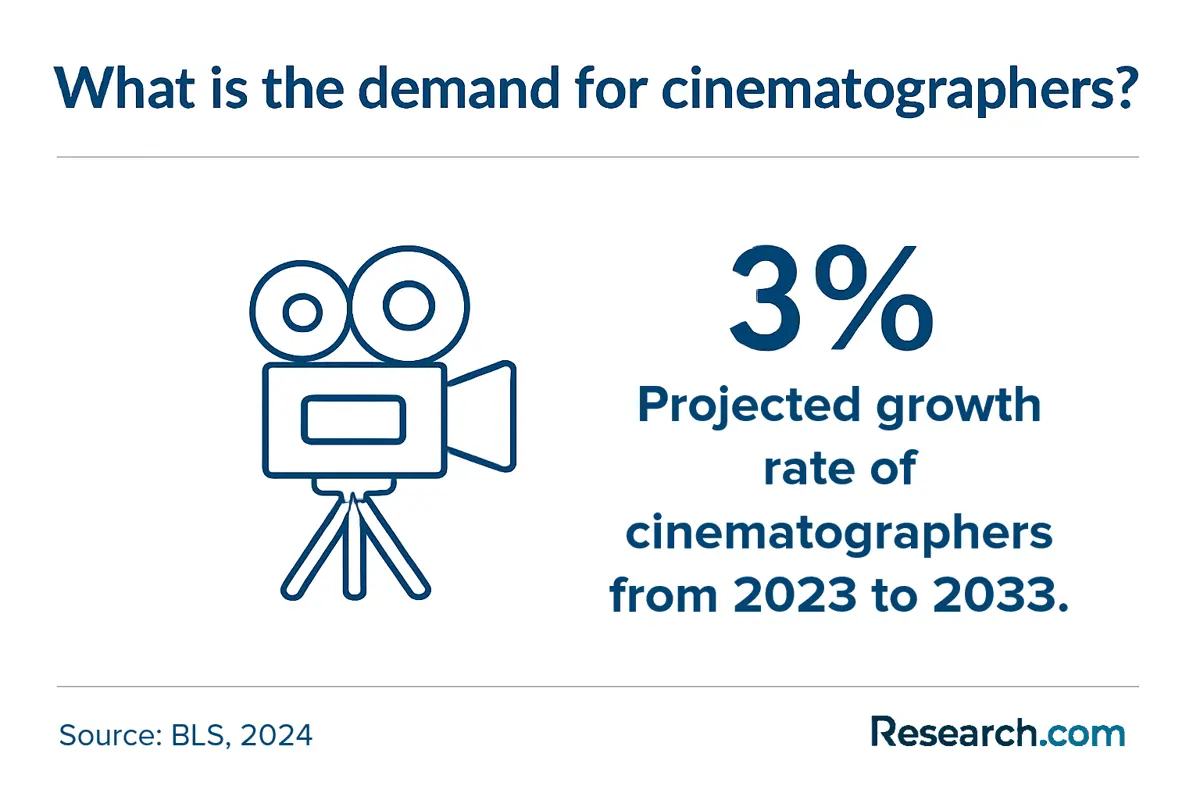
Cinematographer jobs are projected to grow by 3% from 2023 to 2033, which is about as fast as the average for all occupations. Students who want to enter the field through an online degree should pay close attention to program length, pacing, and workload because production assignments can be time-intensive even when classes are remote.
Program duration depends on degree level, transfer credits, course load, and whether the school uses an accelerated calendar.
| Program pace | Typical completion time | Who it may suit | Trade-offs |
| Accelerated online program | Approx. 2 years | Full-time students, motivated career changers, and learners who can handle compressed terms | Faster completion, but less time for outside work, internships, or slower portfolio development |
| Traditional bachelor’s format | Up to 4 years | Students who want a standard academic pace, more electives, or room for part-time work | Longer time in school, but often more flexibility to develop projects and explore related fields |
| Graduate cinematography program | Often around 2 years | Students who already have a bachelor’s degree and want advanced technical and artistic training | Can be intensive and costly; applicants should confirm expected portfolio standards |
- Accelerated programs: These often run year-round and may reduce breaks between terms. They can help students finish quickly, but the workload can be demanding.
- Traditional programs: These usually follow a more familiar academic calendar and may be easier to balance with employment, family responsibilities, or freelance projects.
- Part-time enrollment: This can improve affordability and scheduling flexibility, but it may extend graduation timelines and delay access to advanced coursework.
How does an online cinematography degree compare to an on-campus program?
Online and on-campus cinematography programs can both teach strong visual storytelling, but they offer different learning environments. Online programs prioritize flexibility and remote production workflows, while campus-based programs typically provide more immediate access to studios, equipment, classmates, and in-person crews. Students comparing fast online degrees with traditional film programs should look beyond speed and consider how they learn best.
| Factor | Online cinematography degree | On-campus cinematography degree |
| Flexibility | Usually better for working adults, remote students, and learners with fixed schedules | Often requires attendance at specific times and locations |
| Equipment access | May require students to use personal, rented, or school-provided kits remotely | Often provides direct access to studios, cameras, lighting equipment, and editing labs |
| Collaboration | Requires remote teamwork, digital communication, and self-directed production planning | Offers more frequent in-person crew work and spontaneous collaboration |
| Feedback | Often delivered through uploaded projects, virtual critiques, and recorded reviews | Can include immediate on-set coaching and live studio critique |
| Networking | Depends heavily on virtual events, alumni groups, internships, and student initiative | May offer more built-in networking through campus events, local productions, and guest speakers |
| Best for | Independent learners who can organize shoots, solve technical problems, and seek feedback proactively | Students who want intensive hands-on practice with crews, studios, and physical production spaces |
Choose online study if location, work, family obligations, or cost make campus attendance impractical. Choose campus study if your top priority is regular access to professional gear, physical sets, and in-person production teams. Hybrid programs can be a useful middle ground when they combine online coursework with short residencies or workshops.
What is the average cost of an online cinematography degree program?
Cinematography program costs can differ substantially by school type, residency status, degree level, fees, and equipment requirements. As shown in the chart below, median in-state tuition at public universities is around $6,930 per year, while out-of-state students at private institutions may see median tuition fees closer to $38,550 annually. Online cinematography degree programs often cost around $9,187 per semester. Students should also budget for technology kits, storage drives, software subscriptions, textbooks, camera accessories, lighting tools, and production expenses.
When comparing creative programs, do not focus only on the sticker price. A lower-tuition school may become expensive if it requires costly equipment purchases, while a higher-tuition program may include more services, software, or production support. Students interested in related visual fields can also compare costs with the cheapest online digital photography degree, especially if they are weighing still-image storytelling against motion-picture production.
| Cost category | What to check before enrolling | Why it affects value |
| Tuition | Per-credit, per-term, or total-program pricing | Schools may advertise costs differently, making direct comparisons difficult |
| Fees | Technology, online learning, graduation, portfolio, or lab fees | Fees can significantly increase the real cost beyond tuition |
| Equipment | Camera, lenses, lights, audio tools, hard drives, and computer specifications | Cinematography assignments may require more gear than other online degrees |
| Software | Editing, color grading, screenwriting, collaboration, and cloud storage tools | Subscriptions can become recurring costs throughout the program |
| Travel or residencies | Any required campus visits, festivals, workshops, or production intensives | Even mostly online programs may include in-person requirements |
What are the financial aid options for online cinematography students?
Financial aid for online cinematography students may include federal aid, institutional aid, private scholarships, grants, payment plans, employer tuition support, and arts-focused awards. Eligibility depends on the school, accreditation, enrollment status, citizenship or residency rules, academic progress, and scholarship criteria. Always confirm whether an online program qualifies for the same aid as campus-based students.
- Francis D. Lyon Fellowship: This fellowship awards $2,500 annually to graduate students in filmmaking or closely related fields such as theatre or writing. Priority is given to filmmaking students who show talent, academic strength, and financial need. Applicants must submit an application, work sample, transcript, and proof of enrollment at a US or Canadian college.
- The James Alan Cox Foundation for Student Photojournalists: This foundation offers $2,500 scholarships for visual storytelling students in high school and college. Established in memory of television photojournalist James Alan Cox, the award emphasizes image-based storytelling and asks applicants to demonstrate artistic ability and commitment to photojournalism.
- Betty Harlan Memorial Art Scholarship: This scholarship varies in amount and supports students pursuing visual arts degrees, including cinematography. Applicants must be graduating high school seniors from select counties, maintain a minimum GPA of 2.75, and submit an essay describing their participation in visual arts organizations and activities.
- Austin Alliance for Women in Media Scholarship: This $5,000 scholarship supports female college sophomores or juniors studying media or related fields near Austin, Texas. Applicants must have completed at least 45 college credit hours, maintain a GPA of 3.25 or higher, enroll full-time in a relevant major, and often benefit from media experience and clear career goals.
- CBC Spouses Visual Arts Scholarship: This scholarship awards up to $5,000 to full-time Black students pursuing visual arts fields, including video production and related areas. Eligible students must maintain at least a 2.5 GPA and show leadership and community involvement. It is open to undergraduates, graduate students, doctoral candidates, and high school seniors planning full-time enrollment.
Students can also reduce application expenses by reviewing online colleges with no application fee. Applying to several programs can be useful, but application costs add up quickly if you do not plan carefully.
Practical ways to lower the cost of an online cinematography degree
- Ask whether transfer credits, prior learning, or portfolio review can reduce the number of required credits.
- Compare total program cost rather than only tuition per semester.
- Borrow, rent, or buy used production gear when program rules allow it.
- Use student discounts for editing software, cloud storage, and creative tools.
- Apply early for scholarships because many film and arts awards require work samples and essays.
- Confirm that the school is eligible for federal financial aid before assuming loans or grants will apply.
What are the prerequisites for enrolling in an online cinematography degree program?
Admissions requirements depend on whether you are applying to an undergraduate or graduate program. Many undergraduate cinematography programs look for academic readiness and creative potential, while MFA programs usually expect a bachelor’s degree and stronger evidence of artistic direction. A polished portfolio can matter because cinematography is a practice-based field.
- High school diploma or GED: Undergraduate applicants generally need proof of high school completion and transcripts. Coursework in visual arts, media, communications, photography, theater, or writing may strengthen an application.
- Portfolio or creative samples: Schools may request short films, photography, video clips, scripts, visual essays, or other work that shows storytelling ability and visual awareness.
- Statement of purpose or personal essay: Applicants may need to explain their interest in cinematography, creative influences, goals, and reasons for choosing the program.
- Bachelor’s degree for MFA programs: Graduate cinematography programs usually require an undergraduate degree. The degree does not always have to be in film, but related study in media, visual arts, communications, writing, or production can help.
Students interested in the technical side of modern production may also examine adjacent training such as the cheapest online cloud engineering bootcamps. Cloud infrastructure, remote collaboration, and digital asset management are increasingly relevant to distributed production teams and virtual workflows.
Prior camera experience, editing practice, or creative writing can help, but it is not always mandatory. If your long-term goal is a high-earning creative or technical role, you may also want to compare programs through the lens of what degree program to take to get 100K salary. Cinematographers can earn up to $158,000 annually, but reaching that level typically depends on experience, project scale, location, specialization, and professional network.
How does accreditation influence the value of an online cinematography degree?
Accreditation matters because it signals that a school or program has been reviewed against recognized academic standards. For students, accreditation can affect credit transfer, federal financial aid eligibility, graduate school admission, and employer confidence. It does not guarantee job placement or artistic success, but it helps protect students from programs that lack basic oversight.
When evaluating a cinematography program, confirm whether the institution is accredited by a recognized accreditor and whether any specialized arts accreditation applies. Also check whether the accreditor is relevant to the type of institution. For example, some schools in this guide list accreditation from the Accrediting Commission of Career Schools and Colleges (ACCSC), while others list the WASC Senior College and University Commission (WSCUC).
Students building a broader storytelling foundation may also consider an online creative writing degree, especially if they want to strengthen scripting, narrative structure, dialogue, and character development alongside visual production skills.
Accreditation questions to ask before applying
- Is the institution currently accredited, and by which accrediting body?
- Is the accreditor recognized for the type of school and degree offered?
- Will credits transfer to other accredited institutions if I change schools?
- Does the program qualify for federal financial aid?
- Do graduate schools or employers in my target field recognize this degree?
- Has the school had recent accreditation warnings, sanctions, or major status changes?
What courses are typically in an online cinematography degree program?
Online cinematography curricula usually move from foundational visual literacy to more advanced production and post-production skills. Course titles differ by school, but most programs ask students to complete projects that demonstrate technical control, storytelling judgment, and collaboration.
- Introduction to Cinematography: Covers visual storytelling basics, including composition, camera movement, exposure, lighting concepts, and shot planning.
- Camera and Lighting Techniques: Builds practical skill with digital cameras, lenses, lighting setups, and visual mood creation.
- Editing and Post-Production: Introduces editing workflows, color correction, file organization, and finishing techniques using industry-standard software.
- Film History and Theory: Examines major film movements, influential filmmakers, visual traditions, and analytical approaches to cinema.
- Production Design: Explores how sets, locations, props, wardrobe, and visual environments support story and tone.
- Directing for Cinematographers: Helps students understand how cinematographers collaborate with directors, interpret scripts, plan scenes, and support performance visually.
- Sound and Visual Effects: Introduces audio design and basic visual effects concepts that affect production quality and audience experience.
- Motion Graphics and Video Design: Covers animated visuals, titles, digital sequences, and design-driven storytelling for online and screen-based platforms.
Students drawn to motion graphics, animation, and interactive storytelling can compare cinematography with related fields through the video game designer career guide, where visual design and digital narrative skills are also central.
What trends are shaping online cinematography education?
Online cinematography education is changing because production itself is changing. Remote collaboration, virtual production, cloud-based editing, digital distribution, and short-form video workflows are now part of many media careers. Programs that prepare students only for traditional film sets may leave gaps, while programs that ignore core camera and lighting fundamentals may overemphasize tools at the expense of craft.
- Virtual production: Students may encounter green screen workflows, CGI integration, LED volume concepts, motion capture, and real-time rendering.
- Remote collaboration: Online programs increasingly use shared drives, review platforms, video conferencing, and project management tools to simulate distributed production teams.
- Hybrid storytelling formats: Cinematographers are being asked to understand not only film and television, but also social-first video, branded content, livestreams, immersive media, and interactive experiences.
- AI-assisted workflows: AI tools may support transcription, rough cuts, organization, visual planning, color workflows, and asset management, but students still need judgment, authorship, and ethical awareness.
- Portfolio-first hiring: Employers and clients often evaluate reels, credits, references, and demonstrated reliability more heavily than degree names alone.
Students who want advanced creative development beyond a bachelor’s degree can compare film-focused study with affordable MFA programs online, especially if they are considering teaching, advanced production leadership, or a specialized artistic practice.
What challenges might students face in online cinematography degree programs?
Online cinematography can be flexible, but it is not easy. Students must often arrange shooting locations, recruit actors or collaborators, manage equipment, troubleshoot software, and meet production deadlines without the daily structure of a campus studio. The most successful online learners are organized, resourceful, and willing to seek critique early.
| Common challenge | Why it happens | Better approach |
| Limited equipment access | Online students may not have a campus gear room nearby | Ask schools for required equipment lists before enrolling and budget for rentals or used gear |
| Slow or unclear feedback | Critiques may happen asynchronously | Choose programs with regular instructor reviews, live sessions, and clear grading rubrics |
| Remote group coordination | Students may live in different time zones or have different schedules | Use shared production calendars, written shot lists, and early role assignments |
| Technical problems | Editing, exporting, storage, and upload requirements can be demanding | Confirm computer specifications, internet needs, and tech support availability before starting |
| Weak portfolio development | Students may complete assignments without shaping them into a professional reel | Plan each project around a specific portfolio goal, such as lighting, documentary, commercial, or narrative work |
Programs with strong digital learning design can make a major difference. Students interested in how online creative education can be structured may find useful comparisons in the best UX programs online, where remote collaboration, feedback loops, and project-based learning are also important.
What types of specializations are available in online cinematography degree programs?
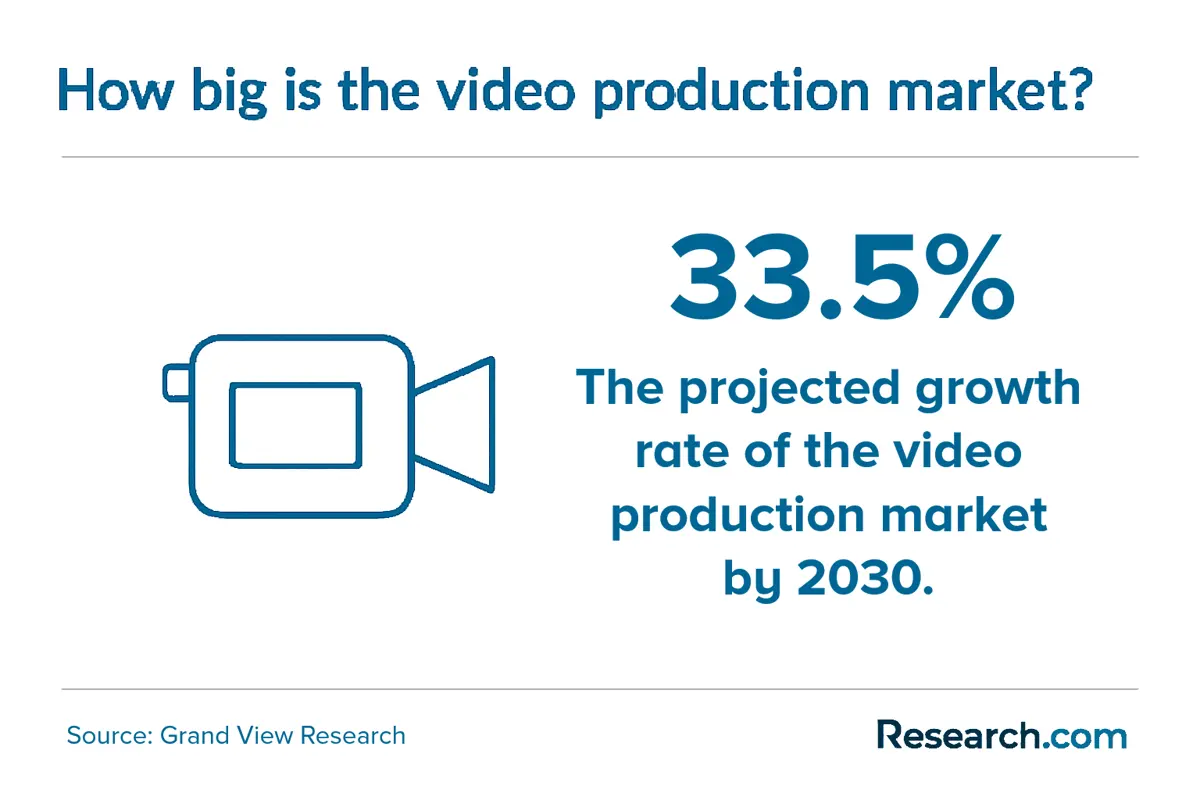
As the global video production market size is expected to grow at a compound annual growth rate (CAGR) of 33.5% from 2023 to 2030 (Grand View Research, n.d.), cinematography students may benefit from choosing a focused area of practice. Specialization helps you build a more coherent reel and target specific clients, employers, or graduate opportunities.
- Narrative Cinematography: Focuses on scripted film and television work, including lighting design, lens choices, blocking, and collaboration with directors.
- Documentary Filmmaking: Emphasizes real-world storytelling, field production, handheld shooting, available light, interviews, and ethical representation.
- Commercial and Advertising Cinematography: Trains students to produce short-form promotional content, branded films, product visuals, music videos, and social campaigns.
- Digital and Virtual Production: Combines camera work with CGI, green screen, motion capture, real-time rendering, and LED volume production concepts.
- Experimental and Avant-Garde Filmmaking: Encourages unconventional composition, abstract imagery, nontraditional editing, and artist-driven visual forms.
- Post-Production and Color Grading: Develops editing, color correction, color grading, workflow management, and final image finishing skills.
- Teaching and Academia: Prepares students interested in instruction, curriculum design, media theory, and arts education. Students considering this route can review art teacher requirements to understand education-related expectations.
- Video Design for Interactive Media: Connects cinematography with UX, real-time rendering, game environments, immersive installations, and virtual storytelling.
Some students strengthen their production profile by pairing cinematography with adjacent creative skills. For example, an affordable audio and music degree online can support stronger sound design knowledge, which is valuable because professional-looking footage can still fail if the audio experience is weak.
How should you choose the best online cinematography degree program?
The best online cinematography degree is the one that matches your career goal, learning style, budget, and current skill level. A program that is excellent for a future documentary filmmaker may not be ideal for someone pursuing virtual production or commercial video. Start by defining the work you want to make, then evaluate whether the program’s curriculum, faculty, technology, and support systems align with that goal.
| Decision factor | What to look for | Warning sign |
| Accreditation | Recognized institutional accreditation and clear public documentation | The school is vague about accreditation or cannot explain aid eligibility |
| Curriculum | Camera, lighting, editing, production planning, film theory, portfolio, and collaboration | The program relies mostly on lectures without meaningful production assignments |
| Faculty | Instructors with relevant film, television, documentary, commercial, or digital media experience | Faculty bios do not show current or meaningful industry practice |
| Portfolio support | Regular critique, reel reviews, capstone projects, and guidance on presenting work | Graduation requirements do not include polished portfolio development |
| Technology requirements | Clear lists for cameras, computers, software, storage, and internet needs | Equipment expectations are unclear until after enrollment |
| Career support | Internship guidance, alumni access, workshops, festivals, and networking opportunities | The school makes broad career promises without explaining actual services |
| Cost and aid | Total cost, fees, aid eligibility, scholarships, refund policies, and payment options | The school emphasizes monthly payments but avoids total program cost |
Step-by-step checklist before you enroll
- Decide whether your primary goal is narrative film, documentary, commercial video, editing, content production, virtual production, or graduate study.
- Review the curriculum and confirm that required courses match that goal.
- Check accreditation directly through the school and accreditor.
- Request the total program cost, including tuition, fees, software, gear, and production expenses.
- Ask for the required equipment list before paying an enrollment deposit.
- Review student work, graduate reels, faculty credits, and alumni outcomes when available.
- Ask how online students receive feedback, collaborate, access career services, and build industry contacts.
- Compare at least three programs before choosing.
Some graduate film and cinematography students begin with a storytelling-heavy undergraduate background, such as an online creative writing degree. Strong writing skills can help cinematographers understand character, scene structure, dramatic tension, and visual subtext.
Common mistakes to avoid when choosing a cinematography program
- Choosing based only on tuition: A cheaper program may not be the best value if it lacks critique, career support, or portfolio development.
- Ignoring accreditation: Accreditation can affect financial aid, transfer credit, and future education options.
- Assuming online means less hands-on work: Strong online cinematography programs still require shoots, edits, critiques, and production planning.
- Overlooking equipment costs: Gear, software, storage, and computer upgrades can change the real price of attendance.
- Relying only on rankings: Rankings are useful starting points, but personal fit, curriculum, and portfolio outcomes matter more.
- Expecting the degree alone to get jobs: In cinematography, your reel, credits, relationships, and professionalism are essential.
What career paths are available for graduates of online cinematography degree programs?
Graduates may pursue camera-focused, editing-focused, production-focused, or creative leadership roles. Entry often begins through assistant work, internships, freelance projects, student films, low-budget productions, branded content, or local media work. Advancement depends on building credits, trust, technical reliability, and a reel that clearly shows what you can do.
| Career path | Typical responsibilities | What helps you stand out |
| Director of Photography (DP) | Leads camera and lighting strategy in collaboration with the director | A focused reel, strong lighting skill, leadership, and production credits |
| Camera Operator | Operates cameras during shoots and executes planned shots accurately | Technical precision, stamina, shot consistency, and set discipline |
| Video Editor | Shapes raw footage into finished stories, ads, episodes, or digital content | Editing speed, narrative judgment, color basics, and software fluency |
| Lighting Technician | Sets up and controls lighting equipment to support the desired visual look | Knowledge of safety, grip work, lighting ratios, and fast problem-solving |
| Film Director | Guides artistic, dramatic, and production decisions across a project | Storytelling vision, communication, leadership, and finished projects |
| Production Designer | Creates the visual concept for sets, props, locations, and environments | Design sense, collaboration, research ability, and visual consistency |
| Colorist | Corrects and grades footage during post-production for consistency and style | Color theory, technical workflow knowledge, and a polished before-and-after reel |
Some graduates use cinematography skills in specialized documentary, training, or educational media. Others build subject-matter expertise in fields outside film. For example, the cheapest emergency management bachelor's degree online could complement documentary or public-information media work for students interested in crisis communication, safety training, or community resilience storytelling.
How do online cinematography degree programs build industry connections?
Strong online cinematography programs create connection points through virtual internships, live workshops, alumni events, guest lectures, peer productions, portfolio reviews, film festival participation, and mentorship from working professionals. Because online students may not be physically located near a campus production community, these networking structures matter.
Students should ask how the school supports connections in practical terms. Does it help students find internships in their local area? Are there online pitch events or critique sessions with professionals? Can students collaborate on cross-location productions? Are alumni accessible? Are there partnerships with studios, festivals, agencies, or media organizations?
Students interested in broader creative careers can also explore jobs for creative writing MFA, since writing, visual storytelling, teaching, editing, and media production often overlap in graduate-level creative paths.
What is the job market for graduates with an online cinematography degree?
The job market for cinematography graduates is broader than many students expect, but it is also competitive. Graduates may work as freelancers, join production companies, support agencies, produce corporate media, edit digital content, or move into specialized roles in lighting, camera, color, or post-production. Demand for video content helps create opportunities, but employers and clients still look for proven skill, reliability, and a strong body of work.
As illustrated in the graph below, the largest workforce sectors for cinematographers include self-employed workers (34%), motion picture and video industries (24%), and professional, scientific, and technical services (8%). Government agencies employ a smaller share (2%) of camera operators, often for public broadcasting, education, documentation, or archival purposes. This distribution shows why students should prepare for both traditional employment and freelance or contract-based work.
Key insights
- An online cinematography degree can be a practical path if you need flexibility and are prepared to complete hands-on production work independently.
- The strongest programs combine camera, lighting, editing, film theory, collaboration, critique, and portfolio development—not just video lectures.
- Costs vary widely, so compare total program price, fees, software, gear, and production expenses before enrolling.
- Accreditation matters for financial aid, transfer credit, graduate study, and institutional credibility.
- Career outcomes depend heavily on your reel, network, credits, technical skill, and reliability; the degree alone is not enough.
- Online students should ask detailed questions about equipment requirements, feedback frequency, internship support, alumni access, and career services.
- Choose a specialization—such as narrative cinematography, documentary, commercial video, virtual production, or color grading—to build a clearer portfolio and career direction.
References:
- All Women in Media Foundation. (n.d.). Scholarships. Allwomeninmedia.org. Retrieved 18 May 2025.
- Arizona State University. (n.d.). Film and television (BA). Arizona.edu. Retrieved 18 May 2025.
- CBCF. (n.d.). CBC Spouses Visual Arts Scholarship. Cbcfinc.academicworks.com. Retrieved 18 May 2025.
- Data USA. (n.d.). Cinematography and film/video production. Datausa.io. Retrieved 18 May 2025.
- Full Sail University. (n.d.). Tuition—Online programs. Fullsail.edu. Retrieved 18 May 2025.
- Glassdoor. (n.d.). Cinematographer salary. Glassdoor.com. Retrieved 18 May 2025.
- Grand View Research. (2023). Video production market size, share & trends analysis report. Grandviewresearch.com. Retrieved 18 May 2025.
- James Alan Cox Foundation. (n.d.). Apply for a scholarship. Jamesalancoxfoundation.org. Retrieved 18 May 2025.
- L.A. Film School. (n.d.). Tuition & fees catalog. Catalog.lafilm.edu. Retrieved 18 May 2025.
- National Society of Phi Delta Theta. (n.d.). Francis D. Lyon Graduate Fellowship. Petersons.com. Retrieved 18 May 2025.
- New York Film Academy. (n.d.). MFA in cinematography. Nyfa.edu. Retrieved 18 May 2025.
- Rockford Area Arts Council. (n.d.). Betty Harlan Memorial Art Scholarship. Community Foundation of Northern Illinois. Cfnil.org. Retrieved 18 May 2025.
- US Bureau of Labor Statistics. (2024). Film and video editors and camera operators. U.S. Department of Labor. Bls.gov. Retrieved 18 May 2025.
Other Things You Need to Know About Online Cinematography Degree Programs
Yes, many programs offer scholarships specifically for online cinematography degrees in 2027. Eligibility often requires a strong academic record or a demonstrated interest in cinematography. Applicants should check individual programs for specific criteria and application deadlines to maximize financial aid opportunities.
To enroll in an affordable online cinematography degree program in 2027, applicants typically need a high school diploma or GED. Some programs may also require a personal statement or a portfolio showcasing any previous work related to film or photography.
Yes. Many online cinematography programs ask for an e-portfolio with 5–10 still images, short films, or camera work samples. Some schools also require a short statement of purpose and a high school diploma or equivalent for undergraduate entry.