2027 Online Engineering Management Degrees With the Best FAFSA-Friendly Options

Co-Founder and Chief Data Scientist
Choosing an online engineering management degree is a financial and career decision, not just an academic one. The U. S. Bureau of Labor Statistics projects architectural and engineering manager employment to grow 6% from 2023U.S.033, while reporting median pay of $165,370 in its 2024 Occupational Outlook Handbook update.
This guide is for engineers, technical professionals, and career changers comparing FAFSA-eligible online programs. You'll learn how to judge accreditation, aid options, cost, curriculum, admissions, and career fit so you can choose a program with stronger value and fewer surprises.
Key Things You Should Know
- FAFSA-friendly online engineering management programs must be offered by Title IV-eligible, properly accredited institutions; graduate students may borrow up to $20,500 per year through Direct Unsubsidized Loans, with Grad PLUS loans potentially covering remaining approved costs.
- The strongest options usually combine regional accreditation, transparent per-credit tuition, part-time enrollment, employer tuition support compatibility, and career-focused coursework in project management, systems engineering, analytics, finance, and technical leadership.
- BLS data published in 2024 lists $165,370 as median annual pay for architectural and engineering managers, but outcomes vary by industry, prior engineering experience, location, leadership scope, and whether the degree aligns with the student's target role.
What is an online engineering management degree and who is it best suited for?
An online engineering management degree is usually a graduate program that blends advanced technical decision-making with business, operations, finance, project leadership, and people management. It is often called a Master of Engineering Management, Master of Science in Engineering Management, or sometimes a technical management concentration inside an engineering or professional studies school.
The degree is best suited for engineers and technical professionals who want to move from individual contributor roles into leadership positions. That may include mechanical engineers, software engineers, civil engineers, electrical engineers, industrial engineers, manufacturing specialists, quality engineers, product development professionals, and technical project managers.
Students who are still comparing broader engineering study options may also want to understand how an engineering online degree differs from a management-focused graduate program.
The main value of the degree is that it teaches you to manage technical work without leaving engineering context behind. Unlike a general MBA, engineering management typically assumes that teams are solving complex technical problems, dealing with design constraints, managing risk, coordinating product or infrastructure lifecycles, or translating engineering trade-offs into business decisions.
This degree is usually a strong fit if you already have technical training and want to supervise engineering teams, lead cross-functional projects, manage product development, oversee process improvement, or move into operations leadership. It may be less useful if your goal is to become a licensed engineer from scratch, shift into pure finance or marketing, or enter a deeply research-oriented engineering PhD pathway.
The decision often comes down to whether you want to manage technical systems and teams. If your long-term goal is to become a director of engineering, technical program manager, plant manager, product operations leader, or engineering project executive, the degree can be highly relevant. If you want a broader business credential for switching industries, a general MBA may be more flexible.
How do online engineering management programs compare with campus-based options for flexibility and outcomes?
Online engineering management programs are designed for working professionals, so the biggest advantage is flexibility. Many students pursue the degree while working full time, applying coursework directly to current projects, and using employer tuition assistance. Campus-based programs may offer stronger in-person networking, lab access, and local employer connections, but they can be harder to fit around work schedules.
The format itself does not determine quality. Outcomes depend more on accreditation, faculty expertise, curriculum relevance, student support, career services, employer recognition, and whether the program's structure fits your work and life constraints.
The table below compares common decision factors for online and campus-based engineering management programs. Use it to identify which format better supports your learning style, schedule, and career goals.
| Decision factor | Online engineering management | Campus-based engineering management |
| Schedule flexibility | Usually stronger for working professionals, especially when courses are asynchronous or offered in evening formats. | May be less flexible, though some programs offer evening, weekend, or hybrid courses. |
| Networking | Often built through virtual teams, online cohorts, alumni networks, and optional residencies. | Often stronger for students who want in-person faculty access, campus events, and local recruiting. |
| Career fit | Best for professionals who want to keep working while advancing into leadership. | Best for students who can relocate, study full time, or benefit from campus-based recruiting. |
| Learning style | Works well for disciplined learners who can manage deadlines independently. | Works well for students who prefer live discussion, immediate feedback, and in-person collaboration. |
| Cost control | Can reduce relocation, commuting, and lost-income costs, though tuition varies widely. | May include more campus fees, housing, commuting, or opportunity costs if full-time study reduces work hours. |
Online is usually the better option when you need to keep your job, remain in your location, or pace the degree around family responsibilities. Campus may be the better choice if you are changing industries, want immersive networking, or plan to use a school's local employer pipeline.
A common mistake is assuming online means easier or less respected. A rigorous online program from an accredited university can be demanding, especially when courses include quantitative analysis, financial modeling, systems design, and team-based capstone work.
The better question is not whether online is acceptable, but whether the program's structure, reputation, and outcomes match your goals.
Which online engineering management degrees offer the strongest FAFSA and financial aid options?
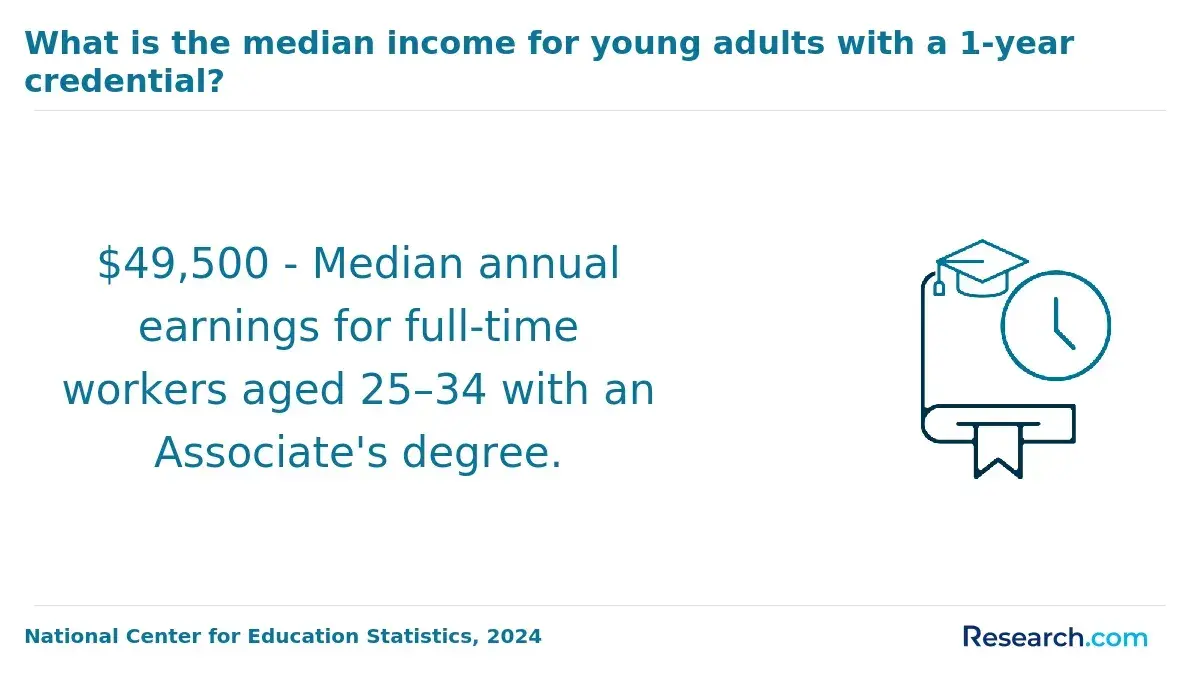
The strongest FAFSA-friendly online engineering management options are not simply the cheapest programs. They are programs that combine federal aid eligibility, trustworthy accreditation, clear tuition policies, flexible enrollment, and realistic total-cost planning. For graduate students, the FAFSA is the gateway to federal Direct Unsubsidized Loans and Grad PLUS Loans, but schools may also offer scholarships, assistantships, military benefits processing, payment plans, or employer billing support.
A useful way to compare FAFSA-friendly programs is to group them by the kind of financial aid strength they offer. The table below summarizes the program types that often provide the best combination of aid access and cost control:
| Program type | Why it can be FAFSA-friendly | Best for | What to verify before applying |
| Public university online MEM or MSEM programs | Often Title IV-eligible and may offer lower tuition for in-state or online students. | Students prioritizing cost control and institutional recognition. | Whether online students pay in-state, out-of-state, or separate online tuition rates. |
| Private nonprofit engineering schools | May offer strong brand recognition, alumni networks, and graduate scholarship options. | Students seeking selective programs with a strong technical leadership reputation. | Total tuition, fees, scholarship availability, and loan dependency. |
| Part-time professional master's programs | Can help students stay employed and use annual federal loan limits over multiple academic years. | Working engineers using employer tuition benefits. | Minimum credits required for federal aid and whether courses are available every term. |
| Stackable certificate-to-master's pathways | May let students test the curriculum before committing to the full degree. | Students uncertain about fit or needing a shorter first credential. | Whether certificate credits transfer fully into the master's degree and remain aid-eligible. |
| Military- and veteran-supportive universities | May coordinate FAFSA, GI Bill benefits, Yellow Ribbon participation, or tuition assistance. | Service members, veterans, and eligible dependents. | Benefit certification timelines, residency rules, and maximum covered charges. |
When comparing specific schools, look for clear evidence that the institution participates in federal student aid, publishes total cost of attendance, discloses online tuition and fees, and supports graduate students through financial aid counseling.
Universities such as Purdue University, Penn State World Campus, Arizona State University, Johns Hopkins University, Duke University, and University of Massachusetts campuses are examples of well-known institutions that offer online or professional engineering management-related study, but availability, tuition, and aid policies should be verified directly with each school.
Use this checklist before you treat a program as FAFSA-friendly. It can help you avoid enrolling in a program that looks convenient but creates avoidable financing problems.
- Confirm the school is Title IV-eligible and that the specific online program qualifies for federal aid.
- Check institutional accreditation through a recognized accreditor, not just marketing language on the program page.
- Ask whether graduate students must enroll at least half time to receive federal loans.
- Compare total cost of attendance, including technology fees, graduation fees, books, residencies, and travel if required.
- Ask whether employer tuition assistance can be paid directly to the school or reimbursed after grades post.
- Review scholarship deadlines before applying because graduate aid often has earlier priority dates than admission deadlines.
The biggest red flag is a school that emphasizes fast admission and low monthly payments while making accreditation, federal aid eligibility, graduation rates, or total program cost hard to find. A legitimate program should be transparent about all of those items.
What accreditation should online engineering management programs have to be recognized and trusted?
Accreditation is one of the most important quality checks for an online engineering management degree. For FAFSA purposes, the school must be accredited by an agency recognized by the U.S. Department of Education and eligible to participate in Title IV federal student aid. For employer recognition, regional institutional accreditation remains the most important baseline.
Engineering management master's programs do not always need ABET programmatic accreditation. ABET is especially important for many undergraduate engineering programs and for some licensure-related pathways, but graduate engineering management programs are often evaluated by employers based on the university's institutional accreditation, engineering school reputation, curriculum, faculty, and relevance to leadership roles.
The table below explains the main accreditation and recognition signals you should check. These signals help separate legitimate, employer-recognized programs from weaker or risky options.
| Quality signal | What it means | Why it matters |
| Institutional accreditation | The university is accredited by a recognized institutional accreditor. | It supports federal aid eligibility, credit transfer, employer recognition, and graduate school acceptance. |
| Title IV participation | The school is eligible to administer federal student aid. | It is required for FAFSA-based federal loans and many aid programs. |
| Engineering school reputation | The program is housed in or connected to a credible engineering college or technical faculty. | It can affect employer confidence in the technical depth of the degree. |
| Business accreditation, when relevant | Programs housed in business schools may hold AACSB, ACBSP, or IACBE accreditation. | It can be useful if the curriculum leans heavily into management, finance, or operations. |
| Professional alignment | Courses may align with project management, systems engineering, Lean Six Sigma, or engineering leadership competencies. | It helps ensure the curriculum maps to workplace responsibilities. |
To verify accreditation, search the institution in the U.S. Department of Education's Database of Accredited Postsecondary Institutions and Programs or the Council for Higher Education Accreditation database. Then confirm that the online engineering management program is offered by that accredited institution and is not a separate unaccredited training product using a similar name.
A common mistake is treating "accredited curriculum," "industry-recognized," or "approved training provider" as the same thing as institutional accreditation. Those phrases may describe course quality, but they do not automatically mean the degree qualifies for federal aid or will be accepted by employers and other universities.
What courses and specialization tracks are typically included in an online engineering management curriculum?
An online engineering management curriculum usually sits between engineering, operations, analytics, and business leadership. The goal is to help technical professionals make decisions that account for cost, schedule, performance, risk, quality, and human factors.
Students comparing engineering management with broader business operations training may also find it useful to review how an MBA operations management pathway differs in focus.
Most programs include a core set of leadership and quantitative courses, then allow electives or tracks based on career goals. The table below shows common curriculum areas and how they connect to workplace responsibilities:
| Curriculum area | Typical courses | Workplace relevance |
| Technical project leadership | Project management, agile methods, engineering leadership, team dynamics. | Helps students manage schedules, scope, budgets, stakeholder expectations, and technical teams. |
| Systems and decision analysis | Systems engineering, decision modeling, risk analysis, optimization. | Supports complex trade-off decisions where technical performance and business constraints interact. |
| Finance and economics | Engineering economics, cost estimation, financial management, technology valuation. | Helps engineers justify investments, evaluate project feasibility, and communicate with executives. |
| Operations and quality | Lean systems, Six Sigma, supply chain, quality management, process improvement. | Useful for manufacturing, logistics, infrastructure, product delivery, and service operations roles. |
| Innovation and product strategy | Technology commercialization, product development, entrepreneurship, market analysis. | Supports roles in product management, R&D leadership, and startup environments. |
| Analytics and digital transformation | Data analytics, AI for decision-making, digital systems, simulation. | Prepares managers to use data responsibly in planning, forecasting, automation, and performance tracking. |
Specialization tracks vary by school, but common options include systems engineering, construction management, supply chain management, data analytics, product management, manufacturing leadership, technology innovation, and project management. The best track depends on the industry you want to lead in, not just the name that sounds most impressive.
Before choosing electives, connect them to a target role. A student aiming for technical program management may benefit from agile delivery, risk, and systems courses. A manufacturing engineer moving toward plant leadership may get more value from Lean, supply chain, quality, and finance. A civil engineer targeting infrastructure leadership may prefer construction, contracts, sustainability, and capital project management.
One curriculum red flag is a program that is mostly generic management with little technical decision-making. Another is a highly technical program with no finance, leadership, or stakeholder communication. Engineering managers need both sides because they are often accountable for translating technical constraints into business decisions.
What are the typical admission requirements for online engineering management master's programs?
Admissions requirements vary, but most online engineering management master's programs expect applicants to show technical preparation and readiness for graduate-level quantitative work. A bachelor's degree in engineering is common, though some programs also accept applicants from computer science, physics, mathematics, technology, construction, or other STEM-related fields.
Programs designed for working professionals often value experience. Some applicants are admitted directly from an undergraduate engineering program, but many have several years of technical or project experience before applying. That work history can strengthen an application because engineering management coursework often asks students to analyze real workplace problems.
Most applicants should be ready to submit the following materials. Reviewing these requirements early helps you identify gaps before application deadlines arrive.
- Bachelor's degree from an accredited institution, often in engineering, computer science, technology, or a closely related quantitative field.
- Official transcripts showing prior coursework in math, science, engineering, statistics, or computing.
- Resume documenting engineering, technical, operations, project, military, or leadership experience.
- Statement of purpose explaining why engineering management fits your career goals.
- Letters of recommendation from supervisors, faculty, technical leads, or project managers who can speak to your readiness.
- GRE or GMAT scores only if required; many professional online programs have test-optional or waiver policies.
- English language proficiency scores for international applicants when required by the institution.
If your undergraduate degree is not in engineering, ask whether prerequisite courses are required. Some schools may require calculus, statistics, programming, engineering economics, or foundational engineering coursework. Others may admit students with strong technical work experience and assign bridge courses.
A common mistake is applying only to the most recognizable university without checking fit. A selective program may not be the best choice if it lacks part-time pacing, your desired specialization, or support for working adults. Strong applications usually show a clear link between past technical experience, the program's curriculum, and a realistic leadership goal.
How long do online engineering management degrees take, and what do they cost with financial aid?
Most online engineering management master's degrees require about 30 to 36 graduate credits. Full-time students may finish in about one to two years, while part-time working professionals often take two to three years. Accelerated formats can be attractive, but they are not always the best option if you are balancing demanding engineering work, travel, family responsibilities, or employer reimbursement rules.
Cost depends on tuition per credit, fees, residency requirements, books, software, and how long you remain enrolled. Federal aid can help with cash flow, but loans still need to be repaid with interest.
For the 2024-25 award year, federal graduate Direct Unsubsidized Loans carried an 8.08% fixed interest rate, while Grad PLUS Loans carried a 9.08% fixed interest rate for loans first disbursed during that period. That matters because borrowing the full cost can make a lower-tuition program much more valuable over time.
The table below shows how pacing choices affect time, workload, and financial planning. Use it to decide whether a faster schedule is worth the trade-off.
| Enrollment pace | Typical completion pattern | Best fit | Cost and aid considerations |
| Full-time | Often 12 to 24 months. | Students with flexible work schedules or strong savings. | May finish sooner but can reduce time available for paid work. |
| Part-time | Often 24 to 36 months. | Working professionals using employer reimbursement or annual loan limits. | May spread costs across more terms but can increase fees if charged each semester. |
| Accelerated | Sometimes under 18 months. | Students with strong academic preparation and predictable schedules. | Can reduce time to completion but may be harder to combine with full-time engineering work. |
| Stackable certificate pathway | Certificate first, then remaining master's credits. | Students testing program fit or seeking a shorter credential first. | Only useful if credits transfer cleanly and aid rules are clear. |
To estimate your real cost, do not stop at tuition. Build a total-cost worksheet before applying. This gives you a clearer view of whether the degree fits your budget and expected career path.
- Multiply tuition per credit by the number of required credits.
- Add mandatory online, technology, graduation, proctoring, and student service fees.
- Include books, software, hardware, travel, and any required campus residency costs.
- Subtract scholarships, employer reimbursement, military benefits, and cash payments you can make without borrowing.
- Estimate loan interest based on how much you expect to borrow and how long repayment may take.
- Compare the remaining cost with realistic salary growth in your target roles, not the highest salary listed in marketing materials.
The most affordable program is not always the best value, and the most expensive program is not automatically better. A program with strong employer recognition, a relevant specialization, and a schedule that lets you keep earning may have better ROI than a cheaper program that delays graduation or does not match your career target.
What careers can you pursue with an online engineering management degree?
An online engineering management degree can support advancement into roles that require both technical judgment and management ability. It is most useful when paired with prior engineering, technical, operations, construction, product, or project experience. For readers focused specifically on built environments and capital projects, a masters in construction management may be a more targeted alternative.
Engineering management graduates often pursue leadership roles in technology, manufacturing, energy, aerospace, construction, infrastructure, healthcare technology, consulting, defense, logistics, and product development. The exact path depends on your technical background and whether you want to manage people, projects, products, processes, or systems.
The table below outlines common career paths and the type of work they typically involve. It is meant to help you match the degree to a practical career direction.
| Career path | Typical responsibilities | Best fit for |
| Engineering manager | Supervises engineering teams, allocates resources, reviews technical work, manages schedules, and connects engineering goals to business priorities. | Experienced engineers ready for people leadership and technical accountability. |
| Technical program manager | Coordinates complex programs across engineering, product, operations, vendors, and executive stakeholders. | Professionals who enjoy cross-functional planning, risk management, and communication. |
| Product or R&D manager | Guides technical product development, evaluates feasibility, prioritizes features, and supports commercialization. | Engineers interested in innovation, customer needs, and technology strategy. |
| Operations or manufacturing manager | Improves production systems, quality, throughput, staffing, safety, and cost performance. | Industrial, mechanical, manufacturing, and process engineers. |
| Project engineering manager | Leads technical project execution, budgets, vendor coordination, design reviews, and delivery milestones. | Engineers in construction, energy, infrastructure, aerospace, or industrial environments. |
| Systems engineering leader | Oversees complex systems requirements, integration, verification, risk, and lifecycle planning. | Professionals in aerospace, defense, software-intensive systems, medical devices, or transportation. |
The degree can also help engineers move into consulting, technology strategy, supply chain leadership, quality management, or entrepreneurship. However, it is not a shortcut around technical credibility. Employers usually expect engineering managers to understand the work well enough to guide trade-offs, ask the right questions, and evaluate risk.
A practical career strategy is to choose coursework and projects that create evidence for your target role. For example, if you want technical program management, build a portfolio around stakeholder mapping, risk registers, roadmaps, and project recovery plans. If you want manufacturing leadership, emphasize Lean, quality, data analysis, and cost reduction projects.
What salary ranges and earning potential can engineering management graduates expect?
Salary potential in engineering management is closely tied to prior experience, industry, location, technical domain, and level of responsibility. The degree may help position a professional for leadership roles, but it does not guarantee a specific salary. Employers typically weigh the degree alongside engineering expertise, project results, communication skills, and management experience.
The most relevant national benchmark is architectural and engineering managers. The BLS Occupational Outlook Handbook update published in 2024 reported median annual pay of $165,370 for this occupation based on 2023 wage data.
For readers, the key takeaway is that management roles can pay substantially more than many individual contributor roles, but they also usually require responsibility for budgets, people, delivery risk, and strategic decisions.
The table below gives salary context for roles that may overlap with engineering management career paths. These figures should be used as benchmarks, not promises of individual outcomes.
| Role category | National salary context | How to interpret it |
| Architectural and engineering managers | BLS reported median annual pay of $165,370 in its 2024 OOH update. | Most relevant benchmark for formal engineering management roles. |
| Project management specialists | BLS wage data published in 2024 shows this broader category is often below engineering manager pay. | Useful comparison for technical program and project management paths. |
| Industrial production managers | BLS wage data published in 2024 places many production leadership roles below senior engineering management but above many frontline supervisory roles. | Relevant for manufacturing, quality, and operations-focused students. |
| Computer and information systems managers | BLS data published in 2024 shows high median pay for technology management roles. | Relevant if your engineering management path is software, data, AI, cybersecurity, or IT infrastructure. |
To evaluate earning potential realistically, compare your current role with the roles you can credibly target within three to five years. A mechanical engineer moving into manufacturing leadership, a software engineer moving into technical program management, and a civil engineer moving into capital project leadership may all see different compensation patterns.
Do not base ROI only on national median salary. Consider regional demand, your current income, whether you can keep working during the program, employer tuition support, debt level, and the number of years you expect to stay in management. A lower-debt path can be financially stronger than a prestigious program that requires heavy borrowing without a clear career plan.
How is the job market and long-term demand for engineering management professionals evolving?
Demand for engineering management professionals is shaped by the need to lead complex technical work, not just by the number of management titles available. The BLS projected 6% employment growth for architectural and engineering managers from 2023 to 2033 in its 2024 update, which suggests steady demand for professionals who can connect engineering execution with business priorities.
Several trends are raising expectations for engineering managers. Organizations are investing in automation, AI-enabled design tools, digital twins, cybersecurity, advanced manufacturing, clean energy, infrastructure modernization, and supply chain resilience.
These trends do not remove the need for managers; they change what managers must understand. Leaders increasingly need to evaluate data-driven recommendations, manage technical risk, coordinate interdisciplinary teams, and communicate trade-offs to nontechnical executives.
Engineering management is also part of a broader shift toward specialized management education. Students comparing leadership careers outside engineering may look at fields such as healthcare administration, operations, analytics, or even an online sports management degree, but engineering management remains distinct because it requires technical fluency and responsibility for complex engineered systems.
Employers are likely to value candidates who can show measurable results. That may include reducing cycle time, improving quality, managing budgets, leading cross-functional teams, launching products, improving safety, or implementing new systems. A degree is strongest when it helps you produce that evidence through projects, capstones, and workplace application.
Before enrolling, take these practical steps to align your program choice with market demand. They can help you avoid a degree that looks relevant but does not support your next move.
- Search job postings for your target titles and identify repeated requirements such as systems engineering, agile delivery, Lean Six Sigma, budgeting, Python, data analytics, product lifecycle management, or construction scheduling.
- Compare those requirements with each program's core courses and electives.
- Ask admissions advisors for examples of capstone projects, employer partnerships, and alumni roles.
- Talk with your manager or mentors about whether the degree would support promotion in your current organization.
- Choose electives that fill skill gaps, not just courses that look easy or familiar.
- Keep a record of work projects during the program so you can connect coursework to measurable outcomes on your resume.
The long-term outlook is strongest for professionals who combine technical credibility, financial judgment, people leadership, and comfort with data-driven tools. The weakest strategy is earning the degree passively without building leadership experience, project results, or a clear specialization.
Other Things You Should Know About Engineering Management
Yes, many programs are built for working professionals. Look for asynchronous courses, part-time pacing, predictable course rotations, and clear weekly workload expectations before enrolling.
Not always. A PE license is important in some civil, structural, public infrastructure, and regulated engineering contexts, but many technology, manufacturing, software, and product leadership roles do not require it. Check expectations in your target industry and state.
Many online engineering management programs in 2027 are designed for working professionals, offering asynchronous courses and part-time study options. Notable programs with flexible schedules include Purdue University and Pennsylvania State University, allowing full-time professionals to balance their education with their work commitments effectively.
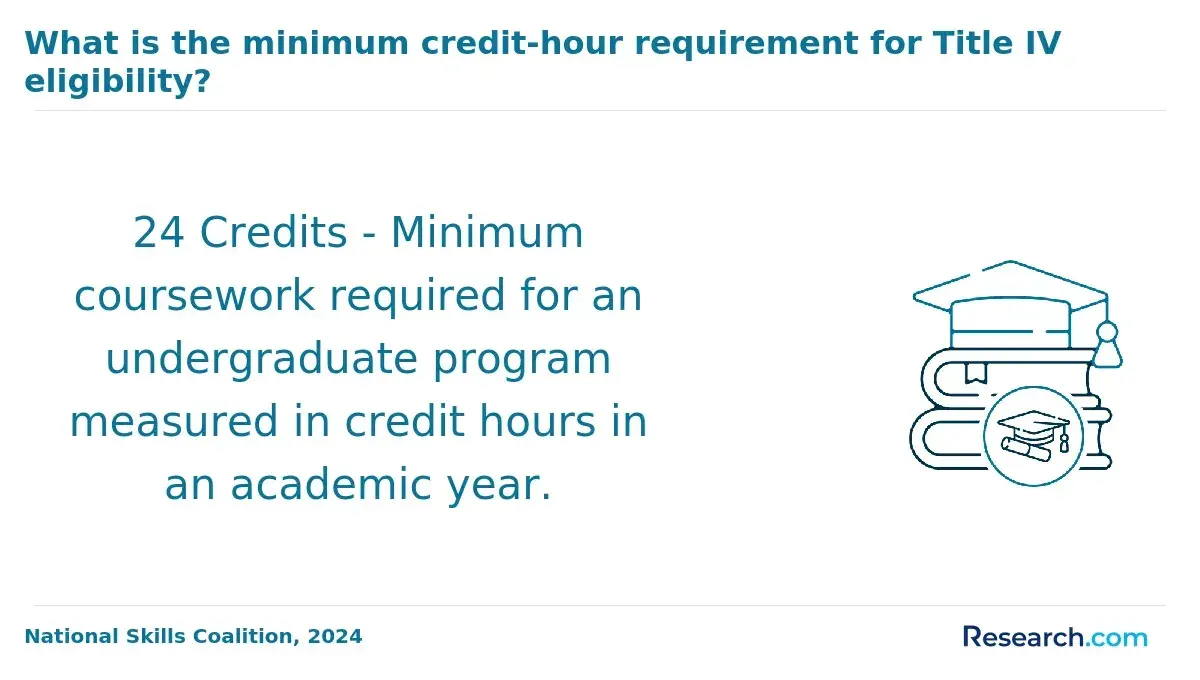
To receive federal FAFSA aid as an online student, you must enroll in at least 6 credit hours for most loans and remain in an eligible degree program at a Title IV-participating school. For Pell Grants, award amounts depend on your FAFSA Student Aid Index and enrollment level.
References
- Is Engineering Management a good major for career growth, job prospects, and salary potential? https://mentr-me.com/question/is-engineering-management-a-good-major-for-career-growth
- Master of Engineering Management (online) | Faculty of Engineering https://www.uottawa.ca/faculty-engineering/online-programs/master-engineering-management
- Masters in Engineering Management Requirements: Everything You Need to Know https://authory.com/ErinCates/a/Masters-in-Engineering-Management-Requirements-Everything-You-Need-to-Know-a042e88d7bca1448f933a87eb4d386d43
- Why Pursue an Online Engineering Management Degree? https://engineeringmanagement.org/online-engineering-management-degree/
- Where does an engineers salary usually max out? - Engineering Majors - College Confidential Forums https://talk.collegeconfidential.com/t/where-does-an-engineers-salary-usually-max-out/1791458
- Best Online Master’s Programs in Engineering Management https://www.onlinemastersdegrees.org/best-programs/engineering/engineering-management/
- Job Market Trends for Engineering Management Graduates in Germany | BSBI https://www.berlinsbi.com/blog/job-market-trends-for-engineering-management-graduates-in-germany
- Online Master of Science in Engineering Management | LSU New Orleans https://www.lsuneworleans.edu/academics/coe/engineering-management
- Accreditation - ABET https://www.abet.org/accreditation/