2027 Online Engineering Management Degrees With Scholarships for Working Professionals

Co-Founder and Chief Data Scientist
Choosing an online engineering management degree is a high-stakes decision when you are already working full time and weighing tuition, time, and promotion potential. The need is real: the U. S. Bureau of Labor Statistics reports a May 2024 median annual wage of $167,740 for architectural and engineering managers, making this a career path where graduate education can matter. This guide explains program formats, accreditation, scholarships, admissions, costs, timelines, courses, and career outcomes so you can compare options with less guesswork.
Key Things You Should Know
- Most online engineering management degrees are graduate programs for engineers, technical specialists, or STEM professionals who want to move into project leadership, operations, product, systems, or executive-track roles.
- Institutional accreditation is the baseline requirement; program-specific ABET accreditation is more common for undergraduate engineering than for graduate engineering management, so verify both school accreditation and employer recognition.
- BLS May 2024 wage data places architectural and engineering managers at a $167,740 median annual wage, but outcomes vary by industry, region, technical background, management scope, and prior experience.
What is an online engineering management degree for working professionals and how does it work?
An online engineering management degree combines advanced technical decision-making with business, operations, leadership, and project execution. It is usually designed for people who already understand engineering work and now need to manage budgets, teams, risk, quality, systems, innovation, or product delivery.
The most common option is a Master of Engineering Management, often called a MEM, but related degrees include an MS in Engineering Management, an MS in Technology Management, an MS in Systems Engineering and Management, or MBA programs with engineering or operations concentrations. Unlike a traditional engineering master's that may focus deeply on one technical discipline, engineering management sits at the intersection of engineering, analytics, finance, organizational leadership, and strategy.
For working professionals, online delivery usually means asynchronous coursework, evening live sessions, compressed modules, or part-time pacing. Students may complete case studies, simulations, group projects, applied analytics assignments, and a capstone tied to a workplace problem. If your goal is broader project leadership rather than engineering-specific management, a project manager degree online may be a better fit, especially if you want to work across industries rather than lead technical engineering teams.
This degree tends to fit professionals who want to translate technical credibility into management responsibility. It may not be the best first degree for someone without a STEM background, because many programs assume prior exposure to calculus, statistics, engineering design, systems thinking, or technical operations.
How do online engineering management programs compare with campus-based degrees for flexibility and rigor?
Online and campus-based engineering management programs can be equally rigorous when they use the same faculty, curriculum standards, assessments, and institutional accreditation. The main difference is not necessarily academic quality; it is how you interact with classmates, faculty, labs, career services, and employer networks.
The table below compares the major trade-offs that working professionals should weigh before choosing an online or campus-based format. It is meant to help you match the delivery model to your schedule, learning style, and career goals.
| Factor | Online engineering management degree | Campus-based engineering management degree |
| Schedule fit | Usually best for full-time employees, frequent travelers, military students, and parents who need flexible access | Best for students who can attend daytime or evening classes near campus |
| Academic rigor | Can be comparable when courses, faculty, grading, and learning outcomes match the campus program | Often includes more face-to-face interaction, live discussion, and structured deadlines |
| Networking | Depends heavily on virtual cohorts, residencies, alumni events, and group projects | Often stronger for local employer connections, campus recruiting, and in-person teamwork |
| Hands-on work | Usually based on simulations, analytics tools, work-based projects, and virtual collaboration | May offer easier access to labs, innovation centers, and in-person design facilities |
| Best fit | Professionals seeking advancement without leaving employment | Students who want deeper campus involvement or can relocate for a target school |
A common mistake is assuming "online" means easier. In strong programs, online students still complete quantitative coursework, applied projects, team deliverables, and proctored or authentic assessments. The better question is whether the program's format supports your availability and motivation.
Professionals in adjacent technical fields should also compare discipline-specific management programs. For example, someone supervising field operations may find a 2 year construction management degree more directly aligned with construction scheduling, site safety, estimating, and contractor coordination than a broad engineering management curriculum.
Which U.S. online engineering management degrees are accredited and offer scholarships for professionals?
Accreditation should be your first filter. In the U.S., online engineering management degrees should come from institutions accredited by recognized institutional accreditors. ABET programmatic accreditation is important in many undergraduate engineering contexts, but many graduate engineering management degrees are not ABET-accredited because they are interdisciplinary professional programs rather than licensure-oriented engineering degrees.
The table below lists examples of U.S. universities that offer online or primarily online engineering management-related graduate degrees and may provide scholarships, fellowships, employer partnership benefits, military benefits, or other institutional aid. Scholarship availability changes, so treat this as a shortlist for deeper verification rather than a final award list.
| University | Example online degree | Accreditation checkpoint | Scholarship or funding angle to verify |
| Purdue University | Online engineering management or interdisciplinary engineering graduate options | Institutional accreditation through the Higher Learning Commission | Graduate financial aid, employer tuition assistance compatibility, and school-specific aid |
| Johns Hopkins University | Online engineering management graduate study through Engineering for Professionals | Institutional accreditation through the Middle States Commission on Higher Education | Employer benefits, military education benefits, and limited institutional funding options |
| University of Arizona | Online MS in Engineering Management | Institutional accreditation through the Higher Learning Commission | Online student scholarships, graduate aid, and employer reimbursement eligibility |
| Ohio University | Online Master of Engineering Management | Institutional accreditation through the Higher Learning Commission | Graduate financial aid, alumni or institutional awards, and employer-sponsored tuition support |
| University of Nebraska-Lincoln | Online engineering management master's options | Institutional accreditation through the Higher Learning Commission | Graduate scholarships, assistantship limitations for online students, and employer benefits |
| Old Dominion University | Online engineering management-related graduate programs | Institutional accreditation through the Southern Association of Colleges and Schools Commission on Colleges | Military benefits, online student aid, and institutional scholarship availability |
Before applying, ask each school for the exact program name on the transcript, the accrediting agency, whether online students are eligible for the same scholarships as campus students, and whether awards are automatic or require a separate application. Also ask whether scholarships reduce tuition directly or arrive as reimbursement after enrollment.
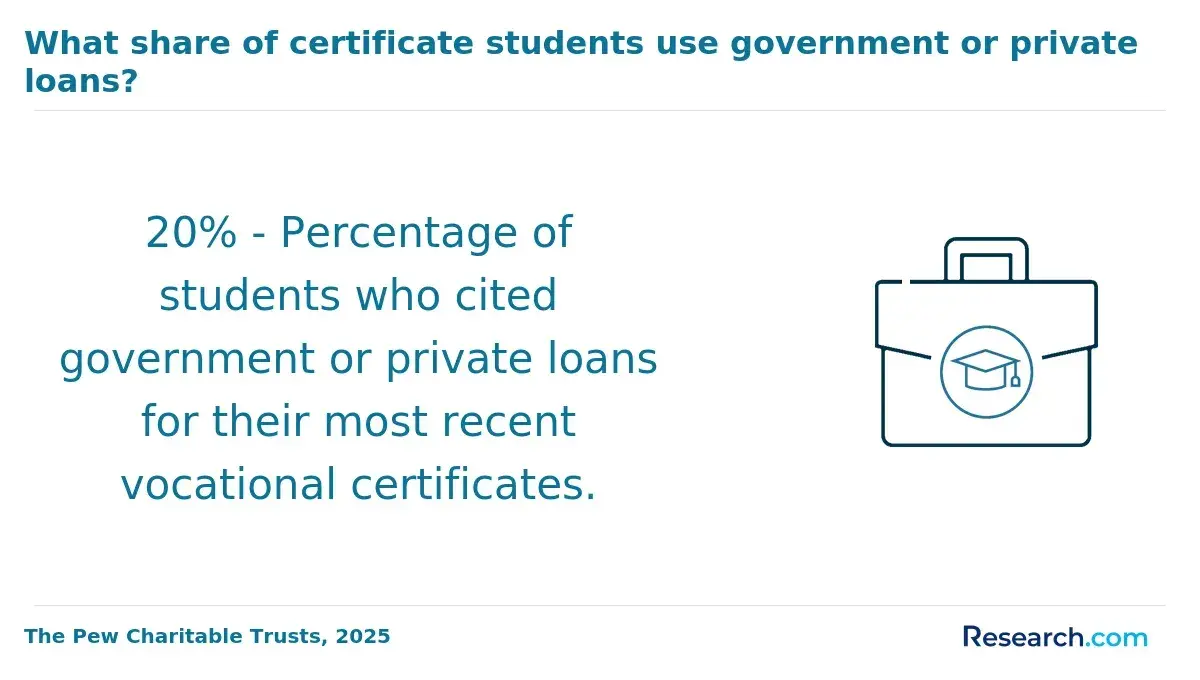
Red flags include vague accreditation language, pressure to enroll before aid is confirmed, unclear tuition tables, and "scholarships" that are actually private loans. A legitimate scholarship or grant should have eligibility criteria, deadlines, award terms, and a clear funding source.
What admission requirements and prior work experience do online engineering management programs expect?
Admission requirements vary, but most online engineering management programs expect applicants to show both technical preparation and professional readiness. The goal is to admit students who can handle quantitative coursework while contributing real workplace experience to discussions and projects.
Typical admission files include several components. Review these requirements early because working adults often need time to request transcripts, confirm employer sponsorship, or refresh quantitative skills.
- Bachelor's degree from an accredited institution, often in engineering, computer science, technology, mathematics, physics, or another STEM-related field
- Official transcripts showing prior coursework in calculus, statistics, engineering economics, programming, or technical problem-solving, depending on the school
- Professional resume showing engineering, technical, manufacturing, IT, product, systems, operations, or project experience
- Statement of purpose explaining management goals, target industry, and why the online format fits your situation
- Letters of recommendation from supervisors, faculty, technical leads, or project stakeholders who can speak to analytical and leadership ability
- GRE or GMAT scores only if required; many professional engineering management programs now waive standardized tests for qualified applicants
- English language proficiency documentation for applicants whose prior education does not meet the school's language policy
Prior work experience is not always mandatory, but it is highly valuable. Applicants with several years of technical experience often understand the leadership, communication, budget, quality, and risk problems that engineering management courses are built around.
If you lack an engineering degree, ask whether the program accepts related technical degrees or offers bridge coursework. Do not assume that a strong business background alone will satisfy technical prerequisites, especially in programs with systems engineering, analytics, or operations research requirements.
How long do online engineering management degrees take and can you study part-time while working?
Most online engineering management master's programs take about one to three years, depending on credit load, academic calendar, transfer policy, and whether the student enrolls full time or part time. Working professionals commonly choose part-time pacing because it lowers weekly workload and preserves income.
The table below summarizes common pacing models. Use it to estimate the time commitment you can sustain rather than simply choosing the fastest possible path.
| Study pace | Typical structure | Best for | Main trade-off |
| Accelerated full time | Multiple courses per term, sometimes year-round | Students with flexible jobs, savings, or employer support | Higher weekly workload and less flexibility during busy work periods |
| Standard part time | One or two courses per term | Full-time professionals balancing work, family, and study | Longer completion time but better sustainability |
| Cohort model | Students move through a fixed sequence together | Learners who want structure and peer connection | Less freedom to pause or rearrange courses |
| Self-paced or flexible model | Students have more control over timing within school limits | Professionals with variable work schedules | Requires strong self-management and careful planning |
To decide whether part-time study is realistic, estimate weekly coursework hours before enrolling. A quantitative graduate course can require concentrated time for problem sets, group meetings, software labs, and readings. The hidden challenge is not just total hours; it is coordinating deadlines with product launches, travel, shift work, or family responsibilities.
A practical approach is to start with one course in the first term, especially if you have been out of school for several years. If your employer offers tuition reimbursement with grade requirements, a slower pace may also protect your funding eligibility.
What core courses and specializations are typically included in online engineering management curricula?
Engineering management curricula are built to help technical professionals make better business and organizational decisions. The best programs do not simply add management language to engineering courses; they teach students how to connect technical risk, people, money, schedules, quality, and strategy.
Most programs include a mix of management foundations, quantitative methods, and applied technical electives. The exact course names differ, but the following areas are common.
- Engineering economics and financial decision-making for capital investments, product development, and resource allocation
- Project and program management, including scope, scheduling, cost control, stakeholder communication, and risk management
- Systems engineering, systems thinking, and lifecycle management for complex technical products or infrastructure
- Operations, supply chain, quality, Lean, Six Sigma, and process improvement methods
- Data analytics, decision analysis, modeling, forecasting, or operations research for evidence-based management
- Leadership, organizational behavior, negotiation, ethics, and communication for technical teams
- Innovation management, product management, technology commercialization, or entrepreneurship
- Capstone or applied project connected to a real engineering, operations, product, or organizational challenge
Specializations matter when you already know your target role. A manufacturing engineer may benefit from operations and quality coursework, while a software engineering lead may prefer product management, analytics, or systems courses. If your interests are outside engineering, compare alternatives before committing; for example, a sports management degree is built for athletics administration, facilities, events, and sports business rather than technical operations.
One common mistake is choosing a program because the course titles sound impressive without checking the syllabi. Ask whether courses use current tools, case studies, industry datasets, team deliverables, and capstone work that you can discuss with employers.
How much do online engineering management programs cost and how can working adults fund them?
Costs vary widely by university, residency policy, credit count, technology fees, and whether tuition is charged per credit or as a flat program rate. Public universities may be less expensive for in-state students, but some online programs charge the same tuition regardless of residency, so you need to compare total program cost rather than sticker price per credit.
For context, the College Board's 2024 Trends in College Pricing and Student Aid reported that average published tuition and fees for full-time graduate students vary substantially by institution type. That matters because a working adult's return on investment depends not only on future advancement, but also on how much cash, debt, and employer funding are required upfront.
When schools publish tuition clearly, list every required cost before comparing programs. A realistic cost review should include the following items.
- Tuition per credit or flat program tuition
- Total required credits for the degree
- Online learning, technology, distance education, graduation, or student service fees
- Books, software, statistical tools, simulation platforms, or exam proctoring costs
- Residency, immersion, travel, lodging, or campus visit expenses if required
- Interest cost if you use loans and cannot pay them down while enrolled
- Opportunity cost if your study schedule reduces overtime, consulting, travel assignments, or promotion availability
Working adults usually fund engineering management degrees through a mix of sources. Scholarships are helpful, but employer tuition assistance can be just as important because it directly connects the degree to workforce development.
- Institutional scholarships: Ask whether online graduate students are eligible and whether awards are merit-based, need-based, automatic, or competitive.
- Employer tuition reimbursement: Confirm annual caps, approved degree lists, grade requirements, repayment clauses, and whether reimbursement is paid before or after course completion.
- Federal student aid: Eligible students in qualifying programs may use federal loans after completing the FAFSA, but borrowing should be compared against expected career mobility.
- Military and veteran benefits: Confirm how the university processes VA benefits, tuition assistance, Yellow Ribbon participation, and military transfer credit.
- Professional association awards: Some engineering, manufacturing, project management, and women-in-STEM organizations offer scholarships for graduate study.
- Payment plans: Monthly payment plans can reduce reliance on loans, but fees and missed-payment rules should be reviewed carefully.
Do not choose the cheapest program automatically. A lower-cost degree can be a smart choice if it is accredited, respected by your target employers, and strong in your specialization. However, a slightly more expensive program may be worth considering if it offers stronger employer connections, relevant electives, a recognized engineering school, or meaningful scholarship support.
What engineering management careers can graduates pursue and in which industries?
Engineering management graduates often pursue roles that require both technical fluency and organizational leadership. The degree is most useful when it builds on prior engineering, technology, operations, manufacturing, energy, infrastructure, aerospace, software, or product experience.
The table below shows common career directions and what those roles usually involve. It is not a guarantee of eligibility, because employers may require specific engineering disciplines, years of experience, certifications, or industry knowledge.
| Career path | Typical responsibilities | Industries where it appears |
| Engineering manager | Lead engineering teams, allocate resources, review technical work, manage budgets, and coordinate delivery | Manufacturing, software, aerospace, energy, automotive, electronics, defense |
| Technical project or program manager | Manage schedules, scope, stakeholders, risks, vendors, and cross-functional execution | Technology, infrastructure, product development, telecommunications, construction-adjacent technical services |
| Product manager for technical products | Translate customer needs into technical roadmaps, prioritize features, and coordinate engineering and business teams | Software, medical devices, robotics, industrial technology, electronics |
| Operations or process improvement manager | Improve throughput, quality, cost, safety, and reliability using analytics and continuous improvement methods | Manufacturing, logistics, energy, healthcare technology, supply chain |
| Systems engineering manager | Oversee complex system requirements, integration, lifecycle planning, verification, and risk trade-offs | Aerospace, defense, transportation, energy, infrastructure, advanced manufacturing |
| Quality or reliability manager | Manage compliance, testing, root-cause analysis, product reliability, and quality systems | Automotive, medical devices, electronics, aerospace, industrial equipment |
Graduates may also move into consulting, technical sales leadership, innovation strategy, supply chain leadership, or executive-track operations roles. The strongest candidates usually combine the degree with measurable workplace achievements, such as reducing defects, improving delivery timelines, leading teams, managing budgets, or launching products.
If your desired management role is in a service industry rather than engineering, a specialized management degree may fit better. For example, a hotel and restaurant management degree online is more relevant for lodging, food service operations, guest experience, and hospitality revenue management than an engineering management program.
What salary ranges and promotion opportunities can engineering management graduates realistically expect?
Engineering management can be financially attractive, but salary outcomes depend heavily on industry, geography, technical discipline, employer size, management level, and prior experience. A degree may strengthen advancement potential, but it does not replace the need for leadership results and technical credibility.
The U.S. Bureau of Labor Statistics reported a May 2024 median annual wage of $167,740 for architectural and engineering managers. This figure is useful as a labor-market benchmark, but it represents an occupation category rather than a degree outcome; some graduates may earn less while transitioning into management, while experienced leaders in high-paying industries may earn more.
Promotion opportunities usually follow a progression from individual contributor to team lead, manager, senior manager, director, and eventually executive or general management roles. The degree can be especially useful at the transition points where employers expect budgeting, people leadership, cross-functional communication, and strategic decision-making rather than only technical execution.
To evaluate realistic return on investment, compare your current role with your target role rather than relying on broad salary averages. A practical ROI review should include these steps.
- Identify three to five target job titles in your industry and region.
- Review job postings to see whether a master's degree is required, preferred, or rarely mentioned.
- Compare the required skills against the program's courses and capstone options.
- Estimate total program cost after scholarships, employer reimbursement, and tax considerations.
- Ask managers or mentors whether the degree would support promotion in your current organization.
- Consider how long you are willing to remain with an employer if tuition benefits include a repayment agreement.
Be cautious with programs or advertisements that imply a specific salary after graduation. A credible program should discuss career support, alumni outcomes when available, employer partnerships, and skill development without promising a guaranteed raise.
How is the job outlook for engineering managers and what skills are most in demand?
The job outlook for engineering managers is steady rather than explosive, which makes skill alignment especially important. The BLS Occupational Outlook Handbook projects employment for architectural and engineering managers to grow 4% from 2024 to 2034, about as fast as the average for all occupations. For readers, this means the degree is best viewed as a competitive positioning tool, not a shortcut into management.
Employers increasingly want engineering leaders who can manage uncertainty, not just supervise technical work. AI, automation, digital twins, data analytics, cybersecurity concerns, supply chain volatility, sustainability targets, and advanced manufacturing are changing how engineering teams make decisions.
The most in-demand skills tend to combine technical judgment with business and human leadership. Working professionals should use the list below to compare their current strengths with the gaps a degree could help close.
- Data-informed decision-making, including the ability to interpret dashboards, forecasts, quality metrics, and operational models
- AI and automation awareness, especially understanding where tools can improve productivity and where human validation is still necessary
- Systems thinking for complex products, infrastructure, platforms, or supply chains with many interdependent parts
- Financial and business literacy, including budgets, capital planning, cost trade-offs, and return-on-investment analysis
- Project, program, and portfolio management for coordinating technical teams across functions and deadlines
- Communication skills for translating engineering risk and trade-offs to executives, customers, regulators, and nontechnical stakeholders
- Change management and people leadership for guiding teams through process redesign, technology adoption, and organizational growth
Before enrolling, compare programs against these skill areas. A strong online engineering management degree should not only teach leadership theory; it should help you practice decisions that resemble the pressures engineering managers face at work.
Other Things You Should Know About Engineering Management
Yes, individuals with a bachelor's degree in computer science or information technology can apply for online engineering management degrees in 2027. These programs often welcome students from various engineering and technical backgrounds to provide a multidisciplinary approach to management and leadership in technology-driven industries.
Not always. Many engineering management roles do not require a PE license, especially in software, manufacturing, product, or technology companies. However, PE licensure may matter in civil, structural, public infrastructure, or consulting environments where regulated engineering work is involved.
Most schools ask for a completed application, official transcripts, a resume, one or two recommendation letters, and a short statement of purpose. Scholarship reviewers often also require a separate aid form, proof of employment, and evidence of at least 2–3 years of professional experience in engineering or technical management.
References
- Engineering Management Career | MEMPC https://www.mempc.org/engineering-management-career/
- What Can I Do With a Master’s in Engineering Management? https://engineeringmanagement.org/what-can-i-do-with-a-masters-in-engineering-management/
- Online Master of Science in Engineering Management | LSU New Orleans https://www.lsuneworleans.edu/academics/coe/engineering-management
- Engineering Management Degrees Online (MSEM, MEM) https://www.onlineengineeringprograms.com/management
- Best Online Master’s Programs in Engineering Management https://www.onlinemastersdegrees.org/best-programs/engineering/engineering-management/
- Is Engineering Management a good major for career growth, job prospects, and salary potential? https://mentr-me.com/question/is-engineering-management-a-good-major-for-career-growth
- 2025 Most Affordable Online Master's Degrees in Engineering Management https://www.onlineu.com/most-affordable-colleges/engineering-management-masters-degrees
- What can I do with an engineering degree? https://gradireland.com/careers-advice/career-ideas/what-can-i-do-engineering-degree
- Masters in Engineering Management Requirements: Everything You Need to Know https://authory.com/ErinCates/a/Masters-in-Engineering-Management-Requirements-Everything-You-Need-to-Know-a042e88d7bca1448f933a87eb4d386d43