2027 Engineering Management Skills Employers Want More

Co-Founder and Chief Data Scientist
Engineers who can lead teams, manage budgets, translate technical risk, and deliver complex projects are increasingly valuable. The U.S. Bureau of Labor Statistics reports a May 2024 median annual wage of $167,740 for architectural and engineering managers, showing why many technical professionals consider management training. This guide is for engineers, STEM students, and career changers comparing degree options and promotion paths. You will learn which skills employers prioritize, how programs build them, and how to choose an education route that fits your goals and budget.
Key Things You Should Know
- Employers value engineering managers who combine technical judgment with project execution, financial literacy, communication, risk management, and people leadership.
- BLS data lists $167,740 as the May 2024 median annual wage for architectural and engineering managers, but pay varies by industry, location, seniority, and scope of responsibility.
- The strongest degree choice depends on your goal: a MEM or engineering management master's for technical leadership, an MBA for broader business roles, and certificates for targeted skill gaps.
What core engineering management skills are most in demand by employers today?
Engineering management is the discipline of leading technical work through planning, people management, budgeting, systems thinking, and business decision-making. Employers are not simply looking for engineers who want a title change; they want professionals who can turn technical expertise into reliable, profitable, and scalable outcomes.
The most in-demand skills usually sit at the intersection of engineering, operations, and leadership. These are the areas to prioritize if you are choosing electives, building a portfolio, or preparing for promotion.
- Technical decision-making: evaluating design trade-offs, engineering constraints, safety implications, quality standards, and feasibility before a project moves forward.
- Project and program management: defining scope, schedules, milestones, dependencies, resource plans, and change-control processes for technical teams.
- Data-informed leadership: using metrics, dashboards, modeling, simulations, and performance indicators to support decisions rather than relying only on intuition.
- Financial and cost analysis: understanding budgets, lifecycle costs, vendor pricing, capital planning, return on investment, and cost overruns.
- Communication across functions: translating technical details for executives, customers, regulators, contractors, finance teams, and nontechnical stakeholders.
- Risk, safety, and compliance awareness: identifying operational, cybersecurity, environmental, supply chain, and regulatory risks before they become expensive failures.
- People leadership: coaching engineers, handling conflict, setting expectations, hiring, performance management, and building psychologically safe technical teams.
- AI and automation fluency: understanding where machine learning, generative AI, robotics, digital twins, and automation can improve workflows while managing accuracy, ethics, and security concerns.
One current hiring trend is the growing expectation that technical leaders understand AI-assisted workflows. That does not mean every engineering manager must become a machine learning engineer, but it does mean managers need enough AI literacy to evaluate tools, protect sensitive data, and guide teams through process changes.
How does engineering management differ from traditional engineering and general management roles?
Engineering management is different because it requires credibility in technical conversations and accountability for business results. A traditional engineer may focus mainly on design, testing, analysis, or implementation, while an engineering manager is responsible for coordinating people, budgets, timelines, risk, and strategy around that technical work.
The table below summarizes the practical differences. Use it to decide whether engineering management fits your preferred responsibilities or whether you may be happier staying on a senior technical track.
| Role type | Primary focus | Typical responsibilities | Best fit for |
| Traditional engineer | Technical execution | Designing systems, solving technical problems, testing, modeling, coding, improving products, or supporting operations | Professionals who enjoy deep technical problem-solving and individual technical contribution |
| Engineering manager | Technical leadership and delivery | Managing teams, budgets, schedules, cross-functional communication, technical risk, hiring, and project outcomes | Engineers who want to influence direction, mentor others, and manage complex work across teams |
| General manager | Business performance | Overseeing revenue, operations, staffing, strategy, customer relationships, and organizational goals across functions | Professionals who want broader business responsibility that may not require deep technical oversight |
The key trade-off is time allocation. Engineering managers usually spend less time doing hands-on technical work and more time removing blockers, making decisions, aligning stakeholders, and ensuring teams deliver safely and efficiently.
Which engineering management competencies are essential for leadership and promotion opportunities?
Promotion into engineering leadership usually depends on evidence that you can deliver results through other people, not just personal technical excellence. Employers often look for engineers who already behave like leaders before they receive the formal title.
The following competencies are especially important for team lead, project manager, program manager, engineering manager, director, and operations leadership roles.
- Strategic prioritization: knowing which projects deserve resources, which risks need escalation, and which ideas should wait.
- Stakeholder management: keeping executives, customers, product teams, finance staff, vendors, and technical teams aligned when priorities compete.
- Decision-making under uncertainty: choosing a path when requirements, costs, technology, or market conditions are incomplete or changing.
- Talent development: mentoring junior engineers, delegating effectively, creating growth plans, and building succession pipelines.
- Process improvement: identifying bottlenecks, reducing rework, improving quality, and making workflows repeatable without adding unnecessary bureaucracy.
- Ethical and safety judgment: recognizing when schedule pressure, cost cutting, or technical shortcuts create unacceptable risks.
A practical way to prepare for promotion is to document leadership evidence. Track projects where you reduced cycle time, improved quality, managed a budget, coordinated vendors, led a design review, mentored staff, or communicated risk to senior leaders. These examples matter more in interviews than simply saying you are "ready to manage."
What degree pathways best develop in-demand engineering management skills and knowledge?
The best degree pathway depends on your current background and target role. A bachelor's degree can help you enter technical fields, while a master's degree or graduate certificate is more common for engineers preparing for leadership, operations, product, systems, or program management responsibilities.
Students comparing technical education options can start by reviewing online engineering programs, especially if they need flexibility while working. The table below compares common pathways and the situations where each may make sense.
| Pathway | Typical student profile | Strengths | Limitations to consider |
| Bachelor's in engineering | New or early-stage students seeking technical entry-level roles | Builds core engineering fundamentals and may support licensure preparation in some fields | May not include much finance, leadership, project management, or strategy coursework |
| Bachelor's in engineering management | Students who want technical-business training from the start | Combines engineering foundations with operations, project management, and business courses | May be less specialized than a traditional engineering major for highly technical design roles |
| Master of Engineering Management | Working engineers preparing for leadership roles | Designed specifically for technical managers; often includes finance, analytics, systems, and leadership | May not provide the same broad general management network as some MBA programs |
| MBA with technical electives | Engineers moving toward business strategy, consulting, product, or executive roles | Strong business, finance, marketing, and organizational leadership training | May offer less depth in systems engineering, technical risk, or engineering operations |
| Graduate certificate | Professionals seeking targeted skills without a full degree | Shorter, often less expensive, and useful for project management, analytics, or leadership gaps | May not carry the same weight as a full graduate degree for some senior roles |
A master's degree is not always necessary. If you already have strong technical credentials and your employer values internal promotion, a certificate plus documented leadership experience may be enough. If you are aiming for competitive management roles across industries, a full graduate degree may provide stronger signaling and a broader skill set.
How do online engineering management programs build practical, job-ready skills?
Online engineering management programs can be effective when they are designed for working adults and include applied assignments, collaboration, case studies, and employer-relevant tools. The format works best for students who can connect coursework to current workplace problems, such as budgeting a project, improving a process, or leading a cross-functional initiative.
Flexibility is the main advantage. Students in adjacent infrastructure and built-environment fields may also compare an online construction management degree if their leadership goals involve job sites, contractors, scheduling, estimating, or capital projects rather than product engineering or R&D.
Strong online programs typically build job-ready skills through a combination of structured coursework and practical deliverables. Look for the following features before enrolling.
- Applied projects: assignments that require students to build budgets, risk registers, implementation plans, dashboards, or process improvement proposals.
- Team-based collaboration: group work that mirrors distributed engineering teams and teaches communication across time zones and disciplines.
- Industry-relevant software: exposure to project management, analytics, simulation, scheduling, quality, or systems tools used by employers.
- Case-based learning: analysis of real or realistic failures, trade-offs, product decisions, operations challenges, and leadership dilemmas.
- Faculty with technical management experience: instructors who can connect theory to engineering practice, not just general business concepts.
- Capstone or portfolio work: a final project that can demonstrate management readiness to current or future employers.
The main caution is self-direction. Online students need to manage time carefully and should verify whether live sessions, group work, exams, or residencies fit their schedule before committing.
What coursework and projects typically strengthen engineering management technical and business skills?
Engineering management coursework is valuable when it helps students make better technical and organizational decisions. The best curriculum does not replace engineering expertise; it expands it with business, analytics, leadership, and operational judgment.
Students in construction-heavy pathways may compare an online construction management bachelor's degree if their projects center on estimating, scheduling, safety, site coordination, and contractor management. For broader engineering management programs, the coursework below is especially relevant.
| Course or project area | Skill developed | Why it matters to employers |
| Engineering economics and finance | Cost-benefit analysis, capital budgeting, lifecycle costing | Managers must justify technical decisions in financial terms |
| Project and program management | Scope, schedule, resources, change control, stakeholder alignment | Complex engineering work often fails because of coordination problems, not only technical flaws |
| Systems engineering | Requirements, interfaces, integration, verification, trade-off analysis | Employers need leaders who understand how decisions affect the whole system |
| Operations and supply chain | Process flow, capacity, procurement, vendor risk, logistics | Engineering managers often work across production, sourcing, and delivery constraints |
| Data analytics and decision modeling | Forecasting, dashboards, simulation, uncertainty analysis | Data skills help managers defend decisions and identify performance issues earlier |
| Leadership and organizational behavior | Motivation, conflict resolution, communication, team design | Technical teams need managers who can retain talent and create productive work environments |
| Quality, safety, and risk management | Failure analysis, compliance, hazard identification, mitigation planning | Poor risk management can create safety, financial, legal, and reputational consequences |
For a strong portfolio, choose projects that show measurable decision-making. Examples include a risk mitigation plan for a new product launch, a cost model for equipment replacement, a process improvement proposal, a supplier evaluation framework, or a capstone that integrates technical and business constraints.
What admission requirements do engineering management programs commonly have for prospective students?
Admission requirements vary by school and degree level, but engineering management programs commonly expect evidence of quantitative ability, technical preparation, and professional motivation. Graduate programs are often designed for applicants with engineering, computer science, mathematics, technology, or related STEM backgrounds.
The table below shows common requirements. Always confirm details with the school because prerequisites, test policies, work experience expectations, and international documentation rules can differ significantly.
| Requirement | Common expectation | What applicants should check |
| Prior degree | Bachelor's degree for graduate programs; high school diploma or equivalent for bachelor's programs | Whether the program requires an ABET-accredited engineering degree or accepts related STEM majors |
| Prerequisite coursework | Calculus, statistics, physics, programming, engineering fundamentals, or quantitative methods may be required | Whether missing prerequisites can be completed before or during enrollment |
| GPA | Minimum GPA requirements vary by institution and program competitiveness | Whether professional experience, strong recommendations, or graduate coursework can offset a lower GPA |
| Standardized tests | Some programs require, waive, or make GRE or GMAT scores optional | Whether test waivers are available for applicants with work experience or strong academic records |
| Work experience | Often preferred for master's programs, especially professional MEM programs | Whether internships, military technical experience, or project leadership count |
| Application materials | Resume, statement of purpose, transcripts, recommendations, and sometimes interviews | Whether the statement should emphasize technical leadership goals, not only general career ambition |
Applicants can strengthen their profile by explaining specific engineering problems they want to lead. A clear goal, such as moving into systems leadership, manufacturing operations, infrastructure project management, or product development, is usually more persuasive than a vague interest in "management."
How do salaries and career outcomes compare for engineers with management training?
Management training can improve access to roles with larger scope, but it does not guarantee a specific salary. Compensation depends on industry, location, employer size, technical specialty, graduate degree relevance, leadership experience, and the financial impact of the work being managed.
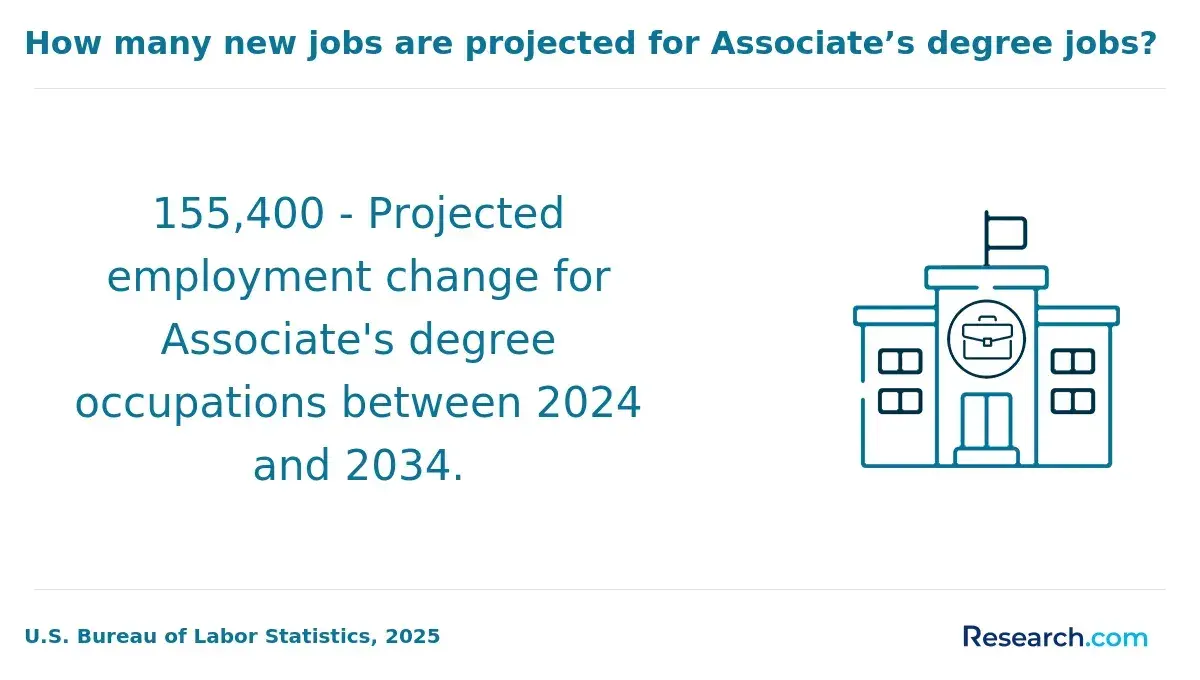
The BLS May 2024 median annual wage for architectural and engineering managers was $167,740. Readers should treat that figure as a labor-market benchmark for established management roles, not as an entry-level expectation after completing a degree.
| Career outcome | Typical role focus | How management training may help |
| Technical lead | Guiding engineering decisions while remaining close to hands-on work | Builds communication, prioritization, and mentoring skills |
| Project manager | Coordinating scope, schedule, budget, risks, and stakeholders | Strengthens planning, cost control, and delivery discipline |
| Program manager | Managing multiple related projects or product initiatives | Develops systems thinking, governance, and cross-functional leadership |
| Engineering manager | Leading teams responsible for design, development, operations, quality, or infrastructure | Combines technical credibility with people management and business accountability |
| Operations or manufacturing manager | Improving production, quality, throughput, safety, and process performance | Supports data-driven process improvement and resource planning |
| Director or senior technical executive | Setting strategy, budgets, staffing models, and long-term technical direction | Provides broader finance, organizational, and strategic decision-making skills |
When evaluating return on investment, compare total program cost against realistic career moves. A lower-cost certificate may be sufficient if your employer already offers a clear promotion path, while a master's degree may be more useful if you need a stronger credential to change companies, industries, or leadership tracks.
What is the long-term job outlook for professionals in engineering management roles?
The long-term outlook is tied to infrastructure investment, advanced manufacturing, software-enabled products, energy systems, cybersecurity, automation, and the need to modernize complex technical operations. Employers need leaders who can manage uncertainty as engineering work becomes more interdisciplinary and technology-dependent.
BLS projections for architectural and engineering managers indicate employment growth of 4% from 2024 to 2034, which is about as fast as the average for all occupations. For readers, this means the field is not simply a fast-growth entry-level category; it is a competitive leadership path where experience, industry knowledge, and proven delivery matter.
Several trends may shape demand and skill requirements:
- AI adoption: managers will need to evaluate automation opportunities, set responsible-use policies, and help teams redesign workflows without compromising quality or security.
- Systems complexity: products and infrastructure increasingly combine hardware, software, data, networks, and supply chains, making systems thinking more valuable.
- Cost and risk pressure: employers want leaders who can control budgets, reduce rework, improve reliability, and manage compliance risks.
- Hybrid and distributed teams: engineering managers must lead across locations, vendors, contractors, and time zones.
- Sustainability and resilience: energy efficiency, climate risk, materials choices, and lifecycle impacts are becoming more important in many engineering decisions.
The most resilient candidates are usually those who keep both sides of the skill set current: enough technical depth to earn trust and enough business judgment to guide teams through trade-offs.
How can students evaluate and choose a reputable engineering management program?
A reputable engineering management program should match your career goal, technical background, budget, schedule, and preferred industry. Do not choose based only on a ranking, a short completion time, or a school's marketing language.
If you are comparing management-oriented degrees outside engineering, such as business, hospitality, or online sports degrees, be clear about the industry you want to enter. Engineering management is best for people who want to lead technical systems, engineering teams, infrastructure, products, operations, or technology-driven projects.
Use the following steps to evaluate programs before applying.
- Check institutional accreditation: confirm that the college or university is accredited by a recognized accrediting agency.
- Review program fit: compare the curriculum with your target role, such as product development, systems engineering, manufacturing, construction, software, energy, or operations.
- Ask about engineering accreditation when relevant: ABET accreditation can matter more for some undergraduate engineering pathways and licensure-oriented goals than for professional graduate management programs.
- Calculate total cost: include tuition, fees, books, software, travel, residency requirements, exam costs, and lost income if you reduce work hours.
- Compare faculty and industry connections: look for instructors with engineering leadership experience, employer partnerships, capstone sponsors, or alumni in relevant roles.
- Evaluate flexibility honestly: confirm whether courses are asynchronous, synchronous, hybrid, accelerated, part time, or cohort based.
- Review career support: ask about technical leadership coaching, resume support, employer engagement, alumni networks, and project portfolio development.
- Ask about outcomes carefully: look for transparent career data, but avoid assuming that reported salaries apply to every student or industry.
Common red flags include unclear accreditation, vague course descriptions, pressure to enroll quickly, limited faculty information, no evidence of applied projects, and costs that are difficult to verify. A better program choice is one you can explain clearly: why it fits your role target, how you will pay for it, what skills it builds, and how it supports your next career step.
Other Things You Should Know About Engineering Management
Employers most often expect engineering managers to understand project scheduling, budgeting, quality control, risk management, and basic data analysis. Many also want familiarity with CAD, ERP, or PLM systems, plus enough technical knowledge to review designs, coordinate teams, and make decisions with senior engineers.
It can be useful if your role involves formal project delivery, schedules, budgets, vendors, or cross-functional coordination. However, PMP is not a substitute for technical credibility or leadership experience. It is strongest when paired with engineering expertise and real project responsibility.
It is possible in some operations, project coordination, or technology-adjacent roles, but it is harder when the job requires deep technical judgment. Non-engineers may need to build credibility through technical coursework, industry experience, certifications, or roles that progressively involve engineering teams.
References
- How is Engineering Management Different from Management in General? https://online.uottawa.ca/blog/engineering-management-vs-management-how-engineering-management-different-management-general
- The 25+ Most In-Demand Skills in 2025 & Beyond https://toggl.com/blog/most-in-demand-skills
- 3 Essential Skills for Engineering Managers - Humanizing Work https://www.humanizingwork.com/3-essential-skills-for-engineering-managers/
- 10 In-Demand Engineering Skills https://australianonlinecourses.com.au/10-in-demand-engineering-skills/
- Blog - Should You Become an Engineer or a Project Manager? Exploring Both Career Paths and Their Differences https://www.redlinegroup.com/insight-details/should-you-become-an-engineer-or-a-project-manager-exploring-both-career-paths-and-their-differences
- What is Engineering Management? A Comprehensive Guide https://engineeringmanagement.org/what-is-engineering-management/
- Job Market Trends for Engineering Management Graduates in Germany | BSBI https://www.berlinsbi.com/blog/job-market-trends-for-engineering-management-graduates-in-germany
- The most in-demand engineering skills for 2026 https://alexander-assoc.co.uk/the-most-in-demand-engineering-skills-for-2026/
- 10 Engineering Management Skills that Tech Companies Need | Alcor https://alcor.com/key-engineering-management-skills-tech-companies-are-looking-for-today/
- Best Online Master’s Programs in Engineering Management https://www.onlinemastersdegrees.org/best-programs/engineering/engineering-management/