2027 Best Online Bachelor's in Engineering Management for Career Changers

Co-Founder and Chief Data Scientist
Changing into engineering leadership can feel risky when you do not already have an engineering degree. An online bachelor's in engineering management can bridge business, technology, operations, and project work without requiring you to pause your career. The timing matters: the U. S. Bureau of Labor Statistics reports a $165,370 median annual wage for architectural and engineering managers, with 6% projected job growth from 2023 to 2033. This guide explains who the degree fits, how to compare accredited programs, what it costs, and which career outcomes are realistic.
Key Things You Should Know
- Most online bachelor's in engineering management programs require about 120 credits, but career changers with transfer credits, military training, or prior college coursework may shorten the timeline substantially.
- The strongest programs combine institutional accreditation, relevant engineering or engineering technology accreditation where available, transfer-friendly policies, applied projects, and coursework in operations, project management, quality, data, and systems thinking.
- Salary outcomes vary by role and experience; BLS data published in 2024 shows a $165,370 median annual wage for architectural and engineering managers and a $98,580 median for project management specialists.
What is an online bachelor's in engineering management and who is it best for?
An online bachelor's in engineering management is an undergraduate degree that blends technical engineering foundations with business, operations, project leadership, and systems management. It is designed for people who want to work at the intersection of engineering teams, production systems, product development, construction, logistics, quality assurance, or technology implementation.
For career changers, the key advantage is translation. You may already understand people, budgets, customers, or operations from another field, but need technical fluency to move into engineering-adjacent work. This degree can help you learn enough engineering, math, analytics, and process design to communicate with technical teams while also building management skills employers can use immediately.
The best fit depends on your starting point and target role. The table below summarizes which learners are usually well matched to this degree and which may need a different path.
| Student profile | Why the degree may fit | When to consider another option |
| Career changer from business, operations, logistics, or manufacturing | Builds technical credibility while preserving the value of prior management or process experience. | If you want a pure engineering design role that requires a specific engineering discipline. |
| Technician, drafter, maintenance specialist, or skilled trades professional | Can support advancement into supervisor, quality, project coordination, or production leadership roles. | If your employer requires licensure-track engineering education for promotion. |
| Military veteran with technical, logistics, aviation, or maintenance experience | May align well with systems, safety, operations, and project-based work; some schools evaluate military credits. | If the school has weak transfer-credit review or limited support for adult learners. |
| Student seeking professional engineering licensure | May help in some technical management paths, especially if the curriculum is ABET-aligned. | If your state board requires an ABET-accredited engineering degree in a specific discipline. |
This degree is usually best for people who want to lead technical work, not necessarily become hands-on design engineers. If your goal is to design bridges, aircraft components, or mechanical systems as a licensed professional engineer, compare engineering management against discipline-specific engineering degrees before enrolling.
How can career changers use an online engineering management bachelor's to pivot fields?
Career changers can use an online engineering management bachelor's as a bridge degree: it connects prior work experience with new technical responsibilities. The most successful students do not simply complete courses; they deliberately build a career story that explains why their old experience matters in a new engineering-related setting.
A practical pivot usually happens in stages. Use the following sequence to turn the degree into a marketable transition plan rather than treating graduation as the first step.
- Choose a target industry early, such as manufacturing, energy, aerospace, construction technology, medical devices, logistics, or software-enabled operations.
- Map your existing experience to technical business problems, such as reducing downtime, coordinating vendors, improving safety, managing schedules, or analyzing process data.
- Select electives and projects that match your target role, especially courses in quality, supply chain, project controls, data analytics, product lifecycle management, or systems engineering.
- Build evidence while enrolled by completing applied projects, internships, employer-sponsored projects, capstones, or portfolio case studies.
- Apply first to bridge roles, such as project coordinator, operations analyst, quality technician, manufacturing supervisor, technical sales associate, or process improvement specialist.
Project-focused career changers should also compare whether a bachelor's degree or a shorter project-management pathway fits their timeline. If your main goal is scheduling, budgeting, risk tracking, and stakeholder coordination rather than technical operations, a fast track project management degree online may be a better match.
The biggest mistake is assuming the word "engineering" alone will reposition your resume. Employers still look for role-specific evidence. A retail manager moving into manufacturing, for example, should emphasize inventory control, team supervision, continuous improvement, safety compliance, and data-based scheduling rather than simply listing the new degree.
What should I look for in accredited online engineering management programs in the U.S.?
Accreditation is the first filter because it affects financial aid access, credit transfer, graduate school eligibility, and employer confidence. At minimum, the college or university should hold recognized institutional accreditation. For engineering management, also check whether the specific program has ABET accreditation or whether the school clearly explains why it does or does not pursue programmatic accreditation.
Career changers should compare programs based on fit, not just rankings. The table below highlights the factors that matter most when evaluating online engineering management bachelor's programs in the U.S.
| Program factor | What to verify | Why it matters |
| Institutional accreditation | The college is accredited by a recognized accrediting agency. | Supports federal financial aid eligibility, transferability, and general legitimacy. |
| Programmatic accreditation | ABET status, if available, and whether it applies to engineering or engineering technology. | Can matter for certain employers, graduate programs, and licensure-related pathways. |
| Curriculum depth | Courses include math, statistics, operations, quality, project management, engineering economics, and systems thinking. | Shows whether the degree builds real technical management capability. |
| Transfer policy | Maximum transferable credits, accepted sources, age limits for math/science courses, and prior-learning assessment. | Can reduce time and cost for adult learners. |
| Online delivery | Asynchronous versus live sessions, lab requirements, proctored exams, and residency expectations. | Determines whether the program works with a job, family, or rotating schedule. |
| Career support | Employer partnerships, capstones, internship options, resume help, and alumni outcomes. | Helps convert the degree into a credible career change. |
If you are comparing engineering management with broader technical options, it may help to review affordable online engineering degrees as well. This can show whether a management-focused program or a traditional engineering discipline better matches your career target.
Red flags include vague accreditation language, no clear faculty credentials, limited math or technical coursework, unclear transfer-credit rules, and career claims that sound guaranteed. A reputable school should be able to explain outcomes, limitations, and requirements without pressuring you to enroll immediately.
How do online engineering management degrees compare to campus-based programs in quality and outcomes?
An online engineering management degree can be comparable in quality to a campus-based program when it has the same accreditation, faculty standards, learning outcomes, and assessment expectations. The format itself is not the main quality issue; the real question is whether the program gives you enough technical practice, feedback, collaboration, and career exposure.
The comparison below can help you decide which format is better for your situation. It focuses on practical trade-offs rather than assuming one format is automatically superior.
| Comparison area | Online bachelor's in engineering management | Campus-based program |
| Schedule flexibility | Best for working adults who need asynchronous coursework or evening participation. | Best for students who can attend scheduled classes and labs in person. |
| Peer interaction | Often relies on discussion boards, group projects, video meetings, and virtual collaboration tools. | Offers easier access to in-person study groups, clubs, labs, and campus events. |
| Technical practice | May use simulations, remote labs, local projects, or workplace-based assignments. | May offer more direct access to physical labs and equipment. |
| Career networking | Can work well when the school has virtual career fairs, employer projects, and active alumni support. | May be stronger for local internships, regional employers, and faculty connections. |
| Best fit | Career changers balancing work, family, and education. | Students who want a traditional campus experience or need hands-on lab immersion. |
Online learning trends are also changing employer expectations. Many engineering management roles now involve remote teams, cloud-based project tools, digital dashboards, AI-assisted analytics, and cross-site collaboration. A well-designed online program can mirror that environment, especially when students complete team-based projects using current project management and data tools.
The common mistake is choosing online solely because it seems convenient. Ask whether the program includes live faculty access, structured feedback, technical tutoring, a capstone, and career services. Flexibility helps only if the program also keeps you accountable.
What admissions requirements do online engineering management bachelor's programs have for adult learners?
Admissions requirements vary by school, but online engineering management bachelor's programs commonly ask for a high school diploma or GED, official transcripts from all prior colleges, a minimum GPA, and evidence of readiness for college-level math. Many adult-friendly programs waive standardized tests, especially for applicants with prior college credit or several years of work experience.
Because engineering management includes quantitative coursework, math placement matters. If you have been away from school for years, you may need precalculus, college algebra, statistics, or a placement assessment before moving into technical courses. This is not necessarily a barrier, but it can affect your timeline.
Before applying, ask admissions and academic advising teams these specific questions. Their answers will tell you whether the program is built for adult learners or simply marketed to them.
- How many transfer credits can I apply toward the degree, and which credits must be completed at your institution?
- Do you evaluate military training, professional certifications, workplace learning, or prior-learning portfolios for credit?
- What math level is required for entry into major courses, and what support is available if I need a refresher?
- Are courses asynchronous, synchronous, or mixed, and are any labs, exams, or residencies required in person?
- Can I pause or reduce my course load without losing my program status or financial aid eligibility?
- Does the program offer career services for students changing fields, not just first-time college students?
Avoid applying to only one school before understanding your transfer-credit value. Two programs with similar tuition rates can have very different total costs if one accepts 60 credits and another accepts only 30.
How long does an online engineering management bachelor's take, and what does it cost?
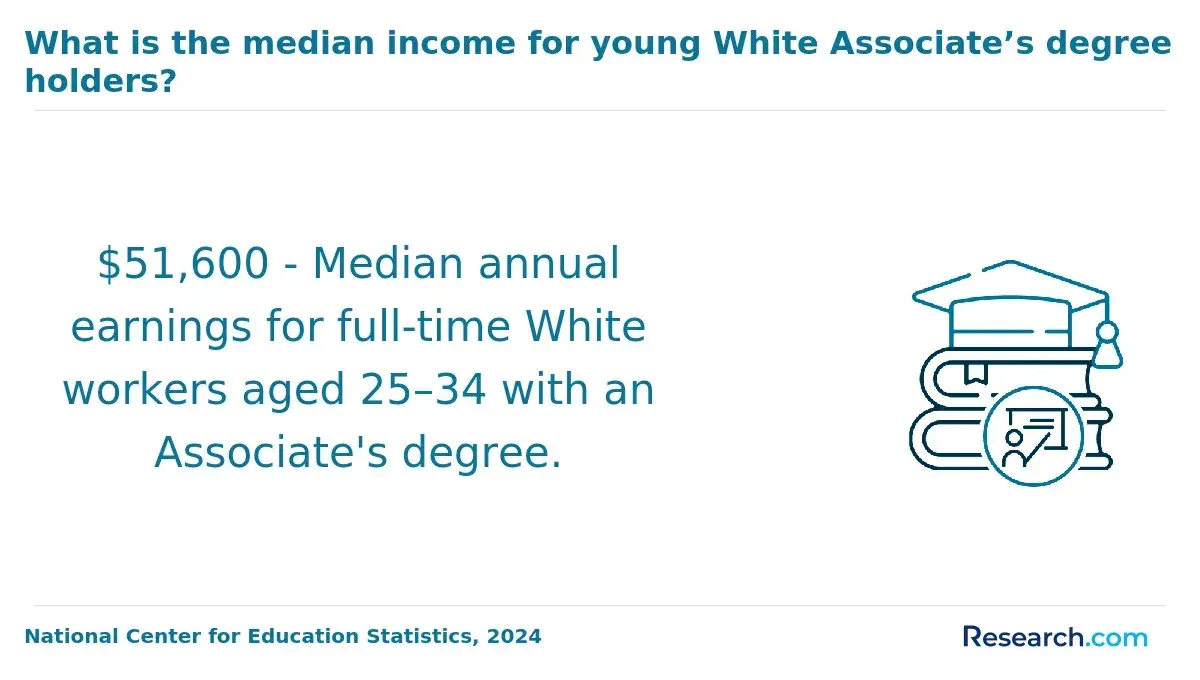
Most bachelor's degrees require about 120 credits. A first-time student studying full time may need around four years, while a career changer with an associate degree or substantial transfer credit may finish much faster. Part-time students often take longer, but the ability to keep working can improve affordability and reduce borrowing.
Cost depends on tuition, transfer credits, fees, textbooks, technology requirements, and whether the school charges different rates for in-state, out-of-state, or online students. The College Board's 2024 pricing report lists average published tuition and fees at $11,610 for in-state students at public four-year institutions for 2024-25. That figure is not an online engineering management price quote, but it gives you a national benchmark for comparing whether a program's tuition is unusually low, typical, or high.
The table below summarizes common timeline and cost scenarios for career changers. Use it to estimate trade-offs before requesting a formal degree audit from schools.
| Enrollment scenario | Typical time pattern | Cost and planning implications |
| First-time bachelor's student | Usually follows a full 120-credit plan. | Highest total tuition exposure; financial aid planning is especially important. |
| Associate degree holder | May enter with roughly half of the degree completed, depending on transfer approval. | Can reduce total cost significantly if general education and lower-division courses transfer cleanly. |
| Some college, no degree | Timeline depends on how many credits apply to the major and general education requirements. | A formal transfer evaluation is essential before comparing prices. |
| Working part-time student | Often takes fewer courses per term over a longer calendar period. | May reduce semester-by-semester pressure but can extend fees and delay career transition. |
| Accelerated student | Uses shorter terms, heavier course loads, or year-round enrollment. | Can finish faster but may be difficult with demanding work or family obligations. |
To control cost, focus on total program price rather than tuition per credit alone. Ask for a written estimate after transfer review, including fees, required software, exam proctoring, textbooks, and any in-person requirements. If your long-term goal is project leadership beyond the bachelor's level, you may eventually compare graduate options such as the cheapest online master's in project management, but do not assume a master's is necessary for every engineering management role.
What core courses and concentrations are typically offered in engineering management bachelor's programs?
Engineering management curricula vary, but most programs combine technical foundations, quantitative analysis, business decision-making, and leadership. The best programs help students understand how engineering work is planned, budgeted, measured, improved, and delivered through teams.
The table below shows common course areas and why they matter for a career changer. Exact course titles differ by school, so compare learning outcomes rather than relying only on catalog names.
| Course area | What you learn | Career relevance |
| Engineering economics | Cost estimation, lifecycle costs, trade-off analysis, and investment decisions. | Useful for project justification, budgeting, procurement, and operations planning. |
| Project management | Scope, schedules, risk, resources, stakeholders, and project controls. | Supports roles in technical coordination, implementation, and program support. |
| Quality management | Process control, inspection, root-cause analysis, and continuous improvement. | Relevant in manufacturing, healthcare technology, aerospace, automotive, and regulated industries. |
| Operations and supply chain | Production systems, inventory, logistics, capacity, and workflow improvement. | Helps career changers move into plant operations, logistics, and process improvement. |
| Statistics and data analysis | Measurement, variation, forecasting, and evidence-based decision-making. | Increasingly important as employers use dashboards, sensors, AI tools, and automation data. |
| Systems engineering | How technical components, people, requirements, risks, and processes interact. | Useful for complex products, infrastructure, defense, software-enabled systems, and technology implementation. |
Common concentrations include project management, manufacturing systems, industrial management, supply chain, construction management, quality systems, technology management, and data analytics. Choose a concentration based on the job postings you want to qualify for, not just the one that sounds most interesting.
If you want a more design-heavy technical path, compare engineering management with discipline-specific options. For example, a student aiming for product design, mechanical systems, or equipment engineering may want to research the cheapest online mechanical engineering degree before committing to a management-centered curriculum.
What jobs can I get with an online bachelor's in engineering management as a career changer?
An online bachelor's in engineering management can support entry into engineering-adjacent business, operations, and project roles. For career changers, the first job after the degree is often a bridge position rather than a senior management role. Your prior experience, industry knowledge, internships, certifications, and portfolio projects can matter as much as the degree title.
The table below lists realistic job paths where the degree can be useful. It focuses on roles that often value both technical understanding and coordination skills.
| Role | Typical responsibilities | Good fit for career changers with experience in |
| Engineering project coordinator | Tracks schedules, documents requirements, updates stakeholders, manages risks, and supports project managers. | Administration, operations, construction, IT, military logistics, or customer success. |
| Manufacturing supervisor | Oversees production teams, safety, throughput, staffing, quality, and process improvement. | Skilled trades, warehouse leadership, maintenance, retail management, or military operations. |
| Quality assurance analyst or specialist | Reviews defects, audits processes, analyzes data, supports corrective actions, and documents compliance. | Healthcare, regulated industries, customer service, manufacturing, or laboratory work. |
| Operations analyst | Studies workflows, capacity, costs, cycle times, and performance metrics to recommend improvements. | Business analysis, finance, logistics, supply chain, or service operations. |
| Technical sales or applications specialist | Explains technical products, supports customers, coordinates with engineers, and helps configure solutions. | Sales, customer support, field service, trades, or product operations. |
| Process improvement specialist | Uses Lean, Six Sigma, data analysis, and root-cause methods to reduce waste and improve performance. | Operations, healthcare administration, manufacturing, hospitality, or logistics. |
Some graduates eventually move into engineering manager, plant manager, program manager, or product operations roles, but those positions usually require several years of relevant experience. Career changers should treat the degree as a credibility builder and skill accelerator, not as a shortcut past hands-on industry experience.
A smart job-search strategy is to target employers that already value your background. For example, a former nurse moving into medical device quality, a military aviation technician moving into aerospace operations, or a retail operations manager moving into distribution automation can tell a stronger story than someone applying broadly with no industry focus.
What salary ranges and job outlook can engineering management graduates expect?
Salary depends heavily on job title, industry, region, prior experience, and whether the role is truly managerial. A bachelor's in engineering management can support access to higher-paying technical business roles, but it does not automatically place a career changer into an engineering manager job immediately after graduation.
The table below uses U.S. Bureau of Labor Statistics wage and outlook data published in 2024 for selected roles related to engineering management. Use these figures as labor-market context, not as promises of individual earnings.
| Occupation | Median annual wage | Projected job growth | How to interpret it |
| Architectural and engineering managers | $165,370 | 6% from 2023 to 2033 | Typically requires significant engineering or technical experience before managing teams. |
| Project management specialists | $98,580 | 7% from 2023 to 2033 | A realistic pathway for career changers who build scheduling, budgeting, risk, and stakeholder skills. |
| Industrial production managers | $121,440 | 3% from 2023 to 2033 | Relevant for students targeting manufacturing, plant operations, quality, or production leadership. |
| Logisticians | $79,400 | 19% from 2023 to 2033 | Strong fit for supply chain, operations, military logistics, and systems-focused career changers. |
The strongest salary outcomes usually come from stacking the degree with industry experience. A graduate with five years of manufacturing leadership experience may compete differently than a graduate entering the field for the first time. Geography also matters because technical management salaries often concentrate around manufacturing hubs, energy regions, defense contractors, infrastructure firms, and technology employers.
AI and automation are changing the skills employers value. Engineering management graduates who can interpret data, improve workflows, manage technical change, and communicate between engineers and business leaders may be better positioned than those who only understand traditional supervision.
How do industry certifications and professional memberships support engineering management careers?
Certifications can strengthen an engineering management career change by proving specific job-ready skills. They are not substitutes for a bachelor's degree when an employer requires one, but they can make your resume more credible in project management, quality, systems engineering, safety, or process improvement.
The table below summarizes common credentials and memberships that can complement an online engineering management bachelor's. Requirements change, so verify eligibility directly with the issuing organization before paying for an exam or course.
| Credential or membership | Best for | How it can help |
| CAPM or PMP from the Project Management Institute | Project coordinators, project managers, and technical program roles. | Signals knowledge of project processes, scope, schedule, cost, risk, and stakeholder management. |
| Lean Six Sigma Yellow, Green, or Black Belt | Quality, operations, manufacturing, healthcare process improvement, and logistics. | Demonstrates structured problem-solving and process improvement methods. |
| CAEM or CPEM from the American Society for Engineering Management | Engineering management students and professionals. | Aligns directly with engineering management knowledge areas and professional identity. |
| ASEP or CSEP from INCOSE | Systems engineering, defense, aerospace, complex products, and infrastructure. | Supports roles that require requirements management, systems thinking, and lifecycle coordination. |
| Memberships in ASEM, IISE, SME, SWE, NSPE, or related groups | Networking, mentoring, professional learning, and industry exposure. | Can help career changers learn employer expectations and connect with practitioners. |
Choose certifications based on the job postings you are targeting. If postings repeatedly mention Lean, ISO, root-cause analysis, or statistical process control, a quality credential may help. If they mention schedules, budgets, risk logs, and cross-functional delivery, a project management credential may be more relevant.
The common mistake is collecting credentials without a plan. A focused combination, such as an engineering management degree plus Lean Six Sigma for manufacturing or CAPM for project coordination, is usually more persuasive than a long list of unrelated certificates.
Other Things You Should Know About Engineering Management
Yes. Many programs accept up to 60 transfer credits from accredited associate degrees, including general education and math or science courses. Schools usually require a minimum 2.0 to 2.5 GPA, and engineering-specific courses may still need to be completed after transfer review.
It depends on the program, the state board, and your work experience. Some licensure pathways require an ABET-accredited engineering degree in a specific discipline. If professional engineer licensure is your goal, confirm requirements with your state licensing board before choosing a program.
It is usually both, but the balance varies by school. Some programs lean toward industrial operations and systems, while others emphasize business, project management, or technology leadership. Review the required courses carefully to make sure the technical depth matches your goals.
Build a portfolio of applied work. Include process maps, project plans, cost analyses, quality improvement examples, dashboards, capstone work, or employer-sponsored projects. Career changers benefit most when they can show how their new technical training connects to measurable workplace problems.
References
- Why Pursue an Online Engineering Management Degree? https://engineeringmanagement.org/online-engineering-management-degree/
- ASEM https://asem.org/Membership-Benefits
- Haward Technology Middle East https://haward.org/blogs/5/the-role-of-international-certifications-in-advancing-engineering-careers-globally
- What Can You Do with an Engineering Management Degree? https://online.uottawa.ca/blog/what-can-you-do-with-engineering-management-degree
- Engineering B.S. - Concentration in Engineering Management https://www.kettering.edu/academics-research/programs/engineering-management-concentration
- 40 Different Types of Engineering Degrees https://typesofengineeringdegrees.org/
- Engineering Management Certificates: Your Guide to Advancing Your Career https://authory.com/ErinCates/a/Engineering-Management-Certificates-Your-Guide-to-Advancing-Your-Career-a78f96f9a74444673a1a2170dca041ecb
- The Role of Certifications in Advancing an Engineering Career | First Achieve https://www.firstachieve.com/blogs/the-role-of-certifications-in-advancing-an-engineering-career/
- What are the job opportunities after a Master’s in Engineering Management in the USA? https://mentr-me.com/question/what-are-the-job-opportunities-after-a-masters-in-enginee
- 5 jobs you can do with an engineering management degree https://online.hull.ac.uk/blog/jobs-you-can-do-with-an-engineering-management-degree