2027 Online Engineering Management Degrees That Help Build Technical-to-Manager Transition Skills

Co-Founder and Chief Data Scientist
Engineers often reach a point where technical skill is no longer enough for the next promotion. The U. S. Bureau of Labor Statistics reported a $167,740 median annual wage for architectural and engineering managers in May 2024, showing why leadership preparation can matter financially and professionally. This guide is for engineers, technologists, and STEM graduates comparing online engineering management degrees. You will learn what these programs teach, how online study compares with campus study, what costs to expect, and how to judge whether the credential fits your career goals.
Key Things You Should Know
- Online engineering management degrees are best for engineers who want to lead projects, teams, systems, budgets, or technical strategy without leaving the engineering environment entirely.
- The BLS reported a $167,740 median annual wage for architectural and engineering managers in May 2024, but actual outcomes vary by industry, location, experience, and scope of responsibility.
- The smartest program choice depends on accreditation, employer recognition, technical depth, management coursework, total cost, transfer credit, schedule flexibility, and whether you need a degree or a shorter certificate.
What is an online engineering management degree and who is it best suited for?
An online engineering management degree is a business-and-technology graduate or undergraduate program designed for people who need to manage engineering work. Instead of replacing technical expertise with general business training, it teaches students how to coordinate technical teams, evaluate trade-offs, manage product or infrastructure projects, use data in decisions, control risk, and communicate with executives, clients, regulators, and engineers.
The most common credential is a master's in engineering management, often called an MEM or MSEM. Some universities also offer bachelor's completion programs, graduate certificates, and professional certificates. The online format usually combines asynchronous coursework, live sessions, team projects, case studies, and capstone work tied to real engineering problems.
This degree is usually a strong fit for readers in the following situations. These examples can help you decide whether the credential matches your next career move rather than simply sounding attractive on paper.
- You are an engineer, analyst, technologist, or project lead who wants to move into team leadership, program management, operations, product management, consulting, or technical strategy.
- You already have technical credibility but need stronger preparation in finance, leadership, systems thinking, decision analysis, quality, risk, or organizational communication.
- You want a management-focused credential but do not want a traditional MBA that may spend less time on engineering systems, technical risk, product development, or operations.
- You need a flexible format because you plan to keep working while studying and may want to use workplace projects for assignments or a capstone.
It may not be the right fit if your main goal is to become a deeply specialized design engineer, researcher, licensed professional engineer in a regulated discipline, or academic faculty member. In those cases, a technical master's, doctoral program, PE-oriented path, or discipline-specific degree may be more useful.
For example, someone focused on water systems, remediation, or sustainability engineering may want to compare engineering management with an environmental engineering degree before committing.
How do online engineering management programs help engineers transition into leadership roles?
The technical-to-manager transition is difficult because the job changes in ways that are not always obvious. A strong engineer is rewarded for solving technical problems directly. A strong engineering manager is expected to create conditions where a team can solve those problems reliably, safely, on budget, and in alignment with business goals.
Online engineering management programs support that shift by making students practice decisions that combine people, money, technology, and risk. Rather than only asking whether a design works, coursework often asks whether the design can be delivered, maintained, financed, scaled, regulated, secured, and explained to nontechnical stakeholders.
Students typically build leadership capability in several connected areas. These are the skill shifts that matter most when moving from individual contributor to manager.
- From solving tasks to prioritizing portfolios: Students learn how to choose between competing technical initiatives when budget, schedule, safety, customer, and staffing constraints conflict.
- From communicating with engineers to influencing mixed audiences: Programs emphasize executive summaries, business cases, stakeholder presentations, vendor communication, and cross-functional negotiation.
- From owning technical quality to managing team performance: Students study hiring, coaching, conflict resolution, accountability, performance metrics, and psychological safety in technical teams.
- From project execution to systems leadership: Coursework often covers lifecycle thinking, supply chains, process improvement, quality systems, risk registers, and long-term operational consequences.
- From intuition to evidence-based decisions: Students practice using financial models, data analysis, forecasting, and decision tools to defend recommendations.
Project management is often part of the transition, but engineering management is broader. If your immediate goal is to manage schedules, scope, teams, and deliverables faster, you may also want to compare MEM programs with the best accelerated project management degree programs online. Engineering management is usually the better fit when you want project leadership plus technical strategy, operations, product development, or engineering organization leadership.
A common mistake is assuming promotion readiness comes automatically after years of technical experience. Experience helps, but employers often look for evidence that you can budget, lead people, manage ambiguity, and translate engineering decisions into business value. A well-designed program gives you structured proof of those skills through projects, presentations, team assignments, and capstones.
What types of online engineering management degrees and certificates are available?
Online engineering management education exists at several levels. The right choice depends on your current degree, career stage, time frame, and whether you need a formal academic credential or targeted skill development.
The table below compares common options. Use it to narrow your search before evaluating individual universities, because comparing a certificate with a master's degree without considering purpose can lead to an expensive mismatch.
| Credential | Typical audience | Common focus | Best use case |
| Bachelor's in engineering management | Students starting college or completing an undergraduate degree | Engineering fundamentals, operations, project management, statistics, economics, leadership | Building an early-career foundation for technical operations, manufacturing, systems, or project roles |
| Master's in engineering management | Engineers and STEM professionals with some technical background | Leadership, finance, systems engineering, analytics, quality, product development, risk, strategy | Preparing for team lead, engineering manager, technical program manager, operations manager, or product leadership roles |
| Graduate certificate | Working professionals who already have a degree | Selected courses in management, systems, analytics, or project leadership | Testing the field, upskilling quickly, or earning stackable credit toward a later master's |
| Professional certificate or bootcamp-style credential | Professionals seeking focused nondegree training | Project tools, leadership methods, Agile, Lean, risk, communication | Short-term skill development when a full academic credential is unnecessary |
| Dual degree or MBA/MEM option | Professionals aiming for senior business and technical leadership | Engineering leadership plus broader business administration | Moving toward director, product executive, consulting, or operations strategy roles |
Certificates can make sense if you are unsure about graduate school, need a fast credential for an internal promotion cycle, or want to sample a university's online platform before committing. A full master's degree may be more appropriate if job postings in your target path frequently prefer graduate education or if you need a stronger signal for leadership, analytics, and strategy roles.
The biggest red flag is choosing a credential based only on speed. Accelerated programs can be useful, but a compressed schedule may reduce time for applied projects, networking, and reflection. If you are changing from a technical role into management, those applied experiences may matter as much as the course titles.
How do online engineering management programs compare with campus-based options?
Online and campus-based engineering management programs can cover similar academic content, but the experience is different. Online study is often built for working engineers who need flexibility, while campus study may offer more face-to-face networking, labs, recruiting events, and spontaneous collaboration.
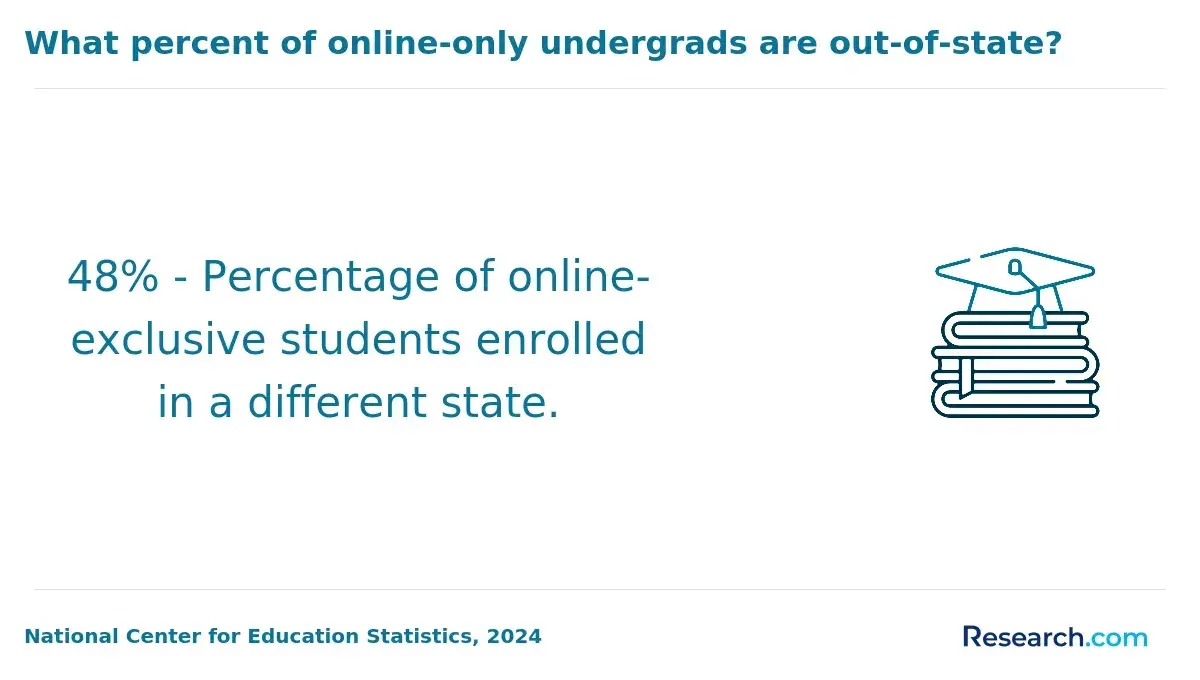
The National Center for Education Statistics reported in 2024 that distance education remained a major part of U.S. higher education after the pandemic-era surge. For engineering management students, that means online degrees are no longer unusual, but quality still varies by school, course design, faculty engagement, and employer recognition.
The table below summarizes the trade-offs. It is most useful if you already know whether you plan to work full time while enrolled.
| Factor | Online engineering management | Campus-based engineering management |
| Schedule | Often better for working adults, shift workers, military students, and professionals with travel demands | Better for students who can attend set classes and participate in campus activities |
| Networking | Depends heavily on live sessions, group projects, alumni access, and career services for online students | Often stronger for local recruiting, faculty access, student organizations, and informal peer interaction |
| Learning style | Requires self-direction, time management, written communication, and comfort with digital tools | Provides more physical structure and in-person accountability |
| Employer alignment | Useful when coursework can be applied directly to current workplace problems | Useful when a student wants campus recruiting or a major relocation opportunity |
| Cost structure | May reduce relocation and commuting costs, though tuition is not always lower | May include higher living, commuting, or opportunity costs if full-time attendance reduces work hours |
Choose online study if you need flexibility, want to keep earning while enrolled, and can verify that online students receive the same academic standards, faculty quality, advising, and career support as campus students. Choose campus study if you want a full-time immersive experience, local employer access, or intensive in-person collaboration.
Before enrolling online, ask admissions staff specific questions rather than accepting "flexible" as a complete answer. Important questions include how often courses meet live, whether group projects require synchronous work, how exams are proctored, whether online students can attend career fairs, and whether the diploma or transcript identifies the delivery format.
What accreditation and quality standards should engineering management programs meet?
Accreditation is one of the most important quality checks because it affects credit transfer, employer confidence, federal financial aid eligibility, and sometimes graduate school options. For U.S. colleges and universities, the baseline expectation is institutional accreditation from an agency recognized by the U.S. Department of Education or the Council for Higher Education Accreditation.
Programmatic accreditation is more nuanced. ABET accredits many engineering and engineering technology programs, especially at the bachelor's level, but not every engineering management master's program will have separate ABET accreditation.
That does not automatically make a program weak. Instead, students should evaluate whether the program's learning outcomes, faculty expertise, curriculum, assessment methods, and employer connections match their goals.
Use the following quality checklist before applying. These steps help reduce the risk of choosing a program that looks convenient but lacks credibility or fit.
- Confirm institutional accreditation through an official accreditor database or the school's accreditation page, not only through marketing copy.
- Review whether any relevant programmatic accreditation applies to the exact degree level and major you are considering.
- Compare faculty backgrounds to your target industry, such as manufacturing, software, aerospace, civil infrastructure, energy, healthcare technology, logistics, or product development.
- Ask whether online students complete the same learning outcomes, assessments, and capstone expectations as campus students.
- Look for evidence of employer engagement, advisory boards, alumni outcomes, career support, and applied industry projects.
- Check transfer credit, stackable certificate, and prior learning policies before assuming previous coursework will reduce time or cost.
Red flags include vague accreditation claims, pressure-heavy admissions tactics, unclear total cost, no named faculty, limited student support, no transparent curriculum, and promises of guaranteed jobs or salaries. A reputable program should be willing to explain what it can and cannot control.
What core courses and technical-to-manager skill areas do students typically study?
Engineering management curricula vary, but most programs combine quantitative decision-making, operations, leadership, finance, project delivery, systems thinking, and communication. The best programs do not treat management as a soft add-on; they connect management decisions to technical performance, safety, quality, cost, and lifecycle outcomes.
The table below shows common course areas and why they matter for the technical-to-manager transition. Use it to compare curricula across schools, especially when program names sound similar.
| Course or skill area | What students usually learn | Why it matters for engineering leaders |
| Engineering economics and finance | Cost estimation, ROI, capital budgeting, lifecycle cost, make-or-buy decisions | Managers must justify technical choices in financial terms without ignoring quality or safety |
| Project and program management | Scope, schedule, risk, resources, stakeholder management, delivery methods | Engineering work often fails because of coordination problems, not because of weak technical design |
| Systems engineering | Requirements, interfaces, trade studies, verification, lifecycle thinking | Managers need to understand how local decisions affect complex products, infrastructure, or processes |
| Operations and supply chain | Capacity, process flow, inventory, logistics, production systems, constraints | Engineering leaders often manage systems where cost, quality, and delivery speed interact |
| Quality and process improvement | Lean, Six Sigma, statistical process control, root cause analysis, continuous improvement | Managers need repeatable processes, not one-time heroic fixes |
| Data analytics and decision analysis | Forecasting, modeling, dashboards, uncertainty, optimization, evidence-based decisions | AI, automation, and digital engineering tools are raising expectations for data-literate leaders |
| Leadership and organizational behavior | Motivation, conflict, team design, change management, ethics, communication | Technical managers succeed through people, not only through personal expertise |
| Technology strategy and innovation | Product development, commercialization, digital transformation, competitive analysis | Senior roles require decisions about what to build, buy, improve, retire, or scale |
AI and automation have made analytics and systems thinking especially important. Engineering managers are increasingly asked to evaluate automated workflows, model-based design tools, predictive maintenance systems, digital twins, cybersecurity risk, and AI-assisted decision tools.
A useful program should help students ask better questions about reliability, bias, data quality, human oversight, and operational impact rather than treating technology adoption as automatically beneficial.
When comparing curricula, avoid judging by course titles alone. Read descriptions and assignments. A course called "Leadership" may be excellent if it includes technical team simulations and feedback, but weak if it only covers generic management theory.
A course called "Analytics" may be useful if students work with messy operational data, but less useful if it never connects analysis to management decisions.
What are typical admission requirements and prerequisites for online engineering management?
Admission requirements depend on degree level and school selectivity, but online engineering management programs commonly expect applicants to show technical readiness, quantitative ability, and professional direction. A master's program may prefer applicants with an engineering, computer science, math, physics, technology, or related STEM degree, though some schools admit business or science graduates who complete prerequisites.
Most programs evaluate a mix of academic and professional evidence. The following requirements are common, but applicants should always confirm details with each school because policies vary.
- Completed bachelor's degree from an accredited institution, often in engineering, technology, computer science, physical science, mathematics, or a related field.
- Minimum undergraduate GPA, commonly with flexibility for applicants who show strong professional experience or recent quantitative coursework.
- Official transcripts from prior colleges and universities.
- Resume showing engineering, technical, operations, military, manufacturing, product, construction, software, or analytical experience.
- Statement of purpose explaining career goals and why engineering management is the right fit.
- Letters of recommendation from supervisors, faculty, or technical leaders who can speak to readiness for graduate-level work.
- Prerequisite coursework in calculus, statistics, engineering economics, programming, or technical fundamentals when required by the program.
- English proficiency documentation for applicants whose prior education was not in English.
GRE or GMAT requirements have become less common in many professional graduate programs, but they have not disappeared everywhere. Some schools waive test scores based on GPA, work experience, military experience, graduate coursework, or professional licensure. If your academic record is uneven, a strong quantitative test score or recent graded coursework can sometimes strengthen the application.
Applicants without a traditional engineering degree should be especially careful. Some programs are designed for engineers; others are open to broader STEM or technical professionals. Ask whether non-engineering students have access to bridge courses and whether graduates from your background have successfully moved into your target roles.
A practical application strategy is to prepare a career-focused narrative before contacting schools. Be ready to explain the technical problems you have worked on, the leadership responsibilities you want, and the skill gaps you need the program to fill. This makes admissions conversations more useful and helps you avoid programs that do not match your direction.
How long do online engineering management programs take, and what do they cost?
Online engineering management timelines vary by credential, credit load, transfer policy, and whether the student studies full time or part time. Many working professionals choose part-time enrollment because keeping a salary can reduce the opportunity cost of graduate school.
Cost is more than tuition. The NCES Digest tables released in 2024 show that average graduate tuition and required fees differ substantially between public and private nonprofit institutions, which is a reminder that school type, residency rules, and fee structures can change the total price. Students should compare the full cost of attendance, not only the per-credit number displayed on a program page.
When schools publish prices, you will usually see costs in one of these formats. Listing them separately helps you ask better questions before you enroll.
- Per-credit tuition, which must be multiplied by the total number of required credits.
- Flat-rate tuition for a full-time term, which may be cheaper only if you can handle a heavier course load.
- Program-level tuition, which may or may not include fees, books, software, residencies, or graduation costs.
- Online learning fees, technology fees, proctoring fees, and course material fees that can raise the real cost beyond advertised tuition.
- Employer reimbursement, military education benefits, scholarships, assistantships, or tuition discounts that may reduce out-of-pocket cost.
The table below summarizes typical time-and-cost considerations by credential. Because tuition changes frequently, use this as a decision framework rather than a price quote.
| Program type | Common length | Cost considerations | Best financial fit |
| Graduate certificate | Often less than one year to about one year | Lower total tuition than a degree, but may have limited financial aid depending on school structure | Professionals testing the field or filling a targeted skill gap |
| Part-time master's | Often two to three years | May preserve income and employer benefits, but extends the calendar timeline | Working engineers who need flexibility and want to apply learning immediately at work |
| Full-time or accelerated master's | Often one to two years | May shorten time to completion but can reduce work hours and increase workload intensity | Students with strong time availability, funding, and clear career goals |
| Bachelor's completion program | Varies widely by transfer credits | Total cost depends heavily on accepted credits, residency requirements, and general education needs | Students with prior college credit who need a bachelor's credential for advancement |
To reduce cost, start with transfer credit and employer reimbursement. Ask whether graduate certificates stack into the master's, whether previous graduate courses can transfer, whether military or professional training can count, and whether your employer requires a grade minimum for reimbursement.
If affordability is your first filter, compare engineering management programs with broader engineering options and public university pathways. Researching the cheapest civil engineering degree online can also help you understand how online engineering tuition, residency rules, and transfer policies differ across engineering-related programs.
The main mistake to avoid is choosing the lowest tuition without checking completion risk. A cheaper program may become more expensive if courses are offered infrequently, transfer credits are denied, support is weak, or the curriculum does not match your target role.
What careers, industries, and job titles can an engineering management degree support?
An engineering management degree can support roles that sit between technical execution and organizational leadership. It is not limited to one engineering discipline. Graduates may work in manufacturing, aerospace, defense, energy, utilities, software, construction, transportation, logistics, medical devices, telecommunications, consulting, government, and technology-enabled services.
The degree is most useful when the role requires both technical fluency and management judgment. It can help professionals explain engineering trade-offs, coordinate multidisciplinary teams, evaluate operational performance, control cost, manage vendors, and align technical work with business or public-service objectives.
The table below shows common job titles and responsibilities. Job titles differ by employer, so focus on the responsibilities rather than the exact wording.
| Role or title | Typical responsibilities | How engineering management coursework can help |
| Engineering manager | Lead engineering teams, assign work, manage performance, coordinate technical priorities, communicate with senior leaders | Leadership, budgeting, systems thinking, communication, quality, risk management |
| Technical project manager | Manage scope, schedule, resources, stakeholders, and delivery for technical projects | Project planning, risk, stakeholder communication, engineering economics |
| Technical program manager | Coordinate multiple related projects, align teams, manage dependencies, report progress to executives | Program governance, decision analysis, systems engineering, portfolio thinking |
| Operations manager | Improve production, service delivery, process flow, staffing, quality, and cost performance | Operations, Lean, analytics, supply chain, process improvement |
| Product manager for technical products | Translate customer needs into product requirements, prioritize features, coordinate engineering and business teams | Innovation, market analysis, requirements, communication, lifecycle cost |
| Quality or continuous improvement manager | Lead quality systems, audits, root cause analysis, corrective actions, and process improvement initiatives | Statistics, quality management, Lean Six Sigma, organizational change |
| Systems engineering lead | Manage requirements, interfaces, verification, integration, and lifecycle trade-offs | Systems engineering, risk, decision analysis, cross-functional leadership |
| Engineering consultant | Advise clients on technical operations, process improvement, strategy, cost, or implementation | Business cases, analytics, communication, project delivery, technical credibility |
Career movement is usually gradual. An engineer may first become a senior engineer, project lead, scrum master, team lead, or manufacturing supervisor before moving into formal management. The degree can accelerate readiness, but it does not replace the need to demonstrate judgment, trustworthiness, communication, and delivery results.
Some technical leaders eventually move into sector-specific executive education. For example, engineers managing clinical technology, hospital operations, facilities, medical devices, or health systems may later compare engineering management with doctorate in health administration programs if their long-term goal is healthcare executive leadership rather than engineering organization management.
Who should consider a different path? If you want to remain a hands-on specialist, a technical master's may produce stronger returns. If you want broad corporate management outside technical organizations, an MBA may fit better.
If you want to manage construction projects, compare engineering management with construction management or civil engineering pathways. If your target role requires licensure, verify those requirements separately.
What salary ranges and job outlook can engineering management graduates expect?
Salary outcomes vary widely because engineering management graduates move into different industries, functions, regions, and seniority levels. The most relevant national benchmark is often architectural and engineering managers. The BLS reported a $167,740 median annual wage for that occupation in May 2024, which reflects experienced managers across industries rather than entry-level graduates.
The BLS also projects employment for architectural and engineering managers to grow 4% from 2024 to 2034. For readers, that suggests steady demand rather than a guaranteed fast-growth pathway. Competition can still be significant for leadership roles because employers usually want technical credibility, management experience, communication skill, and evidence of successful delivery.
The table below places engineering management-related paths into a salary and outlook context without implying that a degree alone produces a specific outcome.
| Career stage | Typical role examples | Salary context | What affects advancement |
| Early leadership | Project lead, senior engineer, manufacturing supervisor, technical coordinator | Often tied closely to discipline, employer, and technical experience | Reliability, communication, project ownership, ability to coordinate others |
| Mid-level management | Engineering manager, technical project manager, operations manager, quality manager | May align more closely with management benchmarks, especially when budget and people responsibilities increase | Team results, budget control, stakeholder management, process improvement, hiring and coaching |
| Senior leadership | Director of engineering, program director, product leader, operations director | Can vary substantially by industry, company size, region, and equity or bonus structure | Strategy, portfolio decisions, cross-functional influence, financial accountability, executive communication |
Use salary data as a planning tool, not a promise. A degree may help you compete for higher-responsibility roles, but salary depends on whether you can apply the credential to a role with larger scope. Before enrolling, review job postings in your region and industry to see whether employers ask for engineering management, project management, MBA, technical master's, PE licensure, security clearance, software experience, Lean Six Sigma, or domain-specific expertise.
To evaluate ROI, compare the total cost of the program with realistic career scenarios. A useful approach is to identify three target roles, review their requirements, talk to two or three people already in those roles, and ask your current employer how the degree would affect promotion eligibility. This prevents the common mistake of assuming any management degree automatically leads to a management position.
Other Things You Should Know About Engineering Management
Many employers respect online degrees when they come from accredited institutions with rigorous coursework and recognizable academic standards. Employer response usually depends more on the school's credibility, curriculum relevance, and your work experience than on the delivery format alone.
Many 2027 online engineering management degrees include project management software, data analysis tools, and operations platforms such as Microsoft Project, Excel, Minitab, and ERP systems. These tools support scheduling, budgeting, resource planning, and team coordination, which are central skills for moving from technical work into management.
Yes, many students do, but it requires disciplined scheduling. Before enrolling, ask how many hours per week each course requires, whether group work is synchronous, and whether your employer can support peak workload periods.
References
- Accredited Masters in Engineering Management: Your Guide to Top Programs https://engineeringmanagement.org/accredited-mem-programs/
- Learn Technical Management Skills With an Online BAS in Management https://online.nmu.edu/learn-technical-management-skills/
- Online Master of Science in Engineering Management | LSU New Orleans https://www.lsuneworleans.edu/academics/coe/engineering-management
- Top Useful Technical Skills for Managers https://www.aiuniv.edu/degrees/business/articles/top-technical-skills-for-managers
- Accreditation processes for technical programs https://edquip.co/blog/accreditation-processes-for-technical-programs
- What Can You Do with an Engineering Management Degree? https://online.uottawa.ca/blog/what-can-you-do-with-engineering-management-degree
- 2025 Most Affordable Online Master's Degrees in Engineering Management https://www.onlineu.com/most-affordable-colleges/engineering-management-masters-degrees
- Masters in Engineering Management Requirements: Everything You Need to Know https://authory.com/ErinCates/a/Masters-in-Engineering-Management-Requirements-Everything-You-Need-to-Know-a042e88d7bca1448f933a87eb4d386d43
- What are the job opportunities after a Master’s in Engineering Management in the USA? https://mentr-me.com/question/what-are-the-job-opportunities-after-a-masters-in-enginee
- Engineering Management Career | MEMPC https://www.mempc.org/engineering-management-career/