2027 States Where Engineering Management Careers Have the Strongest Growth

Co-Founder and Chief Data Scientist
Choosing where to build an engineering management career can affect your salary, advancement path, and degree ROI. The U. S. Bureau of Labor Statistics projects employment for architectural and engineering managers to grow 4% from 2024 to 2034, with demand tied to technology, infrastructure, energy, manufacturing, and R& D investment. This guide is for engineers, students, and career changers comparing states, degrees, online programs, and credentials. You will learn which markets look strongest, what employers expect, and how to choose an education path that fits your career goals.
Key Things You Should Know
- Engineering management growth is strongest where multiple sectors overlap, especially semiconductors, aerospace, energy, data centers, advanced manufacturing, infrastructure, and defense.
- The national median pay for architectural and engineering managers was $167,740 in May 2024, but state, industry, seniority, and cost of living can change the practical value of an offer.
- The best preparation usually combines an engineering or technical bachelor's degree, several years of project or technical leadership experience, and targeted graduate study or certifications for the industry you want to manage.
Which states currently offer the strongest job growth for engineering management careers?
The strongest states for engineering management careers are not simply the states with the largest number of engineering jobs. They are the states where hiring demand is supported by expanding industries, capital investment, population growth, infrastructure needs, and employer concentration.
For this article, "engineering management" refers primarily to architectural and engineering managers, the BLS occupational group that includes leaders who plan, direct, and coordinate engineering, design, R&D, production, infrastructure, and technical operations teams.
The table below summarizes states that currently stand out for engineering management opportunity. Because state labor projections use different release schedules and methods, use this as a decision-support shortlist rather than a guaranteed ranking.
| State | Why it is strong for engineering management growth | Best-fit engineering management pathways |
| Texas | Large engineering employment base, energy transition projects, semiconductor activity, aerospace, infrastructure, and rapid metro growth. | Energy systems, civil infrastructure, electrical engineering, industrial engineering, project management. |
| California | Deep concentration of technology, aerospace, clean energy, biotechnology, hardware, AI infrastructure, and advanced R&D employers. | Software-hardware integration, product engineering, systems engineering, biomedical engineering, technology leadership. |
| Arizona | Semiconductor manufacturing, battery supply chains, data-center activity, defense contractors, and fast-growing Phoenix-area engineering demand. | Manufacturing systems, electrical engineering, quality management, operations leadership. |
| North Carolina | Research Triangle technology activity, biomanufacturing, clean energy, transportation, and expanding industrial investment. | Bioprocess engineering, industrial engineering, analytics, product development, operations management. |
| Florida | Aerospace, defense, construction, coastal infrastructure, transportation, and population-driven public works demand. | Civil engineering, construction engineering, aerospace systems, environmental resilience. |
| Colorado | Aerospace, defense, renewable energy, geospatial technology, telecommunications, and technical services growth. | Aerospace systems, energy engineering, systems engineering, technical program management. |
| Washington | Aerospace, cloud infrastructure, clean energy, software-adjacent hardware, and high-value engineering operations. | Aerospace, electrical engineering, data-center infrastructure, product engineering management. |
| Georgia | Electric vehicle and battery investment, logistics infrastructure, manufacturing, transportation, and metro Atlanta technology growth. | Industrial engineering, supply chain engineering, manufacturing leadership, transportation systems. |
| Virginia | Defense, federal contracting, data centers, cybersecurity infrastructure, power systems, and transportation investment. | Systems engineering, electrical engineering, civil infrastructure, technical program management. |
| Utah | Technology expansion, infrastructure demand, defense-adjacent employers, and advanced manufacturing growth around major metro areas. | Product engineering, software-enabled engineering, manufacturing systems, operations leadership. |
For most readers, Texas, California, Arizona, North Carolina, and Florida are the broadest options because they combine job volume with growth industries. Colorado, Washington, Georgia, Virginia, and Utah can be especially attractive if your technical background matches the dominant sectors in those states.
How does engineering management job outlook compare across major U.S. regions?
Regional comparison matters because engineering management jobs tend to cluster around specific industries. A mechanical engineer moving into manufacturing leadership may see better alignment in the Southeast or Southwest, while a systems engineer may find stronger opportunities in aerospace, defense, or data-center-heavy regions.
The BLS national projection of 4% growth from 2024 to 2034 suggests a stable but competitive market. That means the best state for you is usually the one where your technical specialization matches local employer demand.
| Region | Growth drivers | Career opportunity pattern | Potential trade-off |
| West Coast | Technology, aerospace, AI infrastructure, clean energy, biotech, hardware R&D. | Strong for product, systems, software-hardware, and advanced R&D leadership. | Higher cost of living and intense competition for senior roles. |
| Southwest | Semiconductors, energy, utilities, aerospace, construction, industrial expansion. | Strong for electrical, industrial, manufacturing, and energy managers. | Rapid growth can create pressure around project timelines and relocation decisions. |
| Southeast | Population growth, infrastructure, EV and battery plants, aerospace, logistics, biomanufacturing. | Strong for civil, construction, industrial, and operations-focused leaders. | Salary offers may vary widely between metro and non-metro employers. |
| Mountain West | Aerospace, defense, energy, technology, public infrastructure, advanced manufacturing. | Good fit for systems, energy, and technical program managers. | Some markets are smaller, so employer diversity can be limited. |
| Northeast and Midwest | Life sciences, automotive, robotics, manufacturing modernization, infrastructure, defense. | Strong for specialized managers with manufacturing, biomedical, or transportation expertise. | Growth may be more concentrated in specific metros rather than statewide. |
The practical takeaway is to compare regions by industry fit, not just job-board volume. A smaller region can be a better career move if it has a dense cluster of employers in your exact engineering specialty.

What is the typical salary range for engineering managers in the fastest-growing states?
Engineering management is one of the higher-paying technical leadership paths because the role combines engineering judgment, budget responsibility, team leadership, regulatory awareness, and delivery accountability. According to the BLS, the national median annual wage for architectural and engineering managers was $167,740 in May 2024. For readers comparing states, that figure is best used as a benchmark rather than a promise.
The table below explains how salary bands tend to vary across high-growth states and why two offers with similar job titles may have different real value.
| Salary tier in high-growth states | Typical role profile | What affects the offer |
| Lower six-figure to mid-six-figure range | New engineering manager, project engineering lead, technical supervisor, assistant engineering manager. | First-time management status, company size, local cost of living, and whether the role manages budgets or only tasks. |
| Upper six-figure range | Experienced engineering manager, plant engineering manager, systems engineering manager, product engineering manager. | Team size, technical complexity, industry, safety exposure, schedule risk, and cross-functional responsibility. |
| Senior leadership range | Director of engineering, head of engineering operations, R&D director, multi-site engineering leader. | Profit-and-loss responsibility, regulatory risk, capital project oversight, executive reporting, and business impact. |
High-growth states do not always equal the highest real income. California and Washington may offer higher nominal pay in many engineering sectors, while Texas, North Carolina, Arizona, Georgia, Florida, and Utah may appeal to candidates who want a balance of opportunity, affordability, and industry growth.
What education and experience are required to become an engineering manager in high-growth states?
Most engineering managers start with a bachelor's degree in an engineering discipline, computer science, engineering technology, construction management, or a closely related technical field. Employers usually expect several years of progressive technical experience before a candidate is trusted to lead engineers, manage budgets, and make high-stakes design or delivery decisions.
A typical path into engineering management includes technical depth first, leadership responsibility second, and formal management training as responsibilities expand. If your current role is more project-focused than design-focused, a bachelor of project management online can also be relevant for coordinating technical teams, timelines, vendors, and budgets.
The following sequence shows how many professionals move from individual contributor to engineering manager. Timelines vary by industry and employer, especially in fast-growing states where companies may promote strong technical leads earlier.
- Earn a technical bachelor's degree in engineering, engineering technology, computer science, construction management, or a related field.
- Build hands-on experience through design, testing, production, field engineering, systems integration, or project delivery roles.
- Take on informal leadership duties such as mentoring junior engineers, coordinating vendors, leading design reviews, or owning project milestones.
- Develop business skills in budgeting, scheduling, quality, risk management, communication, and stakeholder management.
- Consider a graduate degree, certificate, PE license, PMP, systems engineering credential, or industry-specific certification when it aligns with your target role.
The biggest mistake is trying to skip the technical credibility stage. Engineering managers are evaluated not only on people skills but also on whether they can judge technical trade-offs, challenge assumptions, and protect project quality.
Which engineering management degrees best align with strong-growth state job markets?
The best degree depends on the industry you want to manage. A master's in engineering management is often ideal for engineers who want leadership roles without leaving technical work entirely, while an MBA may fit candidates targeting broader business or executive roles. Specialized engineering degrees can be stronger when the state's growth is concentrated in a particular field.
For example, candidates aiming at power systems, semiconductors, automation, data centers, or hardware-heavy technology roles may benefit from reviewing the best online electrical engineering programs USA before choosing a management-focused degree.
The table below compares common degree options and the state-market situations where each tends to make the most sense.
| Degree option | Best fit | When it may not be ideal |
| Master's in Engineering Management | Engineers who want to lead technical teams, manage projects, and stay close to engineering decisions. | Less useful if your target role is purely finance, sales, or general corporate management. |
| Master's in Systems Engineering | Aerospace, defense, transportation, data centers, and complex product environments. | May be too specialized for candidates seeking broad operations leadership. |
| Specialized MS in Engineering | Electrical, mechanical, civil, industrial, biomedical, or software-focused leadership in a technical niche. | May not provide enough management training unless paired with leadership experience. |
| MBA with technical electives | Engineers targeting director, product, operations, consulting, or executive roles. | May be too business-heavy for candidates who want deep technical leadership credibility. |
| Graduate certificate in engineering management | Working engineers who want targeted leadership training without committing to a full degree. | May not carry the same weight as a master's degree for some senior roles. |
If you are early in your career, a specialized engineering degree can strengthen technical credibility. If you already have deep technical experience, a management-focused master's or certificate may produce a better career fit.
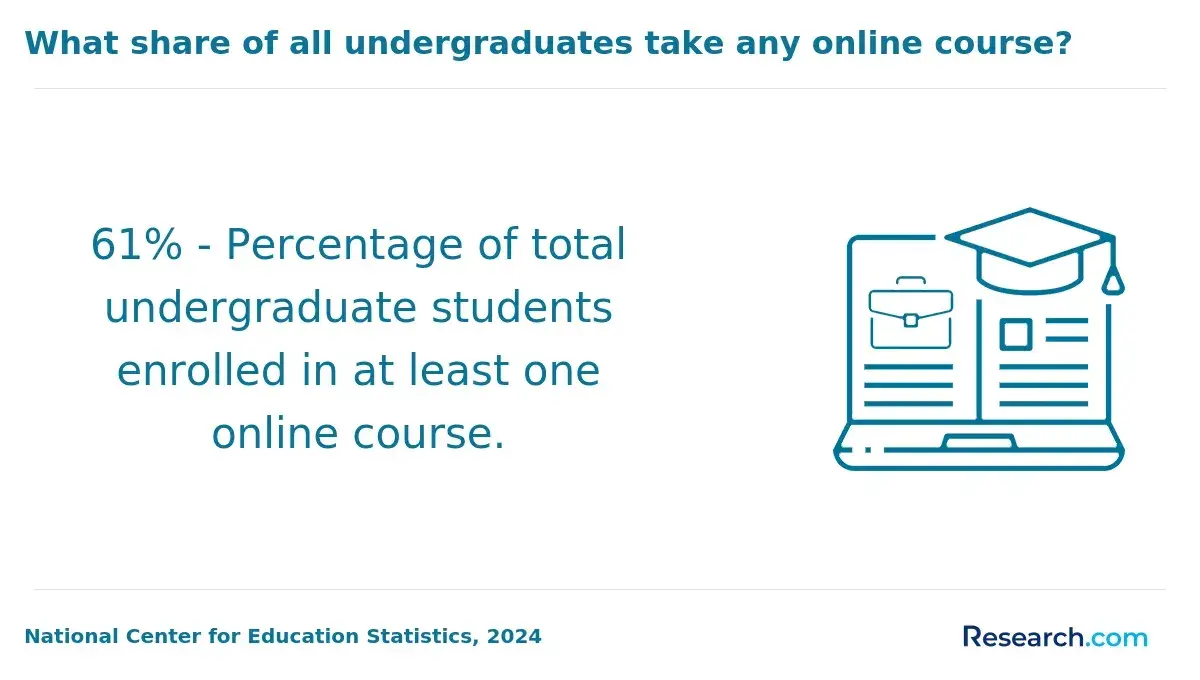
How do online engineering management programs compare to campus-based options for career outcomes?
Online engineering management programs can work well for employed engineers because they allow students to apply coursework directly to current projects. Campus-based programs may offer stronger access to labs, faculty networks, research groups, local employers, and recruiting events. Neither format is automatically better; the best choice depends on your work schedule, target industry, and need for hands-on facilities.
Cost is also a practical factor. Students comparing flexible pathways may want to explore a cheap online engineering degree, especially if they are trying to reduce borrowing while staying employed.
The table below compares online and campus formats in the areas that most often affect career outcomes.
| Factor | Online engineering management program | Campus-based engineering management program |
| Work compatibility | Often better for full-time professionals who need evening, asynchronous, or part-time study. | Often better for full-time students who can attend daytime classes and events. |
| Networking | Can be strong when programs include cohort projects, live sessions, alumni groups, and employer partnerships. | Often stronger for local recruiting, faculty access, lab groups, and in-person career fairs. |
| Hands-on learning | Best when courses use simulations, employer-based projects, or capstones tied to real workplace problems. | Best when the field requires labs, prototyping facilities, research equipment, or fieldwork. |
| Career switching | Good for advancing within a current employer or industry. | May be stronger for students seeking internships, assistantships, or a geographic career move. |
| Cost control | Can reduce relocation and commuting costs, though tuition varies widely. | May provide assistantships or research opportunities, but relocation and living costs can be higher. |
Online study is most effective when the student already has engineering experience and can turn class projects into workplace results. Campus study may be more valuable when you need research exposure, employer access, or a structured career pivot.
What courses and skills do engineering management programs emphasize for leadership roles?
Engineering management programs are designed to bridge technical execution and business leadership. The strongest programs do not simply add generic management classes; they teach engineers how to lead projects where design decisions, budgets, schedules, safety, compliance, and customer expectations intersect.
Most programs emphasize a mix of quantitative, technical, and leadership coursework. These areas matter because engineering managers are often judged on how well they translate technical uncertainty into clear business decisions.
- Project and program management, including scope, scheduling, resource planning, risk control, and stakeholder communication.
- Engineering economics and financial decision-making, including cost estimation, capital budgeting, ROI analysis, and trade-off evaluation.
- Systems engineering and product development, including requirements, integration, verification, validation, and lifecycle planning.
- Operations, quality, and process improvement, including Lean, Six Sigma, reliability, supply chain, and production systems.
- Data analytics and decision modeling, including forecasting, dashboards, simulation, optimization, and performance measurement.
- Leadership and organizational behavior, including conflict management, team design, negotiation, ethics, and change management.
Current employer expectations are also being shaped by AI, automation, and digital engineering tools. Candidates do not need to become AI researchers, but they should understand how analytics, digital twins, predictive maintenance, generative design, cybersecurity, and automation affect engineering workflows.
How can prospective students verify accreditation and program quality in engineering management?
Accreditation is one of the most important checks before enrolling because it affects credit transfer, employer recognition, financial aid eligibility, and sometimes licensure preparation. In the United States, students should first confirm that the institution holds recognized institutional accreditation. For engineering bachelor's programs, ABET accreditation is especially important when the student may later pursue a Professional Engineer license.
Use the following steps before applying or paying an enrollment deposit. These checks help you avoid programs that look convenient but may not support your long-term career plan.
- Confirm institutional accreditation through the school's official accreditation page and the U.S. Department of Education or CHEA-recognized accreditor listings.
- Check whether the specific engineering program is ABET-accredited if your career path may require PE licensure or engineering-board eligibility.
- Ask whether online and campus students earn the same credential and whether the transcript identifies the delivery format.
- Review faculty qualifications, especially whether instructors have engineering leadership, industry, research, or project delivery experience.
- Request recent career-outcome information, including employer examples, promotion outcomes, internship support, and alumni roles.
- Evaluate capstone projects, employer partnerships, lab access, simulation tools, and opportunities to solve real engineering management problems.
Common red flags include vague accreditation claims, pressure to enroll quickly, no clear transfer-credit policy, limited faculty transparency, no career-services detail, and tuition pages that exclude fees. A reputable program should be able to explain exactly how its curriculum connects to engineering leadership outcomes.
Are there licenses or certifications that boost engineering management careers in top states?
Licenses and certifications can strengthen an engineering management profile, but their value depends heavily on the industry. Civil, structural, environmental, utility, and public infrastructure employers may place higher value on PE licensure, while technology and manufacturing employers may prefer project, systems, quality, agile, or operations credentials.
The table below summarizes credentials that can support advancement in strong-growth engineering management markets.
| Credential | Best for | Important limitation |
| Professional Engineer license | Civil, structural, environmental, utilities, public works, consulting, and regulated engineering services. | Requirements vary by state board and typically involve accredited education, exams, and qualifying experience. |
| Project Management Professional | Engineering managers responsible for budgets, schedules, vendors, milestones, and cross-functional delivery. | It supports project leadership but does not replace technical engineering qualifications. |
| Lean Six Sigma | Manufacturing, quality, process improvement, logistics, healthcare technology, and operations roles. | Employer recognition varies by issuing organization and project evidence. |
| Systems engineering certification | Aerospace, defense, transportation, complex products, software-hardware integration, and large infrastructure systems. | Most valuable when paired with systems engineering work experience. |
| Agile, Scrum, or scaled agile credentials | Software-enabled products, embedded systems, product engineering, and technology delivery teams. | Less relevant for roles dominated by physical infrastructure, compliance-heavy design, or traditional construction delivery. |
| Industry-specific certifications | Construction, energy, safety, quality, cybersecurity, manufacturing, or reliability-focused leadership roles. | Choose only if the credential is recognized by employers in your target state and sector. |
The smartest strategy is to scan job postings in your target state before choosing a credential. If the same certification appears repeatedly for your desired roles, it may be worth prioritizing; if not, experience, portfolio results, or a degree may matter more.
What criteria should applicants use to choose the best engineering management program for their goals?
The best engineering management program is the one that fits your target role, technical background, state market, schedule, and budget. Applicants should avoid choosing solely by ranking, convenience, or the lowest tuition because career outcomes depend on curriculum fit, employer recognition, networking, and total cost.
If your target market is infrastructure, real estate development, transportation, or field operations, compare engineering management options with a best online construction management degree pathway to see whether construction-focused leadership training is a better match.
Use these criteria to compare programs before applying. The goal is to connect the degree directly to the kind of engineering team you want to lead.
- Career alignment: Choose a curriculum that matches your target sector, such as aerospace, data centers, semiconductors, civil infrastructure, software-enabled products, construction, or manufacturing.
- Accreditation and recognition: Verify institutional accreditation and, when relevant, ABET status for engineering programs that may support licensure pathways.
- Admissions fit: Review required technical prerequisites, work-experience expectations, GPA standards, test policies, and whether bridge courses are available.
- Schedule and format: Decide whether you need asynchronous online courses, evening classes, part-time pacing, campus labs, internships, or research access.
- Total cost: Compare tuition, fees, books, software, travel, residency requirements, lost income, employer tuition assistance, and financial aid options.
- Employer access: Look for capstones, industry advisory boards, alumni networks, career coaching, internship support, and employers that recruit from the program.
- Evidence of outcomes: Ask for examples of graduate roles, promotion pathways, employer partnerships, and how the school tracks career progress.
Common mistakes include assuming every engineering management degree has the same market value, ignoring cost of living when comparing states, choosing a program without checking licensure implications, and enrolling before confirming whether credits will transfer. A better approach is to start with your target role, then work backward to the degree, credential, and state market that support it.
Other Things You Should Know About Engineering Management
Yes, engineering management is suitable for individuals who enjoy technical work but prefer not to engage in purely business-focused roles. In 2027, states like California, Texas, and Florida are witnessing a surge in demand for engineering managers who balance technical expertise with managerial skills.
Some do, especially in smaller companies or highly technical R&D environments. In larger organizations, the role usually shifts toward planning, technical review, staffing, budgeting, risk management, and cross-functional decision-making.
Texas, California, and Florida are projected to show the strongest demand, based on large engineering, manufacturing, and technology employment bases. Labor market data from the U.S. Bureau of Labor Statistics and state workforce agencies are the main sources used to compare projected openings and growth for engineering management roles.
References
- How to Write an Effective Statement of Purpose for Engineering Management https://engineeringmanagement.org/statement-of-purpose-mem/
- Accreditation of Higher Education Programmes (AHEP) https://www.engc.org.uk/education-and-skills/higher-education-programmes/
- Engineering Manager Salary Guide [2025] - MentorCruise https://mentorcruise.com/salary/engineering-manager/
- Accreditation processes for technical programs https://edquip.co/blog/accreditation-processes-for-technical-programs
- Top Degrees in Demand for the Future: 2026 & Beyond https://skillifysolutions.com/blogs/career-growth/top-degrees-in-demand-for-the-future/
- Masters in Engineering Management Requirements: Everything You Need to Know https://authory.com/ErinCates/a/Masters-in-Engineering-Management-Requirements-Everything-You-Need-to-Know-a042e88d7bca1448f933a87eb4d386d43
- Engineering Manager Salary in Tech: Worldwide Market Analysis | Alcor https://alcor.com/engineering-manager-salary-in-tech-companies-worldwide-market-analysis/
- Best Certifications for Engineers to Advance Your Career https://www.nescoresource.com/resources/how-to-advance-your-engineering-career
- Haward Technology Middle East https://haward.org/blogs/38/how-engineering-courses-improve-leadership-and-management-skills
- Here are the top five states for engineering jobs - Plant Engineering https://www.plantengineering.com/here-are-the-top-five-states-for-engineering-jobs/