2027 Online Engineering Management Degrees With Strong Technical-Business Training

Co-Founder and Chief Data Scientist
Choosing an online engineering management degree means balancing technical depth, business training, cost, and career payoff. The decision matters because the U.S. Bureau of Labor Statistics reported a 2024 median annual wage of $167,740 for architectural and engineering managers, but outcomes vary by experience, industry, and employer.
This guide is for engineers, STEM graduates, technical project leads, and career changers comparing online options. You will learn how programs work, what they cost, which credentials matter, and how to choose a degree that supports your next career move.
Key Things You Should Know
- Online engineering management degrees are strongest for people who already have technical training and want leadership roles in product development, operations, systems, manufacturing, infrastructure, or technology-driven organizations.
- For salary context, BLS data show architectural and engineering managers had a 2024 median annual wage of $167,740, making experience, specialization, and employer fit central to ROI.
- Quality checks should include institutional accreditation, engineering or program-level recognition when relevant, transparent online support, employer-aligned curriculum, and clear total cost-not tuition alone.
What is an online engineering management degree and who is it best suited for?
An online engineering management degree blends advanced technical problem-solving with business, leadership, operations, and project management training. At the graduate level, it is often offered as a Master of Engineering Management, MS in Engineering Management, or engineering-focused MBA concentration. At the bachelor's level, it may appear as engineering technology management, industrial management, or technology leadership.
The degree is best suited for people who want to move from individual technical contributor roles into positions where they manage teams, budgets, schedules, vendors, risk, quality, and product or process strategy. It is usually not the best first choice for someone who wants to become a licensed engineer from scratch, because many engineering management programs assume prior technical preparation.
The table below clarifies which type of student typically benefits from this degree and who may need a different academic route first.
| Student profile | How the degree can help | Possible better alternative |
| Working engineer or technologist | Builds leadership, finance, systems thinking, and project execution skills for promotion into management. | A shorter certificate if the employer only requires focused management training. |
| STEM graduate without management experience | Provides business context and technical project skills while preserving a technical career path. | An entry-level technical role first if the program expects professional experience. |
| Business professional moving into technical operations | Can add engineering systems vocabulary and operations knowledge. | An MBA or operations degree if the target role is not technically intensive. |
| Student seeking core engineering licensure preparation | May be useful later, after foundational engineering education and experience. | A discipline-specific engineering degree aligned with licensure or design practice. |
If your priority is building discipline-specific technical foundations before managing engineering teams, compare options such as a mechanical engineer degree before committing to a management-focused program.
How do online engineering management programs compare to campus-based options?
Online and campus-based engineering management programs often teach similar core subjects, but they differ in delivery, networking style, scheduling, and access to labs or in-person team projects. The right choice depends less on prestige alone and more on how the format fits your work schedule, learning style, and career goals.
The table below compares the decision points that matter most for working professionals and recent graduates evaluating online versus campus study.
| Factor | Online engineering management degree | Campus-based engineering management degree |
| Schedule | Best for working adults who need evening, asynchronous, or part-time study. | Best for students who can attend scheduled classes and campus activities. |
| Networking | Often relies on virtual cohorts, discussion boards, remote team projects, and optional residencies. | Offers easier access to in-person faculty interaction, student groups, and local employer events. |
| Applied learning | Strong when projects use workplace problems, simulations, analytics tools, and remote collaboration platforms. | Strong when the program includes labs, prototyping spaces, or live industry-sponsored projects. |
| Cost structure | May reduce relocation and commuting costs, but technology fees and out-of-state tuition policies vary. | May provide more campus resources, but housing, transportation, and opportunity costs can be higher. |
| Best fit | Professionals who want advancement without leaving employment. | Students seeking immersive networking, research access, or full-time study. |
Online programs are not automatically easier. In many reputable programs, students complete the same assignments, group projects, exams, and capstone work as campus learners. The main difference is that online students must be more disciplined about time management, communication, and self-directed learning.
Campus programs may be worth the trade-off if you want a research assistantship, close faculty mentorship, or access to specialized engineering facilities. Online programs often make more sense if you are already employed in a technical setting and can turn workplace challenges into class projects, which may improve immediate career relevance.
Which accreditation and quality standards should online engineering management degrees meet?
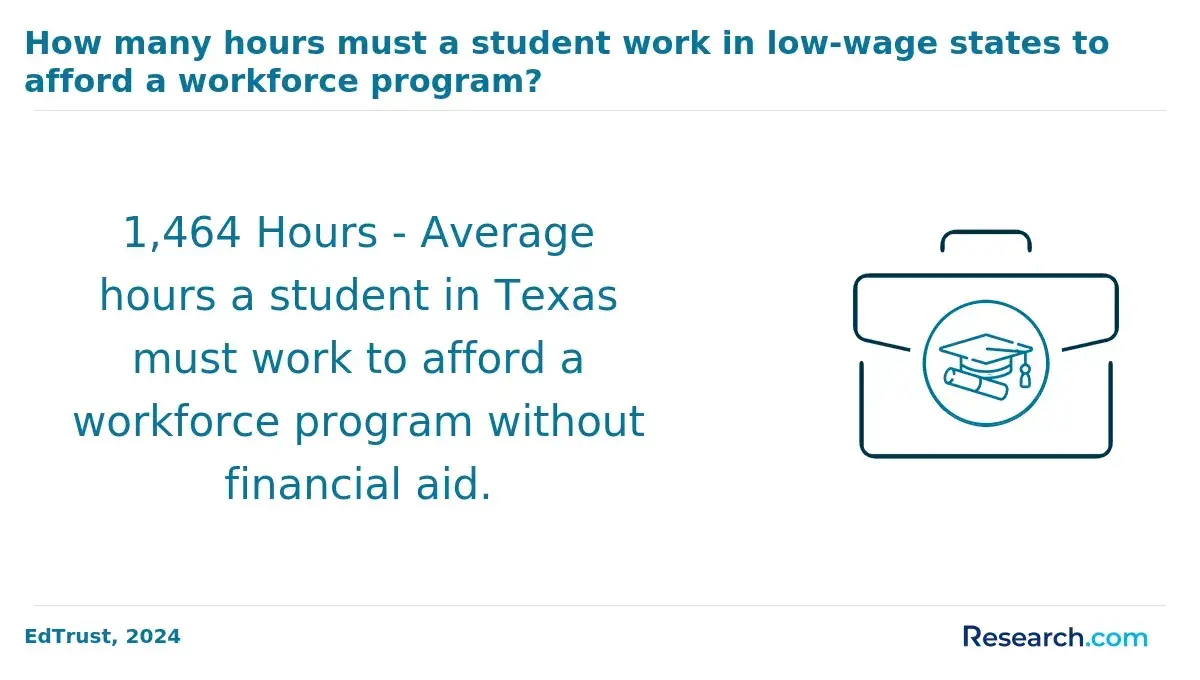
Accreditation is one of the most important quality filters because it affects credit transfer, employer confidence, eligibility for federal financial aid, and, in some cases, licensure-related education review. At a minimum, the college or university should hold institutional accreditation recognized by the U.S. Department of Education or the Council for Higher Education Accreditation.
Program-level accreditation can also matter, but its importance depends on degree level and career goal. ABET accreditation is most relevant for undergraduate engineering and engineering technology programs that prepare students for technical practice or licensure pathways. Many graduate engineering management programs are not ABET-accredited, so students should evaluate curriculum quality, faculty credentials, outcomes, and employer alignment instead of assuming ABET is always required.
Use the following quality checks before applying, especially if you plan to use employer tuition benefits or federal aid.
- Confirm the institution's accreditation status directly through a recognized accreditation database, not only through marketing pages.
- Ask whether the online transcript and diploma differ from the campus version, because most reputable universities do not label the degree as "online."
- Review faculty backgrounds for engineering industry experience, research expertise, project leadership, or operations management experience.
- Check whether the curriculum includes a capstone, applied project, or portfolio that lets you demonstrate technical-business problem-solving to employers.
- Verify credit transfer, employer reimbursement rules, military benefits, and state authorization if you live outside the school's home state.
Students comparing adjacent technical fields should apply the same accreditation logic; for example, anyone evaluating the cheapest online environmental science degree should still look beyond sticker price to accreditation, curriculum fit, and career alignment.
What courses and technical-business skills are taught in engineering management programs?
Engineering management curriculum is designed to turn technical professionals into decision-makers who understand both engineering constraints and business consequences. The strongest programs do not replace engineering knowledge with generic management theory; they teach students how to lead technical work under real cost, schedule, quality, safety, and risk limits.
The table below summarizes common course areas and the practical skills they are meant to build.
| Course area | What students learn | Why it matters at work |
| Engineering project management | Scope, scheduling, budgeting, risk, stakeholder communication, and project controls. | Helps managers deliver technical work without losing control of time, cost, or quality. |
| Systems engineering | Requirements, integration, lifecycle thinking, verification, and trade-off analysis. | Supports complex products, infrastructure, software-enabled systems, and regulated projects. |
| Operations and supply chain | Process improvement, capacity, logistics, procurement, lean methods, and quality systems. | Prepares graduates for manufacturing, energy, logistics, and production leadership. |
| Finance for engineers | Cost estimation, capital budgeting, ROI analysis, and financial decision-making. | Allows technical leaders to justify investments and communicate with executives. |
| Data analytics and decision models | Forecasting, optimization, simulation, dashboards, and evidence-based decisions. | Supports AI-enabled operations, predictive maintenance, and performance management. |
| Leadership and organizational behavior | Team dynamics, negotiation, ethics, communication, and change management. | Helps technical experts lead people, not just solve technical problems. |
Current programs increasingly include analytics, automation, AI-enabled decision tools, cybersecurity awareness, and digital product development. That shift reflects how engineering managers now lead cross-functional teams that include software developers, data analysts, vendors, compliance specialists, and business stakeholders.
If your goals are more operations-focused than engineering-specific, compare engineering management with the best MBA in operations management. The MBA route usually emphasizes enterprise strategy, finance, and organizational leadership, while engineering management keeps the technical system at the center of the curriculum.
What are the typical admission requirements for online engineering management degrees?
Admission requirements vary by school and degree level, but online engineering management programs generally look for evidence that you can handle quantitative coursework and apply management concepts to technical problems. Graduate programs often prefer applicants with an engineering, computer science, math, physical science, or closely related background.
Common application requirements usually include the following items, though exact policies differ by institution.
- Bachelor's degree from an accredited institution, often in engineering, engineering technology, computer science, or another STEM field.
- Official transcripts showing adequate preparation in math, statistics, science, computing, or engineering fundamentals.
- Professional resume documenting technical, project, military, operations, or supervisory experience.
- Statement of purpose explaining career goals and why engineering management fits those goals.
- Letters of recommendation from supervisors, faculty, or technical leaders who can evaluate your readiness.
- GRE or GMAT scores only when required; many online programs now make standardized tests optional or waive them for experienced applicants.
Applicants without an engineering background should ask admissions advisors whether bridge courses are required. Some schools allow non-engineers to enroll after completing prerequisites in calculus, statistics, programming, physics, or engineering economics, while others expect applicants to already have substantial technical experience.
The most common mistake is applying only to programs with the lowest published tuition without checking prerequisites. If you need several bridge courses, your real timeline and cost may be higher than expected. Before applying, request a written prerequisite review and ask whether prior graduate credits, professional certifications, or military training can reduce the number of required courses.
How long do online engineering management programs take and what do they cost?
Most online master's programs in engineering management require about 30 to 36 graduate credits. Full-time students may finish in roughly one to two years, while part-time working professionals often take two to three years. Bachelor's programs take longer, but transfer credits from community colleges, prior engineering technology coursework, or military training can shorten the timeline.
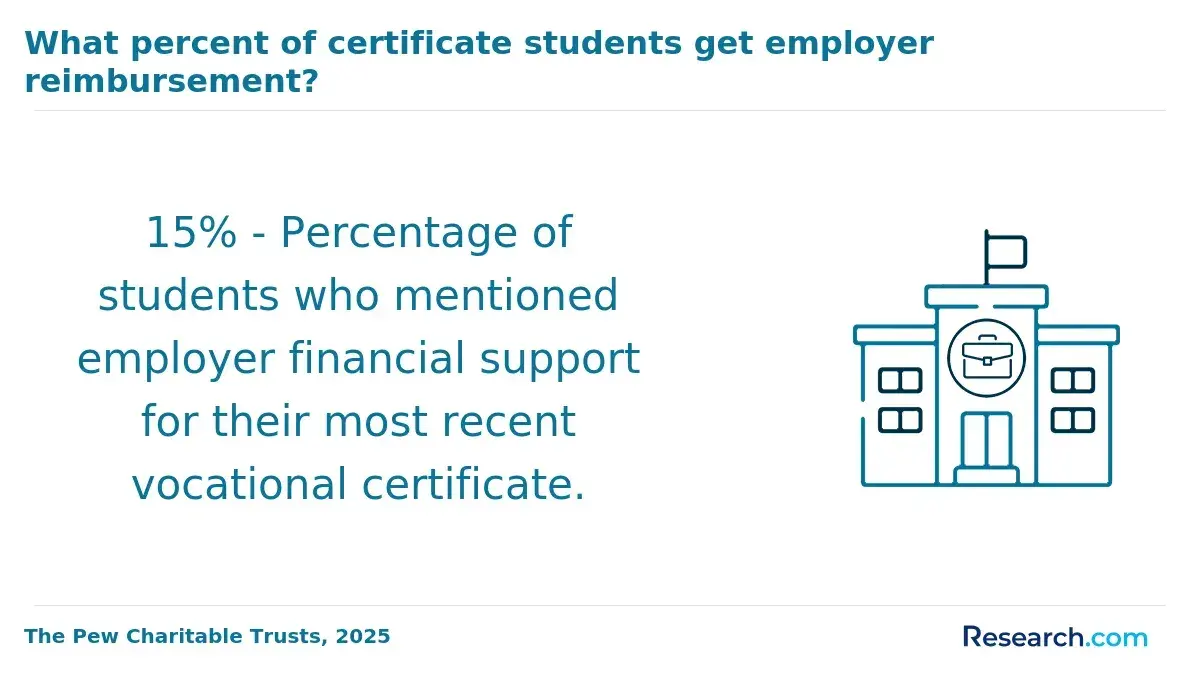
Cost depends on tuition rate, residency rules, fees, transfer credits, course load, books, software, and whether you can keep working while enrolled. NCES data published in 2024 show that average graduate tuition and required fees for public institutions were lower than for private nonprofit institutions in the 2022-23 academic year, but individual online programs can vary widely from those averages.
When comparing costs, look at the total degree price rather than the per-credit rate alone. The following cost categories are the ones most likely to change your real out-of-pocket expense.
- Tuition per credit and total required credits.
- Online learning, technology, graduation, and proctoring fees.
- Books, software licenses, simulation tools, or analytics platforms.
- Residency or travel costs if the program requires an in-person orientation or capstone.
- Employer tuition reimbursement, scholarships, veterans benefits, grants, and federal student aid eligibility.
- Lost income if you reduce work hours to study full time.
The table below shows common timeline and cost trade-offs. It is not a price list for specific schools; it is a framework for evaluating how program format affects affordability and completion speed.
| Program choice | Typical advantage | Potential trade-off |
| Accelerated online master's | Finishes faster and may reduce the time before seeking promotion. | Heavier weekly workload can be difficult for full-time employees. |
| Part-time online master's | Easier to balance with work and family obligations. | Longer completion time may delay career benefits. |
| Public university online program | May offer lower tuition, especially with favorable online residency policies. | Course availability and cohort size can vary. |
| Private nonprofit online program | May offer flexible start dates, advising, and strong professional networks. | Published tuition may be higher, so aid and employer support matter. |
| Graduate certificate first | Lets students test the field before committing to a full degree. | May not carry the same promotion value as a full master's degree. |
A smart affordability strategy is to ask each school for a full degree cost estimate in writing. Include all required courses, fees, transfer credit decisions, and expected aid assumptions so you can compare programs on equal terms.
What career paths and job titles can graduates in engineering management pursue?
Engineering management graduates often pursue roles that sit between technical execution and business leadership. They may not design every component themselves, but they must understand enough engineering detail to evaluate trade-offs, remove bottlenecks, communicate risk, and guide teams toward practical solutions.
The table below connects common job titles with the responsibilities employers often expect from engineering management graduates or experienced technical professionals.
| Career path | Typical responsibilities | Common industries |
| Engineering manager | Lead engineering teams, manage technical roadmaps, coordinate budgets, and align projects with business goals. | Manufacturing, software, aerospace, energy, construction, electronics. |
| Technical project manager | Manage scope, schedules, vendors, risk, and cross-functional communication for engineering projects. | Technology, infrastructure, defense, healthcare technology, telecommunications. |
| Product manager for technical products | Translate customer needs into product requirements and coordinate engineering, design, finance, and marketing input. | Software, hardware, medical devices, industrial equipment, clean technology. |
| Operations or process improvement manager | Improve production systems, quality, throughput, cost control, and supply chain performance. | Manufacturing, logistics, energy, consumer products, advanced materials. |
| Systems engineering lead | Oversee requirements, integration, lifecycle planning, testing, and technical risk on complex systems. | Aerospace, defense, automotive, infrastructure, robotics. |
Some graduates use the degree to move into specialized sectors. For example, technical professionals interested in hospital operations, medical technology implementation, or clinical systems leadership may also compare engineering management with an online masters in healthcare management, depending on whether they want to lead technical systems or healthcare organizations more broadly.
Career fit depends on your starting point. Engineers with several years of experience may use the degree to move into management. Recent graduates may first need roles such as project coordinator, process engineer, quality engineer, systems analyst, operations analyst, or manufacturing supervisor before becoming competitive for higher-level management positions.
What are typical salaries for engineering management graduates and experienced professionals?
Engineering management can lead to strong compensation, but salary depends on role scope, industry, location, technical specialization, and years of experience. A degree may support advancement, but it does not replace the value of leading real projects, managing budgets, and supervising technical teams.
For a reliable benchmark, BLS reported a 2024 median annual wage of $167,740 for architectural and engineering managers. Readers should treat that figure as a midpoint for a broad occupational category, not as a guaranteed outcome for new graduates or career changers.
The table below explains how salary expectations typically differ by career stage without overstating what a degree alone can produce.
| Career stage | Common role examples | Salary context |
| Early technical career | Project coordinator, quality engineer, process analyst, junior systems engineer. | Pay is usually tied more to technical discipline and industry than to management credentials. |
| Mid-career transition | Technical project manager, lead engineer, operations supervisor, product owner. | Compensation may rise when the role includes budget, schedule, vendor, or team accountability. |
| Experienced management | Engineering manager, systems engineering manager, plant engineering manager. | BLS engineering manager wage data are most relevant to this stage, especially when duties include formal leadership. |
| Senior leadership | Director of engineering, VP of operations, technical program executive. | Pay can vary significantly because bonuses, equity, and profit responsibility may become part of compensation. |
To evaluate ROI, compare likely salary movement in your target industry with the total degree cost and time required. If your employer requires a master's degree for management promotion, the case may be stronger. If you are early in your career and lack technical experience, a certificate plus work experience may be a lower-risk first step.
What is the job outlook and industry demand for engineering management roles?
Demand for engineering management roles is shaped by infrastructure investment, advanced manufacturing, energy systems, software-driven products, automation, cybersecurity, and supply chain modernization. Employers need leaders who can translate complex technical work into business decisions and keep multidisciplinary teams aligned.
BLS projects employment for architectural and engineering managers to grow 4% from 2024 to 2034. That is a moderate outlook, so students should not assume the degree alone will create opportunity; the strongest candidates combine the credential with technical credibility, project experience, and industry-specific knowledge.
Several current trends are changing what employers expect from engineering managers. These trends are important because they influence which electives, projects, and certifications may be most valuable.
- AI and automation are increasing demand for managers who can evaluate data-driven tools, manage implementation risk, and understand where human oversight remains necessary.
- Digital engineering and model-based systems engineering are making systems thinking, requirements management, and cross-functional documentation more important.
- Resilient supply chains are pushing operations leaders to understand sourcing risk, supplier quality, logistics data, and cost trade-offs.
- Clean energy, electrification, and infrastructure modernization are creating opportunities for managers who understand both technical systems and regulatory constraints.
- Cybersecurity and product safety concerns are requiring technical leaders to coordinate with legal, compliance, IT, and risk management teams earlier in the project lifecycle.
The practical takeaway is to choose electives and projects that match a hiring market, not just general interest. A student targeting manufacturing leadership may benefit from lean systems and supply chain analytics, while a student targeting software-enabled products may need product management, data governance, and agile delivery experience.
How can prospective students choose a reputable online engineering management program?
A reputable online engineering management program should be transparent, academically credible, and aligned with the career you want. Rankings can be useful, but they should not replace direct checks on accreditation, curriculum, faculty, cost, student support, and outcomes.
Use the following step-by-step process to compare programs before enrolling.
- Define your target role first, such as engineering manager, technical project manager, product manager, operations manager, or systems lead.
- Match the curriculum to that role by checking required courses, electives, capstone topics, and tools used in class.
- Verify institutional accreditation and, for undergraduate engineering-related programs, whether program-level accreditation matters for your goal.
- Ask for total program cost, including tuition, fees, books, software, travel, and expected transfer credit decisions.
- Review faculty profiles and look for instructors with engineering leadership, systems, operations, analytics, or applied research expertise.
- Check online student support, including advising, tutoring, library access, career services, technical support, and networking opportunities.
- Ask admissions or career services for examples of employer partnerships, capstone sponsors, alumni roles, or recent graduate outcomes.
- Compare flexibility carefully, including asynchronous courses, live sessions, start dates, course load options, and maximum time to completion.
Also watch for red flags. Be cautious if a school is vague about accreditation, refuses to provide total cost estimates, advertises unrealistic salary outcomes, lacks faculty transparency, or pressures you to enroll before you understand transfer credits and financial aid.
The best program is not always the fastest, cheapest, or highest-ranked. It is the one that gives you credible training, manageable cost, relevant projects, and a realistic path from your current experience to your target technical leadership role.
Other Things You Should Know About Engineering Management
Usually no. Licensure is not a standard admission requirement for most engineering management programs. However, if your career goal involves signing engineering plans or regulated design work, check state licensing rules separately.
Most programs include accounting, finance, project management, operations, and organizational leadership alongside technical courses. Many require 30 to 36 credit hours for the master’s degree, with one capstone or practicum course that applies business analysis to an engineering management problem.
Yes, in 2027, many online engineering management programs are designed to accommodate full-time professionals. They offer flexible schedules and asynchronous coursework, enabling students to balance their studies with work commitments effectively without sacrificing their job responsibilities.
References
- Master’s in Engineering Management: A Blueprint for Career Growth https://engineeringmanagement.org/masters-in-engineering-management/
- Masters in Engineering Management Requirements: Everything You Need to Know https://authory.com/ErinCates/a/Masters-in-Engineering-Management-Requirements-Everything-You-Need-to-Know-a042e88d7bca1448f933a87eb4d386d43
- What are the job opportunities after a Master’s in Engineering Management in the USA? https://mentr-me.com/question/what-are-the-job-opportunities-after-a-masters-in-enginee
- Best Online Master’s Programs in Engineering Management https://www.onlinemastersdegrees.org/best-programs/engineering/engineering-management/
- Master of Engineering Management (online) | Faculty of Engineering https://www.uottawa.ca/faculty-engineering/online-programs/master-engineering-management
- Job Market Trends for Engineering Management Graduates in Germany | BSBI https://www.berlinsbi.com/blog/job-market-trends-for-engineering-management-graduates-in-germany
- Engineering Management Degrees Online (MSEM, MEM) https://www.onlineengineeringprograms.com/management
- Engineering Management Career | MEMPC https://www.mempc.org/engineering-management-career/
- Online Master of Science in Engineering Management | LSU New Orleans https://www.lsuneworleans.edu/academics/coe/engineering-management