2027 Online Engineering Management Degrees That Prepare Students for Long-Term Professional Growth

Co-Founder and Chief Data Scientist
Engineers who want leadership roles often face a hard choice, stay technical, move into management, or pursue a broader business degree. The decision matters because the U.S. Bureau of Labor Statistics projects architectural and engineering manager employment to grow 6% from 2023 to 2033, faster than the average for all occupations.
This guide is for working engineers, STEM graduates, and technical professionals comparing online engineering management degrees. You will learn how programs work, what they cost, how they compare with MBAs, and how to choose a degree that supports long-term career growth.
Key Things You Should Know
- Online engineering management degrees usually serve working engineers who want to lead technical teams, products, operations, systems, or infrastructure projects without leaving the engineering field.
- The BLS reported a May 2024 median annual wage of $167,740 for architectural and engineering managers, but pay varies by industry, region, employer size, and prior technical experience.
- Before enrolling, verify institutional accreditation, engineering or business accreditation where relevant, total program cost, employer tuition support, and whether the curriculum matches your target role.
What is an online engineering management degree and how does it differ from an MBA?
An online engineering management degree is a graduate or undergraduate program that blends engineering, technology, operations, leadership, finance, project management, and decision analytics. At the graduate level, common degree names include Master of Engineering Management, Master of Science in Engineering Management, and Master of Engineering with an engineering management concentration. Some schools also offer bachelor's completion programs or graduate certificates that can later stack into a master's degree.
The core difference from an MBA is focus. An MBA is designed for broad business leadership across industries, while engineering management is built for technical decision-making in engineering-heavy environments such as manufacturing, construction, energy, aerospace, software, transportation, medical devices, and infrastructure. If your goal is to manage engineers, evaluate technical trade-offs, lead product development, or connect design teams with business strategy, engineering management is usually more targeted.
The distinction matters because employers may evaluate your degree through the lens of the role. A technical program can strengthen credibility with engineers, while an MBA can be better for corporate finance, consulting, general management, or executive roles outside engineering. Students comparing supply chains, process improvement, and technical operations may also want to compare an operations management MBA with an engineering management degree before choosing.
This comparison summarizes the practical fit of each path. Use it to decide whether you need deeper technical leadership preparation or broader business mobility.
| Factor | Online engineering management degree | MBA |
| Best fit | Engineers and technical professionals moving into leadership | Professionals seeking broad business, finance, consulting, or executive roles |
| Typical curriculum center | Systems engineering, technical project management, quality, analytics, product development, engineering economics | Accounting, marketing, finance, strategy, organizational behavior, operations |
| Career direction | Engineering manager, technical program manager, systems lead, manufacturing manager, product development leader | Business manager, consultant, operations leader, product manager, general manager |
| Technical depth | Higher, especially in quantitative and engineering-specific courses | Varies by concentration; usually less engineering-specific |
| When it may not fit | If you want to leave technical fields entirely | If you need credibility leading complex engineering design or systems work |
How do online engineering management programs work and compare to on-campus formats?
Online engineering management programs are usually designed for adults who are already employed. Courses may be asynchronous, synchronous, or hybrid. Asynchronous classes let students complete weekly work on their own schedule, while synchronous programs include live evening sessions, team meetings, presentations, or scheduled exams. Many programs use case studies, simulations, group projects, capstones, and applied assignments based on real workplace problems.
Online and campus formats can lead to the same credential when offered by the same accredited institution, but the experience is different. Online study offers flexibility and can reduce relocation or commuting costs, campus study may offer easier access to labs, faculty events, recruiting sessions, and peer networking. For students still building an engineering foundation, an engineering online degree may be a better starting point than a management-focused program.
The best format depends on schedule, learning style, career stage, and access to local employers. The table below highlights the trade-offs that most affect working professionals.
| Decision point | Online format | On-campus format |
| Schedule | Best for working students who need evening, weekend, or self-paced study | Best for students who can attend classes at fixed times |
| Networking | Often built through virtual teams, cohort chats, residencies, and alumni platforms | Often easier through in-person events, labs, and campus recruiting |
| Cost structure | May reduce commuting, relocation, and lost-income costs | May add relocation or commuting costs but can provide local campus access |
| Learning environment | Requires strong self-management and comfort with digital tools | Provides more physical structure and immediate face-to-face interaction |
| Best use case | Career advancement while employed | Full-time study, campus recruiting, or programs requiring physical labs |
Students should also ask how online exams are proctored, whether group projects require real-time meetings, and whether the diploma or transcript distinguishes online delivery. In many reputable programs, the transcript does not label the degree as online, but policies vary by school.
Which accreditations should online engineering management degrees have in the United States?
The most important accreditation for any U.S. online engineering management degree is institutional accreditation from an agency recognized by the U.S. Department of Education or the Council for Higher Education Accreditation. This affects federal financial aid eligibility, transferability, graduate school recognition, and employer confidence. Programmatic accreditation may also matter, but its relevance depends on the degree level and professional goal.
Engineering management sits between engineering and business, so accreditation can be more nuanced than in fields with a single required accreditor. For bachelor's engineering programs, ABET accreditation can be important for engineering licensure pathways, especially if the program is an engineering degree rather than a management degree. At the graduate level, ABET is less common for management-oriented programs, so students should focus on institutional accreditation, faculty qualifications, curriculum fit, and employer recognition.
Some interdisciplinary or management-heavy programs may also hold business accreditation through AACSB, ACBSP, or IACBE, particularly when housed in a business school. That can be useful, but it does not replace engineering rigor. By contrast, some fields have a very specific programmatic accreditor; for example, health information students often look for the best online CAHIIM accredited health information management degree programs because that field has different credentialing expectations.
Use the following checks before applying. They help prevent one of the most costly mistakes: enrolling in a program that sounds reputable but does not support your financial aid, transfer, licensure, or career goals.
- Confirm the school's institutional accreditation through the U.S. Department of Education's recognized accreditation database or the accreditor's official site.
- Ask whether the specific degree program has engineering, business, or project management accreditation and whether that accreditation matters for your target role.
- If you may pursue a Professional Engineer license, verify state board education rules before enrolling because licensure requirements vary by state.
- Check whether credits can transfer into a higher degree or whether certificate credits can stack into the master's program.
- Ask employers, alumni, or hiring managers in your target industry whether the program is known and respected.
What admission requirements and prior experience do online engineering management programs expect?
Admissions expectations vary by school and degree level, but most graduate engineering management programs prefer applicants with a bachelor's degree in engineering, computer science, mathematics, physics, technology, or another quantitative field. Some programs accept non-engineering applicants if they have technical work experience or complete prerequisite courses in calculus, statistics, programming, or engineering fundamentals.
Work experience is often valued because the curriculum assumes students can connect management concepts to technical teams and real projects. Some programs admit recent graduates, while others are built for professionals with several years of engineering, operations, quality, systems, software, or project experience. GRE requirements have become less common in many professional master's programs, but selective schools may still require or recommend scores.
Applicants should prepare for several common requirements. These materials help schools judge whether students can handle quantitative coursework and contribute to applied team-based learning.
- Bachelor's degree from an accredited institution, often with a preferred STEM or technical major.
- Official transcripts showing quantitative preparation such as calculus, statistics, engineering analysis, programming, or operations coursework.
- Resume documenting engineering, technology, operations, military, manufacturing, construction, or project experience.
- Statement of purpose explaining career goals and why engineering management fits those goals.
- Letters of recommendation from supervisors, faculty, project leads, or technical managers.
- GRE or GMAT scores if required, though many online professional programs waive standardized tests.
- English proficiency scores for applicants whose prior education was not in English.
A strong applicant profile does not always mean having a management title already. Schools often look for evidence of leadership potential: mentoring junior engineers, coordinating vendors, owning a technical workstream, improving a process, leading a design review, or translating technical constraints for nontechnical stakeholders.
How long do online engineering management degrees take and what do they cost?
Most online master's degrees in engineering management require about 30 to 36 credits. Full-time students may finish in about one to two years, while working professionals often choose a part-time pace that takes two to four years. Bachelor's completion timelines vary much more because they depend on transfer credits, general education requirements, and whether the student already has an associate degree or prior engineering coursework.
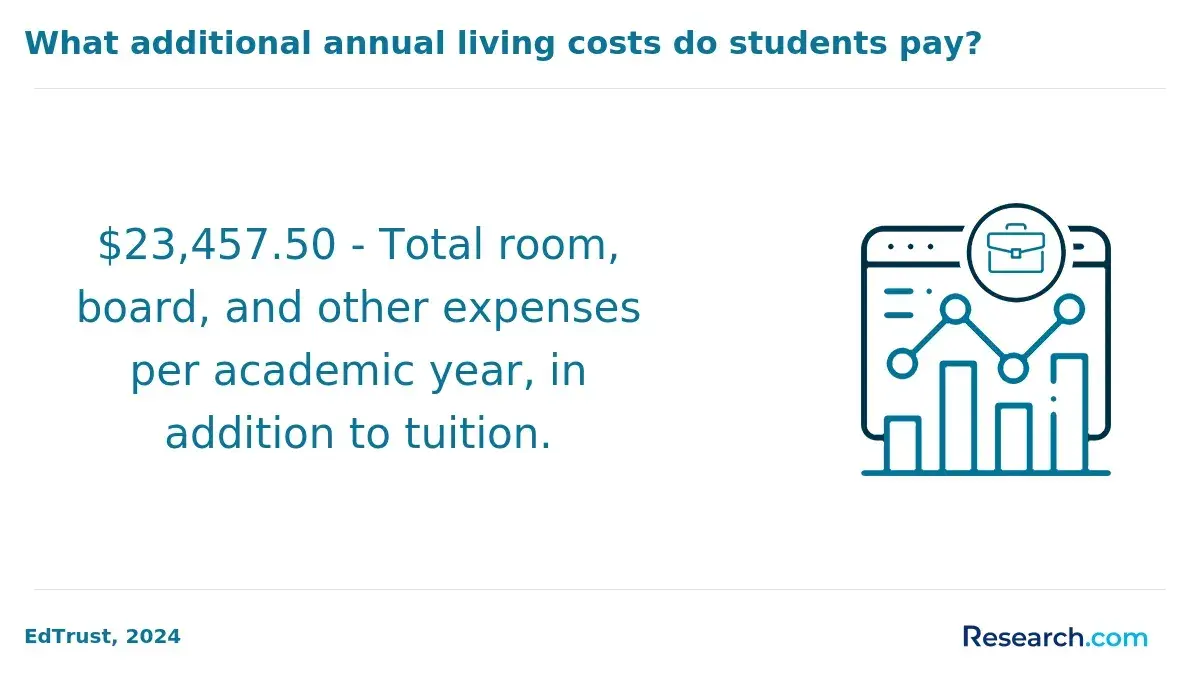
Cost depends on tuition per credit, required credits, residency rules, technology fees, books, course materials, proctoring fees, travel for residencies, and the number of terms enrolled. A program with a lower per-credit tuition can still cost more if it requires more credits or charges high mandatory fees. Students using loans should also factor in interest: Federal Student Aid set the 2024-25 Direct Unsubsidized Loan interest rate for graduate and professional students at 8.08%, which makes borrowing strategy an important part of ROI.
Instead of comparing tuition headlines only, calculate the complete attendance cost. The categories below are the costs most likely to change the real price of an online engineering management degree.
- Tuition per credit multiplied by the total number of required credits.
- Mandatory online, technology, student services, graduation, transcript, and proctoring fees.
- Books, software, simulation platforms, technical tools, and certification exam materials.
- Residency, orientation, or campus visit costs if the program has in-person requirements.
- Lost income if you reduce work hours to study full time.
- Loan interest, origination fees, and repayment timeline if you borrow.
- Employer tuition assistance rules, including grade minimums and post-completion work commitments.
The following table gives a practical way to think about time and cost trade-offs. It is not a substitute for each school's official cost of attendance, but it shows how pacing choices affect affordability and career momentum.
| Path | Typical pace | Cost trade-off | Best fit |
| Full-time master's | Heavier course load over a shorter period | Faster completion but may reduce work hours or income | Students with savings, employer support, or a clear near-term promotion goal |
| Part-time master's | One or two courses per term | Slower completion but easier to fund while employed | Working engineers balancing job, family, and tuition payments |
| Graduate certificate first | Small set of focused courses | Lower initial commitment if credits stack into a degree | Students testing the field or targeting a specific skill gap |
| Bachelor's completion | Depends heavily on transfer credits | Can be efficient with generous transfer policies | Technicians, military personnel, or working adults finishing a degree |
A common mistake is assuming the fastest program has the best return. An accelerated path can be valuable if it leads to a timely promotion, but it can backfire if the workload lowers grades, limits networking, or forces unnecessary borrowing.
What courses and specializations are typically offered in online engineering management programs?
Engineering management curricula are built around the problems technical leaders face: deciding which projects deserve investment, coordinating engineers and business teams, managing risk, improving quality, launching products, and using data to make better operational decisions. Courses are usually more quantitative than a general management curriculum but more leadership-focused than a traditional engineering master's.
Most programs combine core management courses with electives. Students targeting technical program management, product leadership, manufacturing operations, systems engineering, or construction leadership should compare elective depth carefully, because two programs with the same degree title can prepare students for different roles.
Common course areas include the following. These subjects are useful because they connect engineering expertise with planning, finance, team leadership, and execution.
- Engineering economics and financial decision-making for technical projects.
- Project and program management for complex engineering work.
- Systems engineering and lifecycle management.
- Operations research, supply chain, logistics, and process optimization.
- Quality management, Six Sigma, reliability, and continuous improvement.
- Data analytics, decision modeling, forecasting, and risk analysis.
- Product development, innovation management, and technology commercialization.
- Leadership, organizational behavior, communication, and negotiation for technical teams.
- Capstone projects that solve an applied engineering or operations problem.
Specializations can help students signal a clearer career direction. Project-heavy students who want a broader non-engineering alternative may also compare a best online project management degree with engineering management, especially if they plan to manage projects across multiple industries rather than lead engineering teams specifically.
The table below shows how common concentrations connect to career goals. It can help you avoid choosing electives that sound interesting but do not support your next role.
| Specialization | What it emphasizes | Career alignment |
| Systems engineering | Requirements, architecture, integration, lifecycle risk | Aerospace, defense, infrastructure, software-intensive systems |
| Technical project management | Scope, schedule, budget, stakeholders, agile or hybrid delivery | Technical program manager, project engineering lead, PMO roles |
| Manufacturing and quality | Lean, Six Sigma, process control, reliability, continuous improvement | Manufacturing manager, quality manager, operations leader |
| Product development | Innovation, design decisions, market fit, commercialization | Product engineering manager, R&D lead, product operations |
| Data and decision analytics | Modeling, optimization, forecasting, risk, performance metrics | Operations analytics, decision support, technical strategy roles |
What careers can an online engineering management degree lead to in engineering fields?
An online engineering management degree can support advancement from individual contributor roles into technical leadership, but it is usually not an entry ticket to management by itself. Employers often look for a combination of engineering credibility, project ownership, communication skills, budgeting awareness, and the ability to lead cross-functional teams. The degree is most powerful when paired with relevant work experience.
Graduates may work in industries such as manufacturing, aerospace, energy, construction, civil infrastructure, defense, robotics, software, telecommunications, transportation, medical technology, and environmental engineering. In these settings, engineering managers translate business goals into technical priorities and help technical teams deliver reliable, safe, cost-effective solutions.
These are common career directions associated with engineering management training. Exact titles vary widely by employer, so focus on responsibilities rather than title alone.
- Engineering manager leading engineers, designers, analysts, or technical specialists.
- Technical project manager coordinating engineering scope, schedules, vendors, budgets, and stakeholders.
- Technical program manager overseeing multiple related projects or product workstreams.
- Manufacturing or operations manager improving throughput, quality, safety, and process performance.
- Systems engineering lead coordinating requirements, architecture, integration, verification, and lifecycle risk.
- Product development manager guiding technical design decisions, launch planning, and cross-functional execution.
- Quality or reliability manager responsible for standards, testing, root-cause analysis, and continuous improvement.
- Engineering consultant advising clients on process, systems, infrastructure, technology, or operations improvements.
The table below connects roles with typical responsibilities. It can help you decide whether you need a management degree, a technical master's, a certificate, or more direct project experience.
| Role | Typical responsibilities | When the degree helps most |
| Engineering manager | Set priorities, manage staff, allocate resources, review technical decisions, coordinate with business leaders | When moving from senior engineer to people or department leadership |
| Technical project manager | Track scope, cost, schedule, risk, vendors, and stakeholder communication | When you already understand technical work but need stronger delivery and business skills |
| Systems lead | Manage requirements, interfaces, verification, integration, and lifecycle trade-offs | When projects involve complex interdependent technologies |
| Operations or manufacturing manager | Improve production, quality, reliability, capacity, and continuous improvement systems | When your target roles involve plants, supply chains, equipment, or process optimization |
| Product development leader | Connect engineering feasibility, user needs, budgets, schedules, and launch goals | When you want to bridge R&D, engineering, product, and business teams |
Students should be realistic about timing. A degree can make you more competitive, but most management promotions also depend on performance history, trust, leadership evidence, and openings within the organization.
What salary ranges and earning potential do engineering management graduates typically see?
Engineering management pay can be strong because it combines technical expertise with leadership responsibility. The most relevant national benchmark is the BLS architectural and engineering managers occupation, which had a May 2024 median annual wage of $167,740. That figure is not a guaranteed outcome for degree holders; it represents workers in a defined occupation across industries, education levels, regions, and experience levels.
Salary potential depends on what you manage. Leaders responsible for large budgets, regulated systems, revenue-generating products, safety-critical infrastructure, or specialized engineering teams often have higher earning potential than supervisors of smaller teams. Location also matters because engineering management pay is shaped by local industry clusters, cost of labor, and employer competition.
The table below explains how career stage usually affects compensation. Use it as a decision framework rather than a promise of specific earnings.
| Career stage | Typical profile | Salary context |
| Early technical lead | Senior engineer, team lead, project engineer, or workstream owner | Often still benchmarked close to senior individual contributor pay |
| First-line engineering manager | Manages engineers, project priorities, reviews, hiring input, and delivery expectations | May move closer to management pay bands as people and budget responsibility increase |
| Program or department leader | Owns multiple projects, budgets, vendors, product lines, or functional teams | Usually more influenced by business impact, industry, and organization size |
| Director or senior technical executive | Sets technical strategy, staffing models, investment priorities, and enterprise-level decisions | Can exceed national occupational medians, especially in high-value industries |
To evaluate ROI, compare the total cost of the degree with the realistic role you can reach in your current market. If you already have strong technical experience and your employer promotes from within, the degree may support a shorter advancement path. If you lack engineering experience, a management degree alone may not produce the same wage effect.
How is the job outlook for engineering managers and related leadership roles?
The job outlook is positive but selective. The BLS projects employment for architectural and engineering managers to grow 6% from 2023 to 2033, which suggests steady demand for leaders who can manage complex technical work. For students, the key takeaway is that opportunities are likely to favor professionals who combine engineering depth with communication, budgeting, digital tools, and cross-functional leadership.
Several trends are shaping demand. AI and automation are changing engineering workflows, but they do not remove the need for managers who can validate technical decisions, manage risk, protect quality, and align teams around business priorities. Infrastructure modernization, advanced manufacturing, clean energy, cybersecurity, semiconductor investment, and software-enabled products continue to create technical coordination challenges that require capable engineering leaders.
Students preparing for long-term growth should build skills that remain useful even as tools change. The most durable skill areas include the following.
- Systems thinking to understand how technical, financial, operational, safety, and customer requirements interact.
- Data-informed decision-making using metrics, forecasts, dashboards, and risk models.
- Communication that translates complex engineering issues for executives, clients, regulators, and nontechnical teams.
- Change management for automation, digital transformation, process improvement, and organizational redesign.
- Ethical and safety-focused judgment in environments where technical errors can create financial, legal, or public risks.
- Talent leadership, including hiring, mentoring, performance feedback, and conflict resolution among specialized professionals.
The outlook is not the same in every engineering field. Software, energy, defense, advanced manufacturing, and infrastructure may have different hiring cycles, and management openings often depend on retirements, restructuring, project funding, or growth inside a specific employer.
How can students evaluate and choose a reputable online engineering management program?
Choosing a reputable online engineering management program requires more than comparing rankings. The right program should match your technical background, career goal, schedule, budget, and preferred industry. A highly ranked program may be a poor fit if it lacks your target specialization, does not support part-time study, or requires prerequisites you do not have.
Start by defining the role you want after graduation. A manufacturing supervisor, civil infrastructure project lead, software technical program manager, and aerospace systems lead may all benefit from engineering management, but they need different electives, faculty expertise, tools, and networks.
Use this step-by-step process to compare programs in a disciplined way. It will help you avoid common red flags and focus on career fit rather than marketing claims.
- Verify institutional accreditation before reviewing curriculum, cost, or admissions claims.
- Match the curriculum to your target role by checking required courses, electives, capstone options, and faculty expertise.
- Calculate total cost using tuition, fees, books, software, residencies, loan interest, and time away from work.
- Ask whether online students receive the same career services, advising, library access, alumni network, and employer connections as campus students.
- Review admissions prerequisites to confirm you are academically prepared for quantitative courses.
- Check flexibility details, including asynchronous access, live meeting requirements, term length, leave policies, and maximum completion time.
- Ask about outcomes carefully, including promotion patterns, industries represented by alumni, internship options, and employer partnerships, without assuming results are guaranteed.
- Confirm whether certificate credits, transfer credits, military credits, or prior graduate credits can reduce time or cost.
- Speak with current students or alumni if possible to learn how demanding the workload is while employed.
- Avoid programs that are vague about accreditation, total cost, faculty credentials, student support, or degree requirements.
The table below lists red flags and better alternatives. It is especially useful when two programs look similar on the surface.
| Red flag | Why it matters | Better alternative |
| Only the advertised tuition is easy to find | Fees, required tools, and residency costs can change the true price | Request a full cost-of-attendance estimate before applying |
| No clear accreditation information | Financial aid, employer recognition, and credit transfer may be affected | Verify accreditation through official recognized sources |
| Generic management curriculum with little engineering content | It may not build technical leadership credibility | Choose courses tied to engineering economics, systems, quality, analytics, or technical projects |
| No details about online student support | Working students need advising, tech help, career services, and faculty access | Ask for online-specific support policies and response times |
| Promises of guaranteed promotion or salary | Outcomes depend on experience, employer, industry, and region | Look for transparent, verifiable outcomes and realistic career guidance |
The best program is the one that helps you solve a specific career problem: moving from engineer to manager, managing larger projects, leading technical operations, or preparing for a higher-responsibility role. If a program cannot explain how its curriculum supports that goal, keep comparing.
Other Things You Should Know About Engineering Management
Yes. Many engineering management roles do not require a PE license, especially in software, manufacturing, technology, operations, and product development. However, licensure can matter in civil, structural, environmental, or public-safety-related engineering work, so check state board and employer requirements.
A certificate can be a smart first step if you want focused skills without committing to a full master's degree. It is most valuable when credits can transfer into a related degree and when the courses address a clear career gap such as project leadership, systems engineering, or quality management.
Some programs are fully online, while others require short residencies, orientations, labs, intensives, or final presentations. Always confirm travel requirements before enrolling because even a brief campus visit can add costs and scheduling challenges.
Most programs require a bachelor’s degree and prior coursework in calculus, statistics, and core engineering subjects. Some also ask for a minimum 2.75 to 3.0 GPA, while students without an engineering degree may need bridge courses in operations, finance, or systems analysis before full admission.
References
- Best Online Master’s Programs in Engineering Management https://www.onlinemastersdegrees.org/best-programs/engineering/engineering-management/
- Where does an engineers salary usually max out? - Engineering Majors - College Confidential Forums https://talk.collegeconfidential.com/t/where-does-an-engineers-salary-usually-max-out/1791458
- Why Pursue an Online Engineering Management Degree? https://engineeringmanagement.org/online-engineering-management-degree/
- Masters in Engineering Management Requirements: Everything You Need to Know https://authory.com/ErinCates/a/Masters-in-Engineering-Management-Requirements-Everything-You-Need-to-Know-a042e88d7bca1448f933a87eb4d386d43
- The Best Online Master's in Engineering Management Programs - OnlineMasters.com https://www.onlinemasters.com/best-degree-programs/engineering-management/
- Engineering Management Degrees Online (MSEM, MEM) https://www.onlineengineeringprograms.com/management
- Engineering Manager Job Description: Complete Guide for 2026 | Wiz https://www.wiz.io/academy/cloud-careers/engineering-manager-job-description