
2027 Best Fine Arts Degrees for Working Adults

Co-Founder and Chief Data Scientist
Balancing a full-time job with the pursuit of a fine arts degree poses unique challenges for working adults. Many struggle to find flexible programs that accommodate their schedules without sacrificing quality. The National Center for Education Statistics reports that enrollment of nontraditional students in arts programs has grown by 15% over the past decade, highlighting the rising demand for accessible education.
This article explores the best fine arts degrees tailored for working professionals, focusing on accredited programs that combine flexibility with career advancement opportunities, helping readers make informed decisions to achieve their artistic and professional goals.
Key Things to Know About Fine Arts Degrees for Working Adults
- Many fine arts programs offer flexible scheduling, including evening and weekend classes, to accommodate working adults balancing careers and studies.
- Online or hybrid fine arts degrees increase accessibility, with 40% of programs providing virtual critique sessions and digital portfolio reviews for remote learners.
- Accelerated course options and dedicated support services, like career counseling, help working professionals complete degrees efficiently and stay aligned with employer needs.
What Are the Best Fine Arts Degrees for Working Adults?
The best fine arts degrees for working adults vary depending on priorities such as schedule flexibility, career alignment, and return on investment. A growing trend is the rise in adult learners choosing degrees that offer part-time or online formats, allowing for balance between professional and academic commitments. Flexible delivery and practical curriculum are essential for affordable fine arts degree programs for adult learners.
Below are some fine arts degree options designed to accommodate employed students:
- Graphic Design: This degree offers a practical, career-oriented curriculum with multiple remote work opportunities. Project-based learning often allows for self-paced progress, fitting well with busy work schedules.
- Photography: Blending artistic and technical skills, many photography programs feature asynchronous coursework, which helps students manage classes around their professional obligations.
- Animation and Digital Media: High employer demand and strong availability of online programs make this field appealing to career changers seeking growth and flexibility.
- Art Therapy: Combining fine arts and counseling, this specialization usually offers evening or weekend classes to accommodate working adults interested in helping professions.
- Fine Arts - Studio Art: Traditional art studies with options for part-time enrollment and customized portfolios allow working students to balance their education with community collaboration projects.
For those exploring further, some may find value in programs related to other fields, such as online SLP master's programs, which also provide flexible formats for working professionals.
What Are the Admission Requirements for Working Adults in Fine Arts Degree Programs?
Admission requirements for working adults in fine arts degree programs often differ from those for traditional students to better accommodate professional experience and the demands of full-time employment. With over 40% of postsecondary students in the U.S. aged 25 or older, many fine arts degree programs admissions criteria for professionals have adapted to provide more flexible pathways such as part-time and online options. This shift supports adult learners seeking to balance education with career and life responsibilities.
Key considerations for admissions of working adults include:
- Prior Work Experience: Demonstrated professional or artistic experience often strengthens applications and can sometimes replace standard academic prerequisites, acknowledging real-world skills.
- Flexible GPA Expectations: Admissions committees frequently place greater emphasis on recent coursework over cumulative GPA, recognizing that adult learners might have diverse academic backgrounds.
- Standardized Test Waivers: Many programs waive GRE or similar test requirements for applicants with significant experience, reducing barriers to enrollment.
- Professional Recommendations: Letters from supervisors, colleagues, or art collaborators that highlight an applicant's dedication and abilities are commonly encouraged to supplement academic records.
- Part-Time and Online Enrollment: To support working professionals, programs often offer flexible scheduling through part-time and online study options, enabling students to pursue their degrees without pausing their careers.
For those interested in pursuing advanced degrees in other flexible fields, exploring accelerated MSW programs can provide additional pathways designed with working adults in mind.
What Coursework Is Required in Fine Arts Degree Programs for Working Adults?
Coursework in fine arts degree programs for working adults is designed to balance career relevance, practical skills, and flexible learning options. These programs often use online or hybrid formats that allow students to continue full-time employment while advancing their education. Adult learners now make up nearly 40% of all fine arts enrollees, demonstrating the growing need for programs that accommodate busy professionals.
Common coursework areas reflect a combination of creative development and career-focused applications in fine arts degree coursework for working adults:
- Foundations of Fine Arts: Covers essential principles such as design, color theory, and composition. This course builds critical thinking and visual communication skills that apply to both creative and corporate environments.
- Digital Media and Technology: Focuses on industry-standard tools like graphic design software and digital imaging. It helps working professionals stay current with technology to enhance portfolios and employability.
- Art History and Cultural Context: Explores significant art movements and cultural influences to broaden artistic understanding. This knowledge benefits educators, curators, and those seeking a well-rounded perspective.
- Professional Practices in the Arts: Emphasizes marketing, portfolio development, and entrepreneurship tailored for artists. It prepares students to manage careers alongside other job responsibilities.
- Studio and Critique Workshops: Provide practical experience and peer feedback, reinforcing skills while supporting flexible scheduling.
Adult learners searching for flexible and affordable options may also explore fields outside the arts, such as executive MBA programs online, which offer similar balance for busy professionals.
Completion times for fine arts degrees vary widely among working adults due to the challenge of balancing employment with academic commitments. On average, these students take between five and seven years to earn their degree, reflecting the adjustments needed to manage competing priorities.
Several key factors influence how long this process takes:
- Program Format: Flexible options like online or hybrid courses allow students to study at convenient times, but pacing can differ greatly depending on individual circumstances.
- Course Load: Many adults choose part-time study to reduce stress and accommodate work schedules, which naturally extends the overall timeline compared to full-time enrollment.
- Prior Credits: Transfer credits or recognition of previous learning can shorten the path by decreasing the number of required courses.
- Work Schedule: Demanding or irregular hours may force students to lighten their academic load or postpone semesters, slowing progress.
- Accelerated Options: Some programs offer summer sessions or intensive classes for those who can commit extra time, potentially shortening degree completion.
A professional who recently finished an online fine arts degree while working shared, "Juggling my job and studies was overwhelming at times, especially when deadlines clashed with work demands." He explained that maintaining discipline and prioritizing coursework on weekends became essential. "Taking advantage of online discussions and recorded lectures helped me stay engaged without sacrificing work hours." Reflecting on the journey, he remarked that while the extended timeframe tested his patience, the flexibility and support from the program staff made the experience manageable and rewarding.
Balancing work and education makes cost a critical factor for adults pursuing a fine arts degree. Recent data shows that part-time fine arts students often spend about 25% more per credit than their full-time counterparts, reflecting increased expenses over extended study periods. Several key aspects affect the overall financial commitment for working adults enrolling in these programs.
Factors that impact the total cost include:
- Tuition per credit: Fine arts programs usually charge by the credit hour, meaning that part-time students accumulate tuition costs gradually, which can add up significantly over time.
- Program length: Part-time attendance extends the number of semesters required to graduate, leading to higher cumulative tuition and additional fees that lengthen the financial investment period.
- Additional fees and materials: Studio fees, supplies, and textbooks represent substantial expenses, especially given the hands-on nature of fine arts courses that often require specialty materials or equipment.
- Online versus on-campus: Choosing online studies may reduce travel and housing costs but can involve higher tuition rates or mandatory technology fees, which influence the overall affordability.
- Cost-saving options: Leveraging employer tuition assistance, scholarships aimed at adult learners, or earning credit for prior experience can help minimize educational expenses and ease budget constraints.
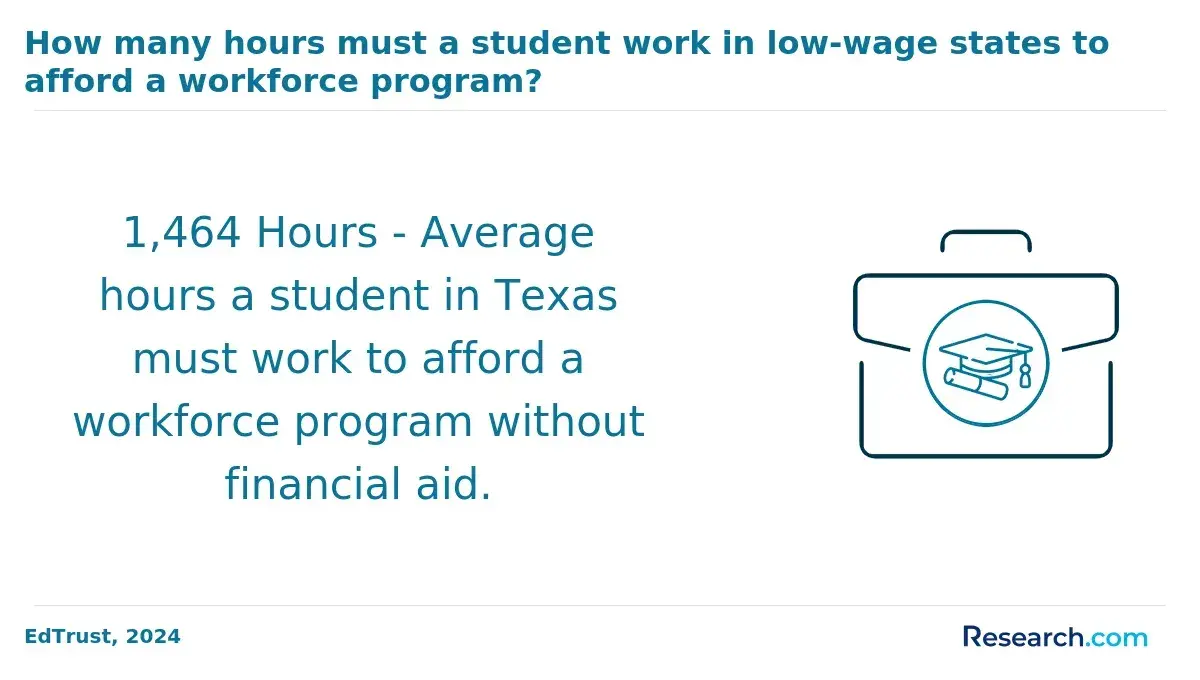
Balancing work, family, and education makes financial aid essential for adults pursuing fine arts degrees. The right funding options can alleviate money worries, allowing students to concentrate on their studies and career growth.
Here are some common financial aid choices available to working adult learners in fine arts programs:
- Federal Aid: Programs like FAFSA offer grants, loans, and work-study opportunities based on financial need. This support helps make tuition and related expenses more manageable for eligible students.
- Employer Tuition Assistance: Some employers provide tuition reimbursement or financial support to encourage employees' professional development. This aid typically requires that courses relate to one's current job and proof of employment.
- Adult Learner Scholarships: Various foundations award scholarships targeted at nontraditional students balancing work and education. These often require demonstrating dedication to studies or financial need.
- Grants: Need-based grants, including state or nonprofit-funded options, do not need to be repaid and cover tuition, supplies, or other educational costs.
- Payment Plans: Colleges frequently offer flexible installment plans allowing students to spread tuition payments over multiple months, providing budget-friendly options to reduce immediate financial pressure.
When I asked a professional who earned her fine arts degree while working full-time about her experience with financial aid, she shared how crucial it was in her journey. "Managing bills and classes felt overwhelming," she recalled, "but applying for several scholarships and using my company's tuition assistance made the difference."
She emphasized the patience required during application processes and the relief when approvals arrived. Her story highlights how a blend of aid sources can transform financial challenges into opportunities, enabling successful completion even with a busy schedule.
Working adults pursuing a fine arts degree often face the challenge of managing studies alongside full-time jobs and personal commitments, making institutional support essential for their success. These services provide flexible tools and guidance to help students remain engaged and progress efficiently through their programs.
- Flexible Scheduling: Offering evening, weekend, or asynchronous online classes allows students to customize their study times around professional and family obligations, reducing conflicts and enabling steady progress.
- Academic Advising: Tailored counseling assists students in choosing courses that match their career goals and availability, helping maintain a manageable workload and stay on track for graduation.
- Online Learning Support: Technical assistance and digital resources ensure remote learners can access materials and participate fully, minimizing technology-related barriers to coursework completion.
- Career Services: Support with portfolio development, internship connections, and networking opportunities helps students transition their fine arts skills into professional advancement.
- Mental Health Resources: Access to counseling and stress management services addresses the emotional demands of balancing multiple responsibilities, fostering resilience and well-being.
Accreditation for fine arts programs involves a rigorous evaluation by independent agencies that review curriculum standards, faculty credentials, and institutional resources to ensure high-quality education. For working adults, attending an accredited program guarantees that their degree holds value with employers and professional bodies, which can significantly enhance job opportunities and career growth. Accreditation also determines eligibility for federal and state financial aid, a vital factor for many adult learners who need scholarships or loans to finance their education.
Recent statistics show that over 40% of graduate students are adults managing both employment and studies, highlighting demand for reputable, flexible programs. The long-term importance of accreditation is evident in the transferability of credits across institutions, which allows adult students greater flexibility if they change schools or continue their education. It may also impact qualification for licensure or professional certification in certain fields, adding to the degree's practical value.
Employers tend to favor candidates with credentials from accredited programs, associating such degrees with relevant skills and recognized standards. For working adults, this assurance of quality means investment in a fine arts degree leads to credentials that support sustained career advancement and broader opportunities.
Salary growth is a critical motivator for working adults considering a fine arts degree, as they often juggle education with existing job and family commitments. Fine arts degree holders in the U.S. typically earn between $40,000 and $60,000 annually, but variations depend on experience, location, and job role.
- Industry demand: Sectors such as graphic design, animation, and digital media tend to offer higher pay scales due to strong market needs. These fields often seek specialized skills that a fine arts degree can provide, supporting career advancement with fine arts degree for professionals.
- Role advancement: Obtaining a degree can qualify individuals for supervisory roles or specialized positions, which typically come with increased compensation. This progression can be especially valuable for those aiming to move beyond entry-level creative jobs.
- Employer policies: Many organizations value formal education credentials and may prioritize candidates with degrees when promoting or hiring. This emphasis can contribute to salary increases over time for degree holders.
- Years of experience: Combining a fine arts degree with relevant professional experience usually enhances earning potential. Seasoned professionals can leverage their education to negotiate better pay or freelance opportunities.
- Specialization: Mastery in niche areas like UX design or multimedia art often commands premium pay, reflecting higher industry demand and scarce expertise.
For working adults seeking flexible and accelerated educational paths, exploring an accelerated bachelors degree online can be an efficient way to obtain a fine arts degree without disrupting career momentum.
A fine arts degree equips working adults to move beyond entry-level roles and qualify for specialized, leadership, or higher-level positions. This degree combines creative skills with critical thinking, enabling professionals to advance in various industries demanding both artistic expertise and management abilities.
Here are several career opportunities with a fine arts degree for working adults that illustrate upward mobility:
- Art Director: Oversees the visual style and creative content of projects in advertising, publishing, or media. This position requires leadership and project management skills, making it a natural progression for those with a fine arts background.
- Creative Director: Leads creative teams in concept development and campaign execution, applying advanced design techniques and strategic thinking learned in fine arts programs to meet organizational objectives.
- Gallery Manager: Manages gallery operations, exhibitions, and artist relations by combining art history knowledge with business acumen, supported strongly by fine arts education.
- Art Educator or Program Coordinator: Develops educational curricula or community arts programs, leveraging practical and theoretical insights from a fine arts degree to assume leadership roles in educational settings.
- Multimedia Specialist or Visual Designer: Creates complex digital content for marketing and entertainment, using fine arts training to blend technical skills with creative innovation.
These high-paying jobs for fine arts graduates reflect increased responsibility, leadership, and specialized skills essential for career advancement. Adults balancing work and study can pursue flexible, accredited programs designed to support professional growth and dynamic career paths. For those interested in exploring additional options and fast online degrees, there are numerous accredited paths that complement a fine arts degree with marketable skills.
What Graduates Say About Their Fine Arts Degrees for Working Adults
- Danny: "Choosing an online fine arts degree program while maintaining my full-time job was a game-changer. The program was affordable, with costs much lower than I expected-around $15,000 in total-and flexible enough to fit my schedule. Earning this degree has not only deepened my creative skills but also opened doors to gallery exhibitions and freelance opportunities I never thought possible. "
- Jessica: "Reflecting on my decision to pursue a part-time fine arts degree while working, I can say that balancing both was challenging yet rewarding. The investment was reasonable, especially considering the career advancement it facilitated; many working adults pay an average tuition of $12,000 to $18,000. Completing the program refined my artistic techniques and gave me the credentials to teach art classes professionally."
- Ethan: "As a professional juggling work and study, enrolling in an online fine arts program felt like the right step despite concerns about cost, which typically runs between $10,000 and $20,000. The experience was transformative-finishing the degree elevated my portfolio and credibility, leading to higher-paying commissions and collaborations. This strategic move has significantly impacted my career trajectory."
Other Things You Should Know About Fine Arts Degrees
Enrollment prerequisites typically include a high school diploma or equivalent, a portfolio showcasing art skills, and sometimes a personal statement. Specific requirements may vary by institution, so it’s essential to check individual program details for the most accurate information.
Working adults can apply for federal grants like the Pell Grant, scholarships targeted at returning students, and employer tuition assistance programs. They should also explore state-specific grants and financial aid tailored for part-time and non-traditional students.
- Pursung Fine Art as a Mature Student https://www.thestudentroom.co.uk/showthread.php
- Fine Art Careers https://theartcareerproject.com/fine-art-careers/
- Fine Art BA https://www.ucl.ac.uk/prospective-students/undergraduate/degrees/fine-art-ba
- Top 15 Jobs after BFA or Bachelor of Fine Arts: Job Duties and Skills Required https://internshala.com/blog/jobs-after-bfa/
- Entry during the program of study https://beauxartsparis.fr/en/admission/entree-encours-etude
- 10 Careers You Can Pursue With a BFA in Illustrative Design - RMCAD https://www.rmcad.edu/blog/10-careers-you-can-pursue-with-a-bfa-in-illustrative-design/
- BA Hons Fine Art Enrolment Form https://www.oca.ac.uk/courses/ba-fine-art/
- Student Support | Faculty of Arts | University of British Columbia (UBC) https://www.arts.ubc.ca/student-support/
- What can you do with a B.F.A. in studio art & design? | University of Idaho https://www.uidaho.edu/newsroom/what-you-can-do-with-bfa-art-design
- Part-time programme Amalgam https://www.kabk.nl/en/programmes/bachelor/fine-arts/part-time


