
2027 Is a 2-Year Fine Arts Degree Worth It: Accelerated Bachelor's ROI & Time Trade-Offs

Co-Founder and Chief Data Scientist
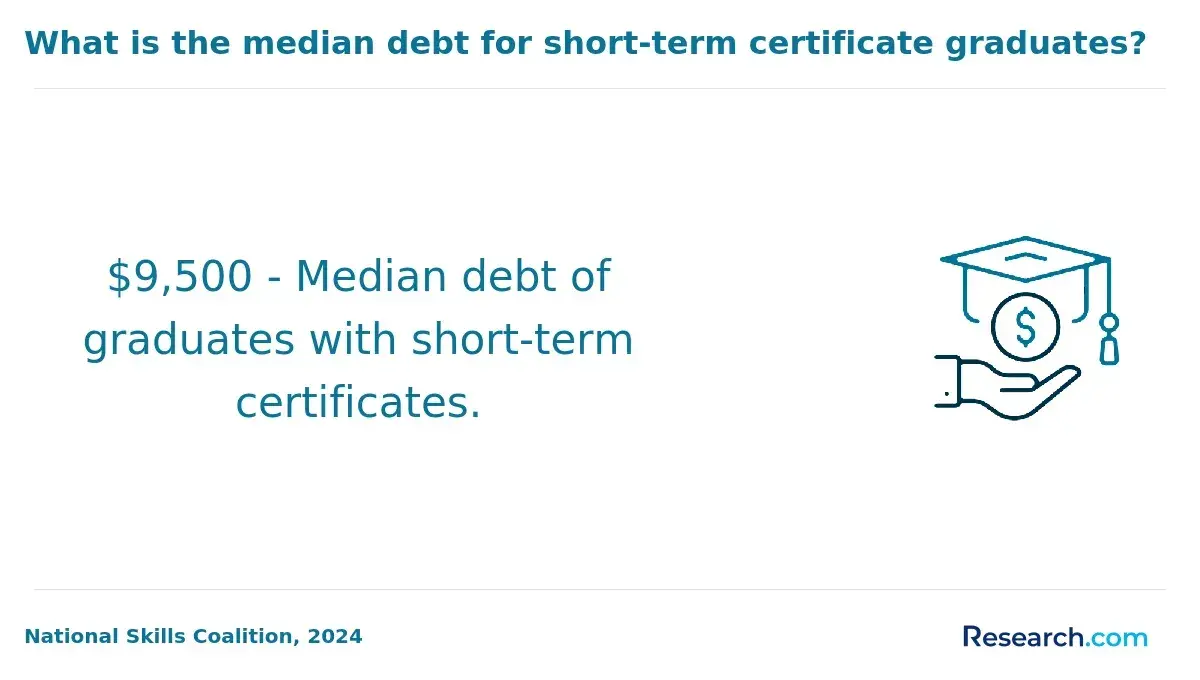
Many prospective students struggle to decide if a 2-year fine arts degree offers a worthwhile return on investment. With the average student loan debt in the U. S. surpassing $30,000, understanding the economic value of accelerated fine arts programs is crucial. Recent data shows that fine arts graduates face a 5% lower median income compared to other bachelor's degree holders.
This article evaluates whether completing an accelerated bachelor's in fine arts balances time saved against potential earnings. It explores career outcomes, salary expectations, and cost-efficiency to help readers make informed decisions about their education and financial future.
Key Benefits of a 2-Year Fine Arts Degree
- Completing a 2-year fine arts degree accelerates entry into the workforce, reducing tuition costs and lost income compared to traditional 4-year programs, enhancing overall ROI.
- Graduates often gain focused, practical skills tailored to creative industries, improving employability and freelance opportunities faster than longer degree paths.
- Data shows 2-year fine arts graduates can experience a quicker salary increase within five years, balancing shorter study time with competitive career advancement.
How Do 2-Year Fine Arts Programs Work?
Two-year fine arts programs offer an intensive alternative to the traditional four-year bachelor's degree, helping motivated students enter creative fields more quickly.
Below is an overview of how these programs typically operate and what students can expect.
- Accelerated Pacing: Programs condense the standard curriculum into roughly half the time, requiring students to handle a heavier workload each term to stay on track.
- Year-Round Enrollment: Many institutions offer continuous enrollment with shorter, intensive course terms-often 8- to 10-week sessions instead of full semesters-allowing faster completion.
- Credit Load Expectations: Students frequently take between 12 to 18 credits per term, demanding strong time management and commitment to meet these requirements.
- Instructional Format: Education combines studio practice, lectures, and critiques, emphasizing hands-on skill development alongside theoretical studies.
- Assessment Methods: A mix of practical projects, portfolio reviews, written work, and presentations evaluates both creative skill and conceptual understanding.
- Curriculum Progression: The course sequence is streamlined with fewer electives, focusing heavily on foundational skills before specialized disciplines like painting, sculpture, or digital media.
Students balancing professional or personal commitments may also explore flexible alternatives such as RN to BSN programs without clinicals, which offer similarly tailored scheduling benefits in healthcare education.
What Are the Admission Requirements for a 2-Year Fine Arts Degree?
Students considering an accelerated bachelor's in fine arts should carefully evaluate admission requirements to ensure they meet program expectations and can manage the condensed timeline effectively. Understanding these criteria helps align academic preparation with career goals and financial planning.
Below is a detailed look at the typical 2-year fine arts degree admission criteria prospective students encounter.
- Prior Education: Most programs require a high school diploma or its equivalent, such as a GED, to confirm foundational academic readiness. This is a baseline for all applicants looking to enter accelerated programs.
- GPA Expectations: Many institutions set a minimum cumulative GPA between 2.0 and 2.5 on a 4.0 scale, reflecting a need for consistent academic performance. These thresholds vary but serve as indicators of student capability for rigorous study.
- Standardized Tests: While some schools still request SAT or ACT scores, these are becoming increasingly optional. It's important to check each program's policy, as requirements differ.
- Portfolio Submission: An essential component is a portfolio showcasing artistic work, which highlights technical skills and creative potential. This evaluation is often central to the application review process.
- Prerequisite Courses: Certain fine arts programs may require completion of foundational art classes, especially for transfer students aiming to qualify for accelerated fine arts programs.
- Work Experience and Additional Documents: Relevant experience in arts-related fields is valued but rarely mandatory. Letters of recommendation or personal statements articulating artistic goals might also be requested to provide deeper insight into the applicant.
The growing popularity of accelerated bachelor's degrees makes it crucial to consider how these requirements impact your pathway. For practical insights on fast-tracking education in other fields, reviewing programs such as the certified medical assistant program may offer useful comparisons.
What Does a Typical Week Look Like in a 2-Year Fine Arts Program?
For students weighing the benefits of an accelerated Fine Arts degree, grasping the day-to-day rhythm and workload is crucial. The condensed timeframe demands efficient use of every hour and careful balancing of multiple commitments.
Below is a closer look at the typical elements shaping each week.
- Structured class sessions: Weeks are packed with practical workshops and lectures designed to sharpen technical abilities and deepen conceptual understanding. These integrated experiences often blend hands-on creation with theoretical insights to support the creative process.
- Assignments and deadlines: Students face steady streams of projects, critiques, and written components that require consistent focus and time management. Frequent deadlines compel learners to prioritize and maintain momentum.
- Collaborative projects: Peer interactions through group work and joint reviews foster communication skills and shared artistic growth. These collaborations simulate real-world creative teamwork.
- Independent study: Significant hours outside of class are devoted to refining techniques and developing original works. This self-driven effort is key in mastering the program's intense pace.
- Instructor engagement: Regular feedback via critiques and mentoring sessions offers vital personalized support, helping students refine their vision and technical approach.
- Time management demands: Navigating an accelerated curriculum necessitates disciplined planning and adaptability to meet the fast-moving schedule.
When asked about his experience in a 2-year fine arts bachelor's program, a graduate reflected on the emotional and practical intensity involved.
"It was overwhelming at times, especially juggling multiple assignments across different mediums," he shared. "The pressure to stay ahead felt constant, but office hours and critiques were invaluable moments of clarity and encouragement. I learned to embrace the tight deadlines as motivation rather than a burden."
His perspective highlights how the compressed structure, while challenging, can foster resilience and focused creativity.
Breakdown of Private Fully Online For-profit Schools

For students aiming to complete an accelerated fine arts degree, the mode of delivery significantly impacts flexibility, accessibility, and efficient time management.
The following points detail key aspects of two-year fine arts programs available online.
- Fully online vs. hybrid formats: Programs may be entirely virtual or combine online coursework with occasional in-person sessions like studio classes or portfolio presentations to balance convenience with hands-on practice.
- Asynchronous and synchronous learning: Recorded lectures and assignments let students study at their own pace, while live sessions enable real-time critiques and collaboration, replicating classroom interaction.
- Technology requirements: Reliable internet, a computer capable of running creative software, and access to digital design tools are essential to participate fully and complete artistic projects.
- Student support services: Virtual tutoring, counseling, career guidance, and technical assistance help maintain student engagement and success despite the condensed schedule.
- Impact on pacing and engagement: Online delivery accelerates progress by reducing traditional time barriers, though it demands strong self-motivation to stay active in virtual critiques and peer collaboration essential for creative growth.
Evaluating the total cost of a 2-year fine arts degree is essential for understanding its return on investment. This assessment goes beyond tuition to include fees, materials, and any additional expenses, offering a clearer picture of the financial commitment involved.
The following breakdown highlights key cost factors to consider in accelerated fine arts programs.
- Tuition Structure: Tuition per credit in accelerated fine arts programs often mirrors traditional degrees, but completing the program in half the time generally lowers total tuition costs. This reduction directly impacts the overall financial burden for students pursuing a 2-year fine arts degree tuition cost.
- Fees: Beyond tuition, students may incur fees for studio use, equipment maintenance, and administrative services. These can accumulate each semester and should be factored into the total expense.
- Textbooks and Learning Materials: Specialized textbooks, software licenses, and art supplies are necessary investments. These costs vary but often add significantly to the overall price of an accelerated fine arts program.
- Technology and Lab Costs: Access to digital labs, software, and other technology-driven tools may require additional fees or subscriptions, increasing semester expenses compared to traditional timelines.
- Accelerated Pacing Impact: While accelerated programs reduce time-to-degree-potentially saving on living expenses and enabling earlier workforce entry-the intensive course load might increase semester-by-semester costs. Balancing these factors is crucial when examining the cost of accelerated fine arts programs.
According to the National Center for Education Statistics, accelerated bachelor's degrees can save 1 to 2 years of tuition and living expenses, which is significant given average annual tuition and fees around $10,000 for public in-state students.
For those interested in related affordable options, consider exploring affordable online medical billing and coding schools as alternative pathways with distinct cost structures and career outcomes.
Understanding how aid options apply to an intensified schedule can make the difference between managing costs effectively and facing unexpected financial challenges.
Below is an overview of key aid resources and considerations specific to two-year fine arts programs.
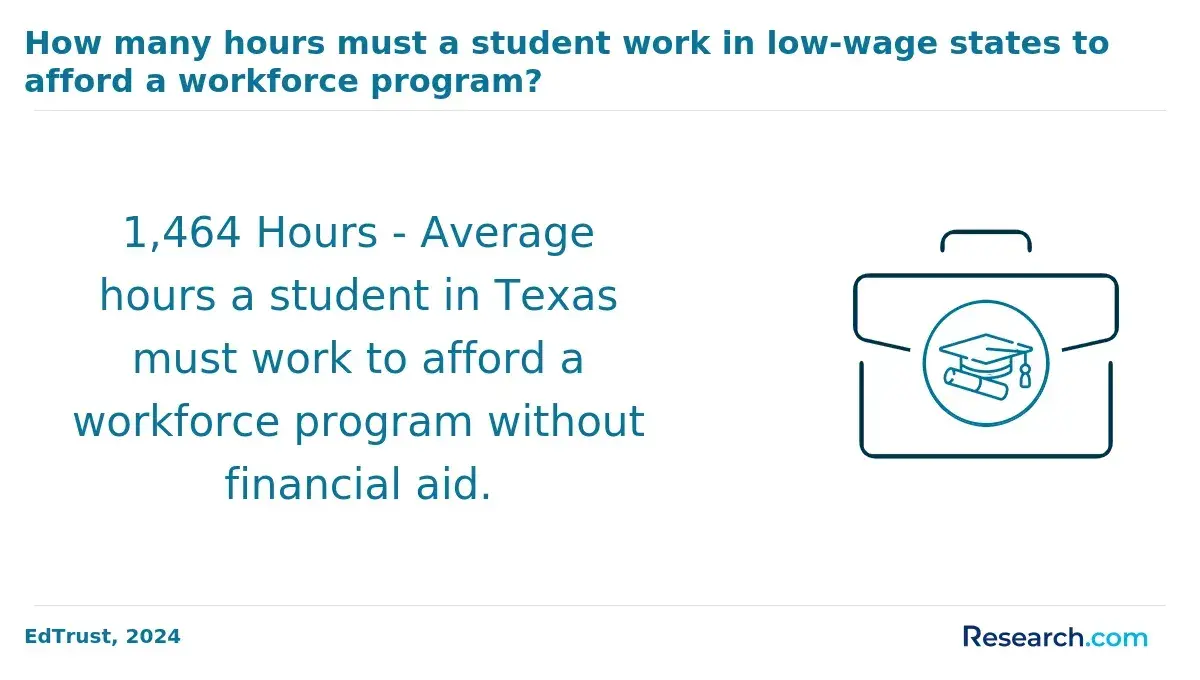
- Federal Student Aid Eligibility: Pell Grants and Direct Loans are generally available for students enrolled in accredited accelerated programs, provided they meet enrollment criteria. However, because aid is usually disbursed by semester or quarter, the faster pace may affect the timing and amount of funds received.
- Scholarships and Grants: Numerous scholarships target fine arts students and may also support those in accelerated formats. These awards often prioritize artistic talent combined with financial need, but competition can be intense.
- Employer Tuition Assistance: Working students might qualify for tuition reimbursement through employer programs. These benefits can offset costs partially or fully, especially valuable for adults balancing career and education.
- Payment Plans: Many institutions offer flexible payment options designed to ease the burden of tuition over the condensed timeframe. These plans help manage cash flow without delaying progress.
A professional who finished an accelerated bachelor's degree in fine arts shared her experiences after I asked about financial aid access.
She recalled, "Navigating the financial aid process was overwhelming at first, mainly because the semester lengths were shorter than traditional programs. I had to coordinate closely with the financial aid office to make sure my Pell Grant disbursed in time to cover tuition. Scholarships helped too, but I applied early to maximize chances."
She also noted employer support, "Since I was working part-time, my company offered partial tuition reimbursement, which eased financial pressure."
Reflecting on the payment plan, she said, "It was a relief to spread tuition over several months, given the accelerated pace. Without these combined resources, completing the program in two years wouldn't have been possible."
Her story highlights the importance of proactive planning and utilizing multiple financial aid avenues when pursuing an accelerated fine arts degree.
Evaluating the career outcomes associated with an accelerated fine arts bachelor's degree is crucial for students prioritizing time investment and return on opportunity. Understanding job prospects helps gauge whether a 2-year fine arts degree aligns with individual career ambitions and financial goals.
This perspective naturally leads to a closer look at typical roles and industries accessible to graduates completing such programs.
- Graphic Design Assistant: Many graduates begin in support roles that utilize foundational design skills, gaining experience with clients, software, and project management. These positions often exist within marketing agencies or corporate communications departments.
- Junior Illustrator: Early-career illustrators contribute to publishing, advertising, or multimedia projects, working under senior artists to hone their craft and build professional portfolios essential for advancement.
- Photo Editor and Multimedia Artist: Roles in media production frequently seek candidates familiar with digital editing tools and creative visual storytelling, fields well-suited to focused, accelerated study programs.
- Gallery Assistant and Art Education Support: Some graduates pursue positions assisting art exhibitions or supporting educational programs, which offer exposure to the business and pedagogical sides of the arts industry.
- Freelance Work and Portfolio Development: Freelancing enables new fine arts diploma holders to build diverse project experience and industry connections, which can be invaluable for securing future full-time roles.
For those comparing accelerated fine arts programs with other educational options, it may be helpful to explore alternatives like the cheapest online healthcare management degree, which illustrates how degree affordability and program length impact career trajectories across disciplines.
Salary outcomes are a crucial factor for students assessing the return on investment (ROI) between accelerated 2-year fine arts degrees and traditional 4-year bachelor's programs. Understanding these differences helps prospective learners make informed decisions about time commitment and financial benefits.
The following comparison highlights key aspects of earnings and career impact for both educational paths.
- Early-Career Earnings: Graduates with 2-year fine arts degrees typically earn median annual wages between $35,000 and $45,000 shortly after completing their programs. In contrast, those with bachelor's degrees in similar fine arts disciplines often report starting salaries closer to $45,000 to $55,000, reflecting the value of more extensive study and training.
- Long-Term Earning Potential: Although 2-year degree holders enter the workforce sooner, bachelor's degree graduates generally experience higher salary growth over 10 to 15 years. This trend results from broader employer recognition and access to advanced job roles, leading to greater cumulative income over a career.
- Employer Perception and Career Progression: Employers frequently prefer candidates with bachelor's degrees due to their comprehensive education and skill development, which can impact promotions and leadership opportunities. However, accelerated bachelor's programs that reduce time to degree offer a middle ground, allowing faster workforce entry without sacrificing credentials.
- Workforce Entry and Lifetime Earnings: Two-year fine arts programs enable quicker entry into employment, potentially boosting initial lifetime earnings. Despite this advantage, data from Georgetown University's Center on Education and the Workforce shows that bachelor's degree holders earn about 65% more over their lifetime compared to associate degree holders, emphasizing the value of sustained career growth.
For students also considering accelerated health-related degrees, exploring the cheapest DNP programs may provide insights into balancing time, cost, and earning potential in other fields.
For students considering accelerated fine arts degree programs, understanding the return on investment (ROI) is vital to ensure their time and money lead to meaningful career benefits. Accelerated options offer a faster path to graduation, but several factors impact whether the investment pays off in the long run.
Below is an overview of the key elements that shape ROI for these programs.
- Time-to-completion: Completing a fine arts degree in two years or less allows students to enter the workforce faster, reducing the period without steady income. This shortened timeline can significantly lower living expenses and tuition fees compared to traditional four-year tracks, enhancing overall financial efficiency.
- Tuition and total cost: While accelerated courses may charge higher rates per credit due to their intensive nature, the total cost often decreases because of fewer credits or condensed semesters. This can make the entire degree more affordable by cutting down on the months or years required for graduation.
- Opportunity cost savings: Graduating sooner means starting full-time employment earlier, providing a head start on earning potential and career advancement. Over time, this early entry can translate into cumulative increases in salary and work experience that outpace those who graduate later.
- Employment outcomes and salary growth: Fine arts graduates can expect moderate job market growth, roughly 1-2% annually, making skill relevance critical. Programs focusing on practical skills like digital media, design software, and project management improve chances of employment and steady salary increases.
- Transferability of skills: Skills developed through accelerated programs that apply beyond traditional fine arts fields-such as marketing, teaching, or digital content creation-provide greater career flexibility. This versatility enhances long-term earning potential and helps graduates adapt to evolving job markets.
Choosing a two-year fine arts degree requires reflecting on your personal and academic circumstances. Consider whether you thrive in a fast-paced environment since these programs compress four years of study into two, demanding strong time management and focus.
Evaluate your current availability and willingness to handle an intense workload. If you need to enter the job market swiftly, this accelerated path might be beneficial. Understanding your learning style and motivation will help determine if you can maintain the necessary pace without sacrificing quality.
Financial and practical aspects are equally important. These shorter programs often reduce tuition costs and living expenses, offering potential savings. However, weigh this against future earnings and career prospects since salaries in fine arts can fluctuate by field and location.
Employers may favor traditional degree holders or candidates with more experience, impacting job opportunities. Additionally, consider if this degree provides enough flexibility to pursue advanced education or varied career paths later on.
What Graduates Say About Their 2-Year Fine Arts Degree
- Jonas: "Choosing a 2-year accelerated fine arts degree was a game-changer for me because I wanted to jump into the industry quickly without accumulating too much debt-the average cost of attendance was surprisingly manageable. Staying disciplined with a packed schedule wasn't easy, but the intensity made every moment count. Today, I'm thriving as a graphic designer, and this focused program gave me the essential skills in record time."
- Bonnie: "I decided on the 2-year fine arts program to challenge myself and finish faster than a traditional path. Balancing coursework alongside part-time work demanded strong time management, but it forced me to grow personally and creatively. Reflecting back, the degree's depth and pace opened doors to gallery exhibitions I hadn't imagined possible."
- Jaya: "The professional structure of the 2-year fine arts degree aligned perfectly with my career goals, especially given the reasonable tuition fees compared to longer programs. Handling the accelerated curriculum required precision and perseverance, but it refined my craft under real-world pressures. This intensive experience significantly boosted my credibility as an arts educator and freelance artist in a competitive market."
Other Things You Should Know About Fine Arts Degrees
In 2027, a 2-year fine arts degree offers intensive, focused study in creative fields, benefiting those looking for specialized skills quickly. Conversely, an accelerated bachelor's expands on these skills while providing broader educational grounding, appealing to those seeking diverse opportunities and higher salary potential over time.
Graduates of a 2-year fine arts degree in 2027 can explore job opportunities such as graphic designer, illustrator, and art teacher. These roles often value creative skills and project portfolios, which are integral parts of the fine arts curriculum.
- Your Guide to the Bachelor of Fine Arts (BFA) Degree https://www.coursera.org/articles/bachelor-of-fine-arts
- Is a Fine Arts Career Right for You? Here's How to Decide - AAFT https://aaft.com/blog/fine-art/is-a-fine-arts-career-right-for-you-heres-how-to-decide/
- Scholarships for Students in Arts, Music, and Creative Degrees https://scholarsavenue.com/scholarships-for-students-in-arts/
- Find The Best Online Art Schools | Accredited Schools Online https://www.accreditedschoolsonline.org/liberal-arts/art-schools/online/
- Fine Arts – Advanced - Durham College https://durhamcollege.ca/programs/fine-arts-advanced
- Fine Art and Design in Education… | ArtEZ University of the Arts https://www.artez.nl/en/programmes/bachelor/fine-art-and-design-in-education-part-time-accelerated-arnhem
- Bachelor of Fine Arts - Wikipedia https://en.wikipedia.org/wiki/Bachelor_of_Fine_Arts
- 10 Careers You Can Pursue With a BFA in Illustrative Design - RMCAD https://www.rmcad.edu/blog/10-careers-you-can-pursue-with-a-bfa-in-illustrative-design/
- How We Calculated the Return on Investment of Associate Degrees and Certificates - Freopp https://freopp.org/whitepapers/how-we-calculated-the-return-on-investment-of-associate-degrees-and-certificates/
- Fully Funded MFA Programs in Studio Art and Visual Art | ProFellow https://www.profellow.com/fellowships/fully-funded-mfa-in-studio-art-and-visual-art/


