2027 Do Employers Pay for Accounting Degrees: Tuition Reimbursement and Sponsorship Options

Co-Founder and Chief Data Scientist
An accounting degree can improve your mobility in finance, audit, tax, compliance, and management roles, but the cost can make the decision difficult. The average tuition for a four-year accounting program in the U. S. exceeds $40, 000, and student loan debt for graduates often surpasses $30, 000. For working adults, the real question is not only whether the degree is worth it, but whether an employer will help pay for it.
Employer tuition reimbursement and sponsorship programs can reduce upfront costs, lower borrowing needs, and make degree completion more realistic while you continue working. This guide explains when employers pay for accounting degrees, what types of benefits are common, who qualifies, how reimbursement usually works, what risks to watch for, and how to make a practical funding plan if your company does not contribute.
Key Benefits of Employers Paying for Accounting Degrees
- Employers often offer tuition reimbursement programs covering up to 100% of accounting degree costs, reducing typical student debt which averages over $30,000 nationwide.
- Sponsorship options frequently include paid study leave, allowing employees to continue earning while advancing their accounting qualifications.
- Company-funded degrees enhance employee retention by aligning professional growth with organizational needs, benefiting both workers and employers in the competitive accounting sector.
Do Employers Pay for Accounting Degrees?
Yes, some employers pay for accounting degrees, usually through tuition reimbursement, direct sponsorship, or broader education assistance benefits. Employer support is most likely when the degree clearly relates to the employee’s current job, a planned promotion, or a business need such as financial reporting, auditing, tax compliance, internal controls, budgeting, or management accounting.
Employer-sponsored education benefits are fairly common in the U.S. workforce, with around 65% of companies offering some form of tuition assistance or reimbursement, according to the Society for Human Resource Management (SHRM). Accounting is often a strong fit for these benefits because the skills are directly useful to many organizations: accurate records, reliable financial analysis, regulatory compliance, and better decision-making.
Support varies widely by employer. Large companies, banks, accounting firms, healthcare systems, manufacturers, government contractors, and organizations with complex reporting requirements may offer stronger benefits than smaller employers with limited training budgets. Some companies cover only individual courses, while others support full degree programs if the employee receives approval in advance.
Before enrolling, ask three practical questions: Does the employer cover degree programs or only job-related courses? Is accounting considered directly related to your role or career path? Will you have to stay with the company for a certain period after receiving payment? These details determine whether the benefit meaningfully reduces your cost or simply shifts financial risk to a later date.
When comparing employer-funded education benefits across career paths, remember that policies are usually tied to job relevance; a resource such as bcba certification online may be useful for a different profession, but an accounting degree request should focus on the business value of accounting skills.
What Types of Tuition Assistance Do Employers Offer for Accounting Degrees?
Employers use several models to help workers pay for accounting education. The best option for you depends on whether you can afford upfront tuition, how quickly your employer reimburses expenses, and whether the company restricts eligible schools, courses, or degree levels.
- Tuition reimbursement: This is the most common model. You pay the school first, complete the course, submit documentation, and receive reimbursement afterward if you meet the policy requirements. Employers may reimburse part or all of the tuition, often with annual caps ranging from $5,000 to $10,000.
- Tuition sponsorship: Under a sponsorship arrangement, the employer pays the school directly or commits funding before the course begins. This can reduce the need to use savings, credit cards, or loans, but it often comes with stricter approval rules and service obligations.
- Scholarships and grants: Some employers offer competitive education awards, internal scholarships, or grants for workers pursuing degrees connected to hard-to-fill roles. These funds may not require repayment if the employee follows the agreement.
- Flexible spending accounts: Certain employers permit employees to use pre-tax income allocated in flexible spending accounts to cover education-related expenses, reducing overall taxable income and easing financial pressure.
For accounting students, the most important distinction is reimbursement after completion versus payment before enrollment. Reimbursement is helpful, but it does not solve the upfront cash-flow problem. Sponsorship is more valuable for students who cannot pay tuition first, but it may require more documentation, manager approval, and a longer commitment to the employer.
Make sure the program is eligible before you register. Many employers require accreditation, a minimum grade, proof of payment, and a clear connection between the course and your position. If you are comparing education affordability across fields, resources such as the most affordable online counseling degrees can show how cost structures differ, but your employer’s accounting policy should guide your final decision.
Who Is Eligible for Employer Tuition Reimbursement for Accounting Degrees?
Eligibility for employer tuition reimbursement is usually based on your employment status, tenure, job relevance, academic performance, and approval status before enrollment. Do not assume you qualify simply because your company advertises education benefits; the fine print matters.
- Employment status: Full-time employees are more commonly eligible, though some employers include part-time workers. Contractors, temporary employees, and interns are often excluded unless the policy says otherwise.
- Tenure requirements: Many companies require employees to work for a minimum period before using tuition benefits. This helps employers reserve funding for workers who have shown some commitment to the organization.
- Job relevance: The accounting degree usually must connect to your current responsibilities or a realistic internal career path. A bookkeeper, payroll specialist, analyst, office manager, or operations employee may have a stronger case than someone whose work has no financial component.
- Academic performance: Employers often require successful course completion and may set a minimum grade point average or grade threshold before reimbursement is released.
- Approval process: Pre-approval is commonly required. If you enroll first and ask later, your employer may deny payment even if the course is relevant.
- Ongoing employment: Some policies require you to remain employed during the course and for a set period afterward. Leaving early may trigger repayment obligations.
Before relying on reimbursement, request the written policy from HR and confirm how it applies to accounting degrees specifically. Ask whether associate, bachelor’s, master’s, and certificate programs are treated differently; whether online programs qualify; and whether fees, books, and exams are covered. Policies for other graduate or professional programs, such as affordable online mft programs, may follow different rules, so keep your questions focused on accounting.
Most employer tuition reimbursement programs follow a predictable sequence: review the policy, get approval, enroll, complete the course, submit documentation, and receive reimbursement. The process is straightforward only if you meet every requirement on time.
- Confirm eligibility before choosing a program. Check whether your employment status, length of service, position, and degree goal qualify under the policy.
- Request pre-approval. Most programs require prior authorization before course enrollment. You may need to submit the school name, program details, course descriptions, tuition costs, start dates, and an explanation of how the accounting degree supports your role or career path.
- Pay tuition or arrange billing. In reimbursement models, you usually pay first. In sponsorship models, the employer may pay the institution directly. The timing affects whether you need savings, a payment plan, or temporary financing.
- Complete the course successfully. Reimbursement often depends on academic performance. Employers may require a minimum grade, commonly a "B" or higher.
- Submit documentation. You typically provide proof of payment, official or unofficial transcripts, grades, receipts, and any employer-specific reimbursement forms.
- Receive reimbursement within policy limits. Many employers cap reimbursement annually, frequently aligning with IRS limits like $5,250 per year.
The biggest mistake is enrolling before approval. Another common mistake is assuming that all costs are covered. Tuition may qualify, while books, technology fees, graduation fees, CPA exam preparation, or repeated courses may not. Ask for written confirmation so you can estimate your real out-of-pocket cost before committing.
Online accounting degrees may be eligible for company sponsorship or reimbursement, especially when the institution is accredited and the coursework is relevant to the employee’s job. A 2023 survey found that about 56% of U.S. employers regard online degrees as comparable in credibility to traditional campus programs, though acceptance can differ based on industry and company size.
Employers usually evaluate online programs using the same practical questions they use for campus programs: Is the school accredited? Is the accounting curriculum rigorous? Does the program support the employee’s current role or a documented career path? Can the employee complete coursework without harming job performance?
Online programs can be especially attractive for working professionals because they reduce scheduling conflicts and commuting time. However, flexibility does not automatically mean approval. Some employers maintain lists of approved institutions, require regional accreditation, or limit reimbursement to programs that lead to a recognized degree rather than short noncredit courses.
If you plan to request sponsorship for an online accounting degree, prepare a short evidence packet. Include the school’s accreditation information, program curriculum, tuition and fee schedule, course calendar, expected weekly time commitment, and a brief explanation of how the coursework will improve your work in financial reporting, audit support, budgeting, tax preparation, systems controls, or leadership.
A professional who completed an online accounting degree with employer support described the process as manageable but documentation-heavy. He said approval became easier after he clearly showed that the program was accredited and directly connected to his responsibilities. His experience highlights a practical lesson: employers are more likely to support online study when the request is specific, organized, and tied to measurable workplace value.
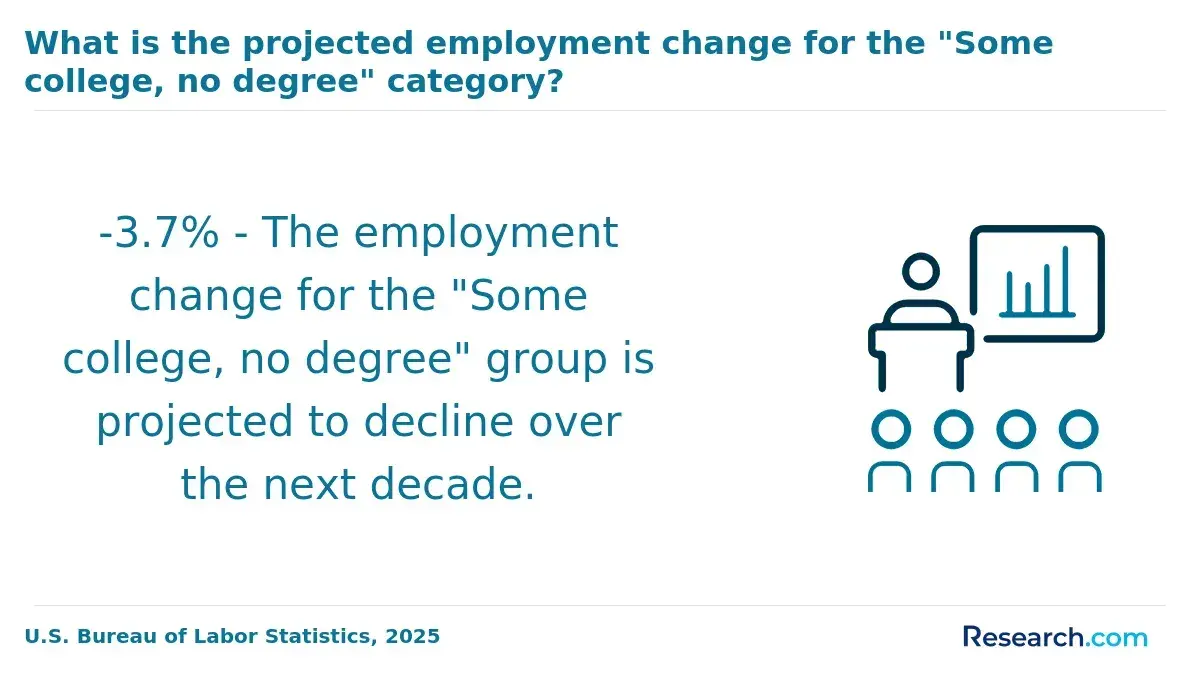
The amount you can receive depends on your employer’s policy, your employment status, the program type, and any annual or lifetime caps. Reported figures vary: research shows that only about 10% of employers provide tuition assistance, making the benefit relatively rare but highly valuable for workers who qualify.
Typically, employers offer between $3,000 and $5,250 annually in tuition reimbursement, with lifetime caps often ranging from $10,000 to $25,000. Some employers pay less, some cover a percentage of tuition, and some provide stronger support for degrees that address internal talent needs.
The IRS allows up to $5,250 per year to be excluded from taxable income, which can make tuition assistance more valuable than an ordinary cash bonus of the same amount. However, tax treatment can depend on how the benefit is structured, so employees should review the employer policy and consult a qualified tax professional if they are unsure.
To estimate your real cost, compare the program’s tuition and required fees against the annual cap, the number of years you expect to study, and the timing of reimbursements. A benefit that sounds generous may cover only a fraction of a full degree if tuition is high or if you take many credits in one year. Conversely, a lower-cost program may allow the annual benefit to cover a much larger share of your expenses.
Yes, there can be penalties for leaving an employer-sponsored accounting program early, especially if you received direct payment or reimbursement under a written service agreement. Approximately 60% of such education assistance agreements include repayment conditions tied to incomplete service commitments, so you should understand the obligation before accepting funding.
- Repayment obligations: You may have to repay tuition the employer already covered if you resign, are terminated under certain conditions, or stop participating before meeting the agreement terms.
- Prorated repayment schedules: Some agreements reduce the amount owed based on how long you remain employed after receiving the benefit. For example, leaving halfway through a required service period might require repaying only part of the tuition.
- Early termination clauses: These clauses define what happens if you leave the company, change roles, drop courses, fail to complete the program, or fail to meet grade requirements.
- Impact on future benefits: If you do not complete the agreement in good standing, you may lose access to future education assistance or professional development funding from that employer.
Read the repayment language carefully. Look for the repayment period, whether repayment is prorated, what events trigger repayment, and whether layoffs are treated differently from voluntary resignations. If the agreement is unclear, ask HR for clarification in writing before you enroll.
One professional who completed an employer-supported accounting degree said the repayment terms influenced her decision to stay with the company through difficult semesters. She explained that knowing the financial consequences upfront made the commitment feel more serious but also more valuable. Her reflection was simple: "Knowing the financial and professional implications upfront helped me stay focused and value the opportunity more deeply."
Employer-paid accounting degrees can improve long-term earning potential when the degree helps you qualify for higher-responsibility roles and reduces the debt you would otherwise take on. The benefit is strongest when the education aligns with a clear career path, such as moving from bookkeeping to staff accounting, from accounting support to financial analysis, or from operational finance into supervisory work.
Studies indicate that 70% of companies offering tuition reimbursement see improved employee retention and compensation growth. For employees, the financial value comes from two directions: lower education costs and stronger qualifications for advancement.
- Increased promotion opportunities: A degree can help demonstrate readiness for roles that require formal accounting knowledge, especially when paired with strong performance at work.
- Faster career progression: Coursework in financial accounting, managerial accounting, taxation, auditing, and systems can make you more useful in roles with broader responsibility.
- Access to higher-paying roles: Formal accounting credentials may support moves into positions such as senior accountant, financial analyst, or controller.
- Stronger internal credibility: Employer-funded education signals that the company sees value in your development, which can help when pursuing new responsibilities.
- Improved return on investment: Reducing tuition costs and student debt can make the degree’s payoff stronger than if you financed the full cost alone.
The degree alone does not guarantee higher earnings. Your outcome also depends on work experience, local labor market conditions, certifications, performance, and whether your employer has advancement opportunities available. If you are comparing education paths beyond accounting, resources such as fully funded edd programs online may be useful for other career goals, but an accounting degree should be evaluated based on finance and business role outcomes.
To ask your employer to pay for an accounting degree, make the request as a business proposal rather than a personal favor. Studies show that about 58% of employers in the U.S. offer some form of tuition assistance, but approval often depends on how clearly you connect the degree to your role, your performance, and the organization’s needs.
- Research the policy first. Review the employee handbook, benefits portal, or HR guidance. Identify eligibility rules, reimbursement caps, approved schools, grade requirements, deadlines, and repayment terms.
- Choose a defensible program. Select an accounting program that is accredited, reasonably priced, and compatible with your work schedule. Be ready to explain why this program is a better fit than alternatives.
- Build a short business case. Show how the degree will help you improve reporting accuracy, budgeting, audit readiness, tax support, compliance, data analysis, or leadership capacity.
- Connect the request to a company need. Tie your education to current pain points or future roles. Employers are more likely to contribute when they see a practical return.
- Schedule a formal conversation. Meet with your manager or HR representative. Bring the program details, estimated costs, timeline, and the specific amount or type of support you are requesting.
- Follow up in writing. After the meeting, send a concise summary and attach documentation. Written follow-up reduces confusion and creates a record of the request.
A strong request might say: “I’m interested in pursuing an accounting degree that would strengthen my ability to support financial reporting and analysis for our team. I reviewed the program curriculum and tuition schedule, and I’d like to discuss whether it qualifies for tuition assistance under our policy.”
If your employer also supports broader graduate study, you may want to compare formats and costs through resources such as affordable online graduate programs, but your proposal should stay focused on how accounting coursework benefits your current employer.
If your employer does not pay for an accounting degree, you still have options. The goal is to reduce borrowing, preserve flexibility, and choose a program whose cost makes sense for your expected career path. Nearly 70% of U.S. college students rely on borrowed funds, so it is important to compare funding sources before taking on debt.
- Federal and state aid: Complete the Free Application for Federal Student Aid (FAFSA) to determine eligibility for grants, work-study opportunities, and federal loans. Federal loans may offer borrower protections that private loans do not.
- Scholarships and grants: Search for awards tied to accounting, business, first-generation status, financial need, academic merit, military affiliation, community service, or local professional associations. Prioritize funds that do not require repayment.
- Lower-cost programs: Compare tuition carefully before enrolling. Public universities, transfer pathways, community colleges, and online programs may reduce total cost. Researching accounting degree online cost can help you benchmark affordable options before committing.
- Personal savings and private loans: Savings can reduce interest costs, while private loans may fill gaps. Compare interest rates, repayment terms, fees, and cosigner requirements before borrowing.
- Income-share agreements: Some programs allow students to defer tuition by sharing a portion of future income. Review the total repayment terms carefully because the final cost can vary with earnings.
- Part-time and online study: Studying while working can slow completion but may reduce debt. This can be a good option if you need steady income or want to apply accounting skills immediately on the job.
You can also ask your employer for non-tuition support. Even if the company will not pay directly, it may offer schedule flexibility, exam leave, professional development funds, mentorship, or access to accounting projects that strengthen your resume while you study.
What Graduates Say About Employers Paying for Their Accounting Degrees
- : "Ryker: Completing my accounting degree would have been a huge financial challenge, especially with the average cost being so high. My employer's tuition assistance program covered a large portion of my tuition, making it possible to focus on my studies without stressing over payments. This support has directly boosted my confidence and opened up new advancement opportunities within the company."
- : "Eden: When I first considered pursuing an accounting degree, I knew the average expenses could be overwhelming. My employer's sponsorship eased that burden significantly, allowing me to earn my degree without accumulating debt. Reflecting on this, I see how crucial that investment was-not only financially but also for my professional growth and development."
- : "Benjamin: The cost of attending an accounting degree program is often daunting, but employer tuition assistance made this goal achievable for me. With most tuition costs covered, I dedicated myself fully to mastering my coursework and skills. This sponsorship has been instrumental in shaping my career trajectory and has positioned me well for future leadership roles."
Other Things You Should Know About Accounting Degrees
Employees seeking tuition reimbursement usually need to submit a request form, proof of course enrollment, and a grade report to their employer's HR department. Additionally, a detailed invoice from the educational institution is often required for processing the reimbursement.
In 2027, many employers require employees to maintain a minimum grade, often a C or B, to qualify for tuition reimbursement for accounting degrees. This ensures employees are gaining adequate knowledge and skills.
Generally, tuition reimbursement programs for accounting degrees are offered to full-time employees, although some companies may extend benefits to part-time employees or interns on a limited basis. Eligibility often depends on the employer's size, budget, and policies tied to employee status and tenure.
- Penalties for Benefits Noncompliance https://www.trinet.com/insights/penalties-for-benefits-noncompliance
- How to Ask Your Employer to Fund Your Education https://www.investopedia.com/articles/professionaleducation/11/convincing-work-fund-education.asp
- Tuition Reimbursement: How Do Employers Benefit from It? | KBI Benefits https://www.kbibenefits.com/tuition-reimbursement-benefits
- Maximizing Tax Breaks for Employer-Paid Education Expenses Fusion CPA https://www.fusiontaxes.com/thought-leadership/blog/maximizing-tax-breaks-for-employer-paid-education-expenses/
- Best Online Accounting Degrees of 2025 | Accounting.com https://www.accounting.com/degrees/accounting/bachelors/best-online-programs/
- Impacts of Ceasing the Accounting Professional Year Program on GSM Visa Opportunities — Agape Henry Crux https://www.ahclawyers.com/news-articles/25/02/27/impacts-of-ceasing-the-accounting-professional-year-program-on-gsm-visa-opportunities
- Employer-offered educational assistance programs can help pay for college | Internal Revenue Service https://www.irs.gov/newsroom/employer-offered-educational-assistance-programs-can-help-pay-for-college
- 59-578 Penalties for SAO | Croner-i Tax and Accounting https://library.croneri.co.uk/cch_uk/bvr/59-578
- What is Tuition Reimbursement? The Often-Overlooked Employee Benefit https://www.snhu.edu/about-us/newsroom/education/what-is-tuition-reimbursement
- Career Paths and Compensation for Accounting Graduates | Accounting Horizons | American Accounting Association https://publications.aaahq.org/accounting-horizons/article/36/1/77/2535/Career-Paths-and-Compensation-for-Accounting