2027 Are Online Accounting Degrees Respected by Employers?

Co-Founder and Chief Data Scientist
Choosing an online accounting degree is no longer just a question of convenience. The real decision is whether the credential will help you qualify for accounting roles, meet certification or licensure requirements, and earn employer confidence when compared with a campus-based degree. That depends less on the word “online” and more on accreditation, school reputation, curriculum quality, work experience, and proof of technical accounting skills.
Employer acceptance has improved as accredited universities have expanded online programs and hiring teams have become more comfortable evaluating remote learning credentials. Recent studies show that over 60% of employers acknowledge online degrees as valid credentials when evaluating candidates. Still, not every online accounting program carries the same weight, and students should know how to separate respected options from weak ones.
This guide explains how employers evaluate online accounting degrees, which accreditors matter, how certifications and university reputation affect credibility, and what graduates can do to compete for jobs, salaries, and promotions in accounting.
Key Benefits of Online Accounting Degrees Respected by Employers
- Employers increasingly recognize online accounting degrees as credible, with 72% reporting a positive view of candidates holding accredited online qualifications in recent industry surveys.
- Graduates develop practical skills such as financial analysis, tax preparation, and auditing, which 85% of hiring managers say directly translate to improved job performance.
- Completing an online accounting degree often leads to enhanced career outcomes including higher starting salaries and faster promotions, with data showing a 15% wage increase compared to non-degree holders.
Which Accrediting Bodies Make an Online Accounting Degree Legitimate?
An online accounting degree is most credible when it comes from an accredited institution and, ideally, from a business or accounting program with recognized programmatic accreditation. Accreditation matters because employers, graduate schools, financial aid offices, and licensing boards use it as a quality-control signal. It does not guarantee a job, but it helps confirm that the school meets external academic standards.
Students should review two levels of accreditation before enrolling: institutional accreditation and programmatic accreditation.
- Regional Accreditation: This is the most widely recognized form of institutional accreditation in the U.S., granted by one of six regional agencies such as the Higher Learning Commission (HLC) or the Southern Association of Colleges and Schools (SACS). For most students, this should be the baseline requirement. Regionally accredited institutions are generally more accepted by employers, graduate schools, and credit-transfer offices.
- National Accreditation: National accreditation, including oversight by agencies such as the Distance Education Accrediting Commission (DEAC), is common among career-focused, technical, and some online institutions. A nationally accredited degree can be legitimate, but students should verify transfer policies, employer expectations, and CPA-related education rules before committing. Credits from nationally accredited schools may not always transfer smoothly to regionally accredited colleges.
- Programmatic Accreditation: Programmatic accreditation reviews the quality of a specific business or accounting program. Important bodies include the Association to Advance Collegiate Schools of Business (AACSB), Accreditation Council for Business Schools and Programs (ACBSP), and International Accreditation Council for Business Education (IACBE). AACSB accreditation for online accounting programs is often regarded as the gold standard and is held by only about 5% of business schools worldwide. ACBSP accredited accounting degrees online can also strengthen employer confidence by showing that the curriculum and faculty meet business-education standards.
The safest choice is usually a regionally accredited college with a well-documented accounting curriculum and, when available, programmatic business or accounting accreditation. Students comparing cost and credibility can also review options for the most affordable accounting degree online while confirming that each program meets accreditation and career requirements.
If you are considering shorter credentials before a bachelor's degree, resources on the best online associate degrees in 6 months can help you understand accelerated pathways, but you should still verify transferability and employer relevance before enrolling.
Does University Reputation Affect Employer Views of Online Accounting Degrees?
Yes. University reputation can influence how quickly employers trust an online accounting degree, especially during initial resume screening. A degree from a recognized institution may reassure recruiters that the online program follows the same academic standards as the school’s campus offerings. This is especially relevant for large accounting firms and employers with established recruiting relationships.
Reputation matters most when employers have limited information about a candidate. A familiar university name, strong alumni outcomes, clear accreditation, and visible career services can reduce concerns about program quality. Well-known universities like Penn State or Arizona State University may benefit from broader name recognition, existing employer partnerships, and alumni networks.
However, reputation is not the only factor. Employers also look for evidence that the candidate can perform accounting work accurately and professionally. That includes coursework in financial accounting, auditing, taxation, cost accounting, accounting information systems, and business analytics, along with internships, project work, software proficiency, and certification progress.
In practice, employer perception often works like this:
- Large firms may weigh school brand more heavily because they screen many applicants and often recruit from known universities.
- Small and midsize firms may focus more on readiness, including bookkeeping accuracy, tax preparation experience, communication, and software skills.
- Public-sector and nonprofit employers may prioritize accreditation and eligibility for specific job classifications or advancement paths.
- Certification-track employers may care most about CPA eligibility, required accounting credits, and exam preparation.
A reputable university can help open doors, but it cannot replace verified skills. Students should choose a program that combines institutional credibility with practical accounting preparation, career support, and a clear path toward professional goals. Some students researching accessible programs also review the easiest bachelor's degrees, but ease should never outweigh accreditation, curriculum quality, or career alignment.
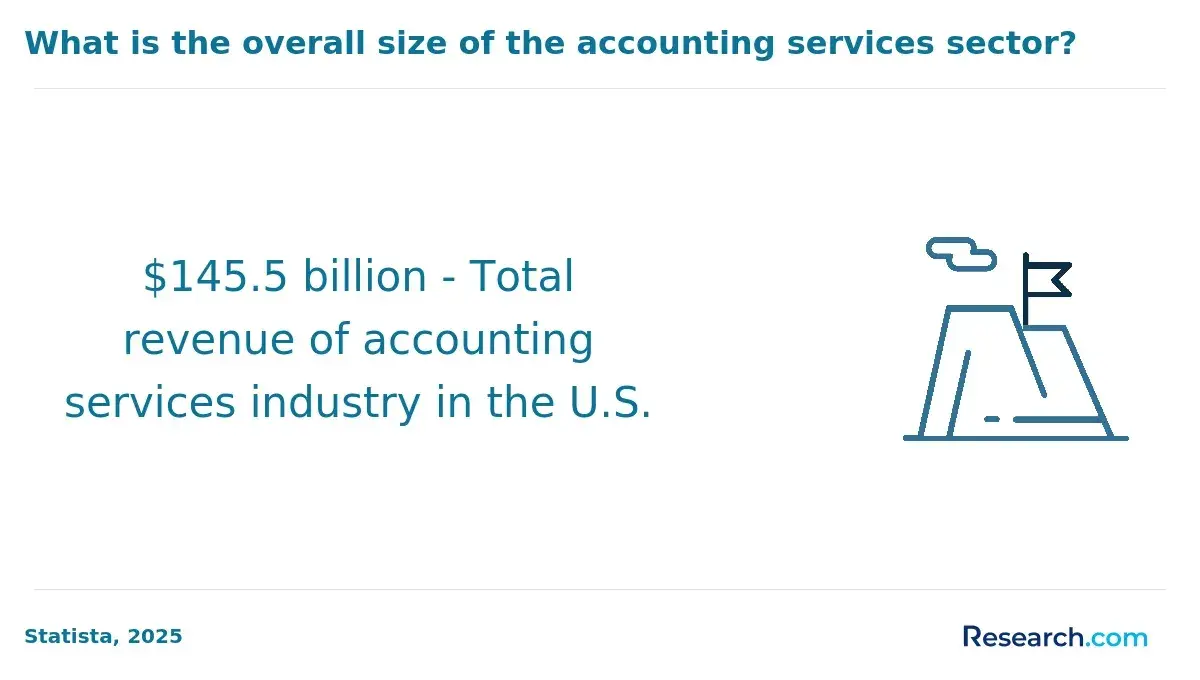
Do Employers Treat Online and On-campus Accounting Degrees Equally?
Many employers treat online and on-campus accounting degrees equally when the online degree comes from an accredited institution, follows a rigorous curriculum, and produces graduates who can demonstrate job-ready skills. The delivery format is usually less important than the credibility of the school, the relevance of the coursework, and the candidate’s experience.
Online accounting degrees are no longer automatically viewed as second-tier credentials. Employers have become more familiar with remote work, virtual collaboration, and digital education. In some cases, completing an online program while working can signal discipline, time management, and persistence.
Still, equality is not automatic. An online degree is more likely to be respected when students can show:
- Accreditation: The institution is properly accredited, and the accounting program meets recognized academic standards.
- Comparable curriculum: The program covers core accounting areas such as financial reporting, taxation, auditing, managerial accounting, ethics, and accounting systems.
- Practical experience: Internships, remote accounting projects, Volunteer Income Tax Assistance (VITA), bookkeeping work, or audit support experience help translate coursework into workplace evidence.
- Software ability: Employers expect comfort with spreadsheets, accounting systems, tax software, enterprise platforms, and data tools.
- Professional communication: Accounting work requires clear documentation, client communication, and accuracy under deadlines.
The main mistake students make is assuming the degree alone will answer every employer concern. Online graduates should be ready to explain what they studied, how they completed team projects, what accounting tools they used, and how their coursework prepared them for the role. A well-presented portfolio of projects, internship outcomes, or certification progress can make the online format irrelevant in the hiring decision.
Employers may trust online accounting degrees that use AI-powered virtual classrooms when the program is accredited, transparent about assessment standards, and able to show that students master real accounting competencies. AI tools can improve online learning, but they do not replace accreditation, faculty oversight, or rigorous evaluation.
In accounting education, AI-supported platforms can help students practice technical tasks more efficiently. Adaptive learning systems can identify weak areas in topics such as financial statements, adjusting entries, cost behavior, or tax rules. Virtual simulations can place students in audit, reporting, budgeting, or compliance scenarios. AI tutors and automated feedback can help students correct errors faster than waiting for traditional grading cycles.
These tools can strengthen learning when used responsibly. They are especially useful for:
- Repeated practice: Students can work through accounting problems until they understand the logic behind the answer.
- Scenario-based learning: Simulations can mirror tasks such as reconciling accounts, reviewing internal controls, or preparing reports.
- Immediate feedback: Students can identify mistakes early instead of carrying misunderstandings into later coursework.
- Flexible support: Working students can study outside normal office hours while still receiving guided assistance.
Employer caution usually centers on academic integrity and skill verification. Hiring managers want confidence that graduates completed their own work, understand accounting principles, and can meet deadlines without relying on automated tools. Programs can build that confidence through proctored assessments, instructor-led projects, oral presentations, team assignments, and practical capstones.
For students, the best approach is to treat AI-enhanced learning as a training advantage, not as the credential itself. In interviews, focus on what you can do: prepare journal entries, analyze variances, reconcile accounts, interpret financial statements, support audits, use accounting software, and communicate findings clearly.
Employers value online accounting graduates who can combine technical accuracy with dependable workplace habits. Accounting is detail-heavy, deadline-driven, and increasingly digital, so hiring managers look for candidates who can produce reliable work, explain financial information clearly, and learn new systems quickly.
The strongest online graduates can point to specific skills, not just courses completed. Key employer-valued skills include:
- Accounting fundamentals: Employers expect graduates to understand debits and credits, accrual accounting, financial statements, reconciliations, payroll basics, taxation concepts, budgeting, auditing principles, and internal controls.
- Analytical and critical thinking skills: Accounting roles require more than recording numbers. Graduates must identify errors, interpret trends, compare financial results, investigate discrepancies, and make sound recommendations based on evidence.
- Technology proficiency: Online graduates should be comfortable with spreadsheets, accounting software, cloud-based collaboration tools, databases, and digital reporting systems. Familiarity with accounting information systems can be a major advantage.
- Written communication: Accountants often explain findings through emails, memos, reports, audit notes, and documentation. Clear writing reduces confusion and supports compliance.
- Remote collaboration: Online programs often require discussion boards, virtual meetings, shared documents, and group projects. These habits transfer well to hybrid and remote accounting teams.
- Time management: Completing an online degree requires planning, self-direction, and deadline control. Employers value this because accounting work often peaks during month-end close, tax season, audits, and reporting cycles.
- Ethical judgment: Trust is central to accounting. Employers want graduates who understand confidentiality, professional standards, and the consequences of inaccurate reporting.
Students should make these skills visible on resumes and in interviews. Instead of listing “accounting coursework,” describe projects such as preparing financial statements, analyzing budgets, completing tax simulations, building spreadsheet models, or reviewing internal controls. For students considering graduate study while managing costs, an online master degree cheap may be worth comparing, provided the program is accredited and aligned with career goals.
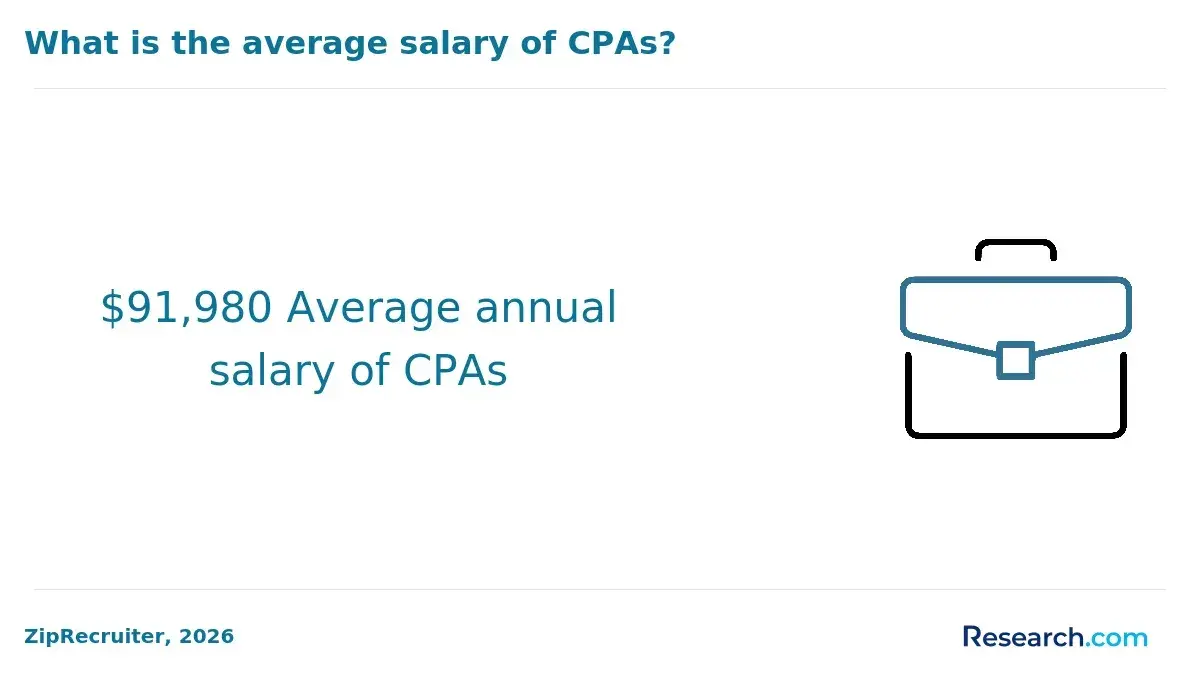
Yes. Professional certifications can strengthen the credibility of an online accounting degree because they provide external proof of knowledge beyond the school transcript. A certification does not erase the need for an accredited degree, but it can reassure employers that the graduate has met recognized professional standards.
Certifications are especially useful for online graduates who want to compete for public accounting, corporate finance, audit, compliance, or management accounting roles. They show commitment, discipline, and readiness for more specialized work.
- Certified Public Accountant (CPA): The CPA is widely recognized as the gold standard in accounting. It signals advanced knowledge of accounting, auditing, regulation, ethics, and professional responsibility. Students should verify that their online program provides the coursework needed for CPA eligibility in the state where they plan to practice.
- Certified Management Accountant (CMA): The CMA is valuable for candidates interested in corporate finance, budgeting, performance management, cost analysis, and strategic decision support. It can be especially useful for graduates pursuing leadership roles outside public accounting.
- Certified Internal Auditor (CIA): The CIA supports careers in internal audit, risk management, controls, and compliance. It is relevant for graduates who want to work in organizations where governance and oversight are central responsibilities.
- Professional recognition and credibility: Certifications usually require standardized exams and, often, relevant work experience. That gives employers an additional benchmark for evaluating competence.
- Career advancement and higher salaries: Certified professionals generally have better access to promotions, salary increases, and leadership roles because employers can verify specialized expertise.
- Ongoing professional development: Many certifications require continuing education, which signals that the graduate is staying current with changing accounting standards and regulations.
One online accounting graduate described the CPA path as the turning point in how employers viewed his background. Starting the CPA journey after finishing an online degree was intimidating because he was unsure how hiring managers would evaluate the combination of online education and certification. The exam preparation and experience requirements gave him confidence and helped him prove his abilities in a measurable way.
His experience reflects a broader lesson: certifications can reduce uncertainty. They help shift the conversation from where or how a student studied to whether the candidate can meet professional accounting standards.
Online and on-campus accounting graduates can earn comparable salaries when they hold similar credentials, come from accredited programs, and compete for the same roles in the same labor markets. Salary differences are usually driven more by experience, certification, job function, location, employer type, and specialization than by whether the degree was earned online or in person.
Studies show that online and on-campus accounting graduates earn comparable salaries, with no significant wage gap between the two groups. This reflects a hiring shift toward verified skills and credentials rather than program format alone.
The most important salary factors include:
- Program accreditation and institutional prestige: Employers are more likely to value a degree when the school is properly accredited and recognized. A respected online program can support similar earning potential as a comparable campus-based program.
- Curriculum alignment with professional standards: Programs that cover GAAP, financial reporting, auditing, taxation, accounting systems, and ethics help prepare graduates for the same entry-level and advancement pathways.
- Work experience: Internships, bookkeeping roles, tax preparation, audit assistance, payroll work, and corporate accounting experience often influence salary more directly than delivery format.
- Certifications: Credentials such as CPA, CMA, and CIA can improve access to specialized and higher-responsibility roles.
- Geographic location and industry sector: Salaries vary by region, company size, industry demand, and cost of living. These differences apply to both online and campus graduates.
- Degree level: Advanced degrees, including master’s programs, can increase salary potential when they align with career goals, certification requirements, or leadership tracks.
Students should compare programs by outcomes, not promises. Review available career services, internship support, alumni pathways, certification preparation, and employer relationships. Those seeking flexible admission options can also explore ways to apply free to accredited online colleges, while still confirming accreditation and fit before enrolling.
An online accounting degree can support career growth when it helps a professional qualify for roles that require a degree, prepare for certification, or move from clerical finance work into accounting, audit, tax, or management responsibilities. For working adults, the biggest advantage is often continuity: they can keep earning experience while completing the credential.
Online accounting programs can influence advancement in several practical ways:
- Credential acquisition without career interruption: Working professionals can study while remaining employed, which allows them to apply new concepts immediately and build a stronger promotion case.
- Access to specialized career pathways: Accounting coursework can support movement into areas such as financial reporting, internal audit, tax, compliance, financial analysis, management accounting, or controller-track roles.
- Certification preparation: A degree that includes the right accounting credits can help students prepare for credentials such as CPA, CMA, or CIA, depending on career goals and eligibility rules.
- Stronger internal mobility: Employees already known by an organization may use the degree to qualify for accounting roles, supervisory duties, or finance department openings.
- Flexible industry movement: Accounting skills are used across public accounting, corporate finance, government, nonprofit organizations, healthcare, technology, manufacturing, and financial services.
The degree alone may not produce a promotion. Employers still look for performance, reliability, leadership potential, and evidence that the graduate can handle more complex responsibilities. Students should connect coursework to workplace outcomes by volunteering for accounting-related projects, documenting process improvements, learning software systems, and communicating career goals to supervisors.
One graduate who completed an online accounting program while working full time described the experience as challenging but career-changing. The flexibility allowed her to study around work deadlines, and the coursework helped her apply advanced accounting techniques in her current role. After graduation, her organization viewed her contributions differently, and she earned a significant promotion within a year. Her experience shows how an online degree can become a promotion tool when paired with strong job performance and visible skill growth.
Graduates of accredited online accounting programs can find opportunities across the same sectors that hire campus-based accounting graduates. Employers typically care about whether candidates can perform the work, meet education requirements, use accounting systems, communicate clearly, and demonstrate integrity with financial information.
Common employers and sectors include:
- Public accounting firms: These firms hire for audit, tax, advisory, bookkeeping, and assurance-related roles. They often value candidates who can manage deadlines, work with clients, and learn firm-specific software quickly.
- Corporate finance departments: Companies in manufacturing, retail, technology, healthcare, and other industries hire accounting graduates for budgeting, accounts payable, accounts receivable, financial reporting, payroll, internal audit, and close-process support.
- Financial services and fintech companies: Banks, investment firms, insurance companies, and fintech employers may hire accounting graduates for analyst, compliance, reporting, risk, and controller-support roles. Digital fluency is especially useful in these environments.
- Consulting and business advisory firms: These employers may need accounting graduates for forensic accounting, risk management, internal controls, compliance support, and financial operations consulting.
- Nonprofit and government organizations: These employers hire for grant accounting, fund accounting, budget analysis, compliance, auditing, and financial administration. Accuracy, documentation, and ethical judgment are especially important.
- Remote and hybrid employers: Online accounting graduates may be well positioned for distributed teams because they are accustomed to virtual collaboration, self-directed work, and digital communication.
Students should not limit their search to companies that explicitly mention online degrees. Most job postings focus on degree level, accounting credits, experience, software skills, and certifications. Candidates can also broaden their view of related career routes by comparing finance and administration roles with trade school job options, especially if they are considering alternative or complementary credentials.
The credibility of online accounting degrees will continue to depend on quality control, employer trust, and evidence that graduates can perform real accounting work. Technology may make online programs stronger, but only when paired with rigorous instruction, transparent assessment, and recognized accreditation.
- AI-driven learning validation: Artificial intelligence is increasingly used to personalize learning, provide instant feedback, and verify the authenticity of student work. Used well, these tools can help confirm that students are building real accounting skills rather than simply completing assignments.
- Global accreditation collaboration: Accreditation bodies worldwide are working together to set consistent standards for accounting education. Broader recognition can help employers compare credentials more confidently across delivery formats and locations.
- Increased employer partnerships: Universities that partner with firms, agencies, and professional organizations can offer virtual internships, applied projects, and job-aligned coursework. These experiences help online students demonstrate practical readiness.
- Skill-based hiring: Employers increasingly emphasize demonstrated skills, portfolios, software proficiency, certifications, and work experience. This trend can benefit online graduates who can show measurable outcomes.
- Stronger remote-work alignment: Accounting teams often use cloud platforms, shared dashboards, virtual meetings, and digital workflows. Online graduates who are comfortable in these environments may have an advantage in hybrid and remote roles.
- Greater scrutiny of program quality: As online options expand, weak programs may face more skepticism. Students should expect employers to look closely at accreditation, curriculum rigor, assessment methods, and career outcomes.
The future is not simply that online degrees will become accepted automatically. The stronger trend is that high-quality online programs will be judged by the same evidence as campus programs: accreditation, outcomes, faculty quality, practical experience, and graduate competence.
Here's What Graduates of Respected Online Accounting Programs Have to Say About Their Degree
- : "Completing my online accounting degree opened doors I never thought possible, especially in such a competitive job market. The flexibility of the program allowed me to balance work and study, which gave me confidence and real-world experience simultaneously. Since graduating, I landed a position at a top financial firm and have already earned two promotions. This degree truly transformed my career prospects and professional growth in ways I hadn't imagined. — Jamal"
- : "What stood out to me about earning an online accounting degree was how it allowed me to contribute directly to my community by providing financial literacy workshops at local nonprofits. The program's curriculum was detailed and practical, helping me develop skills that are highly valued by employers. Today, I feel deeply fulfilled knowing my education empowers both my career advancement and my capacity to make a meaningful impact. — Marisol"
- : "Starting an accounting career with an online degree felt daunting at first, but the extensive network and career resources my school provided changed everything. I appreciated the professional development courses included that prepared me for certification exams and leadership roles. The stability of accounting jobs in various industries gives me peace of mind, and I'm excited about the advancement opportunities ahead. — Eugene"
Other Things You Should Know About Respectable Online Accounting Degree Programs
Online accounting programs should be accredited by recognized bodies such as AACSB or ACBSP to ensure respect from employers in 2027. These accreditations signify high educational standards and are crucial for employer recognition and validation of the degree's quality.
In 2027, sectors like finance, technology, and healthcare are most likely to hire graduates with online accounting degrees. These industries value the analytical and detail-oriented skills that accounting graduates possess, regardless of whether their degree was earned online or on-campus.
An online accounting degree can still positively impact job opportunities in 2027 if it comes from a reputable, accredited institution. Employers often prioritize skills, experience, and the quality of education over the mode of delivery.
- 20 Companies Hiring for Remote Accounting Jobs | FlexJobs https://www.flexjobs.com/blog/post/companies-with-remote-accounting-jobs
- AICPA. (2025). AICPA 2025 Trends Report. https://www.aicpa-cima.com/professional-insights/download/2025-trends-report
- BLS. (2025, August 28). Occupational projections and worker characteristics. Employment Projections. https://www.bls.gov/emp/tables/occupational-projections-and-characteristics.htm
- Financial Accounting Professional Certificate: Online https://www.nyif.com/financial-accounting-professional-certificate-online.html
- How employers perceive online accounting education: Evidence from Kentucky - ScienceDirect https://www.sciencedirect.com/science/article/abs/pii/S0748575116301804
- Slotta, D. (2025, December 17). Accounting industry in the U.S. - statistics & facts. Statista. https://www.statista.com/topics/2121/accounting-industry-in-the-us
- The Future of Accounting: 8 Game-Changing Trends to Watch for in 2025 | FreshBooks Blog https://www.freshbooks.com/blog/the-future-of-accounting
- The Most Valuable Skills You'll Develop in an Online Accounting Program https://www.ucumberlands.edu/blog/most-valuable-skills-youll-develop-online-accounting-program
- What Can You Do With an Associate Accounting Degree? 6 Jobs to Consider | University of Cincinnati https://online.uc.edu/blog/accounting-degree-jobs/
- ZipRecruiter. (2026). Certified Public Accountant salary. https://www.ziprecruiter.com/Salaries/Certified-Public-Accountant-Salary