
2027 Hardest and Easiest Courses in a Supply Chain Management Degree Program

Co-Founder and Chief Data Scientist
Many students pursuing a supply chain management degree struggle to balance demanding coursework with real-world application. According to the Council of Supply Chain Management Professionals, 72% of graduates report that technical courses in data analytics and logistics were the most challenging. This difficulty often impacts graduation timelines and career preparedness. Understanding which courses require intense effort and which offer relative ease can help students allocate time efficiently and reduce stress. This article examines the hardest and easiest courses within supply chain management programs to guide students in managing their academic workload and enhancing their chances of success.
Key Things to Know About the Hardest and Easiest Courses in a Supply Chain Management Degree Program
- Quantitative courses like logistics optimization are often hardest due to complex mathematical models and heavy workload requiring strong analytical skills.
- Introductory supply chain concepts are easiest, benefiting students with diverse backgrounds and simpler assessment formats.
- Online course delivery can increase difficulty for some, as lack of direct interaction challenges practical understanding and timely feedback.
What Are the Hardest Core Courses in a Supply Chain Management Degree Program?
Certain core courses in supply chain management degree programs stand out as the most challenging due to their technical complexity, heavy workload, and the necessity to meet rigorous accreditation standards. These classes often require advanced analysis, practical application, and integration of multifaceted concepts.
Below are some of the hardest core courses students typically encounter.
- Operations Management: This course covers advanced theories on process optimization and demands the ability to analyze extensive datasets to enhance efficiency, making it quantitatively intensive.
- Supply Chain Analytics: Focused on statistical methods and modeling techniques, this class requires mastering specialized software and interpreting complex data to support strategic decision-making.
- Logistics and Transportation Management: Understanding detailed systems and regulations in product movement is essential here, with significant workload from case studies and projects simulating real-world logistics problems.
- Procurement and Sourcing: Involving negotiation strategies, contract management, and ethical considerations, this course is both conceptually dense and practically oriented.
- Strategic Supply Chain Management: Often the capstone course, it integrates prior knowledge through cumulative assessments and real-life application projects, increasing its difficulty level.
Planning ahead for these most challenging supply chain management classes helps students manage their academic workload effectively. For those interested in further advancing their education, exploring EdD programs can offer expedited paths to relevant advanced degrees.
What Are the Easiest Required Courses in a Supply Chain Management Degree Program?
In supply chain management degree programs, the term "easiest" refers to courses that students commonly find more manageable due to their applied content, accessible assessment styles, or alignment with prior experience. This perception does not imply lower academic value but highlights how certain courses better match student strengths and learning preferences. A recent survey found that roughly 65% of supply chain students reported higher pass rates and less stress in courses emphasizing project-based evaluations over heavy technical exams.
Below are some commonly regarded least difficult core classes in supply chain management programs that often fit this description.
- Introduction to Supply Chain Management: Focuses on fundamental concepts and practical applications, incorporating case studies and classroom discussions rather than complex calculations, making it approachable for many students.
- Logistics and Transportation: Emphasizes hands-on problem-solving and route planning with fewer abstract theories, helping students engage with real-world scenarios that are often easier to grasp.
- Operations Management: Covers core principles with grading that favors project completion and process comprehension over mathematical difficulty, offering a more applied learning experience.
These courses typically balance essential knowledge with accessible content, which can assist students in managing their workloads and achieving academic success within a supply chain management degree. Students seeking the easiest required courses in supply chain management degree programs should consider how these applied learning opportunities align with their skills.
For those interested in exploring related affordable educational paths, the cheapest online counseling degree may present another manageable option in a different field.
What Are the Hardest Elective Courses in a Supply Chain Management Degree?
In supply chain management degree programs, "hardest" electives usually refer to courses recognized as more demanding due to complex technical content, substantial workloads, or cumulative evaluations. These courses often require integrating diverse skills and handling intensive projects.
Below are some electives frequently regarded as the most challenging:
- Advanced Supply Chain Analytics: This course demands strong expertise in statistical tools and data modeling. Students must analyze large datasets and interpret results accurately, often using specialized software.
- Global Logistics and Transportation: Navigating international shipping complexities, regulatory compliance, and optimizing distribution networks makes this elective particularly tough. The course requires understanding global trade environments and problem-solving logistical constraints.
- Supply Chain Risk Management: Focused on identifying potential disruptions and developing strategic responses, this elective challenges students to think critically under uncertainty. It includes detailed risk evaluations and contingency plan creation.
- Procurement and Strategic Sourcing: Mastering negotiation tactics, supplier assessment, and contract management is essential here. Practical exercises like case studies and simulations intensify the course's difficulty.
- Operations Strategy and Process Improvement: Combining theoretical frameworks with hands-on process redesign, this class involves rigorous projects aimed at optimizing business operations. Students apply multifaceted skills to real-world or simulated scenarios.
These electives stand out because they blend technical knowledge with extensive independent work, requiring strong analytical abilities and project management skills simultaneously.
Electives deemed "easiest" in supply chain management programs are generally those with lighter workloads, familiar or practical content, and flexible evaluation methods. These courses often prioritize applied learning or build on students' existing skills, making them less demanding than highly technical options.
Below are five electives commonly regarded as more manageable by students in the field:
- Introduction to Logistics: Focuses on foundational logistics concepts with an emphasis on projects and case studies rather than dense theory, making the material easier to grasp.
- Business Communication: Concentrates on enhancing writing and presentation skills, featuring less technical content and grading that often rewards clear, straightforward work.
- Operations Management: Involves practical problem-solving scenarios rather than heavy quantitative analysis, appealing to those preferring application over complex calculations.
- Customer Relationship Management: Uses group projects and real-world case examples, emphasizing teamwork and applied knowledge instead of abstract concepts.
- Sustainability in Supply Chains: Centers on current industry trends and policy discussions, mainly through class participation and dialogue, with fewer exams or technical assignments.
Supply chain management programs often require advanced technical proficiency due to the complexity of data analysis, specialized software, and practical problem-solving involved. Nearly 70% of students in these programs report needing strong quantitative competencies and familiarity with tools like SAP, Oracle, or specialized analytics platforms. This highlights the increasing demand for technical skills in supply chain management courses to handle real-world challenges effectively.
Several supply chain management classes stand out for their particularly high technical skill requirements:
- Supply Chain Analytics: This course centers on data-driven decision-making and requires proficiency in statistical tools, Excel modeling, and programming languages such as R or Python for forecasting and optimization tasks.
- Logistics and Transportation Management: Students learn to operate transportation management systems (TMS) and route optimization software, often engaging in simulations that mimic complex logistics scenarios.
- Operations Research and Modeling: This class demands strong mathematical skills and knowledge of linear programming and algorithmic methods, frequently using platforms like MATLAB or other specialized optimization software.
Among the most challenging supply chain management classes, these technical demands are a significant step up from more conceptual courses. For students balancing various academic interests, such as exploring marriage and family therapy online programs accredited, understanding these requirements can help in planning workloads and improving success.
Writing-intensive supply chain management courses often increase perceived difficulty due to the substantial time needed for research, drafting, and revision. A recent survey found that about 68% of business students indicated writing tasks in these courses require significantly more effort than technical problem-solving, impacting overall workload and stress levels.
Several factors contribute to whether these writing-heavy supply chain classes feel easier or harder to students:
- Time Management: Effective organization is critical because extensive writing assignments demand considerable planning and pacing. Without it, students may feel overwhelmed by deadlines and volume.
- Research Requirements: Writing-intensive courses typically require deep analysis and sourcing of credible information. This additional research workload can add complexity, particularly for those less familiar with academic inquiry.
- Assessment Style: These classes evaluate both technical knowledge and communication skills. Students must not only understand supply chain concepts but articulate their insights clearly in reports and case studies, which may raise the difficulty.
- Prior Experience: Familiarity with business writing or support from writing centers often mitigates challenges. Conversely, inexperienced writers might find these classes more demanding and stressful.
- Skill Integration: The dual focus on mastering supply chain content while honing writing proficiency requires students to develop complementary skill sets, a factor influencing their perception of course difficulty.
Students interested in supply chain management should consider these aspects carefully to prepare adequately. For those weighing degree options, resources like what bachelors degree should I get provide valuable insights into educational paths and career outcomes.
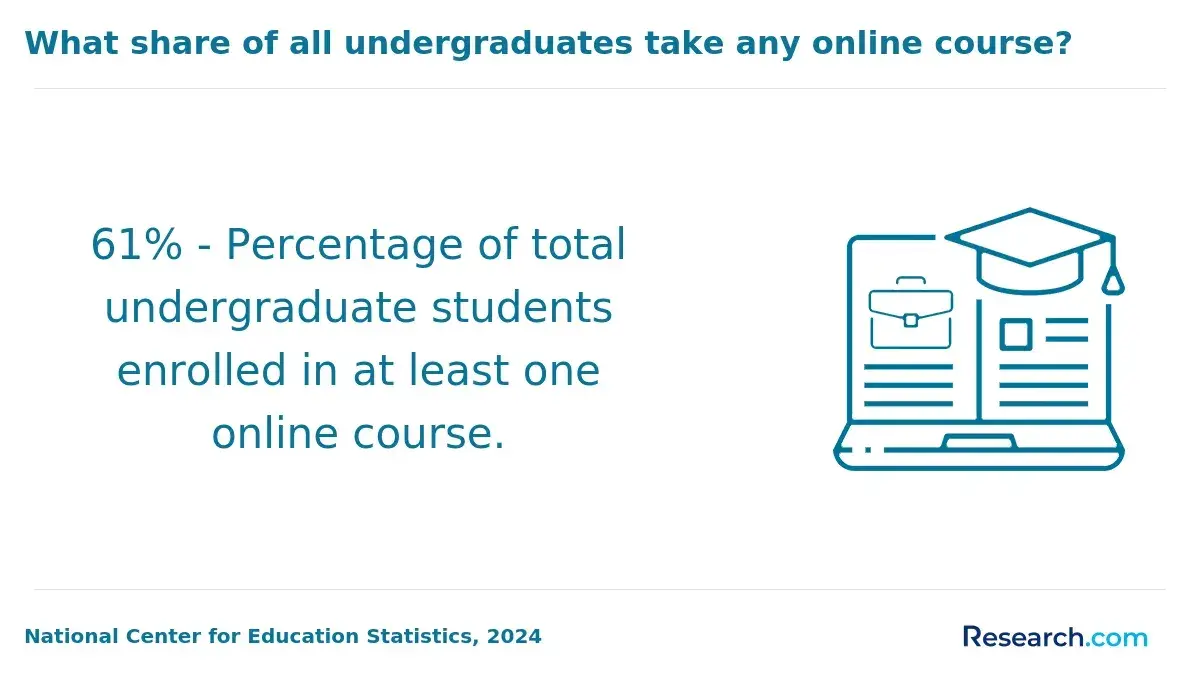
Course format can significantly impact how students perceive difficulty, with surveys showing that around 70% of supply chain management students report similar satisfaction levels between online and on-campus classes, although completion rates often vary. Several factors contribute to these differences.
Key considerations include:
- Self-discipline demands: Online courses require students to manage their own schedules without the structured routine of in-person classes, which can increase challenges in staying on track and meeting deadlines.
- Instructor access: Immediate, face-to-face interaction in on-campus settings offers quicker feedback and clearer communication, while online learners may experience delays or less personalized responses.
- Resource availability: Physical classrooms typically provide direct access to libraries, labs, and study groups, resources that may be limited or require additional navigation in online formats, potentially complicating research and practical exercises.
- Flexibility benefits and risks: Online learning allows pacing that suits individual schedules, reducing stress for some, yet it can also encourage procrastination or disengagement, making the workload feel heavier.
- Assessment methods: Online courses often rely on open-book tests, projects, and continuous assessments, which differ from traditional timed, proctored exams and may affect the perceived rigor.
Planning effectively for supply chain management courses requires knowing the typical weekly workload. On average, undergraduates dedicate around 13 hours per course each week, which aligns with standard credit-hour expectations across many degree programs. Differences in study time often arise depending on course structure and delivery methods.
Several important factors affect how many hours students typically spend on supply chain management coursework:
- Course level: Higher-level courses usually demand additional effort due to advanced topics and more complex projects, increasing overall study time.
- Technical intensity: Classes emphasizing analytics, software applications, or quantitative techniques require hands-on practice, which adds to weekly hours outside of lectures.
- Writing requirements: Assignments like research papers and detailed case studies involve considerable preparation, extending time spent on coursework beyond just reviewing material.
- Learning format: Online and hybrid courses can change how students allocate study sessions, sometimes necessitating greater self-discipline and scheduling adjustments compared to traditional classroom settings.
- Student background: Those with prior knowledge of business fundamentals or logistics may find it easier to grasp concepts, resulting in potentially less time needed for studying.
By evaluating these factors, students can better manage their course schedules and maintain a balanced approach to their academic and personal commitments.
Harder supply chain management courses are a significant concern for students due to their potential impact on GPA, with research showing that advanced classes often have average GPAs 0.3 to 0.5 points lower than introductory courses. This trend highlights the challenge students face when balancing course difficulty and maintaining strong academic performance. The impact of challenging supply chain courses on GPA stems from several key factors.
These elements illustrate why tougher coursework may lower grades and affect overall student outcomes:
- Grading rigor: Stricter grading standards in advanced courses aim to differentiate higher levels of mastery, leading to fewer top grades and raising the bar for GPA achievement.
- Assessment structure: Emphasis on complex projects, detailed case studies, and application-based exams make tests more demanding than memorization-based assessments, increasing difficulty.
- Course sequencing: Harder classes rely heavily on foundation knowledge from earlier courses; gaps in this understanding can result in lower performance and GPAs.
- Student preparation: Differences in readiness and prerequisite skills contribute to wider grade distributions, especially in advanced supply chain management classes where foundational gaps are more pronounced.
- GPA weighting policies: Some programs apply additional weight to advanced courses, meaning a low grade in these courses can disproportionately lower a student's cumulative GPA.
Prospective and current students should consider these factors when planning their course loads. Balancing tougher classes with other academic responsibilities can help protect GPA. For those interested in accelerating their education, exploring 1 year master's programs offers an alternative pathway to gain advanced skills without excessively extending study time.
Many students believe that more challenging supply chain management courses can improve their chances of employment, a view supported by a 2022 survey showing that over 60% of employers prefer candidates with advanced or specialized coursework. This connection reflects how rigorous studies may impact job prospects in the field.
Key aspects that explain this influence include:
- Skill enhancement: Tougher courses delve into complex subjects such as analytics, optimization, and risk management, providing students with deep expertise highly sought after by recruiters.
- Employer impression: Successfully completing difficult classes demonstrates qualities like commitment, self-discipline, and problem-solving ability, which employers often prioritize.
- Practical experience: Challenging courses frequently incorporate real-world projects or collaborations with businesses, offering hands-on learning and valuable networking that can improve resumes.
- Specialized focus: Choosing advanced topics in niche areas like supply chain software or sustainable logistics signals targeted knowledge, potentially leading to roles requiring specific skills.
- Career advancement: A solid foundation built through demanding coursework can prepare graduates for leadership roles or advanced certifications, promoting growth over time.
While harder courses can provide these benefits, students should also consider balancing workload with their own capabilities to ensure academic success and comprehensive readiness for the supply chain profession.
What Graduates Say About the Hardest and Easiest Courses in a Supply Chain Management Degree Program
- Elio: "Balancing the more challenging courses like logistics optimization with the easier classes such as introduction to supply chain management was tough but rewarding in my online program. Considering the average cost of attendance was reasonable, I felt my investment paid off as I quickly advanced in my career. The practical knowledge I gained helped me secure a managerial position within months after graduation."
- Axel: "The mix of demanding courses and lighter subjects provided a well-rounded education, though it required careful time management when studying online. While the tuition fees were a concern initially, the overall value became clear as my understanding deepened and job prospects improved. After completing my degree, I noticed a significant boost in my professional confidence and salary."
- Cade: "Taking an online supply chain management degree meant juggling tough topics like risk management alongside easier courses like supply chain fundamentals. The relatively affordable cost compared to other programs was a major factor in my decision. Now, my career benefits daily from the strategic skills I developed, proving that the effort and expense were worthwhile."
Other Things You Should Know About Supply Chain Management Degrees
Course difficulty in 2027 supply chain management programs is evaluated based on student feedback, pass rates, and instructor assessments. Factors like course content complexity, required analytical skills, and the workload associated with projects and exams significantly contribute to determining whether a course is deemed difficult or easy.
Prerequisites for the hardest supply chain management courses in 2027 often include prior completion of introductory courses, such as Supply Chain Fundamentals. Some may also require statistics or economics to ensure that students have the needed analytical skills.
- MScSupply Chain and Logistics Management MScSupply Chain and Logistics Management https://www.lincoln.ac.uk/course/loggloms/
- 4 Reasons Why Supply Chain Management is a Good Career Path https://www.michiganstateuniversityonline.com/resources/supply-chain/4-reasons-to-choose-career-in-supply-chain/
- CourseCareers https://coursecareers.com/blog-posts/best-supply-chain-coordination-courses
- Online Vs. Campus Supply Chain Courses: Which is right for you? https://henryharvin.ae/blog/online-vs-campus-supply-chain-courses-which-is-right-for-you/
- Best Supply Chain Courses & Certificates [2025] | Coursera Learn Online https://www.coursera.org/courses
- Master in International Supply Chain Management, Part-time https://www.rotterdamuas.com/programmes/master/parttimemsc/
- Is Supply Chain Management a Good Career in 2025? Pros & Outlook https://clinstitute.co.uk/blog/management-training/is-supply-chain-management-a-good-career-pros-outlook
- Top 10 Supply Chain Management Courses for Beginners | Kickstart Your Career - Select Training https://selecttraining.ae/supply-chain-management-courses-for-beginners/
- Which Supply Chain Skills are Hardest to Find in 2023? https://www.argentus.com/which-supply-chain-skills-are-hardest-to-find-in-2023/
- MSc Supply Chain Management and Global Logistics | University of London https://www.london.ac.uk/study/courses/postgraduate/msc-supply-chain-management-global-logistics


