2027 School Counseling Master's Degree vs Graduate Certificate: Which Is Better?

Co-Founder and Chief Data Scientist
Choosing between a school counseling master's degree and a graduate certificate can challenge many aspiring professionals-especially when weighing factors like cost, duration, and career impact. Master's programs typically require two years of study and often lead to licensure, while graduate certificates take less time but may not qualify holders for full certification or the same salary range. In 2024, the median annual wage for licensed school counselors stood at roughly $60,000, compared to lower averages for certificate-only holders. This article examines these credentials through admission criteria, employer recognition, salary potential, and career utility-offering a data-driven guide to help readers decide which pathway suits their goals best.
Key Things to Know About Which Is Better: A School Counseling Master's Degree or a School Counseling Graduate Certificate
- Master's degrees generally require 2 years and higher tuition-often doubling the cost of graduate certificates, which can finish within 1 year and at significantly lower expense.
- Admission to master's programs is more competitive, requiring GRE scores and relevant background-while certificates often have more flexible criteria suited to career-changers.
- Employers typically prefer master's degrees, associating them with higher salary potential-certificates offer quicker entry but limited long-term salary growth and career advancement.
What Is the Difference Between a School Counseling Master's Degree and a School Counseling Graduate Certificate?
A school counseling master's degree is a comprehensive graduate-level credential requiring 48 to 60 credit hours designed for students seeking full professional preparation to become licensed or certified school counselors. This degree covers counseling theories, human development, assessment methods, ethical and legal issues, and includes supervised clinical practicum experiences. Its primary goal is to equip students with deep knowledge and practical skills that fulfill state requirements for licensure and entry into the profession.
Conversely, a school counseling graduate certificate is a focused program typically consisting of 12 to 18 credit hours intended for professionals who already hold a master's degree in counseling or a related field and want to specialize in school counseling without completing a full degree. These certificates emphasize essential skills needed for the school environment but involve fewer supervised practicum hours and less depth overall. They generally do not qualify graduates for initial licensure, though some institutions allow stacking certificate credits toward a master's degree, which adds complexity to direct comparisons.
- Academic Scope: Master's degrees offer broad theoretical and clinical training; certificates concentrate narrowly on specialized school counseling competencies.
- Duration and Credit Hours: Master's programs usually require two years full-time study and three to four times the credits of certificates.
- Intended Audience: Master's degrees target new entrants aiming for licensure; certificates suit licensed counselors or professionals shifting focus.
- Credential Level: Master's degrees are terminal professional degrees qualifying for licensure; certificates are supplemental, non-degree credentials.
- Misconceptions: Certificates are not mini master's degrees but targeted skill-building programs-though some permit stacking credits toward a master's.
This nuanced understanding lays the groundwork for a detailed comparison of costs, time commitments, career outcomes, salary impacts, and employer recognition associated with each credential. Such an analysis is essential for those weighing school counseling master's degree vs graduate certificate differences in career outcomes and deciding which credential best fits their goals. For those looking at accelerated or accessible options, exploring the easiest RN program to get into can offer insights into comparable educational pathways elsewhere.
What Are the Typical Admission Requirements for a School Counseling Master's Program Compared to a School Counseling Graduate Certificate?
Admission requirements for school counseling master's programs typically reflect the academic rigor needed for professional licensure and advanced practice. Most programs expect a baseline undergraduate GPA of around 3.0 on a 4.0 scale to demonstrate readiness. Applicants generally must complete prerequisite coursework in subjects like psychology, human development, or education, which form the essential foundation for graduate-level study. Many programs require standardized test scores, such as the GRE, although a growing number have adopted test-optional policies. In addition, submitting multiple letters of recommendation from academic or professional sources is standard to provide insight into the candidate's potential. A detailed personal statement or statement of purpose is also crucial-this allows applicants to explain their motivations, career goals, and alignment with the program's focus. These criteria reflect typical admission requirements for school counseling master's programs and ensure candidates are well-prepared for comprehensive academic and clinical challenges.
In contrast, graduate certificate admission criteria for school counseling are often more flexible and accessible. These programs cater to students seeking targeted skill development or those aiming to build qualifications gradually. While a bachelor's degree is usually required, GPA standards may be lower or assessed individually. Standardized tests are rarely needed, prerequisite coursework is often reduced or waived, and letters of recommendation may be optional. Personal statements, if required, tend to be shorter or omitted. This lowered barrier serves as an academic on-ramp for students who do not yet meet master's admission criteria, allowing them to strengthen their profiles before pursuing advanced degrees.
Flexibility: Graduate certificates accept a wider range of applicants and offer a pathway into master's programs. Prerequisites: Master's programs require specific foundation courses, while certificates often waive these demands. Application Materials: Letters of recommendation and comprehensive personal statements are standard in master's admissions but streamlined for certificates. Standardized Testing: GRE scores are typically necessary for master's degrees and usually not for certificates. Purpose and Preparation: Master's degrees target licensure and professional roles; certificates focus on skill building and academic stepping stones.
For individuals weighing their options between credentials, understanding these admission differences matters-particularly for those whose GPA or experience does not yet meet master's standards. Those seeking a faster or more affordable route may also compare cost and completion time, sometimes alongside options like the cheapest fastest RN to BSN online as a model of accelerating career advancement through strategic credentialing.
What Is the Minimum GPA Requirement for a School Counseling Master's Program?
Minimum GPA: Accredited school counseling master's programs generally require a minimum undergraduate GPA between 2.5 and 3.0 on a 4.0 scale. These figures serve mainly as eligibility thresholds rather than true indicators of admission chances.
Competitive Programs: Highly selective institutions tend to expect GPAs around 3.5 or higher. Admission in these cases relies on a holistic review, weighing test results, recommendations, and related experience alongside grades.
Open-Enrollment and Professionally Focused Programs: Schools with open access or strong professional orientation may accept candidates with GPAs as low as 2.5, aiming to foster diversity and respond to workforce demands. They prioritize practical skills over purely academic metrics.
Provisional Admission: Some programs offer conditional entry to applicants slightly below minimum GPA standards. Conditions often include maintaining a certain academic performance during initial coursework or completing supplemental requirements to demonstrate readiness.
Advisory: Applicants should view the minimum GPA as a baseline-higher grades improve competitiveness and ease other admission criteria. Realistic assessment of one's academic standing helps in crafting a sound application strategy.
A professional who successfully completed a school counseling master's shared that despite struggling to meet GPA benchmarks early on, he benefited from provisional admission that required consistent performance in foundational classes. He recalled feeling initial uncertainty but emphasized that the structured conditions provided motivation and clear goals which ultimately helped him graduate and build a fulfilling career.
How Long Does It Take to Complete a School Counseling Master's Degree Versus a School Counseling Graduate Certificate?
Compared to a graduate certificate, the school counseling master's degree typically demands significantly more time to complete due to its comprehensive academic structure. Full-time master's students usually finish within two to three years, while part-time enrollment can extend this to three to five years. Accelerated master's options exist but are uncommon, given requirements like extensive coursework, practicum hours, and capstone or thesis projects. These rigorous components contribute to the longer timeline required for the school counseling master's degree time to complete.
- Graduate Certificate Duration: Designed for quicker completion, certificates usually take about a year full-time and up to two years for part-time students. With fewer credits-often between 12 and 18-and no thesis or comprehensive exams, they emphasize essential skills, making them an efficient choice for those prioritizing a fast credential upgrade or a career pivot.
- Program Structure: The master's degree demands 48 to 60 credits, including internships and exams, creating a broad learning experience. In contrast, graduate certificates focus narrowly on core school counseling competencies, reducing both time and academic load.
- Working Professionals' Perspective: Many full-time employees weigh the master's longer commitment against their career goals and licensure eligibility, while certificates provide a more accessible, accelerated path for skill enhancement or quick credentialing.
- Personal Circumstances: Balancing family, finances, and job responsibilities heavily influences which credential fits best. This makes understanding the school counseling graduate certificate duration comparison crucial for decision-making based on lifestyle and time availability.
- Opportunity to Explore: For those considering post-bachelor's advancement, researching options like specialized ultrasound tech programs or similar fields can provide perspective on how varying credential timelines align with career plans.
How Much Does a School Counseling Master's Degree Cost Compared to a School Counseling Graduate Certificate?
Total Cost: Tuition for a school counseling master's degree typically falls between $15,000 and $45,000 at public in-state schools, climbs to $30,000-$70,000 for out-of-state public students, and can range from $40,000 to $90,000 at private institutions. In comparison, graduate certificate programs are more affordable-generally $5,000 to $15,000 at public colleges and up to around $20,000 at private ones. These amounts cover tuition and mandatory fees but exclude living expenses and other indirect costs.
Cost Drivers: The higher price tag for master's degrees stems from longer program duration and increased credit requirements-often 30 to 60 credits versus 12 to 18 credits for certificates. Additionally, institutional expenses such as faculty salaries, student services, and accreditation upkeep tend to weigh more heavily on master's programs. Certificates, designed for faster completion, carry fewer overhead costs.
Graduate Financial Aid: Master's students frequently have access to more robust financial aid, including teaching or research assistantships, fellowships, and employer tuition reimbursements. Such benefits are generally scarcer for certificate candidates, meaning net costs can differ substantially when aid is factored in.
Hidden Costs: Beyond direct expenses, master's candidates often sacrifice income due to longer enrollment and potential delays in career advancement. Certificates require less time-reducing those opportunity costs-though they might offer more limited salary growth over time.
Return on Investment: Evaluating affordability means looking beyond sticker prices to net costs that consider available aid, living expenses, and income forgone during study. Prospective students benefit from using free online calculators to estimate total financial commitment and assess long-term career value.
Asked about her experience weighing the cost difference between the two credentials, a professional who built her career after earning a school counseling master's degree reflected, "I remember budgeting carefully, knowing the master's price tag was steep. But the program's length gave me time to deeply engage with the material and form connections that felt invaluable. I also sought assistantships that helped offset costs, which made the investment more manageable. The challenge was balancing work, study, and life, but ultimately, the diploma opened doors I hadn't imagined. It wasn't just about the tuition-it was about the whole experience and how it prepared me for the realities of the profession."
How Does Earning a School Counseling Master's Degree Affect Salary Compared to a School Counseling Graduate Certificate?
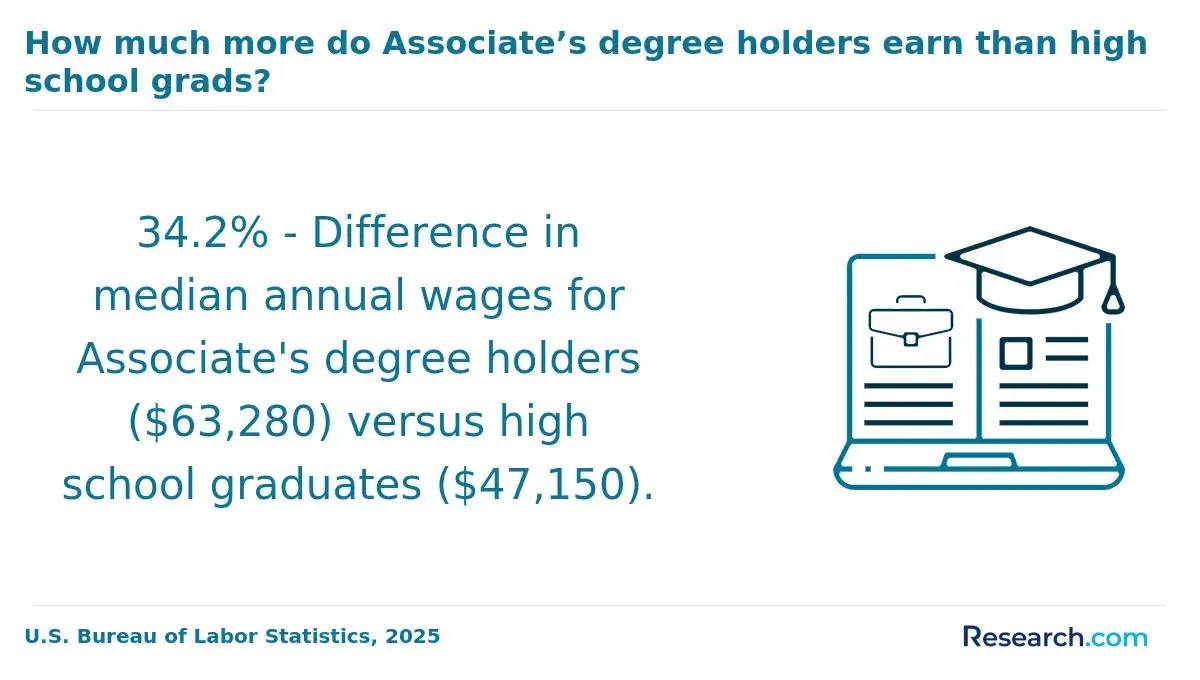
Salary Premium: Professionals holding a School Counseling master's degree generally earn 15% to 30% more than those with a graduate certificate, according to recent data from the Bureau of Labor Statistics and NACE salary reports. This difference reflects the broader expertise and qualifications associated with a master's program.
Industry Variation: The financial advantage of a master's degree is most evident in public education systems, mental health agencies specializing in schools, and higher education institutions. These employers often assign leadership and senior-level roles exclusively to candidates with advanced degrees, thereby increasing compensation. Conversely, some private practices and nonprofit organizations may offer salaries where specific certificates compete effectively.
Career Tracks: Certain roles such as crisis intervention or behavioral specialist positions can yield salaries similar to those attained by master's degree holders-especially when certificates are accompanied by relevant experience or licensure. These specialized positions focus on targeted competencies that graduate certificates efficiently provide.
Return on Investment: While a master's degree tends to require about two years and higher tuition costs, graduate certificates typically take less than a year and incur lower expenses. For individuals wanting quick skill enhancement or entry, certificates might offer an immediate financial return, whereas the master's degree better supports sustained career growth.
Employer Recognition: School districts and employers largely regard the master's degree as the standard credential for a School Counseling role, which strongly influences salary scales and benefits. Graduate certificates are respected but usually viewed as supplemental credentials or precursors to completing a full master's program.
2024 Trend: Recent analysis indicates that demand for School Counseling professionals with advanced degrees rose 7% from 2022 to 2024, reinforcing the value of the master's credential in competitive job markets.
Which School Counseling Career Paths Favor a Master's Degree Over a Graduate Certificate?
Certain career paths within school counseling-such as licensed professions, leadership roles, and research-intensive positions-demand more than just practical skills. They require the comprehensive knowledge, theoretical grounding, and academic rigor that a master's degree provides, setting it apart from the more focused graduate certificate. Analysis of job postings, professional association standards, and Bureau of Labor Statistics occupational data reveals that employers and licensure boards consistently mandate a master's degree for these advanced roles.
- Licensure Compliance: The majority of U.S. states require a master's degree in school counseling or a related field as the baseline for professional licensure. This credential ensures legal practice and independent work within public school systems, making it essential for many entering the field.
- Leadership Positions: Roles such as lead counselor, counseling services director, or district coordinator typically stipulate advanced skills and research experience gained through a master's program. These positions involve supervision, program development, and policy implementation, demanding a broad academic foundation.
- Research and Policy Roles: Educational researchers and professionals involved in program evaluation or policy advocacy rely on rigorous research methods and theoretical training emphasized in master's degrees, which are seldom covered in graduate certificates.
- Career Advancement: Many school districts link salary increases, promotions, and specialized training opportunities to the possession of a master's degree. Graduate certificates-while valuable for practical skills-often do not fulfill these formal advancement criteria.
Recent Bureau of Labor Statistics data indicates that over 85% of employed school counselors hold at least a master's degree, demonstrating the credential's dominant role in the profession. Prospective students aiming for licensing or leadership tracks should factor this requirement into their planning to align educational choices with career objectives and statutory demands.
Which School Counseling Career Paths Favor a Graduate Certificate Over a Master's Degree?
Several school counseling career paths favor a graduate certificate over a full master's degree due to their focus on targeted skills and faster completion times. Roles emphasizing practical counseling techniques-such as behavioral intervention specialist or academic support coordinator-often prioritize specialized training certificates rather than comprehensive master's programs. These positions value demonstrated competency in specific areas like crisis intervention, student mental health support, or career advising, which certificates can provide more efficiently. This distinction highlights the graduate certificate career advantages in school counseling for professionals seeking rapid and applicable skill acquisition.
Rapid Skill Acquisition: Graduate certificates offer a streamlined path for working professionals to quickly gain or update vital school counseling skills without the time and financial commitment of a master's degree. Hiring managers in district-level support roles or educational nonprofits often prefer candidates with a focused certificate to fill immediate gaps.
Career Changers: Individuals transitioning from related fields-such as social work, psychology, or education-benefit from certificates that bridge knowledge gaps in school counseling. Employers recognize that these candidates bring strong foundational skills and view the certificate as proof of qualified specialization rather than requiring the broader academic scope of a master's. This dynamic often influences school counseling certificate versus master's degree career outcomes.
Cost Efficiency: Budget-conscious professionals pursuing advancement frequently select certificates as an affordable credential. Districts with limited funding for staff development are more receptive to certificates indicating updated competencies relevant to emerging student needs, like trauma-informed counseling.
Employer Preferences: In certain regional markets and smaller school districts, hiring trends show certificates can be treated as equivalent to master's degrees-especially when combined with experience. This is common in roles focused on specific counseling methodologies or administrative responsibilities rather than full licensure.
Supplemental Credentialing: Those holding a master's in an adjacent field may maximize their return by adding a certificate that addresses a particular counseling technique or regulatory requirement without repeating foundational coursework. For individuals exploring career pivots, pathways like how to become an autopsy technician illustrate how targeted certification bridges specialization gaps efficiently.
Is a School Counseling Graduate Certificate Stackable Toward a Master's Degree?
The question of whether a school counseling graduate certificate is stackable toward a master's degree varies by institution and program. Stackable credentials are academic qualifications designed to build upon one another, allowing students to accumulate credits or certificates that count toward advanced degrees-if specific conditions are met. Many accredited universities offer policies that permit graduate certificate coursework in school counseling to apply toward a related master's degree, but stacking school counseling certificate credits into master's programs is not universally guaranteed.
Key points about stackability include:
- Institutional Policies: Each university dictates its own rules, often requiring that the graduate certificate be completed at the same school or an approved partner institution.
- Grade Requirements: A minimum grade-typically a B or higher-is usually required for the certificate courses to transfer as master's credits.
- Time Limits: Credits often have an expiration period within which they must be applied to the master's program.
- Program Alignment: Stackability is generally limited to cases where the certificate and master's degrees are closely related, maintaining curricular coherence.
- Lower-Risk Entry: Earning a graduate certificate first offers prospective students a chance to gauge academic demands and financial considerations before committing fully to a master's program. This approach suits those exploring the benefits of stacking school counseling certificate credits into master's programs.
- Verification: Prospective students should always verify stackability with admissions or academic advisors, as policies can vary widely and often lack transparent documentation.
For those comparing education credentials, understanding the stackable nature of a school counseling graduate certificate helps in planning an efficient academic and career path. It also aligns with broader strategies seen in other fields, such as online health information management programs cahiim accredited, where stacking credentials facilitates progressive skill building and seamless advancement.
How Do Employers in the School Counseling Field Perceive a Master's Degree Versus a Graduate Certificate?
Employers in the school counseling sector overwhelmingly consider a master's degree the baseline credential-particularly within public schools and credentialing bodies. Data from sources such as the NACE Job Outlook Report and the Council of Graduate Schools reveal that hiring managers often prioritize a master's because it embodies thorough training, supervised practicum, and meets strict licensure criteria. This credential reliably signals preparedness for traditional counseling roles.
- Industry Differences: Unlike technology or consulting, where graduate certificates may demonstrate targeted skill acquisition effectively, school counseling employers largely favor master's credentials due to state licensing mandates and accreditation rules.
- Institution Reputation: The prestige and accreditation of the issuing program heavily influence employer preferences-sometimes a graduate certificate from a renowned, accredited program can eclipse a master's from a less-known institution.
- Role Specificity: For entry-level or auxiliary roles, some employers show openness to certificates paired with relevant experience. However, licensure-eligible counseling positions almost always require a master's degree.
- Realistic Expectations: Candidates should anticipate a hierarchy in credential recognition-master's degrees remain the gold standard, though well-supported certificates hold value in select contexts.
Can a School Counseling Graduate Certificate Help Someone Transition Into the Field From a Different Background?
Professionals shifting into school counseling from unrelated fields often find graduate certificate programs offer a quicker, more affordable route to gaining essential credentials. Workforce development research confirms these programs increasingly cater to career changers by streamlining coursework and cutting costs compared to master's degrees.
The advantages include:
- Speed: Certificates typically require fewer credits, enabling faster completion and quicker entry into the profession.
- Cost-effectiveness: Lower tuition and fees ease financial burdens for those reskilling or upskilling without committing to a full graduate program.
- Focus: Curricula emphasize core school counseling competencies, helping learners avoid redundant material while building relevant skills.
- Stackability: Credits often apply toward a future master's degree, supporting longer-term academic planning.
- Portfolio Development: Applied projects and assignments help demonstrate practical skills and create tangible proof of competencies for employers.
However, certificates generally lack the depth, licensure eligibility, and employer recognition necessary for advanced or specialized counseling roles that a master's degree provides. For many career changers, certificates serve best as an initial credential rather than a final qualification.
Combining certificate completion with visible applied experience-such as volunteer work or portfolio projects-strengthens hiring prospects by showcasing readiness and commitment in a competitive job market.
What Graduates Say About Which Is Better: A School Counseling Master's Degree or a School Counseling Graduate Certificate
- Tony: "Choosing between a master's degree and a graduate certificate in school counseling felt daunting at first, but I found the master's program worth the investment despite its higher cost. The deeper coursework and broader scope not only boosted my confidence but also opened doors with employers who often prefer a full master's. If you're ready to commit time and resources, the salary benefits and career advancement can be significant."
- Denver: "Reflecting on my journey, the biggest draw of the graduate certificate was the time-to-completion-just months versus years for a master's degree. Admission requirements were also more straightforward, allowing me to jump in quickly. While the salary impact wasn't as pronounced, the certificate still got my foot in the door and provided practical skills employers appreciate in school counseling roles."
- Kai: "The master's degree in school counseling carried more weight professionally, especially when competing for roles with better pay and benefits. However, I found the certificate's lower cost and simpler admission criteria attractive for those balancing work and study. Ultimately, I recommend the master's if long-term career utility and employer recognition are your priorities-though the certificate can be a strategic stepping stone."
Other Things You Should Know About School Counseling Degrees
A school counseling master’s degree is usually the credential required for licensure. Most state boards require a master’s in school counseling or a closely related field plus supervised internship hours, often 600 or more, and passage of a licensing exam such as the Praxis School Counselor test.
A school counseling master's degree typically requires a more extensive practicum experience, often involving 600 hours required by many states for licensure. In contrast, a graduate certificate might require fewer hours, focusing more on theoretical knowledge than practical training.
References
- 25+ Affordable Online Masters in School Counseling Programs https://schoolcounselingmasters.org/cheapest-school-counseling-programs/
- For Students - CACREP https://www.cacrep.org/for-students/
- School Counseling Certificate for Colorado Mental Health Counselors - Graduate Admissions - Adams State University https://www.adams.edu/admissions/graduate/school-counseling-certificate-for-colorado-mental-health-counselors/
- How You can Advance Your Career with a Master's Degree in School Counseling - Graduate Programs for Educators https://www.graduateprogram.org/blog/how-you-can-advance-your-career-with-a-masters-degree-in-school-counseling/
- Become a School Counselor - American School Counselor Association (ASCA) https://www.schoolcounselor.org/About-School-Counseling/Careers-in-School-Counseling
- MS School Counseling https://www.liu.edu/post/academics/school-of-education/counseling-and-development/MS-school-counseling
- School Counseling (M.S., Teacher Certification) https://www.commonwealthu.edu/academics/programs/school-counseling-ms-certification
- How Long Does It Take to Become a Licensed Counselor? https://onlinecounselingprograms.com/become-a-counselor/how-long-does-it-take/
- Master of Education in School Counseling https://catalog.shsu.edu/graduate-and-professional/college-departments/education/counselor-education/school-counseling-med/
- Difference Between Graduate Certificate and Master's Degree - Rosemont College https://rosemont.edu/whats-the-difference-between-graduate-certificate-and-masters-degree/