
2027 How to Become an Art Teacher in Michigan: Requirements & Certification

Co-Founder and Chief Data Scientist
Becoming an art teacher in Michigan is a certification decision, not just a career preference. You need the right degree or approved preparation pathway, state testing, supervised classroom experience, background checks, and ongoing professional development after you are hired. The opportunity is real: Michigan has identified teacher shortages, and the state saw more than 13% of its teacher workforce leave the profession or relocate from 2021 to 2023, contributing to more than 8,000 vacancies, including arts positions. Still, candidates who understand the process, build a strong teaching portfolio, and choose the right preparation program are in a much better position to compete for jobs.
This guide explains how to become an art teacher in Michigan in 2026, including education requirements, certification steps, student teaching, curriculum expectations, salary considerations, job market realities, professional development, classroom strategies, alternative routes for career changers, and long-term career options.
Quick answer: How do you become an art teacher in Michigan?
To become an art teacher in Michigan, you generally need a bachelor’s degree, completion of an approved teacher preparation program, required visual arts coursework, student teaching experience, passing scores on Michigan teacher certification exams, fingerprinting and background checks, and an application through the Michigan Online Educator Certification System. Most candidates begin with a Provisional Certificate, which is valid for up to six years, and later maintain or advance their credential through required professional development.
| Step | What you need to do | Why it matters |
| Earn the right degree | Complete a bachelor’s degree, ideally in art education or a closely related field. | Michigan requires formal preparation before you can qualify for teacher certification. |
| Complete teacher preparation | Enroll in a Michigan-approved educator preparation program with art education coursework and field experience. | Only approved programs lead to state certification eligibility. |
| Pass required exams | Complete the Professional Readiness Examination and the Visual Arts Education subject test. | Testing confirms basic academic readiness and subject-area knowledge. |
| Complete student teaching | Finish supervised teaching, typically 12 to 15 weeks in a K-12 setting. | Michigan expects candidates to demonstrate classroom readiness before certification. |
| Apply for certification | Submit your application through MOECS and complete fingerprinting and background checks. | This is the formal credentialing step that allows you to teach in Michigan schools. |
| Keep developing professionally | Complete continuing education, workshops, courses, or conferences as required. | Michigan teachers must complete 150 hours of professional development every five years. |
Key things to know before choosing this path
- Michigan has identified a need for teachers, including art educators, especially in rural districts and underserved urban communities.
- The average salary cited for Michigan art teachers is approximately $53,000 per year, though compensation changes by district, region, experience, and contract terms.
- Detroit and Ann Arbor may offer higher salaries, often exceeding $60,000, while some rural districts may be closer to $50,000.
- Michigan’s cost of living is described as about 10% lower than the national average, but local costs differ substantially between cities, suburbs, and rural communities.
- Technology is changing the art classroom. Teachers increasingly need skills in digital portfolios, digital drawing tools, interactive displays, design software, and project-based learning.
- A strong portfolio should show both artistic ability and teaching judgment. Hiring committees want to see how you plan lessons, assess student work, and support diverse learners.
- How can you become an art teacher in Michigan?
- What education do Michigan art teachers need?
- How does Michigan art teacher certification work?
- How much classroom experience do art teacher candidates need?
- What curriculum standards do Michigan art teachers follow?
- What are the job market and salary expectations for Michigan art teachers?
- How do Michigan art teachers meet continuing education requirements?
- What teaching methods work well in Michigan art classrooms?
- What are the first steps for future Michigan art teachers?
- What advancement options are available to Michigan art teachers?
- How can Michigan art teachers find grants and classroom funding?
- What support is available for new Michigan art teachers?
- How can career changers move into art education in Michigan?
- How can art teachers use cross-disciplinary teaching strategies?
- How can art teachers collaborate with special education teams?
- How can Michigan art teachers protect long-term career growth and well-being?
- How can art teachers consider private school jobs in Michigan?
How can you become an art teacher in Michigan?
Michigan reported 79,139 teachers in the 2022-2023 school year. To enter that workforce as an art educator, you need to combine formal preparation in visual arts with state-approved teacher training. The goal is not only to prove that you can make and analyze art, but also that you can teach children and adolescents safely, effectively, and inclusively.
Step-by-step path
- Choose an approved education route. Most candidates start with an art education bachelor’s program or a related education degree from an approved institution. Students who need flexibility can compare an online bachelor’s degree in education with campus-based programs, but they should confirm that the program meets Michigan teacher preparation requirements.
- Complete art and pedagogy coursework. Your program should develop both studio competence and teaching skill. Expect coursework in studio art, art history, lesson design, assessment, classroom management, child development, and instructional methods.
- Finish supervised fieldwork and student teaching. Michigan candidates must gain classroom experience before certification. Student teaching is where you learn how to manage materials, support different skill levels, assess creative work, and teach within school routines.
- Pass required certification exams. Candidates must pass the Professional Readiness Examination and the Visual Arts Education subject test. The Visual Arts Education test includes 100 multiple-choice questions and requires a minimum score of 220.
- Apply for your Michigan teaching certificate. After meeting degree, testing, student teaching, and background check requirements, you apply through the Michigan Online Educator Certification System.
- Build a job-ready portfolio. Your portfolio should include personal artwork, student-teaching lesson plans, assessment examples, classroom photos when permitted, reflections, and evidence that you can teach multiple media safely and age-appropriately.
- Apply strategically. Look beyond large districts. Rural communities, underserved urban schools, charter schools, private schools, and alternative settings may have different hiring timelines and needs.
- Plan for continuing education. Certification is not the end of the process. Michigan art teachers must continue professional learning to keep their credentials active.
Michigan art teacher pathway at a glance
| Requirement | Michigan expectation | Decision tip |
| Degree | Bachelor’s degree is the usual foundation. | Choose a program designed for teacher certification, not only studio practice. |
| Teacher preparation | Michigan has 34 recognized teacher preparation colleges and universities, with 23 offering arts education programs. | Ask the school directly whether graduates are eligible for Michigan art teacher certification. |
| Art coursework | Candidates complete visual arts coursework, including at least 30 semester credits in the arts. | Make sure transfer credits count before enrolling. |
| Testing | Professional Readiness Examination and Visual Arts Education subject test. | Confirm the current exam sequence with your educator preparation program. |
| Initial credential | Provisional Certificate valid for up to six years. | Track renewal and advancement requirements from your first year of teaching. |
| Professional development | 150 hours every five years. | Use workshops, conferences, and approved coursework to satisfy requirements while improving your teaching. |
Michigan institutions such as the University of Michigan, Michigan State University, Grand Valley State University, and the College for Creative Studies are frequently discussed by aspiring art educators because they offer relevant preparation options. If you are comparing requirements in other states, this guide to teacher requirements in South Carolina can help you see how state certification rules differ.
What education do Michigan art teachers need?
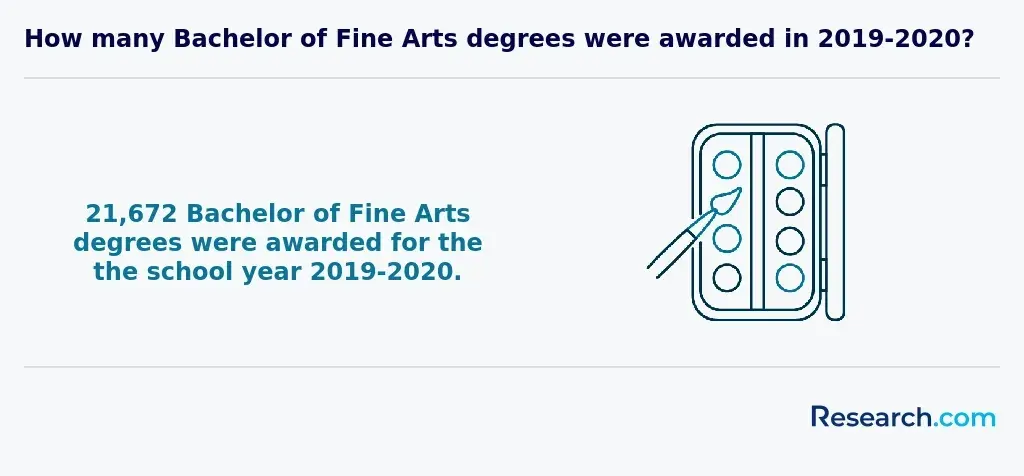
A bachelor’s degree is the standard academic starting point for Michigan art teachers. A survey by the Art of Education University reported that 28.6% of K-12 art teachers nationwide hold a Bachelor’s Degree in Fine Arts, but a BFA alone is not automatically the right route for Michigan certification. The key issue is whether your degree includes an approved teacher preparation sequence.
Academic requirements to verify
- Bachelor’s degree: Michigan art teacher candidates generally need a bachelor’s degree from an accredited institution. Art education is the most direct major, but related fields may work if paired with an approved preparation program.
- Minimum arts coursework: Candidates are expected to complete at least 30 semester credits in the arts. This usually includes studio art, art history, media-specific courses, and methods for teaching visual art.
- Teacher preparation program: Your program must be recognized for Michigan educator certification. This is where you complete pedagogy coursework, clinical practice, and student teaching.
- Accreditation and state approval: A school may be legitimate academically but still not provide the right certification pathway. Confirm Michigan Department of Education recognition before you commit.
- Testing readiness: Coursework should prepare you for the Michigan Test for Teacher Certification requirements, including visual arts content knowledge.
- Graduate study: A master’s degree is not required for initial certification, but an online master’s in education may help experienced teachers deepen instructional expertise or prepare for leadership roles.
Which degree path makes the most sense?
| Path | Best for | Watch out for |
| Bachelor’s in art education | Students who know they want to teach K-12 art in Michigan. | Confirm the program includes student teaching and state certification preparation. |
| BFA plus teacher preparation | Students with a strong studio focus who later decide to teach. | A studio degree by itself may not meet certification requirements. |
| Alternative certification route | Career changers who already hold a bachelor’s degree. | Requirements can vary, so verify eligibility, testing, and field placement expectations. |
| Master’s in education | Current or future educators seeking advanced training. | It may improve qualifications but usually does not replace initial certification requirements. |
Technology is also becoming more important in art preparation programs. Future teachers should expect to work with digital portfolios, image editing tools, design software, presentation platforms, and classroom technology. Students interested in other education specialties can compare this path with options such as a physical education degree online.
How does Michigan art teacher certification work?
Michigan uses a structured certification process to confirm that art teachers are academically prepared, qualified in visual arts, cleared to work with children, and ready for classroom responsibilities. The exact sequence can depend on your educator preparation program, so candidates should follow their program advisor’s guidance and verify requirements through the Michigan Department of Education.
Certification checklist
- Complete an approved bachelor’s and teacher preparation route. Coursework should include art history, studio art, and pedagogy.
- Complete student teaching. Candidates must demonstrate teaching ability under supervision before receiving certification.
- Pass the required Michigan tests. The MTTC Visual Arts assessment verifies subject-area knowledge for art instruction.
- Complete fingerprinting and background checks. Candidates must complete required checks through the Michigan State Police and the FBI.
- Apply through MOECS. The Michigan Online Educator Certification System is the online application portal.
- Pay required fees. The certification application fee is $50, and fingerprinting usually costs between $50 and $75 depending on provider.
- Maintain the credential. Michigan art teachers must complete 150 hours of professional development every five years.
Certification costs and requirements
| Item | Amount or requirement stated | Planning advice |
| Certification application | $50 | Budget for this near the end of your preparation program. |
| Fingerprinting | Typically $50 to $75 | Use an approved provider and keep documentation. |
| Professional development | 150 hours every five years | Track hours continuously instead of waiting until renewal time. |
| Subject test | Visual Arts Education test with 100 multiple-choice questions and minimum score of 220 | Study both studio practice and art education concepts. |
Digital teaching skills are increasingly relevant. In the U.S., 47.9% of K-12 art teachers use digital whiteboards or smart TVs, while 7.5% use 3D printers. You do not need to be a technology expert to start, but you should be prepared to teach digital art, document student work online, and use technology to support critique, collaboration, and accessibility.
How much classroom experience do art teacher candidates need?
Teaching experience is essential because art rooms are complex learning spaces. You are managing students, tools, supplies, movement, cleanup routines, safety expectations, creative risk-taking, and assessment at the same time. Michigan requires supervised teaching experience so candidates can practice these skills before becoming the teacher of record.
- Student teaching: Michigan requires student teaching, typically lasting 12 to 15 weeks in a K-12 setting.
- University placements: Programs at institutions such as the University of Michigan and Michigan State University place candidates in local schools for structured field experiences.
- Community-based experience: Candidates can strengthen applications by teaching in summer art camps, after-school programs, museum workshops, youth centers, or community art organizations.
- Portfolio documentation: Keep lesson plans, reflections, assessment rubrics, examples of student growth when permitted, and notes on how you adapted instruction.
How to get the most out of student teaching
- Ask for specific feedback. Instead of asking whether a lesson went well, ask your mentor how your pacing, directions, questioning, and transitions could improve.
- Practice classroom routines. Art teachers need clear systems for distributing materials, cleaning up, storing work, and managing tools safely.
- Teach multiple media. Try lessons in drawing, painting, sculpture, ceramics, digital art, design, and mixed media when available.
- Reflect after every lesson. Note what students understood, where they struggled, and what you would change next time.
- Build relationships with students. Creative work can feel personal. Students need structure, encouragement, and respectful critique.
Experience options beyond required student teaching
| Experience type | What it can show employers | How to use it in your application |
| After-school art club | Ability to motivate students outside a graded course. | Include project examples, participation goals, and student engagement strategies. |
| Summer art camp | Skill with short-term lessons, age grouping, and hands-on management. | Highlight safety routines and adaptable lesson planning. |
| Museum or gallery education | Ability to connect art history, critique, and public learning. | Describe tours, workshops, or community programming. |
| Online art instruction | Comfort teaching remotely and using digital tools. | Show sample digital assignments, critique methods, or virtual portfolio systems. |
What curriculum standards do Michigan art teachers follow?
Michigan art teachers are expected to align instruction with state visual arts standards and local district curriculum. In practice, this means teaching students to create, present, respond to, and analyze visual work while developing creative thinking, cultural understanding, and technical skill.
- Creative production: Students should learn to use materials, tools, processes, and design principles to make original work.
- Presentation and critique: Art teachers help students discuss, display, revise, and evaluate artwork using appropriate vocabulary.
- Cultural and historical awareness: Lessons should expose students to artists, traditions, movements, and communities beyond a narrow canon.
- Interdisciplinary connections: Art can connect with history, science, mathematics, literature, technology, and social studies through well-designed projects.
- Project-based learning: Strong art instruction often works best through sustained projects that include planning, experimentation, revision, and reflection.
- Technology integration: Digital portfolios, graphic design tools, photography, animation, and digital drawing can broaden student access and relevance.
What to ask before accepting a teaching position
- Does the district have a written visual arts curriculum, or will I be expected to build one?
- How many grade levels, sections, and students will I teach?
- What is the annual budget for supplies and equipment?
- Are there safety policies for kilns, cutting tools, chemicals, and storage?
- How is student artwork assessed?
- Are art teachers included in professional learning communities and curriculum planning?
- Does the school support exhibitions, arts nights, competitions, or community art partnerships?
What are the job market and salary expectations for Michigan art teachers?
The Michigan art teacher job market is shaped by district budgets, retirements, regional shortages, school size, and the level of local support for arts education. Shortages can create openings, but they do not guarantee a job in a preferred district. Candidates with strong certification status, classroom experience, digital art skills, and a polished teaching portfolio are more competitive.
The average salary cited for an art teacher in Michigan is about $53,000 per year. Salaries may exceed $60,000 in urban areas such as Detroit and Ann Arbor, while some rural districts may be closer to $50,000. Benefits commonly include health insurance, retirement plans, paid time off, and in some districts, funding for professional development.
Salary factors to compare before accepting an offer
| Factor | Why it affects your real income | Question to ask |
| District salary schedule | Pay is often tied to education level and years of experience. | Where would I enter on the salary schedule? |
| Region | Urban, suburban, and rural salaries can differ, as can housing and transportation costs. | How does the salary compare with local cost of living? |
| Benefits | Health insurance, retirement, leave, and tuition support affect total compensation. | What benefits are included, and what are employee contributions? |
| Teaching load | Multiple buildings, large class sizes, or many grade levels can increase workload. | How many students, classes, preps, and schools are assigned? |
| Supply budget | Low classroom budgets can shift costs or time burdens onto teachers. | What is the annual art supply and equipment budget? |
A Michigan teacher described the trade-off this way: “I graduated from a well-respected program at Michigan State University, and while the salary was a consideration, I was drawn to the opportunity to inspire students.” She also noted that rural pay can be lower, which required careful comparison. Her conclusion was that the community impact made the choice worthwhile for her, but each candidate should weigh salary, workload, location, and support before accepting a role.
How do Michigan art teachers meet continuing education requirements?
Professional development is both a certification requirement and a practical necessity. Art teachers need to keep up with classroom technology, inclusive practices, assessment strategies, contemporary artists, safety expectations, and curriculum changes. Michigan requires 150 hours of professional development every five years.
- Michigan Art Education Association: MAEA conferences, workshops, and networking events can help teachers learn from other visual arts educators across the state.
- Detroit Institute of Arts workshops: Educators in Wayne, Oakland, and Macomb counties can attend complimentary professional development sessions and earn Michigan State Continuing Education Clock Hour credits.
- Art of Education University: Teachers can use professional development packs, tutorials, and instructional strategy resources to build skills individually or with colleagues.
- National Art Education Association: Membership can provide broader professional networks, policy updates, lesson resources, and conference access.
- Online and hybrid learning: Virtual conferences and workshops give teachers more flexible ways to complete professional learning without travel.
- Local arts partnerships: Museums, galleries, universities, and community arts organizations can support exhibitions, artist visits, and teacher learning.
Some teachers also use graduate study to deepen their artistic practice. For example, educators interested in writing, narrative art, or interdisciplinary creative work may compare options such as an affordable online MFA program.

What teaching methods work well in Michigan art classrooms?
Effective art teaching depends on structure and creativity working together. Students need freedom to explore, but they also need clear expectations, routines, safety procedures, and feedback. The best art classrooms are not chaotic studios; they are carefully managed learning environments where students know how to use materials, take creative risks, and improve through revision.
Classroom management strategies for art teachers
- Teach routines explicitly. Demonstrate how to enter the room, collect materials, use tools, clean stations, store artwork, and transition between activities.
- Use engaging lessons to prevent avoidable behavior issues. Students are more likely to stay focused when projects are meaningful, hands-on, and appropriately challenging.
- Reinforce positive behavior. Acknowledge effort, safe tool use, thoughtful critique, persistence, and collaboration instead of only reacting to disruptions.
- Differentiate assignments. Offer choices in media, complexity, theme, or format so students with different skill levels can succeed.
- Plan for movement and materials. Many art disruptions come from unclear supply systems, crowded stations, or downtime during cleanup.
- Use technology with purpose. Interactive whiteboards, digital portfolios, design tools, and art software should support learning goals rather than distract from them.
- Create a critique culture. Teach students how to discuss work respectfully, use art vocabulary, and give feedback that helps peers revise.
Common mistakes new art teachers should avoid
| Mistake | Why it causes problems | Better approach |
| Choosing lessons only because they look good online | Projects may not align with standards, grade level, materials, or time limits. | Start with learning goals, then choose a project that supports them. |
| Underplanning cleanup | Art rooms can become unsafe or disorganized quickly. | Build cleanup roles and time into every lesson plan. |
| Assessing only final products | Students may miss the value of process, revision, and reflection. | Grade planning, experimentation, craftsmanship, critique, and growth. |
| Ignoring accommodations | Students with IEPs, 504 plans, or language needs may be blocked from full participation. | Collaborate early with special education and support staff. |
| Trying to buy missing supplies personally | This can become financially unsustainable. | Use budgets, donations, grants, reusable materials, and district procedures. |
What are the first steps for future Michigan art teachers?
If you are starting from scratch, first confirm that you want a certified K-12 teaching role rather than a community arts, museum education, private lessons, or higher education path. Then compare approved Michigan teacher preparation programs, review admissions requirements, ask how student teaching placements work, and verify that the program leads to art teacher certification. For a broader overview of Michigan teaching credentials, use this guide on how to become a teacher in Michigan.
Practical first-step checklist
- List Michigan programs that offer art education or approved teacher preparation.
- Ask each program whether it leads to Michigan visual arts teacher certification.
- Review required studio, art history, and education coursework.
- Compare tuition, transfer credit rules, field placement locations, and student teaching support.
- Start building a portfolio with both personal art and teaching-related evidence.
- Volunteer or work with children before student teaching to confirm the career fit.
What advancement options are available to Michigan art teachers?
Art teaching can grow in several directions. Some teachers deepen their expertise in a medium or student population, while others move into leadership, curriculum design, mentoring, or arts advocacy. Advancement usually depends on experience, district opportunities, additional training, and professional reputation.
- Digital media specialization: Teachers with skills in digital drawing, photography, animation, design, or 3D tools may be well positioned as schools expand technology-rich art offerings.
- Art therapy-related interests: Teachers may incorporate trauma-informed and social-emotional practices, though art therapy itself has separate professional requirements.
- Multicultural and community-based art education: Teachers can specialize in culturally responsive lessons and community art projects.
- Department leadership: Experienced teachers may become art department chairs, mentor teachers, or curriculum coordinators.
- Special education or gifted education endorsements: Additional endorsements can help teachers serve a wider range of learners.
- Policy and curriculum work: Art educators may join district committees, local school boards, or state-level initiatives to influence arts education decisions.
A report from the Arts Education Data Project notes that visual arts and music have the highest student participation rates. For Michigan teachers, that broad participation can create opportunities to lead programs that affect many students across grade levels.
One Michigan teacher described how specialization changed her career: “After graduating from the University of Michigan in Ann Arbor, I specialized in digital art, which opened doors for me to lead workshops statewide.” She added that the specialization helped her contribute to district curriculum work and move into a leadership role with support from peers.
How can Michigan art teachers find grants and classroom funding?
Art teachers often need more materials, tools, storage, and technology than a standard classroom budget can cover. Funding can come from school districts, parent organizations, local foundations, arts councils, businesses, museums, and national education grant programs. Competitive proposals usually explain the student need, learning goals, budget, timeline, and measurable outcomes.
How to improve a classroom grant proposal
- Connect the project to curriculum standards and student learning outcomes.
- Use a clear, itemized budget for supplies, tools, technology, or visiting artists.
- Explain how many students will benefit and how often materials will be reused.
- Include student work samples or past project evidence when allowed.
- Partner with another teacher, museum, gallery, or community group when appropriate.
- Ask an experienced grant writer, department chair, or administrator to review the proposal before submission.
Teachers who want to strengthen creative credentials or expand interdisciplinary work may also explore graduate-level arts study. For example, this guide on what you can do with a master’s in writing may be relevant for educators interested in creative writing, visual storytelling, or arts integration.
What support is available for new Michigan art teachers?
New art teachers need more than lesson ideas. They need mentoring, supply systems, classroom management support, curriculum guidance, professional networks, and help understanding certification renewal. Michigan offers several support channels through professional organizations, state resources, universities, and local arts institutions.
- Michigan Art Education Association: MAEA offers workshops, conferences, and networking that can connect new teachers with experienced art educators.
- Michigan Department of Education: MDE resources can help teachers understand curriculum frameworks, educator requirements, and policy expectations.
- University partnerships: Teacher preparation programs often maintain alumni networks, mentorship options, and district relationships.
- Lesson-sharing platforms: Artsonia and Teachers Pay Teachers can provide project ideas and classroom materials, though teachers should adapt any resource to Michigan standards and local student needs.
- Online communities: Social media groups and art teacher forums can help new teachers troubleshoot storage, supplies, assessment, and classroom routines.
- Advocacy organizations: MAAE can help educators understand arts funding, policy, and advocacy work.
- Museums and galleries: Local art institutions may offer exhibitions, educator workshops, community projects, and instructional resources.
- Technology-focused training: Virtual workshops and online courses can help teachers use digital tools without waiting for in-person training.
How can career changers move into art education in Michigan?
Career changers can be strong art teacher candidates because they often bring professional artistic practice, design experience, museum work, community arts leadership, or industry knowledge into the classroom. The challenge is translating that experience into Michigan certification eligibility.
Alternative teaching certification programs
Michigan offers alternative certification routes for professionals who already hold a bachelor’s degree but did not complete a traditional education program. These routes are designed to help candidates move into teaching while completing required preparation and supervised practice.
Testing and endorsements
Candidates with substantial art backgrounds may still need to pass Michigan’s required teacher certification exams, including the MTTC Visual Arts assessment. An art endorsement demonstrates that the candidate is qualified to teach visual arts content.
Using prior art experience well
Graphic designers, working artists, illustrators, photographers, museum educators, community arts organizers, and other creative professionals can use their experience to enrich instruction. However, hiring committees still need evidence that the candidate can teach children, manage a classroom, assess student work, and follow school policies.
Elementary education as a possible entry route
Candidates who want to work with younger students may consider elementary education pathways and then align their credentials with art education goals. This guide on how to become an elementary school teacher in Michigan explains that broader route.
How can art teachers use cross-disciplinary teaching strategies?
Cross-disciplinary art teaching helps students see creativity as part of many subjects, not as an isolated activity. A visual arts project can reinforce geometry through symmetry and proportion, science through observation and natural forms, history through visual culture, or language arts through illustration and storytelling.
- Partner with math teachers on pattern, proportion, scale, tessellation, and perspective projects.
- Collaborate with science teachers on botanical drawing, environmental art, color theory, or anatomy studies.
- Work with social studies teachers on public art, cultural artifacts, architecture, and visual propaganda analysis.
- Use writing assignments for artist statements, critique reflections, and process journals.
- Design projects where students explain both artistic choices and academic connections.
Teachers interested in deeper math-art collaboration can compare instructional ideas with this guide: How to become a middle school math teacher in Michigan.
How can art teachers collaborate with special education teams?
Inclusive art instruction requires planning before students struggle. Art teachers should review accommodations, consult special education staff, adapt materials, and offer multiple ways for students to participate. Collaboration can make the art room more accessible without lowering expectations.
- Review IEP and 504 plan accommodations before starting major projects.
- Offer adaptive tools, modified grip options, visual directions, and step-by-step demonstrations.
- Provide choices in media or final format when the learning goal allows flexibility.
- Use peer supports carefully, making sure students are not singled out.
- Coordinate with special education teachers on behavior plans, sensory needs, and communication supports.
- Assess growth, process, effort, and understanding, not only technical polish.
Teachers who want deeper training in this area can review the pathway for special education teacher certification in Michigan.
How can Michigan art teachers protect long-term career growth and well-being?
Art teaching can be deeply rewarding, but it can also involve heavy workloads, large class sizes, limited budgets, frequent cleanup, emotional labor, and pressure to justify the value of the arts. Long-term success requires intentional systems for workload, boundaries, professional growth, and support.
Ways to build a sustainable art teaching career
- Create reusable lesson frameworks rather than reinventing every unit each year.
- Maintain organized supply, storage, and cleanup systems.
- Document student work and program outcomes to support advocacy.
- Find mentors inside and outside your district.
- Set limits on personal spending for classroom materials.
- Use professional development to solve real classroom problems, not just meet renewal hours.
- Explore leadership, curriculum, arts integration, museum education, or adjacent creative roles over time.
Some teachers diversify by developing another arts specialty. For example, educators interested in performance, music technology, or arts integration may compare this field with how to become a music teacher in Michigan.
How can art teachers consider private school jobs in Michigan?
Private schools can offer different teaching cultures, class sizes, missions, curriculum flexibility, and hiring expectations. Some may value certification, while others may weigh portfolio strength, faith alignment, studio expertise, or independent school experience differently. Candidates should not assume that requirements are identical across public, charter, and private schools.
Questions to ask private schools
- Is Michigan teacher certification required, preferred, or optional?
- What grades and courses would I teach?
- How much control would I have over curriculum and exhibitions?
- What is the annual supply budget?
- Are benefits, retirement, and salary schedules comparable to public districts?
- How does the school support students with disabilities or learning differences?
- What role does art play in the school’s mission and community events?
For a fuller comparison, review this guide on how to become a private school teacher in Michigan.
Is becoming an art teacher in Michigan worth it?
Becoming an art teacher in Michigan can be worth it for candidates who want a stable education career, enjoy working with children, value creative development, and are willing to meet certification and professional development requirements. It may be less suitable for people who want full-time studio practice without classroom management responsibilities, who are unwilling to complete state certification, or who need high salary growth immediately after graduation.
| This path may be a good fit if you... | Consider another path if you... |
| Want to teach visual creativity to K-12 students. | Prefer making your own art full time without teaching duties. |
| Are willing to complete certification exams and student teaching. | Do not want to meet state credentialing requirements. |
| Can manage supplies, routines, safety, and behavior. | Want a classroom role with minimal materials management. |
| Value community impact and long-term student growth. | Need compensation that is not tied to district salary schedules. |
| Are open to rural, urban, suburban, public, charter, or private school opportunities. | Will only accept a narrow location or school type. |
Common mistakes to avoid when preparing for this career
- Choosing a degree without checking certification eligibility. A strong art program is not enough if it does not lead to Michigan teacher certification.
- Looking only at tuition. Compare fees, commuting, supplies, unpaid student teaching time, transfer policies, and exam costs.
- Assuming online programs automatically qualify. Any online program should be verified for Michigan certification alignment before enrollment.
- Waiting too long to build a portfolio. Start collecting lesson plans, teaching reflections, and artwork early.
- Ignoring rural and underserved districts. These areas may offer meaningful opportunities and valuable early-career experience.
- Underestimating classroom management. Artistic skill matters, but schools hire teachers who can lead safe, productive classrooms.
- Letting professional development become last-minute paperwork. Track continuing education regularly and choose learning that improves your teaching.
Questions to ask before enrolling in an art teacher preparation program
- Is this program approved for Michigan teacher certification in visual arts?
- How many graduates successfully complete certification requirements?
- Where do students complete fieldwork and student teaching?
- Does the program include digital art, inclusive teaching, and classroom management?
- How are transfer credits evaluated, especially studio art credits?
- What exam preparation support is available?
- Will I graduate with a teaching portfolio?
- What career services are available for education majors?
- Does the program help with MOECS application steps?
- What are the total costs, including supplies, fees, commuting, and testing?
Related Articles for Nearby States
- 2027 How to Become an Art Teacher in Ohio: Requirements & Certification
- 2027 How to Become an Art Teacher in Indiana: Requirements & Certification
- 2027 How to Become an Art Teacher in Wisconsin: Requirements & Certification
- 2027 How to Become an Art Teacher in Illinois: Requirements & Certification
- 2027 How to Become an Art Teacher in Minnesota: Requirements & Certification
- 2027 How to Become an Art Teacher in Pennsylvania: Requirements & Certification
- 2027 How to Become an Art Teacher in Kentucky: Requirements & Certification
- 2027 How to Become an Art Teacher in West Virginia: Requirements & Certification
- 2027 How to Become an Art Teacher in Iowa: Requirements & Certification
- 2027 How to Become an Art Teacher in Missouri: Requirements & Certification
References:
- Chamanbahar, M. (2024, July 10). The arts educator workforce. Arts Education Partnership. Retrieved September 20, 2024.
- DIA. (2024). Professional development. Detroit Institute of Arts Museum. Retrieved September 21, 2024.
- EPIC. (2024, January). Michigan teacher shortage study: 2024 report. Education Policy Innovation Collaborative. Retrieved September 20, 2024.
- Glassdoor. (2024, September 13). How much does an art teacher make? Glassdoor.com. Retrieved September 21, 2024.
- Glassdoor. (2024, June 6). How much does an art teacher make in Michigan? Glassdoor.com. Retrieved September 20, 2024.
- MI Department of Education. (2024). Educator workforce data report. Michigan Department of Education. Retrieved September 20, 2024.
- MI Department of Education. (n.d.). Michigan merit curriculum: Visual arts, music, dance, and theatre. Michigan Department of Education. Retrieved September 21, 2024.
- The Michigan Life. (2023, October 16). Cost of living | You can in Michigan. TheMichiganLife.org. Retrieved September 21, 2024.
Key Insights
- Michigan art teacher candidates should focus first on certification alignment. A studio art degree is valuable, but it must connect to an approved teacher preparation route to qualify for K-12 teaching.
- The standard path includes a bachelor’s degree, at least 30 semester credits in the arts, student teaching, required Michigan certification exams, background checks, and application through MOECS.
- Michigan’s Provisional Certificate is valid for up to six years, but teachers need to plan early for ongoing requirements, including 150 hours of professional development every five years.
- The cited average salary for Michigan art teachers is about $53,000, with higher figures often reported in areas such as Detroit and Ann Arbor and lower figures possible in rural districts.
- A strong hiring profile includes certification progress, student teaching evidence, a clear teaching portfolio, classroom management skill, digital art familiarity, and flexibility about school settings.
- Before enrolling in any program, ask whether it is approved for Michigan visual arts teacher certification, how student teaching works, what exam support is offered, and what total costs you should expect.
- Long-term success depends on more than artistic talent. Sustainable art teachers build routines, protect budgets, collaborate with colleagues, adapt for diverse learners, and keep improving their practice.
Other Things You Should Know About Becoming an Art Teacher in Michigan
The Michigan Department of Education, through the Michigan Online Educator Certification System (MOECS), issues art teacher certifications. Applicants must meet state preparation requirements, pass required exams, and receive recommendation from an approved teacher education program before certification is granted.
To maintain your art teacher certification in Michigan, you must complete 150 hours of professional development every five years. This requirement ensures teachers stay updated with current educational practices and standards. Approved activities include workshops, conferences, or additional university coursework.
Yes, aspiring art teachers in Michigan must pass the Michigan Test for Teacher Certification (MTTC) Art Education exam. This test assesses competency in art content knowledge and pedagogical skills required for teaching art at various school levels.





