
2027 How to Become a Special Education Teacher in Michigan: Requirements & Certification

Co-Founder and Chief Data Scientist
Becoming a special education teacher in Michigan is a meaningful career choice, but it is also a regulated path with specific degree, field experience, testing, licensing, and renewal requirements. If you want to teach students with disabilities in Michigan public schools, you need to understand how educator preparation, special education endorsements, state rules, and ongoing professional learning fit together before you choose a program or apply for certification.
This guide explains how to become a special education teacher in Michigan, how long the process can take, what salaries and job openings look like based on cited labor data, which laws shape the role, and what career options may be available after you gain classroom experience. It is designed for future teachers, career changers, current educators considering a special education endorsement, and Michigan teachers who want to move into related roles such as school psychology, counseling, behavior analysis, private school teaching, or educational leadership.
Quick Answer: How do you become a special education teacher in Michigan?
To become a special education teacher in Michigan, you generally need to complete a state-approved teacher preparation program, earn a bachelor’s or master’s degree with special education training, finish supervised student teaching, pass required licensure assessments, clear background checks and fingerprinting, and meet Michigan certification requirements. After entering the profession, teachers must renew their credentials every five years through approved professional development.
The typical path can take five to seven years, depending on whether you enter through an undergraduate education program, complete a post-bachelor teacher preparation route, or pursue a master’s degree. Career changers may be able to use alternative or graduate-level pathways, but they should confirm that any program they choose is approved for Michigan teacher certification and special education preparation.
Key Things to Know About Becoming a Special Education Teacher in Michigan
- Michigan continues to need qualified special education teachers as schools serve students with disabilities across preschool, elementary, middle, and secondary settings.
- O*NET OnLine projects Michigan employment growth of about 2% to 4% for special education teachers across different grade levels through 2030.
- Based on 2023 U.S. Bureau of Labor Statistics data, mean annual wages for Michigan special education teachers range from $67,010 for preschool special education teachers to $77,680 for all other special education teachers.
- Michigan special education teachers must understand IEPs, IDEA, MARSE, inclusive instruction, behavior supports, family collaboration, and classroom documentation.
- Professional organizations and state resources, including the Michigan Association of Administrators of Special Education (MAASE) and Michigan Department of Education workshops, can help teachers strengthen their practice and meet renewal expectations.
- Education requirements for Michigan special education teachers
- Licensing requirements for Michigan special education teachers
- Demand for special education teachers in Michigan
- Special education teacher salaries in Michigan
- Professional development options for Michigan SPED teachers
- Advanced roles for experienced special education teachers
- Major challenges in Michigan special education teaching
- Ways to broaden subject expertise
- Ongoing professional development resources
- Value-focused Michigan teaching credential programsProfessional learning resourcesSubject expertise optionsCareer challenges
- How Michigan special education laws affect teachers
- Moving from special education teaching to school psychologySpecial education law considerations
- Scholarships and grants for future special education teachers
- Transitioning from special education to preschool teaching
- Transitioning from special education to elementary teaching
- Using BCBA certification to expand a SPED career
- Moving from special education teaching to school counseling
- Teaching special education in Michigan private schools
- Using special education experience in transformational coaching
- Becoming a substance abuse counselor after SPED teachingTransformational coaching path
- Career paths beyond traditional special education classroomsPrivate school teaching pathFunding optionsScholarships and grantsAdditional career questions
What are the educational requirements to be a special education teacher in Michigan?
Michigan special education teachers need formal preparation in both teaching practice and disability-specific instruction. In most cases, this means completing a state-approved bachelor’s or master’s program that prepares candidates to teach students with disabilities and meet Michigan certification expectations.
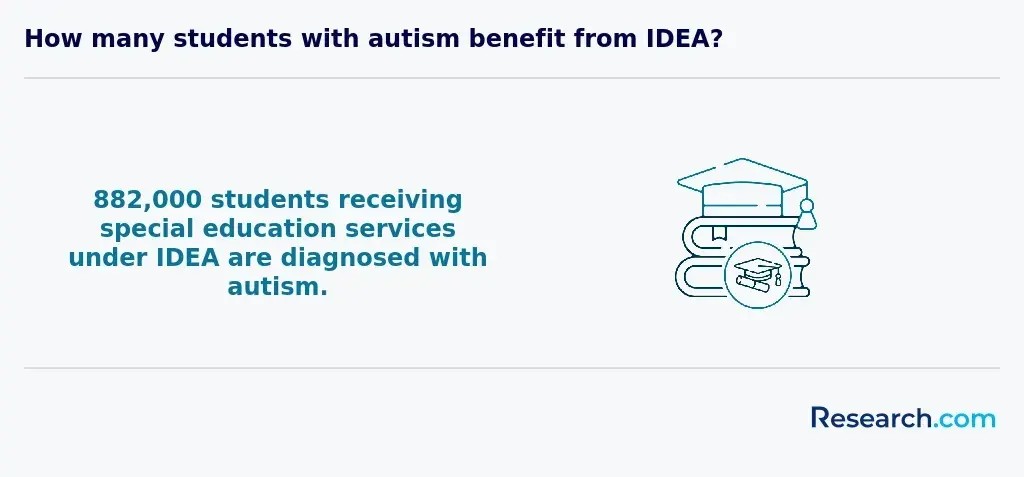
A strong preparation program should not only cover lesson planning and classroom management. It should also teach assessment, IEP development, evidence-based interventions, assistive technology, collaboration with families, behavior support, and strategies for teaching students with autism, speech or language impairments, developmental delays, emotional impairments, learning disabilities, and other eligibility categories.
| Requirement | What it means for future Michigan SPED teachers | Why it matters |
| State-approved special education degree or preparation program | Candidates typically complete a bachelor’s or master’s degree pathway that includes special education coursework and teacher preparation. | Michigan public schools generally require certified teachers who have been trained for the student population and grade levels they will serve. |
| Supervised field experience | Student teaching or a comparable internship places candidates in real classrooms under experienced supervision. | Special education teaching requires practical judgment, not just theory. Candidates need practice adapting instruction, documenting progress, and working with teams. |
| Academic performance standards | Many programs require candidates to meet minimum academic benchmarks, often around a 3.0 cumulative GPA. | Preparation programs use academic standards to confirm that candidates can handle the content and responsibilities of teacher preparation. |
| Alternative or graduate pathways | Career changers may enter through post-bachelor or master’s-level programs designed for people who did not major in education as undergraduates. | These routes can help professionals move into special education without starting over, but candidates must confirm Michigan approval and certification alignment. |
Michigan institutions such as Michigan State University and the University of Michigan offer education programs that combine academic preparation with practical experience. Before enrolling, however, prospective teachers should verify that the program is approved for the credential and special education area they intend to pursue.
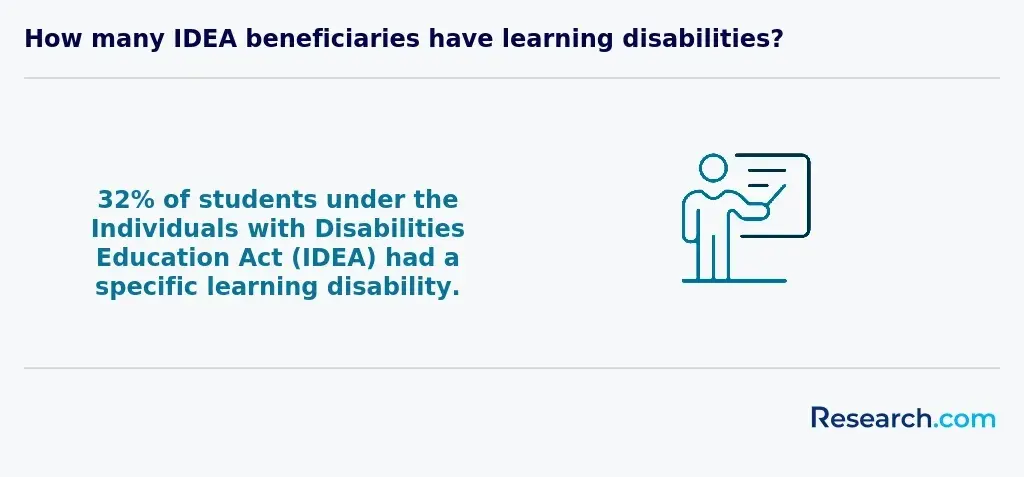
Special education teachers support students with a wide range of strengths, disabilities, learning profiles, communication needs, and behavioral needs. The chart below provides national data on common disability categories among students receiving special education services in the United States.
How long does it take to become a special education teacher in Michigan?
The path to becoming a Michigan special education teacher often takes five to seven years. The timeline depends on whether you begin in an undergraduate teacher preparation program, return to school after earning a bachelor’s degree, or add graduate study or advanced credentials.
| Step | Typical time involved | Decision point for students |
| Bachelor’s degree | About four years | Choose a program that aligns with Michigan certification and special education preparation requirements. |
| Teacher preparation coursework | One to two years after a bachelor’s degree if not built into the undergraduate program | Career changers should compare post-bachelor, alternative, and master’s-level options carefully. |
| Student teaching internship | Approximately 12 to 16 weeks | Look for placements that expose you to IEP meetings, co-teaching, small-group instruction, behavior supports, and progress monitoring. |
| Master’s degree, if pursued | One to two additional years | A master’s may support advanced knowledge, salary movement in some districts, or future leadership roles, but it adds time and cost. |
Michigan requirements are not identical to certification systems in other states. If you are comparing different state pathways, reviewing resources such as Louisiana teaching standards can help you understand how certification rules vary by location, but you should rely on Michigan-specific guidance before making enrollment or licensure decisions.
What are the licensing requirements for special education teachers in Michigan?
Michigan special education teachers must hold the appropriate teaching credential before serving as teachers of record in public school settings. The process generally includes completing an approved preparation route, passing required examinations, submitting documentation, and meeting safety screening requirements.
- Approved educator preparation: Candidates must complete coursework and field experiences that meet Michigan teacher preparation expectations for special education.
- Licensure assessments: Future teachers must pass required exams that evaluate general teaching knowledge and special education-specific competencies.
- Background check and fingerprinting: Michigan requires safety screening to help protect students and school communities.
- Credential verification: Applicants must document their degree, educator preparation, and any specialized training required for certification.
- Renewal every five years: Certified teachers must complete required professional development to keep their credentials active.
Teachers who were certified in another state may be able to use reciprocity options when moving into Michigan, but reciprocity does not always mean an automatic credential. Educators certified through the West Virginia teacher licensure process or another state system should confirm Michigan’s current documentation, testing, and endorsement requirements before applying for positions.
The safest approach is to check program approval before enrolling and certification eligibility before relocating or changing jobs. This is especially important for special education because endorsements, grade bands, and disability categories can affect what positions a teacher is authorized to hold.
What is the demand for special education teachers in Michigan?
Michigan’s demand for special education teachers is tied to student needs, inclusive education practices, teacher retirements, turnover, and the requirement that eligible students receive appropriate services under federal and state law. NCES reports that 14% of students aged 3-21 receive education services under the Individuals with Disabilities Education Act (IDEA) in Michigan’s public schools as of 2022-2023.
O*NET OnLine projects employment growth of about 2% to 4% for special education teachers in Michigan across different grade levels over the next decade. That does not guarantee a job in every district, but it does indicate continued hiring needs, especially where schools need certified teachers who can manage IEP responsibilities and serve students with complex needs.
| Michigan special education role | Annual job openings, 2020-2030 |
| Secondary School Special Education Teachers | 140 |
| Middle School Special Education Teachers | 80 |
| Elementary School Special Education Teachers | 230 |
| Kindergarten Special Education Teachers | 230 |
| All Other Special Education Teachers | 110 |
Prospective teachers should look beyond statewide demand and examine local hiring conditions. District pay scales, caseload expectations, support staff availability, mentoring, collective bargaining agreements, and working conditions can differ significantly between school systems.
How much do special education teachers in Michigan earn?
Special education teacher pay in Michigan depends on district salary schedules, years of experience, degree level, negotiated contracts, endorsements, and the type of school. Urban, suburban, rural, charter, and specialized school settings may offer different compensation and workload expectations.
Using BLS May 2023 State Occupational Employment and Wage Estimates for Michigan, the yearly mean wages for special education teachers are:
| Michigan special education occupation | Mean annual wage |
| Secondary School Special Education Teachers | $71,930 |
| Middle School Special Education Teachers | $70,430 |
| Kindergarten and Elementary School Special Education Teachers | $67,510 |
| Preschool Special Education Teachers | $67,010 |
| All Other Special Education Teachers | $77,680 |
These figures are averages, not starting salaries or guaranteed earnings. A new teacher may earn less than the mean, while an experienced teacher with an advanced degree may earn more depending on the district’s salary structure. Before accepting a job, review the district’s salary schedule, benefit package, pension or retirement information, health insurance costs, paid leave, caseload size, and extra-duty compensation.
What professional development opportunities are available for special education teachers in Michigan?
Professional development is not optional in special education. Michigan teachers need ongoing training to keep their credentials current, respond to legal changes, strengthen instructional practice, and support students whose needs may change over time.
- Michigan Association of Administrators of Special Education (MAASE) conferences: MAASE events allow special education leaders and teachers to discuss current issues, policies, compliance expectations, and practical strategies used across Michigan schools.
- Michigan Department of Education workshops: State-sponsored training may address IEP development, inclusive practices, behavioral interventions, assessment, compliance, and support for students with disabilities.
- Online courses and webinars: Flexible professional learning can help teachers study Universal Design for Learning, 504 Plans, assistive technology, progress monitoring, trauma-informed practice, and behavior supports.
- Cross-disciplinary learning: Teachers who want to understand related student support fields can explore resources on childhood development careers to see how education, development, and student services intersect.
The best professional development is specific, evidence-based, and directly connected to classroom problems. A workshop on IEP compliance is useful, but teachers also need support with day-to-day implementation: writing measurable goals, collecting data, collaborating with general education teachers, and communicating with families.
Are there advanced roles for experienced special education teachers in Michigan?
Experienced Michigan special education teachers can move into leadership, assessment, program design, consulting, or related student support roles. These paths often require additional education, certification, administrative experience, or specialized training, but they can allow teachers to influence services beyond one classroom.
| Advanced role | What the role involves | Who it may fit |
| Educational Diagnostician | Assesses student learning needs, contributes to eligibility decisions, and helps teams develop appropriate supports. | Teachers who enjoy assessment, data analysis, and individualized planning. |
| Special Education Program Coordinator | Supports program implementation, teacher coaching, compliance, service coordination, and district procedures. | Educators who want a bridge between classroom practice and administration. |
| Independent Consultant | Provides training, program reviews, family support, or instructional guidance to schools and organizations. | Experienced teachers with deep expertise in a high-need area such as behavior, autism, transition planning, or compliance. |
| Director of Special Education | Oversees district-level services, staffing, compliance, budgeting, and special education policy implementation. | Teachers who want administrative leadership and are prepared for regulatory and personnel responsibilities. |
Examples of settings that may employ advanced special education professionals include public school districts such as Detroit Public Schools Community District, intermediate school districts, larger districts such as Ann Arbor Public Schools, and education agencies that work with the Michigan Department of Education.
The chart below presents Zippia data on industries that employ special education teachers, which can help educators think about how their skills may transfer into different settings over time.
What are the biggest challenges faced by special education teachers in Michigan?
Special education teaching can be deeply rewarding, but candidates should understand the pressures of the job before entering the field. Many challenges are not caused by students; they come from staffing shortages, paperwork, compliance demands, limited resources, and insufficient support.
| Challenge | How it affects teachers | What to ask before accepting a role |
| High attrition | Special education teachers may leave the field at higher rates than general education peers because of workload, stress, and burnout. | What mentoring, planning time, and caseload support does the district provide for new SPED teachers? |
| Resource limitations | Teachers may not always have enough aides, materials, assistive technology, or related service support. | What support staff, intervention tools, and service providers are available to students and teachers? |
| Administrative support gaps | Teachers may struggle if leaders do not respond to requests for training, behavior support, or staffing help. | How does the school handle escalated behavior concerns, IEP compliance issues, and parent disputes? |
| Emotional strain | Teachers may experience compassion fatigue when supporting students and families through complex academic, behavioral, or medical needs. | Does the school offer peer collaboration, counseling resources, wellness supports, or realistic caseload expectations? |
| Professional learning gaps | Teachers may not receive enough current training on law, interventions, technology, and disability-specific strategies. | How are professional development hours selected, funded, documented, and connected to real classroom needs? |
Michigan teachers must also keep track of state-specific renewal and practice requirements. Rules can differ from other states, so comparing Michigan requirements with Virginia teacher certification renewal requirements may be useful for context, but it should not replace Michigan-specific guidance.
How can special education teachers in Michigan broaden their subject expertise?
Special education teachers often become stronger when they deepen their understanding of academic content areas, not just disability services. A teacher who understands literacy, math, science, social studies, or language development more deeply can design better accommodations, scaffold instruction more effectively, and collaborate more confidently with general education teachers.
For example, a Michigan SPED teacher who wants to strengthen literacy instruction may review pathways related to how to become an English teacher in Michigan. This type of cross-training can be especially useful for teachers who co-teach, support secondary students, or want to add endorsements over time.
What ongoing professional development resources can help Michigan SPED teachers stay ahead?
Michigan special education teachers should build a professional development plan that includes legal updates, instructional strategies, disability-specific training, and broader academic enrichment. State workshops and district training are important, but teachers can also benefit from graduate courses, subject-area study, conferences, and professional learning communities.
Some teachers use affordable online coursework to broaden their academic background or move toward advanced credentials. For example, reviewing options such as the cheapest online history masters degree can help educators think about cost-conscious graduate study, though any program should be evaluated for relevance, accreditation, and alignment with career goals.
Which teaching credential programs in Michigan offer the best value?
The best-value Michigan credential program is not always the one with the lowest tuition. Future special education teachers should compare total cost, certification alignment, field placement quality, completion timeline, faculty support, exam preparation, transfer credit policies, and graduate outcomes.
| Program factor | Why it affects value | Question to ask the school |
| Michigan approval | A low-cost program is not useful if it does not lead to the credential you need. | Is this program approved for Michigan teacher certification and the special education area I want? |
| Field placements | Strong placements prepare candidates for real IEP, behavior, and co-teaching responsibilities. | Where do candidates complete student teaching, and who supervises them? |
| Total cost | Fees, testing, commuting, books, and unpaid student teaching can raise the real price. | What is the full estimated cost from admission through certification? |
| Scheduling | Working adults may need evening, hybrid, or accelerated options. | Can I complete coursework and fieldwork while working? |
| Licensure support | Good programs help candidates prepare documents, exams, and certification applications. | What support do you provide for testing, certification, and job placement? |
Students looking for lower-cost routes can compare teaching credential programs in Michigan, but affordability should be weighed against approval status, field experience, and the likelihood of completing the program successfully.
How do special education laws in Michigan impact teachers?
Special education teachers in Michigan work within a legal framework that affects nearly every part of the job. Lesson planning, assessments, accommodations, discipline, placement decisions, IEP meetings, documentation, parent communication, and service delivery are shaped by federal and state rules.
- Individuals with Disabilities Education Act: IDEA requires eligible children with disabilities to receive a free appropriate public education, often called FAPE, in the least restrictive environment, known as LRE. Michigan teachers must help implement individualized education programs that match each eligible student’s needs.
- Michigan Administrative Rules for Special Education: MARSE sets state-level procedures for special education services. Teachers need to understand how these rules affect timelines, evaluation, eligibility, service delivery, and compliance documentation.
- Michigan School Code: Michigan’s school laws include provisions that influence inclusive practices, student rights, and school responsibilities. Teachers must understand enough of the legal context to advocate effectively and collaborate responsibly.
- Seclusion and restraint policies: Rules on emergency seclusion and restraint affect behavior intervention planning and crisis response. Teachers must be trained to protect student safety while respecting student rights.
Legal knowledge is not only for administrators. A classroom teacher who misunderstands IEP implementation, progress documentation, or accommodation requirements can unintentionally create compliance problems and harm student support. New teachers should seek mentoring early and document services carefully.
How Can Special Education Teachers Meet School Psychologist Requirements in Michigan?
Special education teachers who enjoy assessment, intervention planning, and student support may consider school psychology. Their classroom background can be valuable, but school psychology requires additional graduate-level preparation, supervised experience, and state-specific credentialing.
Teachers considering this transition should compare accredited programs, practicum and internship requirements, assessment training, and Michigan credential rules. A detailed overview is available in Research.com’s guide to school psychologist requirements Michigan.
Are there scholarships and grants available for special education teachers in Michigan?
Teacher preparation can be expensive, especially when candidates must complete unpaid student teaching or reduce work hours. Michigan future educators should apply for financial aid early and look for grants or scholarships tied to educator preparation, high-need fields, or service commitments.
- Michigan Teacher of the Year Scholarship: This scholarship recognizes strong Michigan educators, including those in special education, and may provide tuition support.
- Special Education Teacher Reimbursement Grant: Offered by the Michigan Department of Education, this program is intended to attract and retain special education teachers in high-need areas and may help with tuition and fees for eligible candidates.
- MI Future Educator Fellowship: This scholarship supports students enrolled in an Educator Preparation Program approved by the MDE and offers a $10,000 scholarship to up to 2,500 future educators each year.
Do not assume that a scholarship will automatically apply to your program or credential area. Confirm eligibility, application deadlines, service obligations, renewal rules, and whether funds are paid to you or directly to the institution.
Whether you are planning a teaching career or comparing a completely different field such as interior design job opportunities, financial aid research should happen before enrollment, not after tuition bills arrive.
Can special education teachers in Michigan transition into preschool teaching roles?
Yes. Special education teachers can move into preschool teaching if they meet Michigan’s early childhood education and certification expectations. SPED experience is useful because preschool classrooms require patience, developmental awareness, family communication, and individualized support.
The main adjustment is developmental. Preschool teaching focuses heavily on early language, social-emotional growth, play-based learning, routines, and school readiness. Teachers considering this route should review preschool teacher requirements in Michigan before assuming their current credential is enough.
Can special education teachers in Michigan transition to elementary teaching roles?
Special education teachers may be well prepared for elementary teaching because they already know how to differentiate instruction, track progress, and respond to varied learning needs. However, moving into a general elementary classroom may require additional certification or endorsement requirements.
Teachers should evaluate whether they are prepared to teach the full elementary curriculum, manage a broader classroom roster, and plan instruction across multiple content areas. The certification process is explained in the guide on how to become an elementary school teacher in Michigan.
Can special education teachers in Michigan advance their careers with BCBA certification?
BCBA certification can be a strong fit for special education teachers who want deeper expertise in applied behavior analysis. This path may support work in behavior intervention, autism services, consultation, therapeutic settings, program design, or district-level behavior support.
BCBA preparation is specialized and usually requires approved coursework, supervised fieldwork, and examination. Teachers should review the full pathway in Research.com’s guide on how to become a BCBA in Michigan before committing time or money.
Can special education teachers in Michigan become school counselors?
Yes, but special education teaching experience alone does not make someone a school counselor. Teachers who want to move into counseling typically need graduate-level counseling preparation, supervised experience, and the credential required for Michigan school counseling roles.
SPED teachers often bring useful skills to counseling, including empathy, behavior support, family collaboration, crisis awareness, and individualized planning. To understand the formal route, review school counselor requirements in Michigan.
How can Michigan SPED teachers transition to teaching in private schools?
Michigan special education teachers may consider private schools if they want a different school culture, smaller setting, faith-based environment, specialized program, or alternative instructional model. The hiring process can differ from public schools because private schools may set their own employment expectations.
Even when a private school does not require the same certification as a public school, a Michigan teaching credential and special education background can strengthen an application. Private schools serving students with disabilities may especially value experience with IEP-style planning, accommodations, behavior supports, family meetings, and differentiated instruction.
Before applying, teachers should ask whether the school serves students with diagnosed disabilities, what services are available, how accommodations are documented, whether related service providers are on staff, and how the school communicates with families. For a broader overview, see Research.com’s guide on how to become a private school teacher in Michigan.
Can Special Education Teaching Experience Lead to a Transformational Coaching Career?
Special education teachers often build skills that can transfer to coaching: active listening, goal setting, individualized support, progress monitoring, emotional awareness, and adaptive problem-solving. These abilities can be relevant in transformational coaching, where professionals help clients work through personal or career change.
Coaching is not the same as teaching, counseling, or therapy, so teachers considering this path should study coaching ethics, scope of practice, business models, and credential options. For career and income context, review Research.com’s guide to transformation coach salary.
Can special education teachers in Michigan become substance abuse counselors?
Special education teachers who have worked with students facing behavioral, emotional, family, or mental health challenges may be drawn to substance abuse counseling. Their experience with empathy, structured support, documentation, and intervention planning can be useful, but counseling requires separate preparation and licensure.
A transition into substance abuse counseling typically involves additional education, supervised clinical hours, and required licensing exams. Teachers should not assume that classroom experience replaces counseling credentials, especially when working with clients in clinical or treatment settings.
For a state-specific overview of coursework, licensure, and practical experience, review how to become a substance abuse counselor in Michigan.
What career paths are available to special education teachers beyond traditional roles?
Michigan special education teachers can use their classroom experience in many education and student support careers. Possible paths include educational diagnostician, special education coordinator, disability support services coordinator, instructional coach, behavior specialist, transition coordinator, school counselor, school psychologist, private school teacher, consultant, and administrator.
Some teachers also explore related clinical or communication-focused fields. For example, educators interested in language, communication disorders, and student support may want to learn how to become a speech language pathologist in Michigan. This path generally requires separate graduate preparation and clinical requirements, but SPED teaching experience can provide useful context.
Common Mistakes to Avoid When Becoming a Special Education Teacher in Michigan
- Choosing a program before confirming Michigan approval: Always verify that your program aligns with Michigan certification requirements for the role you want.
- Looking only at tuition: Add fees, books, testing, background checks, commuting, technology, and lost income during student teaching when estimating cost.
- Assuming online automatically means flexible: Some online programs still require in-person fieldwork, scheduled classes, or local placements.
- Ignoring endorsement and grade-band details: A credential may not qualify you for every special education opening.
- Underestimating paperwork: IEP documentation, progress reports, service logs, communication records, and compliance timelines are central parts of the job.
- Accepting a job without asking about caseload: Salary matters, but workload, support staff, and administrative backing can determine whether the role is sustainable.
- Assuming salary averages are starting salaries: BLS mean wages are not guarantees. Review district salary schedules for realistic compensation expectations.
Questions to Ask Before Choosing a Michigan Special Education Program
- Is the program approved for Michigan teacher certification in special education?
- Which grade levels and special education areas will I be prepared to teach?
- How are student teaching placements arranged, supervised, and evaluated?
- What licensure exams do candidates need to pass, and what support does the program provide?
- Can prior credits, work experience, or previous degrees shorten my timeline?
- What is the total estimated cost through certification, not just annual tuition?
- What percentage of candidates complete the program and obtain teaching positions?
- Does the program offer mentoring for career changers or working adults?
- How does the program prepare candidates for IEPs, behavior supports, family communication, and inclusive classrooms?
- What happens if I need to move, pause enrollment, or complete fieldwork in a different district?
What Special Education Teachers in Michigan Say About Their Careers
- "Teaching special education in Michigan has shown me how powerful steady support can be. The work is demanding, but helping a student reach a goal that once felt out of reach is the reason I stay in the profession." - Anna
- "My students have taught me resilience in a way no textbook could. Collaboration with other educators, families, and specialists is what makes this work possible, and it reminds me that progress is rarely a solo effort." - Florence
- "Special education challenges me every day to become more patient, more creative, and more prepared. The relationships I build with students and families are what make the difficult days worthwhile." - Bobby
Related Articles for Nearby States
- 2027 How to Become a Special Education Teacher in Ohio: Requirements & Certification
- 2027 How to Become a Special Education Teacher in Indiana: Requirements & Certification
- 2027 How to Become a Special Education Teacher in Wisconsin: Requirements & Certification
- 2027 How to Become a Special Education Teacher in Illinois: Requirements & Certification
- 2027 How to Become a Special Education Teacher in Minnesota: Requirements & Certification
- 2027 How to Become a Special Education Teacher in Pennsylvania: Requirements & Certification
- 2027 How to Become a Special Education Teacher in Kentucky: Requirements & Certification
- 2027 How to Become a Special Education Teacher in West Virginia: Requirements & Certification
- 2027 How to Become a Special Education Teacher in Iowa: Requirements & Certification
- 2027 How to Become a Special Education Teacher in Missouri: Requirements & Certification
Key Insights
- Becoming a special education teacher in Michigan usually requires a state-approved preparation program, supervised student teaching, licensure exams, background checks, and ongoing professional development.
- The process often takes five to seven years, depending on whether you pursue an undergraduate pathway, post-bachelor preparation, or a master’s degree.
- Michigan serves a significant population of students with disabilities; NCES reports that 14% of students aged 3-21 receive IDEA services in Michigan public schools as of 2022-2023.
- O*NET projects 2% to 4% employment growth for Michigan special education teachers across different grade levels through 2030, with hundreds of annual openings across roles.
- BLS May 2023 data shows Michigan mean annual wages ranging from $67,010 for preschool special education teachers to $77,680 for all other special education teachers.
- The best program choice is not simply the cheapest one. Confirm Michigan approval, field placement quality, certification alignment, total cost, and licensure support.
- Special education teachers must be ready for legal responsibilities, IEP documentation, inclusive instruction, behavior support, family collaboration, and regular credential renewal.
- Experienced SPED teachers can expand into leadership, diagnostics, counseling, school psychology, behavior analysis, private schools, consulting, speech-language pathology pathways, or other student support careers with additional preparation.
References:
- National Center for Education Statistics (2023). Students with disabilities. Retrieved from https://nces.ed.gov/programs/coe/indicator/cgg/students-with-disabilities
- O*NET OnLine (n.d.). Occupation Keyword Search. https://www.onetonline.org/find/quick?s=special+education+teachers Data Retrieved on October 28, 2024
- U.S. Bureau of Labor Statistics (April 2024). May 2023 State Occupational Employment and Wage Estimates, Michigan. https://www.bls.gov/oes/2023/may/oes_mi.htm
- Zippia (n.d.). Special Education Teacher demographics and statistics in the US. https://www.zippia.com/special-education-teacher-jobs/demographics
Other Things You Should Know About Becoming a Special Education Teacher in Michigan
The Michigan Department of Education, Office of Educator Excellence, issues special education teacher certificates in 2027. Applicants must apply through Michigan’s educator certification system and meet state preparation, testing, and endorsement requirements before receiving a valid teaching certificate.
In 2027, special education teachers in Michigan must complete 150 hours of approved professional development every five years to renew their teaching certification. This can include workshops, conferences, or courses approved by the Michigan Department of Education.
Aspiring special education teachers in Michigan must pass the Michigan Test for Teacher Certification (MTTC) specific to their field. This exam assesses their knowledge and skills necessary for effective teaching. Successful completion is required for certification.
In 2027, aspiring special education teachers in Michigan must complete a supervised student teaching experience, typically lasting one semester. This provides practical teaching exposure in a classroom setting under a licensed teacher's guidance, which is an essential step toward state certification.


