2027 Best Careers After a Sociology Degree

Co-Founder and Chief Data Scientist
A sociology degree can lead to more than social service work; it can prepare you for careers in research, human resources, policy, counseling-adjacent roles, criminal justice, and data-driven business functions. This matters because BLS projections for 2024-2034 show strong demand in several people-focused fields, including 17% projected growth for substance abuse, behavioral disorder, and mental health counselors. This guide is for students, recent graduates, and career changers who want to compare realistic options, understand pay and growth, and choose the smartest next step after earning a sociology degree.
Key Things You Should Know
- Some of the strongest sociology-related paths combine social research with applied skills, especially market research, human resources, social services management, policy analysis, community programs, and counseling-adjacent work.
- According to BLS May 2024 wage data, selected sociology-aligned careers range from about $59,190 for substance abuse, behavioral disorder, and mental health counselors to more than $100,000 for sociologists and several management roles.
- The fastest-growing options usually require specialization beyond the major, such as data analysis, program evaluation, case management experience, HR training, graduate study, or state-regulated clinical credentials.
What are the best career paths you can pursue with a sociology degree?
The best career paths after a sociology degree are the ones that use the degree's core strengths: understanding groups, institutions, inequality, behavior, data, and social systems. Sociology is not a single-job major, so the strongest outcomes usually come from pairing the degree with a career direction early, such as research, HR, social services, public policy, or counseling preparation.
The table below compares common career paths by fit, typical responsibilities, and the kind of preparation that helps a sociology graduate compete. Use it to narrow your options based on whether you prefer working with data, people, programs, organizations, or public systems.
| Career path | Best fit for students who like | Common responsibilities | Preparation that helps |
| Market research and consumer insights | Data, surveys, behavior patterns, business decisions | Designing surveys, analyzing customer behavior, reporting trends, supporting marketing strategy | Statistics, Excel, SQL, survey design, internships with research or marketing teams |
| Human resources and talent management | Workplace culture, hiring, employee relations, organizational behavior | Recruiting, onboarding, compliance support, employee engagement, training coordination | HR coursework, employment law basics, HR internships, SHRM or HRCI exam preparation |
| Social and community services | Direct public impact, nonprofit work, vulnerable populations | Coordinating services, managing cases, evaluating program outcomes, connecting clients to resources | Volunteer work, case management experience, grant writing, trauma-informed training |
| Policy, advocacy, and public administration | Systems change, government, research-backed recommendations | Policy research, community needs assessment, legislative tracking, stakeholder communication | Public policy coursework, writing samples, internships with agencies or advocacy groups |
| Criminal justice and corrections | Law, rehabilitation, public safety, social causes of crime | Supervision, reentry support, case documentation, risk assessment support, community referrals | Criminology electives, government internships, conflict de-escalation training |
| Counseling-adjacent or clinical preparation | Helping relationships, mental health systems, family and community dynamics | Behavioral health support, intake coordination, prevention programs, referral navigation | Graduate counseling, social work, psychology, or marriage and family therapy preparation |
For many students, the "best" path is not the one with the highest salary on paper. It is the path where the required credentials, daily work, and long-term advancement match your tolerance for graduate school, public-facing work, quantitative analysis, and licensing requirements.
What entry-level and mid-career jobs are available for sociology majors?
Entry-level jobs for sociology majors often begin in support, coordination, research assistant, or client-service roles. Mid-career roles usually require evidence that you can manage programs, analyze data, supervise staff, handle compliance, or turn social research into decisions.
The table below shows how common jobs can progress from early-career roles into more specialized or leadership-oriented positions. It is especially useful if you are trying to see how a first job can connect to a better long-term career path.
| Starting point | Entry-level job examples | Mid-career job examples | What helps you move up |
| Research and analytics | Research assistant, survey coordinator, data collection specialist | Market research analyst, program evaluator, research associate | Portfolio of reports, statistics coursework, data visualization, survey tools |
| Human resources | HR assistant, recruiting coordinator, benefits assistant | HR generalist, talent acquisition specialist, employee relations specialist | HRIS experience, employment law knowledge, professional certification |
| Nonprofit and community programs | Program assistant, outreach coordinator, case aide | Program manager, community services manager, grants coordinator | Grant writing, budget tracking, supervision, outcomes reporting |
| Government and justice | Eligibility worker, probation aide, victim services assistant | Probation officer, reentry coordinator, policy analyst | Public-sector experience, documentation skills, state-specific requirements |
| Education and student support | Admissions assistant, student success coordinator, residence life staff | Academic advisor, student affairs coordinator, institutional research analyst | Higher education experience, advising skills, student data systems |
A practical way to choose an entry-level job is to ask whether it builds transferable evidence. The best early roles give you measurable experience: reports produced, caseloads supported, communities served, grants contributed to, hiring processes improved, or datasets analyzed.
Before accepting a first job, compare the role against these advancement signals:
- The job lets you build a portfolio, such as reports, dashboards, needs assessments, training materials, or program evaluations.
- The organization offers exposure to senior staff, grant processes, compliance requirements, client data systems, or cross-functional projects.
- The role connects to a clearer next step, such as HR generalist, research analyst, case manager, policy associate, or program manager.
- The employer supports professional development, tuition assistance, supervision hours, or paid training.
One common mistake is treating any "people-oriented" job as equally useful. A customer service role may build communication skills, but it will not carry the same career value as a role that adds case documentation, research, HR operations, public programs, or measurable project work.
How much do sociology graduates earn, and which careers pay the highest?
Sociology graduate earnings vary widely because the degree feeds into many occupations rather than one licensed job. The highest-paying paths usually require quantitative skills, management responsibility, graduate education, or specialized industry knowledge.
The table below uses BLS May 2024 median wage data for selected occupations that commonly align with sociology training. These figures describe occupations, not guaranteed outcomes for every sociology graduate.
| Occupation | Why sociology can fit | Median annual pay, BLS May 2024 | Pay potential note |
| Sociologist | Researching social behavior, institutions, inequality, and group patterns | $101,770 | Often requires a master's degree or PhD for research-heavy roles |
| Medical and health services manager | Managing health programs, teams, access initiatives, and service delivery | $117,960 | Usually requires experience and often graduate-level preparation |
| Human resources manager | Leading employee relations, hiring systems, workplace policy, and culture | $140,030 | Typically requires years of HR experience beyond the bachelor's degree |
| Market research analyst | Studying consumer behavior, survey data, demographics, and social trends | $76,950 | Stronger prospects with statistics, analytics, and visualization skills |
| Social and community service manager | Directing nonprofit, public, or community programs | $78,240 | Advancement often depends on grant, budget, and staff management experience |
| Substance abuse, behavioral disorder, and mental health counselor | Supporting prevention, intervention, and behavioral health services | $59,190 | Licensure and education requirements vary by state and role |
For salary growth, sociology majors should think less in terms of the degree title and more in terms of skill stacking. Research methods plus SQL can point toward analytics; sociology plus HR operations can lead toward talent management; sociology plus a licensed graduate degree can lead toward clinical or counseling roles.
The strongest income strategy is to pick a path where your next credential directly matches the occupation. For example, a master's in public administration may help with government and nonprofit leadership, while an HR-focused graduate program may be more useful for employee relations and compensation roles. Students comparing HR pathways can also look at options such as the cheapest online master's in human resources if cost control is a major priority.
What is the job outlook for sociology-related careers in the next decade?
The job outlook for sociology-related careers is mixed but promising when the degree is paired with applied skills. Traditional sociologist roles are relatively small and often graduate-level, while adjacent fields such as behavioral health, analytics, HR, and community services offer broader hiring channels.
The following table summarizes selected BLS 2024-2034 projections. These projections should be used as directional labor-market evidence, not as a guarantee that any individual graduate will find work in a specific role.
| Career area | Projected growth, 2024-2034 | What the projection means for sociology majors |
| Substance abuse, behavioral disorder, and mental health counselors | 17% | Demand is strong, but many roles require specific graduate education, supervised practice, or state licensure. |
| Social and community service managers | 8% | Program management experience and funding knowledge can make sociology graduates more competitive. |
| Market research analysts | 7% | Students with survey, statistics, and data visualization skills are better positioned than those with theory coursework alone. |
| Human resources specialists | 6% | HR remains a practical route for graduates who understand organizations and can learn employment compliance systems. |
| Sociologists | 3% | Growth is slower, and many roles are research-focused or tied to graduate-level training. |
Technology is also changing the outlook. AI can automate parts of survey coding, résumé screening, transcription, and basic reporting, but it increases the value of people who can ask better research questions, interpret social context, evaluate bias, and explain findings clearly to decision-makers.
To prepare for this labor market, sociology students should build evidence in areas that employers can evaluate quickly:
- Quantitative ability through statistics, research methods, Excel, SQL, R, Python, or dashboard tools.
- Applied writing through policy briefs, needs assessments, program reports, literature reviews, and grant narratives.
- People-facing experience through internships, community work, HR support, peer advising, or client-service roles.
- Ethical judgment through coursework or projects involving privacy, bias, vulnerable populations, and responsible data use.
Which industries and sectors hire the most sociology degree graduates?
Sociology graduates are hired across sectors because their training applies to human behavior, institutions, organizational systems, and social data. The largest opportunities are not always labeled "sociology," so students should search by function as well as major.
The table below shows where sociology graduates commonly find roles and what employers usually value in each sector. This can help you target internships, electives, and job keywords before graduation.
| Sector | Common employers | Typical roles | What employers value |
| Government | Local agencies, state departments, federal offices, courts, public health departments | Program assistant, policy analyst, eligibility worker, probation officer, research support | Documentation, policy awareness, public service mindset, data accuracy |
| Nonprofit and social services | Community organizations, advocacy groups, shelters, youth programs, foundations | Outreach coordinator, case aide, program manager, volunteer coordinator | Community engagement, grant support, cultural competence, outcomes tracking |
| Healthcare and behavioral health | Hospitals, clinics, public health nonprofits, treatment centers | Patient navigator, care coordinator, intake specialist, prevention program coordinator | Confidentiality, referral systems, empathy, compliance awareness |
| Business and consulting | Research firms, marketing agencies, HR departments, consulting firms | Market research assistant, HR coordinator, customer insights associate, DEI program assistant | Survey design, analytics, presentation skills, organizational behavior knowledge |
| Education | Colleges, K-12 systems, student support programs, education nonprofits | Student success coach, admissions counselor, institutional research assistant | Advising skills, student data literacy, equity-focused program support |
One important distinction is sector culture. Government roles may offer structured advancement and benefits but slower hiring. Nonprofits may provide hands-on responsibility earlier but can be funding-dependent. Business roles may pay more in some markets but usually expect stronger technical or operational skills.
When comparing sectors, pay attention to what kind of evidence each employer wants. A nonprofit may value direct community experience, while a research firm may prioritize a clean writing sample, survey project, or analytics portfolio.
What additional education or training helps advance careers after a sociology degree?
Additional education can be valuable after a sociology degree, but it should be chosen for a specific occupational goal. Graduate school is most worthwhile when it unlocks a role you cannot realistically access with a bachelor's degree alone, such as licensed counseling, advanced research, public administration leadership, or specialized HR management.
The table below compares common next-step education options. Use it to avoid over-investing in a credential that does not match your target role.
| Education or training option | Best for | Typical career direction | Decision point |
| Master's in sociology or applied sociology | Students who want research, evaluation, teaching at some levels, or doctoral preparation | Research associate, program evaluator, policy researcher | Choose applied programs if you want workforce skills more than academic theory. |
| Master of Social Work | Students who want social services, clinical social work, case management leadership, or licensure pathways | Social worker, clinical social worker, program director | Check CSWE accreditation and state licensure rules before enrolling. |
| Master of Public Administration or Public Policy | Students interested in government, nonprofits, policy analysis, and public leadership | Policy analyst, public program manager, nonprofit administrator | Prioritize internships, capstones, and public-sector networks. |
| Master's in HR, organizational leadership, or industrial-organizational psychology | Students drawn to workplace systems, employee relations, and talent strategy | HR generalist, employee relations specialist, HR manager track | Look for curriculum tied to employment law, analytics, and HR systems. |
| Counseling, psychology, or therapy graduate degree | Students who want direct mental health practice | Licensed counselor, therapist, psychologist track | Licensure varies by state, and degree type matters greatly. |
If your goal is therapy, psychology, or clinical mental health practice, do not assume that sociology alone is enough. You may need a counseling, social work, marriage and family therapy, or psychology pathway depending on the role and state. Students considering doctoral psychology should carefully compare requirements for PsyD programs online APA accredited, especially because accreditation can affect internship eligibility and licensure options.
A practical sequence is to work first if you are undecided, then pursue graduate school once your target occupation is clear. This reduces the risk of borrowing for a degree that does not improve your eligibility, salary range, or career satisfaction.
Are there certifications or licenses that strengthen a sociology-related career path?
Certifications and licenses can strengthen a sociology-related career, but they are not interchangeable. A certification usually signals professional knowledge or training, while a license is a legal requirement for certain regulated roles, especially clinical counseling and social work.
The table below separates credentials by purpose so you can decide whether a shorter certification is enough or whether a full licensed pathway is required.
| Credential area | Examples | Best for | Important limitation |
| Human resources | SHRM-CP, PHR | HR assistants, coordinators, generalists, and employee relations professionals | Eligibility requirements vary, and certification does not replace work experience. |
| Project and program management | CAPM, PMP for eligible professionals, nonprofit management certificates | Program coordinators, nonprofit staff, community service managers | Leadership roles still require demonstrated project results. |
| Data and research | Certificates in data analytics, survey research, GIS, SQL, Tableau, or R | Research assistants, market research analysts, program evaluators | Employers usually want a portfolio, not just a certificate name. |
| Social work and counseling licensure | LMSW, LCSW, LPC, LMHC, LMFT depending on state and pathway | Clinical, therapeutic, or regulated mental health roles | Requires specific accredited graduate education and supervised practice. |
| Criminal justice and victim services | Victim advocacy, crisis intervention, mediation, or correctional training certificates | Victim services, reentry, probation support, community justice programs | Some public-sector roles have agency-specific exams or background requirements. |
Choose a credential based on the job posting you want to qualify for, not on popularity. If most postings request case management experience, a generic online certificate may be less useful than an internship or supervised field placement.
For students drawn to helping professions, it is especially important to compare different therapy degrees before committing to a graduate program. Counseling, social work, psychology, and marriage and family therapy can lead to different scopes of practice, supervision rules, and state licensing requirements.
How do online sociology programs compare to campus-based options for career outcomes?
Online and campus-based sociology programs can both lead to strong outcomes when they are accredited, rigorous, and connected to career-building opportunities. The bigger issue is not the format alone; it is whether the program helps you gain research practice, advising, internships, faculty support, and transferable skills.
The table below compares online and campus formats using career-relevant factors. This can help you choose based on your schedule, learning style, and need for local networking.
| Factor | Online sociology program | Campus-based sociology program | Best choice when |
| Flexibility | Often better for working adults, caregivers, and students far from campus | Usually more structured around fixed class times and campus activities | Choose online if schedule control is essential. |
| Networking | Can be strong if the program includes live sessions, career services, and virtual student groups | Often easier for in-person faculty contact, clubs, and local employer events | Choose campus if you benefit from in-person community. |
| Internships | May require students to find approved local placements | May have established relationships with nearby agencies and employers | Choose the program with stronger placement support, regardless of format. |
| Research experience | Can include online labs, survey projects, and remote faculty projects | May offer easier access to campus research teams and departmental events | Choose the format that gives you actual project experience. |
| Employer perception | Generally strongest when the school is institutionally accredited and the transcript does not signal weak academic quality | Generally familiar to local employers, especially public universities and regional colleges | Choose based on accreditation, reputation, and outcomes rather than format alone. |
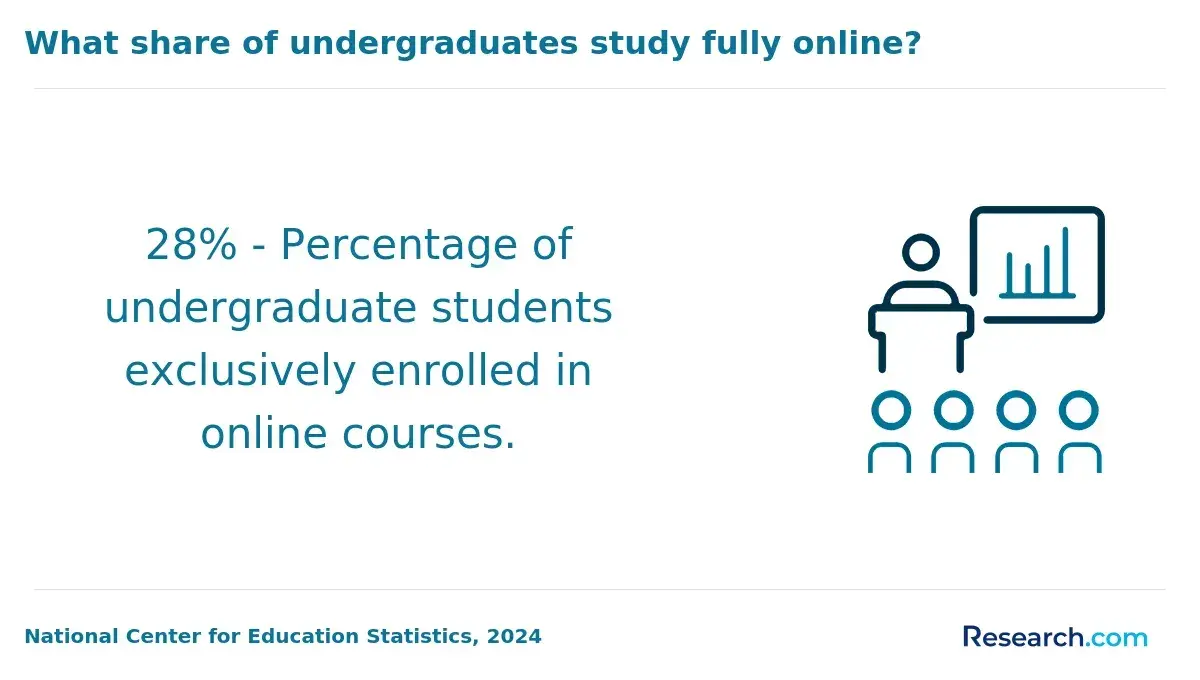
Online study can be a smart option if it lets you keep working, reduce relocation costs, or attend a program with better fit. Students comparing a bachelors degree in sociology online should look beyond tuition and ask whether the program includes methods courses, statistics support, internship guidance, and career services for remote students.
A common mistake is assuming online automatically means easier. In a strong online program, you still need disciplined reading habits, writing ability, discussion participation, research assignments, and proactive communication with instructors.
What factors should you use to evaluate and choose a sociology degree program?
Choosing a sociology program should start with your target outcome. A student aiming for market research needs different features than a student planning on social work graduate school, public policy, HR, or criminal justice.
The table below summarizes the most important program-selection factors and why each one matters for career value. Use it as a checklist when comparing schools, not as a ranking system.
| Factor | Why it matters | What to verify |
| Institutional accreditation | Accreditation affects credit transfer, financial aid eligibility, employer confidence, and graduate school options. | Confirm the school is accredited by a recognized institutional accreditor. |
| Research methods and statistics | These courses make the degree more useful for analytics, policy, evaluation, and graduate study. | Look for required methods, statistics, survey research, or data analysis coursework. |
| Internship or fieldwork access | Experience helps convert sociology coursework into job-ready evidence. | Ask whether internships are required, optional, local, remote, or student-arranged. |
| Career alignment electives | Electives can shape your path toward HR, criminology, health, inequality, family, education, or policy. | Compare concentrations, minors, certificates, and cross-listed courses. |
| Total cost | Tuition is only part of affordability; fees, books, transportation, technology, and lost work time matter. | Request a full cost estimate and compare financial aid, transfer credits, and completion time. |
| Graduate school preparation | Some careers require a master's or doctorate, so prerequisites and advising matter. | Ask about graduate placement, faculty mentoring, writing samples, and recommendation support. |
Before enrolling, ask admissions advisors and department staff practical questions that reveal whether the program fits your career plan:
- Which internships have sociology majors completed in the last two years?
- What software, statistics, or research tools will I use before graduation?
- Can I complete a capstone, honors thesis, or applied research project?
- How many transfer credits can I apply, and will they shorten my time to completion?
- What career services are available specifically for online, adult, or transfer students?
- Which graduate programs have recent sociology graduates entered?
Red flags include unclear accreditation, no methods requirement, weak advising, limited internship support, pressure to enroll quickly, and career claims that sound guaranteed. A strong program should be able to explain how its curriculum turns sociology into practical skills employers or graduate programs recognize.
How can sociology students build experience and networks to improve job prospects?
Sociology students improve job prospects by turning broad academic knowledge into proof of ability. Employers often like the major's perspective, but they hire candidates who can show writing, analysis, communication, documentation, and project experience.
The most effective strategy is to build a career portfolio before graduation. Focus on evidence that matches your target path:
- For research careers, complete a survey project, data analysis paper, dashboard, literature review, or program evaluation sample.
- For HR careers, seek recruiting, onboarding, training, employee engagement, or HRIS-related experience.
- For nonprofit roles, volunteer consistently, track outcomes, help with grant research, or support community needs assessments.
- For policy roles, write policy briefs, attend public meetings, intern with agencies, or analyze legislation.
- For counseling-adjacent roles, gain supervised experience in peer support, crisis lines, intake coordination, or community health programs.
Networking should be specific rather than random. Instead of asking professionals for a job, ask how they entered the field, what skills they use daily, which credentials matter, and what entry-level titles you should search.
A simple four-step plan can make the process manageable:
- Pick one target path for the next six months, such as HR, research, social services, policy, or behavioral health support.
- Find five job postings in that path and highlight repeated skills, tools, credentials, and experience requirements.
- Choose one class project, internship, volunteer role, or certificate that helps you meet those requirements.
- Update your résumé and LinkedIn profile around evidence, using phrases such as "analyzed survey responses," "coordinated outreach," "prepared case notes," or "developed a program report."
The biggest networking mistake is waiting until senior year. Start early, even if you are unsure of your final path, because conversations with alumni, faculty, internship supervisors, and local agencies often reveal career options that are not obvious from course catalogs.
Other Things You Should Know About Sociology
Yes, sociology can be a good exploratory major if you are interested in people, institutions, inequality, culture, and social change. However, it works best when you add a practical focus by sophomore or junior year, such as research, HR, public policy, social services, criminology, or health.
A BA often includes more liberal arts, language, and theory-based coursework, while a BS may include more statistics, methods, and quantitative requirements. Neither is automatically better; choose the version that fits your target career or graduate school plan.
In 2027, sociology graduates with strong math skills are well-suited for careers in data analysis, market research, and urban planning. These roles require quantitative skills to analyze trends and make data-driven decisions, offering opportunities in various sectors including government, private industry, and non-profits.
Yes, but you will need to translate your background into employer-ready skills. Sociology pairs well with user research, HR technology, customer insights, operations, and data analysis when you add tools such as Excel, SQL, analytics platforms, or project management experience.
References
- Login https://www.britsoc.co.uk/what-is-sociology/sociologist-careers/
- Best Sociology Degree Jobs: 12+ Career Paths for 2026 | Extern https://www.extern.com/post/sociology-degree-jobs-career-guide
- CourseCareers https://coursecareers.com/blog-posts/college-vs-online-career-training
- Sociology https://www.careerpilot.org.uk/job-sectors/subject/sociology
- Online Degree vs. Traditional: Choosing the Right Path https://beal.edu/online-degree-vs-traditional/
- 10 Job Opportunities for Sociology Majors (and How to Land One) | The Muse https://www.themuse.com/advice/sociology-degree-major-jobs-careers
- Can Online Colleges Offer Competitive Career Outcomes? https://www.onlineu.com/magazine/popular-online-schools-career-outcomes
- Applied Sociology Careers and Pay https://sociologyatwork.org/2025/07/05/applied-sociology-careers-pay/
- Five Reasons to Study a Sociology Degree https://www.bcu.ac.uk/blog/sociology-and-criminology/five-reasons-to-study-a-sociology-degree
- Career Path After Graduation in Sociology https://jgu.edu.in/blog/2024/01/15/career-path-after-graduation-in-sociology/