
2027 How to Become a Mental Health Nurse: Education, Salary, and Job Outlook

Co-Founder and Chief Data Scientist
Mental health nursing is for registered nurses who want to care for people experiencing psychiatric symptoms, substance use disorders, trauma, crisis episodes, or long-term behavioral health needs. The decision is not only whether you want to become a nurse, but whether you want a nursing role built around therapeutic communication, safety assessment, medication support, patient advocacy, and coordinated care.
This career can be deeply meaningful, but it is also demanding. Mental health nurses often work with patients who are frightened, distressed, withdrawn, suicidal, psychotic, or recovering from complex life circumstances. The work requires clinical judgment, emotional steadiness, and the ability to build trust without losing professional boundaries.
This guide explains the credentials, skills, career stages, salary factors, work settings, advancement options, and day-to-day challenges involved in becoming a mental health nurse. Use it to compare entry-level psychiatric nursing with advanced practice paths such as Psychiatric Mental Health Nurse Practitioner roles and to decide whether this specialty fits your strengths and goals.
What are the benefits of becoming a mental health nurse?
- The mental health nursing field is projected to grow by 15% from 2023 to 2033, reflecting increasing demand for specialized care in behavioral health.
- The average annual salary ranges from $65,000 to $90,000, varying by location, experience, and education level.
- Pursuing this career offers stability, opportunities for specialization, and the ability to impact patients' lives positively through focused mental health support.
What credentials do you need to become a mental health nurse?
To become a mental health nurse, you first need to qualify as a registered nurse, then build psychiatric nursing experience and, if desired, pursue specialty certification or advanced practice licensure. The exact requirements vary by state and employer, but the core pathway is consistent: nursing degree, RN license, supervised experience, and continuing education.
Core credential path
- Nursing degree: Complete an Associate Degree in Nursing (ADN) or Bachelor of Science in Nursing (BSN) from an accredited nursing program. Either route can lead to RN licensure, although some employers prefer or require a BSN for psychiatric units, leadership tracks, or competitive hospital systems.
- RN licensure: Pass the National Council Licensure Examination (NCLEX-RN), which costs $200 and is required across all states for registered nurse licensure. You must also meet your state board of nursing’s application, background check, and documentation requirements.
- Clinical experience: Build at least two years of full-time nursing experience before pursuing psychiatric nursing specialties. Experience in medical-surgical nursing, emergency care, inpatient psychiatry, addiction treatment, or community health can all be useful, depending on your target role.
- Psychiatric-Mental Health Certification: Earn the Psychiatric-Mental Health Nursing Certification (PMH-BC) after completing 2,000 hours of mental health nursing within three years and 30 hours of continuing education. This credential signals focused competence in psychiatric nursing practice.
- Advanced practice education: Complete a Master's (MSN) or Doctor of Nursing Practice (DNP) with at least 500 supervised clinical hours if you want to become a Psychiatric Mental Health Nurse Practitioner (PMHNP). This is the route for nurses who want broader responsibility in assessment, diagnosis, treatment planning, and medication management.
- State licensure: Obtain additional APRN licensure as required in your state to practice at the advanced level. Scope of practice, supervision rules, and prescribing authority are state-specific, so verify requirements directly with the state board of nursing.
- Continuing education and renewal: Most certifications must be renewed every five years with updated coursework on advanced physiology, health assessment, and pharmacology to stay current.
Choosing between RN psychiatric nursing and PMHNP preparation
If your goal is direct bedside or community-based psychiatric care, RN licensure plus psychiatric experience may be enough to begin. If your goal is advanced clinical decision-making, prescribing where allowed, or independent or semi-independent practice, you will need graduate education and APRN licensure.
Before enrolling, confirm that the nursing program is accredited, that its clinical placements include behavioral health exposure, and that graduates are eligible for licensure in the state where you plan to work. For shorter healthcare credential options outside the full nursing pathway, you can also review online 6 month certifications that pay well.
What skills do you need to have as a mental health nurse?
Mental health nurses need the clinical skills of a registered nurse and the interpersonal judgment required to work safely with patients in psychological distress. Technical knowledge matters, but the quality of your communication often determines whether a patient accepts care, shares key information, or de-escalates during a crisis.
Essential clinical and interpersonal skills
- Assessment and analytical judgment: You must recognize changes in mood, behavior, thought patterns, sleep, appetite, medication response, and safety risk. Strong assessment helps you identify when a patient’s condition is improving, worsening, or becoming urgent.
- Therapeutic communication: Mental health nurses use clear, calm, respectful language. This includes active listening, asking direct but nonjudgmental questions, explaining care plans, and avoiding language that can shame or escalate a patient.
- Crisis response and de-escalation: You need to stay composed when patients are agitated, paranoid, suicidal, intoxicated, or frightened. Effective de-escalation relies on tone, space, safety awareness, and quick coordination with the care team.
- Problem-solving: Psychiatric care rarely follows a simple script. You may need to adapt care plans when a patient refuses medication, lacks housing, has co-occurring substance use, or struggles to engage with outpatient treatment.
- Subject knowledge: You need a working understanding of common mental illnesses, psychiatric medications, side effects, trauma-informed care, suicide risk, substance use disorders, and the social factors that affect recovery.
- Empathy with boundaries: Compassion helps build trust, but professional boundaries protect both the patient and the nurse. Strong mental health nurses can be warm without becoming overinvolved.
- Teamwork: Psychiatric care is collaborative. Nurses often coordinate with psychiatrists, nurse practitioners, physicians, social workers, psychologists, case managers, occupational therapists, and family members when appropriate.
- Documentation: Accurate notes are essential in mental health settings because they support continuity of care, risk management, medication decisions, and legal accountability.
A common mistake is assuming that being “good with people” is enough. Interpersonal strength is valuable, but mental health nursing also requires risk assessment, medication knowledge, legal awareness, and the discipline to document objectively.
What is the typical career progression for a mental health nurse?
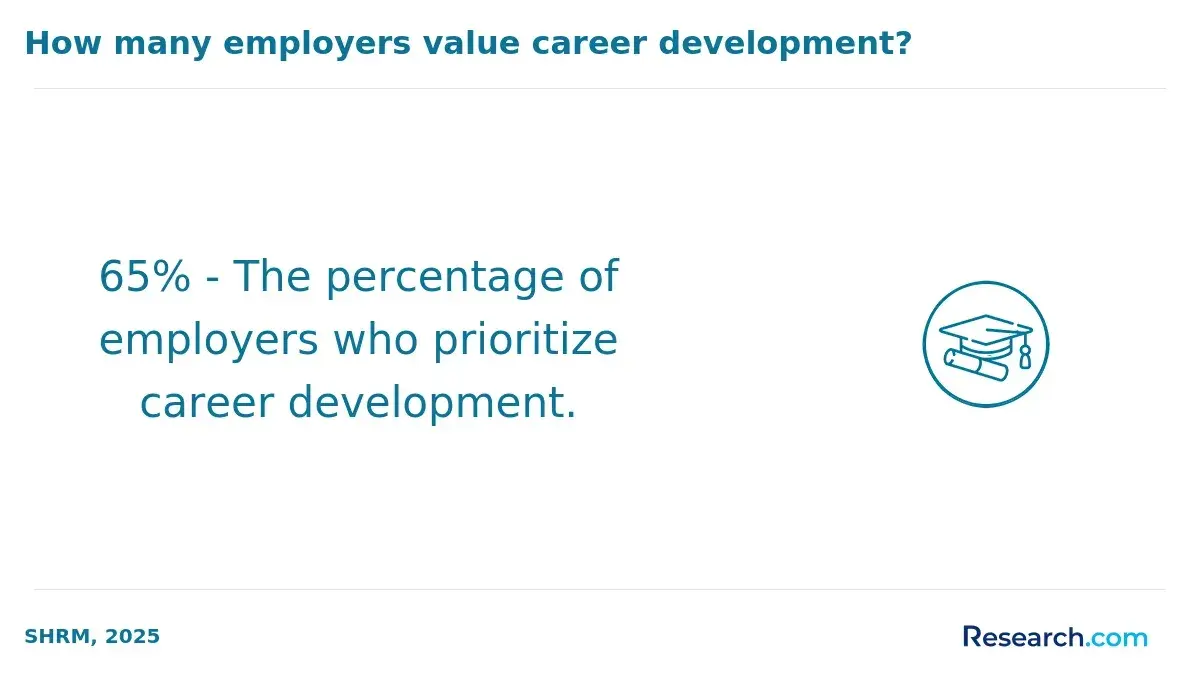
Mental health nursing careers usually progress from general RN preparation to psychiatric nursing experience, then into specialty certification, advanced practice, leadership, education, or program management. Your path will depend on your degree level, state rules, employer expectations, and whether you want to remain in direct patient care.
Common career stages
- Starting out: Many nurses begin as Registered Nurses (RNs) in behavioral health units, psychiatric hospitals, emergency departments, outpatient clinics, or community care centers. This stage typically focuses on medication administration, patient observation, safety planning, documentation, group support, and coordination with the treatment team.
- Building specialty experience: After gaining consistent psychiatric nursing exposure, nurses may seek roles with more responsibility, such as charge nurse, intake nurse, crisis stabilization nurse, addiction treatment nurse, or community mental health nurse. This is also the stage when PMH-BC certification may become valuable.
- Advancing mid-career: After 2 to 5 years of practical experience, nurses often pursue specialization or advanced clinical roles such as Clinical Nurse Specialists (CNS) or Advanced Nurse Practitioners (ANP). This phase usually requires further certification and may involve completing a Master's degree.
- Senior and expert roles: With significant experience and advanced education, many nurses become Psychiatric Mental Health Nurse Practitioners (PMHNPs), who may diagnose and treat patients within the scope allowed by their state license and practice setting. These roles generally require a Master's or Doctoral degree.
- Leadership tracks: Experienced nurses may move into nurse manager, clinical educator, quality improvement, compliance, or Nurse Consultant roles. These positions require strong clinical credibility plus the ability to guide staff, improve systems, and manage risk.
- Specializations and career shifts: Mental health nurses may focus on crisis intervention, addiction treatment, child and adolescent care, geriatric mental health, forensic mental health, trauma, or residential treatment. Others move into education, research, policy, or healthcare administration. Obtaining certifications like the Psychiatric-Mental Health Nursing Certification (PMH-BC) can improve job prospects and earning potential.
How to plan your next step
If you are early in your career, prioritize broad psychiatric exposure and strong preceptors. If you already have experience, compare whether your next best move is certification, graduate school, a new clinical setting, or leadership training. The right choice depends on whether you want higher clinical authority, more stable hours, better pay, or a different patient population.
How much can you earn as a mental health nurse?
Mental health nurse pay depends on licensure level, degree, specialty, workplace, shift, location, and years of experience. RN psychiatric nurses and Psychiatric Mental Health Nurse Practitioners are not paid the same because their education, scope of practice, and responsibilities differ.
The average mental health nurse salary in the US is around $44.53 per hour, or about $92,600 annually for full-time work. Entry-level registered psychiatric nurses typically earn approximately $32.89 per hour, while more experienced nurses can see wages rise to $49.08 or higher.
Those pursuing advanced roles, such as Psychiatric Mental Health Nurse Practitioners (PMHNPs), can expect a significantly higher income, with average annual salaries reaching around $151,588 in 2025. Salaries may vary substantially by state and city, which is important to consider when evaluating the psychiatric nurse practitioner salary by state.
What affects mental health nurse salary?
- Education and license level: ADN- and BSN-prepared RNs can work in psychiatric settings, but graduate-prepared PMHNPs typically qualify for higher-paying advanced practice roles.
- Experience: Nurses with crisis, inpatient psychiatric, addiction treatment, or complex case management experience may be more competitive for specialized roles.
- Work setting: Residential mental health and substance abuse treatment may offer different compensation than general hospital employment. Pay can also differ between inpatient units, outpatient clinics, correctional settings, telehealth, and government facilities.
- Location: State and city labor markets can strongly influence wages. Cost of living, staffing shortages, union contracts, and demand for psychiatric services all matter.
- Schedule: Evening, night, weekend, or high-acuity assignments may include differentials, though policies vary by employer.
When comparing offers, look beyond the hourly rate. Benefits, tuition assistance, paid certification support, safe staffing practices, orientation length, and clinical supervision can affect the real value of a job. If you are considering returning to school later in your career, online programs for older adults may help you evaluate flexible education options.
What internships can you apply for to gain experience as a mental health nurse?
In nursing, “internships” often appear as clinical rotations, externships, residency programs, practicum placements, or supervised student nurse roles. For mental health nursing, the best experience gives you direct exposure to psychiatric assessment, therapeutic communication, safety planning, documentation, and interdisciplinary care.
Places to look for hands-on experience
- Hospitals, psychiatric units, and community mental health centers: Clinical placements in these settings let students connect classroom learning with real patient care. You may observe psychiatric evaluations, medication administration, group therapy support, discharge planning, and crisis response.
- Outpatient clinics and residential treatment facilities: These settings can help you understand longer-term recovery, relapse prevention, case management, medication adherence, and the practical barriers patients face outside the hospital.
- Government agencies: Public health departments or Veterans Affairs facilities can expose interns to broader systems of care, mental health policy, trauma-informed services, and specialized patient populations.
- Nonprofit organizations: Mental health advocacy and community outreach organizations can help you build skills in patient education, support group facilitation, resource navigation, and working with underserved communities.
- Schools: Student health, counseling, or special education environments may offer exposure to early intervention, crisis referral, family communication, and youth mental health support.
How to choose a strong placement
Look for placements with structured supervision, clear safety procedures, opportunities to participate in care planning, and exposure to multidisciplinary teams. Ask whether students can observe intake assessments, medication education, de-escalation practices, discharge planning, and community referrals. A placement that only allows passive observation may be less useful than one that develops practical nursing judgment.
Working alongside social workers, psychologists, psychiatric providers, case managers, and experienced nurses can help you understand how mental health care is delivered in real settings. If you are still choosing an entry route into nursing or healthcare, an accelerated associate degree may be one option to compare as you plan your education timeline.
How can you advance your career as a mental health nurse?
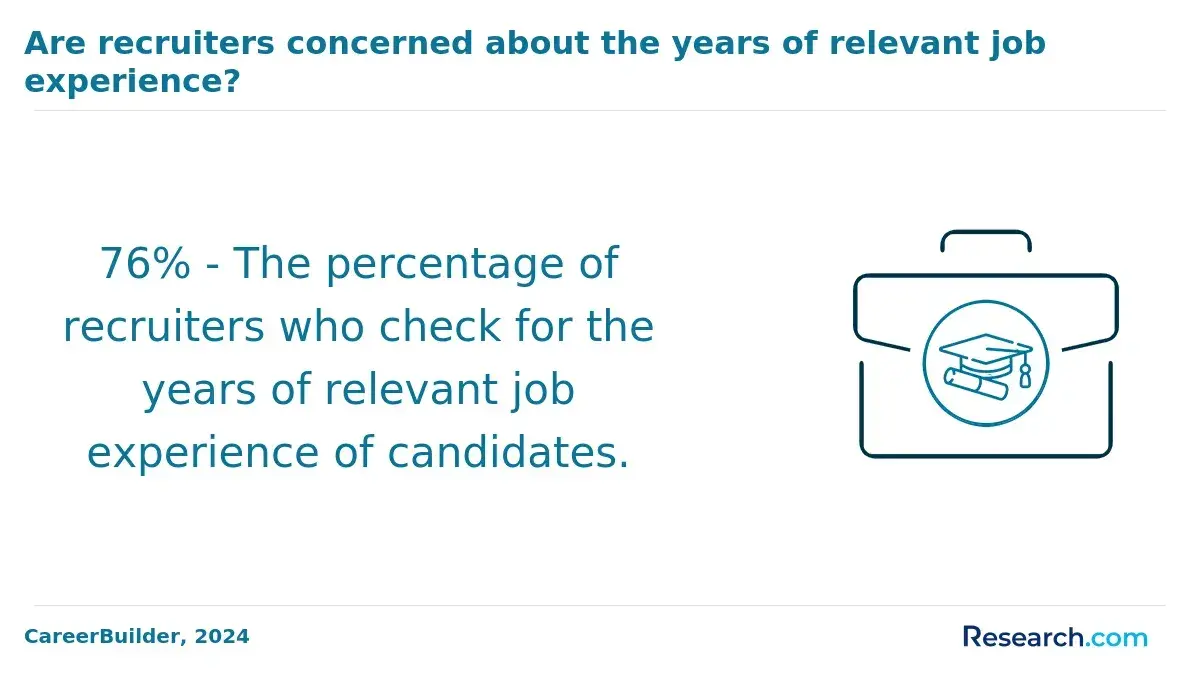
Career advancement in mental health nursing usually comes from one of four moves: gaining deeper clinical experience, earning a specialty certification, completing graduate education, or moving into leadership. The best strategy depends on whether you want more autonomy, higher pay, a narrower specialty, or a less physically demanding role.
Practical advancement options
- Pursue continuing education: Take coursework and training in psychiatric assessment, suicide prevention, trauma-informed care, psychopharmacology, substance use treatment, and crisis intervention. If you want advanced practice authority, consider a post-master's Psychiatric Mental Health Nurse Practitioner (PMHNP) credential. This qualification can prepare nurses to provide comprehensive care, including medication management and therapy-related services within their legal scope of practice.
- Specialize in a high-need area: Focus on substance abuse, eating disorders, forensic mental health, child and adolescent psychiatry, geriatric mental health, emergency psychiatry, or trauma care. Specialization can make you more competitive for advanced clinician, consultant, educator, or program development roles.
- Earn professional certifications: Nursing-specific credentials such as PMH-BC can strengthen your profile for psychiatric nursing roles. If you are considering a credential such as the Certified Clinical Mental Health Counselor (CCMHC), understand that it is associated with counseling and does not replace nursing licensure, APRN licensure, or state nursing scope requirements.
- Seek strong mentors: A mentor can help you choose between bedside psychiatric nursing, PMHNP school, nurse leadership, education, or community mental health. Mentorship is especially useful before committing to a graduate program.
- Build a professional network: Join psychiatric nursing groups, attend behavioral health conferences, participate in employer committees, and connect with professionals in crisis services, addiction care, and community mental health. Networking can reveal job openings, clinical training opportunities, and emerging practice areas.
- Document your outcomes: Keep a record of projects, training, leadership responsibilities, quality improvement work, and specialty populations served. This evidence can strengthen applications for promotions, graduate programs, and advanced roles.
Avoid advancing only by changing job titles. In mental health nursing, long-term growth depends on demonstrable competence: safe practice, sound judgment, effective communication, and the ability to manage complex patient needs.
Where can you work as a mental health nurse?
Mental health nurses work anywhere behavioral health needs are assessed, treated, monitored, or coordinated. Some settings are fast-paced and acute; others focus on long-term recovery, community support, or specialized populations. The best fit depends on your preferred pace, risk tolerance, schedule, and patient population.
Common work settings
- Hospitals: Psychiatric nurse jobs in hospitals and community clinics often involve working with multidisciplinary teams to care for patients in acute, stabilization, or long-term settings. Hospital roles may include close observation, medication administration, crisis response, and discharge planning.
- Mental health clinics and community health centers: These outpatient settings focus on assessment, education, medication support, care coordination, and follow-up. They may offer more predictable schedules than inpatient roles.
- Nonprofit organizations: Groups such as the National Alliance on Mental Illness (NAMI) focus on advocacy, education, and community outreach. Nurses in nonprofit settings may support public education, care navigation, and community-based programs.
- Government agencies: Employers like the Department of Veterans Affairs (VA) hire mental health nurses to support veterans and other populations needing specialized care. Government roles may involve trauma-informed care, substance use services, case coordination, or integrated primary and behavioral health services.
- Educational institutions: Schools and colleges sometimes employ nurses to provide counseling support, crisis referral, health education, and early identification of student mental health needs.
- Private practices and telehealth platforms: These settings are expanding and may allow mental health nurses, particularly advanced practice nurses, to support patients remotely. Telehealth work requires strong assessment skills, documentation habits, and awareness of state practice rules.
- Healthcare systems: Well-known organizations such as Kaiser Permanente and the Mayo Clinic provide structured environments for mental health nursing careers with diverse patient populations.
How to compare work environments
Before accepting a role, ask about nurse-to-patient expectations, security procedures, orientation, de-escalation training, access to psychiatric providers, team communication, and support after critical incidents. A higher wage may not compensate for inadequate staffing or poor safety culture.
If you are still selecting a school or degree path, review whether programs are properly accredited and whether they can support your intended nursing pathway. One place to begin comparing institutional options is this guide to accredited non profit colleges.
What challenges will you encounter as a mental health nurse?
Mental health nursing can be rewarding, but it is not an easy specialty. Nurses must manage safety risks, emotional intensity, complex documentation, staffing pressure, and patients whose symptoms may affect communication, judgment, or cooperation. Preparing for these realities early can help you build resilience and choose healthier workplaces.
- Heavy workloads and staffing shortages: Mental health units and community programs may experience high patient demand, limited beds, and long shifts. Heavy workloads can increase burnout risk and make it harder to provide the level of therapeutic attention patients need.
- Emotional strain: Nurses may support patients dealing with trauma, self-harm, psychosis, grief, addiction, homelessness, or family conflict. Repeated exposure to distress can lead to compassion fatigue if you do not have recovery time and support.
- Workplace safety concerns: Some patients may become verbally aggressive, impulsive, or physically unsafe because of distress, intoxication, paranoia, or other symptoms. Strong safety protocols, team communication, and de-escalation training are essential.
- Boundary management: Patients may form strong attachments, test limits, or disclose highly personal information. Nurses must remain compassionate while maintaining professional boundaries.
- Ethical and legal complexity: Mental health care can involve involuntary treatment, confidentiality issues, mandated reporting, suicide risk, restraint policies, and capacity concerns. Nurses must understand employer policy and state requirements.
- Ongoing education and regulatory compliance: Standards, documentation rules, and licensure requirements can change. Continuing education helps you remain competent, legally compliant, and adaptable.
The best protection is not toughness alone. It is preparation: good training, supportive supervision, clear policies, peer debriefing, realistic staffing, and personal habits that allow you to recover after difficult shifts.
What tips do you need to know to excel as a mental health nurse?
To excel as a mental health nurse, focus on becoming clinically reliable, emotionally steady, and easy to collaborate with. Patients need nurses who can listen without judgment, notice subtle changes, respond quickly to risk, and communicate clearly with the treatment team.
- Master assessment basics: Build confidence in mental status observations, suicide risk screening, substance use assessment, medication response monitoring, and recognizing changes in behavior or functioning.
- Use therapeutic communication intentionally: Practice active listening, reflective statements, calm redirection, and clear explanations. Avoid arguing with delusions, minimizing distress, or making promises you cannot keep.
- Document objectively: Record what you observe, what the patient reports, interventions provided, safety concerns, and team notifications. Avoid vague labels when specific behavior descriptions are more useful.
- Know psychiatric medications and side effects: Even when you are not prescribing, you need to understand common medication classes, adverse effects, adherence barriers, and when to report concerns.
- Work closely with multidisciplinary teams: Coordinate with doctors, nurse practitioners, social workers, psychologists, case managers, and other nurses so that care plans are consistent and realistic.
- Keep learning: Pursue training in addiction, trauma, crisis intervention, geriatric mental health, or other specialty areas that match your career goals.
- Seek feedback early: Ask experienced psychiatric nurses how they would handle difficult conversations, escalating behavior, or complex discharges. Practical coaching accelerates growth.
- Build emotional recovery routines: Use peer support, debriefing, physical activity, mindfulness, supervision, or counseling when needed. Self-care is not a luxury in this specialty; it protects patient care.
- Set clear boundaries: Sustainable compassion requires limits. Know your role, follow policy, and avoid taking responsibility for outcomes you cannot control alone.
Strong mental health nurses are not defined by never feeling stress. They are defined by how well they prepare, communicate, recover, and keep practicing safely under pressure.
How do you know if becoming a mental health nurse is the right career choice for you?
Mental health nursing may be a strong fit if you are drawn to both healthcare and human behavior. It is especially suited to people who can stay calm during emotional situations, communicate respectfully with people in distress, and think critically when information is incomplete or rapidly changing.
Signs this career may fit you
- You are empathetic without being judgmental: Patients may have symptoms, histories, or behaviors that are difficult to understand. Effective mental health nurses respond with dignity and curiosity rather than blame.
- You communicate well under stress: The role requires listening, explaining, redirecting, and collaborating even when patients or families are upset.
- You can balance compassion and boundaries: You need to care deeply while still following policy, maintaining safety, and protecting your own well-being.
- You are comfortable with complexity: Mental health cases often involve medical issues, family systems, substance use, housing instability, trauma, and legal concerns.
- You can adapt: Patient needs may change quickly, and treatment progress is not always linear. Patience and flexibility matter.
- You value teamwork: Psychiatric care depends on coordinated work across nursing, medicine, therapy, social work, and community resources.
- You want a field with continuing demand: Mental health nursing offers growing job security thanks to rising demand and increased societal awareness around mental health concerns.
Reasons to think carefully before choosing this path
- You prefer predictable, task-based work with limited emotional interaction.
- You find it difficult to stay calm when people are angry, withdrawn, confused, or distressed.
- You struggle with professional boundaries or take patient outcomes personally.
- You are uncomfortable with safety protocols, crisis situations, or detailed documentation.
Reflecting on these points can help you decide whether the qualities needed to be a mental health nurse match your strengths. If you are still comparing career paths, reviewing careers that trade school can prepare you for may give you a broader view of healthcare and non-healthcare alternatives.
Ultimately, is mental health nursing a good career choice depends on your fit with the work itself: therapeutic communication, emotional resilience, patient advocacy, safety awareness, and lifelong learning in a changing mental health system.
What Professionals Who Work as a Mental Health Nurse Say About Their Careers
- : "Pursuing a career as a Mental Health Nurse has given me incredible job stability and competitive salary potential. With the growing awareness of mental health, demand is only increasing, ensuring a secure future. I feel rewarded knowing I make a real difference every day. — Gage"
- : "The challenges of working in Mental Health Nursing have helped me develop resilience and empathy that extend beyond the workplace. This field exposes you to unique patient stories and complex situations, pushing you to grow professionally and personally. It's a journey that shapes who you are as a caregiver. — Kylan"
- : "One of the most rewarding aspects of Mental Health Nursing is the abundance of professional development opportunities. Specialized training programs and certifications allow me to advance my career while providing high-quality care. It's a dynamic field that keeps me engaged and continuously learning. — Braxton"
Other Things You Should Know About Becoming a Mental Health Nurse
To become a mental health nurse in 2027, you need at least an Associate Degree in Nursing (ADN) or a Bachelor of Science in Nursing (BSN). Most employers prefer a BSN, and it typically takes 3-4 years to complete.
To become a mental health nurse by 2027, you'll need a valid Registered Nurse (RN) license and may pursue specialized certifications like the Psychiatric-Mental Health Nursing Certification (PMH-BC) from the American Nurses Credentialing Center to enhance your qualifications and career prospects.
References
- NHS England » The mental health nurse’s handbook https://www.england.nhs.uk/long-read/the-mental-health-nurses-handbook
- Your Complete Mental Health Nurse Career Progression Guide | Thornbury Nursing https://thornbury-nursing.com/blog/your-complete-mental-health-nurse-career-progression-guide
- Challenges in mental health nursing: current opinion | NRR https://www.dovepress.com/challenges-in-mental-health-nursing-current-opinion-peer-reviewed-fulltext-article-NRR
- BECOMING A MENTAL HEALTH NURSE — MHNAUK https://mhnauk.org/becoming-a-mental-health-nurse
- Mental health nurse | Health Careers https://www.healthcareers.nhs.uk/explore-roles/nursing/roles-nursing/mental-health-nurse
- Things to Know About Psychiatric and Mental Health Nursing | Host Healthcare https://www.hosthealthcare.com/blog/10-things-to-know-about-psychiatric-mental-health-nursing
- Nursing Staff Members Mental’s Health and Factors Associated with the Work Process: An Integrative Review - PMC https://pmc.ncbi.nlm.nih.gov/articles/PMC5278561
- Logo of the University of Lancashire https://www.lancashire.ac.uk/articles/advice/become-a-mental-health-nurse
- Psychiatric/Mental Health Nurse Certification https://www.registerednursing.org/certification/psychiatric-mental-health-nurse
- Behavioral Health Nursing Internships at St. Luke's https://www.slhn.org/careers/students-career-paths/nursing-internships/behavioral-health



