2027 Cheapest Way to Get a Teaching Credential in Michigan: Requirements & Certification

Co-Founder and Chief Data Scientist
The cheapest way to get a teaching credential in Michigan depends on where you are starting. A high school graduate, a career changer with a bachelor’s degree, an out-of-state teacher, and an international educator will not have the same lowest-cost path. The goal is not simply to find the lowest tuition price; it is to choose a Michigan-approved route that leads to the certificate and endorsement you need without unnecessary coursework, repeated fees, or delays.
This guide explains the main low-cost credential options in Michigan, including traditional educator preparation programs, online and hybrid programs, alternative certification routes, reciprocity options, renewal rules, and financial aid strategies. It also covers salary expectations, job outlook, specialization choices, and common mistakes that can make a “cheap” program more expensive over time.
Quick Answer: What Is the Cheapest Way to Get a Teaching Credential in Michigan?
For candidates without a bachelor’s degree, the most affordable route is often to complete lower-cost transferable coursework first, then finish a bachelor’s degree through a Michigan-approved educator preparation program. For candidates who already hold a bachelor’s degree, an expedited or alternative certification program may be cheaper and faster because it can reduce duplicated general education coursework and may allow candidates to earn while completing requirements.
The lowest-cost option is only worthwhile if it is approved for Michigan certification, includes the required clinical or student teaching experience, prepares you for the Michigan Test for Teacher Certification, and leads to the grade level and subject endorsement you actually want.
Key Things You Should Know About the Cheapest Way to Get a Teaching Credential in Michigan
- Michigan candidates should first confirm that a program is accredited and approved for teacher preparation; a low tuition price does not matter if the program does not lead to certification.
- Career changers who already have a bachelor’s degree may save time and money through expedited or alternative certification routes.
- Alternative pathways can reduce upfront costs because candidates may complete certification requirements while gaining paid classroom experience.
- Programs that embed required pedagogy courses, fieldwork, and student teaching into one sequence can help candidates avoid extra semesters and duplicate fees.
- Total cost includes more than tuition. Application fees, testing, fingerprinting, background checks, transportation, and renewal-related professional development can affect the final amount paid.
| Starting Point | Likely Lower-Cost Path | Best For | Cost Watchouts |
| No bachelor’s degree | Transfer-friendly coursework followed by a state-approved bachelor’s-level educator preparation program | Students beginning college or returning after some credits | Lost credits, extra semesters, and programs that do not align with the intended endorsement |
| Bachelor’s degree in another field | Expedited or alternative teacher certification program | Career changers who want to enter classrooms faster | Testing fees, required prerequisite courses, and limited endorsement options |
| Out-of-state teaching credential | Credential evaluation through Michigan’s certification process | Licensed teachers relocating to Michigan | Possible Michigan Test for Teacher Certification requirements or additional coursework |
| International teaching background | Eligibility review through MOECS and recognition of qualifying preparation or experience when applicable | Foreign-trained educators with prior teaching credentials or classroom experience | Documentation, transcript review, testing, and temporary certificate limits |
| Working adult needing flexibility | Online or hybrid Michigan-approved program with local field placements | Candidates balancing work, family, or location constraints | Online coursework may still require in-person student teaching and school-based observations |
- How much does it cost to become a teacher in Michigan?
- Can a foreigner get a Michigan teaching license?
- Can I get my teaching credential online in Michigan?
- Can I teach in Michigan with an out of state credential?
- How many years do you have to teach in Michigan to retire?
- What happens if my Michigan teaching credential expires?
- How many units is a Michigan teaching credential?
- How much do teachers in Michigan make?
- What are the career opportunities beyond teaching in Michigan?
- How can I specialize in early childhood education affordably in Michigan?
- What is the job outlook of teachers in Michigan?
- What is the career path of a teacher in Michigan?
- Should I pursue a specialization in physical education in Michigan?
- What are the differences between teaching in public and private schools in Michigan?
- What are the prerequisites for becoming a middle school math teacher in Michigan?
- How can pursuing an advanced degree further enhance my teaching career in Michigan?
- What challenges might arise with cost-effective teaching credential programs in Michigan?
- How do I evaluate the quality of a teaching credential program in Michigan?
- What are the steps to meet music teacher education requirements in Michigan?
- What post-certification support options are available for new teachers in Michigan?
- How are recent policy updates influencing teaching credential pathways in Michigan?
- What financial aid opportunities are available to support my teaching credential in Michigan?
How much does it cost to become a teacher in Michigan?
The cost of becoming a teacher in Michigan includes program tuition, certification application fees, testing costs, background checks, fingerprinting, student teaching expenses, and any professional development needed later for renewal. Tuition varies by institution and pathway, so candidates should compare the total credential cost rather than only the advertised per-credit rate.
- Application fees: Michigan credential fees differ by certificate type. A Substitute Teaching Permit costs approximately $45, while some Professional and School Administrator Certificates can cost up to $210. The Standard Teaching Certificate and the School Psychologist Certificate cost $160 for in-state applicants.
- Renewal fees: Renewal costs usually resemble initial application costs. Many renewal applications are around $160, while the Standard Teaching Certificate renewal fee is $100.
- Fee validity: Application fees remain valid for a two-year period. If the certificate is not issued within that window, the applicant may need to apply again and pay again.
- Living and attendance costs: Housing, transportation, internet access, books, and unpaid student teaching time can affect affordability, especially for candidates who must reduce work hours during field placements.
- Possible refunds: In some situations, applicants may be eligible for a refund, such as when no evaluation has been completed or when they qualify for a different certificate category.
Candidates can lower costs by choosing a program that accepts transfer credits, asking whether required testing preparation is included, applying for scholarships early, and avoiding programs that are not aligned with Michigan certification rules. Military members and their families should also ask whether fee waivers or other support options apply. Students exploring child-focused career alternatives may also compare education-related options such as child life specialist graduate programs.
| Cost Category | Why It Matters | How to Reduce the Risk of Overpaying |
| Tuition and required courses | This is usually the largest direct cost. | Ask for a degree audit before enrolling and confirm which credits transfer. |
| Certification application fees | Fees vary by credential type and may need to be paid again if the process is delayed. | Apply only after confirming eligibility and required documentation. |
| Testing and exam preparation | Retaking exams can add cost and delay employment. | Choose a program with strong MTTC preparation and advising. |
| Student teaching or clinical placement | Unpaid or low-paid placements can create income pressure. | Ask whether placements are local, flexible, or connected to paid alternative routes. |
| Fingerprinting and background checks | These are required for certification and school placement. | Ask the program whether fees are bundled or paid separately. |
Can a foreigner get a Michigan teaching license?
Yes, an international educator may be able to pursue a Michigan teaching license, but the process depends on prior preparation, documentation, teaching experience, and whether the applicant meets Michigan’s certification standards. Foreign-trained teachers should begin with an eligibility review rather than assuming they must repeat an entire degree.
- Start with MOECS: International applicants should review their eligibility through the Michigan Online Educator Certification System, known as MOECS. The process requires an application, supporting documents, and a processing fee that may be less costly than enrolling in new coursework before knowing what Michigan will accept.
- Use prior preparation when possible: A Standard Teaching Certificate requires completion of an approved teacher preparation program with practical teaching experience. If an international program, or a program from a federally recognized Indian tribe, satisfies Michigan expectations, the candidate may avoid unnecessary additional classes.
- Consider alternative certification: Foreign-trained educators who have already taught or completed nontraditional preparation may find an alternative route more affordable than starting over through a full undergraduate program.
- Document teaching experience: Applicants with three years of successful teaching in another country may receive recognition for that experience, which can affect testing requirements and reduce time and expense.
- Ask about a Temporary Teaching Certificate: A foreign educator with a valid standard teaching certificate from another jurisdiction may qualify for a nonrenewable Temporary Teaching Certificate. This option can allow teaching in Michigan for up to one year while the educator completes remaining testing requirements.
The most cost-effective approach is to collect transcripts, teaching certificates, course descriptions, and employment records before applying. Clear documentation can prevent delays and help Michigan evaluators determine whether prior credentials meet state expectations. Candidates who want to strengthen child development knowledge while comparing long-term options can also review top online child development programs.
Can I get my teaching credential online in Michigan?
Yes, some Michigan teaching credential coursework can be completed online, but teacher certification is not usually 100% remote. Candidates still need supervised field experiences, student teaching, background checks, and the required Michigan Test for Teacher Certification for their intended area.
- Earn the required degree: Most candidates need a bachelor’s degree from an accredited institution. Online programs can be convenient for students who work or live far from campus, and comparing education degree types can help candidates match the degree to the grade level or subject they want to teach.
- Choose a Michigan-approved preparation program: Online coursework must still be connected to a state-recognized teacher preparation pathway. The program should include pedagogy, classroom management, content-area preparation, assessment, and supervised teaching practice.
- Plan for in-person placements: Even if lectures and assignments are online, observations and student teaching normally occur in real classrooms.
- Pass the required exams: Candidates must complete the appropriate Michigan Test for Teacher Certification for the subject and grade level they plan to teach.
- Apply online: After completing program and testing requirements, candidates can submit their certification application through the Michigan Department of Education’s online system.
- Budget for future renewal: Online professional development may help educators maintain credentials affordably after initial certification.
| Online Credential Advantage | Important Limitation | Question to Ask Before Enrolling |
| Flexible scheduling for working adults | Fieldwork and student teaching still require school-based time | Can I complete placements near where I live? |
| Reduced commuting and relocation costs | Technology fees and remote learning materials may still apply | What fees are not included in tuition? |
| More program options outside the nearest campus | Not every online program is approved for Michigan certification | Does this program lead directly to the Michigan certificate and endorsement I need? |
Can I teach in Michigan with an out of state credential?
Yes, an educator licensed in another state may be able to teach in Michigan, but the Michigan Department of Education must evaluate the credential. Reciprocity can help, yet it does not mean every out-of-state certificate transfers automatically without additional steps.
- Request a credential evaluation: Michigan does not pre-approve every out-of-state program. After completing teacher preparation and earning certification elsewhere, the educator can request an evaluation to determine Michigan eligibility.
- Prepare for possible exams: A valid out-of-state credential may not remove all testing obligations. Candidates may still need to pass the applicable Michigan Test for Teacher Certification content exams.
- Review gaps before enrolling in more coursework: If the out-of-state credential does not fully align with Michigan requirements, the educator may need a Michigan educator preparation program, an expedited pathway, or an alternative certification route.
- Confirm reciprocity details: Michigan has reciprocal arrangements with multiple states, but the requirements can vary by certificate, endorsement, grade level, and testing history.
Out-of-state teachers can save money by completing the evaluation first, then addressing only the missing requirements. Candidates who need a flexible in-state route can compare options such as best online education degrees before committing to a full program.
How many years do you have to teach in Michigan to retire?
Retirement eligibility in Michigan is not determined by the teaching credential itself. It depends on the educator’s retirement plan, service credit, employer type, employment history, and the rules that apply to the individual’s pension or retirement system. Candidates comparing low-cost credential options should not assume that earning certification automatically creates a specific retirement timeline.
Before choosing a position or district, future teachers should ask how retirement benefits work, whether service in another state or school system counts, and how part-time, substitute, or private school experience is treated. This matters because a less expensive route into teaching may still lead to different long-term benefits depending on the type of school and employment contract.
For candidates who want to reduce certification costs before thinking about retirement, the main affordability strategies remain the same:
- Alternative certification programs: A candidate with a bachelor’s degree in a non-education field may be able to teach while completing certification requirements, lowering the opportunity cost of returning to school full time.
- Community college coursework: Transferable education prerequisites can reduce the cost of the first part of a bachelor’s degree when planned carefully.
- Online programs: Accredited online options may reduce commuting costs and improve scheduling flexibility for working adults seeking the cheapest online teaching credential Michigan pathway.
Teachers with out-of-state credentials should also complete a Michigan credential evaluation before paying for additional coursework. Careful planning can open a path toward stable teaching employment and, over time, may support access to advancement opportunities, including some of the best paying education careers.
What happens if my Michigan teaching credential expires?
If a Michigan teaching credential expires, the educator may lose the ability to teach legally until renewal requirements are completed. The Standard Teaching Certificate is valid for five years and may be renewed indefinitely, but teachers should begin planning before the expiration date to avoid employment disruptions.
Michigan educators may start the renewal process anytime after January 1 of the expiration year. To renew, they must satisfy one of these options:
- Complete 150 hours of education-related professional development.
- Earn a relevant master’s degree or higher from an accredited institution; this option may be used only once.
- Hold a valid out-of-state teaching certificate; this renewal option may also be used only once.
Professional development may be documented through several approved formats:
- Six semester credit hours from a regionally accredited college or university.
- 150 Michigan State Continuing Education Clock Hours, also called SCECHs.
- 150 hours of Michigan District Provided Professional Development, also called DPPD.
Educators should enter and verify their hours in MOECS before applying for renewal. The renewal process itself may not require a separate fee in every situation, but the courses, workshops, clock hours, or credits used to qualify can still cost money.
| Common Renewal Mistake | Why It Can Be Costly | Better Approach |
| Waiting until the certificate has already expired | It can threaten employment eligibility close to the school year. | Check renewal status early in the expiration year. |
| Completing professional development without confirming eligibility | Hours may not count if they are not properly approved or documented. | Verify accepted activities and record them in MOECS. |
| Assuming a degree can be reused for repeated renewals | The relevant master’s degree or higher option can only be used once. | Create a long-term professional development plan. |
One Michigan educator described the stress of discovering an expired certificate just before the school year. She gathered documentation, enrolled in a local workshop, and completed the required professional development hours. The experience was frustrating, but it also pushed her to reconnect with colleagues and refresh her instructional practice before returning to the classroom.
How many units is a Michigan teaching credential?
Michigan does not usually describe teacher certification in “units” the way some states or institutions do. The better measure is credit hours, degree completion, approved teacher preparation, and clinical experience.
In general, aspiring teachers complete a bachelor’s degree totaling approximately 120 to 130 credit hours. That degree must include a state-aligned teacher preparation program with coursework in instruction, assessment, classroom management, child or adolescent development, and subject-specific teaching methods.
An associate degree usually includes about 60 credit hours. It can be a useful lower-cost starting point, especially when credits transfer cleanly into a bachelor’s program, but it is not enough by itself for Michigan teacher certification.
Student teaching is also part of the certification route. This supervised classroom experience often accounts for an additional 12 to 15 credit hours within the bachelor’s program and is essential for demonstrating readiness to teach.
- Bachelor’s degree: Approximately 120-130 credit hours, including approved teacher preparation.
- Associate degree: About 60 credit hours, useful for transfer but not sufficient for certification alone.
- Student teaching: Usually 12-15 credit hours within the bachelor’s-level preparation sequence.
A student like Sarah, who completed an education program at Michigan State University, would typically take courses in areas such as educational psychology, curriculum design, classroom management, and subject-specific methods before entering student teaching. That classroom placement connects theory to practice and is one reason candidates should avoid programs that appear inexpensive but do not provide strong field supervision.
The number of candidates completing teacher preparation programs can help illustrate the future supply of qualified educators. The following chart from the National Council on Teacher Quality shows Teacher Preparation Program completion by year.
How much do teachers in Michigan make?
Teacher pay in Michigan varies by district, grade level, years of experience, education level, bargaining agreements, and endorsements. As of 2024, the average teacher salary in Michigan is around $60,000, but individual salaries can be lower or higher.
- Beginning teachers: New educators commonly start between $40,000 and $45,000 per year.
- Mid-career teachers: Teachers with 5 to 10 years of experience often earn between $50,000 and $70,000.
- Experienced teachers: Educators with more than ten years in the profession may earn more than $80,000, particularly in districts with higher pay schedules or when they hold advanced degrees.
Additional endorsements, high-need subject expertise, leadership duties, and graduate-level education can influence compensation. However, candidates should not treat salary ranges as guaranteed outcomes. Before enrolling in a credential program, ask local districts how pay scales work and whether advanced credits, master’s degrees, or hard-to-staff endorsements affect placement on the salary schedule.
| Career Stage | Salary Range Stated | Factors That May Affect Pay |
| New teacher | $40,000 to $45,000 | District, endorsement area, contract terms, and prior experience recognition |
| 5 to 10 years of experience | $50,000 to $70,000 | Step increases, added responsibilities, mentoring, and education level |
| More than ten years of experience | More than $80,000 | Advanced degree, district pay scale, leadership roles, and retention incentives |
Graduates from Michigan education programs such as the University of Michigan and Michigan State University may enter the workforce with strong preparation, but salary still depends on the hiring district, role, and contract.
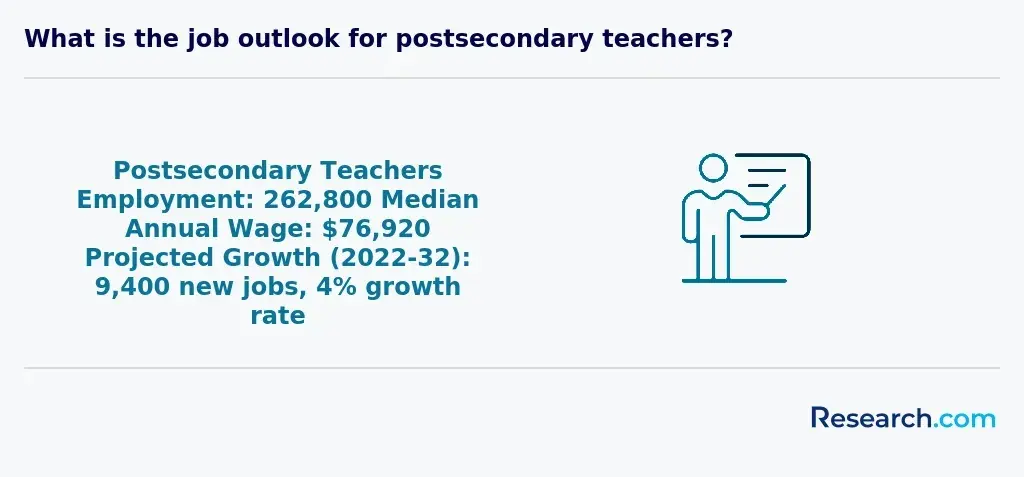
What are the career opportunities beyond teaching in Michigan?
A Michigan teaching credential can support more than a classroom teaching career. With additional experience, graduate study, or specialized licensure, educators may move into curriculum design, instructional coaching, school leadership, education technology, assessment, student support, nonprofit education, or policy work.
Some educators also transition into related student services professions. For example, speech-language pathology is a separate licensed field that may appeal to teachers interested in communication development and school-based support. Candidates considering that route should review how to obtain an SLP license in Michigan before assuming a teaching credential will be enough.
How can I specialize in early childhood education affordably in Michigan?
Early childhood education can be a good specialization for candidates who want to work with young learners and focus on foundational development, classroom routines, early literacy, social-emotional learning, and family engagement. To keep costs manageable, look for programs that combine child development coursework, supervised experience, and certification preparation without requiring extra standalone certificates that do not count toward your goal.
Affordable strategies include using transfer credits, choosing a program with local placements, applying for early childhood scholarships when available, and comparing whether the program prepares candidates for preschool, kindergarten, or broader elementary settings. For a more focused pathway, review how to become a preschool teacher in Michigan.
What is the job outlook of teachers in Michigan?
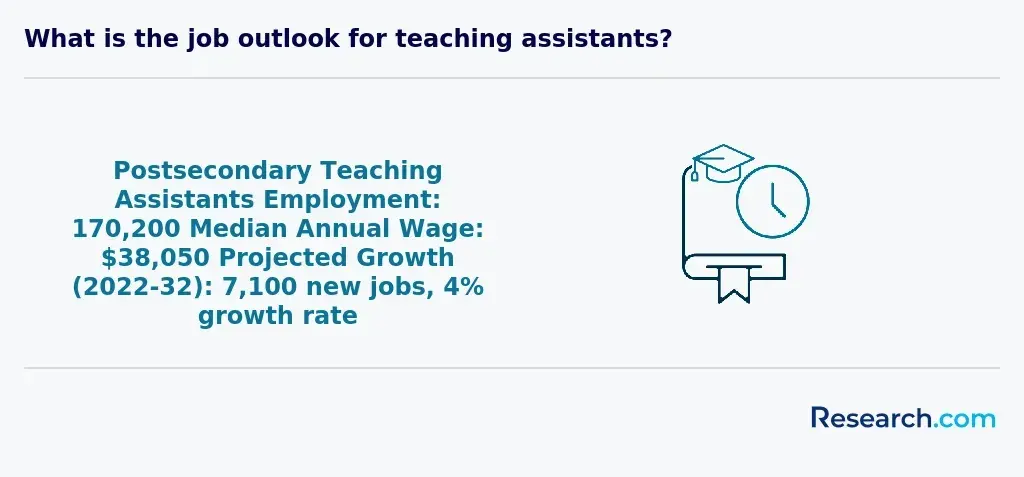
Michigan’s teacher labor market includes ongoing openings caused by growth, retirements, turnover, and demand in specific grade levels and subject areas. By 2028, the state is expected to have large annual openings in elementary and secondary education.
- Projected openings: Michigan expects around 7,030 annual openings for elementary teachers and approximately 6,620 annual openings for secondary teachers.
- Projected growth: Teaching roles are expected to grow between 2.8% and 3.6%.
- High-need areas: Special education, career and technical education, and certain subject specializations may offer additional opportunities.
- Entry requirements: Most public school teaching roles require a bachelor’s degree, a teaching license, and the correct endorsement.
- Advancement requirements: Leadership roles such as administrator positions often require graduate education and relevant experience.
Job outlook should guide credential decisions. A candidate choosing the cheapest program should still confirm that the endorsement area matches actual hiring demand in the region where they plan to work.
What is the career path of a teacher in Michigan?
A Michigan teacher’s career path often starts with certification, an entry-level classroom role, and induction or mentoring. Over time, educators may specialize by subject, grade level, student population, or leadership function.
- Complete the credential route: Finish the required degree, teacher preparation, student teaching, testing, and certification application.
- Enter the classroom: New teachers build skill in lesson planning, classroom culture, assessment, parent communication, and differentiation.
- Add responsibilities: Experienced teachers may mentor colleagues, lead grade-level teams, coordinate programs, or support curriculum adoption.
- Specialize: Teachers may move into special education, early childhood, secondary subject teaching, physical education, music, or career and technical education.
- Advance into leadership: Some educators become instructional coaches, department chairs, assistant principals, principals, curriculum directors, or district leaders.
- Move beyond schools: Teaching experience can also lead to roles in advocacy, education research, tutoring companies, publishing, instructional design, or education technology.
A teacher who began in a local Michigan public school after completing an Elementary Education degree at the University of Michigan might spend the first five years developing classroom expertise, then take on mentoring, after-school programming, or curriculum leadership. Those experiences can create a bridge to school leadership or specialized instructional roles.
Teacher pay often grows with experience. The chart from the National Center for Education Statistics shows that educators with two to four years of experience can receive a salary of $49,300.
Should I pursue a specialization in physical education in Michigan?
A physical education specialization can make sense if you want to teach movement, wellness, fitness, health-related habits, and athletic skill development. It may also strengthen your value in districts that emphasize student wellness, athletics, or whole-child education.
Before choosing this route, compare the cost of required coursework, field experiences, endorsement exams, and any coaching expectations. The specialization is most useful when it matches your interests and local hiring needs, not merely because it appears to be an extra credential. For state-specific preparation details, review physical education teacher certification and requirements.
What are the differences between teaching in public and private schools in Michigan?
Public and private school teaching roles can differ in certification expectations, curriculum control, salary structure, benefits, class size, and advancement pathways. Public school teachers typically must meet Michigan certification requirements, while private schools may set their own qualification standards depending on their mission, accreditation, and hiring policies.
| Factor | Public Schools | Private Schools |
| Certification | Michigan certification is generally required. | Requirements may vary by school, subject, and institutional policy. |
| Curriculum | Usually aligned with state standards and district expectations. | May allow more flexibility based on mission, religious identity, or specialized model. |
| Salary structure | Often based on formal salary schedules tied to experience and education. | Can vary widely by school resources and priorities. |
| Career advancement | May include department leadership, instructional coaching, and administrative roles. | May include mission-specific leadership, program design, or smaller-school administrative duties. |
| Work environment | Often larger systems with more formal procedures. | May offer smaller communities or smaller class sizes, depending on the school. |
Aspiring private school teachers should check each employer’s standards instead of assuming certification is unnecessary. For a closer look at qualifications, review private school teacher requirements in Michigan.
What are the prerequisites for becoming a middle school math teacher in Michigan?
Middle school math candidates need strong mathematics preparation, adolescent learning strategies, classroom management skills, and supervised experience teaching math to students in the middle grades. The exact path should align with Michigan’s endorsement and assessment expectations.
When comparing affordable programs, confirm that the math coursework is deep enough for certification and that the program prepares candidates for the relevant Michigan Test for Teacher Certification. A program that is inexpensive but weak in math content can lead to retesting, delays, or limited hiring competitiveness. For subject-specific guidance, see the middle school math teacher requirements in Michigan.
Here’s What Teachers Have to Say About the Cheapest Ways to Get a Teaching Credential in Michigan
-
: "
“I was surprised by how manageable the cost of Michigan’s alternative certification route was. I finished the credentialing process in less than a year, avoided the expense of a full traditional pathway, and was able to focus on serving students in my community.” – Lena
"
-
: "
“The online coursework gave me the flexibility I needed to keep working while preparing for certification. That balance made the process affordable and helped me enter the classroom with practical experience instead of only theory.” – Mitchell
"
-
: "
“Choosing a lower-cost credential path helped me become a teacher without taking on more debt than I could manage. The peer network I built during the program also became one of the most valuable parts of the experience.” – Rose
"
How can pursuing an advanced degree further enhance my teaching career in Michigan?
An advanced degree can support career growth when it connects directly to your professional goals. Michigan educators may pursue graduate study to deepen subject expertise, qualify for leadership opportunities, move into curriculum development, or expand into research, writing, assessment, or administration.
The return on investment depends on the district’s salary schedule, the degree cost, and whether the program leads to a role you actually want. Some educators also use graduate study to broaden communication and writing expertise. For example, those considering creative or academic writing pathways can explore what can you do with a masters in writing to understand how advanced writing study may intersect with education, publishing, curriculum, or instructional design.
What challenges might arise with cost-effective teaching credential programs in Michigan?
Low-cost credential programs can be smart choices, but they require careful review. The main risk is choosing a program because it is inexpensive without confirming that it provides strong preparation, reliable placements, certification alignment, and student support.
- Limited field placement support: Candidates may need help finding approved classrooms for observation and student teaching.
- Uneven advising: Poor advising can cause candidates to take the wrong courses or miss certification deadlines.
- Narrow endorsement options: Some alternative routes may not cover every subject or grade level.
- Hidden costs: Testing, background checks, travel, textbooks, and unpaid student teaching can raise the true price.
- Insufficient exam preparation: A lower-cost program may become expensive if candidates must retake certification exams.
The safest approach is to compare program approval, outcomes, field placement structure, and total cost before enrolling. Candidates needing a broader overview of remote and flexible pathways can review how to become a teacher in Michigan.
How do I evaluate the quality of a teaching credential program in Michigan?
A strong teaching credential program should be approved for Michigan certification, transparent about costs, clear about endorsement outcomes, and structured around real classroom practice. Do not rely on rankings, tuition, or convenience alone.
| What to Check | Why It Matters | Question to Ask |
| Michigan approval and accreditation | Certification depends on completing an accepted pathway. | Does this program directly lead to the Michigan certificate and endorsement I need? |
| MTTC preparation | Exam readiness affects timeline and added costs. | What support is provided for the required Michigan Test for Teacher Certification? |
| Field placement quality | Student teaching is central to classroom readiness. | Who arranges placements, and can they be completed near me? |
| Transfer credit policy | Accepted credits can significantly reduce cost. | How many of my previous credits will count toward the program? |
| Graduate outcomes | Employment support can matter after certification. | What career advising, mentoring, or placement support is available? |
Subject-specific candidates should also confirm that the program fits their teaching area. For example, those interested in social studies should review how to become a history teacher in Michigan.
What are the steps to meet music teacher education requirements in Michigan?
Music teacher preparation requires both instructional skill and musical proficiency. Candidates should expect coursework in music theory, pedagogy, performance, ensemble participation, assessment, and age-appropriate music instruction, along with field experiences that show they can teach music in school settings.
- Choose a Michigan-aligned music education program.
- Review audition, performance, and ensemble participation requirements before applying.
- Complete music theory, methods, conducting, and education coursework.
- Finish supervised fieldwork and student teaching in music classrooms.
- Prepare for the required certification assessments.
- Apply for the appropriate Michigan teaching certificate and music endorsement.
Because music programs may include added performance costs, instruments, travel, or audition requirements, candidates should ask for a full cost estimate. For more detail, review music teacher education requirements in Michigan.
What post-certification support options are available for new teachers in Michigan?
New teachers benefit from support after certification because the first years in the classroom can be demanding. District induction programs, mentor teachers, peer observations, coaching, and professional development can help new educators improve classroom management, lesson planning, differentiation, and family communication.
When comparing employers, ask whether new teachers receive a formal mentor, release time for training, observation feedback, curriculum support, and help with renewal documentation. Candidates interested in early grades can also review How to become a kindergarten teacher in Michigan? for a role-specific view of preparation and support.
How are recent policy updates influencing teaching credential pathways in Michigan?
Michigan’s credential pathways continue to adjust as the state balances teacher supply needs with preparation standards. Policy changes can affect alternative certification, remote assessments, eligibility rules, renewal procedures, and how candidates with out-of-state or international preparation are reviewed.
Because requirements can change, candidates should verify rules directly with state guidance and their preparation program before enrolling, testing, or applying for certification. This is especially important for subject-specific pathways such as how to become a high school history teacher in Michigan.
What financial aid opportunities are available to support my teaching credential in Michigan?
Financial aid can make a Michigan teaching credential more affordable, but candidates should apply early and confirm whether aid applies to their specific pathway. Not all scholarships, grants, or loan forgiveness options cover alternative certification, part-time study, post-baccalaureate programs, or nondegree coursework.
- Institutional aid: Ask the college or university about scholarships for education majors, transfer students, career changers, and shortage-area candidates.
- State and federal aid: Complete required financial aid applications and confirm whether your program qualifies.
- Loan forgiveness programs: Review eligibility rules carefully, especially service requirements tied to high-need schools or subject areas.
- Employer support: Some districts may support paraprofessionals, substitutes, or alternative-route candidates working toward certification.
- Military and family benefits: Eligible service members and families should ask about fee waivers or education benefits.
For a broader view of certification categories and funding considerations, review Michigan teacher certification requirements.
Common Mistakes When Choosing a Low-Cost Michigan Teaching Credential Program
| Mistake | Why It Hurts | What to Do Instead |
| Choosing only by tuition price | Low tuition can be offset by extra semesters, nontransferable credits, or weak support. | Compare total program cost, timeline, fees, and placement structure. |
| Ignoring Michigan approval | A program may be legitimate but not lead to Michigan certification. | Confirm approval before applying or paying deposits. |
| Assuming online means fully remote | Student teaching and fieldwork usually require in-person school placements. | Ask how local placements are arranged. |
| Overlooking endorsement fit | The wrong endorsement can limit the jobs you qualify for. | Match the program to your intended grade level and subject. |
| Forgetting renewal costs | Professional development and credit hours can create future expenses. | Plan for renewal before the certificate expiration year. |
| Relying only on testimonials or rankings | A popular program may not be the best fit for your background or goals. | Review approval, outcomes, advising, cost, and employer connections. |
Key Insights
- The cheapest Michigan teaching credential route depends on your starting point: no degree, existing bachelor’s degree, out-of-state license, or international background.
- A low-cost program is only a good investment if it is approved for Michigan certification and leads to the exact endorsement you need.
- Application fees include approximately $45 for a Substitute Teaching Permit, $160 for the Standard Teaching Certificate for in-state applicants, and up to $210 for certain advanced credentials.
- Online programs can reduce commuting and scheduling barriers, but student teaching and classroom fieldwork still require in-person participation.
- The Standard Teaching Certificate is valid for five years, and renewal planning should begin before expiration to avoid employment interruptions.
- Michigan teacher salaries vary widely; as of 2024, the average is around $60,000, with new teachers often starting between $40,000 and $45,000.
- By 2028, Michigan expects around 7,030 annual openings for elementary teachers and approximately 6,620 annual openings for secondary teachers.
- Before enrolling, ask about accreditation, Michigan approval, transfer credits, MTTC preparation, field placements, hidden fees, and post-certification support.
Related Articles for Nearby States
- 2027 Cheapest Way to Get a Teaching Credential in Ohio: Requirements & Certification
- 2027 Cheapest Way to Get a Teaching Credential in Indiana: Requirements & Certification
- 2027 Cheapest Way to Get a Teaching Credential in Wisconsin: Requirements & Certification
- 2027 Cheapest Way to Get a Teaching Credential in Illinois: Requirements & Certification
- 2027 Cheapest Way to Get a Teaching Credential in Minnesota: Requirements & Certification
- 2027 Cheapest Way to Get a Teaching Credential in Pennsylvania: Requirements & Certification
- 2027 Cheapest Way to Get a Teaching Credential in Kentucky: Requirements & Certification
- 2027 Cheapest Way to Get a Teaching Credential in West Virginia: Requirements & Certification
- 2027 Cheapest Way to Get a Teaching Credential in Iowa: Requirements & Certification
- 2027 Cheapest Way to Get a Teaching Credential in New York: Requirements & Certification
References:
- education.delaware.gov (19 Jul 2022). Educators Certification. https://education.delaware.gov/legacy/home/educators/licensure-and-certification/educators-certification/
- michigan.gov (n.d.). Certificate and Credential Types. https://www.michigan.gov/mde/services/ed-serv/ed-cert/cert-guidance/certificate-credential-types
- milmi.org (n.d.). STATE OF MICHIGAN Department of Technology, Management and Budget. milmi.org https://milmi.org/_docs/publications/Hot50_Poster_2028.pdf
- salary.com (27 Aug 2024). Public School Teacher Salary in Michigan. https://www.salary.com/research/salary/benchmark/public-school-teacher-salary/mi
- teach.org (n.d.). Find Your Teacher Career Path. teach.orghttps://www.teach.org/explore/career-paths
Other Things You Should Know About Getting a Teaching Credential in Michigan
Michigan requires a state and federal criminal history check through fingerprinting before certification is issued. Applicants use the Michigan Online Educator Certification System, and school employers or preparation programs usually direct them to an approved Live Scan vendor for processing.
To obtain a teaching certification in Michigan in 2027, candidates must pass the Michigan Test for Teacher Certification (MTTC). This includes subject area tests specific to their endorsement and the Professional Readiness Exam to assess basic skills in reading, writing, and mathematics.