2027 How to Become a Preschool Teacher Assistant in New Jersey: Requirements & Certification

Co-Founder and Chief Data Scientist
Becoming a preschool teacher assistant in New Jersey is a practical entry point into early childhood education, especially if you want to work with young children before committing to a full teaching license. The role can lead to jobs in public preschool programs, private childcare centers, Head Start-style settings, and eventually lead teaching or administrative positions.
This guide explains what preschool teacher assistants do, what qualifications employers commonly expect, how the Child Development Associate credential fits into the process, what costs to plan for, how long the path can take, and how to use the job as a stepping stone toward higher-level teaching roles in New Jersey.
Quick Answer: How Do You Become a Preschool Teacher Assistant in New Jersey?
To become a preschool teacher assistant in New Jersey, you generally need a high school diploma or GED, a background check, and employer-required training in child development, safety, and classroom support. New Jersey does not require one single state-issued preschool teacher assistant certificate for every role, but many employers prefer or require the Child Development Associate credential, First Aid and CPR certification, and experience working with young children.
Key Points to Know Before You Start
- Many candidates complete the training and credentialing process within 1 to 2 years, depending on whether they choose a full-time or part-time certificate, coursework, or degree route.
- The Child Development Associate credential is a common early childhood qualification in New Jersey and requires 120 hours of formal training plus 480 hours of work experience with children.
- CDA preparation and assessment costs can range from $1,000 to $2,500, depending on the provider, format, and related application expenses.
- Anyone working with children in a school or childcare setting should expect a criminal background check, which can cost around $65 to $75.
- The CDA is nationally recognized and can strengthen applications for preschool assistant, childcare, and early childhood support roles.
- What does a preschool teacher assistant do in New Jersey?
- What education do preschool teacher assistants need in New Jersey?
- What certifications help preschool teacher assistants get hired?
- How do you keep your credentials current?
- How long does the process take?
- How much does it cost to become a preschool teacher assistant?
- What career paths can preschool teacher assistants pursue?
- What other teaching roles are available in New Jersey?
- What additional certifications can improve career options?
- What is the New Jersey job market like?
- Can networking improve early childhood education opportunities?
- How much do preschool teacher assistants earn in New Jersey?
- How is this role different from kindergarten teaching?
- How can creative arts support preschool learning?
- What skills matter most for preschool teacher assistants?
- What is a lower-cost route to a teaching credential?
- How can assistant experience lead to private school teaching?
- How can digital teaching skills help your career?
- How can assistants move into lead teacher roles?
- What are the benefits and challenges of the job?
- Can special education certification support advancement?
What does a preschool teacher assistant do in New Jersey?
A preschool teacher assistant supports the lead teacher with classroom routines, child supervision, learning activities, behavior guidance, and family communication. The assistant is not usually the person designing the full curriculum, but the role is essential because young children need close supervision, repetition, emotional support, and hands-on help throughout the day.
| Responsibility | What it looks like in a preschool classroom |
| Instructional support | Helping children follow directions, complete activities, practice early literacy or counting skills, and participate in group lessons. |
| Classroom preparation | Setting up learning centers, organizing supplies, preparing materials, cleaning activity areas, and supporting smooth transitions. |
| Safety and supervision | Watching children during play, meals, restroom routines, arrival, dismissal, and movement between spaces. |
| Behavior support | Using positive reinforcement, redirecting conflicts, helping children regulate emotions, and encouraging respectful interaction. |
| Communication | Sharing observations with the lead teacher and, when appropriate, helping relay basic updates to families. |
The work can be meaningful, but it is not effortless. Preschool assistants often manage competing needs at once: one child may need help with a task, another may need emotional support, and the lead teacher may need materials prepared for the next activity. Strong assistants stay calm, anticipate routines, and understand that early childhood classrooms require patience as much as technical knowledge.
Common challenges in the role
- High child-to-adult demands: Even when a classroom meets staffing requirements, assistants may still need to divide attention among many children with different developmental needs.
- Behavior and emotional regulation: Preschool children are still learning how to share, wait, communicate frustration, and follow group expectations.
- Limited supplies or time: Some programs operate with tight budgets, which can make preparation, classroom organization, and activity planning more difficult.
- Physical demands: Assistants may spend much of the day standing, kneeling, lifting light classroom materials, and moving quickly between children.
Most early childhood instructors in the United States work with preschool-age children, as shown in the visual below.
What education do preschool teacher assistants need in New Jersey?
The minimum requirement for many preschool teacher assistant jobs is a high school diploma or GED. However, the strongest candidates usually have early childhood coursework, hands-on childcare experience, safety training, or a recognized credential such as the CDA.
| Qualification | Why it matters | When it makes sense |
| High school diploma or GED | Establishes the basic education level many employers require for entry-level assistant positions. | Best for candidates seeking entry-level childcare or assistant roles while gaining experience. |
| Child Development Associate credential | Shows structured training in child development, classroom practice, and early childhood professionalism. | Useful for applicants who want stronger hiring prospects or plan to remain in early childhood education. |
| College coursework | Courses in child development, classroom management, and educational psychology can make a candidate more competitive. | Helpful for those considering an associate degree, bachelor’s degree, or eventual teacher certification. |
| Background check | Supports child safety and is a standard requirement for school and childcare employment. | Required before working in many settings that serve children. |
Who should consider college coursework?
College classes are worth considering if you want to move beyond assistant-level work. If your long-term goal is to become a lead preschool teacher, kindergarten teacher, special education teacher, or childcare administrator, coursework in early childhood education can reduce the gap between your current role and future certification or degree requirements.
Who may not need a degree right away?
If you are testing whether early childhood education is the right field for you, an entry-level assistant position plus CDA preparation may be a more practical first step than immediately enrolling in a longer degree program. This lets you gain classroom experience before making a larger financial commitment.
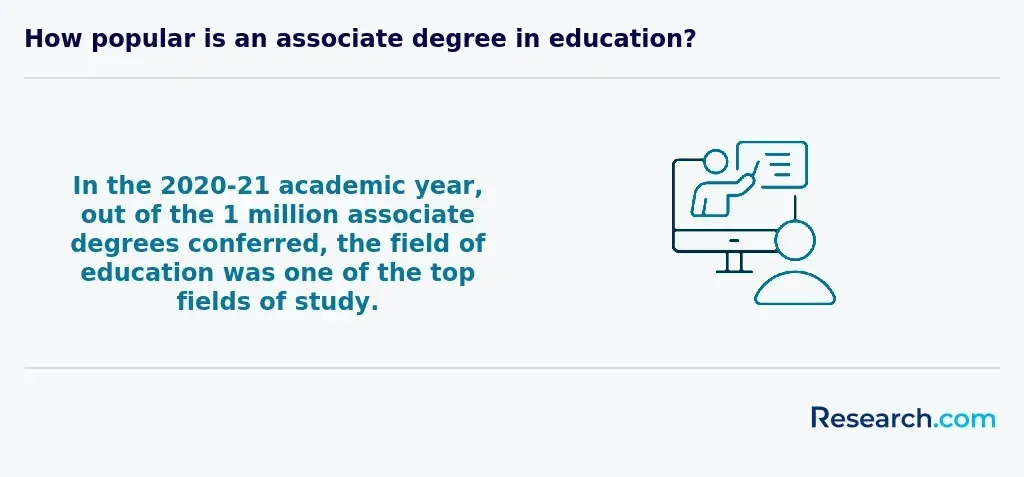
What certifications help preschool teacher assistants get hired?
New Jersey does not use one universal state certification requirement for all preschool teacher assistant jobs. Requirements can vary by employer, funding source, school type, and job description. Still, several credentials can make applicants more employable and better prepared for classroom work.
| Credential or requirement | Purpose | Important details |
| Child Development Associate credential | Validates training and experience in early childhood education. | Requires 120 hours of formal training and 480 hours of work experience with children. |
| First Aid and CPR certification | Prepares assistants to respond to common emergencies and safety incidents. | Frequently requested by preschools and childcare employers. |
| Criminal background check | Helps employers confirm eligibility to work around children. | Can cost around $65 to $75, depending on the process used. |
| Early childhood coursework | Builds knowledge of child development, classroom routines, and age-appropriate instruction. | Often preferred for candidates seeking public preschool or advancement opportunities. |
Is the CDA worth it?
The CDA can be valuable if you want to compete for early childhood jobs, demonstrate commitment to the field, or prepare for future education roles. It is especially useful for candidates who do not yet have a college degree but want a recognized credential tied directly to preschool and childcare work.
How do you keep your credentials current?
Credential maintenance depends on the credential you hold and your employer’s requirements. The original path described for New Jersey preschool teacher assistants includes completing professional development every five years, keeping documentation, and using approved training sources when renewal is required.
- Plan for continuing education: A common benchmark is at least 20 hours of professional development every five years, covering topics such as child development, safety, classroom guidance, or inclusive practices.
- Use recognized providers: Before paying for a workshop or online course, confirm that the training will be accepted by your employer, credentialing body, or the New Jersey Department of Education process that applies to your role.
- Save proof of completion: Keep certificates, transcripts, attendance confirmations, and course descriptions in one organized folder.
- Track renewal dates: Do not wait until a credential expires to look for training. Some courses fill quickly, and documentation can take time to process.
- Stay connected to the field: Local early childhood groups, employer training days, and education associations can help you learn about new expectations and classroom practices.
Common renewal mistake
Avoid assuming that every online professional development course will count. Before enrolling, ask whether the provider is accepted for your specific credential, employer, or renewal requirement.
How long does it take to become a preschool teacher assistant in New Jersey?
The timeline can range from a short entry-level hiring process to about two to three years if you pursue a degree while building experience. The best timeline depends on your current education, whether you need the CDA, and whether you plan to use the assistant role as a pathway to lead teaching.
| Path | Typical time frame | Best for |
| Entry-level assistant role | A few weeks to a few months, depending on hiring steps and background screening. | Candidates with a high school diploma or GED who want to start gaining classroom experience. |
| Certificate or short training program | Around a year for some programs. | Applicants who want structured early childhood preparation without a full degree. |
| CDA route | Often completed within 1 to 2 years, depending on schedule and experience hours. | Those seeking a nationally recognized early childhood credential. |
| Associate degree route | Typically about two years. | Future lead teachers or assistants who want stronger long-term advancement options. |
| Assistant-to-teacher pathway | About two to three years or more, depending on degree and certification requirements. | Professionals planning to move into licensed teaching roles. |
- Education comes first: A high school diploma or GED is the starting point. An associate degree in early childhood education typically takes about two years, while some certificate programs can be finished in around a year.
- Experience matters: Many candidates volunteer, work part-time, or complete supervised childcare hours while studying.
- Credential paperwork takes time: After training and experience requirements are complete, application review may take a few weeks.
- Testing may apply in some cases: Depending on the district or future role, exams such as the Praxis Core tests may become part of the process.
Education rules differ by state. For example, candidates outside New Jersey should use state-specific resources, such as guides to Washington teacher certification renewal and application steps, rather than assuming New Jersey’s process applies elsewhere.
How much does it cost to become a preschool teacher assistant in New Jersey?
The total cost depends on whether you pursue only entry-level employment, complete CDA training, enroll in a community college program, or move toward a degree. Candidates planning a longer education path should prepare for a broader investment of around $13,000 to $31,000 or more when tuition, housing, books, credentialing, and related expenses are included.
| Cost category | Estimated amount stated | How to think about it |
| CDA credential route | $1,000 to $2,500 | May include training program costs, application expenses, and assessment-related fees. |
| Community college tuition | Around $3,000 to $5,000 each year for in-state tuition. | Often a lower-cost route for early childhood coursework or an associate degree. |
| Four-year university tuition | $10,000 to $15,000 annually. | More relevant if you plan to continue into bachelor’s-level teacher preparation. |
| Room and board | About $10,000 to $15,000 per year. | Applies mainly to students who live on campus or relocate for school. |
| Textbooks | Around $500 to $1,000 yearly. | Can vary by course load and whether used, rental, or digital materials are available. |
| Teaching certificate application | About $190. | Relevant for candidates moving into certified teaching roles. |
| Background checks and related requirements | $50 to $100, with criminal background checks often around $65 to $75. | Usually required before employment in child-serving settings. |
How to reduce your costs
- Start with community college if you need early childhood coursework but want to limit tuition expenses.
- Ask employers whether they reimburse CDA training, CPR certification, or professional development.
- Use transfer-friendly programs if you plan to move from an associate degree into a bachelor’s degree.
- Compare total program cost, not tuition alone. Fees, books, transportation, childcare, and unpaid fieldwork can change the real price.
- Look for grants, scholarships, and employer-supported training before borrowing.
If your long-term plan includes becoming a teacher but cost is a major concern, research child development degree scholarships. Scholarship funding may be combined with other aid options, such as federal grants or assistance programs, depending on eligibility.
What career paths can preschool teacher assistants pursue in New Jersey?
A preschool assistant role can be a stable job by itself, but it can also serve as a launch point for higher-responsibility work in education, childcare leadership, family services, or special education. The right path depends on whether you prefer direct classroom work, administration, specialized support, or long-term licensure.
| Career path | Typical next step | Best fit for |
| Lead preschool teacher | Complete early childhood education coursework or a degree and meet applicable state certification requirements. | Assistants who want to plan instruction and manage the classroom. |
| Childcare center director | Gain experience in early childhood administration, staffing, compliance, and operations. | Professionals interested in leadership rather than daily assistant duties. |
| Early childhood education specialist | Build expertise in program support, curriculum resources, or child development practices. | Those who enjoy coaching, training, or improving early childhood programs. |
| Special education aide | Pursue training in inclusive education and support strategies for children with disabilities or developmental needs. | Assistants who want to work closely with children needing individualized support. |
| Child development or family services specialist | Add certifications or coursework related to family support, development, or community services. | Professionals interested in helping children and families beyond the classroom. |
| Program coordinator | Develop experience in curriculum coordination, staff support, scheduling, and program operations. | Assistants who combine classroom experience with organizational strengths. |
| Educational administrator | Continue education and gain leadership experience in schools or educational programs. | Long-term career builders interested in operations, family engagement, and student services. |
Many assistants eventually pursue teaching credentials. If nearby campus options are limited, compare low-cost online bachelor's degrees in early childhood education. Online study can offer scheduling flexibility and may reduce some attendance-related expenses, though fieldwork and licensure rules still need careful review.
A large share of active preschool instructors in the United States have only one to two years of experience, as shown in the chart below.
What other teaching roles are available in New Jersey?
Preschool teacher assistant experience can help you decide whether you prefer early childhood classrooms or want to work with older students. If you are interested in elementary education, review the elementary school teacher requirements in New Jersey. That path generally involves more formal teacher preparation, certification expectations, and responsibility for full classroom instruction.
What additional certifications can improve career options?
Beyond basic hiring requirements, specialized training can help preschool assistants qualify for more focused roles. Useful areas include behavior support, inclusive education, language development, and child safety. If you are interested in communication and developmental support, learning about an SLP license in New Jersey can also show how early childhood experience connects to speech-language pathology careers.
What is the New Jersey job market like?
New Jersey has one of the higher employment levels for teaching assistants, with 52,730 teaching assistants employed. This creates a large education workforce, but hiring still depends on location, school budgets, credential expectations, and the type of preschool setting.
The broader market is supported by demand for early childhood education, staffing needs in schools and childcare centers, and ongoing interest in qualified classroom support. According to the U.S. Bureau of Labor Statistics figure cited in the source article, preschool teacher jobs are expected to increase by about 10% from 2022 to 2032. While that statistic refers to preschool teachers rather than assistants, it signals continued attention to early childhood staffing.
Where preschool teacher assistants may find jobs
- Public preschool programs: These roles may have more structured requirements and may prefer formal early childhood coursework.
- Private childcare centers: Requirements can vary, but experience, CDA preparation, and safety certifications can help.
- Faith-based or nonprofit programs: These employers may value flexibility, family communication, and classroom reliability.
- Special education or inclusive classrooms: Assistants with additional training may support children with developmental, behavioral, or learning needs.
- Part-time or substitute support roles: These can be useful for candidates building experience while completing coursework.
How to stand out in the New Jersey market
- Complete First Aid and CPR training before applying when possible.
- Document volunteer, babysitting, daycare, tutoring, or camp experience clearly on your resume.
- Use specific examples of classroom skills, such as helping with transitions, supporting behavior routines, or preparing learning centers.
- Ask employers whether they prefer a CDA, college credits, or a degree for advancement.
- Consider long-term education planning if your goal is to move into teaching or leadership.
Assistants who later become teachers may continue into graduate education and licensure pathways. Those who want to compare broader options can review higher education careers to understand how teaching experience can connect to other education roles.
Can networking improve early childhood education opportunities?
Professional connections can help preschool teacher assistants learn about openings, training opportunities, mentorship, and role expectations before jobs are publicly posted. Useful networking channels include local educator groups, early childhood conferences, employer professional development days, and online communities for New Jersey educators.
Networking is also helpful if you are exploring a different teaching level. For example, learning how to become a middle school math teacher in New Jersey can clarify how much requirements change when moving from early childhood support work into a subject-specific teaching role.
How much do preschool teacher assistants earn in New Jersey?
Salary estimates vary by source, job title, employer, and methodology. According to 2024 data from Talent.com, the median annual salary for a preschool teacher assistant in New Jersey is $32,360. The United States Bureau of Labor Statistics reports a higher estimate of $38,590, while Salary.com lists a median annual salary of $42,339.
Taken together, these sources suggest a New Jersey salary range of $32,360 to $42,339 for preschool teacher assistant roles. Individual offers may fall outside expectations depending on the setting, schedule, benefits, geographic area, union status, experience, and credential requirements.
| Source | Stated New Jersey salary figure | How to use it |
| Talent.com 2024 | $32,360 median annual salary | Useful as one market-based estimate for preschool teacher assistant postings. |
| United States Bureau of Labor Statistics | $38,590 estimate | Useful for comparing teaching assistant wages using government labor data. |
| Salary.com | $42,339 median annual salary | Useful as another compensation benchmark when evaluating offers. |
What can affect your pay?
- Years of experience in preschool, childcare, or school settings.
- Credentials such as the CDA, First Aid and CPR certification, or college coursework.
- Whether the employer is a public school, private center, nonprofit, or specialized program.
- Full-time versus part-time status and whether benefits are included.
- Additional duties, such as supporting children with special needs or assisting with program coordination.
If your goal is higher long-term earning potential in education, compare online teaching degrees that align with New Jersey certification expectations before enrolling.
How is a preschool teacher assistant different from a kindergarten teacher in New Jersey?
A preschool teacher assistant usually supports a lead teacher and helps children with daily routines, activities, behavior, and supervision. A kindergarten teacher has broader responsibility for lesson planning, curriculum delivery, classroom management, assessment, and parent communication. Moving into kindergarten teaching requires meeting additional education and licensure expectations.
If that transition interests you, review the requirements to become a kindergarten teacher in New Jersey before choosing a degree or certification program. This can help you avoid taking courses that do not apply to your intended license or grade level.
How can creative arts support preschool learning?
Creative arts can make preschool lessons more active, expressive, and developmentally appropriate. Music, movement, drawing, dramatic play, and rhythm activities can help children practice language, motor coordination, social interaction, and emotional expression.
For preschool assistants, creative arts skills are useful because they provide practical ways to redirect energy, support transitions, and engage children who may not respond well to worksheet-style instruction. If you want to build a career around arts instruction, explore how to become a music teacher in New Jersey.
What skills matter most for preschool teacher assistants?
Employers look for more than a credential. Preschool classrooms depend on adults who can communicate clearly, stay regulated under pressure, support routines, and respond to children with consistency.
| Skill | Why it matters in preschool | How to develop it |
| Patience and emotional control | Young children need repeated guidance and calm adult responses. | Practice positive behavior strategies and observe experienced teachers. |
| Clear communication | Assistants must speak effectively with children, teachers, and families. | Use simple directions, active listening, and professional documentation habits. |
| Flexibility | Schedules can change quickly because of behavior, weather, staffing, or child needs. | Learn backup activities and stay comfortable adjusting routines. |
| Organization | Classrooms run better when supplies, materials, and routines are easy to manage. | Create checklists for setup, cleanup, and transition times. |
| Safety awareness | Assistants help prevent injuries and respond quickly when issues occur. | Complete First Aid and CPR training and learn employer safety procedures. |
| Observation | Assistants often notice changes in behavior, participation, or development. | Take objective notes and share concerns with the lead teacher appropriately. |
Common mistakes to avoid
- Choosing a program without checking recognition: Confirm that any CDA, certificate, or degree program supports your employment or advancement goals.
- Looking only at tuition: Books, transportation, background checks, testing, and unpaid fieldwork can raise the true cost.
- Assuming every online program meets future teaching requirements: If you want licensure later, verify state alignment before enrolling.
- Ignoring transfer policies: If you plan to move from a community college to a bachelor’s degree, ask which credits will transfer.
- Expecting salary guarantees: Published salary figures are estimates, not promises of a specific job offer.
- Undervaluing classroom experience: Employers often care about how you handle real children, routines, and behavior, not just coursework.
What is a lower-cost route to a teaching credential?
A lower-cost plan often starts with community college coursework, employer-supported training, or an accelerated state-approved route that combines required preparation with practical experience. The right choice depends on whether your goal is assistant employment, lead preschool teaching, or a broader teaching license.
Before committing to a program, compare total cost, transfer options, fieldwork requirements, and certification alignment. For a focused overview, review the cheapest way to become a teacher in New Jersey.
How can assistant experience lead to private school teaching?
Private schools may value hands-on classroom experience, especially when applicants can show strong child supervision, family communication, and instructional support skills. However, each private school sets its own hiring expectations, so assistant experience alone may not be enough for every teaching role.
To make the transition, document your classroom responsibilities, complete relevant early childhood coursework, and ask target schools what credentials they expect. For more detailed planning, see how to become a private school teacher in New Jersey.
How can digital teaching skills help your career?
Digital skills are increasingly useful even in early childhood education. Preschool assistants may help with classroom communication tools, digital portfolios, family updates, learning apps, virtual meetings, or multimedia activities used by the lead teacher.
Strong digital skills can also prepare you for tutoring, online support roles, or hybrid education environments. If you want to understand that path more clearly, read about how to be an online teacher in New Jersey.
How can assistants move into lead teacher roles?
Moving from assistant to lead preschool teacher usually requires more education, stronger documentation of classroom experience, and meeting applicable New Jersey certification expectations. The assistant role gives you useful experience, but lead teachers are typically responsible for planning instruction, assessing children, managing the classroom, and communicating with families at a higher level.
- Clarify the exact role you want: Requirements can differ for public preschool, private childcare, kindergarten, and special education roles.
- Choose the right education path: An associate or bachelor’s degree in early childhood education or a related field can build knowledge in child development, curriculum, and classroom management.
- Verify certification requirements early: Contact the appropriate New Jersey education authority or employer before enrolling in a program.
- Use assistant work strategically: Ask to observe lesson planning, assessment routines, family conferences, and classroom management strategies.
- Add targeted professional development: Training in inclusive education, behavior management, and early literacy can strengthen your readiness for lead responsibilities.
For a step-by-step role-specific guide, see how to become a preschool teacher in New Jersey.
How can advanced degrees accelerate career growth?
Advanced degrees are not necessary for most preschool assistant jobs, but they may help professionals who want to move into leadership, administration, policy, training, or program management. The value depends on your target role and whether the degree is relevant to early childhood education or educational leadership.
For professionals interested in broader leadership work, an online PhD organizational leadership may support skills such as strategic planning, organizational decision-making, and policy analysis. However, this is a long-term option and should be weighed carefully against cost, time, and career goals.
What are the benefits and challenges of the job?
Preschool teacher assistant roles can offer steady routines, meaningful child-centered work, and a clear way to gain education experience. Some institutions may provide health benefits, retirement plans, paid leave, and professional development, although benefits vary by employer and employment status.
| Potential benefits | Potential challenges |
| Direct experience with young children and classroom routines. | Physically and emotionally demanding workdays. |
| Opportunity to learn from lead teachers before pursuing licensure. | Limited resources in some programs. |
| Possible access to benefits, paid leave, and training depending on employer. | Variable student-to-teacher ratios and staffing pressures. |
| Useful foundation for preschool teaching, special education support, or childcare leadership. | Lower responsibility than lead teaching but still high daily accountability for safety and supervision. |
If you plan to advance into leadership or higher-paying education roles, further education may eventually become important. Compare options carefully and review paths that can lead to high-paying jobs with a master's in education.
Can special education certification support advancement?
Special education training can make a preschool teacher assistant more effective in inclusive classrooms and more competitive for roles supporting children with developmental, behavioral, or learning needs. It can also help assistants learn individualized instruction strategies, documentation practices, and collaboration methods used by special education teams.
If you are considering this direction, review the process for earning special education teacher certification in New Jersey. This is especially important because assistant roles, aide roles, and certified special education teaching roles can have different requirements.
Questions to Ask Before Choosing a Preschool Assistant Path
- Do I want an entry-level job now, or am I preparing for a lead teacher role later?
- Does the employer require the CDA, college credits, CPR, First Aid, or specific background screening?
- If I enroll in a program, will the credits transfer into a future associate or bachelor’s degree?
- Will online coursework satisfy any fieldwork, observation, or licensure expectations I may need later?
- What is the total cost after tuition, fees, books, transportation, and credentialing expenses?
- Does the role offer benefits, paid professional development, or tuition support?
- What age group do I most want to work with: preschool, kindergarten, elementary, or special education?
Here’s What Graduates Say About Working as a Preschool Teacher Assistant in New Jersey
"Working as a preschool teacher assistant in New Jersey helped me understand how much children learn through small daily moments. My training prepared me for routines and classroom support, but the most meaningful part has been building trust with children and watching them gain confidence." — Liv
"This role showed me how important early childhood education is. I learned how to support creative lessons, encourage social development, and work closely with lead teachers. The teamwork in my classroom made the job both challenging and rewarding." — Rhea
"Being a preschool teacher assistant strengthened my classroom skills and deepened my understanding of child development. New Jersey’s focus on inclusive learning gave me experience with children from many backgrounds, and that experience confirmed that I want to continue toward a full teaching role." — Becky
Key Insights
- New Jersey preschool teacher assistants usually start with a high school diploma or GED, but CDA training, early childhood coursework, CPR, First Aid, and experience can improve employability.
- The CDA is not the same as a full teaching license, but it is a recognized early childhood credential requiring 120 hours of formal training and 480 hours of work experience with children.
- Costs vary widely. A CDA route may cost $1,000 to $2,500, while a longer education path can require planning for tuition, books, housing, credentialing, and background check expenses.
- Salary estimates for New Jersey preschool teacher assistants vary by source, with stated figures ranging from $32,360 to $42,339.
- The assistant role is a strong first step if you want to test your fit for early childhood education before investing in a degree or teacher certification.
- Before enrolling in any program, confirm accreditation, transferability, fieldwork requirements, licensure alignment, and total cost.
- If your long-term goal is lead teaching, special education, kindergarten, or administration, plan your education path early so your assistant experience builds toward the right credential.
Related Articles for Nearby States
- 2027 How to Become a Preschool Teacher Assistant in Delaware: Requirements & Certification
- 2027 How to Become a Preschool Teacher Assistant in Pennsylvania: Requirements & Certification
- 2027 How to Become a Preschool Teacher Assistant in New York: Requirements & Certification
- 2027 How to Become a Preschool Teacher Assistant in Maryland: Requirements & Certification
- 2027 How to Become a Preschool Teacher Assistant in Connecticut: Requirements & Certification
- 2027 How to Become a Preschool Teacher Assistant in Rhode Island: Requirements & Certification
- 2027 How to Become a Preschool Teacher Assistant in Virginia: Requirements & Certification
- 2027 How to Become a Preschool Teacher Assistant in Massachusetts: Requirements & Certification
- 2027 How to Become a Preschool Teacher Assistant in West Virginia: Requirements & Certification
- 2027 How to Become a Preschool Teacher Assistant in Ohio: Requirements & Certification
References:
- BLS (2024, April 3). 25-2011 Preschool Teachers, Except Special Education. BLS
- BLS (2024, April 3). 5-9045 Teaching Assistants, Except Postsecondary. BLS
- NJ School Jobs (2024). Jobs. NJ School Jobs
- Salary.com (2024, August 27). Preschool Teaching Assistant Salary in New Jersey. Salary.com
- Talent.com (2024). Preschool Teacher Assistant: Average Salary in New Jersey in 2024. Talent.com
Other Things You Should Know About Becoming a Preschool Teacher Assistant in New Jersey
To become a preschool teacher assistant in New Jersey in 2027, candidates must be at least 18 years old and typically hold a high school diploma or equivalent. Some positions may require additional coursework or certifications in early childhood education.
To gain practical experience as a preschool teacher assistant in New Jersey in 2027, consider participating in internships or volunteering at local preschools. These opportunities can provide valuable hands-on experience and sharpen your skills, making you a more competitive candidate in the field.
Preschool teacher assistants in New Jersey must complete a state and federal criminal history record check before working with children. Employers usually require fingerprinting through the New Jersey Department of Education process, and a disqualifying conviction can prevent employment in licensed child care and preschool settings.
In 2027, aspiring preschool teacher assistants in New Jersey typically need to possess a high school diploma or equivalent, complete a Child Development Associate (CDA) credential, and pass a background check. Each employer might have additional requirements as well.