2027 Cheapest Way to Get a Teaching Credential in North Carolina: Requirements & Certification

Co-Founder and Chief Data Scientist
The cheapest way to get a teaching credential in North Carolina depends on your starting point. A first-time college student, a bachelor’s degree holder changing careers, an out-of-state licensed teacher, and an international applicant will not follow the same route—or pay the same amount. The key is to avoid paying for coursework you do not need while still choosing a state-approved pathway that can lead to licensure.
This guide explains the main affordable routes into North Carolina teaching, including traditional educator preparation programs, licensure-only options, residency-style pathways, online teacher preparation, and transfer-friendly community college routes. It also covers costs, credit requirements, renewal rules, salaries, job outlook, retirement, private school options, and subject-specific considerations so you can compare paths before committing money or time.
Quick answer: What is the cheapest way to become a teacher in North Carolina?
For candidates who already have a bachelor’s degree, the most affordable route is often a licensure-only, alternative licensure, or residency-style program that lets you complete required preparation without earning another full degree. For students who do not yet have a bachelor’s degree, a lower-cost route is usually to complete transferable coursework at a community college, then finish a bachelor’s degree and approved educator preparation program at a four-year institution.
The cheapest option is not always the best option. Before enrolling, confirm that the program is recognized for North Carolina licensure, includes required clinical or student teaching experiences, prepares you for required exams, and fits the grade level and subject you want to teach.
Key Things You Should Know About the Cheapest Way to Get a Teaching Credential in North Carolina
- Some colleges and universities let students complete a bachelor’s degree and educator preparation requirements in one coordinated plan, which can reduce duplicated coursework and shorten the path to licensure.
- Choosing a high-need teaching area may improve hiring opportunities and can sometimes connect candidates with financial support or incentives.
- If you already hold a bachelor’s degree, compare licensure-only, residency, and alternative preparation programs before paying for another degree.
- Scholarships, grants, reimbursement programs, and educator-focused financial aid can reduce out-of-pocket costs if you apply early and meet eligibility rules.
- Licensure is not just tuition. Budget for exams, transcripts, fingerprinting, background checks, application fees, and renewal-related professional development.
- How much does it cost to become a teacher in North Carolina?
- Can a foreigner get a North Carolina teaching license?
- Can I get my teaching credential online in North Carolina?
- Can I teach in North Carolina with an out-of-state credential?
- How many years do you have to teach in North Carolina to retire?
- What happens if my North Carolina teaching credential expires?
- How many units is a North Carolina teaching credential?
- How much do teachers in North Carolina make?
- What is the job outlook of teachers in North Carolina?
- Are there other career paths related to teaching in North Carolina?
- What are the specialized pathways for early childhood education in North Carolina?
- Should I pursue additional online degrees to advance my teaching career in North Carolina?
- How do I choose the right subject-specific pathway in North Carolina?
- What is the career path of a teacher in North Carolina?
- What are the specific requirements for music teachers in North Carolina?
- What are the specific requirements for kindergarten teachers in North Carolina?
- What challenges might arise from pursuing an affordable teaching credential in North Carolina?
- How can online teacher training lower credentialing expenses in North Carolina?
- Are middle school math teaching criteria distinct in North Carolina?
- What are the private school teaching requirements in North Carolina?
- Have recent policy changes impacted teaching credential processes in North Carolina?
- Can additional certifications boost your teaching career in North Carolina?
How much does it cost to become a teacher in North Carolina?
The cost to become a teacher in North Carolina varies by pathway. A traditional bachelor’s degree route may involve several years of tuition, while an alternative licensure route for bachelor’s degree holders may charge program fees after enrollment or after employment. The lowest-cost path is usually the one that matches the education you already have and avoids unnecessary credits.
One alternative program pricing model lists a free initial application, followed by either a one-time enrollment fee of $299 or a monthly plan of $115 for three months, totaling $345. After a candidate secures a teaching position, the program fee is listed as $4,700 if paid in full or 12 monthly payments of $425, totaling $5,100. These payments are described as interest-free. This kind of “pay after hiring” structure can lower upfront risk, but candidates should still compare it with university-based, district-based, and state-approved options.
| Cost area | What to check before paying | How to reduce the cost |
| Application and enrollment | Whether fees are refundable, due immediately, or delayed until acceptance | Apply first to programs with no-cost or low-cost applications when possible |
| Program tuition or fees | Whether the program leads to the license area you need | Compare licensure-only and alternative pathways if you already have a bachelor’s degree |
| Testing | Which exams are required for your grade level and subject | Use official preparation materials before paying for retakes |
| Transcripts and documentation | Whether every college attended must send official records | Request documents early to avoid rush processing charges |
| Background checks and fingerprinting | When these are required and who processes them | Budget for them at the start rather than treating them as surprise expenses |
| Living costs | Whether you need to relocate, commute, or complete unpaid student teaching | Consider online coursework, local field placements, and paid pathways when available |
Ways to make a North Carolina teaching credential more affordable
- Use your existing credits wisely: If you have prior college coursework, ask each program for a transfer evaluation before enrolling.
- Look for educator-specific aid: TeachNC and other organizations may list scholarships, reimbursements, or financial incentives for future teachers.
- Consider high-need subjects: Math, special education, and other shortage-related fields may offer stronger employment prospects and may be tied to support programs.
- Avoid non-approved programs: A cheap program is not a bargain if it does not meet North Carolina licensure expectations.
- Ask when payments begin: Programs that delay major fees until after hiring may reduce financial risk for career changers.
Teachers who want to move beyond classroom instruction later may also explore education leadership and administration options; Research.com’s guide to educational leadership careers explains several related pathways.
Can a foreigner get a North Carolina teaching license?
Yes. An international applicant may be able to obtain a North Carolina teaching license, but the process depends on degree evaluation, educator preparation history, documentation, testing, work authorization, and the state’s licensure review. The most important cost-saving step is to confirm requirements before paying for additional coursework.
- Verify educator preparation: North Carolina generally expects candidates to complete an approved educator preparation route. If your preparation was completed outside North Carolina or outside the United States, you may need documentation showing how it compares with state expectations.
- Prepare official records: Collect transcripts from all post-secondary institutions, proof of completed educator preparation, required exam results, and any existing teaching credentials.
- Complete required forms carefully: Form V is used to verify completion of an approved education program. Candidates with prior experience may also need experience verification documents.
- Use the NCDPI Online Licensure System: The North Carolina Department of Public Instruction uses an online system for licensure submissions and fee payment. Uploading complete documents the first time can help avoid delays.
International candidates should not assume that a foreign teaching degree automatically meets North Carolina requirements. Before enrolling in a U.S. program, ask whether your previous coursework can satisfy part of the preparation requirement. Candidates interested in broader humanities and education-related careers can also review Research.com’s guide to history degree career options.
The chart below lists the states with the highest number of unfilled positions for teachers, as reported in 2024.
Can I get my teaching credential online in North Carolina?
Yes, parts of a North Carolina teaching credential pathway can be completed online, and some programs offer substantial online coursework. However, teacher preparation typically includes field experiences, clinical practice, or student teaching, which must be completed in an approved school setting. A fully online course sequence still needs to meet North Carolina licensure standards.
What to confirm before choosing an online teacher preparation program
- Accreditation and state approval: Make sure the program is designed to lead to North Carolina licensure, not only a general education credential. Research.com’s guide to education degree types can help you compare common academic routes.
- Bachelor’s degree requirement: A bachelor’s degree from an accredited institution is normally required for a professional educator license. Career changers with non-education degrees may still qualify through an approved preparation pathway.
- Testing obligations: Candidates may need Praxis or other required assessments based on subject and grade level. Build exam costs and preparation time into your plan.
- Local field placement: Ask whether the program helps arrange student teaching or clinical practice near where you live.
- Online application process: After completing education and testing requirements, candidates generally submit licensure materials through the North Carolina Department of Public Instruction.
| Online pathway works best if... | Be cautious if... |
| You need flexibility because you work or have caregiving responsibilities | The program cannot clearly explain how it leads to North Carolina licensure |
| You already have a bachelor’s degree and need licensure coursework | You are expected to arrange field placements entirely on your own |
| You live far from a campus but near schools where clinical practice is possible | Tuition is low but exam preparation, supervision, or placement support is weak |
| You can stay organized with online deadlines and documentation | The program is not transparent about total fees and licensure requirements |
Online teacher preparation can reduce commuting and relocation expenses, but it should be evaluated by outcomes, support, approval status, and total cost—not convenience alone.
Can I teach in North Carolina with an out-of-state credential?
Possibly. Teachers licensed in another state may apply for a North Carolina license, but the state will review transcripts, prior licensure, tests, experience, and endorsement areas. Out-of-state licensure can shorten the process, but it does not always remove every North Carolina requirement.
- Submit required documentation: Prepare official transcripts, a copy of your active out-of-state license, test scores, and any experience verification requested by the state.
- Check exam alignment: North Carolina may require additional content exams depending on your subject, grade level, and previous assessments.
- Apply through the state system: Licensure applications are submitted through the North Carolina Department of Public Instruction’s online process, with required fees.
- Plan for possible coursework: Some applicants may need additional training or coursework to meet North Carolina standards.
Career and Technical Education candidates may have different qualification rules, and some vocational pathways may not mirror traditional degree-based licensure routes. Because requirements depend on the teaching area and prior background, out-of-state teachers should use official NCDPI resources and consider support from a TeachNC coach before paying for additional coursework. Educators considering broader school or postsecondary roles may also find Research.com’s overview of higher education careers useful.
The practical takeaway: an out-of-state license can be valuable, but you should expect a credential review rather than automatic approval.
How many years do you have to teach in North Carolina to retire?
North Carolina teachers participate in the Teachers' and State Employees' Retirement System (TSERS). Retirement eligibility depends on your age, years of creditable service, and whether you qualify for unreduced or reduced benefits.
| Retirement option | Eligibility listed | What it means for planning |
| Unreduced benefits | 30 years of creditable service at any age | A long teaching career can allow full benefits without a minimum age condition listed here |
| Unreduced benefits | Age 65 with at least 5 years of membership service | Later-career entrants may still qualify with shorter membership service |
| Unreduced benefits | Age 60 with at least 25 years of creditable service | This may fit teachers who remain in the system for most of their career |
| Reduced benefits | Age 60 with at least 5 years of membership service | Benefits may begin earlier but at a reduced amount |
| Reduced benefits | Age 50 with 20 years of creditable service | Early retirement is possible, but the benefit is reduced |
| Vested deferred benefits | At least 5 years of creditable service, with contributions and service left in the system | A teacher who leaves before retirement age may still apply later when eligible |
Retirement should be part of the affordability conversation. A low-cost credential can help you enter the field with less debt, while long-term earnings, benefits, and advancement determine the bigger financial picture. Teachers who later pursue advanced education may want to compare higher-paying careers with a master's in education.
What happens if my North Carolina teaching credential expires?
If your North Carolina teaching credential expires, you may request renewal, but you should act quickly to avoid employment disruptions. The North Carolina Continuing Professional License (CPL) is renewed every five years, measured from the expiration date. A lapsed license does not erase the renewal requirement.
To renew, educators need 8 Continuing Education Units (CEUs), equal to 80 hours of professional development. Documentation is submitted through the NCDPI Online Licensure System and may include:
- Official transcripts for completed college courses
- Certificates from approved workshops or in-service training
- Other acceptable professional development records
How to avoid renewal problems
- Track CEUs every year instead of waiting until the renewal deadline.
- Keep digital copies of certificates and transcripts in one folder.
- Confirm that professional development activities count before paying for them.
- Ask your district or employer whether low-cost or no-cost CEU opportunities are available.
- Submit renewal materials early if your license has already lapsed.
Renewal can become expensive if you wait until the last minute and have to pay for rushed transcripts, extra courses, or urgent professional development. The lowest-cost strategy is steady documentation and early planning.
The chart below lists the states with the highest number of teacher preparation program providers, as reported by the US Department of Education in 2023.
How many units is a North Carolina teaching credential?
North Carolina does not treat a teaching credential as a single fixed number of “units” in the way some states or institutions might. Instead, candidates generally complete a bachelor’s degree and an approved educator preparation program. A bachelor’s degree commonly requires around 120 to 128 credit hours, including general education, content-area study, professional education coursework, and student teaching or clinical practice.
Students trying to reduce total cost may begin with an associate’s degree, which typically includes about 60 to 64 credit hours. An associate’s degree alone does not qualify someone for a North Carolina teaching license, but it may lower the price of the first two years if credits transfer cleanly to a bachelor’s program.
| Education stage | Credit range stated | Licensure impact | Cost-saving tip |
| Associate’s degree | About 60 to 64 credit hours | Does not by itself qualify you for a teaching license | Use it only if credits transfer into a bachelor’s and educator preparation pathway |
| Bachelor’s degree with educator preparation | Around 120 to 128 credit hours | Common route to professional educator licensure | Choose a program that embeds licensure requirements into the degree plan |
| Licensure-only route | Varies by program and prior coursework | May serve bachelor’s degree holders who need teacher preparation | Request a transcript review before enrolling |
Admission to educator preparation programs may require transcripts, letters of recommendation, and sometimes a personal statement. Tuition can vary, and public institutions may charge between $30 and $100 per credit hour depending on residency status. Licensure application fees may fall in a similar range, so candidates should budget beyond tuition alone.
How much do teachers in North Carolina make?
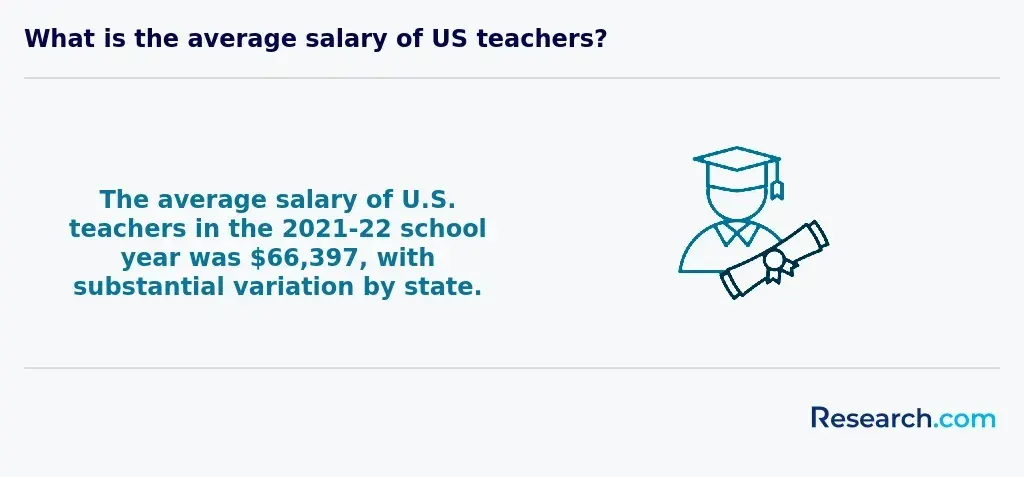
As of 2024, new teachers in North Carolina can expect an average starting salary of around $40,136, with state and local county contributions included. More experienced teachers have an average wage of approximately $56,559. Actual pay can differ by district, years of service, local supplement, role, subject area, advanced credentials, and school type.
Teachers may increase earning potential by moving into high-need areas such as mathematics or special education, working in settings with added incentives, pursuing advanced qualifications, or earning National Board Certification. Advanced qualifications, including a master’s degree or National Board Certification, can increase salary by up to 12%.
How salary should affect your credential decision
- Do not borrow based only on best-case pay: Use starting salary estimates when judging whether a program is affordable.
- Compare local supplements: County-level compensation can affect take-home pay.
- Look at advancement rules: Some pay increases depend on credentials, years of experience, or certification status.
- Include unpaid time: Student teaching or clinical requirements can affect income if you must reduce work hours.
The goal is not only to find the lowest tuition. It is to choose a pathway where total cost, time to employment, licensure success, and likely earnings make sense together.
What is the job outlook of teachers in North Carolina?
The job outlook for teachers in North Carolina is stable but varies by subject, grade level, district, and local staffing needs. For elementary school teachers, employment was projected to grow from around 38,150 teachers in 2018 to about 39,420 by 2028. That reflects an expected annual increase of approximately 0.33% from 2018 to 2028, with an average of 2,990 job openings yearly from both new positions and turnover.
Slow overall growth does not mean there are no opportunities. Schools continue to need qualified educators, especially in areas affected by turnover, local shortages, and hard-to-staff subject areas. Candidates who are flexible by region, grade level, or endorsement may have more options than candidates who limit themselves to one narrow role.
Current trends affecting teacher credential decisions
- High-need hiring remains important: Candidates in shortage-prone subjects may find stronger demand than those in oversupplied areas.
- Online preparation has expanded: More candidates now compare hybrid and online pathways, but field experience still matters.
- Employer expectations are practical: Schools value classroom readiness, assessment literacy, classroom management, and the ability to support diverse learners.
- Cost pressure is real: Candidates are increasingly looking for routes that reduce debt while preserving licensure eligibility.
Are there other career paths related to teaching in North Carolina?
Yes. If you are drawn to education but are unsure whether classroom teaching is the right long-term fit, related careers may be worth exploring. One example is speech-language pathology, which involves assessing and treating communication and swallowing disorders. Candidates interested in that route should review the steps for obtaining an SLP license in North Carolina.
Related roles can appeal to people who want to work with children, families, schools, or learning systems but prefer a different daily work environment than a traditional classroom.
What are the specialized pathways for early childhood education in North Carolina?
Early childhood education pathways focus on the developmental, instructional, and classroom management needs of young learners. Programs may include coursework in child development, early literacy, family engagement, play-based instruction, and supervised practice with preschool-aged children. Candidates who want this age group should compare program requirements with the guide on how to become a preschool teacher in North Carolina.
This pathway is best for candidates who enjoy working with very young children and are prepared for a role that blends instruction, care, observation, and family communication.
Should I pursue additional online degrees to advance my teaching career in North Carolina?
An additional online degree can make sense if it supports a clear career goal, such as moving into early childhood specialization, instructional leadership, curriculum work, or another focused area. It may not be worth the cost if it does not affect licensure, salary placement, or your preferred job opportunities.
For teachers interested in younger learners, an online bachelor’s degree in early childhood education may provide targeted preparation while preserving flexibility for work or family responsibilities. Before enrolling, ask whether credits transfer, whether fieldwork is local, and whether the program matches North Carolina expectations.
How do I choose the right subject-specific pathway in North Carolina?
Choose your teaching subject by balancing interest, demand, licensure requirements, and your academic background. A pathway that looks affordable at first can become costly if you later discover that it does not lead to the endorsement you need.
- Confirm the grade level and subject area covered by the program.
- Ask whether the curriculum prepares you for required content exams.
- Review field placement options in your subject area.
- Compare job availability in districts where you are willing to work.
- Make sure transfer credits or prior coursework apply to the specific endorsement, not just general education requirements.
If you are considering social studies or history, review Research.com’s guide on how to become a history teacher in North Carolina to understand how a specialized subject pathway may differ from a general elementary route.
What is the career path of a teacher in North Carolina?
A teaching career in North Carolina often begins with classroom instruction, then expands through experience, professional development, and additional credentials. Many educators start as beginning teachers, build classroom management and instructional skills, and later move into mentoring, department leadership, instructional coaching, curriculum design, administration, or district-level work.
| Career stage | Common roles | What helps you advance |
| Entry level | Classroom teacher, beginning teacher, assistant-supported instructional roles | Strong lesson planning, classroom management, licensure completion, mentor feedback |
| Experienced classroom teacher | Lead teacher, grade-level chair, subject-area contributor | Student growth evidence, collaboration, professional development, subject expertise |
| Instructional leadership | Instructional coach, department head, curriculum specialist | Coaching skill, assessment knowledge, leadership experience, advanced credentials |
| School or district leadership | Administrator, program coordinator, policy or curriculum role | Leadership preparation, graduate education, management experience |
| Education-adjacent roles | Higher education, advocacy, education products, training, consulting | Specialized expertise, writing, research, technology skills, professional network |
The best credential pathway is the one that supports both your first teaching job and your likely next step. If you want leadership later, look for preparation programs with strong mentoring, assessment training, and opportunities to work with diverse learners.
What are the specific requirements for music teachers in North Carolina?
Music teachers generally need both educator preparation and subject-specific competence. That may include music theory, performance skills, music education methods, classroom pedagogy, and experiences that show readiness to teach ensembles, general music, or other school-based music settings. Candidates should review music teacher education requirements in North Carolina before choosing a program, especially if auditions, portfolios, or performance assessments are part of admission or completion.
Music is a good example of why “cheapest” must be weighed against subject fit. A low-cost general education pathway may not prepare you for a specialized arts license.
What are the specific requirements for kindergarten teachers in North Carolina?
Kindergarten teaching requires preparation in early childhood development, foundational literacy and numeracy, classroom routines, play-based learning, family communication, and age-appropriate behavior support. Candidates should look for accredited programs with practicum experiences in kindergarten or early elementary settings.
If your goal is kindergarten, compare state-specific pathways and financial aid options before enrolling. Research.com’s guide, How to become a kindergarten teacher in North Carolina?, provides a more focused roadmap.
What challenges might arise from pursuing an affordable teaching credential in North Carolina?
Lower-cost pathways can be smart, but they require careful screening. The biggest risk is choosing a program because it is inexpensive, only to find that it has weak placement support, limited clinical practice, poor alignment with licensure requirements, or little help preparing for required exams.
| Common mistake | Why it can cost more later | Better approach |
| Choosing based only on tuition | Fees, exams, travel, and unpaid fieldwork can change the real cost | Compare total cost from application through licensure |
| Skipping approval checks | Non-aligned programs may not lead to the credential you need | Confirm North Carolina licensure alignment before enrollment |
| Ignoring field placement support | You may struggle to complete student teaching on time | Ask who arranges placements and where they occur |
| Assuming online means easier | Online coursework still requires discipline, deadlines, and clinical practice | Choose online only if the support structure is strong |
| Overlooking subject requirements | You may need extra coursework for the endorsement you want | Map requirements by grade level and subject before paying |
For a subject-specific example of balancing affordability and readiness, see how to become a high school history teacher in North Carolina.
How can online teacher training lower credentialing expenses in North Carolina?
Online teacher training can reduce costs by eliminating commuting, relocation, campus housing, and some on-site expenses. It can also allow working adults to continue earning income while completing coursework. However, online learning does not remove licensure standards, exam requirements, or field experiences.
To make online training cost-effective, choose an accredited pathway with clear North Carolina alignment, transparent fees, advisor support, and local clinical placement options. Candidates comparing remote routes can review how to become a teacher in North Carolina for additional guidance.
Are middle school math teaching criteria distinct in North Carolina?
Yes. Middle school math teaching requires more targeted preparation than a general elementary route. Candidates should be ready to demonstrate mathematics content knowledge, developmentally appropriate instruction for adolescents, technology-supported teaching strategies, and classroom management for middle grades.
If this subject is your goal, compare programs that explicitly prepare candidates for middle grades mathematics rather than assuming any education degree will be enough. Research.com’s guide to middle school math teacher requirements in North Carolina outlines the specialized pathway in more detail.
What are the private school teaching requirements in North Carolina?
Private schools in North Carolina may set hiring standards that differ from public school licensure rules. A state teaching credential is often valued and may improve competitiveness, but some private schools may hire based on subject expertise, experience, mission fit, or school-specific expectations. Research.com’s overview of private school teacher requirements in North Carolina explains this route further.
Private school teaching may appeal to candidates who want smaller learning environments, faith-based or mission-driven education, or more flexibility in curriculum. However, candidates should compare salary, benefits, professional development expectations, and long-term mobility before choosing this path instead of public school licensure.
Questions to ask before choosing a low-cost teaching credential pathway
- Is this program approved or accepted for the North Carolina license I want?
- What is the total cost, including exams, background checks, transcripts, technology fees, and supervision?
- Will I need to stop working or reduce hours for student teaching?
- Does the program arrange field placements, or am I responsible for finding one?
- How many of my existing credits will apply?
- What happens if I do not pass required exams the first time?
- Does the pathway qualify me for the grade level and subject I actually want to teach?
- What support is available for licensure paperwork and job placement?
- Are payment plans interest-free, and when do payments begin?
- How will this credential support future advancement, renewal, or additional certifications?
Here’s What Teachers Have to Say About the Cheapest Ways to Get a Teaching Credential in North Carolina
-
: "
“Alternative licensure gave me a practical way into teaching without paying for another full degree. I could keep working while completing requirements, which made the cost manageable and helped me stay focused on getting into the classroom.” – Rachel
"
-
: "
“Online coursework helped me fit teacher preparation around family responsibilities. The biggest advantage was flexibility, but I still had to stay organized with deadlines, exams, and documentation.” – Mark
"
-
: "
“Starting at a community college lowered my early costs and made the bachelor’s degree feel more realistic. The key was confirming that my credits would transfer before I spent money.” – Jessica
"
Have recent policy changes impacted teaching credential processes in North Carolina?
Teacher credential rules can change through legislation, state board action, and administrative updates. Candidates should not rely only on old program pages, informal advice, or outdated checklists. Before enrolling or applying, verify current requirements through official sources and compare them with Research.com’s guide to North Carolina teacher certification requirements.
This is especially important for career changers, out-of-state teachers, international applicants, and candidates in specialized subjects, because small rule differences can affect coursework, testing, and licensure timelines.
Can additional certifications boost your teaching career in North Carolina?
Additional certifications can help teachers qualify for specialized roles, broaden their instructional range, or move toward leadership opportunities. Endorsements or certifications in areas such as special education, bilingual education, STEM, or other high-need fields may strengthen a teacher’s marketability when they align with district needs.
Before pursuing another credential, compare the cost with the likely career benefit. The best add-on certification is one that supports your teaching goals, meets state requirements, and is recognized by employers. To compare credential options, review the types of certificates in education.
Key Insights
- The cheapest route depends on your background: bachelor’s degree holders should compare licensure-only or alternative pathways, while first-time students may save by using transferable community college credits.
- Do not choose a program on tuition alone. The real cost includes exams, transcripts, background checks, fieldwork, application fees, renewal credits, and lost income during unpaid clinical experiences.
- Online programs can reduce commuting and scheduling costs, but they must still meet North Carolina licensure expectations and include approved field experiences.
- Out-of-state and international teachers may qualify for North Carolina licensure, but they should expect documentation review and possible additional requirements.
- Teaching salaries in North Carolina include an average starting salary of around $40,136 and an experienced average wage of approximately $56,559 as of 2024, but local supplements, credentials, and role changes can affect actual earnings.
- Long-term affordability includes career growth and retirement planning, not just the price of the credential.
- The safest low-cost strategy is to verify approval, request a transcript review, compare total costs, ask about placement support, and choose a pathway tied directly to the subject and grade level you want to teach.
Related Articles for Nearby States
- 2027 Cheapest Way to Get a Teaching Credential in South Carolina: Requirements & Certification
- 2027 Cheapest Way to Get a Teaching Credential in Virginia: Requirements & Certification
- 2027 Cheapest Way to Get a Teaching Credential in Georgia: Requirements & Certification
- 2027 Cheapest Way to Get a Teaching Credential in Tennessee: Requirements & Certification
- 2027 Cheapest Way to Get a Teaching Credential in West Virginia: Requirements & Certification
- 2027 Cheapest Way to Get a Teaching Credential in Kentucky: Requirements & Certification
- 2027 Cheapest Way to Get a Teaching Credential in Florida: Requirements & Certification
- 2027 Cheapest Way to Get a Teaching Credential in Maryland: Requirements & Certification
- 2027 Cheapest Way to Get a Teaching Credential in Alabama: Requirements & Certification
- 2027 Cheapest Way to Get a Teaching Credential in Pennsylvania: Requirements & Certification
References:
- Career Outlook in the US. (n.d.). Elementary School Teachers, Except Special Education in North Carolina. Career Outlook.
- myNCRetirement. (n.d.). Retirement Eligibility. myNCRetirement.
- National Education Association (NEA). (2024a). Educator Pay in America. Educator Pay Data 2024. NEA.
- National Education Association (NEA). (2024b). Starting Teacher Salaries. Educator Pay Data 2024. NEA.
- New York State Education Department (NYSED). (n.d.). Applicants from Other States. Certification. NYSED.
- North Carolina Department of Public Instructions (DPI). (2024). Over 90 Percent of North Carolina Educators Indicate their School is a Good Place to Work and Learn, According to Statewide Working Conditions Survey Results. Press Releases. DPI.
- North Carolina Department of Public Instructions (DPI). (n.d.). Forms and FAQs. Educator Licensure. DPI.
- North Carolina Teachers of Tomorrow. (n.d.). Program Pricing. North Carolina Teachers of Tomorrow.
- Tan, T. S., Arellano, I., & Patrick, S. K. (2024). State Teacher Shortages 2024 Update. Learning Policy Institute.
- Teach.org. (n.d.). Find Your Teacher Career Path. Teach.org.
- Teach North Carolina. (n.d.). Teacher Training Costs & Financial Aid. Teach North Carolina.
- TeachNYC. (n.d.). Out-of-State Certified Teachers. Getting Started. TeachNYC.
- US Department of Education. (2023). 2023 Title II Report. US Department of Education.
Other Things You Need to Know About Getting a Teaching Credential in North Carolina
The North Carolina Department of Public Instruction issues teaching licenses. Most new teachers begin with an Initial Professional License, or IPL, which is valid for three years and can be renewed while the educator completes continuing requirements for full licensure.
To enroll in a teaching certification program in North Carolina in 2027, candidates typically need a bachelor's degree from an accredited institution. Additional prerequisites may include proficiency exams such as Praxis Core, background checks, and field experience in an educational setting.
Yes, you can transition by enrolling in an alternative certification program, such as NC Teach or residency programs. Requirements include a bachelor's degree, passing the Praxis exams, and enrolling in a program approved by the North Carolina Department of Public Instruction. These programs are designed to be affordable and efficient.