
2027 How to Become a Paralegal in South Dakota

Co-Founder and Chief Data Scientist
If you want a legal career in South Dakota but do not want to spend years in law school, becoming a paralegal is one of the most direct options to consider. Paralegals help attorneys prepare cases, organize evidence, research laws, draft documents, communicate with clients, and keep legal work moving on deadline. The role requires legal knowledge and precision, but it does not require a law degree or admission to the bar.
This guide explains how to become a paralegal in South Dakota, including education choices, optional certification, expected costs, salary information, job outlook, useful skills, and practical ways to find your first job or internship. It is designed for high school graduates, college students, working adults changing careers, and legal support workers who want to improve their credentials.
Quick Answer: How do you become a paralegal in South Dakota?
South Dakota does not require paralegals to hold a state license. Most candidates build a competitive profile by completing a paralegal certificate, associate degree, bachelor’s degree, or related legal studies program; gaining supervised experience through internships or entry-level legal support work; and, when useful, earning a national credential such as Certified Paralegal (CP) or Professional Paralegal (PP). South Dakota paralegals earn an average annual wage of $50,260, and the state projects 10% growth in paralegal jobs over the next decade.
Key Things to Know Before Choosing This Career
- South Dakota projects a 10% increase in paralegal employment over the next decade, compared with the national average of 7%.
- The median annual salary for paralegals in South Dakota is approximately $48,000, making the field a practical legal career option in the Midwest.
- Many paralegal certificate programs in South Dakota can be completed in 6 to 12 months, which can help career changers enter the field faster than a degree-only route.
- What paralegals do in South Dakota
- Basic requirements for South Dakota paralegals
- Education options and how to compare them
- Cost of becoming a paralegal in South Dakota
- How optional paralegal certification works
- Job outlook and hiring trends
- Using paralegal skills in social service careers
- Combining paralegal and accounting skills
- Other career paths that value paralegal experience
- Moving from paralegal work toward forensic science
- Paralegal work versus law enforcement work
- Paralegal salary in South Dakota
- Steps for career changers
- Skills employers look for
- How to find a job or internship
What does a paralegal do in South Dakota?
A paralegal is a trained legal professional who works under attorney supervision. Paralegals may not give legal advice, represent clients in court, or practice law independently, but they can handle many research, drafting, case management, and client-support tasks that help attorneys serve clients efficiently.
In South Dakota, paralegal duties vary by employer. A small private law office may need a paralegal who can manage client intake, organize court filings, and prepare routine documents. A government agency may focus more on records, compliance, investigations, or administrative proceedings. Corporate legal departments may use paralegals for contracts, regulatory work, and document review.
Common responsibilities include:
- Researching South Dakota statutes, court rules, regulations, and case law for attorney review.
- Preparing drafts of pleadings, motions, discovery materials, contracts, correspondence, and case summaries.
- Maintaining organized case files, calendars, exhibits, deadlines, and document databases.
- Helping attorneys prepare for hearings, depositions, mediations, negotiations, and trials.
- Communicating with clients, witnesses, court staff, vendors, and outside counsel without crossing into legal advice.
- Using legal research platforms such as LexisNexis and Westlaw, along with digital case management tools.
- Supporting compliance work for employers connected to agriculture, manufacturing, healthcare, finance, tribal affairs, or public administration.
- Keeping up with court procedure changes, technology updates, and continuing education opportunities.
| Work setting | Typical paralegal focus | Good fit for candidates who enjoy |
| Private law firms | Litigation support, client files, discovery, document drafting, calendaring | Fast deadlines, varied cases, direct attorney support |
| Government offices | Records, administrative law, public documents, agency procedures, hearings | Public service, structured processes, policy-related work |
| Corporate legal departments | Contracts, compliance, internal records, regulatory support | Business operations, risk management, document systems |
| Legal aid and nonprofits | Client intake, advocacy support, benefits issues, housing or family-related documents | Community service, client contact, mission-driven work |
| Tribal legal offices | Research, documentation, case support, jurisdiction-related matters | Cultural awareness, complex legal systems, community-centered legal work |
The strongest candidates combine legal training with reliability, discretion, and strong writing skills. In a smaller legal market, employers often value paralegals who can handle multiple types of work rather than only one narrow task.
What are the basic requirements to become a paralegal in South Dakota?
South Dakota does not have a statewide paralegal license. That means there is no single state exam, registration process, or mandatory credential required before you can apply for paralegal jobs. However, “no license required” does not mean “no qualifications needed.” Employers usually look for education, legal office experience, writing ability, technology skills, and professionalism.
Education employers commonly expect
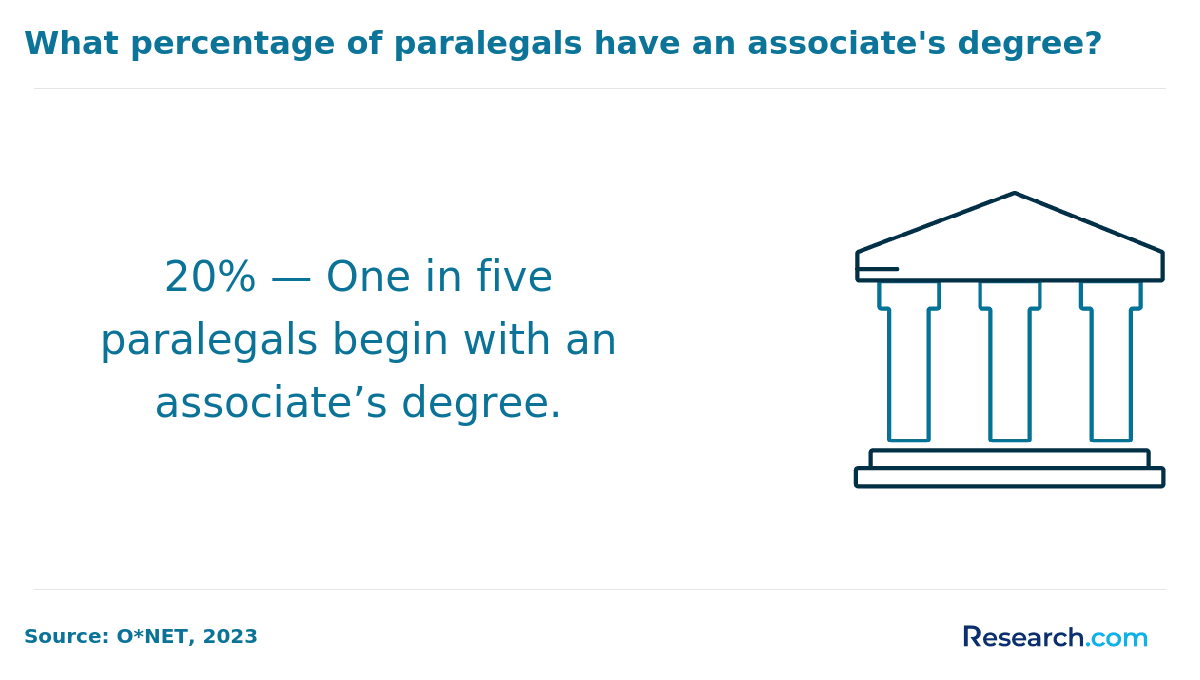
Many paralegal openings ask for an associate degree in paralegal studies, legal studies, criminal justice, or a related area. Some employers prefer a bachelor’s degree plus a paralegal certificate, especially for roles involving litigation, corporate law, compliance, or complex research. Programs connected to institutions such as the University of South Dakota may help students study legal research, civil litigation, contracts, ethics, and legal writing.
Licensing is not required, but certification can help
Because South Dakota does not require a paralegal license, national certification is optional. Still, credentials can strengthen your resume if you are new to the field, changing careers, or competing for better roles. The Certified Paralegal (CP) credential from the National Association of Legal Assistants and the Professional Paralegal (PP) credential from the National Federation of Paralegal Associations are two widely recognized options. These credentials usually require qualifying education or experience and a comprehensive exam.
Experience matters as much as coursework
Legal employers want candidates who can work accurately with confidential documents, meet deadlines, follow instructions, and communicate clearly. Internships, externships, volunteer legal aid work, courthouse experience, administrative legal assistant roles, and supervised law office work can all help you build proof of readiness.
Specialization can make your job search stronger
South Dakota’s legal market includes work connected to agriculture, tribal law, healthcare, estate planning, municipal law, and business compliance. If you are comparing long-term options, Research.com’s guide to legal studies career paths can help you understand where paralegal experience may lead.
| Requirement area | Is it legally required in South Dakota? | Why it still matters |
| State paralegal license | No | South Dakota does not mandate licensing, but employers set their own hiring standards. |
| Paralegal education | No statewide mandate | Formal training helps prove knowledge of legal research, writing, ethics, and procedure. |
| National certification | Optional | Certification can help experienced candidates stand out and may support advancement. |
| Supervised legal experience | Not a state requirement | Hands-on experience shows employers you can perform real legal support work. |
| Technology skills | Not a state requirement | Modern legal offices rely on e-filing, document systems, spreadsheets, and research databases. |
What education options are available for paralegals in South Dakota?
South Dakota students can prepare for paralegal work through certificate programs, associate degrees, bachelor’s degrees, online coursework, or related majors paired with legal training. The right choice depends on your previous education, timeline, budget, and career goal.
| Education path | Best for | Main advantage | Important caution |
| Paralegal certificate | Career changers, college graduates, and working adults who want focused legal training | Many programs take 6 to 12 months and concentrate on job-related skills | Some certificates assume you already have college credits or a degree, so check admission rules |
| Associate degree in paralegal studies | Students starting college or seeking a structured legal support credential | Combines general education with legal research, writing, litigation, and office skills | Usually takes longer than a certificate and may include non-legal coursework |
| Bachelor’s degree with legal studies or related coursework | Students aiming for broader career options or future graduate study | May be preferred for competitive paralegal, compliance, policy, or corporate roles | Costs more and may not be necessary for every entry-level paralegal position |
| Online paralegal program | Rural students, full-time workers, and people who need scheduling flexibility | Allows study without relocating or commuting regularly | Confirm whether the program includes practical assignments, career support, and relevant legal procedure training |
| Related degree plus paralegal training | People with backgrounds in criminal justice, business, accounting, public administration, or social services | Lets you combine domain knowledge with legal support skills | You may still need paralegal-specific writing, research, and ethics coursework |
Programs such as the Paralegal Technology program at Mitchell Technical College may appeal to students who want hands-on training and internship exposure. Online and hybrid options can also be useful, especially for students outside Sioux Falls, Rapid City, or Vermillion.
Before enrolling, verify whether the program is recognized by employers, whether it prepares students for national certification, and whether it provides access to legal research tools, writing feedback, internships, or career placement help. If you are also considering law school or a broader legal education path, you can compare options through Research.com’s overview of lawyer degree programs.
How to choose the right paralegal program
- Check accreditation and recognition. Ask whether the school is institutionally accredited and whether the paralegal program has any professional recognition. If a school claims ABA approval, verify it directly.
- Review the curriculum. Strong programs should cover legal research, legal writing, civil litigation, ethics, document drafting, technology, and practical assignments.
- Ask about local relevance. Courses should help you understand South Dakota courts, filing procedures, professional conduct, and common practice areas.
- Compare internship access. A shorter program with strong internship connections may be more useful than a longer program with little practical exposure.
- Look at total cost, not only tuition. Include fees, books, software, commuting, technology, and unpaid internship time.
How much does it cost to become a paralegal in South Dakota?
The cost depends mainly on whether you choose a certificate, associate degree, bachelor’s degree, online program, or in-person program. Certificate programs typically range from $3,000 to $7,000. Associate or bachelor's degree tuition at institutions such as the University of South Dakota can cost between $10,000 and $16,000 annually, depending on residency.
Students should also budget for books, legal research resources, technology, certification exams, professional memberships, and travel. A program that appears inexpensive may cost more if it excludes required materials or requires frequent travel.
| Cost category | Estimated amount stated | How to evaluate it |
| Certificate program tuition | $3,000 to $7,000 | Ask whether books, software access, exam preparation, and career services are included. |
| Associate or bachelor’s degree tuition | $10,000 and $16,000 annually, depending on residency | Compare in-state and out-of-state rates, transfer credits, and degree completion time. |
| Books and study materials | $500 to $1,000 per year | Check whether digital materials, legal databases, or library access can reduce out-of-pocket costs. |
| Certification exam fees | $250 to $350 | Confirm whether you meet eligibility rules before paying for an exam. |
| Certification preparation | $200 to $600 | Look for low-cost study groups, employer support, or association resources. |
| Professional memberships and continuing education | $50 to $300 yearly | Memberships may be worthwhile if they provide networking, job postings, or discounted CLE. |
| Laptop and software | $600 to $1,200 | Ask the school what technology specifications are required before purchasing equipment. |
| Housing near campus | $400 to $700 monthly for shared housing | Online or hybrid study may reduce relocation and commuting costs. |
To lower costs, ask about financial aid, scholarships such as the South Dakota Opportunity Scholarship, payment plans, employer tuition reimbursement, transfer credits, and whether the program offers student access to Westlaw, LexisNexis, or other legal tools.
How do you get certified as a paralegal in South Dakota?
Certification is optional in South Dakota, but it can improve credibility, especially if you are new to legal work or want to move into more competitive positions. The process generally involves meeting eligibility requirements, preparing for an exam, passing the exam, and completing continuing education to keep the credential active.
Step 1: Meet education or experience eligibility rules
National certification organizations set their own eligibility standards. Some candidates qualify through an ABA-approved paralegal program, while others qualify through a degree plus relevant legal experience. Programs at schools such as Southeast Technical College may help students prepare for paralegal work, but candidates should always confirm current certification eligibility requirements directly with the certifying body.
Step 2: Build supervised legal experience
Work experience under attorney supervision can help you qualify for some credentials and can make exam preparation more practical. Law firms, government agencies, tribal legal offices, legal aid organizations, and corporate legal departments may provide experience with real documents, deadlines, client communication, and legal procedure.
Step 3: Prepare for the certification exam
Exam preparation should cover legal ethics, legal research, writing, litigation procedure, judgment and analytical skills, and substantive legal topics required by the credential. NALA’s Certified Paralegal exam is one recognized option and may be accessible online. Study groups, practice exams, and workshops through local professional networks can help candidates stay accountable.
Step 4: Complete continuing legal education
Most national credentials require ongoing continuing legal education. CLE helps paralegals stay current on technology, ethics, court practices, and changes in law. It also signals to employers that you are committed to professional standards.
| Certification decision | Choose certification if... | You may wait if... |
| Early-career credential | You have little legal experience and want a resume differentiator. | You are still completing your first paralegal program and do not yet meet eligibility rules. |
| Career advancement | You want to move into litigation, corporate compliance, healthcare, estate planning, or specialized work. | Your current employer values experience more than credentials and offers internal advancement. |
| Career change | You are moving from another field and need to prove commitment to legal support work. | You first need basic legal office exposure to decide whether paralegal work fits you. |
What is the job outlook for paralegals in South Dakota?
South Dakota’s paralegal market is smaller than markets in large metropolitan states, but the outlook remains practical for candidates who combine training, technology skills, and local networking. The state projects 10% growth in paralegal jobs over the next decade, which is higher than the national average of 7%.
Demand is likely to be strongest for paralegals who can support busy attorneys across multiple tasks. In smaller offices, one paralegal may handle client intake, research, filings, scheduling, billing support, and document preparation. In larger organizations, paralegals may specialize in litigation, compliance, contracts, healthcare, estate planning, tribal law, or agriculture-related legal matters.
Formal education and optional certification can improve a candidate’s position. If you need a flexible route, Research.com’s list of online paralegal certificate programs may help you compare programs that fit work and family schedules.
Current trends affecting paralegal work
- Legal technology is now part of the job. Employers increasingly expect comfort with e-filing, digital case files, document templates, spreadsheets, and research databases.
- Automation changes tasks, not the need for judgment. Software can speed up document review and drafting, but paralegals still need to verify accuracy, manage details, and understand legal context.
- Compliance skills are valuable. Businesses, healthcare organizations, financial entities, and public agencies need staff who can track rules, records, and deadlines.
- Local relationships matter. In a smaller legal community, internships, association events, faculty recommendations, and courthouse contacts can influence hiring opportunities.
- Specialized knowledge can separate candidates. Familiarity with tribal law, agricultural issues, estate planning, healthcare regulation, or municipal procedure may help applicants stand out.
Is becoming a paralegal in South Dakota worth it?
It can be worth it if you want legal work without becoming an attorney, enjoy research and writing, and are comfortable with deadlines and detailed documentation. It may not be the best fit if you want to practice law independently, argue cases in court, or avoid administrative work. The strongest return often comes from choosing a reasonably priced program, gaining experience early, and targeting employers that match your interests.
Can paralegal expertise help you move into social service roles in South Dakota?
Paralegal work can build useful skills for social service careers, especially documentation, interviewing support, case organization, advocacy, confidentiality, and knowledge of legal systems. However, social work has its own education and licensure requirements. If your long-term goal is direct social work practice, review the social worker education requirements in South Dakota before assuming paralegal training will be enough. Paralegal experience may be most useful in legal aid, victim advocacy, benefits navigation, housing support, or nonprofit case management roles.
Can accounting skills make a paralegal career stronger in South Dakota?
Yes, pairing paralegal training with accounting knowledge can be useful in financial litigation, corporate compliance, probate, fraud-related document review, tax-adjacent matters, and business disputes. If you already have bookkeeping or finance experience, highlight your ability to read financial records, organize evidence, and support attorneys with document-heavy matters. Students who want to add formal business training can compare programs from the best accounting schools in South Dakota.
How can paralegal experience expand career options in South Dakota?
Paralegal experience can support careers beyond law firms because it develops research, writing, compliance, records management, client communication, and analytical skills. These abilities may transfer to policy analysis, regulatory affairs, public administration, court administration, insurance claims, compliance coordination, and community planning. If land use, zoning, housing, or public development interests you, Research.com’s guide on how to become an urban planner in South Dakota can help you compare that path with legal support work.
Can paralegal skills support a move into forensic science roles in South Dakota?
Paralegal work can help with evidence organization, chain-of-custody documentation, case chronology, report review, and investigative research. Those skills are useful around forensic work, but forensic science itself usually requires technical science training, laboratory knowledge, and field-specific credentials. If you are considering that transition, start by reviewing how to become a forensic scientist in South Dakota so you understand the education gap before changing direction.
How is a paralegal career different from a law enforcement career in South Dakota?
Paralegal and law enforcement careers both connect to the legal system, but the daily work is very different. Paralegals usually work in offices, law firms, courts, government agencies, or corporate legal departments. They focus on documents, legal research, deadlines, client files, and attorney support. Law enforcement careers involve public safety, patrol duties, investigations, physical readiness, emergency response, and direct community enforcement responsibilities. If you are comparing the two, review the South Dakota police academy requirements and weigh whether you prefer detail-heavy legal support or field-based public safety work.
How much do paralegals make in South Dakota?
Paralegal pay in South Dakota depends on experience, employer type, location, specialization, and credentials. Entry-level paralegals typically earn around $37,000 annually. Experienced paralegals or those with specialized skills may earn approximately $68,000 per year, particularly in larger markets such as Sioux Falls or Rapid City or in practice areas such as corporate law and healthcare law.
The median annual salary for paralegals in South Dakota is approximately $48,000, while the average annual wage is $50,260. When comparing salaries, also consider South Dakota’s cost of living, benefits, commute, remote-work flexibility, workload, and advancement opportunities.
| Career stage or factor | Salary information stated | What can influence pay |
| Entry-level paralegal | Around $37,000 annually | Education, internship experience, legal office skills, and location |
| Median salary | Approximately $48,000 | Employer size, years of experience, and practice area |
| Average annual wage | $50,260 | Mix of entry-level and experienced positions across the state |
| Experienced or specialized paralegal | Approximately $68,000 per year | Corporate, healthcare, tribal law, estate planning, compliance, or litigation skills |
Certification from organizations such as NALA or NFPA may support salary growth, but it does not guarantee a raise. Employers usually weigh certification alongside experience, writing quality, technology skills, professionalism, and the ability to manage work independently.
What are the steps to switch careers and become a paralegal in South Dakota?
Career changers often bring valuable experience from administration, business, healthcare, social services, banking, insurance, education, or public service. The goal is to translate that background into legal support skills and prove you can handle confidential, deadline-driven work.
- Study the role before enrolling. Review job postings in South Dakota to see what employers actually request, including software, education, writing, and experience requirements.
- Choose the shortest credible education path that fits your background. If you already have a degree, a certificate may be enough. If you are starting college, an associate degree may provide a stronger foundation.
- Verify accreditation and program reputation. Do not rely only on marketing language. Confirm institutional accreditation, curriculum, internship support, and employer connections.
- Build experience while studying. Look for internships, volunteer legal aid work, courthouse exposure, or administrative roles in legal settings.
- Translate your previous skills. Customer service becomes client communication; bookkeeping becomes financial document review; healthcare administration becomes compliance familiarity; office management becomes case organization.
- Consider certification after you meet eligibility rules. The Certified Paralegal (CP) or Professional Paralegal (PP) credential may help you compete, but it should support—not replace—practical experience.
- Customize every application. Mention relevant South Dakota practice areas such as agriculture, tribal law, municipal issues, estate planning, healthcare, or business compliance when appropriate.
- Use local networks. Attend events through paralegal groups, bar associations, schools, and legal aid organizations to learn about openings that may not be widely advertised.
- Be open to stepping-stone roles. Legal assistant, document clerk, intake assistant, court clerk support, or records roles can help you move toward a paralegal title.
- Keep learning after your first job. Court rules, software, filing systems, and employer expectations change, so continuing education is part of long-term success.
Common mistakes to avoid
| Mistake | Why it can hurt you | Better approach |
| Choosing a program only because it is cheap | Low tuition may not include books, software, internship support, or employer recognition. | Compare total cost, outcomes support, curriculum, and practical training. |
| Assuming certification is required | South Dakota does not require state paralegal certification, so you may spend money before you need to. | Use certification strategically after checking eligibility and employer preferences. |
| Ignoring accreditation | Credits may not transfer, and employers may question the program’s quality. | Verify institutional accreditation and ask how employers view the credential. |
| Waiting until graduation to gain experience | Employers often prefer applicants who have already worked with real legal documents or office systems. | Seek internships, volunteer work, or legal assistant roles while studying. |
| Using one generic resume | Legal employers look for specific writing, research, organization, and confidentiality skills. | Tailor each resume to the practice area and employer type. |
| Assuming salary outcomes are guaranteed | Pay varies by employer, location, experience, and specialization. | Compare offers using salary, benefits, training, workload, and advancement potential. |
What skills do successful paralegals need in South Dakota?
Successful paralegals are dependable, careful, organized, and comfortable with research-heavy work. In South Dakota, flexibility is especially important because smaller offices may expect one person to handle multiple support functions.
| Skill category | What it includes | How to build it |
| Legal research and writing | Finding statutes, cases, rules, and regulations; summarizing information clearly; drafting documents for attorney review | Take legal research and writing courses, practice case briefs, and ask for writing feedback. |
| Procedure and document preparation | Pleadings, motions, affidavits, discovery, contracts, correspondence, filing rules, and deadline tracking | Use internships, simulations, and supervised office work to learn real workflows. |
| Technology | Odyssey File & Serve, case management tools such as Clio or MyCase, Microsoft Word, Excel, legal databases, and document organization systems | Complete software training, use school database access, and practice formatting legal documents. |
| Organization and accuracy | Calendaring, file control, version tracking, exhibit management, and error prevention | Create checklists, learn deadline systems, and develop a careful review routine. |
| Communication | Professional emails, client updates, attorney support, witness coordination, and respectful communication with diverse communities | Practice concise writing, active listening, and clear boundaries around legal advice. |
| Local and cultural awareness | Understanding South Dakota industries, rural legal needs, tribal law considerations, and community context | Attend local workshops, follow state legal updates, and learn from supervising attorneys. |
If you eventually want a deeper academic legal foundation, Research.com also explains options for the easiest law degree program pathways. For most paralegal roles, however, practical skills and supervised experience are more immediately important than pursuing a law degree.
How do I find a paralegal job or internship in South Dakota?
Finding your first paralegal role usually requires more than sending applications through job boards. In South Dakota, personal referrals, internships, school career services, local associations, and direct outreach to legal employers can be especially useful.
- Use your school’s career office. Ask about internships with law firms, courts, prosecutors, public defenders, government agencies, and legal aid organizations.
- Search beyond law firms. Consider state agencies, county offices, banks, healthcare systems, insurance organizations, corporations, nonprofits, and tribal legal offices.
- Join professional networks. Groups such as the South Dakota Paralegal Association can help you learn about workshops, mentors, and job leads.
- Contact employers directly. Smaller offices may not always advertise internships widely, so a professional inquiry can be useful.
- Prepare a legal writing sample. A polished memo, research summary, or class assignment can show your writing ability.
- Highlight local knowledge. Mention South Dakota court familiarity, e-filing exposure, rural client service, tribal law interest, or agriculture-related legal awareness when relevant.
- Volunteer strategically. Legal aid and nonprofit work can help you gain references, client service experience, and document-management practice.
- Stay flexible on location. Sioux Falls and Rapid City may have more postings, but smaller communities may offer less competitive entry points.
- Keep improving credentials. If job applications stall, consider targeted training in litigation, estate planning, compliance, legal technology, or certification preparation.
- Plan for advancement. If you later want graduate-level legal knowledge, Research.com’s guide to master’s in legal studies careers can help you compare next steps.
Questions to ask before accepting a paralegal job or internship
- Will I work directly under attorney supervision?
- What types of cases, clients, or legal matters will I support?
- Will I receive training on filing systems, document templates, and legal software?
- How are deadlines, calendars, and quality checks managed?
- Will the role include client communication, research, drafting, or mainly administrative tasks?
- Does the employer support continuing education or certification?
- What does advancement look like for paralegals in this organization?
- How does the office define the boundary between paralegal work and legal advice?
Related Articles for Nearby States
- 2027 How to Become a Paralegal in North Dakota
- 2027 How to Become a Paralegal in Nebraska
- 2027 How to Become a Paralegal in Minnesota
- 2027 How to Become a Paralegal in Wyoming
- 2027 How to Become a Paralegal in Iowa
- 2027 How to Become a Paralegal in Montana
- 2027 How to Become a Paralegal in Colorado
- 2027 How to Become a Paralegal in Kansas
- 2027 How to Become a Paralegal in Wisconsin
- 2027 How to Become a Paralegal in Missouri
References:
- Become a Paralegal. (2024). South Dakota paralegal schools and certification information. Become a Paralegal.
- Black Hills State University. (2024). Online certified paralegal training option. Black Hills State University.
- Legal Career Path. (2024). Paralegal programs, schools, and salary information for South Dakota. Legal Career Path.
- LawyerEDU.org. (2024). South Dakota paralegal certification and career overview. LawyerEDU.org.
- National American University. (2024). Online paralegal studies degree programs. National American University.
- University of North Dakota. (2024). Online certified paralegal training. University of North Dakota.
Key Insights
- South Dakota does not require a state paralegal license, but employers still expect proof of legal knowledge, writing ability, professionalism, and technology skills.
- A certificate can be the fastest route for many career changers because many programs take 6 to 12 months, while associate and bachelor’s programs may offer broader preparation.
- Optional national certification can strengthen your resume, but it is most valuable when paired with supervised legal experience.
- Paralegal salaries in South Dakota vary by experience and specialization, with entry-level pay around $37,000 annually and experienced or specialized roles reaching approximately $68,000 per year.
- The best program is not always the cheapest one. Compare accreditation, internship access, legal research tools, employer connections, and total cost.
- Legal technology, compliance knowledge, and familiarity with local practice areas such as tribal law, agriculture, healthcare, and estate planning can improve job prospects.
- To land your first role, combine coursework with internships, volunteering, networking, tailored resumes, and direct outreach to South Dakota legal employers.
Other Things You Should Know About Becoming a Paralegal in South Dakota
To work as a paralegal in South Dakota in 2027, typically employers prefer candidates with prior legal experience or internships, although it's not a state mandate. Gaining practical experience through legal assistant roles or internships during education can enhance employability.
In 2027, aspiring paralegals in South Dakota are encouraged to pursue programs accredited by the American Bar Association. These programs typically include coursework in legal research, ethics, and civil litigation, preparing students with essential skills for paralegal roles.
Yes. South Dakota does not issue a state paralegal license. Employers set their own hiring standards, and many ask for a certificate, associate degree, or bachelor’s degree in paralegal studies, but no state board requires licensure or a separate state exam.


