2027 How to Become an Urban Planner in South Dakota

Co-Founder and Chief Data Scientist
Becoming an urban planner in South Dakota is a practical career path for people who want to shape how communities grow, use land, improve transportation, protect natural resources, and prepare for future housing and infrastructure needs. Although South Dakota has fewer large metro areas than many states, its cities and towns are changing as urban populations grow, communities become more racially diverse, and local governments plan for development, mobility, affordability, and environmental resilience.
This guide explains how to become an urban planner in South Dakota, including education requirements, useful specializations, certification options, salary expectations, career paths, internships, scholarships, and professional organizations. It is designed for students, career changers, and working professionals who want a realistic view of the field before committing time and money to a planning-related degree or credential.
Quick Answer: How do you become an urban planner in South Dakota?
Most urban planners in South Dakota start with a bachelor’s degree in urban planning or a related field such as geography, environmental studies, economics, civil engineering, architecture, or political science. A master’s degree is often helpful for competitive planning roles, although South Dakota does not require a state license for urban planners. National certification through the American Institute of Certified Planners (AICP) is optional but can strengthen long-term career prospects.
Key Things to Know About Becoming an Urban Planner in South Dakota
- O*NET Online reports a positive outlook for urban and regional planners in South Dakota, with projected growth of 3% from 2024 to 2034.
- ZipRecruiter salary data lists the average annual wage for urban planners in South Dakota at approximately $65,316.
- Urban planning in South Dakota can involve land use, transportation, environmental protection, housing, community development, and economic growth across both rural and urban communities.
- South Dakota State University and North Dakota State University are two leading regional options for students looking for urban planning-related education relevant to the Upper Midwest and Great Plains.
- Education requirements for urban planners in South Dakota
- Urban planning specializations to consider
- Licensing and certification requirements
- Timeline to become an urban planner
- Urban planner salary in South Dakota
- Career options for urban planners
- Common urban planner responsibilities
- Business skills for planning careers
- Interdisciplinary training and public health perspectives
- Online MBA options for planners
- Using interdisciplinary studies to strengthen planning expertise
- Regulatory changes and planning compliance
- Cross-disciplinary collaboration in community planning
- Technology, GIS, and data in urban planning
- Working with social service professionals
- Accounting and budgeting skills for planners
- Legal knowledge in planning work
- Sustainable and climate-resilient planning strategies
- Scholarships for future planners
- Internships and practical experience
- Professional organizations for South Dakota plannersKey insights
What are the education requirements for urban planners in South Dakota?
Urban planners need a strong mix of policy knowledge, research skills, technical mapping ability, community engagement experience, and an understanding of how land use decisions affect housing, transportation, the environment, and economic development. In South Dakota, the most common path begins with a planning-related bachelor’s degree and continues through internships, entry-level public sector or consulting work, and, for some professionals, graduate study.
| Education or training step | Why it matters for South Dakota planning roles | Best for |
| Bachelor’s degree | Provides the baseline knowledge needed for planning, zoning, research, land use analysis, and public policy work. | Students seeking entry-level planning assistant, analyst, or community development roles. |
| Planning-related major | Relevant fields include urban planning, economics, geography, civil engineering, environmental design, political science, architecture, and environmental studies. | Students who want flexibility across government, consulting, housing, transportation, and environmental roles. |
| GIS and spatial analysis coursework | Helps planners interpret maps, infrastructure patterns, demographic data, environmental constraints, and development scenarios. | Students interested in transportation, environmental planning, land use, and data-driven planning. |
| Internship or field experience | Connects classroom learning to public meetings, zoning reviews, development proposals, and community engagement. | Students who want stronger resumes and clearer career direction before graduation. |
| Master’s degree | Can improve competitiveness for advanced planning, policy, management, or specialized roles. | Professionals pursuing higher-level planning positions or specialized career tracks. |
A four-year degree from an accredited institution is the usual starting point. South Dakota State University offers a Bachelor of Science in Community and Regional Planning, and students can also build planning-related expertise through environmental or sustainability-focused coursework, including options such as affordable online environmental science bachelor’s programs.
Students should look for courses in zoning, land use law, geographic information systems, statistics, public administration, housing policy, transportation planning, environmental planning, and community engagement. These subjects prepare future planners to evaluate development proposals, communicate with residents, analyze growth patterns, and help local leaders make defensible decisions.
How to choose the right planning-related degree
- Choose urban planning or community planning if you want the most direct route into municipal planning, zoning, land use, or regional development.
- Choose geography or GIS if you want to focus on mapping, spatial data, infrastructure analysis, or environmental risk assessment.
- Choose civil engineering or environmental design if you are drawn to infrastructure, site design, stormwater, transportation, and development review.
- Choose political science, public administration, or economics if you want to work on policy, economic development, housing, public finance, or government planning.
The best choice depends on the kind of planning work you want to do. A student aiming for transportation planning may need stronger quantitative and GIS training, while someone interested in community development may benefit from public policy, housing, facilitation, and grant-writing experience.
What urban planning specializations are available in South Dakota?
Urban planning is not one single job. In South Dakota, planners may work on downtown redevelopment, rural transportation connections, environmental protection, housing affordability, infrastructure planning, zoning updates, or economic development. Choosing a specialization helps students and career changers select better coursework, internships, and early-career roles.
| Specialization | What planners do | When this path makes sense |
| Transportation planning | Study traffic patterns, transit needs, pedestrian access, freight movement, road safety, and long-term mobility improvements. | Best for people interested in infrastructure, data analysis, public works, and regional connectivity. |
| Community development | Work with residents, local officials, and organizations to improve neighborhoods, housing, public spaces, and access to services. | Best for people who enjoy public meetings, facilitation, housing issues, and neighborhood revitalization. |
| Environmental planning | Evaluate development impacts on land, water, ecosystems, flood-prone areas, and natural resources. | Best for students interested in sustainability careers, conservation, resilience, and responsible land use. |
| Economic development planning | Analyze local economic conditions, support business growth strategies, coordinate development incentives, and connect planning with job creation. | Best for planners who want to combine land use, public policy, housing, workforce, and local investment strategy. |
| Housing and land use planning | Review zoning codes, housing supply, subdivision proposals, density, affordability, and compatibility with comprehensive plans. | Best for people interested in zoning, development review, affordable housing, and local government work. |
South Dakota’s mix of rural areas, growing cities, tribal lands, agricultural communities, tourism corridors, and regional transportation needs creates planning challenges that may differ from those in larger coastal metros. That can be an advantage for early-career planners because smaller planning departments often expose employees to a broader range of work.
Career changers can also enter the field if they build the right academic and technical foundation. For example, someone coming from high-paying trade school careers such as building inspection, construction management, occupational health and safety, or infrastructure-related work may already understand development sites, codes, and project constraints. Additional planning education can help convert that field experience into a planning career.
How to decide which specialization fits you
- If you like maps, data, and infrastructure, consider transportation or GIS-heavy planning.
- If you care most about residents, housing, and local services, community development may be a stronger fit.
- If you want to work on conservation, water, land use, or hazard mitigation, environmental planning is worth exploring.
- If you enjoy budgets, business attraction, and redevelopment strategy, economic development planning may be a good match.
Are there licensing requirements for urban planners in South Dakota?
South Dakota does not have a state-specific licensure or registration requirement for urban planners. This means you do not need a South Dakota-issued planning license to work in the field. Employers, however, may still prefer candidates with relevant degrees, internship experience, GIS skills, local government knowledge, or professional certification.
The most recognized voluntary credential is certification through the American Institute of Certified Planners (AICP). Candidates generally need to register with AICP, document eligible professional planning experience, pass the AICP exam, and maintain certification through continuing education requirements. AICP certification is not required by South Dakota law, but it can signal professional competence and commitment, especially for planners pursuing senior roles.
| Credential | Required in South Dakota? | How it can help |
| AICP certification | No | Can improve credibility for experienced planners and may support advancement into leadership or specialized roles. |
| Professional Transportation Planner (PTP) | No | Useful for planners focused on transportation systems, mobility, traffic, and infrastructure planning. |
| LEED Accredited Professional | No | Helpful for planners working with sustainable building, green design, redevelopment, and environmentally conscious projects. |
| Certified Floodplain Manager (CFM) | No | Valuable for planners involved in flood risk, land use controls, mitigation, and development in vulnerable areas. |
Before investing in any certification, compare the credential with the jobs you want. AICP may be useful for broad professional recognition, while PTP, LEED, or CFM may matter more if your work is focused on transportation, sustainability, or hazard mitigation.
How long does it take to become an urban planner in South Dakota?
The full preparation timeline often takes six to seven years for people who complete both a bachelor’s and a master’s degree before entering the field. However, some graduates begin in entry-level planning, zoning, GIS, or community development roles after a bachelor’s degree and build experience while deciding whether graduate school is necessary.
| Stage | Typical length | What to focus on |
| Bachelor’s degree | Approximately four years | Planning theory, GIS, zoning, statistics, public policy, environmental planning, and communication skills. |
| Internships | Three months to one year | Practical exposure to local government, consulting, transportation, housing, or community development work. |
| Master’s degree | About two additional years | Advanced planning methods, specialization, research, policy analysis, and professional portfolio development. |
| Certification | Varies based on individual preparation | Professional experience documentation, exam preparation, and continuing education planning. |
Graduate school is not the only route, but it can make a difference for competitive positions. According to 2025 data from Zippia, 30% of urban planners have a master’s degree and 2% have a doctorate. Students who want to specialize, move into management, or compete for planning roles in larger departments may find graduate study more valuable than students targeting entry-level municipal or regional positions.
If you want to shorten your timeline, prioritize internships, GIS coursework, public meeting experience, and a portfolio of planning-related projects during your bachelor’s degree. Employers often want evidence that you can analyze local issues, communicate clearly, and work with community stakeholders.
The chart below illustrates the educational attainment of urban planners.
How much do urban planners in South Dakota earn?
ZipRecruiter’s 2025 salary data reports an average annual salary of $65,316 for urban planners in South Dakota. Actual pay can vary by employer, location, experience level, specialization, education, and whether the position is in local government, state government, consulting, transportation, environmental planning, or economic development.
| Salary reference | Reported amount | How to interpret it |
| South Dakota average from ZipRecruiter | $65,316 annually | A statewide estimate that may include planners across different experience levels and employers. |
| Sioux Falls average from U.S. Bureau of Labor Statistics data | $78,570 annually | A city-specific figure that may reflect a larger labor market and more urban planning activity. |
| Top 10% of urban planners in South Dakota | About $79,500 up to $99,600 annually | A range associated with higher earners, often influenced by experience, specialization, and employer type. |
| Top-paying U.S. industries such as legal services and government agencies | $97,000 up to $133,000 annually | National industry context; not every South Dakota role will match these figures. |
Students should avoid treating any salary figure as a guaranteed outcome. Early-career planners may earn less than statewide averages, while experienced planners with strong technical, regulatory, transportation, GIS, or management expertise may qualify for higher-paying roles. Location also matters. Planners in larger or faster-growing communities may encounter different salary ranges than planners in smaller towns.
Salary factors to compare before choosing this career
- Employer type: City, county, state agency, consulting firm, nonprofit, and engineering firm roles can have different pay structures.
- Specialization: Transportation, environmental review, GIS, and economic development skills may increase competitiveness.
- Education level: A master’s degree may support advancement, but it should be weighed against cost and time.
- Experience: Public meeting management, zoning review, grant work, and project management experience can strengthen earning potential.
What careers are available to urban planners in South Dakota?
Urban planners in South Dakota can work in government, transportation, consulting, nonprofit, environmental, housing, and community development settings. Because planning departments in smaller communities may have fewer staff, one role may combine several functions, such as zoning review, comprehensive planning, grant support, public engagement, and development coordination.
| Career setting | Common employers or examples | Typical work |
| Local government | City planning departments in Sioux Falls, Rapid City, and other municipalities | Zoning, land use plans, development review, public hearings, comprehensive plans, and community engagement. |
| Regional and state transportation planning | South Dakota Department of Transportation (SDDOT) | Transportation infrastructure, traffic analysis, mobility planning, and long-range transportation improvements. |
| Private consulting | Firms such as HDR Engineering and SEH, Inc. | Environmental assessments, land use studies, urban design, development support, and planning reports. |
| Nonprofit and community organizations | Organizations focused on housing, conservation, or community development, including The Nature Conservancy (TNC) in South Dakota | Affordable housing, neighborhood revitalization, sustainability initiatives, conservation planning, and community outreach. |
| Economic development organizations | Local development corporations, regional agencies, and public-private partnerships | Business attraction, redevelopment strategy, workforce-related planning, housing coordination, and infrastructure readiness. |
Entry-level job titles may include planning assistant, associate planner, zoning technician, GIS analyst, community development coordinator, transportation planning assistant, or environmental planning assistant. With experience, planners may advance into senior planner, planning director, community development director, transportation planner, project manager, or consultant roles.
What are the typical responsibilities of urban planners in South Dakota?
Urban planners help communities make informed decisions about growth, land use, infrastructure, housing, transportation, public spaces, environmental protection, and long-term development. In South Dakota, planners may work across both urban and rural contexts, which can require balancing economic growth, agricultural land use, infrastructure costs, flood risk, housing needs, and local identity.
| Responsibility | What it looks like in practice | Skills involved |
| Land use analysis | Review how land is currently used and whether proposed changes align with community goals. | GIS, zoning knowledge, research, policy analysis. |
| Comprehensive planning | Help write long-range plans that address population growth, infrastructure, housing, transportation, and environmental concerns. | Strategic planning, data analysis, public communication. |
| Zoning and development review | Assess development proposals, ordinances, and land use applications for consistency with local regulations. | Regulatory interpretation, attention to detail, writing. |
| Community engagement | Organize public meetings, workshops, surveys, and stakeholder discussions. | Facilitation, conflict resolution, listening, plain-language communication. |
| Infrastructure coordination | Recommend transportation, public space, utility, and facility improvements. | Project coordination, collaboration, technical review. |
| Environmental review | Evaluate how development may affect natural resources, water, flood-prone areas, and community health. | Environmental literacy, compliance, GIS, risk assessment. |
| Reporting and presentations | Prepare staff reports, maps, findings, presentations, and recommendations for officials and the public. | Writing, visualization, public speaking, analytical reasoning. |
The work can be technical, political, and interpersonal at the same time. A planner may spend one part of the day reviewing a zoning application, another part updating a map layer, and the evening presenting a proposal at a public meeting. People who prefer predictable desk-only work should understand that planning often involves public scrutiny, competing interests, and complex trade-offs.

How can business acumen enhance urban planning careers in South Dakota?
Business knowledge can make urban planners more effective when projects involve budgets, redevelopment incentives, grant funding, infrastructure costs, and private investment. In South Dakota, where many communities must carefully balance growth with limited resources, planners who understand financial feasibility can produce recommendations that are more realistic and easier for local leaders to evaluate.
Relevant business skills include cost-benefit analysis, project management, budgeting, risk assessment, economic development strategy, and stakeholder negotiation. Students who want to strengthen these areas may compare planning coursework with business training from the best business schools in South Dakota.
What value does interdisciplinary training add to urban planning in South Dakota?
Urban planning decisions affect transportation, housing, health, food access, environmental conditions, public safety, and economic opportunity. That is why interdisciplinary training can be useful. A planner who understands public health, nutrition access, environmental design, and social services can better identify how the built environment affects daily life.
For example, someone researching community health may find useful context in resources on how to become a nutritionist in South Dakota, especially when thinking about food access, healthy neighborhoods, and community wellness. This does not replace planning education, but it can broaden the way planners evaluate neighborhood needs.
Can an online MBA advance my urban planning career in South Dakota?
An online MBA can be useful for urban planners who want to move into leadership, consulting, redevelopment, infrastructure finance, public administration, or economic development. It is less necessary for planners focused mainly on zoning review or entry-level planning analysis. The value depends on whether the MBA adds skills you will actually use in budgeting, management, negotiation, and project strategy.
Professionals comparing flexible business programs may want to review online MBA programs with no GMAT requirement. Before enrolling, compare tuition, accreditation, course relevance, employer recognition, and whether the program allows you to keep working while studying.
Can interdisciplinary studies boost my urban planning expertise in South Dakota?
Interdisciplinary study can strengthen a planner’s problem-solving ability when it is connected to real planning work. Useful areas include environmental science, public administration, data analytics, engineering, public health, sociology, emergency management, and law. Less obvious disciplines can also sharpen analytical thinking if they build evidence review, documentation, or investigative skills.
For instance, a student exploring a forensic science degree in South Dakota may gain experience in structured investigation and evidence analysis. Those skills are not a direct substitute for planning credentials, but they can support careful research and documentation in planning-related roles.
How do regulatory changes impact urban planning in South Dakota?
Urban planners must stay alert to changes in zoning rules, environmental standards, transportation requirements, housing policy, development procedures, and federal or local regulations. A plan that ignores current rules can lead to delays, public opposition, compliance problems, or costly revisions.
Planners can reduce risk by reviewing local ordinances, following state agency updates, attending professional workshops, and coordinating early with engineers, attorneys, public works staff, elected officials, and affected residents. Professionals who want stronger management training for regulation-heavy work may also compare business leadership options such as the easiest online MBA programs, while still verifying quality, accreditation, and relevance.
How can cross-disciplinary collaboration enhance urban planning outcomes in South Dakota?
Strong planning rarely happens in isolation. Planners often work with engineers, public health professionals, educators, housing advocates, transportation specialists, emergency managers, social workers, architects, and legal staff. Collaboration helps identify problems that may not be visible from a land use map alone.
For example, inclusive communication matters when planning public facilities, schools, parks, sidewalks, and community services. Resources about speech pathologist requirements in South Dakota can offer a reminder that accessibility, communication, and human development are part of community design, not separate from it.
How can technology enhance urban planning in South Dakota?
Technology is changing how planners collect information, model growth, evaluate infrastructure, and communicate with the public. Geographic Information Systems (GIS), online permitting tools, demographic dashboards, traffic data, remote sensing, and digital public engagement platforms can help planners make decisions based on stronger evidence.
Technology also requires judgment. Data can show patterns, but planners still need to understand local context, legal constraints, public priorities, and equity impacts. Analytical habits used in other fields, including financial and compliance-oriented work described in how to become an accountant in South Dakota, can complement planning work that involves budgets, reports, and measurable outcomes.
How does collaboration between urban planners and social service professionals impact community development in South Dakota?
Urban planning and social services overlap in housing, homelessness, transportation access, public safety, aging services, health access, and neighborhood stability. When planners work with social service professionals, they are more likely to understand how development decisions affect vulnerable residents and everyday access to essential services.
Planners who want to better understand these connections can review social worker education requirements in South Dakota. The goal is not to turn planners into social workers, but to help them design engagement processes and policies that reflect community realities.
Can accounting expertise bolster my urban planning career in South Dakota?
Accounting and finance skills can help urban planners evaluate project feasibility, manage grants, compare infrastructure costs, understand municipal budgets, and communicate financial trade-offs to decision-makers. This is especially useful in economic development, capital improvement planning, redevelopment, and consulting roles.
Students or professionals who want stronger financial training can explore the best accounting schools in South Dakota. Short courses in public budgeting, grant management, or financial analysis may be enough for some planners, while others may benefit from more formal study.
How can legal expertise benefit urban planning strategies in South Dakota?
Planning is closely tied to law. Zoning, subdivision regulations, environmental rules, public notice requirements, easements, land use disputes, and development agreements all require careful interpretation. Planners do not need to become attorneys, but they do need to know when a legal issue requires expert review.
Legal awareness can help planners write clearer staff reports, identify procedural risks, communicate with applicants, and reduce avoidable delays. Those interested in the legal side of planning may find helpful context in how to become a paralegal in South Dakota.
What strategies support sustainable and climate-resilient urban planning in South Dakota?
Sustainable planning in South Dakota can include conserving land and water, reducing flood risk, improving transportation options, supporting energy-efficient development, protecting natural resources, and planning infrastructure that can withstand weather-related stress. Planners must also consider who benefits from improvements and who may bear the costs.
Useful strategies include green infrastructure, hazard mitigation planning, compact development where appropriate, updated floodplain management, energy-conscious site design, and collaboration with environmental experts, public works departments, emergency managers, and community organizations. Equity-focused thinking, including ideas connected to social worker degree requirements in South Carolina, can help planners consider the needs of low-income residents, older adults, families, and people with limited transportation access.
Current trends affecting urban planning in South Dakota
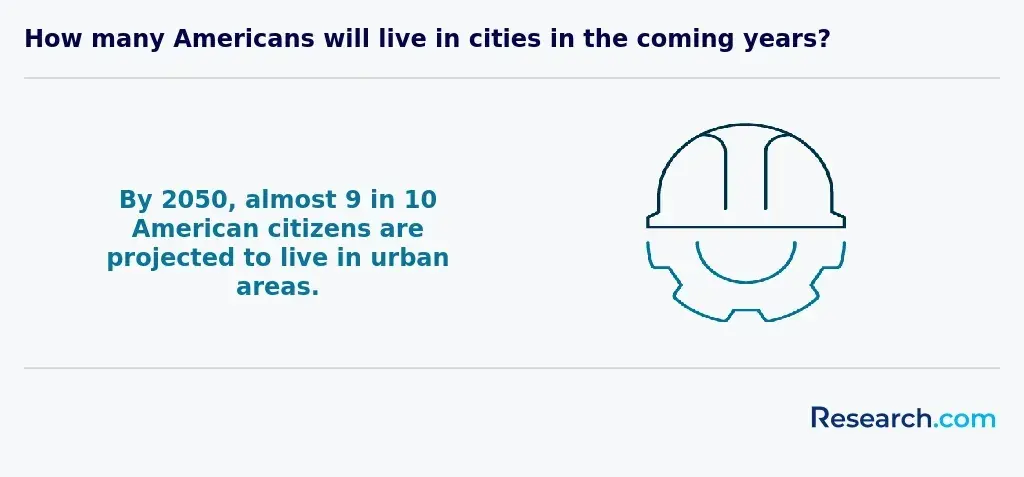
Several forces are shaping planning work in South Dakota. Communities are becoming more urbanized, cities are more racially diverse, infrastructure needs continue to evolve, and planners are increasingly expected to use data, mapping, and community engagement tools. At the same time, rural access, housing supply, transportation connectivity, environmental stewardship, and economic development remain central concerns.
- Data-driven planning: GIS and analytics are becoming core planning tools rather than optional technical skills.
- Housing and affordability concerns: Planners may be asked to evaluate zoning, density, infrastructure capacity, and development barriers.
- Climate and hazard resilience: Flood risk, severe weather, water management, and infrastructure durability are increasingly important in land use decisions.
- Public engagement expectations: Residents expect clearer communication, accessible meetings, and transparent decision-making.
- Interdisciplinary work: Planning now regularly overlaps with public health, transportation, economic development, social services, environmental management, and finance.
Are there available scholarships for urban planners in South Dakota?
Students preparing for urban planning careers should look beyond planning-specific awards. Because urban planning overlaps with construction, environmental studies, architecture, public administration, geography, transportation, and community development, related scholarships may also help reduce education costs.
| Scholarship | Who it may help | Important considerations |
| Build Dakota Scholarship | Students pursuing technical degrees in high-demand fields, including areas related to architectural design and building construction. | It covers tuition and fees, books, technology, and tools, and applicants must be willing to work in their field in South Dakota for at least three years. |
| Associated General Contractors of South Dakota Scholarships | Students in construction-related programs that may connect to urban planning, infrastructure, and development work. | Award amounts vary, and applicants are expected to show strong academic performance and commitment to working in South Dakota after graduation. |
| South Dakota Opportunity Scholarship | Students attending eligible postsecondary institutions in South Dakota, including those pursuing planning-related fields. | This state-managed program can cover a portion of tuition costs for eligible students. |
When comparing scholarships, read the eligibility rules carefully. Some awards require enrollment in a specific program, full-time attendance, academic performance, financial need, or a work commitment after graduation. Students considering flexible programs can also review easier online college degree options, but they should still verify accreditation, transfer policies, and whether the coursework supports planning career goals.
What urban planning internships or practical experiences can I pursue in South Dakota?
Internships are one of the best ways to confirm whether urban planning is the right career. They also help students build practical skills that are difficult to learn only through coursework, such as reviewing development proposals, preparing maps, attending public meetings, and writing staff reports.
- City of Sioux Falls Ascend Internship Program: This paid summer internship gives participants exposure to meaningful projects across city departments, including work connected to urban planning. Interns can receive mentorship, participate in professional development, and learn how municipal government operates.
- South Dakota Department of Transportation internships: These opportunities can be especially useful for students interested in transportation planning, infrastructure, traffic systems, and state-level project development.
- Architecture, engineering, and planning firms: Local firms may offer experience in land use studies, site planning, environmental review, mapping, public engagement, or development support.
- Nonprofits and community organizations: Groups such as Habitat for Humanity in South Dakota may provide hands-on exposure to housing, neighborhood improvement, community engagement, and project coordination.
- Local government boards or commissions: Students can attend planning commission, zoning board, city council, or county meetings to understand how decisions are debated and approved.
How to make an internship count
- Ask to work on at least one map, report, presentation, or public engagement activity that can become part of your portfolio.
- Learn the local zoning code and comprehensive plan where you intern.
- Request feedback on your writing, especially staff reports and public-facing summaries.
- Track the software you use, including GIS, spreadsheet, visualization, and permitting tools.
- Build relationships with planners, engineers, public works staff, and community development professionals.
The chart below shows employment trends among urban planners according to company size.
What professional organizations in South Dakota should I join to advance my career as an urban planner?
Professional organizations can help students and early-career planners learn from experienced professionals, understand local planning issues, find mentors, hear about job openings, and keep up with regulatory or technical changes. Membership is not mandatory, but it can be valuable for networking and professional development.
| Organization | Why it matters | Best use for students and early-career planners |
| Western Central Chapter (WCC) of the American Planning Association | Serves planners in Wyoming, South Dakota, and North Dakota and promotes effective planning practices and social equity. | Attend conferences, read newsletters, join training sessions, and meet planners working across the region. |
| South Dakota Planners Association (SDPA) | Supports planning professionals in South Dakota through collaboration, networking, and education. | Learn about local planning challenges, connect with practitioners, and stay informed about South Dakota-specific issues. |
| American Institute of Certified Planners (AICP) | Provides professional certification and continuing education resources for planners. | Understand certification requirements early, then pursue the credential when you have the required experience. |
Professional organizations are useful in many fields because they connect education with workplace realities. Whether someone is preparing for urban planning, teacher certification, healthcare training, or accelerated medical assistant programs, professional networks can provide mentorship, practical information, and career leads that are not always visible in the classroom.
Common mistakes to avoid when preparing for an urban planning career
| Mistake | Why it can hurt you | Better approach |
| Choosing a degree without checking accreditation and career relevance | A program may be interesting but not aligned with planning jobs, GIS skills, or graduate school expectations. | Review curriculum, faculty expertise, internship access, transfer policies, and career outcomes. |
| Assuming a master’s degree is always required | Graduate school can add cost and time if your target jobs accept bachelor’s-level candidates. | Compare job postings first, then decide whether graduate study is necessary for your goals. |
| Ignoring GIS and data skills | Many planning roles now expect mapping, spatial analysis, and data interpretation. | Take GIS coursework and build a portfolio with maps, analysis, and planning reports. |
| Focusing only on salary averages | Average salaries do not show entry-level pay, local variation, benefits, or advancement timelines. | Compare employer type, location, duties, benefits, and long-term growth opportunities. |
| Waiting too long to get practical experience | Planning is applied work, and employers value real project exposure. | Pursue internships, attend public meetings, volunteer with local boards, or assist community organizations. |
| Overlooking public communication | Technical knowledge is not enough if you cannot explain plans clearly to residents and officials. | Practice writing plain-language reports, presenting findings, and facilitating public input. |
Questions to ask before choosing an urban planning program
- Does the program include GIS, land use law, planning methods, public engagement, and environmental planning?
- Are internships available with city, county, state, nonprofit, or consulting employers in South Dakota or nearby states?
- Can students build a portfolio of maps, reports, plans, and presentations before graduation?
- Does the program support transfer students or working adults?
- What planning-related jobs have recent graduates obtained?
- How much will the degree cost after scholarships, grants, and transfer credits?
- Will the coursework prepare you for the specialization you want, such as transportation, environmental planning, housing, or economic development?
- If the program is online, does it provide enough applied planning experience and local internship support?
Is becoming an urban planner in South Dakota worth it?
Becoming an urban planner in South Dakota can be worth it if you want a career that combines public service, policy, design, data, land use, and community problem-solving. It may be especially appealing if you want to work with local governments, influence how communities grow, support sustainable development, and help residents navigate change.
The career may be less suitable if you dislike public meetings, political trade-offs, regulatory detail, or slow decision-making processes. Planning can be rewarding, but it often requires patience, careful documentation, and the ability to work with people who disagree.
Who should consider this path?
- Students interested in cities, towns, housing, transportation, land use, sustainability, or public policy.
- Career changers with backgrounds in construction, environmental work, GIS, public administration, engineering, or community services.
- People who can combine technical analysis with communication and collaboration.
- Professionals who want to make visible, long-term contributions to local communities.
Who may want a different path?
- People who want fast project approvals with little public debate.
- Students who prefer purely technical work without community interaction.
- Professionals who do not want to deal with regulations, documentation, and local government processes.
- Anyone expecting salary outcomes to be guaranteed solely by earning a degree.
Related Articles for Nearby States
- 2027 How to Become an Urban Planner in North Dakota
- 2027 How to Become an Urban Planner in Nebraska
- 2027 How to Become an Urban Planner in Minnesota
- 2027 How to Become an Urban Planner in Wyoming
- 2027 How to Become an Urban Planner in Iowa
- 2027 How to Become an Urban Planner in Montana
- 2027 How to Become an Urban Planner in Colorado
- 2027 How to Become an Urban Planner in Kansas
- 2027 How to Become an Urban Planner in Wisconsin
- 2027 How to Become an Urban Planner in Missouri
Key Insights
- South Dakota does not require a state license for urban planners, but relevant education, internships, GIS skills, and optional AICP certification can improve competitiveness.
- The typical preparation path takes about four years for a bachelor’s degree, with some professionals adding internships, a two-year master’s degree, and optional certification.
- ZipRecruiter reports an average annual salary of $65,316 for urban planners in South Dakota, while BLS data shows Sioux Falls planners averaging $78,570 annually.
- Planning specializations matter. Transportation, environmental planning, community development, housing, and economic development each require different coursework and experience.
- Internships with city governments, SDDOT, consulting firms, and nonprofits can be decisive because urban planning employers value applied experience.
- Business, legal, accounting, social service, public health, and technology skills can strengthen a planning career when they are connected to real planning problems.
- The best program is not simply the cheapest or highest ranked. It should offer relevant coursework, practical experience, strong advising, transferable skills, and a realistic path to the planning roles you want.
References:
- O*NET OnLine (n.d.). Urban and Regional Planners, 19-3051.00. Retrieved from https://www.onetonline.org/link/summary/19-3051.00
- U.S. Bureau of Labor Statistics (2025). Urban and Regional Planners. Data Retrieved from: https://www.bls.gov/ooh/Life-Physical-and-Social-Science/Urban-and-regional-planners.htm
- Zippia, (2025). Urban Planner demographics and statistics in the US. https://www.zippia.com/urban-planner-jobs/demographics
- ZipRecruiter (2025). What Is the Average Urban Planner Salary by State. Retrieved from https://www.ziprecruiter.com/Salaries/What-Is-the-Average-Urban-Planner-Salary-by-State
Other Things to Know About Becoming an Urban Planner in South Dakota
Urban planners are increasingly in demand in South Dakota, driven by the state's growth and development needs. According to the U.S. Bureau of Labor Statistics, the employment of urban and regional planners in South Dakota is projected to grow by 3 percent from 2024 to 2034, about as fast as the national average. Currently, there are approximately 220 urban and regional planners employed in the state, with an expected addition of around 20 job openings annually due to growth and turnover. This demand is particularly evident in rapidly developing areas like Sioux Falls and Rapid City, where urban planners play a crucial role in managing land use and infrastructure development.
To become an urban planner in South Dakota in 2027, you'll typically need a bachelor's degree in urban planning or a related field like geography or environmental design. A master's degree in urban planning can enhance job prospects and specialized training. It's essential to check specific employer requirements, as they may vary.