2027 How to Become an Urban Planner in Massachusetts

Co-Founder and Chief Data Scientist
Becoming an urban planner in Massachusetts is a strong fit for people who want to shape how communities grow, where housing is built, how transportation works, and how development can protect the environment rather than damage it. The state’s planning challenges are especially visible: older cities with historic districts, high-cost housing markets, coastal climate risks, transit needs, and pressure to balance economic growth with livability.
Massachusetts is also widely recognized for environmental performance, ranking 10th in WalletHub’s greenest states list and 7th in ConsumerAffairs’ ranking (Kiernan, 2024; Parkman, 2024). Urban planners help turn those priorities into practical decisions through zoning, land use plans, housing strategies, transportation proposals, sustainability policies, and public engagement.
This guide explains how to become an urban planner in Massachusetts, including education options, certification, timelines, salary expectations, specializations, internships, professional organizations, and practical steps for choosing the right path. It is designed for students, career changers, and early-career professionals who want a realistic view of the field before committing time and money to a planning career.
Quick Answer: How Do You Become an Urban Planner in Massachusetts?
To become an urban planner in Massachusetts, you typically need a bachelor’s degree, practical planning experience through internships or fieldwork, and often a master’s degree in urban planning or a closely related field. Massachusetts does not require a state license for urban planners, but the American Institute of Certified Planners (AICP) credential can improve professional credibility after you gain qualifying experience and pass the certification exam.
| Step | What to Do | Why It Matters |
| 1. Build an academic foundation | Earn a bachelor’s degree in urban planning, geography, public policy, environmental studies, architecture, economics, or a related field. | Most planning roles require strong research, policy, design, and communication skills. |
| 2. Gain hands-on experience | Complete internships, studio projects, research assistantships, or local government fieldwork. | Employers value applicants who understand public meetings, zoning review, GIS, and community engagement. |
| 3. Consider graduate study | Pursue a master’s degree if you want stronger preparation for professional planning roles. | Massachusetts has several well-known graduate planning options, including MIT, Harvard University, Tufts University, and the University of Massachusetts campuses at Amherst and Boston. |
| 4. Develop technical and policy skills | Learn GIS, zoning analysis, transportation planning, environmental review, public finance, and stakeholder facilitation. | Planning work is both technical and political; you need data skills and public-facing judgment. |
| 5. Pursue certification when eligible | Apply for AICP certification after meeting the education and experience requirements. | AICP is not required by Massachusetts law, but it can strengthen advancement prospects. |
Key Things to Know About Becoming an Urban Planner in Massachusetts
- Employment growth is steady but not explosive. According to BLS, employment for urban planners is projected to grow by 3% from 2024 to 2034, supported by demand for sustainable development, infrastructure planning, housing policy, and urban revitalization.
- Massachusetts pay is competitive. Urban planners in the state earn an average annual wage of approximately $89,340, with salaries varying by location, employer, specialization, and experience.
- The work is highly interdisciplinary. Successful planners often combine policy knowledge, design thinking, public engagement, environmental awareness, data analysis, and finance skills.
- Graduate education can be valuable. MIT and Harvard University are among the leading schools associated with urban planning education in Massachusetts, with strong curricula and research opportunities in urban studies.
- No state planning license is required. Massachusetts does not require a state license for urban planners, but AICP and specialty credentials may help with career mobility.
- Education requirements for urban planners in Massachusetts
- Urban planning specializations available in Massachusetts
- Licensing and certification requirements for Massachusetts planners
- How long it takes to become an urban planner in Massachusetts
- Urban planner salary in Massachusetts
- Career paths for urban planners in Massachusetts
- Typical urban planner responsibilities in Massachusetts
- How business skills can support an urban planning career
- Scholarships and financial aid options for planning students
- Finance training and urban planning career growth
- Interdisciplinary academic preparation for planning work
- Regulatory policy, zoning, and land use planning
- Technology and data tools in Massachusetts planning
- Financial literacy for planning project outcomes
- Internships and practical experience in Massachusetts
- Professional organizations for Massachusetts urban planners
- Legal challenges urban planners should understand
- How social work connects with urban planning
- Health-centered community design
- Collaboration with social service agencies
- Accounting knowledge for urban planning initiativesKey insights
What are the education requirements for urban planners in Massachusetts?
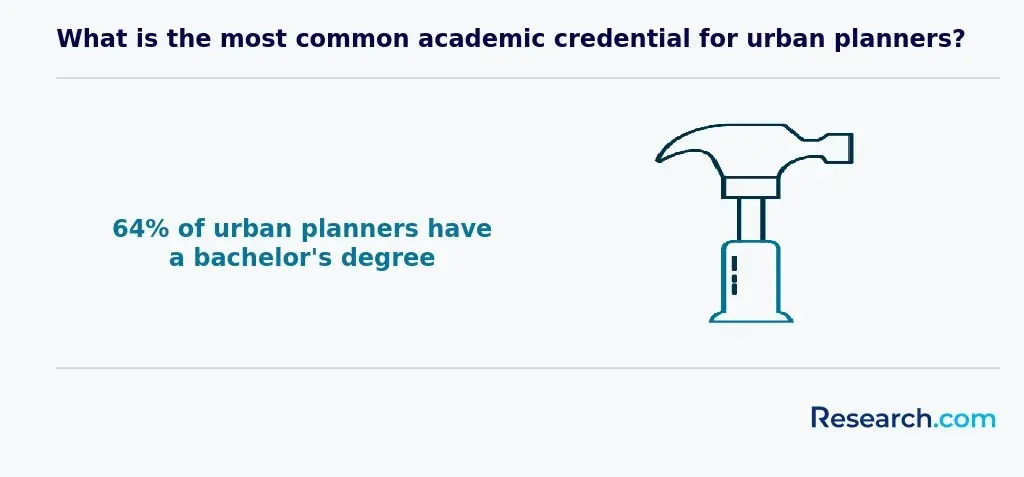
Urban planners in Massachusetts need a strong academic base because the work involves land use law, housing policy, transportation systems, environmental review, demographic analysis, public meetings, and long-range community planning. A bachelor’s degree is usually the entry point, while a master’s degree is often useful for candidates who want stronger preparation or access to more competitive planning positions.
| Education or Experience | How It Helps | Good Fit For |
| Bachelor’s degree | Provides the foundation for planning concepts, policy analysis, communication, and research. | Students seeking entry-level planning assistant, analyst, or community development roles. |
| Planning-related undergraduate major | Urban planning, geography, environmental studies, public policy, economics, architecture, or sociology can all support planning careers. | Students who want flexibility before deciding on graduate school. |
| Internships and fieldwork | Builds experience with zoning, community engagement, mapping, public agencies, and planning documents. | Students and career changers who need practical evidence of readiness. |
| Master’s degree | Deepens training in land use, transportation, housing, sustainability, urban design, analytics, and public participation. | Candidates targeting professional planning, policy, consulting, or leadership roles. |
| Online or lower-cost programs | Can reduce relocation needs and provide scheduling flexibility. | Working adults comparing campus programs with low-cost online urban planning degree programs. |
Massachusetts students can find planning-related education at institutions such as Westfield State University at the undergraduate level. For advanced study, the state includes well-known graduate planning options at MIT, Harvard University, Tufts University, and the University of Massachusetts at Amherst and Boston. When comparing programs, do not rely on reputation alone. Review studio requirements, internship access, GIS training, faculty expertise, alumni outcomes, and whether the curriculum aligns with your intended specialization.
Questions to ask before choosing an urban planning program
- Does the program include applied studio work with real communities or agencies?
- Will I graduate with GIS, data analysis, writing, and public presentation samples for my portfolio?
- Are internships built into the program, optional, or left entirely to students to find?
- Does the curriculum match the planning area I care about, such as housing, transportation, sustainability, or urban design?
- What are the total costs after fees, transportation, housing, and lost work time?
- Can transfer credits, assistantships, employer tuition benefits, or scholarships reduce the cost?
What urban planning specializations are available in Massachusetts?
Urban planning is not one single job. In Massachusetts, planners may work on coastal resilience, housing affordability, transit access, historic neighborhoods, economic development, rural land preservation, public health, climate adaptation, or private real estate projects. Choosing a specialization helps you select the right coursework, internships, software skills, and professional network.
| Specialization | What Planners Focus On | When This Path Makes Sense |
| Sustainable development planning | Green infrastructure, energy-efficient land use, climate resilience, environmental protection, and long-term ecological impacts. | Best for students interested in sustainability careers, climate policy, environmental planning, or resilient cities. |
| Historic preservation | Protecting historic districts, landmarks, older buildings, and culturally significant places while allowing appropriate development. | Strong fit for people interested in architecture, history, community identity, and adaptive reuse. |
| Economic development planning | Business attraction, workforce development, innovation districts, infrastructure investment, and local economic resilience. | Useful for planners who want to work with municipalities, redevelopment agencies, chambers, or public-private partnerships. |
| Housing and community development | Affordable housing, homelessness response, mixed-income neighborhoods, anti-displacement strategies, and neighborhood services. | Best for people motivated by equity, housing access, and community stabilization in high-cost areas such as Boston. |
| Transportation planning | Transit systems, roadway safety, congestion, pedestrian networks, bicycle infrastructure, accessibility, and regional mobility. | Ideal for students who enjoy spatial analysis, infrastructure, policy, and public systems. |
| Urban design | Public spaces, streetscapes, building form, pedestrian experience, and the relationship between physical design and community life. | Good fit for candidates with design, architecture, landscape architecture, or visualization interests. |
The best specialization is not always the one with the most attention in the media. Choose based on the problems you want to solve, the types of employers you want to work for, and the skills you are willing to build. For example, housing planning may require comfort with public hearings and policy trade-offs, while transportation planning may require stronger technical modeling and data interpretation.
Are there licensing requirements for urban planners in Massachusetts?
Massachusetts does not have a state licensure or registration requirement for urban planners. You can work in planning roles without a Massachusetts-issued planning license, although employers may still require specific degrees, experience, technical skills, or subject-matter expertise depending on the position.
The most recognized professional credential in the field is certification through the American Institute of Certified Planners (AICP). To pursue AICP certification, candidates register with AICP, pass the certification exam, document qualifying planning experience, and complete ongoing Certification Maintenance requirements to keep the credential active.
AICP certification is not the same as a state license. It is a professional credential that may help demonstrate competence, commitment to ethical planning practice, and readiness for advancement. It can be especially useful for planners seeking senior roles, consulting positions, or broader professional mobility.
Other credentials that can strengthen an urban planning resume
- Geographic Information Systems (GIS) Certification: Helps planners analyze spatial data, map development patterns, assess environmental conditions, and communicate findings visually.
- Leadership in Energy and Environmental Design (LEED) Accredited Professional: Supports planners working on sustainable buildings, green infrastructure, and environmentally responsible development.
- Certified Floodplain Manager (CFM): Useful for planners involved in flood risk reduction, coastal resilience, stormwater planning, or hazard mitigation.
Certification decision guide
| Credential | Best For | Not Necessary If |
| AICP | Professional planners seeking credibility, advancement, or leadership roles. | You are still exploring the field or have not yet gained the required planning experience. |
| GIS certification | Planners who want data-heavy, mapping-focused, or environmental analysis roles. | Your role is primarily policy, engagement, or design and you already have sufficient GIS coursework. |
| LEED AP | Planners focused on sustainability, green building, and environmentally conscious development. | Your work rarely intersects with buildings, infrastructure, or sustainability standards. |
| CFM | Professionals working with floodplains, climate adaptation, coastal communities, or hazard mitigation. | Your work is unrelated to flood risk, stormwater, or resilience planning. |
How long does it take to become an urban planner in Massachusetts?
The timeline depends on whether you stop after a bachelor’s degree, pursue graduate study, gain experience before returning to school, or seek AICP certification later. A common route takes about six to eight years, combining undergraduate education, graduate education, applied experience, and certification preparation.
| Stage | Typical Time | What Happens During This Stage |
| Bachelor’s degree | Four years | You build foundational knowledge in planning, policy, research, communication, and related disciplines. |
| Master’s degree | Another two years | You gain deeper professional preparation through studios, specialization coursework, research, and applied projects. |
| Practical experience | Three months to three years | You develop workplace skills through internships, volunteer projects, planning assistant roles, or agency work. |
| AICP preparation | A few months of preparation | You study for the exam and organize documentation after meeting eligibility requirements. |
A shorter path may be possible if you enter an entry-level planning-related role after a bachelor’s degree and gain experience while working. A longer path may make sense if you change careers, attend school part time, complete multiple internships, or specialize in a technical area such as transportation modeling, environmental planning, or GIS.
How to shorten the timeline without weakening your preparation
- Choose programs that include required internships or applied studio projects.
- Build GIS and data skills before graduation instead of waiting for your first job.
- Use class projects to create a portfolio with maps, policy memos, public engagement materials, and written plans.
- Apply for planning assistant, research assistant, community development, or transportation internships early.
- Join professional organizations as a student to learn about job postings and mentoring opportunities.
This chart shows the industries that employ the highest number of urban planners.
How much do urban planners in Massachusetts earn?
Urban planner salaries in Massachusetts depend on job title, employer, experience, specialization, and location. Public-sector planning jobs may offer stability and community impact, while private consulting or development roles may involve different compensation structures and project demands. Salary figures should always be compared with the cost of living, commuting costs, benefits, and advancement opportunities.
| Salary Measure or Role | Reported Amount | How to Interpret It |
| Average annual wage for urban planners in Massachusetts | Approximately $89,340 | A useful statewide benchmark, but individual offers may be higher or lower. |
| Entry-level positions | Approximately $50,000 | Common starting range may depend heavily on employer, degree level, and internship experience. |
| Seasoned planners | Up to $60,000 annually | Reported salary ranges can vary by source and role definition, so verify current postings before making decisions. |
| Boston average | About $80,000 per year | Urban areas may pay more, but housing and commuting costs can also be higher. |
| Urban and regional planners | As much as $111,000 to $120,000 | Higher earnings may reflect advanced roles, specialized expertise, or senior responsibilities. |
| Urban designers | Around $91,000 | Design-focused roles may reward visualization, architecture, and project coordination skills. |
| Senior urban planners | Between $89,000 and $139,000 | Senior compensation often reflects leadership, technical expertise, project complexity, and employer type. |
Location also affects pay. Urban planners in nonmetropolitan areas earn $69,780, which is below the national average cited in the source material. Planners in Springfield, Worcester, and Providence-Warwick earn between $82,000 and $86,000. In Boston, salaries reach $92,740, while Barnstable Town salaries rise to $98,940.
To evaluate compensation realistically, compare salary with benefits, pension or retirement contributions, remote-work flexibility, commute time, student loan burden, and opportunities for promotion. Planners interested in environmental regulation, climate resilience, or public-sector sustainability may also compare planning roles with related environmental policy careers.
This chart shows the highest-paying states for urban planners, with Massachusetts ranking among the top.
What careers are available to urban planners in Massachusetts?
Urban planners in Massachusetts work for municipal governments, regional planning agencies, state agencies, consulting firms, architecture and design firms, real estate developers, nonprofits, universities, and infrastructure organizations. The right career path depends on whether you prefer public service, technical analysis, design, policy, community engagement, or project delivery.
| Career Path | Common Employers | Core Work |
| City planner | Municipal governments in places such as Boston and Cambridge | Land use planning, zoning review, comprehensive plans, public hearings, and neighborhood development strategies. |
| Transportation planner | Massachusetts Department of Transportation (MassDOT), regional agencies, consulting firms | Transit access, traffic patterns, complete streets, transportation equity, congestion, and mobility planning. |
| Environmental planner | Massachusetts Department of Environmental Protection (MassDEP), environmental agencies, consultants | Environmental review, sustainability strategies, regulatory compliance, climate adaptation, and resource protection. |
| Urban design consultant | Design and planning firms such as Sasaki Associates in Boston | Public realm design, site planning, streetscape improvements, visual analysis, and development frameworks. |
| Real estate development manager | Development companies such as Related Beal in Boston | Project feasibility, zoning strategy, community benefits, permitting, finance coordination, and implementation. |
Some planners also move into public administration, policy analysis, housing advocacy, climate resilience, infrastructure strategy, or nonprofit community development. Technical backgrounds can expand options; for example, students comparing planning with infrastructure-heavy fields may review easy engineering programs to understand how engineering preparation differs from planning preparation.
Who should choose urban planning?
- You want to work on real community problems rather than purely theoretical policy issues.
- You are comfortable balancing data, law, politics, budgets, and public input.
- You can listen to competing viewpoints without losing sight of long-term planning goals.
- You enjoy writing, mapping, presenting, analyzing, and coordinating across disciplines.
Who may want a different path?
- You want a career with minimal public meetings or community disagreement.
- You prefer highly predictable work with little policy or political uncertainty.
- You are primarily interested in designing buildings rather than shaping land use, systems, and policy.
- You want salary outcomes that are guaranteed by degree choice alone.
What are the typical responsibilities of urban planners in Massachusetts?
Urban planners in Massachusetts work at the intersection of data, community needs, public policy, land use regulation, and long-term development goals. Daily responsibilities vary by employer, but most planners spend time researching, writing, mapping, meeting with stakeholders, reviewing proposals, and explaining planning recommendations to boards, agencies, or the public.
- Review sites for land use suitability, zoning rules, infrastructure constraints, and environmental concerns.
- Analyze demographic, housing, transportation, economic, and environmental data to identify community needs.
- Prepare plans for growth, redevelopment, housing, transportation, parks, public facilities, and climate resilience.
- Coordinate with elected officials, planning boards, community groups, developers, engineers, architects, and residents.
- Organize public outreach, collect input, and translate community feedback into planning recommendations.
- Write staff reports, policy memos, grant materials, plan chapters, zoning amendments, and presentation materials.
- Present proposals to city councils, planning boards, neighborhood groups, or regional agencies.
- Monitor implementation so projects follow adopted plans, budgets, timelines, and regulatory requirements.
- Promote sustainable development practices that protect resources while improving quality of life.
The most effective planners are not just technical experts. They are translators. They turn complex rules, data, design concepts, and trade-offs into recommendations that communities and decision-makers can understand.
Current trends shaping planning work in Massachusetts
- Housing affordability pressure: Planners are increasingly involved in zoning reform, affordable housing strategies, mixed-use development, and anti-displacement discussions.
- Climate resilience: Coastal risk, flooding, heat, and stormwater concerns are pushing sustainability and hazard mitigation deeper into local planning work.
- Data-driven decision-making: GIS, scenario modeling, dashboards, and spatial analysis are becoming more important in planning offices and consulting firms.
- Public trust and engagement: Community members expect transparent processes, accessible information, and meaningful participation in development decisions.
- Interdisciplinary hiring: Employers increasingly value planners who understand finance, health, equity, law, infrastructure, and environmental systems.
How can business acumen enhance an urban planning career in Massachusetts?
Business knowledge can make planners more effective because many planning decisions involve budgets, project feasibility, stakeholder negotiation, public-private partnerships, and implementation strategy. A planner who understands finance, management, and organizational decision-making can better evaluate whether a proposal is not only desirable but also realistic.
This does not mean every planner needs an MBA. However, coursework or training in budgeting, project management, real estate finance, public administration, or negotiation can help. Professionals who want a broader management foundation may compare planning education with options at the best business schools in Massachusetts, especially if they hope to lead departments, manage consultants, or work in development.
Are there available scholarships for urban planners in Massachusetts?
Students pursuing urban planning in Massachusetts should look for financial aid from universities, professional associations, foundations, and planning-related organizations. Scholarships can reduce the cost of tuition, but students should also consider assistantships, paid internships, employer tuition support, public service loan options, and lower-cost program formats.
- University scholarships: Institutions such as MIT, Harvard, and UMass may offer scholarships or institutional aid for students in urban planning or related fields. Availability, eligibility, and award amounts vary by school and program.
- APA Foundation Diversity Scholarship: Offered through the American Planning Association, this scholarship supports students from historically underrepresented groups, including women and people of color. Recipients can receive up to $5,000, depending on financial need and academic performance.
- Judith McManus Price Scholarship: This scholarship supports women and minorities pursuing planning careers. It provides $5,000 to eligible students enrolled in accredited planning programs who demonstrate financial need.
How to reduce the cost of becoming an urban planner
- Apply to multiple funding sources instead of relying only on one university award.
- Ask whether assistantships include tuition remission, stipends, or health benefits.
- Compare total program cost, not just tuition.
- Use paid internships to gain experience while offsetting living expenses.
- Consider whether an online or in-state option offers a better return on investment.
- Confirm scholarship deadlines early, because planning-related awards may close before admission decisions are finalized.
Can finance certifications elevate an urban planning career in Massachusetts?
Finance skills are especially valuable for planners who work on housing, redevelopment, infrastructure, transportation, grant-funded initiatives, or public-private partnerships. Understanding budgets, capital planning, cost-benefit analysis, and funding sources helps planners make recommendations that communities can actually implement.
Finance credentials are not a substitute for planning experience, but they can support specialized roles in development review, municipal finance, real estate planning, or infrastructure investment. Professionals who want a structured finance foundation may explore related options such as the easiest finance certifications while making sure the credential fits their planning goals.
How can an interdisciplinary academic background enhance urban planning in Massachusetts?
Urban planning draws from many disciplines because communities are complex. Environmental studies can help with climate resilience. Sociology can support equitable engagement. Economics can strengthen development analysis. Public health can inform neighborhood design. Law can clarify zoning and permitting. Even analytical fields outside planning can build useful habits of evidence gathering and risk assessment.
For example, students researching investigative or analytical fields such as a forensic science degree in Massachusetts may notice overlapping skills in documentation, evidence-based reasoning, and site analysis. The key is to connect any outside discipline back to real planning competencies, such as mapping, policy writing, environmental review, public safety, or community resilience.
How do regulatory policies and zoning laws impact urban planning in Massachusetts?
Zoning and land use regulations shape nearly every planning decision in Massachusetts. They influence what can be built, where housing can be located, how dense development may be, which environmental reviews are required, and how historic resources are protected. Planners must understand both local ordinances and broader state policy frameworks to guide proposals through review and implementation.
Regulatory knowledge also affects project feasibility. A plan that ignores zoning, permitting timelines, environmental constraints, or affordable housing requirements may fail even if the design is strong. Planners who expect to manage complex projects may benefit from additional business or administration training, including lower-cost options such as a cheapest business administration degree online, when the goal is to improve budgeting, negotiation, and public-private coordination skills.
How can technology enhance urban planning in Massachusetts?
Technology has become central to modern planning. GIS, remote sensing, data dashboards, transportation modeling, public engagement platforms, and scenario tools help planners evaluate alternatives and explain trade-offs. These tools are especially useful when communities must compare housing density, traffic impacts, environmental constraints, flood risk, or infrastructure needs.
Technology should support better judgment, not replace it. Data can reveal patterns, but planners still need to understand community priorities, equity concerns, legal limits, and practical implementation barriers. Interdisciplinary collaboration also matters. For example, professionals studying community health, accessibility, or communication-related fields such as speech pathologist requirements in Massachusetts can help planners think more carefully about inclusive engagement and the needs of residents with different communication abilities.
Can financial literacy improve planning project outcomes in Massachusetts?
Yes. Financial literacy helps planners design recommendations that can move from plan documents to real-world projects. A planner who understands funding cycles, operating costs, capital budgets, debt, grants, and long-term maintenance can better judge whether a proposal is sustainable.
This is especially important in housing, transportation, public facilities, resilience, and redevelopment work. Planners do not need to become accountants, but they should be able to read budgets, question assumptions, and explain financial trade-offs. Those who want deeper fiscal expertise may review pathways such as how to become an accountant in Massachusetts to understand how accounting training supports public and private project decisions.
What urban planning internships or practical experiences can I pursue in Massachusetts?
Internships are one of the most important steps toward becoming an employable urban planner. They help students understand how planning decisions are made, how public meetings work, how technical reports are prepared, and how agencies balance community goals with legal and budget constraints.
| Organization | Potential Experience | Skills You May Build |
| HNTB Corporation | Infrastructure and transportation-related planning projects. | Research, data analysis, technical writing, transportation planning, and project documentation. |
| Massachusetts Department of Transportation (MassDOT) | Transportation policy, planning, mobility, and infrastructure initiatives. | Public-sector planning, transportation systems, accessibility analysis, and policy implementation. |
| SASAKI | Urban design, environmental planning, and multidisciplinary project work. | Design coordination, planning research, visualization, collaboration, and client-facing project support. |
Students should also look for opportunities with municipal planning departments, regional planning agencies, housing nonprofits, environmental organizations, community development corporations, and university research centers. If you are interested in healthcare-related land use, medical districts, clinics, or community health access, adjacent exposure to healthcare training such as fast medical assistant certification programs can provide context, although it is not a standard requirement for planning roles.
How to get more value from an internship
- Ask for assignments that produce portfolio samples, such as maps, memos, outreach summaries, or presentation slides.
- Attend public meetings to understand how residents, boards, and officials discuss development proposals.
- Learn the local zoning code and observe how staff apply it to real projects.
- Request feedback on your writing, because planning reports must be clear and defensible.
- Build relationships with supervisors, planners, engineers, and consultants who can provide references later.
What professional organizations in Massachusetts should I join to advance my career as an urban planner?
Professional organizations help aspiring and early-career planners find mentors, learn about policy changes, attend workshops, discover job postings, and understand how planning works across municipalities and regions. Membership is especially useful in a state like Massachusetts, where local rules, regional coordination, historic preservation, transportation, and housing policy can vary widely by community.
- American Planning Association Massachusetts Chapter (APA-MA): Founded in 1978, APA-MA supports planners through professional development, awards, networking, advocacy, and educational resources.
- Massachusetts Association of Regional Planning Agencies (MARPA): Established in 1979, MARPA represents regional planning agencies across the state and supports collaboration on multi-jurisdictional planning issues.
- Massachusetts Smart Growth Alliance (MSGA): This nonprofit focuses on healthy, diverse communities, environmental resources, working landscapes, smart growth policy, and regulatory improvements.
How to use professional organizations strategically
- Attend events before you need a job so your network is already active.
- Volunteer for committees related to your specialization, such as housing, transportation, climate, or equity.
- Ask experienced planners which skills are most valued by local employers.
- Use conferences and workshops to learn about policy changes and current planning debates.
- Look for mentors who can review your resume, portfolio, and AICP preparation timeline.
How can urban planners navigate legal challenges in Massachusetts?
Urban planners do not need to be lawyers, but they must understand how legal frameworks affect land use decisions. Zoning ordinances, subdivision rules, environmental regulations, historic preservation requirements, public meeting laws, permitting procedures, and appeals processes can all determine whether a project advances or stalls.
Planners should know when to involve municipal counsel, land use attorneys, environmental consultants, or other legal specialists. Clear documentation is essential: staff reports, public notices, meeting records, findings, and conditions of approval can become important if a decision is challenged. Professionals who want to understand adjacent legal career paths may review how to become a paralegal in Massachusetts, particularly if they are interested in land use documentation, legal research, or regulatory compliance.
What role does social work play in urban planning in Massachusetts?
Planning decisions affect housing stability, access to services, transportation, public space, neighborhood safety, and community health. Social work perspectives can help planners understand how development choices affect vulnerable residents, including people facing homelessness, disability, poverty, isolation, or displacement.
Urban planners can collaborate with social workers when designing housing programs, public facilities, community engagement strategies, and neighborhood revitalization plans. Understanding social worker degree requirements in Massachusetts can help planners identify the training and expertise social service partners bring to community projects.
What do urban planners in Massachusetts say they value about the field?
- Historic preservation work can be especially meaningful because it asks planners to protect neighborhood character while still allowing communities to adapt. - Rafael
- Climate-focused planning offers opportunities to work on waterfront redevelopment, green building initiatives, and development strategies that respond to environmental risk. - Cora
- Community engagement is often the most challenging and rewarding part of planning because residents bring lived experience that technical analysis alone cannot provide. - Kai
How can urban planners integrate health perspectives into community design?
Health-centered planning looks at how streets, housing, parks, food access, transit, and public facilities influence daily life. Walkable neighborhoods, safe crossings, community gardens, accessible clinics, shaded public spaces, and reliable transit can all support healthier communities.
Planners do not need to become health professionals, but they should know how to collaborate with public health experts, nutrition specialists, hospitals, and community organizations. Those interested in food access, community wellness, or built-environment health connections may find useful context in resources on how to become a nutritionist in Massachusetts.
How can urban planners collaborate with social service agencies to enhance community outcomes?
Planning is more effective when infrastructure decisions are connected to the services residents actually need. Social service agencies can help planners understand housing insecurity, mental health needs, workforce barriers, aging populations, family services, and gaps in neighborhood support systems.
Collaboration may include shared data analysis, joint community meetings, service-location planning, supportive housing strategies, or coordinated grant proposals. Planners who want to understand social service frameworks more deeply can review social worker education requirements in Massachusetts and use that knowledge to build stronger interdisciplinary partnerships.
How can accounting expertise support urban planning initiatives in Massachusetts?
Accounting knowledge can improve planning outcomes by strengthening cost estimates, budget monitoring, grant reporting, fiscal transparency, and long-term project evaluation. This is especially important when public funds, infrastructure investments, affordable housing subsidies, or redevelopment financing are involved.
Planners are often asked to justify why a project deserves investment. Cost-benefit analysis, lifecycle costing, and clear financial documentation can make recommendations more credible. Professionals who want deeper training in fiscal management may compare options at the best accounting schools in Massachusetts.
Common mistakes to avoid when becoming an urban planner in Massachusetts
| Mistake | Why It Can Hurt You | Better Approach |
| Choosing a program based only on prestige | A famous school may not be the best fit for your budget, specialization, schedule, or career goals. | Compare curriculum, cost, internships, studio work, alumni outcomes, and faculty expertise. |
| Ignoring practical experience | Planning employers often want evidence that you can work with real communities, data, and regulations. | Complete internships, fieldwork, assistantships, or applied studio projects before graduation. |
| Assuming Massachusetts requires a planning license | You may spend time searching for a state license that does not exist. | Focus instead on education, experience, AICP eligibility, and relevant specialty credentials. |
| Underestimating public engagement | Planning is not only technical. Public meetings, conflict, and negotiation are central to the job. | Build facilitation, writing, presentation, and listening skills early. |
| Looking only at salary | A higher salary may come with higher living costs, longer commutes, or different work-life expectations. | Evaluate salary, benefits, location, mission fit, growth potential, and cost of living together. |
| Waiting too long to learn GIS | Many entry-level roles expect comfort with mapping or spatial analysis. | Take GIS coursework, complete mapping projects, and include samples in your portfolio. |
Key Insights
- Massachusetts does not require a state license for urban planners, but AICP certification can strengthen credibility once you meet the education and experience requirements.
- A bachelor’s degree can open entry-level planning-related opportunities, while a master’s degree may provide stronger preparation for professional planning roles.
- The typical preparation timeline can range from approximately six to eight years when combining undergraduate study, graduate education, practical experience, and certification preparation.
- Urban planners in Massachusetts earn an average annual wage of approximately $89,340, but salaries vary by specialization, employer, location, and experience.
- Strong planning candidates combine policy knowledge with practical skills such as GIS, writing, public engagement, zoning analysis, project management, and financial literacy.
- Specializations such as housing, transportation, sustainability, historic preservation, economic development, and urban design lead to different coursework, internships, and career paths.
- The best next step is to compare programs by total cost, internship access, applied studio work, technical training, and alignment with your preferred planning specialization.
Related Articles for Nearby States
- 2027 How to Become an Urban Planner in Rhode Island
- 2027 How to Become an Urban Planner in Connecticut
- 2027 How to Become an Urban Planner in New Hampshire
- 2027 How to Become an Urban Planner in New York
- 2027 How to Become an Urban Planner in Vermont
- 2027 How to Become an Urban Planner in New Jersey
- 2027 How to Become an Urban Planner in Maine
- 2027 How to Become an Urban Planner in Pennsylvania
- 2027 How to Become an Urban Planner in Delaware
- 2027 How to Become an Urban Planner in Maryland
References:
- American Planning Association. (n.d.). One Path to AICP. Retrieved November 13, 2024, from https://www.planning.org/certification
- Kiernan, J. S. (2024, April 10). Greenest States (2024). WalletHub. https://wallethub.com/edu/greenest-states/11987
- ONET OnLine. (2024, October 8). Urban and Regional Planners. Massachusetts Employment Trends. https://www.onetonline.org/link/localtrends/19-3051.00?st=MA
- Parkman, K. (2024, June 12). Greenest states in the U.S. ConsumerAffairs. https://www.consumeraffairs.com/solar-energy/greenest-states-in-us.html
- Statista. (2024, July). Projected state population of the United States in 2040, by state. https://www.statista.com/statistics/312714/us-projected-state-population-by-state
- USA Facts. (n.d.). Our Changing Population: Massachusetts. https://usafacts.org/data/topics/people-society/population-and-demographics/our-changing-population/state/massachusetts
- U.S. Bureau of Labor Statistics. (2024, April 3). May 2023 state occupational employment and wage estimates - Massachusetts. Occupational Employment and Wage Statistics. https://www.bls.gov/oes/current/oes_ma.htm
Other Things to Know About Becoming an Urban Planner in Massachusetts
To start a career in urban planning in Massachusetts, earn a bachelor's degree in urban planning or a related field. Consider pursuing a master's degree for advanced roles, gain experience through internships, and obtain certification from the American Institute of Certified Planners for enhanced job prospects.
To become an urban planner in Massachusetts in 2027, you typically need a bachelor's degree in urban planning or a related field. A master's degree in urban or regional planning is often preferred. Accreditation from the Planning Accreditation Board can enhance employment prospects.
In 2027, essential skills for urban planners in Massachusetts include analytical thinking, project management, proficiency in GIS software, and effective communication. Knowledge of Massachusetts-specific zoning laws and environmental regulations is also important for career success in this field.