2027 Fastest Online AI Bachelor's Degrees You Can Finish in 3 Years or Less

Co-Founder and Chief Data Scientist
Many professionals hold degrees unrelated to artificial intelligence and seek a faster route to shift careers without spending years in school. Traditional bachelor's programs often require four or more years, creating obstacles for those eager to enter this evolving field quickly. Accelerated online programs offer a solution by enabling students to complete their studies in less time while maintaining flexibility for work and personal commitments. This article explores the fastest online AI bachelor's degrees available in 2027 that can be completed in three years or less, helping readers identify practical, accredited paths to enter the artificial intelligence industry efficiently.
Key Things You Should Know
- Fast online AI bachelor's degrees typically allow completion in 2 to 3 years by leveraging accelerated courses and transfer credits, catering to motivated students and working professionals.
- These programs increasingly integrate cutting-edge AI topics like machine learning, natural language processing, and data ethics, aligning curricula with 2025 industry demands and job market growth projected at 38% by 2030.
- Cost-effective and flexible, many accelerated AI degrees offer significant tuition savings and remote learning options, making AI education accessible while preparing graduates for high-demand roles like AI developers and data scientists.
Which accredited universities offer online AI bachelor's degrees that can be completed in 3 years or less?
Several fast online accredited universities offer artificial intelligence bachelor's degrees designed for completion in three years or less, catering especially to accelerated learners and working professionals.
- Oregon State University provides an online Bachelor of Science in Computer Science with a significant AI focus, allowing students to leverage transfer credits and intensive term scheduling for under three-year completion.
- Western Governors University offers a competency-based Bachelor of Science in Data Management/Data Analytics featuring substantial AI coursework. Their self-paced model enables motivated students to finish in as little as two years, making it a notable accredited three-year online artificial intelligence bachelor's program option.
- Southern New Hampshire University delivers an online Bachelor of Science in Computer Science with elective concentrations in AI and machine learning, often accelerated with prior credits to meet the three-year goal.
- Bellevue University also emphasizes rapid completion through trimester terms and prior learning assessments specific to AI curricula.
According to the National Center for Education Statistics, online undergraduate enrollment grew by 22% between 2020 and 2023, with STEM fields like artificial intelligence driving this increase. Prospective students should confirm transfer policies, term course loads, and credit opportunities to optimize their timelines. Those with relevant experience can accelerate degree completion via credit-by-examination or portfolio assessments.
Students pursuing these paths often seek applied artificial intelligence jobs after graduation, benefitting from strategic program selections featuring flexible delivery and ample transfer credit acceptance. Applied artificial intelligence jobs represent a growing field fueled by these accelerated, accredited programs.
What are the typical admission requirements and prerequisites for accelerated online AI bachelor's degrees?
Typical admission requirements for accelerated online AI bachelor's degrees in the US generally include a high school diploma or equivalent, along with a minimum GPA often ranging from 2.5 to 3.0. Many programs de-emphasize standardized tests like the SAT or ACT, focusing instead on prior learning or professional experience. Placement exams may assess essential skills in math and computer science, which reflect prerequisites for completing an online accelerated artificial intelligence bachelor's degree.
Foundational coursework in algebra, discrete math, and sometimes calculus is commonly expected, alongside basic programming skills in languages such as Python or Java. Applicants with relevant professional experience may submit portfolios or resumes as alternative proof of competency. Some programs also require letters of recommendation or personal statements to gauge motivation and program fit.
Competency-based and accelerated pathways are increasingly available, allowing students to progress by demonstrating mastery rather than following traditional seat time. This approach can enable prospective students to bypass certain prerequisites by passing assessments, speeding degree completion. International applicants typically need to demonstrate English proficiency with exams like TOEFL or IELTS.
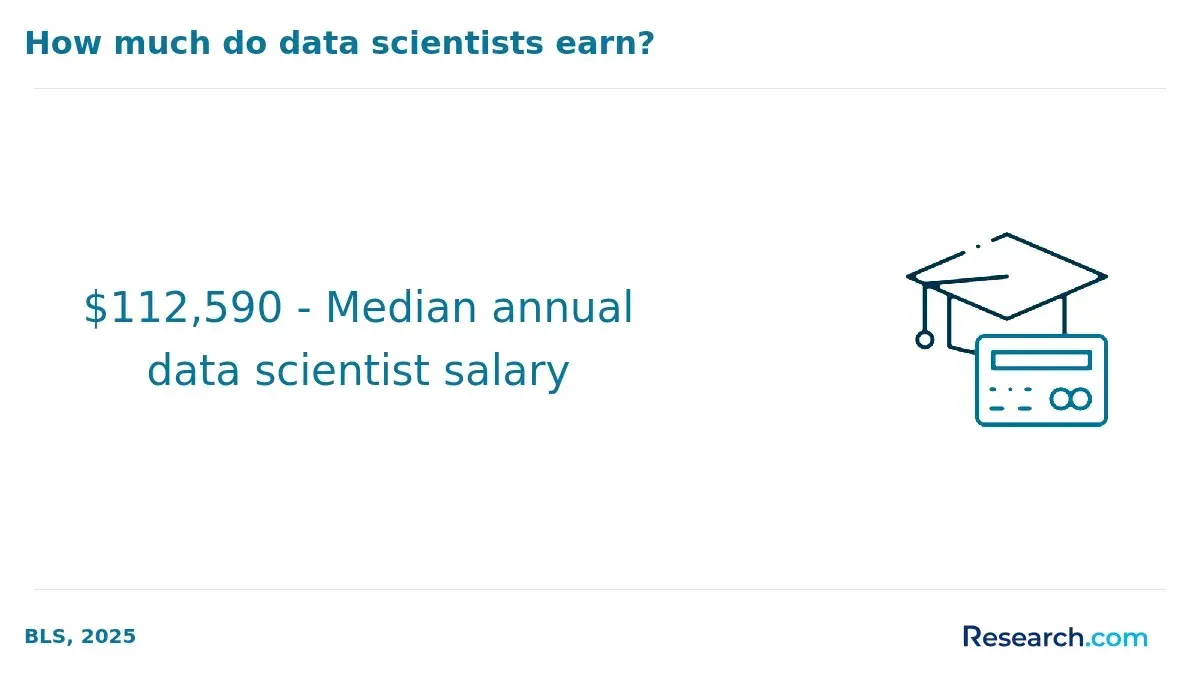
Students should review individual program requirements carefully, especially as some offerings are tailored to emerging AI specializations such as machine learning or robotics. For those interested in related fields, exploring data science degrees can provide complementary opportunities and insight into this evolving landscape.
How do online AI bachelor's degrees compare in cost and financial aid options to traditional campus programs?
Online AI bachelor's degree cost comparison shows that the annual tuition for online programs typically ranges from $15,000 to $30,000, which is significantly less than traditional campus programs that can cost between $25,000 and $55,000 per year. This affordability makes online degrees more accessible to many students, particularly those balancing work or family commitments. Financial aid options such as federal grants, scholarships, and loans are available for both online and campus students, although some state and institutional scholarships may be limited to on-campus enrollees. Prospective students should verify specific aid availability with individual schools.
Additional savings for online programs come from reduced commuting, housing, and campus fees, although students must consider technology costs like high-speed internet and suitable devices. Many universities now offer dedicated scholarships specifically for online AI programs to attract remote learners, helping reduce net costs further. Comparing total expenses, including hidden fees, is crucial before enrollment.
Financial aid options for AI online programs often mirror those of traditional settings, but online formats provide greater flexibility for working professionals, allowing them to study without interrupting employment. Some employers also offer tuition reimbursement for online degrees, which can ease loan repayment. Checking with employers about education benefits is wise for students balancing study and work commitments.
For those exploring affordable schools, institutions listed among the cheapest engineering colleges may offer competitive pricing and strong AI program options.
What core coursework and specializations are included in fast-track online AI bachelor's curricula?
Fast-track online artificial intelligence bachelor's degree curriculum emphasizes foundational computer science and mathematics alongside specialized AI topics. Core coursework typically covers programming languages like Python and Java, data structures, algorithms, linear algebra, calculus, and statistics to develop essential computational and analytical skills.
Specializations in online artificial intelligence degrees often include machine learning, neural networks, natural language processing (NLP), robotics, and computer vision. Programs usually incorporate classes on databases, software engineering, and AI ethics to prepare students for practical applications. Many degrees encourage hands-on learning through project-based courses or capstone projects that focus on AI system design and reinforcement learning models.
According to LinkedIn's 2024 Jobs Report, machine learning, neural networks, and natural language processing remain the most demanded AI technical skills among bachelor's degree holders. Accelerated programs typically integrate both theory and practical application, often requiring summer or winter sessions to complete the degree within three years.
Students seeking advanced education should consider coursework aligned with industry standards to gain competencies essential for the fast-evolving AI landscape. For those comparing expenses, exploring options like a cheapest online cyber security degree may offer insights into affordable pathways for technology-focused degrees.
What is the job outlook and employment demand for graduates with online AI bachelor's degrees?
The job outlook for graduates with online AI bachelor's degrees is exceptionally positive. The U.S. Bureau of Labor Statistics projects a 35% growth rate for AI and machine learning specialist roles through 2032, significantly outpacing the average for all occupations. Demand spans industries like healthcare, finance, automotive, and technology, where AI skills enable intelligent systems, process automation, and enhanced decision-making.
Graduates can pursue careers such as AI engineer, data scientist, machine learning engineer, or AI research analyst. Expertise in areas like neural networks, natural language processing, and computer vision strengthens employability in competitive markets. Those transitioning from related fields like software development or data analysis gain from the focused knowledge provided by an AI bachelor's degree, enabling more advanced technical and strategic roles.
Salary prospects reflect this demand, with entry-level AI specialists earning above-average pay and senior management roles reaching six-figure incomes. Staying current through certifications in emerging AI tools supports career growth and stability. Programs offering practical training and updated AI curricula prepare graduates to meet these needs effectively, especially in sectors like automated industries, cybersecurity, and AI-driven product development.
How much can AI bachelor's degree holders expect to earn across different entry-level positions and industries?
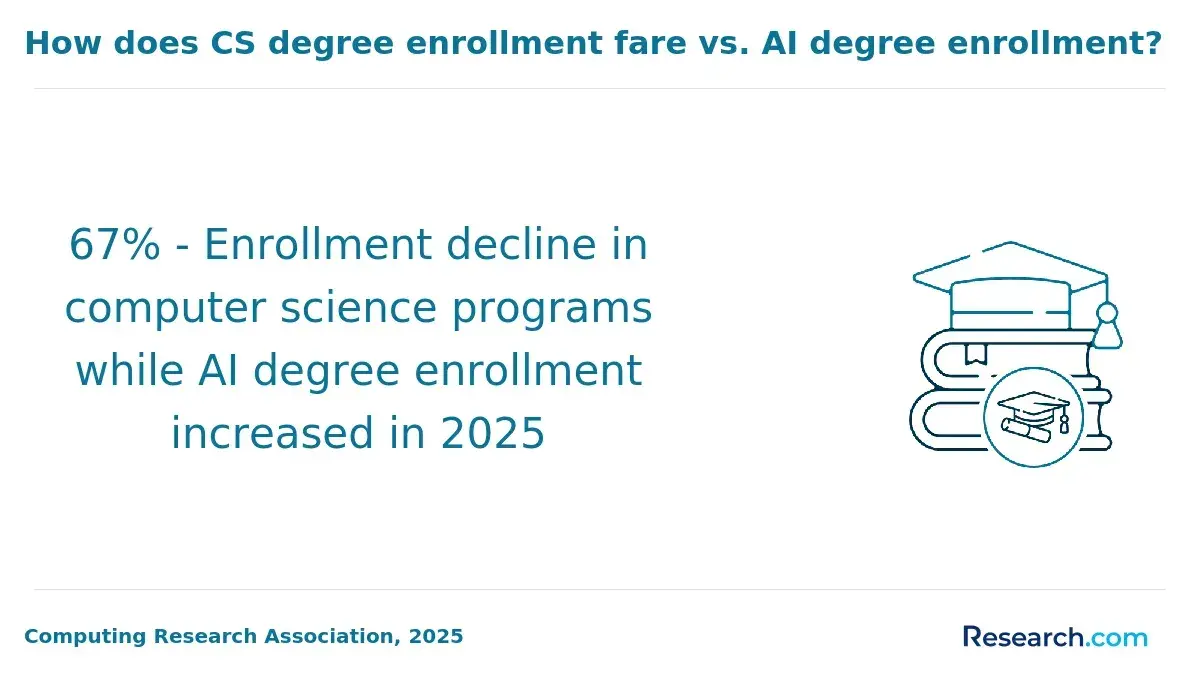
Entry-level bachelor's degree holders in artificial intelligence can expect starting salaries between $95,000 and $120,000 according to Glassdoor's 2025 salary data. Jobs in tech-including AI engineer, machine learning engineer, and data scientist-typically offer the highest pay, with many graduates at established companies or startups earning near or above $110,000. Outside the core tech industry, sectors like healthcare, finance, and automotive also hire AI specialists, though salaries usually range from $95,000 to $105,000. Roles such as AI application specialist or risk modeling analyst are common in these fields.
Salaries vary based on location, company size, and job responsibilities. Major metropolitan areas with a strong tech presence generally pay more than smaller markets. Entry-level roles might include AI research assistant, natural language processing specialist, or robotics programmer.
Graduates aiming to maximize earning potential should focus on industries heavily investing in AI and machine learning while acquiring complementary skills like cloud computing or software development. Continuing education and certifications post-graduation can accelerate salary growth and open pathways to advanced roles.
What professional certifications or credentials should complement an accelerated online AI bachelor's degree?
Professional certifications significantly boost the practical skills and employability of graduates with an accelerated online AI bachelor's degree. Cloud certifications like AWS, Google Cloud, and Azure are especially important. According to the Cloud Computing Industry Forum, 68% of AI professionals hold at least one cloud certification alongside their degrees. These credentials prove competence in managing AI applications on scalable cloud platforms, a vital skill in today's job market.
Alongside cloud certifications, credentials in data science and machine learning can enhance career prospects. Certifications such as Certified Data Scientist (CDS) and Google's Professional Machine Learning Engineer showcase expertise in working with complex datasets and building predictive models, complementing AI theory. Security certifications like CompTIA Security+ and Certified Information Systems Security Professional (CISSP) prepare graduates to handle AI system vulnerabilities effectively.
Programming language certifications, particularly in Python, as well as certifications in TensorFlow or PyTorch frameworks, equip graduates with essential coding skills for AI model development. Notable examples include the TensorFlow Developer Certificate and Microsoft's Python programming certifications.
For those targeting leadership or specialized roles, project management certifications such as PMP and Agile Scrum Master support the ability to lead AI-focused teams and projects with agility and efficiency.
Combining an accelerated AI degree with these industry-recognized certifications aligns graduate qualifications with employer expectations in sectors emphasizing cloud services, data security, and scalable AI solutions.
How do employers view online AI degrees compared to traditional degrees when hiring?
Employers now increasingly value online artificial intelligence degrees from accredited institutions as equivalent to traditional degrees. A 2024 survey by the Society for Human Resource Management (SHRM) found that 72% of employers consider online degrees equally when evaluating AI and technical candidates. This shift is largely due to enhanced accreditation standards and improvements in online education quality.
Hiring decisions prioritize skills, project experience, and institutional reputation over whether a degree was earned online or on campus. It is essential that online AI programs are accredited by recognized bodies such as ABET or regional accreditors. For instance, an online AI bachelor's degree from a reputable state university is typically regarded as comparable to an on-campus degree.
Some employers still emphasize resumes that reflect collaboration through internships or industry partnerships. Online students should seek virtual internships and capstone projects to demonstrate practical skills effectively. Working professionals can also leverage their job experience alongside their degree to enhance their candidacy.
Job seekers should research employer preferences in their sector and location. Networking on professional platforms and earning certifications in AI technologies alongside the degree can improve employment prospects. Recruiters may be cautious about less-known institutions with limited accreditation, underscoring the importance of verified credentials.
In summary, holding an accredited online AI degree is no longer a disadvantage in the U.S. job market. Clear communication of skills and maintaining strong practical experience remain vital to meeting employer expectations successfully.
What flexible learning formats and scheduling options do accelerated online AI programs offer working adults?
Accelerated online AI bachelor's programs for working adults emphasize asynchronous learning with flexible schedules to fit professional and personal commitments. According to Coursera's learner survey, 81% of working adults prefer asynchronous courses with flexible deadlines over live sessions. This format allows students to access lectures, assignments, and exams anytime, enabling study around work hours and family needs.
Many programs offer multiple start dates and self-paced options, allowing faster progress when schedules permit. Some universities enable students to complete modules in weeks rather than months by intensifying coursework or taking overlapping classes, reducing total degree completion to under three years.
Optional synchronous elements like live discussions and virtual office hours are often scheduled across multiple time zones, blending the benefits of live interaction with self-directed learning convenience.
Challenges such as unpredictable work shifts and caregiving duties are addressed by providing recorded lectures and digital collaboration tools, ensuring no required absences from important content. Schools also increasingly offer personalized academic advising and technical support tailored to online learners' time constraints.
Choosing programs with strong asynchronous offerings, flexible pacing, and comprehensive digital resources helps working professionals efficiently complete accelerated AI degrees without compromising quality or engagement.
How can prospective students evaluate the quality and reputation of online AI bachelor's degree programs?
Accreditation is a key factor when evaluating online ai bachelor's degree programs. Only 12% of such programs have STEM accreditation through ABET, which confirms the curriculum meets industry standards and prepares students for technical roles. Equally important are faculty qualifications; instructors with terminal degrees in computer science, AI, or related fields indicate strong academic rigor. Reviewing faculty research interests helps gauge how well the program aligns with emerging AI technologies.
Transparency in curriculum is essential, with quality programs providing detailed course descriptions that cover computer science, machine learning, data analysis, and ethics in AI. Interdisciplinary courses involving statistics or cognitive science enrich the learning experience. Graduation and employment rates offer valuable insight-programs that share job placement and graduate study acceptance data demonstrate effectiveness. Access to internships or cooperative education tied to tech companies enhances practical skills.
Student support services such as tutoring, career counseling, and technical help directly affect retention and success. Inquiring about these resources before enrolling is advisable. Reputation matters too; strong alumni networks and industry partnerships, along with affiliations with recognized professional organizations, add credibility. Considering these factors helps identify programs delivering competitive, current AI education suitable for accelerated completion.
Other Things You Should Know About Artificial Intelligence
Many accredited institutions now offer fully online artificial intelligence bachelor's degrees with no mandatory in-person components. These programs use interactive platforms, virtual labs, and remote proctoring to replace traditional classroom experiences. However, it is essential for prospective students to verify that their chosen program supports 100% online delivery, especially for practical assignments or capstone projects.
To enroll in a fast-track online AI bachelor's degree in 2027, you typically need a high school diploma or equivalent. Some programs may require a background in mathematics or computer science, ensuring preparedness for advanced AI topics and intensive coursework within a condensed timeframe.
Transfer credit can reduce an online AI bachelor’s degree by as much as 60 semester credits at many U.S. institutions. Programs usually require official transcripts, a minimum 2.0 GPA, and course-by-course evaluation before they apply credits toward the major or general education requirements.
References
- AI in Higher Education: A Meta Summary of Recent Surveys of Students and Faculty https://sites.campbell.edu/academictechnology/2025/03/06/ai-in-higher-education-a-summary-of-recent-surveys-of-students-and-faculty/
- Despite AI Cutting Entry-Level Roles, These Graduate Careers Remain in High Demand https://www.investopedia.com/despite-ai-cutting-entry-level-roles-these-graduate-careers-remain-in-high-demand-11913594
- Is Online College Cheaper? - Intelligent https://www.intelligent.com/best-online-colleges/is-online-college-cheaper/
- Top AI Certifications for 2026: A Guide to Advancing Your Tech Career | DataCamp https://www.datacamp.com/blog/top-ai-certifications
- 23 Top AI Certifications to Know | Built In https://builtin.com/articles/ai-certification
- How Employers View Online Degrees: Interviews with Nine Hiring Executives https://www.onlineeducation.com/features/how-employers-view-online-degrees
- Best Online AI Degrees: 2025 Rankings & Program Directory - MastersInAI.org https://www.mastersinai.org/degrees/online-artificial-intelligence-degrees/
- AI Online Learning: The Future of Flexible Education https://www.elearningcollege.com/elearning-blog/ai-online-learning-flexible-education
- Fastest AI Master’s Programs for 2026 (1 Year or Less) https://aidegreeprograms.org/rankings/fastest-ai-masters-programs/
- Entry Level AI Jobs Salary 2026: 15 Powerful & High-Growth Roles With Surprising Pay | What Beginners Earn in US, UK, Canada, Australia https://abhyashsuchi.in/entry-level-ai-jobs-salary-2026-salary-roadmap/