2027 Accredited Online Graphic Design Degree Programs for Working Adults: Flexible, Part-Time, and Self-Paced Options

Co-Founder and Chief Data Scientist
Choosing an online graphic design degree while working full time is a scheduling, cost, and career decision-not just a school search. College Board's 2024 Trends in College Pricing report lists average published tuition and fees at $11,610 for in-state public four-year colleges and $43,350 for private nonprofit colleges, so format and transfer credit can materially affect affordability. This guide is for adults comparing accredited online graphic design programs, part-time pacing, self-paced courses, workload, costs, accreditation, and career outcomes so they can choose a program that fits both their calendar and long-term creative goals.
Key Things You Should Know
- Accreditation should come first: choose a regionally accredited institution, then check whether the design program has optional specialized recognition such as NASAD; this affects federal aid eligibility, credit transfer, and employer confidence.
- Working adults usually need realistic pacing: a 120-credit bachelor's degree may take about 4 years full time, 5 to 6 years part time, or less if the school accepts substantial transfer credit, while one online course often requires about 9 to 15 hours of weekly work.
- Cost varies widely: 2024 published tuition averages were $11,610 for in-state public four-year colleges and $43,350 for private nonprofit colleges, so compare total tuition, fees, software, hardware, portfolio expenses, and financial aid before enrolling.
What Is an Accredited Online Graphic Design Degree Program and Why Does Accreditation Matter?
An accredited online graphic design degree program is a college program delivered fully or mostly online by an institution recognized by an approved accrediting agency. The degree may be an associate degree, bachelor's degree, Bachelor of Fine Arts, Bachelor of Arts, Bachelor of Science, master's degree, or MFA, depending on the school and career goal.
For working adults, accreditation is not a formality. It is the quality-control layer that affects whether you can use federal financial aid, transfer credits to another institution, qualify for many employer tuition benefits, and apply to graduate programs later. In graphic design, the most important baseline is institutional accreditation, usually regional accreditation. Specialized accreditation from the National Association of Schools of Art and Design may add credibility, but it is not required for every legitimate design program.
Graphic design programs typically cover visual communication, typography, color theory, branding, digital imaging, publication design, web design, motion graphics, user experience basics, portfolio development, and professional practices. Online students usually complete projects using tools such as Adobe Creative Cloud, Figma, or comparable design software. The best programs do not simply teach software shortcuts; they teach concept development, critique, visual problem-solving, accessibility, and how to build a portfolio for real clients or employers.
This table shows the main accreditation checks adults should make before applying. It separates what is essential from what is useful but not always required.
| Accreditation or approval item | Why it matters | How to interpret it |
| Institutional accreditation | Supports federal aid eligibility, transferability, and academic legitimacy | Treat this as non-negotiable for degree programs |
| Programmatic art and design accreditation | May signal external review of curriculum, faculty, facilities, and student work | Helpful for comparison, but absence does not automatically mean the program is weak |
| State authorization for online learning | Confirms the school can enroll online students in your state | Ask admissions if your state is approved before paying an application fee |
| Employer tuition assistance approval | Some employers reimburse only accredited or preapproved schools | Confirm with HR before enrollment, not after the first term |
A common mistake is assuming that "online" and "accredited" mean the same thing. They do not. A program can be online and unaccredited, accredited but not transfer-friendly, or accredited but poorly matched to your schedule. Verify the institution in the U.S. Department of Education's accreditation database and ask the school directly which accreditor covers the degree-granting institution.
Which Flexible Graphic Design Degree Formats Are Best for Working Adults: Part-Time, Full-Time, or Self-Paced?
The best format depends on how predictable your weekly schedule is, how quickly you want to graduate, and how much structure you need to stay on track. "Flexible" can mean several different things: asynchronous classes, evening live sessions, part-time enrollment, accelerated terms, competency-based pacing, or self-paced course windows.
Part-time online study is usually the safest option for adults working full time because it spreads the workload across more terms. Full-time study can work if your job is flexible, your family responsibilities are limited, or you can reduce work hours. Self-paced study can be powerful for motivated learners, but it can also backfire if you need fixed deadlines or instructor feedback at regular intervals.
This comparison can help you match program format to your real schedule rather than the schedule you wish you had.
| Format | Best fit | Trade-off | Typical workload pattern |
| Full-time online | Adults who can treat school like a second full-time commitment | Fastest standard path, but harder with full-time work | Multiple courses at once with frequent deadlines |
| Part-time online | Working adults with steady job and family obligations | Slower completion, but more sustainable | Often 1 to 2 courses per term |
| Asynchronous online | Learners who need to study before work, after work, or on weekends | Still has weekly due dates and critique deadlines | Flexible log-in times with scheduled assignments |
| Live online or synchronous | Students who learn better through real-time discussion and critique | Less flexible if class meetings conflict with work | Set meeting times plus independent project work |
| Self-paced or competency-based | Independent learners with strong time-management habits | May include completion limits, subscription terms, or fewer live interactions | Variable pace based on progress and assessment |
Before choosing a flexible format, ask the school for specific scheduling rules. These questions are especially important for design courses because critique cycles, software labs, and portfolio reviews may be more structured than general education classes.
- Ask whether courses are asynchronous, synchronous, or a mix of both.
- Confirm whether projects have weekly deadlines, milestone deadlines, or open completion windows.
- Ask how critiques work for online students and whether attendance is required.
- Find out whether part-time students receive the same portfolio advising and career services as full-time students.
- Check whether self-paced courses have maximum completion periods, subscription billing, or minimum academic progress rules for financial aid.
If you are comparing flexible programs across fields, you will notice similar trade-offs in options such as MFT masters programs: faster formats can save time, but they may reduce scheduling flexibility if they rely on fixed cohorts, clinical requirements, or compressed terms. Graphic design students should apply the same logic to studio deadlines and portfolio reviews.
What Are the Admission Requirements for Accredited Online Graphic Design Degree Programs?
Admission requirements vary by degree level and school selectivity. Many online associate and bachelor's programs are designed for adults and transfer students, so they may use a broader admissions review than campus-based art schools. However, design-focused programs may still ask for creative samples, a portfolio, or a statement explaining your interest in visual communication.
Most undergraduate online graphic design programs ask for a core set of materials. Use this list to prepare early, especially if you have older college credits or have been out of school for several years.
- High school diploma, GED, or equivalent documentation
- Official transcripts from high school and every college previously attended
- Minimum GPA requirement, which may vary by institution and degree level
- Application form and fee, unless the school offers a waiver
- Portfolio or creative samples for BFA, selective BA, or upper-division admission
- Statement of purpose or short essay explaining academic and career goals
- English placement, math placement, or general education readiness requirements
- Technology access confirmation, especially for design software and computer specifications
Portfolio expectations differ widely. Some programs admit beginners and build portfolio skills during the first year. Others expect applicants to submit design, drawing, photography, illustration, web, or branding samples before admission. If you are changing careers and do not yet have design work, ask whether personal projects, mock brand systems, digital art, or continuing education assignments can be included.
Transfer applicants should pay close attention to transcript evaluation. A school may accept general education credits easily but require a separate review for studio or design courses. This matters because repeating studio foundations can add both time and cost. Ask whether prior credits apply to major requirements, electives, or only general education.
Do not hide gaps in your education or work history. Adult-focused programs are used to applicants who took time away for employment, caregiving, military service, or financial reasons. A clear explanation of what has changed and how you plan to manage online coursework can strengthen your application.
How Much Does an Online Graphic Design Degree Cost, and What Financial Aid Options Are Available?
The cost of an online graphic design degree depends on tuition, residency status, transfer credits, program length, technology fees, course materials, software subscriptions, and hardware. College Board's 2024 Trends in College Pricing report lists average published tuition and fees at $11,610 for in-state public four-year institutions, $30,780 for out-of-state public four-year institutions, and $43,350 for private nonprofit four-year institutions. Those figures are not graphic-design-specific, but they show why public online programs and transfer-friendly pathways can be financially important.
- Average published in-state public four-year tuition and fees: $11,610
- Average published out-of-state public four-year tuition and fees: $30,780
- Average published private nonprofit four-year tuition and fees: $43,350
- Maximum federal Pell Grant for the 2024-25 award year: $7,395
Those prices are sticker prices, not necessarily what you will pay after grants, scholarships, employer tuition assistance, military benefits, or transfer credits. For working adults, the key is to compare total cost to completion, not just cost per credit. A lower per-credit tuition rate can become expensive if the school accepts few transfer credits or requires many additional studio courses.
Graphic design students should also budget for design-specific costs. These may include a laptop capable of running design software, Adobe Creative Cloud or comparable tools, drawing tablets, cloud storage, printing, portfolio hosting, font licenses, stock assets, and capstone presentation materials. Ask whether software is included in tuition or billed separately.
Financial aid options may include several sources. Review each one before assuming that an online program is unaffordable.
- Federal Pell Grants for eligible undergraduate students
- Federal Direct Loans, including subsidized and unsubsidized loans when available
- State grants or scholarships for residents attending approved institutions
- Institutional scholarships for transfer students, adult learners, military-affiliated students, or creative portfolios
- Employer tuition reimbursement or direct billing programs
- Veterans education benefits, if applicable
- Payment plans that spread tuition across a term
A useful affordability question is whether the degree supports your next career step without forcing you into excessive debt. If you later plan graduate study in a design-adjacent or management field, compare undergraduate borrowing carefully with the cost of inexpensive masters programs so you do not overuse loans before reaching your highest intended credential.
Common cost mistakes include focusing only on tuition, ignoring fees, underestimating software and hardware needs, enrolling before transfer credits are evaluated, and assuming employer reimbursement will apply automatically. Get a written cost estimate, a transfer-credit audit, and a financial aid package before making a final decision.
How Long Does It Take to Complete an Online Graphic Design Degree, and Can Transfer Credits Help You Graduate Faster?
A bachelor's degree in graphic design commonly requires about 120 credits. Full-time students usually finish in about 4 academic years, while part-time working adults may take 5 to 6 years depending on course load, term length, and transfer credits. Associate degrees often require about 60 credits and may take about 2 years full time or longer part time.
Transfer credit can be the biggest time-saver for adults who started college previously. General education credits are often easier to transfer than design studio credits, but policies vary. Some schools accept prior learning, military training, professional certifications, or portfolio-based credit, while others require all major courses to be completed in residence.
This table summarizes common completion scenarios. Treat these as planning ranges, not promises, because your timeline depends on transfer evaluation, course availability, prerequisites, and how many courses you can manage each term.
| Student profile | Likely path | What can shorten the timeline | What can extend the timeline |
| No prior college credit | Full bachelor's sequence from foundations to capstone | Summer terms and full-time enrollment | Part-time pacing or limited course availability |
| Associate degree completed | Upper-division bachelor's completion if credits align | Articulation agreement and accepted general education block | Studio courses that do not meet major requirements |
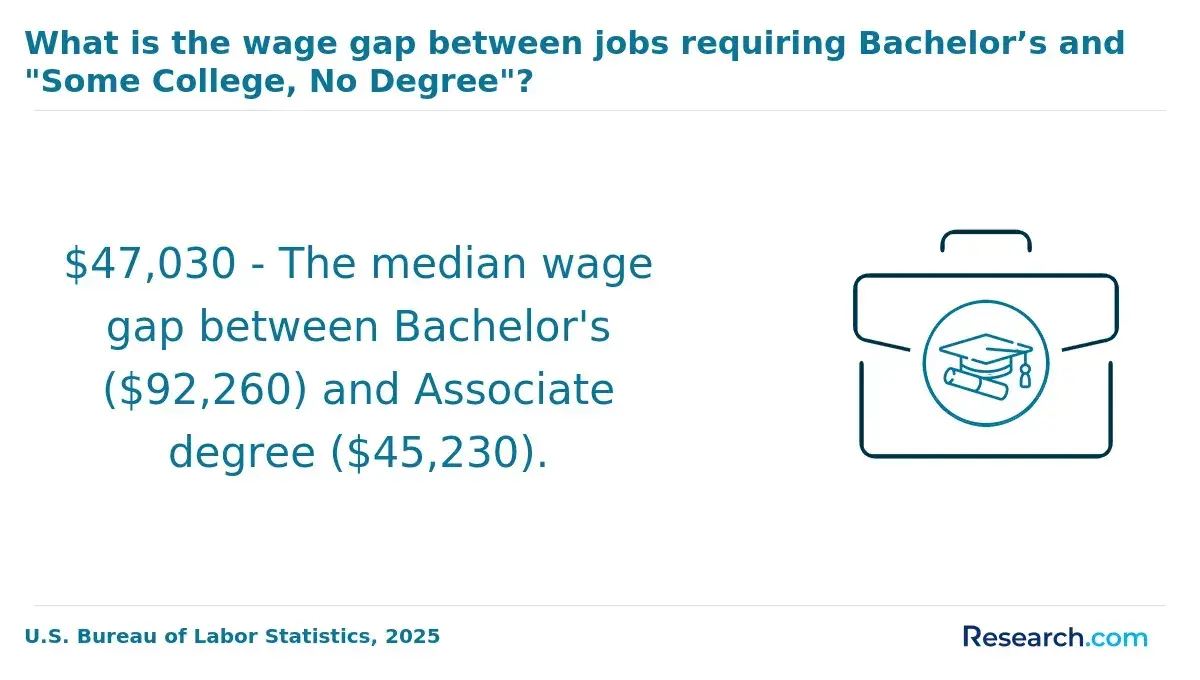
| Some college, no degree | Mixed general education and design major plan | Transfer audit before enrollment | Expired, non-equivalent, or low-grade credits |
| Career changer with unrelated degree | Second bachelor's, certificate-to-degree path, or graduate bridge | Waived general education requirements | Foundation art and design prerequisites |
To maximize transfer credit, follow a step-by-step process before committing to a school. This is especially important if your goal is to graduate quickly without sacrificing portfolio quality.
- Request official transcripts from every college you attended.
- Ask each target school for a preliminary transfer-credit evaluation before enrollment.
- Separate general education, elective, and major-course credits in the evaluation.
- Ask whether studio courses require portfolio review for transfer equivalency.
- Confirm the minimum number of credits you must complete at the new institution.
- Ask whether transfer credits affect scholarship eligibility, cohort placement, or graduation timeline.
Acceleration is useful only if it remains realistic. Adults considering later graduate options, including a one year masters degree, should avoid rushing through undergraduate design coursework so quickly that they finish without a strong portfolio. In creative hiring, the portfolio often carries as much weight as the credential.
What Should You Look for When Comparing Accredited Online Graphic Design Degree Programs?
When comparing accredited online graphic design degrees, look beyond the program brochure. The strongest option is the one that combines legitimate accreditation, a manageable schedule, transparent costs, relevant curriculum, responsive faculty, and a portfolio-building structure that supports your career goal.
Use the following checklist to evaluate programs consistently. It will help you compare schools on factors that directly affect working adults.
- Institutional accreditation verified through an approved accrediting agency
- Clear online format, including asynchronous, synchronous, hybrid, or self-paced expectations
- Part-time pathway that does not delay required courses unnecessarily
- Transparent tuition, fees, software, and hardware requirements
- Transfer-credit policies that distinguish general education from design major credit
- Curriculum covering typography, branding, digital design, UX basics, accessibility, and portfolio development
- Faculty with professional design experience and online teaching experience
- Regular critique opportunities with instructors and peers
- Career services that support creative resumes, portfolios, internships, freelancing, and interviews
- Graduation or capstone requirements that produce employer-ready work samples
This table highlights red flags and better alternatives. It can help you avoid programs that sound flexible but may not support completion or career readiness.
| Red flag | Why it matters | Better alternative |
| Accreditation is vague or difficult to verify | You may risk aid eligibility and credit transfer | Choose a school with clearly listed institutional accreditation |
| "Self-paced" is advertised without deadline details | You may face hidden completion limits or financial aid issues | Ask for written pacing, term, and satisfactory progress rules |
| No portfolio review or capstone | You may graduate without polished work samples | Look for structured portfolio courses and critique cycles |
| Software and hardware costs are unclear | Design programs can require expensive tools | Request a technology cost sheet before enrolling |
| Career services are generic | Creative hiring requires portfolio-specific preparation | Choose programs offering design-specific career advising |
Some adults discover that a broader degree may fit better than a pure graphic design major, especially if they want to combine design with business, communications, marketing, technology, or nonprofit work. In that case, comparing affordable online interdisciplinary studies degrees can be useful, particularly when the program allows a design concentration or transfer-friendly elective plan.
A good final test is simple: can the admissions advisor explain exactly how your weekly schedule, transfer credits, tuition, software needs, and portfolio milestones will work from the first term to graduation? If the answer is unclear, keep asking or compare another school.
What Career Opportunities and Salary Potential Can You Expect With a Graphic Design Degree?
A graphic design degree can support careers in visual communication, branding, advertising, publishing, web content, digital product teams, social media, packaging, motion graphics, and in-house creative departments. It may also help freelancers formalize their skills and build a stronger professional portfolio.
The U.S. Bureau of Labor Statistics reported a median annual wage of $58,910 for graphic designers in May 2023, with the data published in its 2024 occupational updates. This figure is a national median, not a guarantee. Pay depends on industry, location, experience, portfolio quality, software skills, and whether the role focuses on print, digital, UX, or brand systems.
This table outlines common design-related career paths and what employers may look for. It is meant to help you connect degree choices with practical job targets.
| Role | Typical responsibilities | Degree and portfolio emphasis |
| Graphic designer | Create layouts, brand assets, marketing visuals, and publication materials | Typography, branding, composition, and production-ready portfolio pieces |
| Digital designer | Design web graphics, social media assets, email visuals, and digital campaigns | Digital workflows, responsive design basics, and platform-specific samples |
| UX or UI designer | Design interfaces, wireframes, prototypes, and user flows | UX research basics, interaction design, accessibility, and case studies |
| Art director assistant or junior art director | Support campaign concepts, visual direction, and brand execution | Concept development, campaign systems, and collaborative project work |
| Freelance designer | Serve clients through logos, websites, brand kits, print assets, and digital content | Client-ready portfolio, pricing knowledge, contracts, and business communication |
Current trends are reshaping design work. AI image generation, template-based design platforms, and automation are changing entry-level production tasks, but they also increase the value of designers who can think strategically, edit critically, apply brand standards, design accessibly, and explain creative decisions. For working adults, this means a degree should teach more than software; it should build judgment, communication, and portfolio case studies.
Not every online degree should lead to the same type of career. Adults exploring helping professions may compare options such as fastest online MSW programs, while design-focused students should judge programs by portfolio outcomes, critique quality, and alignment with creative job markets rather than speed alone.
A graphic design degree may be worth it if you need a recognized credential, structured critique, a stronger portfolio, access to internships, or a pathway into design roles that prefer bachelor's-level education. It may be less worthwhile if you already have a strong portfolio, need only one narrow software skill, or cannot commit enough weekly time to produce high-quality project work.
How Can Working Adults Balance a Graphic Design Degree With Full-Time Work and Family Responsibilities?
Balancing a graphic design degree with full-time work requires more than "good time management." Design courses are project-based, which means workloads can expand near critiques, revisions, and portfolio deadlines. A realistic plan should protect regular work blocks, family time, and recovery time.
Start by estimating your weekly capacity. A single 3-credit online course often requires about 9 to 15 hours per week when reading, software practice, project development, critique participation, and revisions are included. Studio-heavy courses may feel uneven: one week may be light, while the week before a final critique can be demanding.
These strategies are practical for adults who cannot simply pause work or family responsibilities while enrolled.
- Begin with one course in your first term if you have not studied online before.
- Use a shared calendar for work shifts, family obligations, live sessions, critique deadlines, and project milestones.
- Break design projects into concept, draft, feedback, revision, and export stages instead of saving work for the final weekend.
- Create a dedicated software practice routine so technical problems do not derail major assignments.
- Tell your instructor early if a work emergency affects a deadline, and ask about the formal late-work policy before you need it.
- Schedule critique participation like a meeting because peer feedback is often part of your grade and your learning process.
- Reassess your course load after each term rather than assuming the same pace will work every semester.
Adults should be cautious with accelerated terms. Shorter sessions can be convenient, but they compress the same project expectations into fewer weeks. If your job has seasonal peaks, choose lighter course loads during those periods and save more demanding studio courses for calmer terms.
Family support also matters. If possible, explain your weekly school schedule to household members before classes begin. Design work can look like casual computer time from the outside, so it helps to clarify when you are drafting, revising, attending critique, or preparing portfolio files.
What Student Support Services and Online Learning Resources Should You Expect From a Graphic Design Degree Program?
Strong support services can determine whether an online graphic design program is manageable for working adults. Because design education relies on feedback, technology, and portfolio development, online students should receive more than recorded lectures and a learning platform login.
Ask each school how support works for students who study during evenings, weekends, or outside normal business hours. The following services are especially important.
- Online orientation that explains the learning platform, critique tools, file submission rules, and design software access
- Academic advising for part-time sequencing, transfer credits, prerequisites, and graduation planning
- Technical support with evening or weekend availability, especially for file uploads and software access
- Library access to design databases, image resources, citation help, and research guides
- Writing support for design rationales, case studies, resumes, and professional communication
- Portfolio advising from faculty or career staff with design-industry knowledge
- Career services for creative resumes, LinkedIn profiles, interview preparation, freelance basics, and employer connections
- Accessibility services for students who need accommodations in online courses or critique formats
- Mental health or wellness resources for students balancing school, employment, and caregiving
Online learning resources should also support collaboration. Look for programs that use discussion boards, recorded critiques, video feedback, shared whiteboards, peer review tools, and project management workflows similar to professional design environments. A program that teaches remote collaboration can be especially relevant because many design teams now work across hybrid or distributed settings.
Before enrolling, ask whether online students have equal access to faculty office hours, student design organizations, competitions, exhibitions, job boards, and alumni networks. If the school's strongest opportunities are available only on campus, the online format may not deliver the same value.
Do Online Graphic Design Degree Programs Include Internships, Practicums, or Other Hands-On Learning Requirements?
Many online graphic design programs include hands-on learning, but the format varies. Some require internships, while others use capstone projects, simulated client briefs, portfolio courses, service-learning projects, or faculty-reviewed final exhibitions. Because graphic design is portfolio-driven, hands-on work is not optional in practice even when an internship is not formally required.
Internships can be valuable for working adults, but they need careful planning. If you already work full time, ask whether the program allows remote internships, evening or weekend project work, workplace-based projects, freelance client work, or alternatives such as a supervised capstone.
These questions can help you evaluate hands-on requirements before enrollment.
- Ask whether an internship is required, optional, or replaceable with a capstone or practicum.
- Confirm the number of required hours and whether they must occur during standard business hours.
- Ask whether remote internships or local placements are allowed for online students.
- Find out who is responsible for securing the placement: the student, the school, or both.
- Ask whether current employment can count if your job includes approved design responsibilities.
- Confirm whether unpaid internships are permitted and whether they create financial hardship.
- Ask how the internship or capstone contributes to your final portfolio.
Hands-on learning should produce evidence of skill. By graduation, you should have polished projects that show research, concept development, design iterations, final execution, and reflection. Employers often want to see how you think, not only what the final image looks like.
A red flag is a program that promises convenience but has no meaningful critique, capstone, internship, or portfolio review. Flexibility is important, but a design degree should still help you build professional-quality work that can be shown to clients, employers, or graduate admissions committees.
Other Things You Should Know About Graphic Design
In 2027, most accredited online graphic design degree programs do not require proficiency in drawing as a prerequisite. They typically focus on foundational design skills, and offer courses on digital tools and software for both beginners and advanced learners. Creative thinking and an interest in design are more crucial for success.
Most students need a reliable computer that can run professional design software, enough storage for large files, and access to tools such as Adobe Creative Cloud, Figma, or similar platforms. Always check the school's technology requirements before buying equipment.
Yes, 2027 online graphic design degree programs typically require applicants to submit a portfolio showcasing their creative work. This portfolio should include at least five to ten pieces that demonstrate proficiency in design principles and software skills relevant to graphic design.
Coursework for 2027 online graphic design programs is typically assessed through projects, digital portfolios, and presentations rather than traditional exams. Students may be required to submit a portfolio demonstrating their skills in software and design principles at the end of each module.
References
- Graphic Design Courses: Top Universities, Fees, Scholarships https://www.aeccglobal.com/study-abroad/courses/graphic-design
- Graphic Design - Graphic Design - Bachelor - SAN University https://san.edu.pl/bachelor/graphic-design/graphic-design
- Training Design Graphic BAC+3 - ESMA https://www.esma-artistique.com/en/trainings/multimedia-graphic-design/
- Online Graphic Design Degree Programs and Job Outlook - OEDB.org https://www.oedb.org/rankings/online-graphic-design-programs/
- 2025's Best Online Master’s in Graphic Design Programs https://www.onlinemastersdegrees.org/best-programs/graphic-design/
- Tuition & Payments Options | CG Spectrum https://www.cgspectrum.com/tuition-payment-options
- Graphic design - Vistula University https://vistula.edu.pl/en/major/graphic-design
- Financial Aid | Online Art & Graphic Design | Sessions College https://www.sessions.edu/financial-aid/
- How Online Degrees are Changing the Job Market - CLaaS2SaaS https://claas2saas.com/blog/how-online-degrees-are-changing-the-job-market/
- 2025 Most Affordable Online Graphic Design Degrees https://www.onlineu.com/most-affordable-colleges/graphic-design-degrees