2027 Hybrid vs Fully Online AI Master's Degrees

Co-Founder and Chief Data Scientist
Choosing between hybrid and fully online AI master's degrees in 2027 presents a challenge for professionals aiming to transition into the AI field without disrupting their current careers or personal obligations. Time constraints, geographical limitations, and the need for accredited programs complicate this decision. Prospective students must evaluate how each format impacts learning outcomes, networking opportunities, and access to resources.
This article examines key differences between hybrid and fully online AI master's programs, offering insights on flexibility, curriculum quality, and career support. It aims to guide readers in selecting the best path to a credible and adaptable AI education.
Key Things You Should Know
- Hybrid AI master's programs blend online flexibility with in-person labs, appealing to 65% of U.S. students seeking hands-on experience alongside remote learning.
- Fully online AI master's degrees offer a 40% lower average cost and increased accessibility, attracting working professionals balancing career and education.
- Completion rates for hybrid programs average 78%, higher than the 67% for fully online, reflecting stronger student engagement and peer collaboration in hybrid formats.
What is the difference between hybrid and fully online AI master's degree programs?
The primary difference between hybrid and fully online AI master's degree programs benefits lies in the mode of course delivery and student engagement. Hybrid programs combine in-person classes with online coursework, requiring periodic campus attendance. This model appeals to those balancing remote learning with face-to-face interaction, offering access to physical resources like labs and group projects essential for mastering applied skills such as machine learning and robotics. On the other hand, fully online programs offer maximum flexibility, making them ideal for students with geographic or professional constraints. These programs rely heavily on virtual labs, simulations, and asynchronous discussion forums to simulate hands-on learning.
Enrollment trends show a rising interest in hybrid programs, which are growing at twice the rate of fully online formats. This reflects a demand for a blend of scheduling flexibility and experiential learning. Prospective students should consider their personal schedules and learning preferences, as well as career goals, when selecting a program. Professionals needing direct mentorship and collaboration may find hybrid formats better suited, while those prioritizing flexibility might prefer fully online AI master's degree flexibility. For those exploring career paths, an applied artificial intelligence degree can open diverse opportunities in this rapidly evolving field.
Which accredited universities offer hybrid or fully online master's degrees in artificial intelligence?
In the United States, 47 universities offer accredited master's degrees specifically focused on artificial intelligence or AI-related fields. Among these, several institutions provide hybrid master's degrees in artificial intelligence from accredited universities, such as Johns Hopkins University, which blends online classes with on-campus labs to suit working professionals seeking hands-on experience. Northeastern University and Stevens Institute of Technology also offer hybrid formats combining asynchronous online coursework with periodic in-person sessions for networking and practical training.
Fully online master's programs in artificial intelligence offered by accredited institutions include the Georgia Institute of Technology's master's in computer science with an AI specialization, allowing flexible access for students without relocating. Columbia University and the University of Florida also provide fully online degrees relying on virtual labs and interactive platforms that support remote learning.
Prospective students should carefully evaluate program accreditation, faculty expertise, and curriculum focus, as some programs emphasize general machine learning while others specialize in fields like natural language processing or computer vision. Hybrid programs benefit those needing campus access or local networking, whereas fully online degrees offer geographic flexibility.
Given the limited availability of AI-specific master's programs nationally, aligning course content with job market demands is essential. For insights into cost-effective schooling options, explore the data science ranking to compare affordability and value among top programs.
What are the typical admission requirements for online and hybrid AI master's programs?
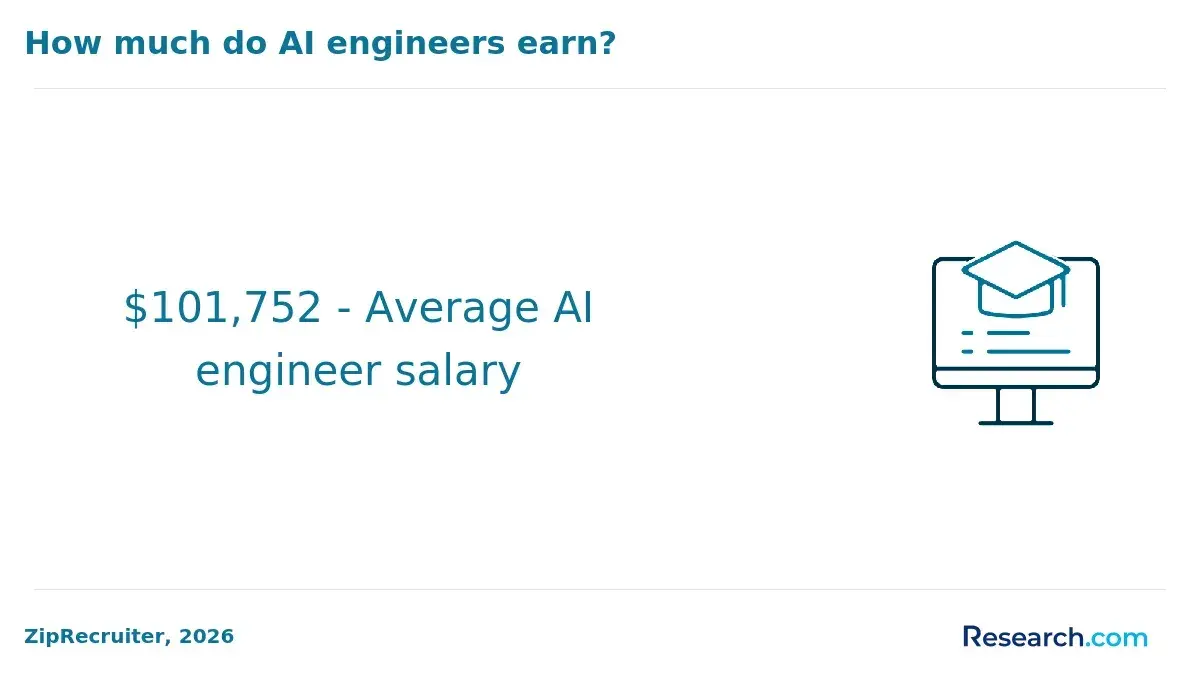
Typical admission requirements for hybrid AI master's programs often include a minimum undergraduate GPA, with 73% of online AI master's programs requiring at least a 3.0 GPA. This standard helps ensure applicants have the academic foundation necessary for advanced study. Additionally, 68% of programs expect prior coursework in mathematics or computer science, covering subjects like calculus, linear algebra, discrete mathematics, programming, or data structures to prepare students for technical challenges in AI.
Application criteria for online AI master's programs can also include GRE scores, letters of recommendation, and a statement of purpose detailing motivations and career goals in AI. Some programs value professional experience in technology or related fields and may admit applicants who demonstrate expertise despite less formal academic background.
Applicants lacking strong computer science or math backgrounds may need to complete prerequisite courses, sometimes through online bridge modules, to build essential skills. International students must prove English proficiency with TOEFL or IELTS scores and show degree equivalency.
Given the complexity of admission requirements, prospective students should carefully assess specific program expectations early. Those interested may also explore options for an affordable online engineering degree as a pathway to prepare for AI studies and related fields.
How long does it take to complete a hybrid or fully online AI master's degree?
Hybrid and fully online AI master's degrees typically take between 1.5 to 3 years to complete, depending on program structure and student pacing. The time to complete hybrid AI master's degree programs often follows a semester-based system with set course progressions, resulting in longer durations of around 2 to 3 years. In contrast, a fully online artificial intelligence master's program usually offers more flexible scheduling, enabling students to accelerate their studies or take heavier course loads. This flexibility allows some students to finish in as little as 18 months.
Students should carefully evaluate these pacing models. Cohort-based hybrid formats provide a strong community but limit speed, while self-paced online programs require self-discipline but offer faster completion. Part-time study paths generally extend the duration beyond three years. Additionally, some online degrees provide accelerated tracks or summer sessions, further reducing time to graduation.
When choosing between hybrid and fully online degrees, prospective students must also consider credit requirements and transfer policies, as these impact overall program length. Programs with fewer required credits or acceptance of prior graduate coursework typically shorten the path to completion.
Those interested in learning more about affordable options can explore online masters data science programs, which often share similarities in pacing and flexibility with AI degrees.
What is the average cost of hybrid versus fully online AI master's degrees in the United States?
The average total cost for hybrid AI master's degrees in the US ranges from $55,000 to $75,000, while fully online programs usually cost between $35,000 and $50,000. This roughly 40% price difference reflects the additional expenses tied to hybrid formats, such as campus visits, administrative fees, and facility use (College Board, 2024). Hybrid programs offer benefits like in-person faculty access, networking, and hands-on labs, but these come at a premium.
Fully online AI master's degrees tend to be more flexible and economical by eliminating costs related to commuting and housing. Additional fees, including technology surcharges and differential tuition rates, may further increase the cost gap. Prospective students should weigh these factors alongside their personal schedules, budgets, and learning preferences.
Evaluating return on investment involves considering program reputation, industry connections, curriculum depth, and graduation success. A $20,000 cost difference might be justified if hybrid programs provide stronger career support or specialized research facilities. For those balancing full-time jobs or tighter budgets, fully online degrees offer rigorous training with greater affordability.
Transparency about total costs-including living expenses for hybrid students-is crucial for responsible decision-making when pursuing advanced AI education.
What coursework and technical skills are covered in online AI master's programs?
Online AI master's programs emphasize core technical skills for applied and research roles. Machine learning is foundational, included in 84% of programs according to the Coursera Skills Index (2024). Students gain expertise in algorithms, supervised and unsupervised learning, and model evaluation. Deep learning, covered by 79% of programs, offers hands-on experience with neural networks, convolutional networks, and recurrent architectures, enabling complex models for image recognition, speech processing, and autonomous systems.
Natural language processing (NLP) appears in 71% of curricula, training learners to handle text data, language modeling, sentiment analysis, and chatbot development. Practical assignments often utilize popular frameworks like TensorFlow and PyTorch. Additionally, students study data mining, statistical analysis, and reinforcement learning to make data-driven decisions.
Programming proficiency is emphasized, with Python, R, and Julia commonly taught. Ethical AI, model interpretability, and deployment strategies address challenges such as bias and scalability. Many programs offer electives in computer vision, robotics, and AI system design for specialized career paths.
Project-based learning is central, often requiring capstones or thesis work to demonstrate applied problem-solving skills. Prospective students should assess course rigor and hands-on opportunities to prepare for roles in industry, research labs, or advanced AI development.
What career paths and job titles are available to graduates of online AI master's programs?
Graduates of online AI master's programs pursue various career paths across more than a dozen job categories. Roles such as machine learning engineer, AI researcher, and data scientist make up 58% of placements, according to the LinkedIn Workforce Report, 2024. Machine learning engineers design algorithms to enable software learning, AI researchers develop new methodologies to advance AI capabilities, and data scientists extract insights from large datasets using AI tools.
Other common careers include AI software developers who integrate AI into applications, robotics engineers combining AI with mechanical systems, and natural language processing specialists enhancing human-machine communication. AI product managers connect technical teams with business strategies, system architects create scalable AI infrastructures, and AI ethicists ensure responsible AI deployment.
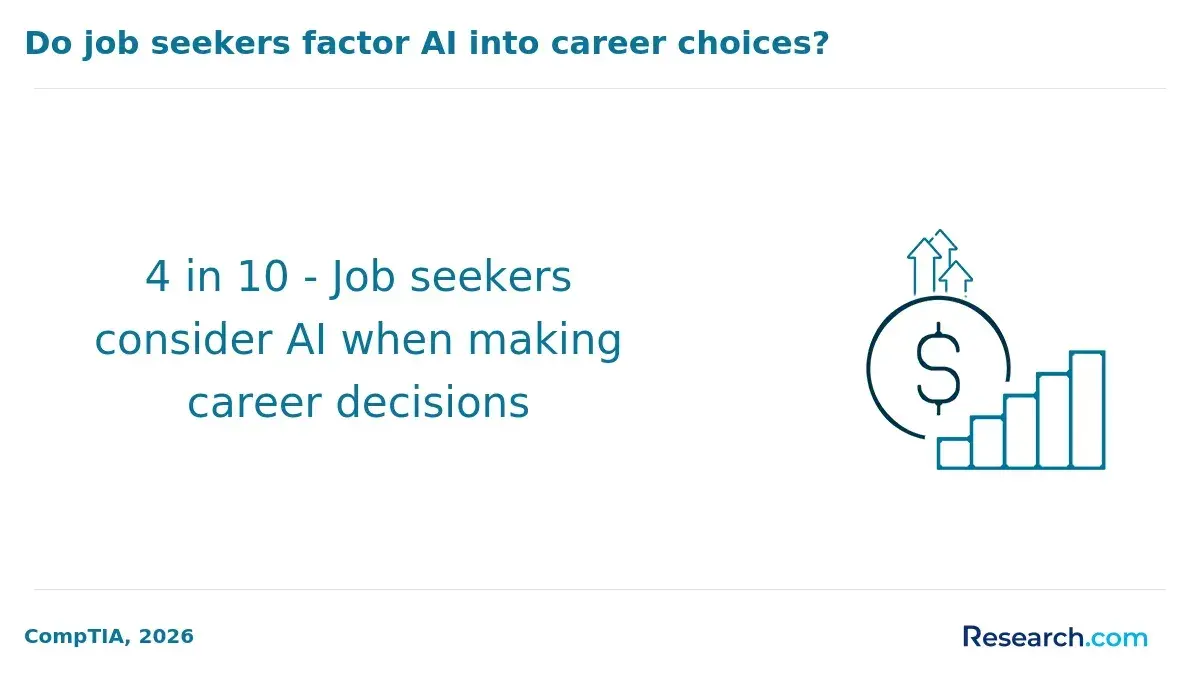
Candidates transitioning careers should consider their strengths and interests. Those adept in statistics and coding may favor data science or machine learning engineering, while those inclined toward research might pursue AI researcher or algorithm developer roles. Key skills in Python, TensorFlow, PyTorch, and cloud AI platforms are highly sought. Practical experience from online projects or internships is essential for competitiveness.
Understanding AI applications in sectors like healthcare, finance, and autonomous systems further sharpens career focus and employability.
What is the salary potential for professionals with an online or hybrid AI master's degree?
Professionals with an online or hybrid Artificial Intelligence master's degree often enjoy a notable salary advantage early in their careers. According to Levels.fyi, holders of such degrees typically earn a median starting salary of $128,000, representing a 52% premium over bachelor's degree holders in comparable AI roles. This reflects strong employer demand for advanced AI skills.
This salary benefit spans various sectors, including tech, finance, healthcare, and government. For instance, data scientists with an AI master's in hybrid roles often command higher starting salaries than peers without graduate credentials. Similarly, AI-focused software engineers working remotely see comparable income advantages.
Beyond initial pay, those with AI master's degrees experience faster income growth, as they often take on critical projects and leadership roles that lead to quicker promotions and salary increases within three to five years.
Hybrid programs can also reduce opportunity costs by allowing students to balance work and study, effectively enhancing net earnings potential while gaining valuable, job-relevant skills.
Industry differences matter: fields like autonomous vehicles and machine learning research generally offer higher starting salaries than less technical AI applications. Examining these nuances helps prospective students assess the return on investment of online or hybrid AI master's degrees.
How strong is the job market demand for AI master's degree holders in 2027?
The demand for AI master's degree holders continues to outpace supply by a 3:1 ratio, creating a competitive advantage for graduates with advanced AI education. Job postings for AI specialists surged by 74% year-over-year, indicating rapid growth across various sectors such as technology, healthcare, finance, and manufacturing. Positions like machine learning engineers, AI research scientists, and data strategists require expertise in areas including natural language processing, computer vision, and predictive analytics.
Graduates of both hybrid and fully online AI master's programs benefit equally if their curriculum includes strong practical components such as hands-on projects or internships. These experiences help align candidates with employer expectations and improve job prospects. Networking through alumni and industry partnerships also remains crucial for securing roles in competitive companies.
Working professionals pursuing part-time or hybrid master's programs can leverage this demand while continuing employment, positioning themselves advantageously in the job market. Candidates with both theoretical knowledge and applied skills are poised to receive multiple job offers and negotiate better salaries and benefits.
What certifications or professional credentials complement an online AI master's degree?
Certifications and professional credentials add significant value to an online AI master's degree by validating practical skills and mastery that go beyond academic achievements. Employers increasingly prefer candidates with certifications, with 68% of those hiring for AI roles now requiring or strongly preferring at least one industry certification alongside a master's degree, a notable rise from 41% just two years prior.
Widely recognized certifications include the Certified Artificial Intelligence Professional (CAIP) and the IBM AI Engineering Professional Certificate, which emphasize applied skills such as machine learning deployment, natural language processing, and AI system architecture. The Google Professional Machine Learning Engineer credential is also highly regarded for assessing a candidate's ability to design and productionize machine learning models.
For those aiming at specific sectors, certifications like the Microsoft Certified: Azure AI Engineer Associate prove expertise in deploying AI solutions on cloud platforms, especially valued by enterprises using Microsoft Azure. Related credentials in data science (Certified Data Scientist) or cybersecurity (Certified Information Systems Security Professional, CISSP) can broaden career opportunities where interdisciplinary knowledge is essential.
Acquiring these certifications typically requires completing online courses, hands-on projects, and passing proctored exams. They demonstrate to employers that candidates possess current, job-ready skills, making certification pursuit an important strategy for AI graduates seeking to enhance their competitive edge in the job market.
Other Things You Should Know About Artificial Intelligence
Hybrid AI master's programs typically include on-campus sessions or labs that allow students to engage in hands-on projects and collaborate directly with peers and faculty. Fully online programs often use virtual labs, remote access to software, and project-based coursework to provide practical experience. Both formats aim to equip students with applied skills, although hybrid programs may offer more direct interaction with hardware or in-person teamwork.
Fully online AI master's degrees from accredited and well-known universities are increasingly recognized as credible by employers, especially when programs emphasize rigorous coursework and real-world projects. The COVID-19 pandemic accelerated acceptance of remote learning credentials, but reputation and accreditation remain key factors. Graduates who demonstrate strong skills and relevant experience generally face similar employment prospects regardless of delivery format.
Yes, both hybrid and fully online AI master's degrees are designed to accommodate working professionals, often providing flexible scheduling and asynchronous coursework. Hybrid programs require some in-person attendance but usually arrange sessions to minimize disruption to work commitments. Fully online programs offer the greatest flexibility, enabling students to progress at their own pace while balancing personal and professional responsibilities.
In 2027, hybrid AI master's degrees often have higher costs due to on-campus requirements like facilities and residency fees. Fully online programs can be more economical as they typically eliminate these expenses. Explore options tailored for specific fields, such as a master’s in AI and finance, to find suitable choices.
References
- AI Master Course Guide | Careers, Curriculum & Benefits https://futurense.com/blog/ai-master-course
- Most Affordable Online Master's in AI for 2026 https://aidegreeprograms.org/rankings/affordable-online-ai-masters/
- Master’s in AI: Hype vs Reality in Today’s Job Market (2026 Guide) https://www.edvia.ai/blogs/is-a-master-s-in-ai-worth-it
- Top 10 Careers You Can Pursue With an Online Master’s in AI https://www.ucumberlands.edu/blog/careers-you-can-pursue-with-an-online-masters-in-ai
- Can You Get a Master's in AI Online? | University of Bridgeport https://www.bridgeport.edu/news/can-you-get-an-online-ai-masters/
- Most Affordable Online Master's in AI for 2025 https://www.mastersinai.org/degrees/affordable-online-masters-in-ai/
- 11 Best AI Certifications in 2025 to Deepen Your Technical Knowledge | DigitalOcean https://www.digitalocean.com/resources/articles/ai-certifications
- AI not all 'doom and gloom' for graduates, say businesses https://www.bbc.com/news/articles/cvg33nwy9llo
- 16 Artificial Intelligence Career Paths https://www.calmu.edu/news/artificial-intelligence-career-paths
- Application and admission - Master Artificial Intelligence https://www.uva.nl/shared-content/programmas/en/masters/artificial-intelligence/application-and-admission/international-prior-education/international-prior-education-foldout-menu.html