2027 Online AI Associate Degrees With Flexible Scheduling

Co-Founder and Chief Data Scientist
Professionals with degrees unrelated to artificial intelligence often struggle to find flexible, accredited programs that enable a career pivot without disrupting their current commitments. Balancing work, family, and education can hinder access to traditional on-campus degrees, slowing entry into a rapidly evolving industry.
Online AI associate degrees with adaptable scheduling address this challenge by offering accessible learning paths. This article examines 2027 options for flexible online AI associate degrees, detailing programs that accommodate diverse schedules and aid career transitions efficiently, helping readers identify suitable opportunities aligned with their professional goals and time constraints.
Key Things You Should Know
- Online AI associate degrees in 2027 offer flexible scheduling, enabling students to balance work, study, and personal commitments efficiently through asynchronous classes and part-time options.
- Programs often incorporate hands-on projects and updated curricula aligned with 2025 industry demands, preparing graduates for entry-level roles in AI development, data analysis, and automation.
- Growing employer demand for AI skills has increased enrollment by over 25% since 2024, reflecting the strong career prospects for graduates from accredited online associate degree programs.
What is an online AI associate degree and how does it differ from a bachelor's degree in artificial intelligence?
An online AI associate degree program with flexible scheduling typically spans two years, focusing on essential skills such as programming, machine learning basics, and data analysis. It is designed for students seeking quick entry into the tech workforce while balancing other commitments.
These programs emphasize practical, hands-on learning through courses like Python programming, AI ethics, and data structures.
The difference between AI associate degree and bachelor's degree lies in their depth and scope. A bachelor's degree takes four years and covers advanced topics including neural networks, robotics, natural language processing, and AI system design. Bachelor's students often engage in research, internships, and electives that allow them to specialize more deeply in specific fields within AI.
Graduates with bachelor's degrees typically qualify for higher-level roles such as AI developers, engineers, and data scientists, whereas associate degree holders might work as AI technicians, data analysts, or software testers.
Labor projections from the U.S. Bureau of Labor Statistics indicate a 15% growth in computer and information technology jobs from 2023 to 2033, generating about 667,600 new positions. This demand spans various education levels and skill sets.
For those wanting a faster path, choosing an associate degree with flexible scheduling can be ideal for gaining applicable skills while continuing to work.
Students curious about accelerated educational routes can explore options like an accelerated CS degree to further their qualifications efficiently.
Which online AI associate degree programs are regionally accredited and recognized by employers?
Regionally accredited online ai associate degrees accredited by regionally recognized institutions play a vital role for candidates aiming for employer recognition and job market success. Agencies such as the Higher Learning Commission (HLC) and the Southern Association of Colleges and Schools Commission on Colleges (SACSCOC) maintain high academic standards, ensuring credible and quality education.
Employers show a clear preference for candidates graduating from regionally accredited programs, as these degrees confirm validated learning outcomes and institutional accountability.
Programs offered by community colleges like Northern Virginia Community College (HLC accredited) and Miami Dade College (SACSCOC accredited) deliver associate degrees in artificial intelligence or related fields, such as computer science with an AI focus. Coursework often includes programming, machine learning, data analysis, and ethics, skills highly relevant to industry demands.
The flexibility of fully online or hybrid course formats suits working professionals and students juggling multiple commitments.
LinkedIn's 2024 Jobs Report highlights ai specialist roles as some of the fastest growing in the U.S., with 74% of hiring managers favoring candidates holding specialized degrees or certifications over general four-year degrees. This reflects the strategic benefit of choosing employer recognized online associate programs in artificial intelligence tailored for career advancement.
Additionally, prioritizing regionally accredited programs helps ensure credit transferability toward bachelor's degrees, broadening long-term education and career opportunities.
Prospective students may also explore related fields and affordability through resources like the best data science undergraduate programs, which often include AI specializations and support informed decision-making.
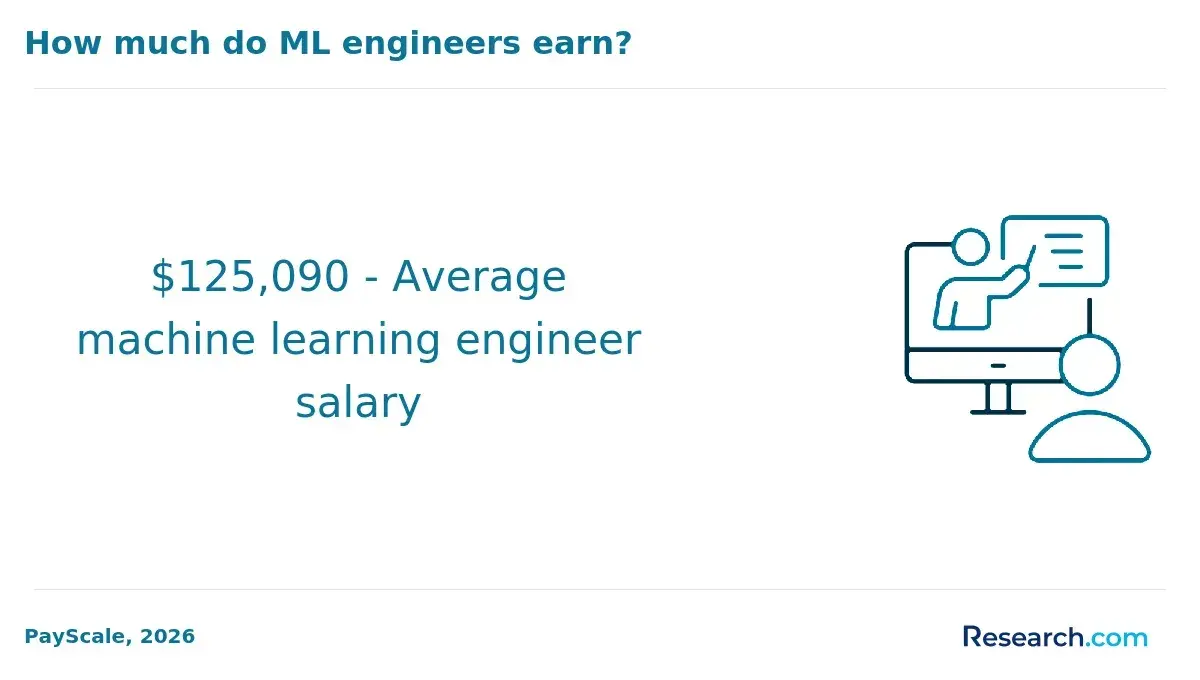
What are the typical admission requirements and prerequisites for enrolling in an online AI associate degree?
Typical admission requirements for an online AI associate degree usually include a high school diploma or GED equivalent. Programs often expect completion of math or science courses like algebra or introductory computer science to ensure foundational skills. Some institutions request standardized test scores such as the SAT or ACT, although test-optional policies are becoming more common.
Additionally, personal statements or proof of interest in artificial intelligence or related fields may be required.
Prerequisites vary, but many programs require prior coursework in mathematics, typically algebra and sometimes statistics, along with basic computer literacy. Familiarity with programming languages like Python is often expected before beginning AI courses. Work experience or certifications in tech fields can sometimes substitute for formal prerequisites.
These flexible scheduling prerequisites for AI associate programs accommodate working professionals returning to education.
Flexible scheduling remains critical for most students. According to the National Center for Education Statistics (NCES), 73% of associate degree students work while enrolled, prompting many programs to offer part-time enrollment, rolling admissions, or asynchronous courses. Applicants may also need reliable computers and internet access, as online AI courses rely heavily on digital platforms and coding environments.
Some schools provide orientation or bridge classes to develop the necessary technical skills before core courses.
Overall, meeting minimum educational qualifications, demonstrating readiness in math and technology, and addressing scheduling needs form the core of online AI associate degree admission criteria. Students seeking affordable options might explore the cheapest engineering degree online as a cost-effective pathway to AI-related fields.
How long does it take to complete an online AI associate degree with flexible scheduling options?
An online ai associate degree completion time typically ranges from 2 to 4 years, largely influenced by whether a student enrolls full-time or part-time. Full-time students generally finish in about 2 years by taking 12 to 15 credit hours per semester.
Meanwhile, part-time students, who often benefit from flexible scheduling for ai associate programs, take closer to 3.5 to 4 years to graduate. This flexibility includes options such as asynchronous classes, evening or weekend courses, and self-paced modules that help students balance work, family, and education.
For example, working professionals enrolled part-time may take 6 to 9 credits each semester, extending their completion time but allowing steady progress. Some programs also offer accelerated tracks or summer courses, giving motivated students opportunities to graduate faster.
Academic advising often helps students select course loads that align with their goals and accommodate their personal and job demands while avoiding burnout.
It's important to review credit requirements closely and explore options like transfer credits or prior learning assessments that can shorten time to completion. Those interested in advancing beyond associate degrees might explore online masters in data science programs as a logical next step in this growing field.
Careful planning and realistic scheduling are key to successfully earning an ai associate degree without sacrificing important life commitments.
What core coursework and technical skills are covered in an online AI associate degree curriculum?
Core coursework in an online AI associate degree covers essential programming languages like Python and Java, which serve as the foundation for AI development. Students learn machine learning fundamentals, including algorithms, supervised and unsupervised learning, and model evaluation.
Data analysis and data structure courses teach how to manage and interpret large datasets, a key skill for training AI models. Mathematics classes focus on linear algebra, calculus, and statistics to provide the theoretical background necessary for AI algorithms.
Technical skills gained include coding for AI, database management, and statistical analysis. Many programs also introduce natural language processing (NLP) and computer vision basics, enabling students to build models that process human language or visual data.
Hands-on labs often involve designing neural networks and using popular AI frameworks like TensorFlow or PyTorch.
Curricula frequently update to reflect industry trends, such as those noted in the World Economic Forum's 2024 Future of Jobs Report, which highlights machine learning, data analysis, and programming as rapidly growing technical competencies. Programs often incorporate cloud computing and data visualization tools to prepare students for real-world applications in healthcare, finance, and robotics.
Those seeking flexibility should verify if courses support asynchronous learning and provide technical support for software. Emphasis on project-based learning ensures graduates can apply skills immediately in the workforce.
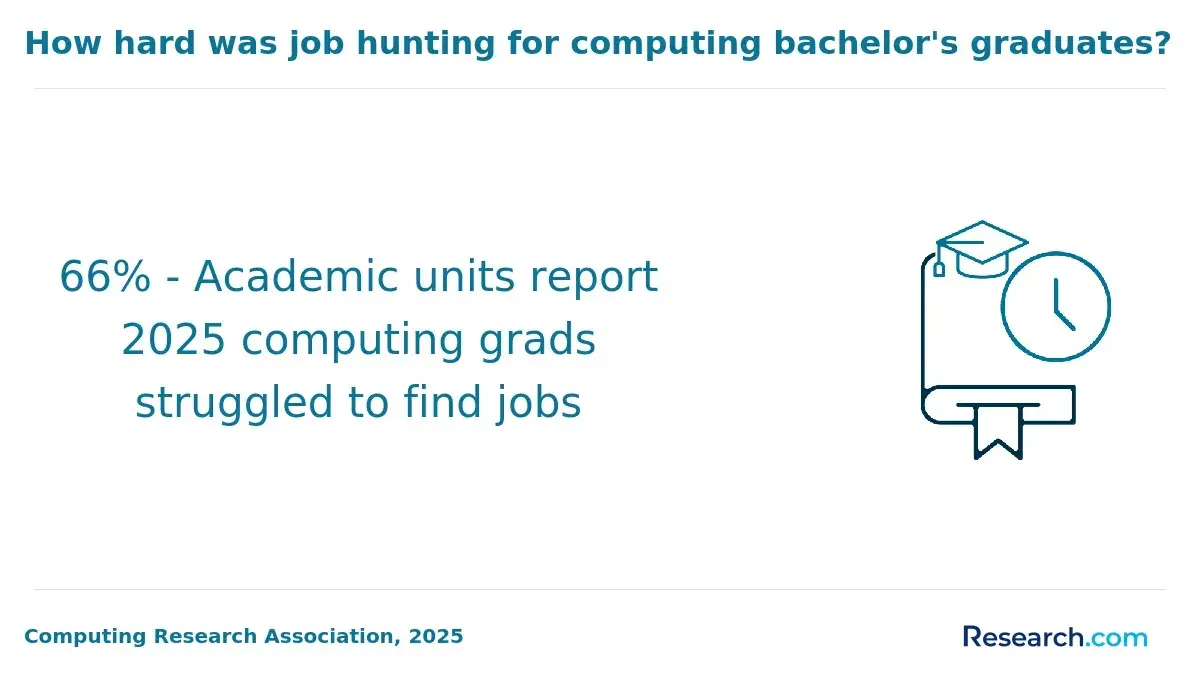
What is the average cost and financial aid availability for online AI associate degree programs?
The average cost of online AI associate degree programs at public two-year colleges in the U.S. is about $3,860 annually for in-state students, totaling roughly $7,720 for the full two-year program, according to data from The College Board. This makes such degrees approximately 75% less expensive than traditional four-year bachelor's degrees. Out-of-state and private college tuition often exceeds $10,000 per year.
Financial aid plays a crucial role in reducing costs. Federal programs like Pell Grants can offer up to $7,395 annually for eligible students, covering most tuition at community colleges. Additionally, many schools provide scholarships focused on STEM and AI-related fields, combined with payment plans and employer tuition assistance, which benefit working professionals.
Early submission of the Free Application for Federal Student Aid (FAFSA) is essential to maximize aid options.
Students should also factor in extra expenses such as technology fees and course materials, which may add several hundred dollars yearly. Comparing costs, scholarships, and financial aid packages across institutions helps identify affordable options. Some community colleges integrate tuition discounts or apprenticeships through partnerships with local companies, further easing financial burdens.
Prospective students can explore these strategies to make online AI associate degrees more accessible and budget-friendly.
What career roles and job titles can graduates pursue with an online AI associate degree?
Graduates with an online AI associate degree can enter diverse entry-level roles in technology sectors such as AI technician, machine learning assistant, data analyst, automation specialist, and AI support engineer. These positions commonly involve supporting AI development, data preprocessing, and system maintenance under supervision.
For instance, AI technicians often help with algorithm implementation and troubleshooting, while data analysts interpret critical datasets for AI training.
Additional roles include AI quality assurance tester, robotics operator, and AI customer support analyst. In these jobs, associate degree holders validate AI outputs, manage robotic processes, or provide technical support for AI-based applications.
These opportunities provide valuable hands-on experience and can lead to advanced careers requiring bachelor's degrees or higher credentials.
Demand for these roles is growing quickly. A recent report highlights a 40% increase in job postings for entry-level AI and machine learning positions over the past two years, with nearly 28% of openings filled by candidates holding associate degrees. Employers value the strong technical foundation and practical skills gained in these programs.
Proficiency in programming languages like Python, knowledge of AI frameworks, and a background in statistics enhance employability. Certifications and hands-on projects within online associate programs further strengthen candidates' prospects.
Graduates may also pursue specialized pathways such as AI data annotation, AI ethics assistant, or junior AI developer across industries including healthcare, finance, and manufacturing.
What is the job outlook and salary potential for AI associate degree graduates in the United States?
The job outlook for graduates with an AI associate degree remains strong, supported by growth in technology-driven industries. According to the U.S. Bureau of Labor Statistics (BLS), computer support specialists with associate degrees earned a median annual wage of $58,190 as of May 2024. AI-focused roles typically pay 18-22% more, with salaries between $68,670 and $70,950, reflecting higher demand for specialized skills.
Positions such as AI technical support specialists, junior machine learning implementation associates, and data technicians are increasingly available as employers integrate automation and AI-driven solutions. Many value hands-on skills gained through associate degree programs, especially when paired with certifications in cloud computing, data analysis, or cybersecurity.
Salary ranges vary by location, industry, and experience. Graduates in metropolitan areas or sectors like healthcare and finance often earn above-average wages. Flexible schedules in AI-related jobs offer advantages for those balancing work and study commitments.
Staying updated with evolving AI technologies is essential for career growth. Combining your associate degree with relevant certifications boosts employability and salary potential. For detailed outlook insights, visit the BLS website.
Are there professional certifications or industry credentials that complement an online AI associate degree?
Professional certifications significantly complement an online AI associate degree by boosting employability and salary potential. According to CompTIA's 2024 Certification Impact Report, IT professionals with certifications earn 15% more on average than those without.
Specifically, AI and machine learning certifications offer the highest return on investment among emerging tech credentials.
Key certifications that align with an AI associate degree are the Certified Artificial Intelligence Practitioner (CAIP), Microsoft Certified: Azure AI Fundamentals, and Google Cloud Professional Machine Learning Engineer. These certifications demonstrate expertise in AI frameworks, model development, and cloud deployment, providing tangible proof beyond classroom learning.
Additional credentials in data science and programming, such as the IBM Data Science Professional Certificate or Python Institute's PCAP, expand technical skills and enhance job market flexibility. Cybersecurity certifications are also valuable, given the importance of securing AI data pipelines.
Students and professionals should choose certifications based on industry relevance and employer demand. Recognized programs offer structured paths and updated content that reflect evolving AI technologies.
Employers increasingly value these credentials as objective qualifiers, reducing hiring risks.
Flexible certification programs can often be completed alongside an associate degree, leveraging course synergy. Early certification pursuit can open entry-level AI roles and accelerate career growth in an increasingly competitive AI job market.
How should prospective students evaluate and compare online AI associate degree programs for quality and fit?
Program accreditation and institutional reputation play a vital role when selecting an online AI associate degree. According to the National Association for College Admission Counseling (NACAC) data, 89% of employers prioritize these factors in candidate screening.
Regional accreditation, such as from the Higher Learning Commission, guarantees academic quality, credit transferability, and improved job prospects.
Coursework must cover core AI topics like machine learning, data analysis, and programming languages including Python. Hands-on projects and collaborations with tech companies enhance practical skills and expand professional networks.
Reviewing course descriptions helps students find programs aligned with their career aspirations.
Students juggling work or family often benefit from programs offering asynchronous classes, multiple start dates, and accelerated pacing. Hybrid models that combine online instruction with occasional in-person labs provide valuable hands-on experience for some learners.
Comparing tuition costs alongside financial aid options such as scholarships or employer reimbursements is important. Access to student support services-academic advising, tutoring, and career counseling-further supports student success.
Evaluating graduate outcomes and job placement rates provides insight into how effectively programs prepare students for AI careers. A careful assessment of all these elements enables informed decisions that balance quality, flexibility, and employability.
Other Things You Should Know About Artificial Intelligence
For most online AI associate degrees in 2027, prior programming experience is helpful but not mandatory. Many programs offer foundational courses designed to teach programming basics, ensuring students without a background can catch up and succeed.
Yes, online AI associate degrees in 2027 may qualify for federal financial aid, including grants and loans, depending on the institution's accreditation and the student's eligibility. Students should fill out the FAFSA form to determine their financial aid options.
Many online AI associate programs use rolling admissions, which means students can start at multiple points during the year. Some schools still use fixed fall or spring start dates. Applicants usually need a high school diploma or GED, an online application, transcripts, and placement or readiness review.
Online AI associate degrees in 2027 typically require completing around 60–65 credit hours. These programs often include core courses in AI, machine learning, and data analysis. Additionally, elective courses may be offered to tailor the degree to specific interests or career paths.
References
- BITS Specialisation in Artificial Intelligence & Analytics | VIT Australia https://vit.edu.au/bits/bits-artificial-intelligence-analytics
- AI Certification Programs: Which Ones Matter for Your Career https://www.businessplusai.com/blog/ai-certification-programs-which-ones-matter-for-your-career
- 16 Artificial Intelligence Career Paths https://www.calmu.edu/news/artificial-intelligence-career-paths
- AI Certificate vs. Degree: Which One Is Right for You - IABAC https://iabac.org/blog/ai-certificate-vs-degree-which-one-is-right-for-you
- How to Evaluate a Student Information System in an AI-First Era https://moderncampus.com/blog/how-to-evaluate-a-student-information-system-in-an-ai-first-era.html
- AGTU | Global Degree Online https://agtu.us/en/programs/undergraduate-programs/computer-science/associate-artificial-inteligence/
- Assuring higher education’s quality in the age of AI is no easy task https://www.eua.eu/our-work/expert-voices/assuring-higher-educations-quality-in-the-age-of-ai-is-no-easy-task.html
- AI Course Duration: How Long Does It Take to Become AI-Ready? https://rcm.ac.in/ai-course-duration-how-long-does-it-take-to-become-ai-ready/
- 11 Best AI Certifications in 2025 to Deepen Your Technical Knowledge | DigitalOcean https://www.digitalocean.com/resources/articles/ai-certifications