2027 Online AI Associate Degrees With No SAT or ACT Requirements

Co-Founder and Chief Data Scientist
Many prospective students face obstacles when applying to associate degree programs due to SAT or ACT score requirements. These standardized tests often create barriers for individuals aiming to shift careers or boost their qualifications quickly.
For working professionals seeking to enter the AI industry, such hurdles can delay or derail timely enrollment. Online programs without these testing demands offer vital flexibility and accessibility, allowing students to focus on developing marketable skills instead of test preparation. This article explores online AI associate degrees available in 2027 that do not require SAT or ACT scores, guiding readers toward practical, accredited pathways into the field.
Key Things You Should Know
- Many accredited online AI associate degree programs in 2026 waive SAT or ACT requirements, increasing access for diverse student populations and easing admission barriers.
- The demand for AI skills is rising, with job growth projected at 23% through 2030, making these degrees valuable for entering tech-driven industries.
- Flexible online formats and affordable tuition options help working professionals and nontraditional students pursue AI education without relocating or interrupting careers.
What are online AI associate degrees and how do they differ from bachelor's degree programs?
Online AI associate degrees no SAT or ACT requirements often attract students seeking quicker entry into the tech workforce. These two-year programs emphasize practical skills like Python coding, neural networks, and algorithm development, preparing graduates for entry-level roles in the fast-growing AI industry.
Unlike bachelor's programs, which generally require standardized tests and emphasize theoretical foundations and extensive math, associate degrees focus more on hands-on learning with projects simulating real-world AI challenges.
The differences between AI associate degree and bachelor's program are significant. Bachelor's degrees span four years, covering advanced topics such as AI ethics, research methods, and specialized fields like robotics or natural language processing. They usually have more rigorous admission standards and provide a broader, more in-depth education.
In contrast, associate degrees serve as a cost-effective pathway, often accessible without traditional testing, which benefits working adults or career changers.
The U.S. Bureau of Labor Statistics projects a 15% growth in computer and information technology jobs from 2023 to 2033, adding about 667,600 new roles. This demand supports varied educational paths in AI. For detailed options and career insights, exploring AI degrees can provide valuable guidance on advancing in this dynamic field.
Which accredited schools offer online AI associate degrees without SAT or ACT requirements?
Several accredited U.S. institutions now offer online ai associate degree programs without SAT or ACT requirements. This growing trend, driven largely by community colleges and technical schools, aligns with the National Association for College Admission Counseling's report showing over 1,800 four-year colleges have moved toward test-optional or test-free admissions.
These programs provide broader access for students seeking flexible paths into AI education.
The best accredited schools for online ai associate degrees no SAT or ACT, such as Northern Virginia Community College and Macomb Community College, offer fully online curricula. These programs focus on foundational computing, introductory machine learning, and data analysis skills, preparing students for entry-level positions or further studies.
Many institutions simplify admissions by prioritizing GPA, work experience, or portfolio review over standardized tests. This approach benefits nontraditional students including working adults and career changers. States like California, Texas, and Michigan feature public community colleges with such flexible policies tied to ai-related associate degrees.
Prospective students should verify regional accreditation and ensure their chosen ai program explicitly waives SAT or ACT requirements, as policies vary. Programs offering hands-on labs and industry partnerships add significant value to the degree.
These no-test associate degrees offer a practical foundation for entering the expanding ai workforce without standardized testing hurdles. For those exploring technical degrees, consider also reviewing online mechanical engineering degrees to complement your skill set.
What are the typical admission requirements for no-test online AI associate programs?
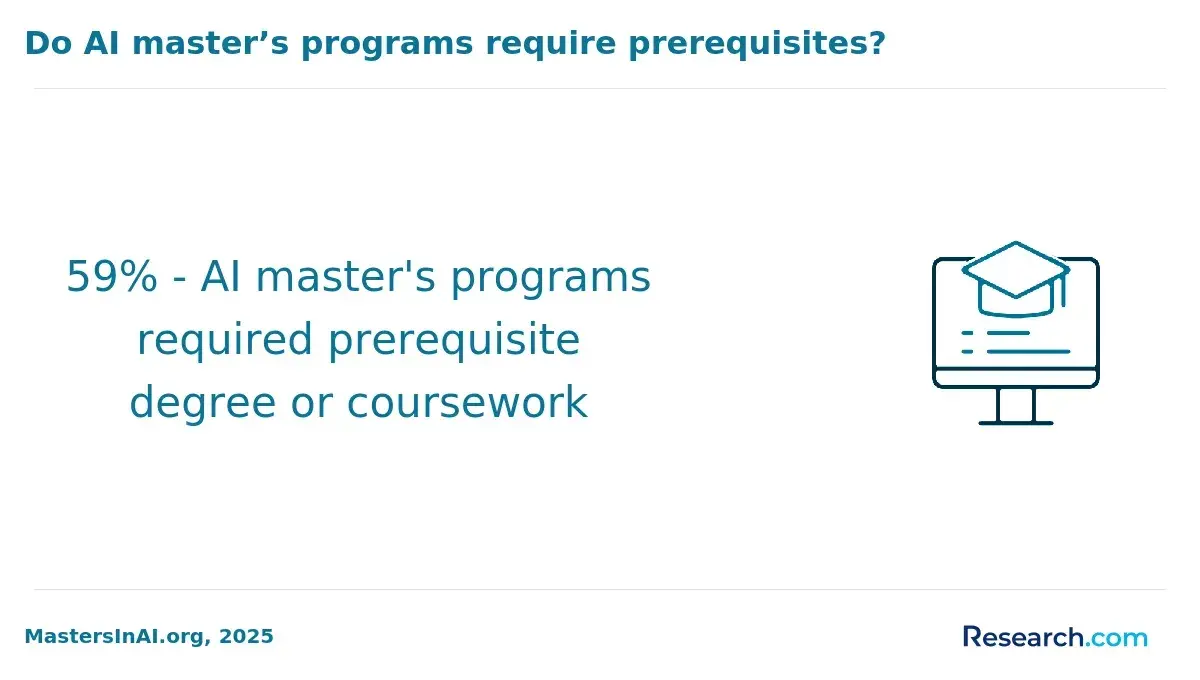
The typical admission requirements for no-test online AI associate degree programs focus mainly on a high school diploma or its equivalent, such as a GED. Most institutions waive SAT or ACT scores but require official transcripts to verify academic history.
Applicants often submit a completed application and may need to demonstrate proficiency in basic computer skills or mathematics, aligning with the technical demands of AI coursework. These criteria are common among online ai associate degree admission criteria.
Some programs include additional steps like placement tests in English or math to assess college readiness. Conditional admission options may be available for students needing to strengthen foundational skills before fully enrolling. While experience or certifications can enhance applications, especially for adult learners or career changers, they are not universal requirements.
Letters of recommendation and personal statements tend to be optional or reserved for highly selective programs, emphasizing access over rigorous evaluation. According to the American Association of Community Colleges, 61% of first-time students enroll without submitting standardized test scores, highlighting flexible approaches in many community colleges.
Applicants should prepare by obtaining official transcripts early and reviewing prerequisite courses. Contacting admissions counselors clarifies specific program requirements and support services for nontraditional or transfer students seeking requirements for no-test online ai associate programs.
Prospective students looking for affordable options can explore a cheap online engineering degree as a practical alternative or complement to AI studies.
What coursework and skills will you learn in an online AI associate degree curriculum?
Online ai programming skills development in associate degree programs centers on mastering foundational coursework vital to the field. Students gain proficiency in programming languages like Python and R, essential for building AI models and handling data. The curriculum typically covers machine learning fundamentals, data structures, algorithms, and database management, establishing a strong computational framework for AI technologies.
The associate degree curriculum for ai fundamentals also includes data analysis techniques that highlight statistical methods and visualization tools to decode complex datasets. Specialized courses often explore natural language processing and computer vision, which apply AI to understanding human language and image recognition.
Ethical issues and AI system design are woven throughout to promote responsible, user-focused solutions.
Hands-on projects provide essential experience with AI frameworks such as TensorFlow and PyTorch, boosting problem-solving skills linked to prompt engineering-crafting inputs that influence AI model output. According to LinkedIn's 2024 Jobs Report, prompt engineering, machine learning, and data analysis are among the fastest-growing skills, with AI-related job postings increasing by 74% year-over-year.
Besides technical knowledge, strong communication and collaboration abilities prepare students to explain AI outcomes to non-technical audiences. Graduates are well-positioned for entry-level roles across industries like healthcare, finance, and technology.
Those interested in expanding their technical education might also explore an accelerated cyber security degree online as a complementary pathway.
How long does it take to complete an online AI associate degree and what are the typical costs?
Online artificial intelligence associate degrees generally take about two years to complete with a full-time course load. Some programs offer accelerated paths, allowing completion in as little as 18 months by taking summer classes or heavier credit loads. Part-time students may require three or more years depending on availability and course options.
Completion time can also vary if students transfer credits from previous coursework or based on transfer agreements between schools.
Tuition costs differ significantly by institution and residency status. Community colleges offer the most affordable option, with average annual tuition and fees around $3,770, which is about 68% less than the $11,750 average for four-year public universities.
Over two years, students at community colleges can expect to pay roughly $7,540, while private or out-of-state schools might charge two to three times that amount. Additional costs include technology fees, textbooks, and necessary software for artificial intelligence courses.
Some institutions offer flat-rate pricing per term rather than per credit, benefiting students with heavier course loads. Financial aid, scholarships, and employer tuition reimbursement programs are valuable resources to explore for managing costs.
Before enrolling, students should consider program length and flexibility, verify exact tuition and fees, and check transfer policies to ensure smooth progression toward a bachelor's degree.
What career roles and job titles can you pursue after earning an online AI associate degree?
An online AI associate degree prepares graduates for diverse careers in data management, machine learning, and automation technology. Common job titles include data analyst, junior machine learning engineer, AI technician, and AI support specialist. These roles typically involve analyzing datasets, developing basic machine learning models, supporting AI deployment, and maintaining algorithm performance.
Data analysts interpret complex data to optimize business decisions, while junior machine learning engineers assist in developing predictive models. AI technicians manage the hardware and software that power AI applications, ensuring smooth operations.
AI support specialists troubleshoot AI-driven tools and assist users in business or IT settings.
According to Glassdoor's Career Trends Report, AI-related roles like data analyst and junior machine learning engineer offer median entry-level salaries from $65,000 to $85,000. This range reflects about 40% higher growth compared to traditional IT support jobs, highlighting strong financial incentives.
Graduates benefit from hands-on project experience alongside academic credentials.
Additional roles include AI quality assurance testers, who identify flaws in AI models, and business intelligence analysts, blending AI data insights with strategic planning. Some graduates shift into sales engineering roles requiring technical knowledge of AI products.
Pursuing internships or certifications in specialized AI software and programming languages like Python can enhance job prospects.
What is the job outlook and salary potential for AI associate degree graduates in 2027?
The job outlook for graduates holding an associate degree in artificial intelligence is exceptionally positive. Data analyst roles, which closely relate to AI positions, are projected to grow 23% from 2023 to 2033, outpacing the average growth rate of 5% across all occupations, according to the U.S. Bureau of Labor Statistics.
This reflects rising demand for experts who can interpret complex datasets, develop AI models, and support AI technologies in various industries.
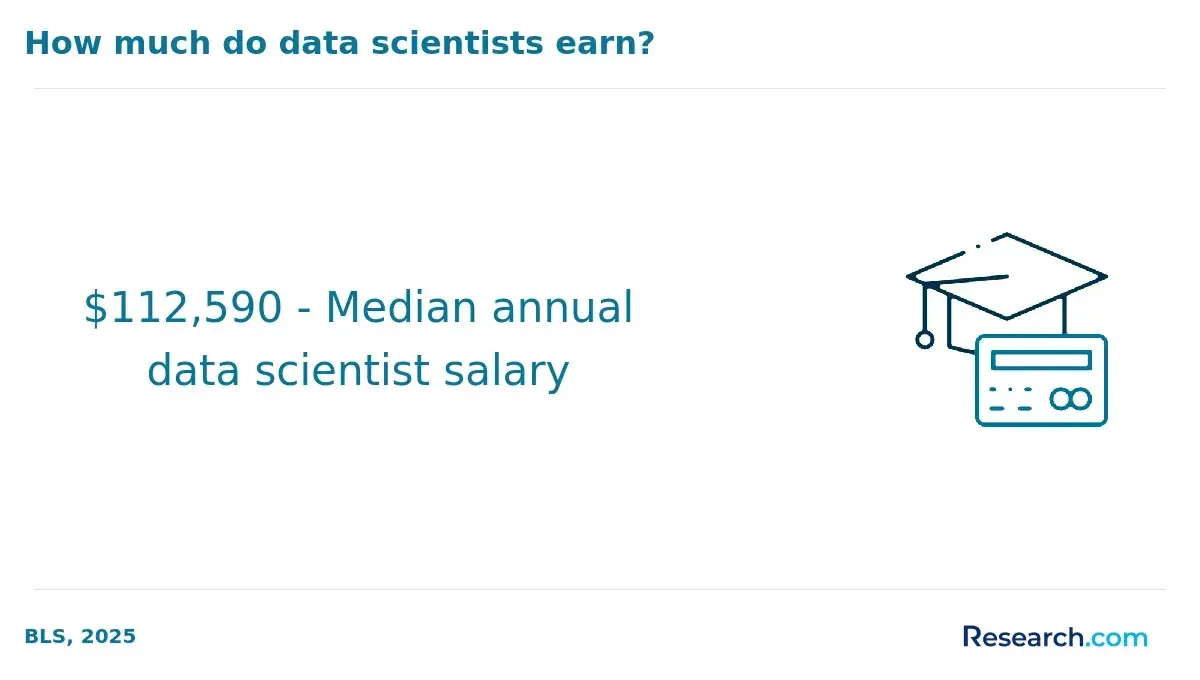
Graduates with this degree often find work in data analysis, machine learning support, AI software testing, and automation system maintenance. Annual starting salaries typically range from $50,000 to $70,000, varying by region and sector.
Industries like healthcare and finance, which heavily invest in AI, tend to offer salaries at the higher end. Skills in programming languages such as Python and familiarity with AI frameworks further enhance earning potential.
Obtaining certifications in specialized AI tools or advancing toward a bachelor's degree can improve career prospects and salary. Employers highly value practical experience and problem-solving skills alongside formal education.
Thus, an associate degree in artificial intelligence provides a strong foundation for immediate employment as well as a pathway to advanced qualifications and opportunities.
Are there industry certifications or professional credentials recommended alongside an AI associate degree?
Industry certifications and professional credentials significantly enhance career prospects when combined with an AI associate degree. These certifications demonstrate specialized skills in specific technologies, making candidates more attractive to employers.
For example, Microsoft Certified: Azure AI Engineer Associate and Google Professional Machine Learning Engineer certifications reflect targeted expertise that complements foundational degree knowledge.
CompTIA's 2024 Cybersecurity Workforce Study reveals that certified professionals earn 15-20% higher salaries and experience 35% faster career advancement compared to those without certifications in tech roles. This highlights the tangible benefits certification adds to an AI-focused career path.
Additional certifications like Certified Analytics Professional (CAP), IBM AI Engineering Professional Certificate, and NVIDIA's Deep Learning AI credentials validate important skills in data analytics, machine learning deployment, and neural networks. These are critical for roles ranging from AI developer to data scientist.
Professional credentials also support ongoing learning to keep pace with evolving AI tools and methodologies, which is essential for working professionals and graduates alike. Students should carefully select certifications aligned with their career goals and industry needs-such as healthcare-related compliance credentials or robotics and computer vision certifications for autonomous systems.
Combining an AI associate degree with relevant, industry-recognized certifications can maximize salary potential and accelerate career growth within the AI sector.
How do you evaluate the quality and reputation of an online AI associate degree program?
When selecting an online AI associate degree program, accreditation is crucial. Choose institutions accredited regionally or nationally by the U.S. Department of Education to ensure academic rigor and transferability of credits. Accreditation also supports eligibility for federal financial aid.
Examine the curriculum carefully to confirm it addresses essential AI topics such as machine learning, data analytics, programming, and ethics. High-quality programs blend theoretical knowledge with hands-on experience through projects or internships, better preparing students for a competitive job market.
Faculty expertise also significantly impacts learning quality. Programs with instructors holding advanced degrees and relevant industry experience typically provide stronger instruction. Many schools provide faculty profiles, aiding in this evaluation.
Delivery format matters: combining synchronous and asynchronous learning formats enhances flexibility and engagement, accommodating diverse learning preferences. According to the National Center for Education Statistics, online degrees show a slightly lower completion rate than in-person programs, highlighting the importance of program design.
Graduation and job placement rates offer insight into a program's effectiveness and industry connections, as do active alumni networks. Lastly, seek student feedback and independent rankings focused on STEM online education to help assess program credibility and value.
What is the difference between regional and national accreditation for online AI associate programs?
The key difference between regional and national accreditation for online ai associate programs lies in transferability and recognition. Regional accreditation, granted by one of six regional accrediting bodies recognized by the U.S. Department of Education, is widely accepted by employers and academic institutions.
This acceptance facilitates credit transfer and further education, with the Council for Higher Education Accreditation reporting a 94% credit transfer acceptance rate between regionally accredited schools, compared to only 23% for nationally accredited ones.
National accreditation is typically applied to career-focused or technical institutions and may have a more limited scope. While nationally accredited ai associate degrees can prepare students effectively for specific entry-level roles, they are often less recognized by traditional four-year universities.
Students aiming to earn a bachelor's degree afterward should prioritize regionally accredited programs to avoid credit loss or having to retake courses.
Employers in ai fields generally prefer regionally accredited degrees for hiring and promotions. However, some nationally accredited programs offer strong industry connections, specialized certifications, and hands-on training in emerging ai technologies, which can be valuable for those targeting immediate workforce entry.
Prospective students should carefully verify accreditation status and consider how it aligns with their education and career goals.
Other Things You Should Know About Artificial Intelligence
Yes, many students can transfer credits earned from an associate degree in artificial intelligence to a bachelor's degree program. However, transfer policies vary by institution, so it is important to verify whether the credits will be accepted. Generally, regionally accredited schools have more recognized transfer agreements, increasing the likelihood of credit acceptance.
Online AI associate degrees are designed with flexibility, making them well suited for working professionals. Courses are often asynchronous, allowing students to study on their own schedules. Additionally, these programs focus on practical skills that can be applied immediately in technology and data-related jobs.
Completing an online AI associate degree in 2027 can lead to entry-level positions such as data analyst, AI technician, or machine learning assistant. Graduates may work in industries like tech, healthcare, or automotive, with opportunities to advance into more specialized roles with further education or experience.
An associate degree in artificial intelligence provides foundational knowledge and skills for entry-level roles in data analysis, machine learning support, and AI software testing. It equips graduates with practical experience in programming and analytical thinking, which are valued in many tech environments. However, some positions may require further specialization or advanced degrees for career advancement.
References
- Salesforce Help https://help.salesforce.com/s/articleView
- Bachelor’s Degree vs. Associate Degree | AIU https://www.aiuniv.edu/degrees/business/articles/bachelors-degree-vs-associate-degree
- How long will the courses take? https://www.elementsofai.com/ie/faq/how-long-will-the-courses-take
- Best AI Certifications in 2025 https://cpoclub.com/career/best-ai-certifications/
- AI Certifications: Accredited Programs, Vendor Credentials, and Emerging Standards - Total Seminars https://totalsem.com/ai-certifications-accredited-programs-vendor-credentials-and-emerging-standards/
- Regional vs National Accreditation: What This Means for You https://www.uopeople.edu/blog/regional-vs-national-accreditation-whats-the-difference/
- 16 Artificial Intelligence Career Paths https://www.calmu.edu/news/artificial-intelligence-career-paths
- Regional Versus National Accreditation FAQ's https://www.uagrantham.edu/blog/regional-versus-national-accreditation-faqs/
- Do AI Degree Programs Worth It?Cost,Time, Career Alternative https://agilefever.com/artificial-intelligence-degree-programs/
- Artificial Intelligence Course Eligibility: Requirements & Prerequisites https://www.mygreatlearning.com/artificial-intelligence/courses/eligibility