2027 Can You Complete an Online Speech Pathology Degree Program While Working Full-Time?

Co-Founder and Chief Data Scientist

Reviewed by Rhea Paul, PhD
SLP Education & Research Expert
Deciding whether to start an online speech pathology degree while working full-time is mostly a question of schedule, clinical requirements, and stamina. The coursework may be online, but speech-language pathology training still includes supervised clinical experience, deadlines, group work, and preparation for certification or licensure. For working adults, the real challenge is not whether online study is possible; it is whether the program is designed well enough to fit around employment without delaying graduation or creating unmanageable stress.
This guide explains what full-time workers should examine before enrolling: program length, asynchronous versus live formats, clinical placement expectations, technology needs, financial aid, employer support, and salary considerations. It is written for career changers, assistants in education or healthcare settings, and professionals who want to advance toward speech-language pathology without leaving the workforce.
Key Benefits of Completing an Online Speech Pathology Degree Program While Working Full-Time
- Flexible scheduling allows full-time workers to balance coursework with job hours, essential for managing clinical practicum in speech pathology without disrupting work commitments.
- Online resources and recorded lectures enable revisiting complex topics, aiding comprehension crucial for mastering speech pathology diagnostics despite limited daytime availability.
- Many programs offer part-time pacing options, reducing burnout risk and supporting professionals applying practical speech pathology skills concurrently with academic progress.
How Long Does It Take to Complete an Online Speech Pathology Degree While Working Full-Time?
Most working students should expect an online speech pathology master's program to take longer than a traditional full-time route. Completion timelines commonly range from about 20 months to 3 years, depending on whether the student enrolls full-time, part-time, or in an extended track designed for working professionals.
The biggest factor is not simply the number of online courses. Speech pathology programs also include clinical practicum requirements, advising checkpoints, possible residencies, and preparation for certification or licensure. These requirements can limit how quickly a student can move through the program, especially if clinical hours must be completed during weekday business hours.
- Enrollment status: Full-time enrollment can shorten completion to roughly 20 months, but the pace is demanding. Part-time enrollment is often more realistic for full-time workers and may extend the timeline to about 3 years.
- Course format: Asynchronous classes make it easier to study before work, after work, or on weekends. Synchronous classes provide structure but may require attendance at fixed times.
- Prior academic credits: Some programs may accept transfer credits or prerequisite coursework, which can reduce the total course load. Policies vary by school, so students should confirm this before applying.
- Weekly study capacity: A student with a predictable 40-hour workweek may be able to plan study blocks more easily than someone with rotating shifts, overtime, or frequent travel.
- Clinical requirements: Practicums requiring at least 400 supervised hours can be the most difficult part to schedule around full-time employment.
- Program sequencing: Some courses must be taken in order. If a student pauses or drops a course, the delay may affect the next available term.
Students comparing affordability and pacing should look beyond advertised tuition and ask how many terms they will need, whether part-time students pay extra fees, and how clinical placement affects employment. Cost-conscious applicants may also want to compare cheapest online slp master's programs alongside accreditation, placement support, and licensure preparation.
Students who need a shorter credential for immediate career mobility may also review short certificate programs that pay well online, but certificates should not be treated as substitutes for the graduate education typically required for speech-language pathology roles.
Is an Asynchronous or Synchronous Online Speech Pathology Program Easier for Students Working Full-Time?
For most full-time workers, an asynchronous online speech pathology program is easier to manage because it gives students more control over when they watch lectures, complete readings, and participate in discussions. This matters when work hours change, family obligations interrupt evenings, or clinical placement adds another layer of scheduling pressure.
That said, “easier” does not always mean “better.” Some students perform better with live classes because scheduled meetings create accountability, direct access to faculty, and real-time discussion. Others need maximum flexibility and are comfortable managing deadlines independently.
| Format | Best for | Main advantage | Main drawback |
| Asynchronous | Students with unpredictable work hours, rotating shifts, caregiving duties, or limited evening availability | Coursework can usually be completed around work and personal obligations | Requires strong self-discipline and careful deadline tracking |
| Synchronous | Students who want live interaction, a set weekly routine, and structured accountability | Real-time access to instructors and classmates can improve engagement | Fixed class times may conflict with work, commuting, or clinical hours |
For example, the mostly asynchronous curriculum at the University of North Carolina at Greensboro may appeal to students who need to study in the evenings or on weekends. California State University, San Marcos, by contrast, requires attendance at live evening classes, which can support students who want structure but may be difficult for those with extended or unpredictable work schedules.
Before choosing a format, applicants should ask whether live attendance is mandatory, whether sessions are recorded, how group projects are scheduled, and whether clinical seminars or labs require specific meeting times. Students still exploring undergraduate pathways can review what is the fastest and easiest bachelor's degree to get, but graduate speech pathology training should be evaluated by accreditation, clinical readiness, and licensure alignment rather than convenience alone.
What Time Management Strategies Help Online Speech Pathology Students Working Full-Time?
Working students succeed when they treat an online speech pathology program as a second professional commitment, not as something to fit into leftover time. The workload can be manageable, but only if students plan for weekly reading, assignments, discussion posts, live sessions, clinical documentation, and exam preparation before the term begins.
- Build a fixed weekly study schedule: Reserve recurring blocks for coursework the same way you would protect work meetings. Short daily sessions often work better than trying to complete everything in one weekend.
- Enter every deadline early: Add exams, papers, clinical logs, advising meetings, and practicum milestones to one calendar. Include reminder alerts several days before major due dates.
- Plan around energy, not just availability: Put difficult tasks, such as research papers or clinical case analysis, during your highest-focus hours. Use lower-energy periods for review, formatting, or discussion responses.
- Batch similar work: Group readings, note-taking, discussion replies, and citation work into separate blocks to reduce task switching.
- Prepare for clinical-heavy terms: When practicum begins, reduce optional commitments and talk with your employer early about schedule needs.
- Set boundaries at home and work: Let family members and supervisors know when you are unavailable. Ambiguous study time is often the first thing to disappear.
- Use a realistic buffer: Assume that some weeks will include illness, overtime, family needs, or technology problems. Finishing assignments early is not just efficient; it protects your progress.
A practical weekly plan might include two weeknight study blocks, one longer weekend block, and one shorter review session. Students in synchronous programs should build the rest of their work around live class times first, then add reading and assignments. Students in asynchronous programs should create their own artificial deadlines so they do not fall behind.
One working student described the adjustment this way: “Initially, I underestimated the load and struggled to keep up. But developing a clear schedule and sticking to it day-to-day transformed the experience. It wasn't easy, but breaking tasks into smaller, manageable chunks and consistently reviewing my progress kept me motivated.” The lesson is simple: motivation helps, but a repeatable system matters more.
What Are the Biggest Challenges Full-Time Workers Face in Online Speech Pathology Programs?
The hardest part of completing an online speech pathology program while working full-time is usually the combination of academic workload and clinical training. Online delivery may reduce commuting to campus, but it does not remove the professional expectations of the field.
- Heavy weekly workload: Courses may include readings, recorded lectures, discussion boards, exams, projects, and clinical preparation. Falling behind can affect course sequencing and delay graduation.
- Clinical scheduling conflicts: Many clinical placements operate during standard weekday hours. Full-time workers may need adjusted shifts, leave time, reduced hours, or employer cooperation.
- Limited flexibility during practicum: Even flexible programs may have non-negotiable clinical expectations. Students should not assume every requirement can be completed at night or on weekends.
- Screen fatigue: Students who already work at a computer may struggle with long evening classes, telepractice simulations, online meetings, and digital assignments.
- Reduced personal time: Weekends and evenings may become study periods. Without clear boundaries, students can experience burnout.
- Financial pressure: Tuition, fees, technology, books, and possible unpaid clinical hours can create strain even for employed students.
The best way to reduce these risks is to ask direct questions before enrolling. Applicants should request sample course schedules, clinical placement timelines, residency expectations, and average weekly workload estimates. They should also ask whether the program has experience supporting students who remain employed full-time.
How Do Online Speech Pathology Programs Handle Internships for Full-Time Workers?
Online speech pathology programs generally handle internships and clinical experiences through supervised placements arranged near the student, through approved partner sites, or through a combination of university coordination and student assistance. These experiences are not optional. Students must complete supervised clinical training to meet American Speech-Language-Hearing Association (ASHA) standards and prepare for certification or licensure requirements.
For full-time workers, the key question is not whether the program has internships; it is how much help the program provides and how flexible the placement schedule can be.
- Flexible scheduling: Some programs help students find evening, weekend, or condensed clinical options. Availability depends on the site, supervisor, client population, and state rules.
- Local clinical placements: Programs may coordinate placements near a student's home or workplace, reducing travel and relocation costs.
- Part-time tracks: Extended tracks allow students to spread coursework and clinical expectations across more terms, which can reduce weekly pressure.
- Paid internship opportunities: Many internships are unpaid, but select arrangements may include stipends or hourly wages. Students should confirm this early and avoid assuming paid options will be available.
- Concurrent enrollment: Some students take online courses while completing clinical hours, which can shorten the total timeline but increases weekly workload.
- Placement approval processes: Programs often require contracts, supervisor qualifications, background checks, immunizations, and site approvals before a placement can begin.
A student who worked full-time while completing an online speech pathology degree described local placement support as decisive: “I didn't have to quit my job or move; the school arranged an internship site just 10 minutes from my office.” He also noted that evening clinical sessions and the option to take fewer classes helped him avoid burnout. His experience shows why applicants should evaluate placement support as carefully as tuition or course format.
What Technology Do You Need for an Online Speech Pathology Degree While Working Full-Time?
Technology problems can quickly become academic problems in an online speech pathology program. Working students need a setup that supports live classes, recorded lectures, clinical simulations, telepractice activities, file sharing, and secure communication. A basic device may be enough for some coursework, but unreliable internet or poor audio can interfere with participation and assessment.
- High-speed internet connection: A stable daily connection is essential for live classes, assignment submission, telepractice simulations, and clinical teletherapy activities. Platforms such as Canvas and Zoom require consistent connectivity.
- Current computer or laptop: Students should use a dependable Windows or macOS device that can run the required learning platform, video conferencing tools, and clinical software. Some programs may list minimum specifications such as a Pentium III 500 MHz or better.
- Webcam and headset with microphone: Clear audio and video matter in speech pathology because students may need to demonstrate techniques, participate in roleplays, and discuss clinical observations.
- Productivity software: Microsoft Office 365, Google Drive, Dropbox, or similar tools can help students organize assignments, collaborate on group work, and access files from multiple locations.
- Secure cloud storage: Cloud backup reduces the risk of losing assignments or clinical documentation, but students must follow program policies for privacy and protected information.
- Specialized speech pathology software: Programs may use simulation platforms, telepractice tools, or digital assessment systems such as Simucase to support clinical training.
- Backup plan: Working students should identify a secondary internet source, quiet alternate workspace, and backup device access before an exam or live session goes wrong.
Students interested in faster graduate options can review a quick online master's degree, but speed should be weighed against clinical readiness, accreditation, and the technology demands of intensive online study.
Can You Qualify for Financial Aid If You Study Online and Work Full-Time?
Yes, working full-time does not automatically disqualify a student from financial aid. Eligibility depends on the school, accreditation, enrollment status, financial need, program rules, and the type of aid. Online students enrolled at least half-time in an accredited program may qualify for federal aid, but they should confirm requirements with the financial aid office before committing.
- Federal financial aid through the FAFSA: Online students enrolled at least half-time in an accredited speech pathology program typically qualify for federal aid, including loans and some grants. Students must submit the Free Application for Federal Student Aid (FAFSA) and maintain required academic progress.
- Employer tuition assistance: Some employers offer tuition reimbursement or education benefits, especially when the degree is related to the employee's current role or future advancement. Students should ask HR about annual limits, grade requirements, repayment obligations, and approved institutions.
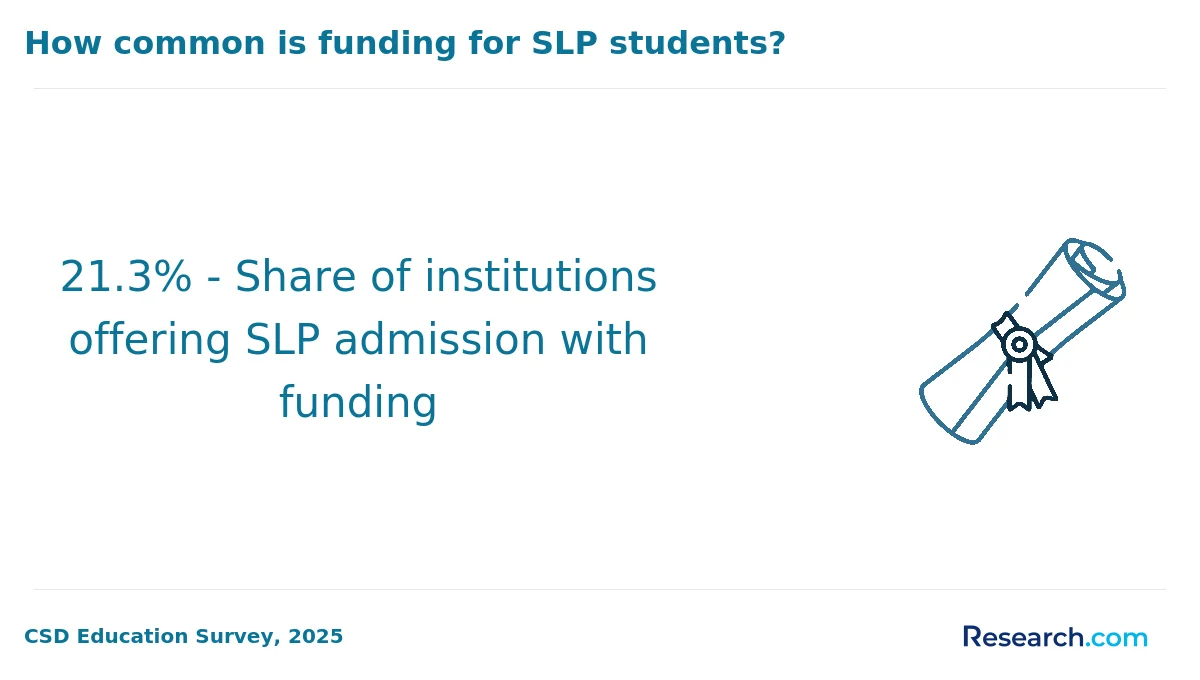
- Scholarships and grants: Speech pathology students may qualify for awards based on merit, financial need, service goals, or community involvement. Working students should search for scholarships for working professionals pursuing speech pathology degree programs and note whether awards are available to part-time students.
- Enrollment status: Aid may change if a student drops below half-time enrollment. Part-time study can improve schedule balance, but it may affect disbursement amounts, loan eligibility, and time to completion.
- State and institutional aid: State programs and university scholarships often have specific residency, enrollment, and service requirements. The Mississippi Speech-Language Pathologist Forgivable Loan, for example, prioritizes residents and supports both part-time and full-time students.
Before enrolling, students should request a full cost estimate that includes tuition, fees, technology, books, travel, residency expenses, and possible lost wages during clinical placements. Applicants comparing lower-cost institutions can also review inexpensive online colleges that accept financial aid as part of a broader affordability search.
Do Employers Support Employees Pursuing Online Speech Pathology Degrees in 2027?
Some employers actively support employees who pursue online speech pathology degrees, while others offer little flexibility. Support often depends on the employer's staffing needs, budget, relationship to the field, and whether the degree will benefit the organization. In 2025, working students should not assume support will be automatic; they should negotiate it clearly and document expectations.
- Tuition assistance: Employer tuition reimbursement for online speech pathology degrees may reduce out-of-pocket cost, but policies often include annual caps, approved-program lists, grade requirements, or service commitments after graduation.
- Flexible scheduling: Adjusted shifts, compressed workweeks, remote work options, or predictable hours can make synchronous classes and clinical placements easier to manage.
- Paid or unpaid study leave: Some employers provide time away for exams, residencies, or clinical requirements. Smaller clinics and schools may have less staffing flexibility.
- Career advancement incentives: Employers may connect degree completion or certification with promotion opportunities, expanded responsibilities, or salary review.
- Performance concerns: Some supervisors may worry that school will reduce productivity. Employees can address this by presenting a schedule plan and explaining how responsibilities will be covered.
Before asking for support, students should prepare a short proposal: the program name, schedule demands, expected completion timeline, clinical placement periods, and how the degree could benefit the employer. They should also clarify whether tuition benefits must be repaid if they leave the organization.
Professionals considering long-term work environments may also review introvert best jobs, especially if they are evaluating roles that offer more predictable schedules or quieter workplace settings.
Does Completing an Online Speech Pathology Degree While Working Full-Time Improve Your Salary?
Completing an online speech pathology degree can improve salary potential, but the outcome depends on credentials, licensure, work setting, location, specialization, and employer policies. The degree itself is most valuable when it leads to eligibility for the roles a student is targeting.
The field has strong demand indicators, including projected growth at 15% and a median salary over $97,870. A master's degree is essential for most speech-language pathology roles, and it can open access to positions in healthcare, education, private practice, early intervention, and related clinical settings.
Working while studying may also help students build professional experience, maintain income, and apply new skills immediately. Employers may view the combination of work and graduate study as evidence of discipline, persistence, and time management. In some cases, relevant experience plus graduate preparation can support advancement into supervisory or specialized roles, which typically offer salaries above $100,000.
However, salary gains are not guaranteed. Healthcare positions often pay more than educational roles, and compensation varies by region, employer type, caseload, contract structure, and certification or licensure status. Students should compare likely earnings in their intended state and setting before taking on debt.
What Should Full-Time Workers Look for When Choosing an Online Speech Pathology Program?
Full-time workers should choose an online speech pathology program based on fit, not just convenience. A strong program should make it possible to meet academic and clinical requirements without hiding the difficulty of the workload. The best choice is usually the program that aligns with licensure goals, supports clinical placement, and offers enough scheduling flexibility to remain employed.
- Accreditation and licensure alignment: Confirm that the program is accredited by the Council on Academic Accreditation and that it prepares students for state licensure and ASHA certification. This is non-negotiable for students pursuing speech-language pathology careers.
- Flexible course delivery: Look for asynchronous classes, recorded lectures, evening live sessions, or part-time options if your work schedule is demanding.
- Clinical placement support: Ask whether the school finds placements, approves student-proposed sites, or expects students to secure their own supervisors. Placement support can determine whether the program is workable.
- Part-time or customizable pacing: A slower track may cost more over time, but it can prevent burnout and make clinical terms more manageable.
- Transparent residency requirements: Some online programs still require campus visits, intensives, or in-person labs. Students should calculate travel, lodging, and time away from work.
- Student services for online learners: Strong advising, tutoring, library access, career services, and clinical coordination are especially important for students who cannot visit campus regularly.
- Total cost: Compare tuition, fees, travel, books, technology, and possible lost wages during practicum, not just cost per credit.
- Student outcomes: Ask about graduation rates, exam preparation, clinical placement success, and support for working adults.
A useful test is to ask the admissions or program office for a sample schedule for a full-time employee. If the program cannot explain how working students typically complete coursework and clinical hours, applicants should proceed carefully.
What Graduates Say About Completing an Online Speech Pathology Degree While Working Full-Time
- : "Balancing a full-time job with my online speech pathology degree was challenging but incredibly rewarding. The flexible pace allowed me to manage coursework without compromising my work responsibilities. Considering the average cost, I found it a worthwhile investment that has already started to open new doors in my career. — Westin"
- : "Enrolling in an online speech pathology program while working full-time offered a unique learning experience that pushed me to stay disciplined and organized. The cost was reasonable compared to traditional programs, which made it accessible without overwhelming debt. This degree has deepened my understanding and confidence in speech therapy practices, impacting both my professional and personal growth. — Peter"
- : "Pursuing my speech pathology degree online alongside a full-time career was a demanding but strategic decision. The program's flexible schedule empowered me to learn at a steady pace, fitting studies around professional duties. Given the average tuition, I appreciate how cost-effective this pathway has been, providing a solid foundation for advancing my clinical skills. — Andrew"
Other Things You Should Know About Speech Pathology Degrees
Students need a reliable computer, high-speed internet, and specific software for online learning platforms, virtual meetings, and coursework submissions. Programs may also require access to specific speech therapy applications or tools for clinical practice.
Students working full-time can usually access a range of support services including academic advising, counseling, tutoring, and technical assistance. Some programs also provide career services and peer networking opportunities designed specifically for online and non-traditional students. These services help overcome challenges related to time management and isolation.
Clinical placements are a required component of speech pathology programs and programs often accommodate full-time workers by offering evening, weekend, or part-time placement options. Some universities collaborate with local clinics near students' workplaces or homes to reduce travel time. Flexible scheduling helps ensure students can complete clinical hours without abandoning full-time employment.
References
- U.S. Bureau of Labor Statistics - Speech-Language Pathologists https://www.bls.gov/ooh/healthcare/speech-language-pathologists.htm
- ASHA EdFind - Accredited Speech-Language Pathology Programs https://find.asha.org/ed/
- ETS Praxis - Speech-Language Pathology (5331) https://praxis.ets.org/test/speech-language-pathology-5331.html
- Pennsylvania Western University - Master of Science in Speech-Language Pathology https://online.pennwest.edu/programs/speech-language-pathology-grad/index.php
- Delaware Valley University - Master of Science in Speech-Language Pathology (M.S.) https://delval.edu/programs/graduate-programs/speech-language-pathology
- James Madison University - Master of Science (M.S.) in Speech-Language Pathology (Distance Education / Online) https://www.jmu.edu/chbs/csd/online_ms/index.shtml
- Auburn University, Montgomery - Master of Science in Speech-Language Pathology https://www.aum.edu/degree/ms-speech-language-pathology/
- California State University-East Bay - Online Master of Science in Speech-Language Pathology https://ce.csueastbay.edu/programs/speech-language-pathology/