2027 Online Associate in Artificial Intelligence Programs With Transfer Credits

Co-Founder and Chief Data Scientist
Professionals with degrees in unrelated fields often face obstacles when trying to enter the evolving artificial intelligence industry. Many existing programs require starting from scratch, resulting in wasted time and finances. Moreover, transferring credits can be complex, delaying career pivots even further. This challenge limits access to AI roles despite high demand for talent.
This article examines online associate in artificial intelligence programs that recognize transfer credits, providing clear guidance to help prospective students make informed decisions and successfully pivot into the field.
Key Things You Should Know
- Online associate in artificial intelligence programs emphasize transfer credits, allowing students to apply previous coursework and accelerate degree completion.
- Most programs integrate foundational AI skills with ethics and data analysis, reflecting the field's expansion and industry demand for interdisciplinary knowledge.
- Enrollment in AI-related associate programs grew by over 18% from 2024 to 2025, driven by increasing job openings in AI and machine learning sectors nationwide.
What is an online associate degree in artificial intelligence and how does it differ from a bachelor's degree?
An online associate degree in artificial intelligence programs with transfer credits typically spans two years, focusing on foundational skills like machine learning, data analysis, and introductory programming. This degree aims to equip students with practical knowledge for entry-level technical roles or as a stepping stone to a bachelor's degree.
Compared to a bachelor's degree, which covers broader areas such as advanced algorithms, robotics, and AI ethics over four years, the associate degree is more concentrated on core applications and general education.
The difference between an associate and bachelor's degree in artificial intelligence lies primarily in the depth and range of study. Associate programs include introductory AI topics and essential programming skills, while bachelor's programs emphasize specialized theory, research methods, and interdisciplinary fields.
For instance, associate graduates may work as AI data annotators or junior developers, whereas bachelor's graduates often qualify for more advanced roles like AI engineers or data scientists.
The associate degree pathway also supports credit transfer options, facilitating progression to a bachelor's if desired. This flexibility benefits students seeking accelerated education options, including those who might consider a one year computer science degree.
Which accredited institutions offer online associate degrees in artificial intelligence with transfer credit options?
Several accredited institutions offer online associate degree programs in artificial intelligence with transfer credit options, catering to transfer students and working professionals.
Community colleges like the Community College of Baltimore County (CCBC) and Northern Virginia Community College provide articulated credit pathways that allow students to transfer coursework to four-year universities or apply previous credits toward degree completion.
The National Center for Education Statistics states that 73% of public two-year institutions now provide online or hybrid degree programs, reflecting a growth in accessible AI education pathways.
This expansion benefits students wanting credit portability and flexible learning formats. Many colleges have transfer agreements accepting credits from regionally accredited schools, which supports smooth transitions between institutions.
Rio Salado College, for example, offers an online Associate of Applied Science in artificial intelligence with transfer options aligned to Arizona State University's bachelor's programs. Miami Dade College permits transfer of AI-related courses from partner colleges within Florida's State University System.
Students seeking accredited institutions offering artificial intelligence associate degrees online with credit transfer options should verify each school's specific policies on credit limits, eligible courses, and GPA requirements.
Typically, these online associate degrees combine foundational AI concepts with programming, data analytics, and ethics, ensuring transferred coursework builds a cohesive skill set for further education or workforce entry.
For those interested in affordable engineering education, this resource highlights the cheapest mechanical engineering degree online.
What are the typical admission requirements and prerequisites for online AI associate degree programs?
Typical admission requirements for online associate degree programs in artificial intelligence in the United States include a high school diploma or GED equivalency.
Many schools require official proof during application, alongside minimum GPA thresholds often set around 2.0 on a 4.0 scale. Some programs evaluate applicants more holistically by considering academic records and personal statements.
Prerequisites for enrollment in online AI associate degree programs with transfer credit options frequently involve foundational knowledge in algebra, basic programming, or introductory statistics.
Students who lack these skills may need to complete developmental coursework before progressing to core subjects. According to the American Association of Community Colleges, 62% of community college students require such developmental classes to be college-ready.
Applicants without recent academic experience may need to take placement tests in math and English, such as the Accuplacer exam, to determine appropriate enrollment paths. Additional requirements sometimes include computer literacy and familiarity with logic or problem-solving.
Less commonly, few programs ask for letters of recommendation or brief essays showing interest in AI. Transfer students must satisfy both general admission requirements and course equivalency standards to receive proper credit, ensuring earlier coursework aligns with program goals.
Those interested in fields related to artificial intelligence might also explore related disciplines like game design online, which offers complementary pathways in technology and creative skills.
How long does it take to complete an online associate degree in artificial intelligence, and what is the average cost?
Completing an online associate degree in artificial intelligence usually takes about two years of full-time study. However, the duration to complete an online associate degree in artificial intelligence with transfer credits can be shortened if students bring in previously earned credits.
For instance, transferring 12 to 24 credits from prior coursework may reduce the time by a semester or more. Part-time students or those balancing work may extend their studies to three years or longer.
The average cost of online associate in artificial intelligence programs with transfer options remains affordable compared to four-year degrees. Public two-year colleges charge roughly $3,840 annually in tuition and fees, resulting in about $7,680 total for the typical 60-credit associate degree. Additional expenses include books, technology fees, and other supplies.
Costs vary, so students should check whether their school charges per credit hour or a flat tuition rate per term, which can affect total expenses based on course load. Financial aid often helps reduce out-of-pocket costs.
Prospective students should also confirm that their AI associate degree credits align with bachelor's programs if planning to transfer, which avoids repeating courses and saves both time and money.
For those seeking advanced studies, exploring options like cybersecurity masters online can be a valuable next step in related tech fields.
What core coursework and technical skills are covered in an AI associate degree curriculum?
Core coursework in an online associate in artificial intelligence program focuses on foundational computer science and AI-specific topics, providing essential technical skills.
Students learn programming languages like Python, vital for AI development and algorithm creation. Mathematics courses include linear algebra, calculus, and statistics to develop quantitative abilities for machine learning and data analysis.
Program content covers machine learning fundamentals, such as supervised and unsupervised learning models, neural networks, and decision trees. These courses enable students to build predictive models and understand complex data-driven decisions. Data science skills like data collection, cleaning, visualization, and interpretation are integrated to prepare learners for applied AI work.
Additional topics often include natural language processing (NLP), robotics basics, and AI ethics, addressing the societal and practical implications of these technologies. Software engineering principles and database management teach system design and scalable data solutions crucial for AI applications.
Variations in programs may emphasize cloud computing or AI hardware integration based on institutional focus.
LinkedIn's 2024 Jobs Report highlights a 74% increase in demand for skills such as machine learning engineering, data analysis, and Python programming, underscoring the relevance of these programs to the job market.
Prospective students should check transfer credit policies for both general education and core courses to ensure an efficient pathway to employment-ready skills.
How do transfer credits work when moving from an associate degree in AI to a four-year university program?
When transferring credits from an associate degree in artificial intelligence to a four-year university, universities start by evaluating your completed courses against their curriculum.
Core classes like programming, data structures, discrete mathematics, and introductory AI are more commonly accepted. Electives or specialized courses might transfer less consistently depending on the receiving institution's requirements.
Transfer articulation agreements between your community college and the target university are especially valuable, as they guarantee acceptance of specified courses.
To support transfer evaluations, students should provide official transcripts and detailed course descriptions or syllabi. Challenges can occur when course titles differ or when hands-on labs and projects from an associate degree don't align directly with the bachelor's program structure.
Early verification with academic advisors helps avoid credit loss and reduces the extended time to degree completion.
Students who transfer with an associate degree tend to graduate faster. The National Student Clearinghouse Research Center reports a 20% higher bachelor's completion rate for these students compared to those who start directly at four-year universities. This improvement reflects better credit transfer and foundational preparation.
Transfer policies vary widely among universities, including credit limits, grade minimums (usually a C or higher), and residency requirements mandating a certain number of campus credits. Careful planning maximizes the value of your associate degree and supports smooth progress toward a bachelor's degree in artificial intelligence.
What entry-level career roles and job titles are available to associate degree graduates in artificial intelligence?
Associate degree graduates in artificial intelligence often begin their careers in entry-level roles such as computer support specialists, data technicians, junior machine learning analysts, and AI systems assistants.
These positions typically involve supporting AI infrastructure, collecting and preprocessing data, troubleshooting technical issues, and assisting in basic machine learning model training under supervision. Common job titles include AI support technician, data analyst trainee, automation tester, and AI applications assistant.
The U.S. Bureau of Labor Statistics projects an 8% growth in computer support specialist roles from 2023 to 2033, adding about 66,600 new jobs. This growth reflects increasing demand for technical support in AI systems and related software platforms.
Candidates with skills in scripting, data management, and cloud computing basics, often covered in associate degree programs, will be well-positioned for these roles.
Graduates can expect to work with AI tools that automate workflows, perform quality assurance on AI outputs, and support data pipelines. Entry-level roles provide pathways to specialized fields such as AI model development, natural language processing, or robotics.
For example, a junior data technician might advance to a data scientist role by gaining further skills and experience.
Employers value candidates who can handle technical troubleshooting, system monitoring, and collaborate effectively with AI engineers and developers. Knowledge of practical AI applications across industries like healthcare, finance, and manufacturing is increasingly important to meet diverse deployment needs.
What is the current job outlook and salary potential for professionals with an associate degree in artificial intelligence?
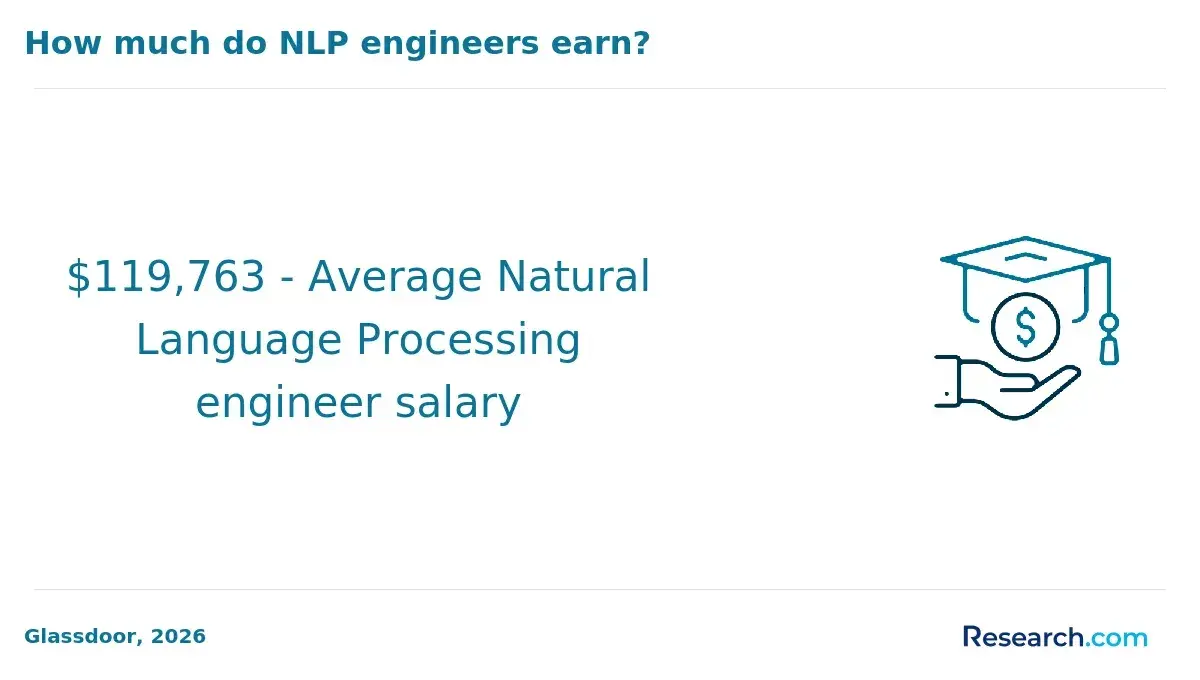
Job prospects for those holding an associate degree in artificial intelligence remain strong as demand increases for roles like AI technicians, machine learning assistants, and data analysts. Entry-level salaries typically range between $58,000 and $65,000 annually, with experienced professionals earning $85,000 or more.
These positions emphasize skills in AI model deployment, data preprocessing, and algorithm testing, often serving as a foundation for advanced AI careers or further education.
Graduates find opportunities in industries such as healthcare, finance, manufacturing, and tech startups. Common job titles include AI support specialist, robotics technician, and junior data scientist. The degree curriculum focuses on essential skills like programming in Python, understanding basic machine learning concepts, and data analysis, all of which are highly valued by employers.
To boost employability, gaining hands-on experience via internships or portfolio projects is key. Additionally, certifications in cloud technologies and AI-specific software enhance job prospects and salary potential. Many programs offer transfer credit options towards bachelor's degrees, facilitating career advancement.
Salary levels vary by location, with metropolitan tech hubs generally offering higher pay but greater living costs. Remote work in AI fields is becoming more common, expanding access to jobs. Staying updated on AI industry developments is critical to maintaining a competitive edge and maximizing earning opportunities.
Are there industry certifications or professional credentials that complement an online associate degree in artificial intelligence?
Industry certifications and professional credentials significantly enhance the value of an online associate degree in Artificial Intelligence by boosting employability and salary potential. Certifications provide targeted skills validation that employers seek beyond academic degrees.
For instance, the Microsoft Certified: Azure AI Fundamentals and IBM AI Engineering Professional Certificate focus on hands-on expertise with AI tools and cloud platforms commonly used in the industry.
Combining credentials, known as credential stacking, is especially beneficial. According to CompTIA, professionals with both an associate degree and relevant certifications earn 25% more than those holding a degree alone, illustrating how certifications differentiate candidates and accelerate career growth in competitive markets.
Key certifications like Google's Professional Machine Learning Engineer and the Certified Artificial Intelligence Practitioner (CAIP) expand knowledge in machine learning deployment and ethical AI principles. These credentials complement associate degree programs and demonstrate advanced practical skills highly valued by employers.
Additionally, data science and cloud computing certificates are popular, since AI projects often integrate these areas. Credentials from providers such as Amazon Web Services (AWS Certified Machine Learning - Specialty) further validate cloud integration skills and enhance career prospects.
To maximize job opportunities and technical mastery, professionals should select certifications aligned with their career goals and current industry trends. Combining an associate degree with specialized credentials optimizes both employability and earning potential within artificial intelligence fields.
How should prospective students evaluate the quality and reputation of online AI associate degree programs?
Institutional accreditation remains a critical factor for prospective students evaluating online associate degree programs in artificial intelligence. According to the Council for Higher Education Accreditation, 94% of employers value accreditation when reviewing candidate credentials.
Opt for programs with regional accreditation or approval from respected agencies like ABET to guarantee a quality curriculum.
Examine course offerings carefully to ensure they include machine learning, data analytics, programming languages such as Python, and ethics in artificial intelligence.
Programs that collaborate with tech companies or provide internship opportunities offer valuable hands-on experience and networking, significantly enhancing career prospects.
Transfer credit policies should be transparent, clearly indicating accepted credits from AP, CLEP, or other accredited institutions. Flexible credit transfer can reduce both time and cost, making the program more accessible and adaptable to individual circumstances.
Faculty qualifications are essential. Preference should be given to programs featuring instructors with professional experience or active research in AI-related fields, which ensures relevant and up-to-date knowledge.
Robust student support services, including tutoring, career counseling, and technical assistance, can improve persistence and graduation rates. Verified alumni reviews and job placement data provide essential insights into program outcomes, helping students make informed decisions.
Other Things You Should Know About Artificial Intelligence
Graduates from 2026 online associate programs in AI with transfer credits can pursue entry-level roles such as AI technician, data assistant, or machine learning analyst. These positions typically involve supporting AI research, data processing, or developing simple AI models, and can serve as stepping stones to further career advancement with additional education or experience.
Yes, an associate degree in artificial intelligence can qualify graduates for entry-level positions such as AI technician, data analyst assistant, or machine learning support roles. However, many advanced AI roles typically require further education or experience. Continuing education often enhances career growth in this rapidly evolving field.
Strong math skills, particularly in linear algebra, calculus, probability, and statistics, are critical in artificial intelligence. These areas underpin many AI algorithms and machine learning models. Most AI associate degree programs incorporate foundational math courses to prepare students for technical challenges.
Ethical issues in artificial intelligence include bias in algorithms, data privacy, transparency, and the impact of automation on employment. Understanding these concerns is essential for professionals developing responsible AI systems. Many AI programs integrate ethics discussions to raise awareness among students.
References
- Online Associate Degrees | American InterContinental University https://www.aiuniv.edu/degrees/associate
- Artificial Intelligence Career Paths: Roles, Salaries, and Skills https://www.h2kinfosys.com/blog/artificial-intelligence-career-paths-roles-salaries-and-skills/
- Artificial Intelligence and Machine Learning (Co-op) https://www.fanshawec.ca/programs/aim2-artificial-intelligence-and-machine-learning-co-op/domestic/fees/current
- AI Jobs With No Experience â 10+ Entry-Level Roles | Beginner Guide 2026 â Mindrift https://mindrift.ai/blog/ai-jobs-with-no-experience
- 11 Best AI Certifications in 2025 to Deepen Your Technical Knowledge | DigitalOcean https://www.digitalocean.com/resources/articles/ai-certifications
- What Is The Best Degree for Artificial Intelligence? https://campus.edu/blog/artificial-intelligence/what-is-the-best-degree-for-artificial-intelligence
- AI Data Specialist https://www.wctc.edu/WCTC/Academics/Program-List/AI-Data-Specialist
- Artificial Intelligence Degree Admission Requirements: What You Need https://hakia.com/degrees/artificial-intelligence/admission-requirements/
- Best AI Certifications to Boost Your Career in 2026 – Dataquest https://www.dataquest.io/blog/best-ai-certifications/