2027 Best Online Bachelor's Degrees in Artificial Intelligence

Co-Founder and Chief Data Scientist
Many professionals with degrees in unrelated fields face significant challenges transitioning into artificial intelligence careers due to the technical expertise and credentials required. Traditional in-person programs often lack the flexibility needed to accommodate full-time work or personal commitments. This gap can delay or derail career pivots despite strong motivation.
Accredited online bachelor's degrees in artificial intelligence offer an accessible, flexible, and credible solution, enabling learners to build foundational skills remotely. This article evaluates the best online bachelor's degrees in artificial intelligence for 2027, guiding readers to make informed decisions that align with their career goals and lifestyle needs.
Key Things You Should Know
- Online bachelor's degrees in artificial intelligence combine computer science, data analysis, and machine learning, with 65% of programs offering hands-on projects and internships by 2025.
- Graduates from these programs earn median starting salaries around $85,000 annually, reflecting strong industry demand for AI-trained professionals in tech, healthcare, and finance sectors.
- Flexible online delivery attracts 40% more working adults, with most programs accredited by ABET or recognized regional accrediting bodies ensuring academic rigor and employer recognition.
What are the best accredited online bachelor's degrees in artificial intelligence available in the United States?
Top online artificial intelligence bachelor's programs in the US are offered by reputable institutions with strong STEM credentials and regional accreditation. Notable programs from Arizona State University, the University of Florida, and Oregon State University blend core computer science skills with AI specialties like machine learning, robotics, and data analytics.
Arizona State University's Bachelor of Science in Computer Science includes an AI concentration focused on practical skills such as Python programming and neural network design. The University of Florida emphasizes AI ethics and AI-driven software development within its online Bachelor of Science in Computer Science. Oregon State provides a post-baccalaureate program integrating machine learning modules alongside core computing courses.
Students exploring the best accredited online bachelor's degrees in artificial intelligence in the United States should confirm regional accreditation from agencies like WASC, SACSCOC, or HLC, as this impacts credit transfers, employer recognition, and financial aid access. Programs offering internships or partnerships with industry enhance real-world AI experience. Curriculum depth, faculty expertise, and career support are also critical factors for aligning education with career goals in AI development, data science, or automation.
The U.S. AI market is forecasted to reach $1.81 trillion by 2030, growing at a 38% CAGR, highlighting the demand for skilled graduates. Prospective students can learn more about career pathways by exploring AI graduate programs.
What are the admission requirements and prerequisites for online AI bachelor's degree programs?
Admission requirements for online bachelor's degrees in artificial intelligence usually include a high school diploma or equivalent, with a focus on strong performance in mathematics and science courses. Many programs set a minimum GPA between 2.5 and 3.0, and while some ask for standardized test scores like the SAT or ACT, many schools have adopted test-optional policies. Prerequisites for enrolling in online AI bachelor's degree programs commonly emphasize foundational skills in math and computer science, including courses such as algebra, geometry, calculus, and introductory programming.
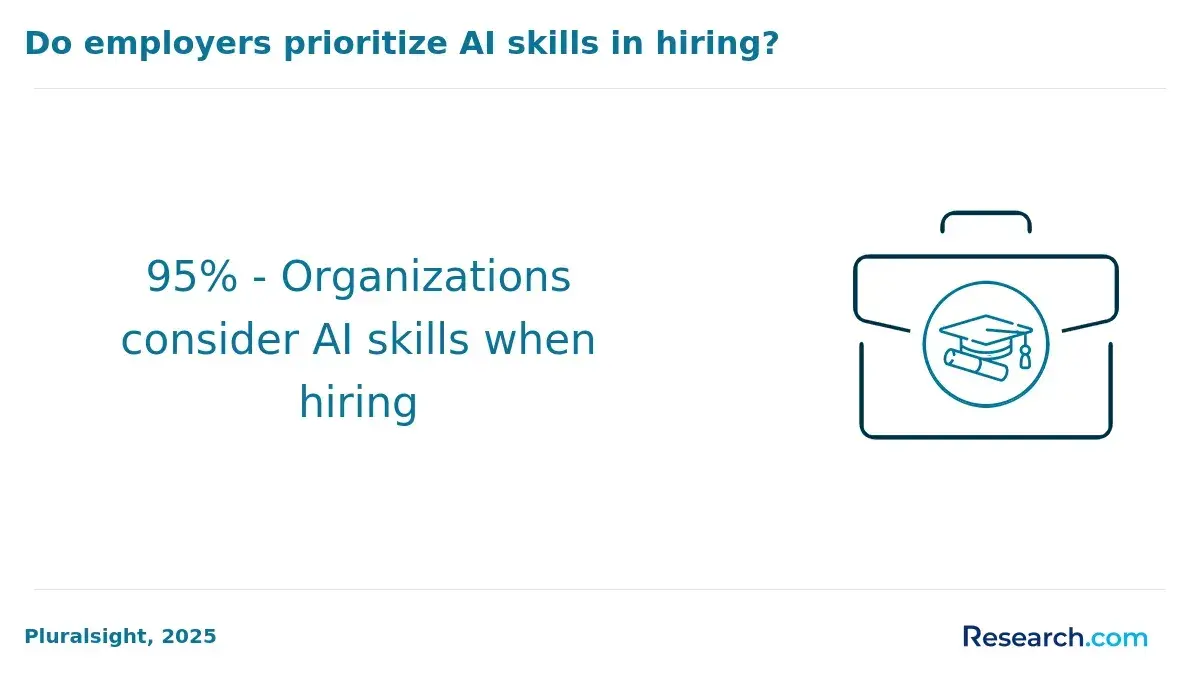
Some institutions require prior exposure to topics like data structures, algorithms, and logic, often demonstrated by completion of a high school coding class or an introductory college programming course. According to the U.S. Bureau of Labor Statistics 2024 Occupational Outlook Handbook, 73% of AI and machine learning roles mandate a bachelor's degree or higher, reinforcing these prerequisites as standard admission criteria. Additional materials like letters of recommendation or personal statements may also be requested to assess applicant readiness for technical coursework.
Working professionals often need to verify relevant college credits or professional experience in programming or data analysis. Many online programs offer flexibility, allowing students to complete bridge courses if prerequisites are not met initially. Prospective students should carefully review each program's academic and technical requirements before applying. Those interested in related fields might also explore options like mechanical engineering programs online for additional career pathways.
How long does it take to complete an online bachelor's degree in artificial intelligence, and what is the typical cost?
Online bachelor's degree programs in artificial intelligence typically require about four years to complete, matching the timeframe of traditional on-campus programs. Some accelerated tracks or options with transfer credits can reduce this to around three years, while part-time students balancing work or other commitments may take longer. The curriculum usually covers essential subjects like computer science, mathematics, machine learning, and ethics in AI, demanding continuous semester-based study.
When considering the duration and cost of online bachelor's degree in artificial intelligence programs in the US, tuition varies widely. According to the College Board's 2024 Trends in College Pricing report, total tuition for online STEM degrees ranges from $30,000 to $120,000. Online degrees often cost 15-30% less than their campus equivalents due to savings on facilities and housing. For example, a program charging $100,000 on campus may be available online for about $70,000 to $85,000. These estimates generally exclude costs like technology fees, textbooks, and certification exams.
Students should explore financial aid, scholarships, and employer tuition assistance to reduce upfront expenses. It's important to assess accreditation, faculty quality, and specialization options. Flexible pacing can help working professionals manage costs over time. Comparing overall investment against potential careers in data science, robotics, or AI research underscores the value of completion speed and tuition fees. Prospective students may also find helpful insights by reviewing video game programs that share overlapping skills and cost considerations.
Average time to complete and tuition fees for online artificial intelligence bachelor's degrees remain critical factors for students making informed decisions on their educational paths.
What core courses and technical skills are covered in an online AI bachelor's degree curriculum?
Core courses in online artificial intelligence bachelor's programs focus on building strong foundations in programming, mathematics, and machine learning frameworks. Students often begin with languages like Python, C++, and Java, with Python emphasized due to its prevalence in AI roles-87% of AI job postings require Python proficiency. Mathematics classes cover linear algebra, calculus, probability, and statistics, which are critical for understanding AI algorithms and data structures.
Technical skills gained from an online artificial intelligence degree include expertise in machine learning, deep learning, natural language processing, computer vision, and reinforcement learning. These areas help students develop models that learn from data and apply AI techniques in various industries. Additional training in data mining, big data analytics, and cloud computing prepares graduates to manage large datasets and deploy scalable AI solutions.
Hands-on experience with frameworks such as TensorFlow, PyTorch, and Keras is typical, offering practical skills in model development and training. Courses on AI ethics, safety, and fairness equip students to navigate responsible AI use. Capstone projects or internships provide real-world problem-solving opportunities.
Advanced electives may include robotics, speech recognition, or AI in healthcare, allowing for specialization. Proficiency in algorithm optimization and software engineering principles ensures graduates can design scalable AI applications suited for diverse career paths. For those interested in related fields, exploring an accelerated cyber security program can complement AI expertise.
What career paths and job titles are available to graduates with an online bachelor's degree in artificial intelligence?
Graduates with an online bachelor's degree in artificial intelligence can pursue diverse tech, research, and business roles. Popular positions include machine learning engineer, AI specialist, data scientist, and AI software developer, focusing on designing and maintaining AI systems that automate complex decision-making and data analysis. Other career options include AI analysts, robotics engineers, and natural language processing engineers, while specialized areas like computer vision and autonomous systems are also growing rapidly.
LinkedIn's 2024 Jobs on the Rise report highlights a 74% increase in AI-related job postings year over year. Machine learning engineers, AI specialists, and data scientists represent 58% of AI job openings, showing strong demand for skills in algorithm development, predictive analytics, and statistical modeling.
Strong programming expertise in Python, R, and Java is essential, along with knowledge of neural networks, deep learning, and cloud computing. Entry-level roles usually involve data preprocessing and model testing, progressing to system architecture and AI ethics compliance. Graduates can also shift into related sectors like cybersecurity, business intelligence, and healthcare informatics.
Certifications or advanced training in frameworks such as TensorFlow and PyTorch significantly boost employability. Industries including finance, automotive, and retail actively seek AI talent, expanding opportunities. Practical experience through internships and project portfolios remains crucial to stand out in today's competitive market.
What is the job outlook and salary potential for AI bachelor's degree holders in the current job market?
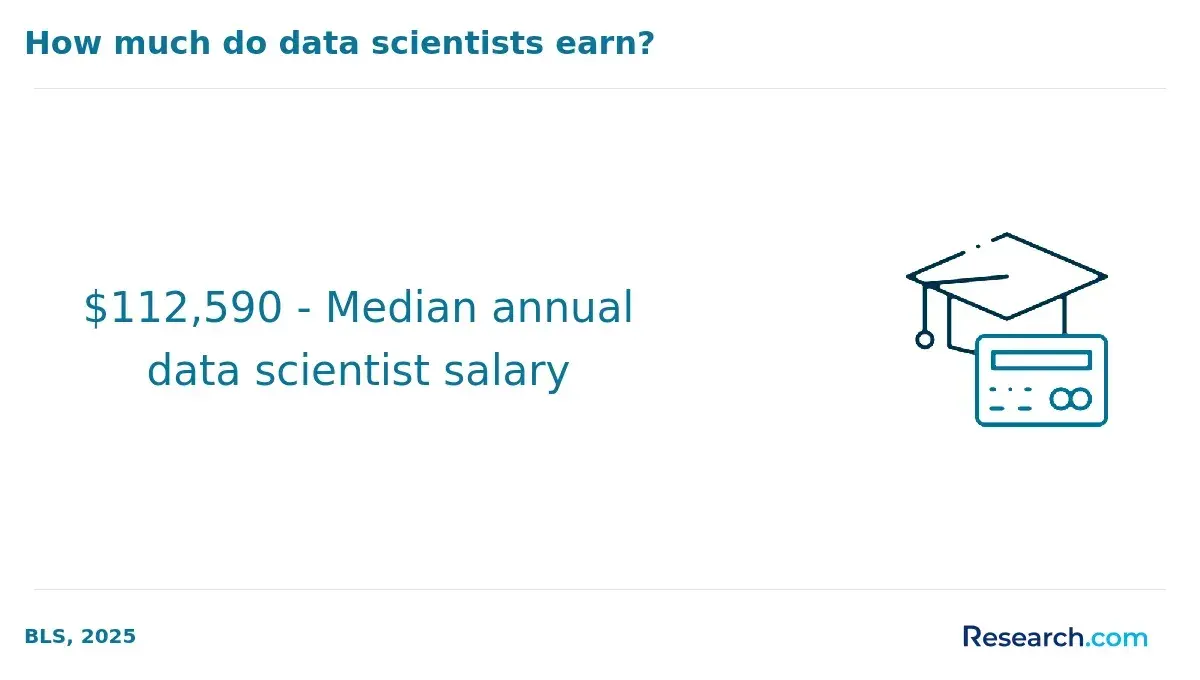
Jobs for bachelor's degree holders in artificial intelligence continue to be in high demand with strong salary growth. The U.S. Bureau of Labor Statistics reports a median annual wage of $136,620 for AI and machine learning specialists, reflecting a 36% increase in five years. Industries such as technology, finance, healthcare, and automotive actively seek professionals to design and maintain AI-driven solutions.
Graduates often find roles as AI software engineers, data scientists, machine learning engineers, or AI research analysts. Entry-level salaries range from $85,000 to $100,000 yearly and increase significantly with experience or specialization. Positions focused on AI ethics, natural language processing, and computer vision command higher pay due to specialized skills.
Location impacts compensation, with tech hubs like San Francisco and New York offering higher wages. Enhancing credentials through internships, certifications, or graduate degrees can lead to leadership and research roles with salaries exceeding $150,000. Practical skills in programming languages such as Python and tools like TensorFlow are essential for career advancement.
Continuous learning is crucial to stay current with evolving technologies and maximize earning potential in this competitive sector.
How do online AI bachelor's degree programs compare to campus-based programs in terms of credibility and employer recognition?
Accredited online AI bachelor's degree programs are increasingly seen as credible by employers, often matching the recognition given to campus-based degrees. According to Coursera's Enterprise Skills Report 2024, 92% of employers regard online degrees from accredited institutions as equally credible as traditional on-campus credentials. This reflects a growing acceptance of virtual learning environments in the job market.
Employers place greater emphasis on accreditation and curriculum quality rather than the mode of delivery. Accredited online AI programs often cover essential topics such as machine learning, natural language processing, and data analytics, ensuring that students receive both practical and theoretical knowledge comparable to campus offerings. For example, programs accredited by ABET or regional bodies typically maintain high academic standards.
Prospective students should weigh factors like networking opportunities and hands-on experience, which may differ between online and campus formats. While on-campus programs offer more direct faculty interaction and peer collaboration, many online degrees provide virtual labs, internships, and industry partnerships to bridge the gap. Employers also value candidates' project portfolios and real-world skills in addition to degrees.
Prioritizing accredited programs with applied learning and industry connections can enhance employment prospects regardless of delivery method.
Are there professional certifications or industry credentials that complement an online AI bachelor's degree?
Professional certifications significantly enhance an online bachelor's degree in Artificial Intelligence by validating specialized skills and improving career prospects. According to Indeed's 2024 Certification Impact Study, the average AI professional holds 2.3 certifications beyond their degree, with high-demand credentials like AWS Certified Machine Learning Specialist and Google Cloud Professional Machine Learning Engineer offering salary premiums of 18-22%.
Certifications focused on cloud platforms such as AWS and Google Cloud demonstrate expertise in deploying and managing machine learning models at scale, a vital ability in many AI roles. For learners concentrated on data science or machine learning, titles like Microsoft Certified: Azure AI Engineer Associate or TensorFlow Developer Certificate provide targeted knowledge recognized by employers.
Beyond technical skills, credentials in ethical AI, cybersecurity, and data privacy are increasingly important as organizations emphasize responsible AI deployment. Industry-recognized programs such as the Certified Artificial Intelligence Practitioner (CAIP) and the IEEE Certified AI Professional equip professionals aiming to deepen their understanding of AI governance and compliance.
Employers typically prefer candidates with foundational education plus current certifications to meet evolving AI challenges. Investing time and resources into earning two or more certificates can yield measurable benefits in job opportunities and earning potential. Combining these credentials with an online AI bachelor's degree builds a competitive profile and signals dedication to continuous professional development.
What accreditation bodies and standards should prospective students verify when choosing an online AI program?
Accreditation remains a critical factor in choosing an online bachelor's degree in artificial intelligence, as it ensures educational quality and employer recognition. The most important accreditation for computing programs is ABET (Accreditation Board for Engineering and Technology). Only about 12% of online computing programs have ABET accreditation, highlighting its role as a key quality marker. ABET certification indicates the program meets strict standards in curriculum design, faculty expertise, and student outcomes.
Beyond program-specific accreditation, regional accreditation of the institution itself is essential. Bodies like the Higher Learning Commission (HLC) or Middle States Commission on Higher Education (MSCHE) assess overall institutional quality and integrity. Prospective students should confirm both types of accreditation to avoid diploma mills or low-quality offerings.
Alignment with industry standards is another crucial consideration. Frameworks from professional organizations such as IEEE and ACM guide many programs to ensure graduates possess relevant skills employers demand in the AI field. Checking these alignments helps students select programs that prepare them for real-world challenges.
Verifying accreditation on official ABET and regional websites safeguards students' investment and can affect financial aid eligibility and credit transfer options. Accredited programs typically facilitate access to federal aid and smoother progression to advanced degrees.
How should prospective students evaluate and compare different online AI bachelor's degree programs?
Evaluating online artificial intelligence bachelor's programs starts with accreditation, especially regional accreditation, which validates a program's quality and acceptance by employers and other institutions. A thorough curriculum should cover machine learning, data science, robotics, ethics, and include hands-on projects or internships to build real-world skills. Faculty expertise matters as well; programs led by instructors involved in AI research or industry projects offer valuable knowledge and networking opportunities.
Graduation and job placement rates reveal program effectiveness. Data from the National Association for College Admission Counseling's Career Outcomes Survey show that top-ranked online AI program graduates achieve about 89% job placement within six months, with 76% working in AI-related roles. Career services such as resume workshops, interview prep, and employer connections further enhance job prospects.
Financial considerations include tuition costs and availability of scholarships or employer tuition assistance. Flexibility is vital for working professionals-look for options like asynchronous courses or limited on-campus requirements. Also, verify access to necessary AI software, computing resources, and technical support to ensure a smooth learning experience.
Prioritize accredited programs offering comprehensive, updated curricula, strong faculty, proven job outcomes, and career support combined with affordability and flexible delivery aligned with your needs and goals.
Other Things You Should Know About Artificial Intelligence
After earning an online bachelor's degree in artificial intelligence in 2027, graduates can pursue roles such as AI software developer, machine learning engineer, data analyst, and robotics programmer. The growing demand for AI-driven solutions across various industries provides a robust job market and opportunities for career advancement.
It is possible to transition into artificial intelligence from a non-technical background, but it requires dedication to learning foundational skills in math, programming, and data science. Many online courses and boot camps offer introductory training to build these competencies. A bachelor's degree in AI often includes prerequisite courses designed to bridge knowledge gaps for non-technical students.
Mathematics is fundamental to artificial intelligence, especially areas such as linear algebra, calculus, probability, and statistics. These disciplines underpin machine learning algorithms and data modeling techniques. Students pursuing AI degrees should be prepared to engage with rigorous quantitative coursework to succeed in the field.
Ethical considerations in artificial intelligence include bias mitigation, data privacy, transparency, and accountability. Developers must ensure AI systems are fair and do not perpetuate discrimination or misuse sensitive information. Understanding these issues is crucial for responsible AI design and is often integrated into AI education programs.
References
- AI Certifications: Accredited Programs, Vendor Credentials, and Emerging Standards - Total Seminars https://totalsem.com/ai-certifications-accredited-programs-vendor-credentials-and-emerging-standards/
- Bachelor in Artificial Intelligence and Machine Learning | EIT Deep Tech Talent Initiative https://www.eitdeeptechtalent.eu/courses/bachelor-in-artificial-intelligence-and-machine-learning/
- Despite AI Cutting Entry-Level Roles, These Graduate Careers Remain in High Demand https://www.investopedia.com/despite-ai-cutting-entry-level-roles-these-graduate-careers-remain-in-high-demand-11913594
- Key Skills Gained from a Bachelor of Science in Artificial Intelligence https://tetr.com/blog/key-skills-gained-from-a-bachelor-of-science-in-artificial-intelligence
- What Global Employers Really Think About Online Degrees https://edutech.global/global-employer-view-on-online-degrees/
- Best AI Certifications to Boost Your Career in 2026 – Dataquest https://www.dataquest.io/blog/best-ai-certifications/
- Which AI Certification Providers Offer Verified Certificates for LinkedIn Profiles? https://dev.to/georgiaweston/which-ai-certification-providers-offer-verified-certificates-for-linkedin-profiles-27k
- Online Bachelor’s Degree: Artificial Intelligence https://www.umgc.edu/online-degrees/bachelors/artificial-intelligence-ai
- Artificial Intelligence Course Eligibility: Requirements & Prerequisites https://www.mygreatlearning.com/artificial-intelligence/courses/eligibility
- Artificial Intelligence (procedure for non-EU students) https://apply.unipv.eu/enter/295