2027 AI Associate Degrees in Illinois: Best Online and On-Campus Options

Co-Founder and Chief Data Scientist
Many professionals with undergraduate degrees in unrelated fields face challenges transitioning into the expanding artificial intelligence sector. Limited time, financial constraints, and the need for credible credentials complicate this career pivot. Illinois offers associate degree programs designed to balance flexibility and rigorous training, accommodating both online and on-campus learners. These programs help build foundational skills essential for entry-level roles in artificial intelligence, addressing workforce demands.
This article explores the best 2027 online and on-campus options for artificial intelligence associate degrees in Illinois, guiding prospective students toward accredited, flexible pathways suited to their career goals.
Key Things You Should Know
- Illinois offers a growing number of AI associate degrees both online and on-campus, with over 10 accredited programs focusing on practical and theoretical skills as of 2025.
- Graduates from these programs see an average starting salary of $55,000, reflecting strong demand in Illinois' expanding tech and manufacturing sectors.
- Flexible online options enable working professionals to balance education and employment, with many programs providing industry partnerships and internship opportunities.
What is an AI associate degree and how does it differ from a bachelor's degree in artificial intelligence?
An AI associate degree programs in Illinois typically span two years and focus on foundational skills such as machine learning, data analysis, programming, and practical applications of AI algorithms. This credential prepares students for entry-level positions like AI technician, data analyst, or software developer assistant, emphasizing hands-on technical expertise and system design basics. For students seeking quicker job entry with shorter programs, associate degrees offer accessible options, including online and on-campus formats.
The difference between AI associate and bachelor's degree Illinois lies mainly in depth and duration. A bachelor's degree usually requires four years and covers advanced AI theories, cognitive computing, robotics, ethics, and complex algorithms. It also includes more rigorous coursework in mathematics, computer science theory, and research methodologies. Graduates with bachelor's degrees have greater access to specialized and leadership roles in AI research, software engineering, and product management.
Associate degree holders are valuable for immediate workforce needs by maintaining AI systems, preprocessing data, and implementing existing AI tools. According to the U.S. Bureau of Labor Statistics, computer and information technology jobs are projected to grow 15% from 2023 to 2033, underscoring solid demand. Students might consider transferring credits from an associate program into a bachelor's track to expand career prospects and earning potential. Those interested in a 2 year computer science degree online should explore accredited programs carefully for educational quality and flexibility.
Which Illinois colleges and universities offer accredited associate degrees in artificial intelligence?
In Illinois, accredited associate degrees specifically in artificial intelligence remain limited, aligning with the national trend where only 12% of AI and machine learning programs hold specialized accreditation. This makes accreditation a key consideration for students exploring Illinois colleges offering accredited associate degrees in artificial intelligence. Institutions such as Harper College in Palatine provide an accredited Associate of Applied Science with a focus on AI and data analytics, emphasizing foundational knowledge and practical machine learning skills for transfer or employment.
South Suburban College in South Holland also offers an accredited associate degree targeting robotics and AI applications in industrial settings, ideal for students seeking hands-on technical roles. Both schools maintain accreditation from recognized bodies like the Higher Learning Commission (HLC) and ACCSC, assuring quality and employer recognition.
While on-campus options are currently more prevalent, online programs often appear within broader computer science degrees featuring AI electives. Students interested in the best online and on-campus artificial intelligence associate degree programs in Illinois should verify program accreditation carefully, as many AI-related options lack specialized recognition. Accreditation affects financial aid eligibility, transferability, and job prospects.
Alternatively, prospective students may consider computer science or data science associate degrees that include AI courses. For additional guidance, reviewing the data science undergraduate rankings can provide valuable insight into affordable and reputable pathways.
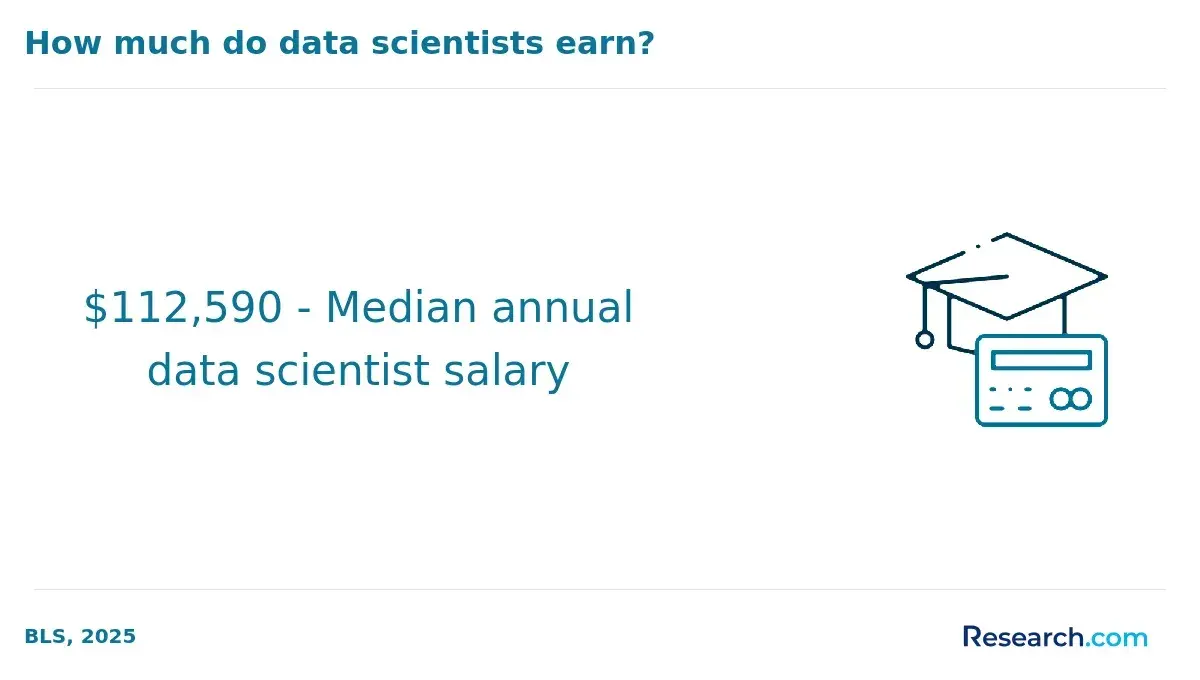
What is the difference between online and on-campus AI associate degree formats in Illinois?
The primary difference between online versus on-campus AI associate degree programs in Illinois is the method of delivery and the student experience. Online formats offer flexibility for working professionals or those managing family commitments, enabling coursework completion remotely. However, these require strong self-discipline and time management, as face-to-face interaction with instructors and peers is limited. On-campus programs provide structured schedules, immediate faculty access, and essential hands-on lab practice, which is critical for mastering technical AI skills involving physical or advanced equipment.
Based on data from the National Center for Education Statistics (NCES), 32% of associate degree students exclusively enroll online. Online completion rates average 58%, while on-campus programs slightly outperform with 62%, reflecting a small but consistent advantage in retention and success within physical settings. Students in Illinois pursuing on-campus AI degrees should also consider commute times and campus resources, whereas online students must ensure reliable internet and compatible technology to stay engaged.
Programs may use synchronous lectures, recorded sessions, or interactive platforms, with some institutions offering hybrid models that combine remote theoretical instruction and in-person labs. Those seeking more networking and mentorship opportunities often prefer on-campus settings, while online options suit career changers or rural students better. When researching options, prospective students might explore the cheapest online engineering degree alternatives available.
Choosing between formats should also involve an evaluation of financial aid, technology needs, and career support services. Aligning delivery style with personal circumstances and learning preferences is vital to maximize completion and workforce readiness in AI fields.
What coursework and technical skills are covered in an AI associate degree curriculum?
AI associate degree curricula focus on foundational and specialized technical coursework designed for immediate application in entry-level roles. Core classes center on programming languages, with a strong emphasis on Python, the industry standard for AI development. Students learn machine learning principles that include supervised and unsupervised algorithms, neural networks, and data preprocessing.
Data analysis is a key aspect, teaching students how to manipulate datasets using libraries like pandas and NumPy, perform statistical analysis, and visualize results with tools such as Matplotlib. This aligns with employer demands highlighted by LinkedIn's Jobs Report showing a 74% increase in openings requiring Python, machine learning, and data analysis expertise. Those researching ai programming coursework in Illinois associate degrees will find these technical competencies well integrated.
Additional coursework covers computer science fundamentals such as algorithms, data structures, and database management. Practical experience includes scripting for automation and developing AI models using frameworks like TensorFlow or PyTorch. Applied projects often simulate real-world problems like natural language processing or computer vision.
Technical skills developed in Illinois ai associate degree programs include programming proficiency, model evaluation and tuning, ethical AI deployment, and cloud computing basics for scalable environments. Hands-on labs and capstone projects reinforce problem-solving and collaboration skills essential for the workforce.
Graduates are prepared to pursue certifications or advanced studies. Prospective students should also consider affordability options; programs like the cheapest online cyber security degree routes demonstrate how cost-effective pathways can complement AI education.
What are the admission requirements and prerequisites for Illinois AI associate degree programs?
Admission to Illinois AI associate degree programs generally emphasizes a mix of open enrollment and defined prerequisites. While 68% of community colleges in Illinois support open admissions, many AI-focused programs require students to complete foundational coursework in mathematics and computer science before full enrollment. These often include courses such as Algebra, Calculus, or introductory programming languages like Python or Java, which are critical for understanding algorithm development and machine learning.
Applicants typically need to provide official high school transcripts or GED certificates, along with maintaining a minimum GPA-usually between 2.0 and 2.5-to show academic readiness. Some programs also require placement tests in math and reading to better tailor course paths, with provisions for remedial classes available for nontraditional and returning students.
Additional documentation, including residency proof and immunization records, is commonly requested by community colleges during the enrollment process. These requirements help ensure students have the necessary preparation for STEM fundamentals, which are vital for success in AI programs.
Such targeted admissions structures balance accessibility through open enrollment while fostering the specialized skills needed for progression in AI associate degrees. Prospective students should focus on strengthening their math and programming backgrounds to meet these standards and improve their chances of successful program advancement.
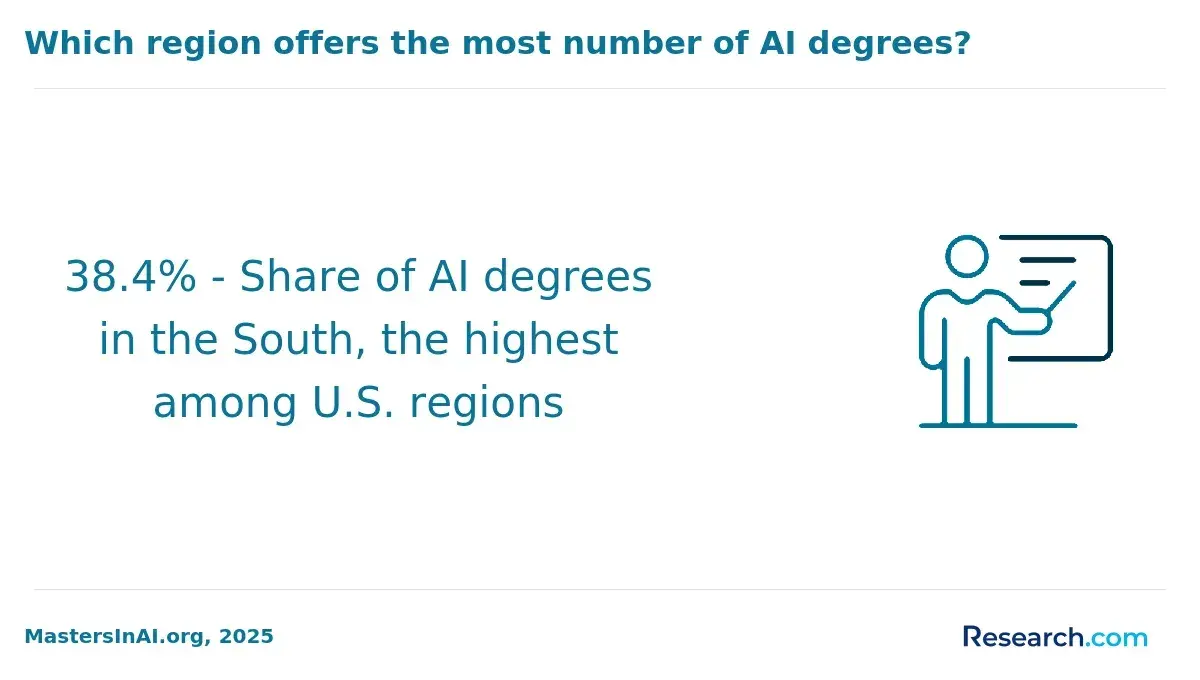
How long does an AI associate degree take to complete, and what are the typical costs?
An AI associate degree usually takes about two years for full-time students enrolled at Illinois community colleges or technical schools. Part-time enrollment can extend the completion time to three or four years, depending on the student's course load and scheduling flexibility. Some schools offer accelerated or hybrid formats, which combine summer sessions or intensive classes to shorten the timeline to around 18 months.
The cost of earning this degree in Illinois is generally affordable compared to four-year programs. The average in-state tuition and fees at Illinois public community colleges are approximately $3,840 annually, which means a two-year program would total around $7,680. This estimate excludes additional costs like textbooks, materials, and technology fees.
Choosing between online and on-campus programs affects overall expenses; online courses may reduce commuting and housing costs. Tuition at private colleges can be significantly higher, sometimes exceeding $10,000 each year. However, many students benefit from financial aid, scholarships, or employer tuition reimbursement, which can substantially lower out-of-pocket expenses.
Additional fees may apply for specialized AI software or lab access required by some programs. Prospective students should carefully review cost details and financial support options with their chosen institutions to prepare an accurate budget and avoid unexpected costs during their studies.
What professional certifications can graduates earn alongside or after an AI associate degree?
Graduates with an AI associate degree can significantly boost their career opportunities by obtaining professional certifications during or after their studies. Industry-recognized credentials validate specialized skills and typically lead to higher earnings. CompTIA reports that professionals who hold both an associate degree and certifications earn 23% more, with AI-related certifications offering some of the highest salary premiums.
Important certifications for AI associate degree holders include the Microsoft Certified: Azure AI Fundamentals, which highlights foundational AI knowledge on Azure. The IBM AI Engineering Professional Certificate teaches practical skills in machine learning and AI application development, while Google's Professional Machine Learning Engineer certification focuses on AI model deployment in cloud environments.
Beyond vendor-specific options, the Certified Artificial Intelligence Practitioner (CAIP) from the Global Science and Technology Forum validates broad AI expertise, including algorithms and ethics. The Certified Data Scientist credential enhances data analysis skills, a vital AI component. For entry-level professionals, the CompTIA Data+ certification offers valuable data analytics experience, essential for AI roles. Programming certifications in Python or R further expand employment prospects.
Employers often require AI certifications to confirm practical abilities, and these certifications facilitate advancement into roles like machine learning engineer, AI analyst, or cloud AI specialist, many accessible post-associate degree. Earning certifications aligns graduates with job market demands and supports career growth in AI fields.
What entry-level job roles and career pathways are available to AI associate degree graduates?
Graduates holding associate degrees in artificial intelligence can enter several entry-level careers across the tech industry. Common roles include machine learning technician, data analyst assistant, AI support specialist, and junior data engineer. These positions focus on practical tasks like data preprocessing, model training support, software testing, and algorithm evaluation, offering valuable hands-on experience in AI development settings.
Employers often hire associate degree holders for these junior roles because such programs teach essential skills like Python programming, database management, and fundamental machine learning methods. For instance, machine learning technicians assist in running experiments and deploying AI models under guidance, while data analyst assistants handle data preparation critical to AI systems. These entry points can lead to advanced roles such as machine learning engineers or AI software developers over time.
The U.S. Bureau of Labor Statistics forecasts a 36% growth for machine learning engineers by 2033, signaling solid demand. This outlook benefits graduates with associate degrees, especially as more companies invest in automation and AI integration. Industries like healthcare technology, finance, manufacturing, and customer service automation offer many opportunities where foundational AI knowledge enhances operations.
Career growth often requires additional experience and education, including bachelor's degrees or specialized AI certifications. Pursuing internships and hands-on projects is key for immediate employment. Staying updated on AI tools and employer needs positions graduates competitively in the job market.
What is the job outlook and average salary for AI associate degree holders in Illinois?
In Illinois, the demand for professionals holding an associate degree in artificial intelligence remains robust, offering a strong employment outlook. Entry-level AI and machine learning roles typically provide salaries between $72,000 and $85,000 annually. Associate degree holders make up about 18% of hires in these positions, reflecting employers' confidence in the technical skills attained through this level of education.
Common roles for associate degree graduates include AI technicians, data analysts, and machine learning support specialists. These positions focus on supporting AI model development, maintaining data pipelines, and implementing automation tools. Industries such as healthcare, finance, and manufacturing often offer salaries at the higher end of this range.
Job growth for AI-related occupations in Illinois surpasses the national average due to increased automation and data usage. Candidates who enhance their associate degrees with internships or certifications in programming languages like Python or platforms such as TensorFlow can improve their career prospects and earning potential.
Additionally, exploring adjacent fields like robotics or business analytics can open doors to advancement and higher wages, as AI skills become more valuable in these areas. Overall, an associate degree in artificial intelligence offers a competitive position in Illinois's evolving tech job market.
How should prospective students evaluate and compare AI associate degree programs by quality and reputation?
Students seeking an associate degree in artificial intelligence should focus on programs offering hands-on learning and real-world experience. According to The Chronicle of Higher Education's survey, 76% of employers value candidates with project-based experience and internships. Programs featuring labs, capstone projects, or partnerships with local tech firms provide vital skills for job readiness. Ensure the curriculum covers core AI topics like machine learning, data analysis, and programming languages such as Python or R, paired with applied projects.
Check a school's accreditation and faculty expertise, as well as connections to industry. Public community colleges and technical schools often have stronger internship networks. Investigate whether the program includes advisory boards with active professionals and alumni success stories. Graduate employment rates and employer partnerships published by institutions are also important indicators.
Compare delivery methods relevant to your schedule and learning preferences. Fully online AI associate degrees can limit lab work, while hybrid or on-campus programs typically offer richer practical experiences. Contact admissions to ask about internship placement and career counseling services.
Evaluate costs alongside potential financial aid and long-term outcomes. Programs offering stackable credentials or transfer agreements boost further education opportunities. A slightly higher cost program with strong employer recognition and practical experience is preferable to a low-cost option lacking these features.
Other Things You Should Know About Artificial Intelligence
Many Illinois institutions offer flexible scheduling for AI associate degrees, including evening and online classes. These options help students balance their studies with full-time work commitments, making it feasible to pursue an education while maintaining employment.
Some AI associate degree programs in Illinois incorporate internships or cooperative education experiences as part of the curriculum. These opportunities provide practical exposure to real-world applications of artificial intelligence. Participation depends on the specific program and college partnerships with local industries or tech companies.
Yes, completing an AI associate degree can prepare students for transfer to bachelor's degree programs in artificial intelligence or related fields, such as computer science or data analytics. Many community colleges have articulation agreements with four-year institutions to streamline the transfer process. This pathway helps students deepen their knowledge and expand career opportunities.
Students enrolling in accredited AI associate degree programs in Illinois can often access various forms of financial aid, including federal grants, state scholarships, and institutional assistance. Eligibility depends on factors like income, residency, and enrollment status. Prospective students should contact their chosen schools' financial aid offices for detailed information and application guidance.
Graduates of a 2027 AI associate degree in Illinois can pursue entry-level roles such as AI analyst, machine learning technician, and data support specialist. These positions offer foundational experience for future career growth, with further opportunities accessible through advanced qualifications like a master’s in machine learning and finance.
References
- What Skills Will You Gain from an Artificial Intelligence Certified Course? https://dev.to/alexa143/what-skills-will-you-gain-from-an-artificial-intelligence-certified-course-3dho
- AI Jobs With No Experience â 10+ Entry-Level Roles | Beginner Guide 2026 â Mindrift https://mindrift.ai/blog/ai-jobs-with-no-experience
- Artificial Intelligence - Illinois Central College https://icc.edu/programs/artificial-intelligence-certificate/
- AI Programs and Courses | DeVry University https://www.devry.edu/online-programs/area-of-study/artificial-intelligence.html
- What Career Opportunities Are Available After Completing an AI Certification? https://www.h2kinfosys.com/blog/what-career-opportunities-are-available-after-completing-an-ai-certification/
- AI in Higher Education: How AI Is Reshaping Higher Education | USAHS https://www.usa.edu/blog/ai-in-higher-education-how-ai-is-reshaping-higher-education/
- Top AI Certifications for 2026: A Guide to Advancing Your Tech Career | DataCamp https://www.datacamp.com/blog/top-ai-certifications
- Associate in Applied Science: Artificial Intelligence & Cloud Computing https://www.harpercollege.edu/academics/business/ai-cloud-computing/ai-cloudcomputing-degree.php
- What Is The Best Degree for Artificial Intelligence? https://campus.edu/blog/artificial-intelligence/what-is-the-best-degree-for-artificial-intelligence
- Are there additional certifications I should pursue after co... https://forums.h2kinfosys.com/community/main-category-artificial-intelligence/are-there-additional-certifications-i-should-pursue-after-completing-ai-training-to-boost-my-career-prospects/