2027 Military-Friendly Online Health Administration Degree Programs: Benefits, Accreditation, and Career Outcomes

Co-Founder and Chief Data Scientist
Choosing an online health administration degree as a service member, veteran, reservist, National Guard member, or military spouse is not just a school decision. It affects how well you can use military education benefits, whether prior training counts for credit, how easily you can pause during deployments, and whether the degree will support a civilian healthcare leadership career.
The stakes are real. Military-affiliated students make up nearly 7% of all college students, yet only 40% complete their degrees within six years. Online health administration programs can help reduce some of the common barriers by offering flexible coursework, military benefit support, transfer-credit reviews, and career services focused on the transition from military service to healthcare operations.
This guide explains what “military-friendly” should mean in practice, who typically qualifies, how accreditation and licensure affect program value, what costs to expect, and how military learners can connect a health administration degree to civilian career paths.
Key Benefits of Military-Friendly Online Health Administration Degree Programs
- Flexible online formats accommodate deployment schedules, offering asynchronous courses that support continued education during active duty or transitions.
- Many programs award academic credit for military training and professional experience, accelerating degree completion and reducing overall costs.
- Military-friendly curricula often include career transition support, increasing employment prospects in civilian health administration roles by 20% for veterans.
What does "military-friendly" mean for online health administration degree programs?
A military-friendly online health administration degree is designed to help military-connected students complete a healthcare management program without losing progress because of deployments, duty changes, relocations, or benefit paperwork. The label should mean more than marketing. A strong program has clear policies, trained staff, and academic flexibility that match the realities of military life.
This matters because nearly 40% of active-duty military personnel pursue higher education. For these learners, the best program is not always the cheapest or fastest option. It is the one that can verify benefits correctly, evaluate military training fairly, and keep students enrolled when their schedules change unexpectedly.
What to look for in a military-friendly program
- Flexible online delivery: Asynchronous classes, recorded lectures, mobile-accessible coursework, and reasonable deadline policies help students continue studying across time zones and changing duty schedules.
- Deployment and stop-out policies: Military students should ask whether they can pause enrollment, receive incompletes, or extend coursework without academic or financial penalties during deployments or official orders.
- Credit for military training: Programs that review Joint Services Transcripts and other official military records may reduce duplicate coursework and shorten time to completion.
- Military education benefit support: A knowledgeable veterans or military services office can help students use the GI Bill, Tuition Assistance, scholarships, and other benefits without unnecessary delays.
- Healthcare administration career support: Advising should connect military leadership, logistics, compliance, and operations experience to civilian healthcare roles.
Military-friendly does not automatically mean a program is academically strong, affordable, or accredited. Students should verify those factors separately. For military-affiliated learners considering advanced healthcare education beyond administration, resources such as online DNP program options may also be useful when comparing long-term career paths.
Who qualifies for military-friendly online health administration degree programs?
Military-friendly online health administration programs usually serve more than active-duty service members. Eligibility often extends to veterans, reservists, National Guard members, and spouses, although the exact benefits and required documentation vary by school and aid program. Approximately 39% of undergraduate students in higher education identify as military-affiliated, which is why many institutions now maintain dedicated policies for these learners.
Before applying, students should confirm two separate things: whether they qualify for the school’s military support services and whether they qualify for specific education benefits. A student may be eligible for military advising but not for every form of tuition assistance.
Common qualifying groups
- Active-Duty Service Members: Students currently serving in the U.S. military may be asked to provide a military ID, official orders, or other service verification. They often need programs with flexible pacing, Tuition Assistance processing, and policies that account for training cycles and deployments.
- Veterans: Former service members typically verify status with a DD-214. Veterans may be able to use GI Bill benefits, request a military transcript review, and access transition-focused career services.
- Reservists and National Guard Members: These students may qualify with activation orders, membership documentation, or other official records. Because their schedules can change quickly, they should ask about attendance policies, leave options, and benefit coordination.
- Military Spouses: Spouses may need a marriage certificate, military ID, or dependent documentation. Military-friendly programs may support spouses through online flexibility, relocation-aware advising, and scholarship guidance.
Questions to ask before enrolling
- Which military-affiliated groups qualify for tuition discounts, fee waivers, or dedicated advising?
- Does the school participate in the specific benefit program the student plans to use?
- Who certifies military education benefits, and how long does certification usually take?
- Can military training or prior healthcare experience be reviewed before the first term begins?
Students comparing health-related online programs may also want to review adjacent career routes, including online medical billing and coding schools, especially if they want a shorter entry point into healthcare administration or revenue cycle work.
Are military-friendly online health administration programs accredited?
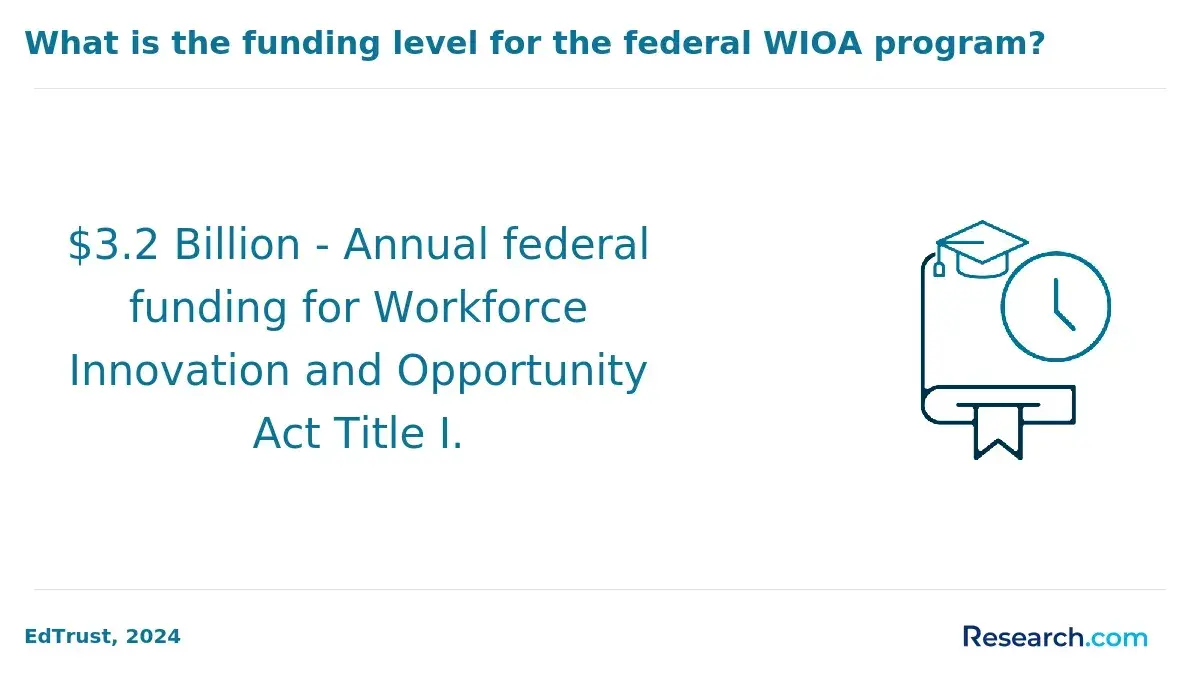
Many military-friendly online health administration programs are accredited, but students should never assume accreditation based on a school’s military-friendly language. Accreditation affects transfer credit, federal financial aid eligibility, employer recognition, and in some cases preparation for professional credentials. Recent data shows that about 85% of online health administration programs hold recognized accreditation.
For most students, the first requirement is institutional accreditation from an agency recognized by the U.S. Department of Education. Some healthcare administration programs may also hold specialized accreditation, such as accreditation from the Commission on Accreditation of Healthcare Management Education (CAHME). Specialized accreditation can be especially relevant for students pursuing competitive management roles or graduate-level healthcare leadership pathways.
Why accreditation matters for military learners
- Program Quality: Accreditation indicates that the institution or program has been reviewed against established academic standards. It does not guarantee job placement, but it helps students avoid programs with weak oversight.
- Credit Transfer: Accredited institutions are more likely to consider transfer credits from other colleges and may be more structured in evaluating military training and prior learning.
- Financial Aid Access: Federal financial aid and many military education benefits generally require enrollment at an eligible accredited institution.
- Employer Confidence: Healthcare employers often prefer or require degrees from accredited schools, particularly for management, compliance, and administrative leadership roles.
- Licensure and Certification Planning: Some professional certifications or state-regulated roles may require education from an accredited program or institution.
How to verify accreditation
Students should check accreditation directly rather than relying only on admissions materials. Useful verification steps include searching the U.S. Department of Education’s Database of Accredited Postsecondary Institutions and Programs, reviewing the Council for Higher Education Accreditation (CHEA) website, and asking the school to identify both its institutional accreditor and any programmatic accreditor for health administration.
Students considering broader healthcare education options can also compare admission accessibility across related fields, including nursing schools with easier admission pathways, while still verifying accreditation and credential requirements before enrolling.
Breakdown of Public Fully Online Title IV Institutions (In Percentage)

How much do military-friendly online health administration programs cost?
The cost of a military-friendly online health administration degree depends on tuition, fees, transfer credit, benefit eligibility, and the number of credits required after prior learning is evaluated. Tuition fees have steadily increased by approximately 3% per year over the last five years, so military-affiliated students should calculate total program cost before committing.
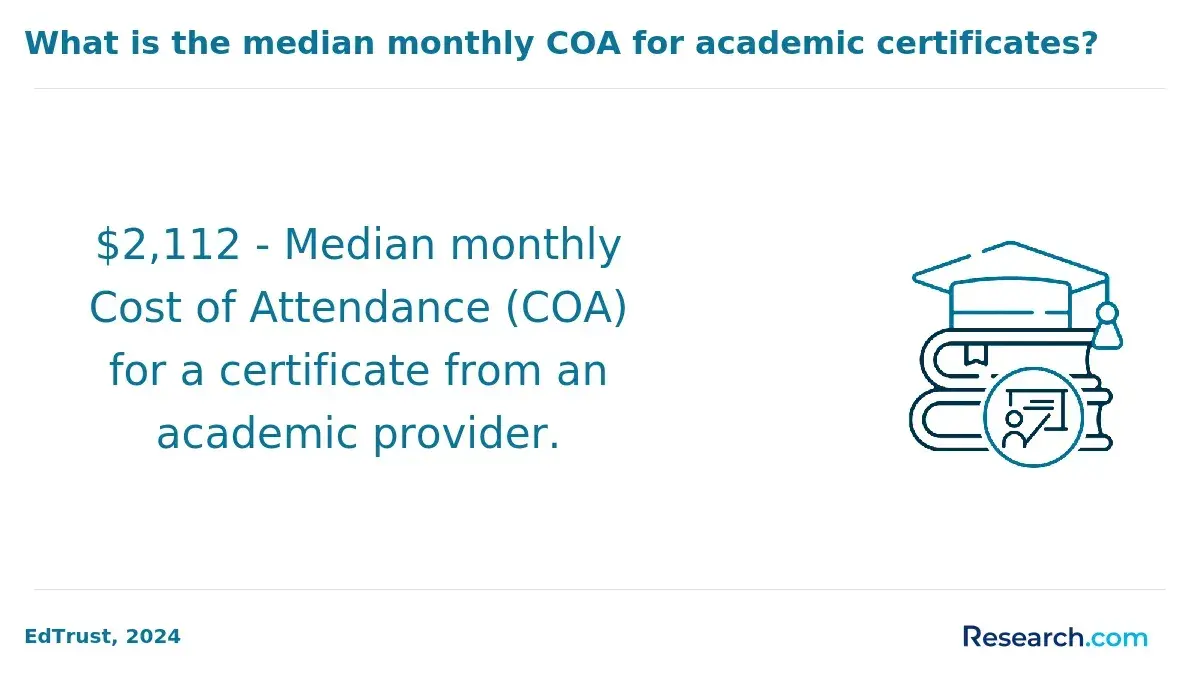
Tuition commonly ranges between $300 and $600 per credit hour. The amount a student actually pays may be lower after GI Bill benefits, Tuition Assistance, scholarships, employer support, or military tuition discounts. However, students should confirm whether benefits cover only tuition or also fees, materials, and other charges.
Common cost categories
- Tuition per Credit: This is the base instructional cost. Students should multiply the per-credit price by the number of credits they still need after transfer credits and military training evaluations.
- Mandatory Fees: Online programs may charge technology, enrollment, student services, graduation, or course-specific fees. These costs can add up even when tuition is reduced by benefits.
- Course Materials: Digital textbooks, software, databases, or simulation tools may be included in tuition or billed separately. Students should ask whether materials are required each term.
- Practicum or Clinical Fees: Some health administration programs include supervised fieldwork, internships, or practicum coordination. These experiences may carry additional fees and may require scheduling around military obligations.
How military students can estimate the real cost
- Request a degree plan showing remaining credits after transfer and military credit review.
- Ask for a written cost estimate that separates tuition, fees, and materials.
- Confirm whether military benefits apply to online courses, part-time enrollment, and accelerated terms.
- Check whether stopping out for deployment changes tuition, refund, or benefit certification rules.
- Compare net cost, not advertised tuition, across schools.
A lower tuition rate is helpful, but it is not the only cost factor. A program that accepts more valid transfer credit or military training may be less expensive overall than a cheaper-per-credit program that requires more coursework.
What financial aid options do military-friendly online health administration programs offer?
Military-friendly online health administration programs typically help eligible students combine military education benefits, federal aid, institutional aid, and scholarships. Nearly 85% of military learners utilize federal or institutional aid, which makes benefit planning one of the most important parts of choosing a program.
Students should contact both the school’s financial aid office and its veterans or military services office before enrolling. These offices often handle different parts of the process, and delays can occur when benefit certification, course registration, and billing are not coordinated.
Common financial aid options
- GI Bill Benefits: Eligible veterans, active-duty members, and qualifying family members may use GI Bill benefits for tuition, fees, and housing allowances. Students should verify how their enrollment intensity and online status affect benefit amounts.
- Tuition Assistance (TA): Active service members may use TA to cover part or all of tuition per credit hour, subject to military branch rules and approval timelines. Students should secure approval before courses begin when required.
- Military Scholarships: Scholarships and grants for service members, veterans, spouses, and dependents can reduce out-of-pocket costs and may be combined with other aid depending on school policy.
- Loan Forgiveness Programs: Some federal and state initiatives may forgive student loans for graduates who work in public health or administration roles focused on veterans or underserved populations. Eligibility rules are specific, so students should not borrow based on assumed forgiveness.
Practical steps to maximize aid
- Submit benefit documents early and keep copies of all approvals.
- Ask whether scholarships are applied before or after military benefits.
- Confirm whether dropped courses can create repayment obligations.
- Review how accelerated terms affect benefit usage.
- Meet with a military benefits counselor before changing enrollment status.
One military veteran who completed an online health administration degree described the aid process as manageable but not automatic. He spent hours reviewing eligibility rules and worked with a veteran affairs counselor to combine GI Bill benefits with scholarships.
- : "The process wasn't straightforward, but knowing I could combine GI Bill benefits with scholarships made it manageable. Choosing electives tied to my career goals also helped me stay motivated when finances felt stressful."
Do online health administration programs accept military training for credit?
Many online health administration programs review military training for possible college credit, but policies vary widely. Some schools award direct credit for equivalent coursework, while others apply military learning as electives. Students should complete this review before enrolling because accepted credit can reduce both time to degree and total cost.
Nearly 1.4 million military personnel and veterans have earned college credits through their training, showing that higher education institutions increasingly recognize structured military learning. Still, credit is not automatic. It depends on the school, the program curriculum, the age and level of training, and whether the training aligns with health administration outcomes.
How programs evaluate military training
- Military Transcript Evaluation: Schools often review official records such as the Joint Services Transcript to identify training that may match college-level coursework. Students should request a transcript review before the first term when possible.
- Relevance of Training: Credit is more likely when military coursework relates to leadership, logistics, medical operations, personnel management, compliance, information systems, or other health administration competencies.
- Use of Professional Experience: Some programs consider military certifications, documented leadership responsibilities, or prior healthcare-related duties for elective credit or prior learning assessment.
- Consultation with Advisors: Academic and military advisors can explain whether credits will satisfy major requirements, general education, electives, or only institutional credit limits.
Common mistakes to avoid
- Assuming all military credits will apply to the major.
- Enrolling before receiving a written transfer-credit evaluation.
- Comparing schools only by credits awarded rather than credits that count toward graduation.
- Ignoring residency requirements that require a minimum number of credits to be completed at the institution.
The best outcome is not simply receiving the highest number of credits. It is receiving credits that reduce required coursework without weakening preparation for healthcare administration roles.
Are online health administration programs flexible for deployments?
Military-friendly online health administration programs should be built for interruptions. Deployments, temporary duty assignments, field training, PCS moves, and limited connectivity can make rigid online programs difficult to complete. Flexibility is therefore one of the most important quality indicators for active-duty learners and many reservists and National Guard members.
The strongest programs combine asynchronous coursework with clear military leave policies. Asynchronous delivery allows students to watch lectures, complete discussions, and submit assignments outside fixed class times. However, students should still check whether exams, group projects, practicums, or live sessions require specific availability.
Deployment-friendly features to confirm
- Asynchronous coursework: Students can access lectures and assignments without attending at a fixed time.
- Extended deadlines: Policies allow reasonable adjustments for official military obligations.
- Military leave or pause options: Students can step away during deployment and return without losing academic standing.
- Advisor familiarity with military schedules: Dedicated military advisors can help plan terms around known training or deployment windows.
- Accessible technology: Course platforms should work reliably for students who may have limited connectivity or different time zones.
- Clear reentry process: Students should know how to resume courses, benefits, and academic plans after an absence.
An active-duty student described asynchronous access as essential during deployment, especially when communications were limited. Extended deadlines helped her avoid falling behind after returning, but she said the most important factor was having advisors who understood military schedules.
- : "Having advisors who understood my military schedule made a big difference."
Students should ask for these policies in writing. Verbal assurances from admissions staff are not enough if a deployment occurs midterm.
Do military-friendly programs meet licensure requirements?
Some online health administration programs prepare students for professional certifications or state-regulated administrative roles, but licensure requirements vary by occupation and location. Military-affiliated students should confirm requirements before enrolling, especially if they plan to work in a regulated healthcare setting or pursue a specific credential.
For context, the national pass rate for the Certified Healthcare Administrative Professional (cHAP) exam hovers around 75%. That makes curriculum alignment, exam preparation, and practical experience important factors when comparing programs.
What to verify
- Curriculum Alignment: The program should map coursework to relevant healthcare administration competencies, including leadership, finance, ethics, healthcare law, compliance, quality improvement, and operations.
- Practicum or Clinical Components: Some credentials or roles may require supervised experience, fieldwork, or documented administrative practice. Students should ask whether placements can be completed near a duty station or after relocation.
- Exam Preparation: Helpful programs may offer review materials, practice exams, faculty guidance, or courses aligned with certification content.
- Accreditation and Regulatory Compliance: Students should confirm that the institution is accredited and that the program tracks applicable state or certification requirements.
Important caution for military students
Healthcare administration is not licensed in the same way in every role. Some jobs may not require licensure, while others may require state-specific credentials, facility administrator qualifications, or professional certification. Because military students may relocate after graduation, they should ask whether the program meets requirements in the state where they expect to work, not only the state where the school is located.
A program can be military-friendly and still fail to meet a student’s intended credential requirements. The safest approach is to identify the target role first, then confirm that the degree, accreditation, practicum, and exam preparation match that goal.
What careers can military students pursue with an online health administration degree?
An online health administration degree can help military students move into civilian roles that involve healthcare operations, compliance, staffing, budgeting, information systems, and program management. The U.S. Bureau of Labor Statistics projects a 32% growth in employment for medical and health services managers through 2031, pointing to strong demand for professionals who can manage complex healthcare organizations.
Military experience can be a significant advantage. Leadership, logistics, chain-of-command communication, risk management, and mission-focused planning often translate well to healthcare environments. The key is choosing a program and electives that connect those strengths to civilian healthcare systems.
Potential career paths
- Health Services Manager: Health services managers oversee departments, facilities, staff, budgets, and compliance processes. Military leadership experience can be useful in roles that require coordination, accountability, and operational discipline.
- Operations-Focused Medical and Health Services Manager: These professionals improve workflows, manage resources, support patient care processes, and implement operational changes. Military logistics and planning experience often align closely with this work.
- Public Health Administrator: Public health administrators manage community programs, grants, policy implementation, and population health initiatives. Veterans with public service, emergency response, or program management experience may find this path especially relevant.
- Health Informatics Specialist: Health informatics specialists work with healthcare data, systems, records, and analytics. Military roles involving technology, information management, cybersecurity, or data reporting can support this transition.
How to choose the right career direction
- Students with command, staffing, or personnel experience may fit healthcare management roles.
- Students with logistics or process improvement experience may prefer operations-focused roles.
- Students with medical, emergency response, or community service backgrounds may consider public health administration.
- Students with information systems or analytics experience may explore health informatics.
Students planning advanced clinical or leadership education can also compare related healthcare pathways, including affordable online acute care nurse practitioner programs, if their long-term goals involve a clinical graduate route rather than administration alone.
How much do military graduates earn with an online health administration degree?
Earnings for military graduates with an online health administration degree depend on role, location, experience, credentials, employer type, and leadership responsibility. Some reports show earnings rising by up to 10% within five years of graduation, but individual outcomes vary. A degree can improve access to healthcare administration roles, yet salary growth usually depends on how graduates combine education with experience and credentials.
Factors that affect earnings
- Licensure: Obtaining professional licensure can increase salary by up to 15% due to validated expertise. Students should confirm which credentials are valued in their target role and state.
- Years of Experience: Healthcare administration pay typically increases with management experience. Veterans may be able to position military leadership, logistics, or medical operations experience as relevant professional experience.
- Specialty or Role: Senior administrative, operations, compliance, informatics, and management-track roles often pay more than entry-level administrative positions because they carry greater responsibility.
- Geographic Location: Pay varies by regional healthcare demand, employer budgets, and cost of living. Metropolitan and high-demand healthcare markets may offer higher wages than some rural areas.
How military graduates can strengthen salary potential
- Choose electives that match a high-demand area such as operations, compliance, healthcare finance, or informatics.
- Translate military leadership and project responsibilities into civilian healthcare language on resumes.
- Pursue relevant certifications only when they align with a target job, not simply to add credentials.
- Use internships, practicums, or capstone projects to build healthcare-specific experience.
- Compare employer types, including hospitals, clinics, public health agencies, veterans’ healthcare organizations, and insurance or healthcare technology companies.
Military students interested in additional healthcare leadership credentials may also review advanced education options such as the most affordable online DNP programs, depending on whether their career goals move toward advanced clinical leadership or remain in administration.
What Graduates Say About Their Military-Friendly Online Health Administration Degree
- : "Enrolling in a military-friendly online health administration degree program was a game-changer for me. The flexibility to balance deployment schedules with coursework made it possible to advance my education without sacrificing my duty. Considering the average cost of attendance, I felt the investment was worth every penny as it directly contributed to my promotion within the healthcare sector. — Marco"
- : "Reflecting on my experience, the military-friendly structure of the online health administration program allowed me to study at my own pace, which was crucial given my unpredictable military commitments. The curriculum's relevance and affordability, averaging around typical costs for such programs, equipped me with practical skills that have enhanced my leadership role in medical administration. — Tara"
- : "Completing an online health administration degree designed for military personnel gave me the professional edge I needed. The program's flexible schedule and reasonable cost made it accessible while I served. Since graduating, I've seen measurable improvements in my career trajectory and confidence managing healthcare operations. — Omari"
Other Things You Should Know About Health Administration Degrees
Military Tuition Assistance can cover up to $250 per semester credit hour, with annual caps set by each branch. The Post-9/11 GI Bill may pay tuition directly to approved schools and include a monthly housing allowance, but only for programs approved by the U.S. Department of Veterans Affairs.
Military personnel typically need to provide proof of service and transcripts for prior education. Some programs may require a minimum GPA or standardized test scores. Check specific program websites for exact admission criteria tailored to military-friendly online degrees in health administration.
Yes, many online health administration degree programs in 2027 recognize military experience as valuable and may offer academic credit for it. This helps military students translate their real-world skills into academic progress, making adaptations to civilian roles smoother.
References
- Exploring the “Military Friendly” School Designation https://www.higheredmilitary.com/news/articleDisplay.cfm
- Online Health Administration Degree Program | University of Phoenix https://www.phoenix.edu/online-healthcare-degrees/health-administration-bachelors-degree.html
- Healthcare Administration (AAS) https://www.uagrantham.edu/online-degrees/healthcare-administration-associates/
- Healthcare Administration https://online.champlain.edu/degrees-certificates/bachelors-healthcare-administration
- Military-Friendly Online Degrees: Flexible Education for Service Members - The College of Will Writing https://www.collegewillwriting.co.uk/military-friendly-online-degrees-flexible-education-for-service-members/
- Online Master of Health Administration (MHA) Degree https://franu.edu/academics/academic-programs/health-administration
- What Can You Do with a Master’s in Healthcare Administration? | NU https://www.nu.edu/blog/what-can-you-do-with-a-masters-in-healthcare-administration/
- Healthcare Administration BS Online https://www.umassd.edu/programs/healthcare-administration-online/
- Earn Your Online Bachelor’s in Healthcare Administration from Newberry College https://www.newberry.edu/admission/explore-our-online-bachelors-healthcare-administration