2027 AI Associate Degrees in Pennsylvania: Best Online and On-Campus Options

Co-Founder and Chief Data Scientist
Many professionals with degrees in unrelated fields seek to enter the rapidly growing artificial intelligence industry but struggle to find flexible, accredited programs that build foundational skills quickly. Without relevant credentials, career shifts into AI can seem daunting or out of reach. Associate degrees offer practical pathways, combining technical training with industry-relevant knowledge in manageable timeframes.
This article examines the best online and on-campus AI associate degrees available in Pennsylvania, highlighting options that accommodate working adults. It aims to guide readers toward programs that align with their career goals and offer recognized, flexible routes into artificial intelligence roles.
Key Things You Should Know
- In 2026, Pennsylvania offers diverse AI associate degrees both online and on-campus, with enrollment growth of 15% since 2024 reflecting rising demand for AI skills.
- Programs emphasize hands-on experience with machine learning and data analytics tools, targeting jobs in healthcare, finance, and manufacturing sectors.
- Average tuition ranges from $4,500 to $12,000 annually; many institutions provide scholarships or flexible schedules to accommodate working professionals.
What is an AI associate degree in Pennsylvania, and what will you learn?
An AI associate degree program in Pennsylvania offers focused, two-year training that equips students with essential skills in artificial intelligence and machine learning. The curriculum covers vital topics such as Python programming, data structures, statistics, machine learning models, and basic neural networks.
Emphasis is placed on collecting, cleaning, and interpreting data sets necessary for training AI systems and applying algorithms in practical scenarios. These programs consistently include hands-on projects that mirror real industry challenges, helping students develop tools such as recommendation systems or chatbots.
Students enrolled in Pennsylvania ai associate degree courses gain knowledge that balances software development, data science, and computational theory, depending on the institution's focus. Ethical AI practices, including data privacy and bias mitigation, are often integrated into coursework.
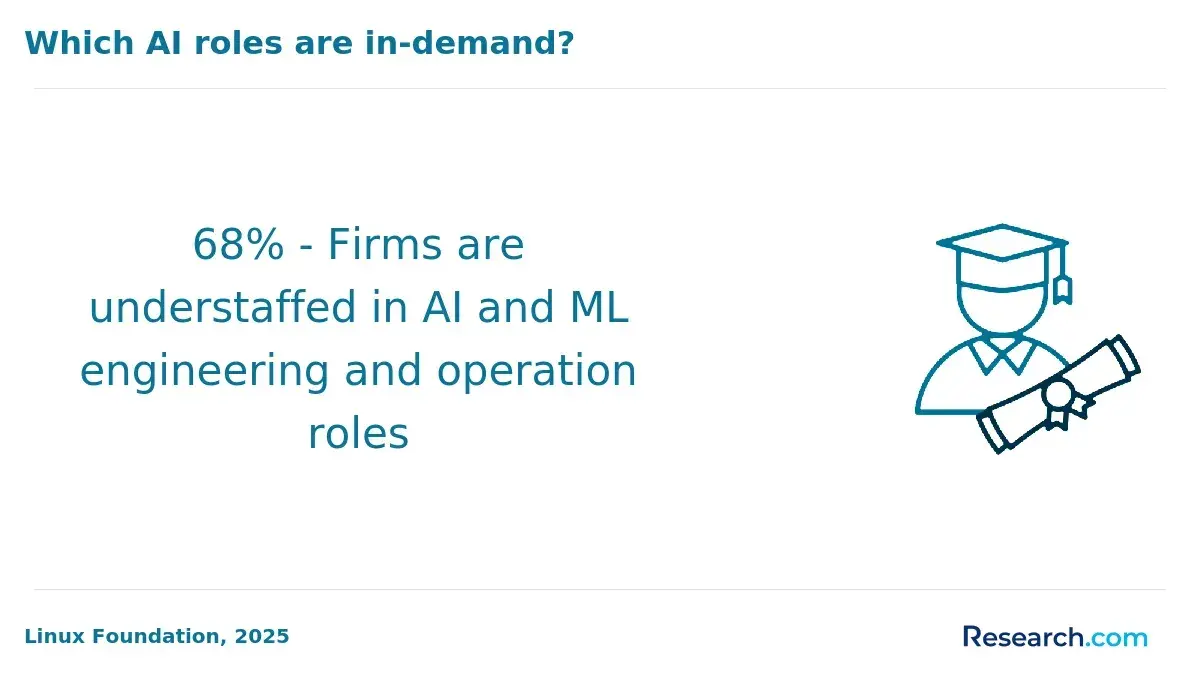
Graduates typically qualify for positions such as AI technician, junior data analyst, or machine learning assistant, aligning well with the growing demand as AI/machine learning was ranked the #1 fastest-growing skill worldwide by the LinkedIn 2025 Workplace Learning Report.
This degree pathway is ideal for those seeking a cost-effective, accelerated entry into AI fields, with flexible options such as online or on-campus study. Careers span industries like technology, healthcare, finance, and manufacturing, all actively adopting AI solutions. For insights into applicable roles, explore applied artificial intelligence jobs.
PA programs focused on AI associate degree programs in Pennsylvania curriculum and skills prepare students for these dynamic roles in emerging tech sectors.
Which Pennsylvania colleges offer accredited AI associate degrees online or on campus?
Several Pennsylvania colleges offer accredited artificial intelligence associate degrees both online and on-campus, providing flexible options for students. Community College of Allegheny County and Harrisburg Area Community College feature programs with concentrations in AI, data analytics, programming, and machine learning.
These programs integrate foundational computer science with practical AI training. For instance, Community College of Allegheny County's curriculum includes AI algorithms, database management, and ethical AI use, preparing students for technician roles.
Harrisburg Area Community College supports working professionals with an online pathway focusing on AI application development and automation. Other institutions like Montgomery County Community College and Northampton Community College offer computer science or IT degrees with AI electives, ideal for those seeking broader technical expertise with AI specialization.
Students should confirm institutional accreditation to ensure quality and financial aid eligibility, as Pennsylvania hosts over 200 accredited postsecondary schools recognized by the U.S. Department of Education and College Scorecard data.
When choosing from the many accredited online and on-campus artificial intelligence associate degree programs in Pennsylvania, consider course delivery, faculty expertise, and career alignment. Programs that emphasize AI tools and industry partnerships enhance job readiness.
Always consult college advisors for current accreditation and curriculum updates because AI degree offerings continue to evolve rapidly.
For students exploring related fields, a mechanical engineering online program may also be of interest for those blending AI with engineering disciplines.
How do online and on-campus AI associate programs in Pennsylvania compare?
Online and on-campus AI associate degree programs in Pennsylvania cater to different student needs. Online programs offer flexibility, perfect for working adults or those with family responsibilities, enabling access to coursework anytime. This approach aligns with the growing preference for remote learning, as 31% of U.S. postsecondary students enrolled exclusively in distance education courses in 2022-23, per the National Center for Education Statistics (NCES).
Conversely, on-campus programs deliver direct interaction with faculty and peers, promoting hands-on experiences with specialized lab equipment and real-time feedback. Such immersion can be vital for mastering complex AI algorithms, programming languages like Python and R, and data processing.
Both formats emphasize similar curricula, and students should consider accreditation, faculty expertise, and industry connections over delivery method alone. Hybrid options, combining online theory with periodic in-person labs or workshops, also exist. Cost and time vary: online programs reduce commuting costs and offer self-paced study, while on-campus attendance may include extra fees but provides networking opportunities at career fairs and campus events.
Students seeking immediate collaboration and hands-on projects often prefer on-campus options, while those prioritizing schedule flexibility or living far from Pennsylvania campuses benefit from online programs. For a detailed online engineering degrees comparison and more information, researching thoroughly is crucial when choosing between these options.
Comparing Pennsylvania AI associate degrees by delivery method involves weighing individual learning styles, career goals, and life situations to select the best fit.
What courses and hands-on projects are typical in an AI associate curriculum?
Typical AI associate degree courses in Pennsylvania combine foundational knowledge with practical projects that develop essential skills in programming, data analysis, and machine learning. Students often study programming languages like Python, which are critical for building and refining AI models. Courses in statistics and linear algebra provide the quantitative foundation needed to understand complex algorithms, while classes in machine learning and data structures help students optimize predictive models effectively.
Hands-on ai projects in Pennsylvania associate programs are an important feature, reflecting industry trends where 62% of developers use AI coding tools such as code assistants. Many programs incorporate projects using AI frameworks like TensorFlow or PyTorch, enabling students to build neural networks or classification models.
Common examples include developing a supervised learning model for predicting student grades, creating natural language processing tools to analyze customer reviews, and implementing computer vision algorithms for object identification.
- Developing supervised learning models based on datasets
- Creating natural language processing applications
- Building computer vision tools for image recognition
Some programs also include cloud computing and database management courses to prepare students for managing large AI workflows in scalable environments. Proficiency in AI development tools and debugging software ensures graduates are ready for both theory-driven roles and practical applications. For students seeking broader opportunities, pursuing an online cyber security degree can complement AI skills and boost career prospects.
What admission requirements and prerequisites do AI associate programs typically have?
Admission into AI associate degree programs in Pennsylvania generally requires a high school diploma or equivalent, along with demonstrated proficiency in math, particularly algebra or higher-level courses. This math readiness is critical, as 39% of U.S. adults cite math as a major barrier to continuing education, according to Gallup and the Lumina Foundation's State of Higher Education report.
Typical prerequisites include:
- Completing a math placement test or providing proof of algebra competency
- Basic computer literacy or experience with programming languages like Python or Java
- Maintaining a minimum GPA, often around 2.0 on a 4.0 scale
- Submitting transcripts from prior education
If applicants lack sufficient math skills, developmental courses may be required to ensure they can keep pace with technical material. Some programs may also request letters of recommendation or a personal statement highlighting interest in AI. For working professionals returning to study, advising offices recommend reviewing math fundamentals through community college courses or online tutorials.
Online AI programs may offer more flexibility by waiving some requirements or providing remedial support, but prospective students should check specific admissions criteria with each institution. Strong quantitative reasoning and foundational computer skills are key factors that influence both admission decisions and academic success in AI associate degree studies.
How long do AI associate degrees take, and what do they cost in Pennsylvania?
AI associate degrees in Pennsylvania generally require about two years of full-time study, with some programs offering accelerated or part-time options to complete in 18 months or extend up to three years. These programs provide foundational knowledge in programming, data analysis, and machine learning, combined with practical applications essential for today's tech landscape.
Tuition costs for in-district community college students average around $6,300 annually, making a two-year degree approximately $12,600 in tuition and fees. Out-of-district or out-of-state students can expect significantly higher rates, sometimes more than double the in-district cost. Additional expenses, including books, software licenses, and technology fees, typically add $1,000 to $2,000 per year.
Many institutions now offer online AI associate degrees with similar tuition rates but reduced commuting and housing expenses, increasing accessibility for diverse learners. Financial aid, scholarships, and employer tuition reimbursement programs can help offset costs, so contacting schools directly about these opportunities is advisable.
Choosing an accredited, state-approved community college with specialized AI coursework ensures relevant skills without the higher expenses of four-year colleges. Notable programs exist at the Community College of Philadelphia and Harrisburg Area Community College, offering strong pathways into an evolving AI workforce.
What accreditation should an AI associate program have, and how can you verify it?
Accreditation plays a vital role in validating the quality and credibility of an AI associate degree program. Students should confirm that their chosen institution holds regional or national accreditation recognized by the U.S. Department of Education to ensure recognized educational standards and employer acceptance.
The U.S. Department of Education officially recognizes 19 institutional accrediting agencies responsible for maintaining rigorous academic standards, including curriculum quality, faculty expertise, and student support. To verify the accreditation status of colleges and their AI programs, students can consult the Database of Accredited Postsecondary Institutions and Programs. For example, a Pennsylvania community college offering an AI associate degree should appear in this database if it has proper accreditation.
In Pennsylvania, reputable accrediting bodies commonly involved include the Middle States Commission on Higher Education (MSCHE) and the Accrediting Council for Independent Colleges and Schools (ACICS). Some AI specializations may also fall under technology- or engineering-focused STEM accreditations.
Enrollment in non-accredited institutions can risk credit transferability, financial aid eligibility, and future job prospects, as many employers prefer graduates from recognized programs. Confirming accreditation beforehand protects both educational investments and career pathways.
What jobs can you get with an AI associate degree in Pennsylvania?
An AI associate degree in Pennsylvania equips graduates for roles in software development, data analysis, and AI support. Many find employment as junior software developers, data technician assistants, or AI support specialists, with responsibilities such as coding, debugging, implementing basic machine learning techniques, and managing datasets. These tasks align closely with the skills taught in AI associate programs.
Pennsylvania employs about 57,000 software developers, creating opportunities for entry-level AI-focused graduates to contribute by developing algorithms, maintaining AI-powered applications, and supporting data processing under senior guidance. Other common roles include:
- Data analyst assistants who assist with cleansing and organizing datasets for AI training or business intelligence purposes.
- AI technicians supporting system deployment and maintenance in sectors like healthcare and manufacturing.
- Quality assurance testers ensuring AI software accuracy and reliability.
Graduates often move into IT support positions emphasizing automation and AI tool application. Strong programming and analytical skills foster career growth, even without a four-year degree.
To enhance job prospects, gaining hands-on experience with Python, AI frameworks, and data management tools is crucial. Certifications related to cloud AI services also increase employability among Pennsylvania employers seeking skilled junior AI professionals.
What salaries can AI associate degree graduates expect in Pennsylvania?
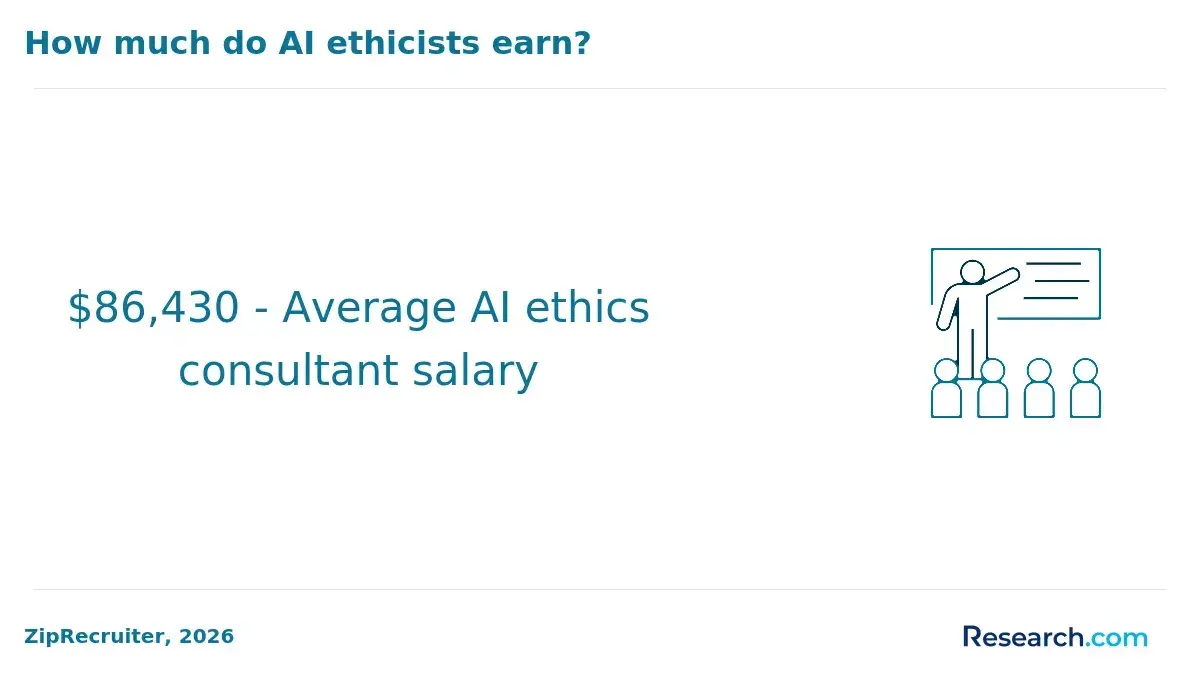
Graduates with an associate degree in artificial intelligence in Pennsylvania can expect entry-level salaries ranging from $50,000 to $75,000 annually. Common job roles within this range include AI technicians, machine learning analysts, and data engineering assistants. These positions often function as foundational steps toward more advanced and better-paid careers in the tech industry.
Gaining experience, obtaining certifications, or pursuing further education significantly impacts salary growth. For instance, the median wage for data scientists in Pennsylvania is about $114,000 per year, reflecting typical progression beyond the associate degree level, according to the U.S. Bureau of Labor Statistics, OEWS.
Targeting industries such as healthcare, finance, and technology within Pennsylvania can lead to higher earnings given their strong demand for AI skills. Roles involving data analysis, automation development, or AI support in major corporations and research institutions tend to be the most lucrative. Some employers also offer bonuses and benefits that enhance overall compensation.
To close the wage gap with bachelor's degree holders, continuous skill development is essential. Expanding technical competencies and industry specialization improves long-term earnings potential and career advancement for those starting with an associate degree in artificial intelligence.
Which certifications pair best with an AI associate degree for entry-level roles?
Certifications that complement an AI associate degree for entry-level positions validate essential practical skills in cloud computing, cybersecurity, and fundamental IT knowledge. A survey by Global Knowledge (Skillsoft) reveals that 83% of IT decision-makers view certifications as valuable for boosting hiring confidence, emphasizing their importance alongside academic credentials.
Key certifications that enhance AI-related career prospects include:
- AWS Certified Cloud Practitioner: Demonstrates foundational cloud services knowledge crucial for AI applications relying on cloud platforms.
- Microsoft Certified: Azure AI Fundamentals: Provides an understanding of AI workloads and services on the widely adopted Azure enterprise cloud.
- CompTIA Security+: Validates core cybersecurity skills essential for protecting AI systems and data.
- Google Cloud Digital Leader: Focuses on cloud concepts and AI tools within Google Cloud to broaden cloud expertise.
- Certified Data Analyst (CDMP or similar): Offers skills in data handling and analytics central to most AI projects.
These certifications align with employer expectations in AI-related roles by verifying skills to manage cloud infrastructure, secure AI environments, and analyze data effectively. For example, combining an AWS certification with an AI associate degree highlights the ability to deploy AI models using scalable cloud resources, a common industry demand.
Prioritize certifications based on your specific technology focus and geographic location, as many employers, especially in Pennsylvania, prefer candidates who pair an associate degree with respected certifications to minimize training time and enhance productivity.
Other Things You Should Know About Artificial Intelligence
Many accredited institutions allow students to transfer credits earned from an AI associate degree towards a related bachelor's degree in computer science, data science, or artificial intelligence. Transfer policies vary by school, so it's important to consult both the associate program and the prospective bachelor's program to ensure a smooth transition. This pathway can save time and money for those seeking advanced education.
Programming languages such as Python, R, and Java are commonly emphasized in AI associate degree programs due to their widespread use in machine learning and data analysis. Python, in particular, is favored for its extensive AI libraries and ease of use. Students also learn basics of algorithm development and data structures to support AI applications.
Online AI associate degrees from accredited Pennsylvania institutions hold the same academic value as their on-campus counterparts when the curriculum and faculty quality are equivalent. Employers increasingly recognize online education, especially when supported by strong project portfolios and relevant experience. Prospective students should verify accreditation and program reputation before enrolling.
In 2027, AI associate degree students in Pennsylvania can explore options like federal grants, state scholarships, and institutional aid from specific colleges. Some programs may also offer work-study opportunities. Interested students, especially those without technical backgrounds, may benefit from pursuing a master’s in AI without coding experience to further increase career prospects.
References
- Top AI Certifications for 2026: A Guide to Advancing Your Tech Career | DataCamp https://www.datacamp.com/blog/top-ai-certifications
- AI classes in Pennsylvania | AI Training https://www.agitraining.com/ai-classes/pennsylvania
- Best Artificial Intelligence Degree Programs in Pennsylvania — 2026 Rankings https://hakia.com/degrees/artificial-intelligence/pennsylvania/
- The Prerequisites for Artificial Intelligence- IABAC - IABAC https://iabac.org/blog/what-are-the-prerequisites-for-artificial-intelligence-a-modern-approach
- Are online electives different from on-campus options? https://online.seas.upenn.edu/faqs/are-online-electives-different-from-on-campus-options/
- AI For Business Specialization | undefined https://platform.onlinelearning.upenn.edu/offering/ai-for-business-specialization-a0Q2E00000MTwrmUAD
- Client Challenge https://www.scribd.com/document/884153564/3e0e0489-ca5f-46b5-ad5e-c7415e0a3850
- What are the requirements for completing the Introduction to AI and Building AI courses? https://www.elementsofai.com/ie/faq/what-are-the-requirements-for-completing-the-introduction-to-ai-and-building-ai-courses
- Penn's Graduate School of Education launches Ivy League’s first-ever AI degree program in education https://www.gse.upenn.edu/news/penns-graduate-school-education-launches-ivy-leagues-first-ever-ai-degree-program-education
- Artificial Intelligence Course Eligibility: Requirements & Prerequisites https://www.mygreatlearning.com/artificial-intelligence/courses/eligibility