2027 Online Cybersecurity Degrees With the Best FAFSA-Friendly Options

Co-Founder and Chief Data Scientist
Choosing an online cybersecurity degree is a financial decision as much as an academic one. The field is expanding quickly: the U.S. Bureau of Labor Statistics projects information security analyst employment to grow 29% from 2024 to 2034, much faster than average.
This guide is for students comparing FAFSA-eligible online options, including working adults, transfer students, veterans, and career changers. You will learn how to evaluate accreditation, cost after aid, degree levels, curriculum, timelines, certifications, and career fit so you can choose a program with fewer surprises.
Key Things You Should Know
- The best FAFSA-friendly online cybersecurity degrees are offered by institutionally accredited, Title IV-eligible schools; eligible students may use federal grants, loans, and work-study, but bootcamps and non-degree certificates often do not qualify.
- College Board's 2024-2025 benchmarks put average published tuition and fees at $11,610 for in-state public four-year colleges and $43,350 for private nonprofit four-year colleges before aid.
- Cybersecurity can support strong career mobility, but outcomes vary by experience and role; BLS reports a May 2024 median annual wage of $124,910 for information security analysts.
What are the best FAFSA-friendly online cybersecurity degrees?
The best FAFSA-friendly online cybersecurity degree is not simply the cheapest or the fastest. It is a degree program at a Title IV-eligible, institutionally accredited school that matches your career goal, accepts your transfer credits, provides applied security labs, and keeps your net cost manageable after grants, scholarships, employer support, and federal loans.
"FAFSA-friendly" means the school participates in federal student aid and the program is an eligible degree or approved certificate. Before applying, confirm the school has a federal school code, the program is not excluded from aid, and your enrollment intensity meets aid requirements. Students with military backgrounds should also compare Yellow Ribbon, GI Bill, and transfer-credit policies; this is especially important when reviewing a cybersecurity degree online for veterans.
The table below summarizes the strongest FAFSA-friendly online cybersecurity degree options by student situation. Use it to narrow your list before comparing individual schools:
| Best option | Who it fits best | Why it can be FAFSA-friendly | Main trade-off |
| Public university online bachelor's in cybersecurity | First-time bachelor's students and transfer students seeking broad employer recognition | Often Title IV-eligible, may offer lower in-state tuition, and usually accepts federal grants and loans | May have longer general education requirements and residency rules |
| Community college associate degree with transfer pathway | Cost-conscious students who want to start with lower tuition | Public two-year colleges commonly participate in federal aid and can reduce the first two years of cost | May require careful transfer planning to avoid excess credits |
| Online bachelor's completion program | Students with prior college credits, military training, or an associate degree | Federal aid may apply if the program is degree-seeking and the school is eligible | Transfer-credit limits can affect both time and total cost |
| Online master's in cybersecurity | IT professionals, computer science graduates, and career changers with technical foundations | Graduate Direct Loans may apply, and employer tuition assistance may reduce borrowing | Usually less useful for students with no technical background unless bridge courses are available |
| Competency-based online cybersecurity degree | Experienced IT workers who can move quickly through familiar material | Some accredited institutions offer federal-aid-eligible competency-based programs | Requires strong self-direction and careful review of satisfactory academic progress rules |
To choose well, compare programs in this order instead of relying only on rankings. This sequence helps you avoid paying for a program that looks affordable upfront but does not fit your goals:
- Confirm institutional accreditation and federal aid eligibility through the school's official financial aid office.
- Check whether the degree is cybersecurity-specific, computer science-based, information technology-based, or management-focused.
- Ask for a transfer-credit evaluation before committing, especially if you have prior college, military, or industry training.
- Review lab access, cloud-security tools, capture-the-flag exercises, virtual machines, and hands-on security projects.
- Compare net price, not only tuition, by including fees, books, exam vouchers, equipment, residency rules, and required course loads.
A common mistake is assuming any online cybersecurity program qualifies for FAFSA. Many bootcamps, vendor academies, and short-term certificates are valuable for skills but are not automatically eligible for federal student aid.
How do online cybersecurity degrees compare with campus programs?
Online and campus cybersecurity degrees can cover the same academic content, but the learning experience is different. Online programs usually work best for students who need scheduling flexibility, while campus programs may be better for students who want in-person labs, local networking, and a traditional college environment.
The table below compares the practical differences that matter most when choosing between online and campus study. The right choice depends on your work schedule, learning style, budget, and need for hands-on support:
| Factor | Online cybersecurity degree | Campus cybersecurity degree |
| Schedule | Often asynchronous or evening-friendly, which helps working adults | Usually follows fixed class times and campus calendars |
| Hands-on labs | Delivered through virtual labs, cloud environments, simulations, and remote desktops | May include physical labs, hardware rooms, and in-person team exercises |
| Networking | Depends on discussion boards, online clubs, employer projects, and virtual events | Often easier through campus clubs, faculty access, and local recruiters |
| Cost structure | May reduce housing and commuting costs but can include technology or online fees | May include commuting, housing, parking, and campus-based fees |
| Best fit | Self-directed learners, working adults, parents, military-affiliated students, and transfer students | Students who prefer face-to-face accountability and local campus resources |
Online programs are not automatically easier. Strong programs expect students to configure systems, analyze logs, write reports, complete group projects, and practice secure development in virtual environments. If you struggle without weekly structure, look for live sessions, required check-ins, tutoring, and cohort-based pacing.
Campus programs are not automatically better either. A campus degree with limited security labs or outdated coursework may be less useful than an online program with current cloud, incident response, and penetration testing exercises. Employers generally care more about accredited education, skills, experience, projects, internships, and certifications than whether classes were taken online.
What accreditation should an online cybersecurity program have?
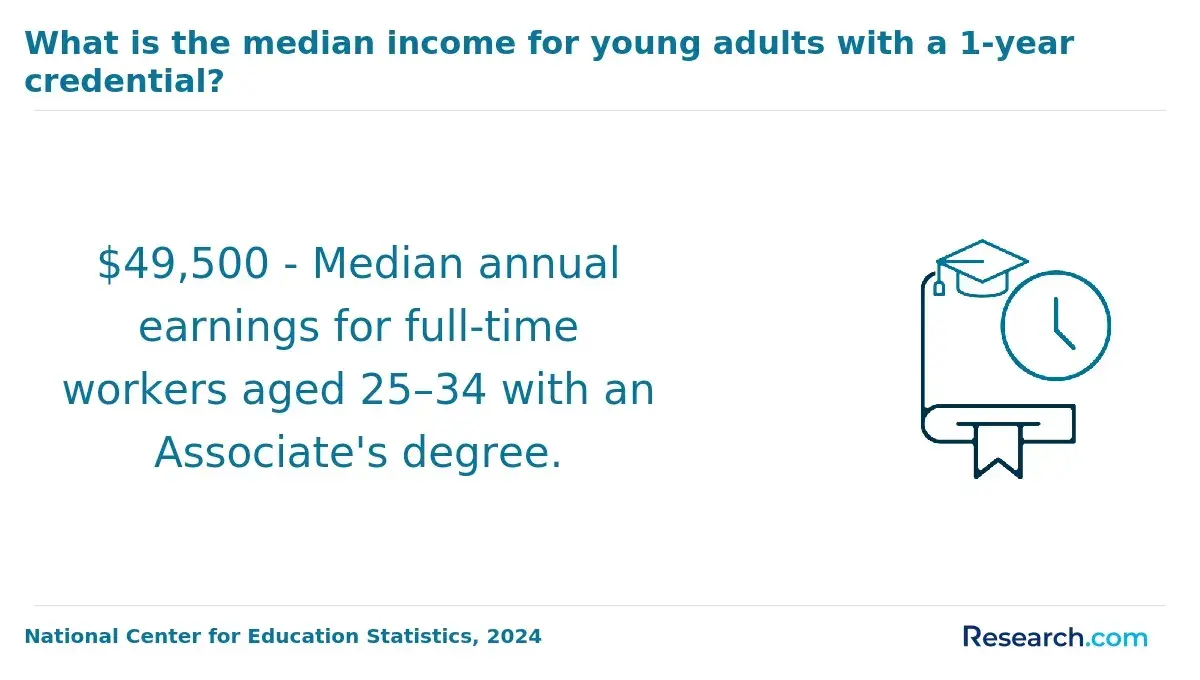
Accreditation is the first filter for any FAFSA-friendly online cybersecurity degree. For federal student aid, the school must be institutionally accredited by an accreditor recognized by the U.S. Department of Education and must participate in Title IV federal aid programs.
Programmatic accreditation is different from institutional accreditation. In computing fields, ABET accreditation can be a positive signal for certain computer science, cybersecurity, information technology, or engineering-related programs, but not every legitimate cybersecurity degree has ABET programmatic accreditation. For many students, institutional accreditation plus a strong curriculum, career services, and hands-on labs will matter more than a single programmatic label.
Use the following checks before submitting a deposit. They help you separate legitimate online degrees from programs that may create transfer, aid, or employer-recognition problems:
- Verify the institution's accreditation status through official school pages and recognized accreditation databases.
- Confirm with the financial aid office that the specific online cybersecurity program is eligible for federal aid.
- Ask whether credits transfer to other accredited institutions and whether the school has articulation agreements.
- Review whether the curriculum maps to recognized cybersecurity knowledge areas such as networking, systems security, risk management, secure coding, cloud security, and incident response.
- Be cautious if a school pressures you to enroll immediately, avoids net-price questions, or cannot clearly explain accreditation and aid eligibility.
National Centers of Academic Excellence in Cybersecurity designations from the NSA can also be useful signals because they indicate alignment with federal cybersecurity education standards. However, CAE designation is not a substitute for institutional accreditation or financial aid eligibility.
Which cybersecurity degree levels can you earn online?
You can earn online cybersecurity degrees at the associate, bachelor's, master's, and doctoral levels. The right level depends on your starting point: beginners usually need foundational computing courses, while experienced IT professionals may benefit more from a focused graduate program.
The table below compares online cybersecurity degree levels by purpose, typical audience, and decision point. Use it to avoid over-enrolling in a program that is either too basic or too advanced for your career stage:
| Degree level | Typical purpose | Best for | Decision point |
| Associate degree | Builds entry-level IT, networking, and security foundations | New students, budget-conscious learners, and transfer planners | Choose this if you want a lower-cost start and a clear bachelor's transfer plan |
| Bachelor's degree | Provides broad preparation for cybersecurity, IT security, systems administration, and analyst roles | Students seeking the most common undergraduate credential for security careers | Choose this if you do not already have a bachelor's degree and want maximum flexibility |
| Master's degree | Deepens technical, leadership, policy, or cyber operations expertise | IT workers, analysts, engineers, managers, and career changers with technical prerequisites | Choose this if it advances a specific role, not just because it sounds more prestigious |
| Doctoral degree | Supports advanced research, university teaching, executive leadership, or specialized policy work | Experienced professionals with research or senior leadership goals | Choose this only if the role you want truly benefits from doctoral-level training |
Some students compare cybersecurity with broader computing paths. If you want software development, algorithms, databases, and systems theory along with security electives, a computer science program may be a better fit; cost-focused students can also compare the cheapest online computer science degree options before choosing a cybersecurity-specific major.
In general, choose the narrowest degree that still supports your target job. A bachelor's in cybersecurity is often practical for analyst and security operations roles, while a master's may make more sense for cloud security, governance, digital forensics leadership, or security architecture after you already have experience.
What courses are included in an online cybersecurity curriculum?
An online cybersecurity curriculum usually combines computing foundations, defensive security, risk management, legal and ethical issues, and hands-on labs. Strong programs do not only teach tools; they teach students how to identify threats, secure systems, explain risk, and respond when security controls fail.
The following course areas commonly appear in FAFSA-eligible online cybersecurity programs. They matter because employers often expect graduates to understand both technical controls and business risk:
- Networking fundamentals, including TCP/IP, routing, wireless networks, and network defense.
- Operating systems and systems administration for Windows, Linux, and cloud-based environments.
- Cybersecurity fundamentals, including threat types, vulnerabilities, access control, and security frameworks.
- Secure programming, scripting, and automation using languages such as Python, Java, PowerShell, or Bash.
- Digital forensics and incident response, including evidence handling, log analysis, and containment procedures.
- Cloud security, identity management, and virtualization.
- Cryptography, data protection, and secure communications.
- Risk management, compliance, privacy, governance, and security policy.
- Penetration testing or ethical hacking, typically within legal lab environments.
- Capstone projects, simulations, internships, or portfolio-based applied work.
AI is also changing cybersecurity coursework. Programs increasingly discuss automated threat detection, adversarial AI, secure use of generative AI tools, and the limits of machine-generated analysis. This does not eliminate the need for human judgment; it increases the value of students who can validate alerts, write clear reports, and understand how systems behave under attack.
Cybersecurity also overlaps with specialized technical fields. For example, students interested in infrastructure security, emergency management, location intelligence, or national security may later compare best GIS graduate programs because geospatial systems can be part of critical infrastructure risk analysis.
What are the admission requirements for online cybersecurity programs?
Admission requirements vary by school and degree level, but most online cybersecurity programs want evidence that you can handle computing, math, writing, and independent study. Selective programs may also ask for prior coursework, work experience, or a minimum GPA.
The table below summarizes common requirements by degree level. Use it as a planning guide, but always confirm details with the school because admissions policies can change by program and applicant type:
| Program level | Common admission requirements | What to prepare early |
| Associate degree | High school diploma or GED, placement assessment, basic application, and transcripts | Math readiness, technology access, and transfer plan if continuing to a bachelor's degree |
| Bachelor's degree | High school or transfer transcripts, GPA review, application, and sometimes prerequisites | Transfer-credit evaluation, prior IT experience, and general education requirements |
| Bachelor's completion | Prior college credits, minimum transferable GPA, and sometimes an associate degree | Official transcripts from every prior college and documentation of certifications or military training |
| Master's degree | Bachelor's degree, transcripts, resume, statement of purpose, recommendations, and technical prerequisites | Programming, networking, statistics, systems, or bridge coursework if you are changing fields |
| Doctoral degree | Graduate degree or strong technical background, research interests, writing sample, resume, and faculty fit | Research goals, publications or projects, and a clear reason for doctoral study |
If you are new to tech, do not assume cybersecurity starts with hacking classes. Many successful students first build foundations in networking, help desk support, systems administration, and scripting. A program with beginner-friendly sequencing may be better than an advanced program that assumes you already understand operating systems and networks.
Before applying, take these steps to reduce delays and unexpected costs:
- Request unofficial transcript reviews from your top schools before paying multiple application fees.
- Ask whether certifications, military training, or prior learning assessments can count toward credit.
- Confirm whether prerequisite courses are included in tuition or billed separately.
- Check whether the program requires proctored exams, live attendance, internships, or campus visits.
- Ask admissions and financial aid staff how dropping below full-time status could affect aid.
How long does an online cybersecurity degree usually take?
An online cybersecurity degree can take from one year to six or more years depending on degree level, transfer credits, course load, and program format. Accelerated options can save time, but they are not always cheaper if they increase the risk of withdrawing, repeating courses, or losing aid eligibility.
The table below shows common time ranges. These are planning estimates rather than guarantees because schools define terms, credit loads, and transfer rules differently:
| Program type | Common completion time | What can shorten it | What can extend it |
| Certificate at an eligible college | 6 to 18 months | Prior IT knowledge and condensed terms | Limited course availability or part-time enrollment |
| Associate degree | 2 years full time; 3 or more years part time | Summer courses and clear advising | Developmental coursework or changing majors |
| Bachelor's degree | 4 years full time; 5 to 6 or more years part time | Transfer credits, associate degree completion, and year-round enrollment | Low transfer acceptance or stopping out |
| Master's degree | 1 to 3 years | Technical prerequisites already completed | Bridge courses, thesis requirements, or employer schedule conflicts |
| Doctoral degree | 3 to 7 or more years | Aligned research topic and steady dissertation progress | Changing research direction or limited faculty availability |
Full-time study can be efficient if you have the time and financial stability to stay on track. Part-time study may be smarter if you are working in IT and gaining experience while enrolled. In cybersecurity, relevant work experience can be as important as speed, especially for roles that require trust, judgment, and hands-on problem solving.
A practical rule is to choose the fastest pace you can sustain without damaging your grades, finances, or ability to build a portfolio. If a school advertises an unusually short timeline, ask how many transfer credits are assumed and whether the pace affects financial aid eligibility.
How much do online cybersecurity degrees cost after FAFSA aid?
The cost after FAFSA aid is your net cost, not the advertised tuition. FAFSA can determine eligibility for federal grants, federal loans, work-study, and some state or institutional aid, but it does not guarantee that a degree will be low-cost. Your Student Aid Index, dependency status, enrollment level, school cost of attendance, and state residency can all change the final bill.
For context, the maximum Federal Pell Grant for the 2025-2026 award year is $7,395. That amount can significantly reduce costs for eligible undergraduates, but many students receive less than the maximum or do not qualify, so net-price calculators are more useful than assumptions.
The table below shows major cost factors to compare before enrolling. It focuses on the expenses that most often change the real price of an online cybersecurity degree:
| Cost factor | Why it matters | Question to ask |
| Tuition rate | Online programs may charge in-state, out-of-state, flat online, or per-credit tuition | Will my residency status affect the online tuition rate? |
| Fees | Technology, online course, lab, proctoring, graduation, and security-lab fees can add up | What mandatory fees apply each term? |
| Transfer credits | Accepted credits can reduce both time and tuition | How many of my credits apply to the major, not just electives? |
| Books and software | Cybersecurity courses may require virtual labs, cloud usage, exam prep, or equipment | Are lab platforms and certification materials included? |
| Federal loan borrowing | Loans lower upfront cost but increase long-term repayment obligations | What is the estimated debt at my planned enrollment pace? |
| Employer or military benefits | Tuition assistance can reduce out-of-pocket cost if the program is approved | Does the school coordinate employer, military, or veteran education benefits? |
Use this process to estimate your real cost before you commit. It is more reliable than comparing tuition pages alone:
- Complete the FAFSA as early as possible and list every school you are seriously considering.
- Use each school's net price calculator, then request a financial aid estimate for your intended enrollment level.
- Ask for a written transfer-credit evaluation before assuming a completion timeline.
- Compare total cost to completion, including fees, books, lab platforms, proctoring, and certification exams.
- Borrow only what you need, and compare monthly repayment scenarios before accepting optional loans.
The biggest red flag is a program that discusses affordability only in terms of monthly payments. A better program will help you understand total cost, aid eligibility, transfer credit, satisfactory academic progress rules, and what happens if you pause enrollment.
What jobs can you get with an online cybersecurity degree?
An online cybersecurity degree can prepare students for security, IT, compliance, risk, and infrastructure roles, but the first job often depends on experience. Many graduates start in help desk, network support, systems administration, security operations, or junior analyst roles before moving into specialized cybersecurity positions.
According to the U.S. Bureau of Labor Statistics, the May 2024 median annual wage for information security analysts was $124,910. That figure is useful for understanding the occupation's earning potential, but it should not be treated as an entry-level promise; location, clearance, certifications, industry, experience, and technical depth can create wide variation.
The table below connects common cybersecurity-related jobs with the type of preparation that may help. It is designed to show career direction rather than guarantee eligibility for any specific role:
| Role | Typical responsibilities | Helpful preparation |
| Security operations center analyst | Monitor alerts, triage incidents, review logs, and escalate threats | Networking, SIEM tools, incident response, scripting, and Security+ or similar knowledge |
| Information security analyst | Assess systems, implement controls, investigate incidents, and write security reports | Bachelor's degree, risk management, cloud security, forensics, and hands-on projects |
| Network security administrator | Secure routers, firewalls, VPNs, wireless systems, and identity access | Networking, Linux, Windows administration, firewall labs, and vendor tools |
| Digital forensics analyst | Collect and analyze digital evidence, document findings, and support investigations | Forensics coursework, legal procedures, chain of custody, and lab practice |
| Cloud security analyst | Protect cloud workloads, identities, configurations, and data | Cloud platforms, identity management, automation, and secure architecture |
| Governance, risk, and compliance analyst | Map controls, review policies, support audits, and document risk | Security frameworks, compliance, writing skills, and business communication |
Cybersecurity career paths are also being shaped by AI, automation, and data-heavy threat detection. Students who like analytics, machine learning, and security research may eventually combine cyber skills with advanced data work; experienced professionals exploring research-oriented leadership can compare options such as an online doctorate data science pathway after building a strong technical base.
To improve employability while enrolled, focus on evidence of skill rather than the degree alone. Practical steps include building a GitHub or portfolio, completing lab write-ups, joining cyber competitions, applying for internships, seeking help desk or IT support work, and learning to explain security findings clearly to nontechnical audiences.
What certifications strengthen a cybersecurity degree path?
Certifications can strengthen an online cybersecurity degree by showing tool-specific or job-ready knowledge. They work best as complements to a degree, not as automatic substitutes, because degrees, certifications, and experience signal different things to employers.
The table below groups common cybersecurity certifications by career stage. Requirements, exam content, and employer preferences can change, so always verify current rules with the certification provider before paying for an exam:
| Certification | Common career stage | How it supports a degree path |
| CompTIA A+ | Beginner IT | Helps students without tech experience build hardware, operating system, and support fundamentals |
| CompTIA Network+ | Beginner to early IT | Builds networking knowledge that supports security operations and infrastructure roles |
| CompTIA Security+ | Entry-level cybersecurity | Often used to demonstrate baseline security knowledge for analyst and support roles |
| Cisco CCNA | Networking-focused students | Strengthens routing, switching, and network troubleshooting knowledge for network security paths |
| Certified Ethical Hacker | Penetration testing interest | Introduces ethical hacking concepts, though employers may still expect strong labs and experience |
| GIAC certifications | Specialized technical roles | Can support forensics, incident response, cloud, or penetration testing specialization |
| CISSP | Experienced professionals | Supports senior security, architecture, management, and governance roles when experience requirements are met |
Before choosing a certification, match it to your next role rather than collecting credentials randomly. This approach keeps exam costs under control and makes your resume easier for employers to understand.
- Choose A+, Network+, or introductory cloud credentials if you are new to IT and need fundamentals.
- Choose Security+ or equivalent baseline security credentials if you are targeting security operations or junior analyst roles.
- Choose vendor or technical certifications when your target role uses a specific platform, such as cloud, networking, or firewall tools.
- Choose advanced management or architecture certifications only after you meet experience expectations and can use them in your role.
A common mistake is paying for several exams before building hands-on experience. A stronger plan is to pair each certification with projects, labs, internships, or work tasks that prove you can apply the material.
Other Things You Should Know About Cybersecurity
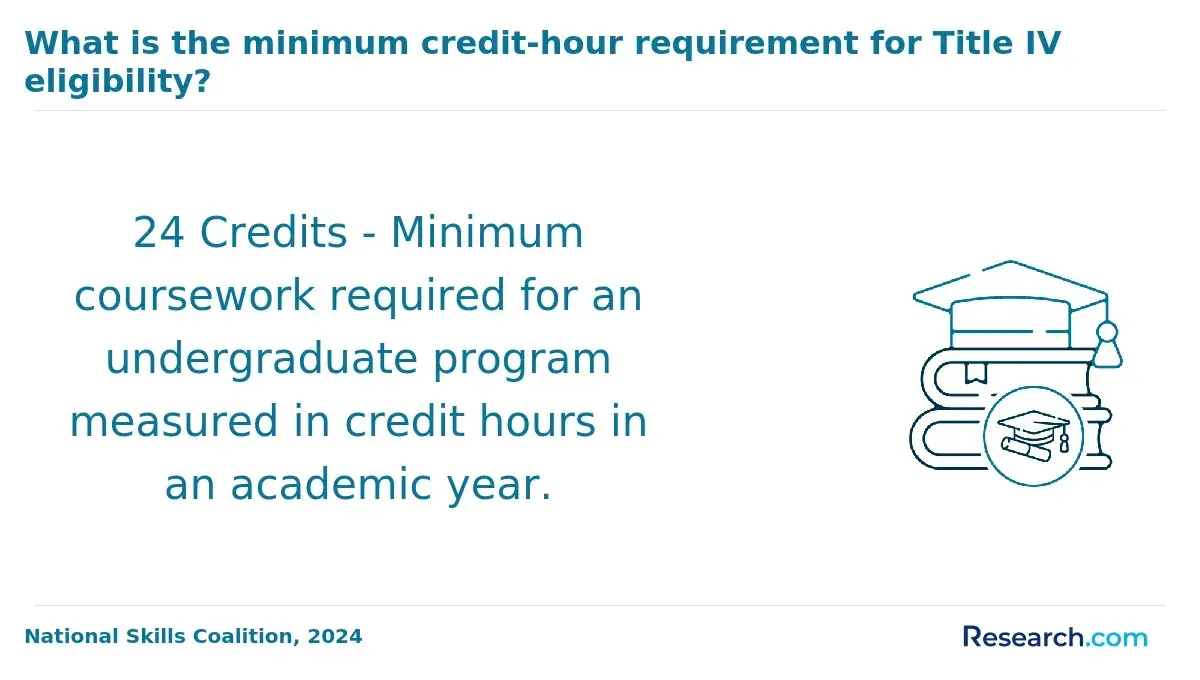
Yes. To receive federal student aid through FAFSA, you must be enrolled in an eligible program at least half time, usually 6 credits per term for undergraduates. The school must also be Title IV eligible, and you must complete the FAFSA using your FSA ID and tax information.
International students are generally not eligible for federal financial aid through FAFSA for 2027. However, they may explore private scholarships or institutional financial aid options provided by universities offering cybersecurity degrees online. Checking specific university policies is advisable.
Students pursuing an online cybersecurity degree in 2027 can apply for federal financial aid via the FAFSA, including grants, loans, and work-study options. Many institutions offer scholarships specific to cybersecurity, and some might have partnerships with tech companies that provide financial support or internships.
References
- Best Online Cybersecurity Bachelor's Degrees | CyberDegrees.org https://www.cyberdegrees.org/listings/best-online-cyber-security-bachelors-degrees/
- What Can You Do With a Bachelor’s Degree in Cybersecurity? https://www.monroeu.edu/academics/undergraduate-programs/monroe-online/school-information-technology/what-can-you-do
- Cybersecurity Career Pathway https://www.cyberseek.org/pathway.html
- What to Expect During an Online BS in Cybersecurity Program https://www.umassglobal.edu/blog-news/expect-during-online-bs-cybersecurity-program
- How Fast Can I Earn a Cyber Security Degree Online? https://www.degreesforgood.org/online-degrees/cyber-security-programs/accelerated/
- 2025 Most Affordable Online Cybersecurity Degrees https://www.onlineu.com/most-affordable-colleges/cybersecurity-degrees
- 25 Best Online Cybersecurity Bachelor’s Degree Programs https://programs.com/programs/online-bs-cybersecurity/
- What Jobs Are Available in Cyber Security | Knowledge Train https://www.knowledgetrain.co.uk/it/cyber-security/cyber-security-courses/jobs-available-cyber-security
- Should I Get My Bachelor’s Degree in Cybersecurity Online? | CSU Global https://csuglobal.edu/blog/should-i-get-my-bachelors-degree-cybersecurity-online
- 25 Best Online Cybersecurity Degree Programs https://cybersecurityguide.org/online/cybersecurity-bachelors-degree/