2027 Hybrid vs Fully Online AI Bachelor's Degrees

Co-Founder and Chief Data Scientist
Facing the choice between a hybrid and a fully online AI bachelor's degree in 2027 creates a challenge for many prospective students. Balancing career commitments, learning preferences, and accreditation concerns often complicates this decision. Some learners risk enrolling in programs that lack flexibility or recognized credentials, which can hinder career pivots into the artificial intelligence industry. Understanding the differences in structure, support, and outcomes between these program types is crucial to making an informed enrollment choice.
This article examines the key distinctions between hybrid and fully online AI bachelor's degrees in 2027 to guide readers toward the best path for their educational and professional goals.
Key Things You Should Know
- Hybrid AI bachelor's degrees blend online coursework with in-person labs, offering 40% more hands-on experience compared to fully online programs, crucial for mastering practical AI skills.
- Fully online AI degrees provide flexible pacing and accessibility, with 2025 data showing a 25% increase in enrollment among working professionals versus hybrid formats.
- Graduates from hybrid programs report a 15% higher job placement rate in AI roles due to enhanced networking opportunities and direct faculty engagement.
What is the difference between hybrid and fully online AI bachelor's degree programs?
The difference between hybrid artificial intelligence bachelor's degree programs benefits and fully online options lies mainly in course delivery and flexibility. Hybrid AI degrees blend online coursework with regular in-person sessions, providing structured interaction with faculty, access to on-campus labs, and hands-on experiences. This suits learners who prefer direct engagement and campus resources. In contrast, fully online programs deliver all content digitally, allowing students to study remotely without any campus visits, ideal for working professionals or those facing geographic or scheduling constraints.
Both program types cover core AI subjects such as data structures, algorithms, neural networks, and ethics. Hybrid programs generally include more physical lab work, while fully online degrees use virtual labs and simulations to mimic hands-on learning. Prospective students must evaluate their tech access, learning style, and time availability when deciding between the differences between fully online and hybrid AI degree programs.
Employment in computer and information technology, particularly for AI specialists, is expected to grow rapidly according to the U.S. Bureau of Labor Statistics. This highlights the need for programs that combine theoretical knowledge with practical skills for competitiveness. Students exploring career paths may benefit from reviewing options accessible with a degree in AI.
How do hybrid and online AI programs compare in terms of curriculum and hands-on learning opportunities?
Hybrid and fully online artificial intelligence degree curriculum comparison reveals distinct differences in delivery and hands-on learning opportunities. Hybrid programs blend online coursework with in-person sessions, enabling students to access labs, group projects, and face-to-face mentorship. This model typically provides structured, supervised experiences like work in AI research labs or industry collaborations. Conversely, fully online programs depend largely on virtual labs, simulation software, and remote teamwork to facilitate practical learning.
Both hybrid and fully online AI bachelor's programs cover essential topics such as machine learning, neural networks, and data science. However, hybrid programs often include more experiential learning components. According to a 2024 Coursera study, 78% of learners engaged in hands-on projects through online AI courses felt confident applying their skills to real-world challenges, while only 52% of students without project-based learning shared this confidence. This underscores the value of project work in enhancing skill mastery.
Students pursuing fully online AI degrees benefit from flexible schedules and advanced digital tools, but they must proactively secure internships or independent projects to gain practical experience comparable to hybrid students. Hybrid formats provide stronger networking and mentorship opportunities that improve applied skills and career preparation. When considering program costs, prospective students might also compare related fields, such as the mechanical engineering degree cost, to better understand educational investments.
Choosing the right AI bachelor's program involves evaluating how well it incorporates hands-on learning opportunities in hybrid versus online AI bachelor's programs. Hybrid programs generally offer superior structure for applied projects, while fully online options require greater self-direction but accommodate flexible lifestyles.
What are the admission requirements and prerequisites for hybrid and fully online AI bachelor's degrees?
Admission requirements for hybrid AI bachelor's degree programs typically demand a higher academic standard, often requiring a minimum undergraduate GPA of around 3.5. This reflects their emphasis on rigorous on-campus engagement and limited enrollment. By contrast, prerequisites for fully online artificial intelligence bachelor's degrees are more flexible, generally accepting students with an average GPA near 3.2. These programs often consider portfolio reviews, professional experience, or prerequisite completion as alternatives to traditional metrics.
Foundational coursework in math and science remains essential for both formats, including precalculus, calculus, statistics, and sometimes introductory programming or computer science courses. Applicants missing these requirements may need to complete them via bridge courses or their first semesters. Hybrid programs usually enforce prerequisites more strictly due to accelerated schedules or cohort models that require a unified skill set among students.
Standardized test scores like the SAT or ACT have become less critical, particularly for fully online degrees, while hybrid programs may still consider them. Letters of recommendation and personal statements play a larger role in hybrid admissions to evaluate motivation and fit for in-person collaboration. Meanwhile, fully online programs often accept professional certifications or relevant work experience as admission criteria.
Transferring students should check articulation agreements carefully; some hybrid degrees require residency or minimum in-person credit hours. Fully online options offer greater flexibility but demand strong self-discipline. Prospective students seeking interdisciplinary paths might explore a masters in game design to complement their AI skills.
Which universities offer accredited hybrid or fully online bachelor's degrees in artificial intelligence?
Several accredited hybrid artificial intelligence bachelor's programs in the US offer flexible options for learners. Stanford University provides a fully online Bachelor of Science in Artificial Intelligence through its continuing studies program, emphasizing core AI concepts and practical applications. Arizona State University features a hybrid Bachelor of Science in Computer Science with an AI specialization, blending online coursework and on-campus lab sessions. Drexel University's fully online Bachelor of Science in Artificial Intelligence and Data Science integrates machine learning, data analysis, and ethical AI training. These programs highlight the growing availability of remote and adaptable education in this field.
The 2024 Online Learning Consortium noted that 62% of U.S. colleges now offer fully online bachelor's degrees in STEM, with AI and machine learning as the fastest-growing category. Many fully online bachelor's degrees in artificial intelligence from recognized universities cater to working professionals and students facing geographic or scheduling constraints, broadening access to quality education.
When choosing a program, confirm accreditation from bodies like ABET or regional accreditors. Consider curriculum focus areas such as natural language processing, robotics, or computer vision, and the mix of theory and hands-on learning. Hybrid degrees often provide essential campus-based lab work or collaborative projects that enhance applied AI skills.
Graduates prioritizing workforce entry should seek programs with strong industry ties and internship opportunities embedded in hybrid or online curricula. Some align with AI research centers or tech firms to offer practical problem-solving experiences remotely. For guidance on advanced options after a bachelor's degree, explore the best data science master's programs.
How long does it take to complete a hybrid or fully online AI bachelor's degree, and what are the typical costs?
Hybrid and fully online AI bachelor's degrees usually require about four years of full-time study, similar to traditional campus programs. Accelerated options exist to complete the degree in around three years, while part-time formats may span six years or more, accommodating professionals balancing work and study. Hybrid programs often include periodic on-campus visits or in-person labs, which can affect scheduling flexibility but offer hands-on learning experiences.
Tuition varies notably between delivery formats. According to the College Board's 2024 Trends in College Pricing report, online bachelor's degrees average $12,000 to $15,000 annually. Hybrid STEM programs, including AI, typically cost about 40% more due to the use of campus facilities and resources, ranging from $18,000 to $21,000 per year. Additional expenses may include technology fees, textbooks, and potential travel for hybrid components.
Some institutions provide flat-rate tuition irrespective of credit load, benefiting students who take heavier coursework to graduate sooner. Financial aid, scholarships, and employer tuition reimbursement significantly reduce costs, especially in AI fields with high industry demand.
Prospective students should verify program accreditation and ensure the curriculum aligns with their career goals to maximize future employment opportunities. Balancing cost, flexibility, and experiential learning is essential when choosing between hybrid and fully online AI degree paths.
What career outcomes and job roles are available to graduates of hybrid and online AI bachelor's programs?
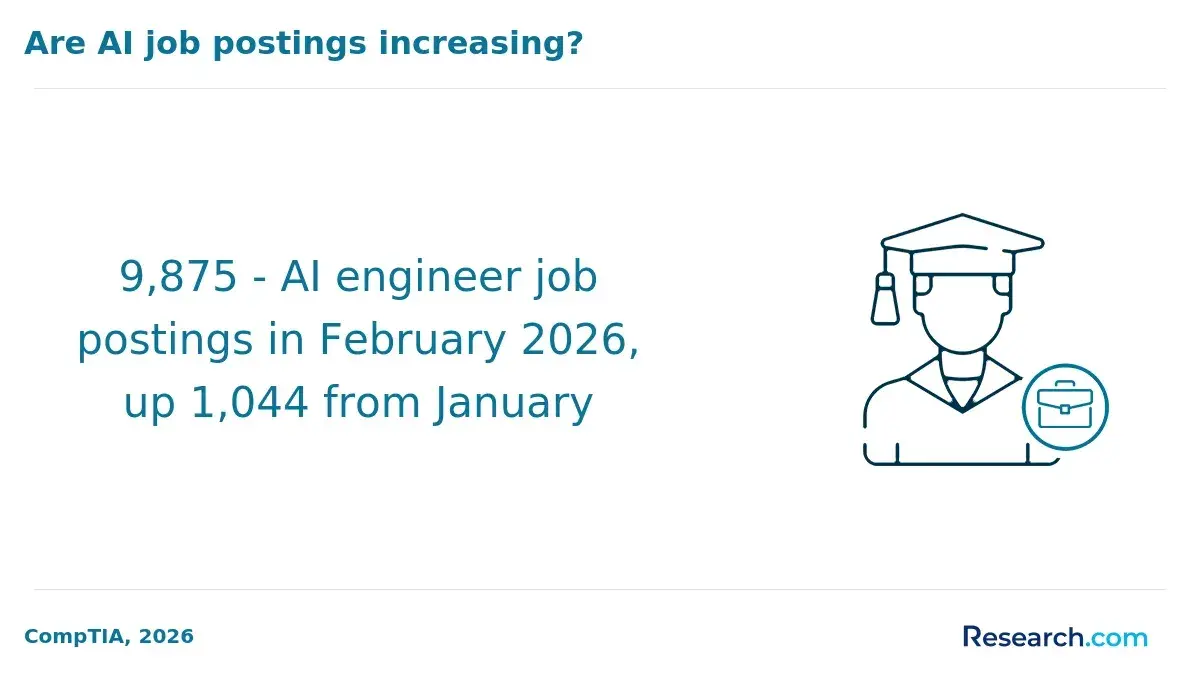
Graduates from hybrid or fully online artificial intelligence bachelor's programs often find careers as machine learning engineers, AI research scientists, and data scientists. According to LinkedIn's 2024 Jobs Report, these roles offer median starting salaries between $120,000 and $165,000 within the first two years. Key skills such as programming, data analysis, and AI algorithm knowledge are emphasized across both program types.
Hybrid programs benefit students who seek internships and face-to-face networking in local tech hubs or research labs, opening doors to collaborative AI product development and experimental research roles. On the other hand, fully online graduates tend to excel in remote positions like AI software development or AI-driven data analytics, where flexibility and virtual collaboration are highly valued.
Other career paths include AI product managers, AI ethics consultants, and natural language processing specialists. Industries utilizing applied AI include healthcare, finance, and autonomous systems, encouraging students to select electives aligned with their interests-such as statistical modeling for data scientists or software engineering for machine learning engineers.
Due to the rapid evolution of AI technologies, continuous learning is crucial beyond formal education. Building a project portfolio, contributing to open-source AI initiatives, and engaging with professional communities or certification programs significantly enhance job prospects in this competitive field.
How does the job market demand for AI graduates compare across hybrid and fully online degree pathways?
The demand for AI graduates demonstrates little difference between hybrid and fully online degree pathways. According to data from Indeed, job postings for AI and machine learning roles increased by 74% year-over-year. Notably, 89% of employers stated that the degree format-hybrid or fully online-does not impact their hiring decisions for entry-level AI positions. This illustrates that employers prioritize demonstrated skills and competency over how the degree was delivered.
For students considering their options, both hybrid degrees, which combine online classes with on-campus experiences, and fully online degrees are valuable for securing AI-related jobs. Employers emphasize technical skills such as programming, data analysis, and machine learning techniques. A graduate from a fully online AI bachelor's degree with strong hands-on projects can be just as job-ready as one from a hybrid program.
Personal learning styles and networking opportunities also matter. Hybrid programs often provide more direct interaction with faculty and peers, aiding mentorship and internships. Conversely, fully online degrees offer flexibility for working professionals to upskill without geographic limits. Success in either path requires active effort to build portfolios and practical experience that influence employability.
The 89% employer consensus underscores a market increasingly focused on applied AI skills over education format. Examining curricula aligned with industry needs can better prepare students for AI careers.
What certifications or industry credentials should AI bachelor's degree holders pursue after graduation?
Graduates with bachelor's degrees in artificial intelligence should pursue cloud certifications to meet the evolving demands of tech employers. A report by Burning Glass Technologies revealed that 64% of AI-related job postings require or strongly prefer certifications in AWS, Google Cloud, or Azure. These credentials demonstrate expertise in cloud architecture, which is essential for deploying AI models at scale and managing AI services across distributed systems.
Popular certifications include AWS Certified Solutions Architect, Google Cloud Professional Data Engineer, and Microsoft Certified: Azure AI Engineer Associate. Each program emphasizes skills like data pipeline development, AI integration, and scalable infrastructure management. For instance, AWS certifications cover machine learning on cloud-native platforms, Google Cloud highlights big data tools and AI APIs, while Azure focuses on blending AI with enterprise solutions.
Alongside cloud credentials, specialized certificates such as the TensorFlow Developer Certificate and IBM AI Engineering Professional Certificate validate advanced proficiency in AI frameworks and algorithm development. These credentials help graduates stand out in roles requiring hands-on AI model creation. Security certifications like Certified Cloud Security Professional (CCSP) add value by addressing data privacy and AI governance, crucial for compliance-driven positions.
By obtaining these targeted certifications, graduates enhance their marketability, validate practical skills, and position themselves strongly for roles prioritizing cloud-enabled AI expertise.
How do employers view hybrid versus fully online AI degrees when hiring?
Employers generally do not distinguish between hybrid and fully online AI bachelor's degrees when evaluating candidates with similar technical skills and project experience. A 2024 Society for Human Resource Management survey found that 71% of tech companies showed no hiring preference based on how the AI degree was delivered. This suggests that demonstrated skills, practical portfolios, and relevant experience are far more influential in hiring decisions than whether the education was fully online, in-person, or hybrid.
In competitive tech roles, recruiters focus on candidates' problem-solving abilities, coding proficiency, and familiarity with AI frameworks rather than the modality of learning. For instance, a candidate from a fully online program with completed machine learning projects, internships, or open-source contributions is valued equally to one from a hybrid course with similar accomplishments.
Some employers may ask about the rigor of online programs, particularly in specialized roles. Candidates should be ready to explain how their program ensured thorough learning through synchronous sessions, team projects, or mentorship. Highlighting hands-on experience, certifications, or internships also helps address concerns about online learning quality.
Fully online programs offer flexibility for working professionals or students balancing commitments without reducing employability. Hybrid degrees might offer more networking opportunities but don't necessarily improve hiring prospects. Strengthening your technical portfolio and clearly presenting practical experience remain key to securing AI job opportunities.
What factors should prospective students consider when choosing between a hybrid and fully online AI bachelor's degree program?
Students choosing between hybrid and fully online artificial intelligence bachelor's degrees should assess their time management skills, learning preferences, and collaboration needs. According to the National Student Clearinghouse Research Center, online STEM degree completion rates trail hybrid programs by 8-12 percentage points. This difference is often linked to challenges in managing time and reduced peer interaction in fully online formats. Those needing structured schedules and accountability may find hybrid degrees more supportive since they combine in-person classes with online learning.
Peer collaboration plays a crucial role in grasping complex AI subjects. Hybrid programs encourage face-to-face engagement, teamwork, and networking, while fully online options typically depend on virtual tools that might feel isolating for some students. Prospective students should consider whether they prefer real-time discussions or recorded lectures paced to their own schedule.
Access to resources also varies. Hybrid programs often provide on-campus labs, AI software, and direct faculty support, while online programs rely on digital resources that can differ in quality. Evaluating how well online platforms match one's learning style and offer practical AI experience is important.
Career goals and lifestyle factors matter. Working professionals with busy routines may benefit from online program flexibility, whereas recent graduates desiring immersive campus experiences might favor hybrid formats. Balancing these factors affects retention and skill acquisition, making careful consideration essential before enrollment.
Other Things You Should Know About Artificial Intelligence
In 2027, hybrid AI bachelor's degrees generally have higher costs compared to fully online programs. This is due to the expenses associated with maintaining physical campus facilities and in-person resources. Fully online programs reduce costs related to housing, commuting, and campus-based services, often making them a more financially accessible option.
Internships and practical projects are highly recommended to gain real-world experience but are not always mandatory. Many AI programs incorporate hands-on projects that simulate industry challenges, enabling students to apply theoretical knowledge. Completing internships can enhance employability by providing industry exposure and networking opportunities.
AI degree programs often update their curricula regularly to include the latest advancements, such as deep learning, natural language processing, and ethical considerations in AI. Faculty members typically have industry connections or research involvement that inform course content. Online resources and elective courses also help students stay up to date with emerging trends.
While some programs expect basic programming knowledge, many AI bachelor's degrees offer introductory courses for beginners. Students without prior experience can still enroll but should be prepared to invest extra time learning foundational coding skills. Strong math skills, especially in linear algebra and statistics, are also important for understanding AI concepts.
References
- AI not all 'doom and gloom' for graduates, say businesses https://www.bbc.com/news/articles/cvg33nwy9llo
- AI puts the squeeze on new grads — and the colleges that promised to make them employable https://www.cnbc.com/2025/11/15/ai-puts-the-squeeze-on-new-grads-looking-for-work.html
- Research: How AI Is Changing the Labor Market https://hbr.org/2026/03/research-how-ai-is-changing-the-labor-market
- 16 Artificial Intelligence Career Paths https://www.calmu.edu/news/artificial-intelligence-career-paths
- Top AI Certifications for 2026: A Guide to Advancing Your Tech Career | DataCamp https://www.datacamp.com/blog/top-ai-certifications
- Difference between Hybrid, Online & In-Class Degree Programmes | BSBI https://www.berlinsbi.com/blog/what-is-the-difference-between-hybrid-online-and-in-class-degree-programmes
- Future of AI in College Education | University of Phoenix https://www.phoenix.edu/articles/online-college/ai-in-online-college-education.html
- How to choose a bachelor's in artificial intelligence | edX https://www.edx.org/resources/how-to-choose-a-bachelors-in-artificial-intelligence
- Careers in AI: Opportunities and Pathways - ACS https://www.acs-college.com/careers-in-ai-opportunities-and-pathways
- Hybrid class vs. online: Choosing the best for your student https://www.asuprepdigital.org/blog/hybrid-class-vs-online/