2027 Best Online Associate Degrees in Artificial Intelligence

Co-Founder and Chief Data Scientist
Many professionals with degrees outside technology face challenges entering the AI field due to lack of foundational training and time constraints. Rapid industry growth demands relevant skills acquired efficiently and flexibly. Online associate degrees in artificial intelligence offer a practical solution, enabling learners to pivot careers without relocating or quitting jobs. These programs deliver focused education tailored to real-world applications and emerging technologies. This article will explore the best online associate degrees in artificial intelligence for 2027, helping prospective students identify accredited, accessible pathways to launch or advance their AI careers with confidence.
Key Things You Should Know
- Online associate degrees in Artificial Intelligence offer foundational skills in machine learning, data analysis, and programming, preparing students for entry-level tech roles or further education.
- Programs typically take two years, with flexible schedules and affordable tuition averaging $8,000-$12,000, making them accessible to working professionals and recent high school graduates.
- Demand for AI-related jobs is projected to grow 23% through 2030, highlighting the value of specialized associate degrees in meeting workforce needs across industries.
What are the best accredited online associate degree programs in artificial intelligence available in the United States?
Top accredited online associate degree programs in artificial intelligence in the United States combine core computing skills with specialized AI coursework. Many community colleges offer flexible options, like Northern Virginia Community College's associate degree in computer science with AI electives. Other schools, such as Central New Mexico Community College, embed AI-related certifications within their associate programs. These top online associate degrees in artificial intelligence offered across the United States often include machine learning fundamentals, programming languages like Python, data structures, and introductory AI theories.
Programs emphasize hands-on projects and real-world applications, preparing students for a rapidly growing job market. According to the LinkedIn Jobs Report 2024, AI-related positions have seen a 74% increase in job postings year-over-year, underscoring the importance of accredited training. Students should confirm program accreditation by regional bodies such as the Higher Learning Commission to ensure transferability and employer recognition. Many programs have partnerships with local tech industries and offer internships to improve job placement.
Flexibility is a key factor for working professionals, with asynchronous online formats enabling upskilling without disrupting careers. Prospective students should evaluate faculty expertise, curriculum quality, and alumni outcomes. Transfer agreements facilitating bachelor's degree completion add further value. Programs that include emerging AI fields like natural language processing or robotics broaden career prospects. For a detailed view of opportunities with AI credentials, explore this applied artificial intelligence degree.
What specific skills and coursework will I learn in an online associate degree in artificial intelligence?
An online associate degree in artificial intelligence builds essential technical skills and foundational knowledge for entry-level roles in the AI field. Core coursework typically covers programming languages like Python, which is critical since 68% of entry-level AI job descriptions highlight machine learning and Python skills (Indeed Hiring Lab 2024). Through this artificial intelligence coursework and practical training, students learn to write efficient code, manage data structures, and create automation scripts.
Machine learning fundamentals comprise a significant part of the curriculum. Topics include supervised and unsupervised learning algorithms, data training methods, and model evaluation techniques, preparing students to develop predictive models and interpret AI outcomes in real-world settings. Additional courses emphasize math relevant to AI, such as linear algebra, calculus, probability, and statistics, helping students understand algorithmic data processing and performance optimization.
Some programs add modules on natural language processing, computer vision, and robotics, offering hands-on experience with specialized AI applications. Critical thinking and problem-solving exercises simulate challenges in AI project development, enhancing analytical skills. Ethical issues and societal impacts of AI are also covered, addressing bias, privacy, and responsible use to prepare students for navigating AI's growing influence responsibly.
The balance of programming, mathematics, practical AI tools, and ethics ensures graduates gain concrete skills aligned with employer demands. Prospective students interested in affordable STEM paths may also explore the cheapest online master's mechanical engineering programs. These options complement an online associate degree skills in artificial intelligence by broadening STEM-related career opportunities.
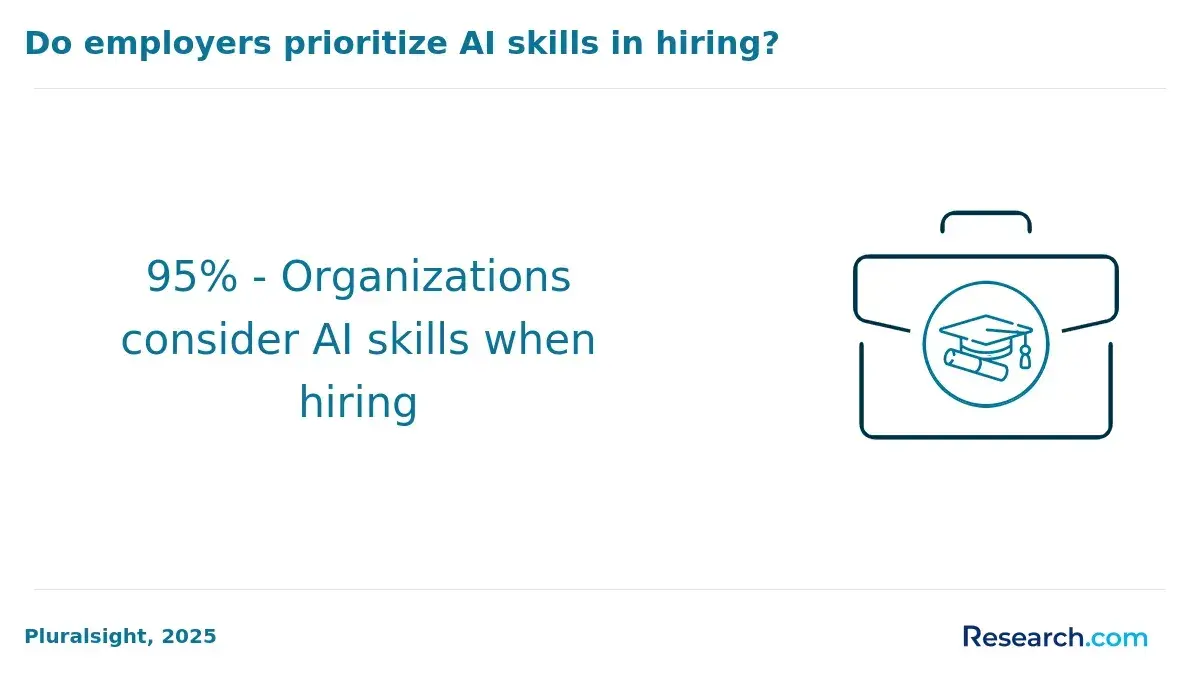
How long does it take to complete an online associate degree in artificial intelligence, and what is the typical cost?
Completing an online associate degree in artificial intelligence typically requires two years of full-time study, similar to most public community college programs. Part-time students often take three to four years to finish, depending on course load and pacing. Some schools offer accelerated options that enable completion in as little as 18 months by taking extra courses each semester or attending summer sessions. This flexibility can suit students balancing work or other commitments.
The average cost of online associate degrees in artificial intelligence varies widely between public and private institutions. In-state tuition at public two-year colleges averages $3,860 annually, totaling about $7,720 for a two-year program. Private colleges generally charge around $9,750 per year, making the total tuition roughly $19,500. These amounts exclude additional fees, books, and technology expenses, which can add several hundred dollars per semester. Financial aid, scholarships, and employer tuition reimbursement may help lower these costs.
Students should also consider transfer opportunities if pursuing a bachelor's degree afterward, since some credits from AI associate degrees may apply, potentially reducing time and cost for further education. Selecting programs that balance duration, expenses, and course relevance aids in timely completion with manageable financial investment. Prospective learners in tech fields might compare these factors alongside other options like a game design degree to align education with career goals.
What are the admission requirements and prerequisites for enrolling in an online AI associate degree program?
Admission requirements for online artificial intelligence associate degrees in the US typically include a high school diploma or equivalent, such as a GED. Foundational coursework in mathematics, especially algebra, is often necessary to understand AI concepts fully. Many programs also expect basic computer literacy or introductory programming experience.
Most programs now accept applicants without standardized test scores, reflecting a shift in prerequisites for enrolling in an online associate degree program in artificial intelligence. Instead of the SAT or ACT, schools rely on high school transcripts, personal statements, or relevant work experience in technology or computer science. Placement tests in math or English may be required to assess college readiness, particularly proficiency in algebra.
Students with limited programming backgrounds can usually enroll but might need to complete introductory coding courses alongside their AI curriculum. Preparatory modules often cover Python, data structures, and algorithms before moving into core AI topics. Letters of recommendation or interviews may also be part of the admission process to evaluate motivation and fit.
International applicants generally must demonstrate English language proficiency through tests like TOEFL or IELTS, unless exempted. For those exploring further education, resources about online masters data science can be valuable for planning advanced studies and career steps.
What career paths and job titles are available to graduates with an associate degree in artificial intelligence?
Graduates with an associate degree in artificial intelligence have opportunities in roles such as AI specialist, machine learning technician, data analyst, robotics technician, and AI support engineer. These careers involve training machine learning models, managing datasets, programming AI applications, and ensuring system efficiency. Industries like healthcare, finance, manufacturing, and technology heavily rely on these professionals to drive innovation and maintain AI solutions.
AI specialists design algorithms to enhance tools like diagnostic software, while machine learning technicians manage automated systems in areas such as financial trading. AI support engineers provide crucial technical help, addressing infrastructure issues and optimizing AI performance. Robotics technicians integrate AI into devices including autonomous vehicles and industrial robots.
The demand for AI professionals is expanding rapidly. According to the U.S. Bureau of Labor Statistics 2024, the growth rate for AI specialist and machine learning technician roles exceeded the national average by 35%, resulting in over 12,000 new jobs created nationwide. This reflects strong employer demand for skills like Python programming, TensorFlow frameworks, and data analytics at the associate degree level. Graduates are encouraged to develop hands-on expertise in these areas to increase employability.
Entry-level positions offer pathways to advanced responsibilities such as refining algorithms, supporting deployments, and ensuring AI ethics compliance, establishing a robust foundation for career growth or further study in this evolving field.
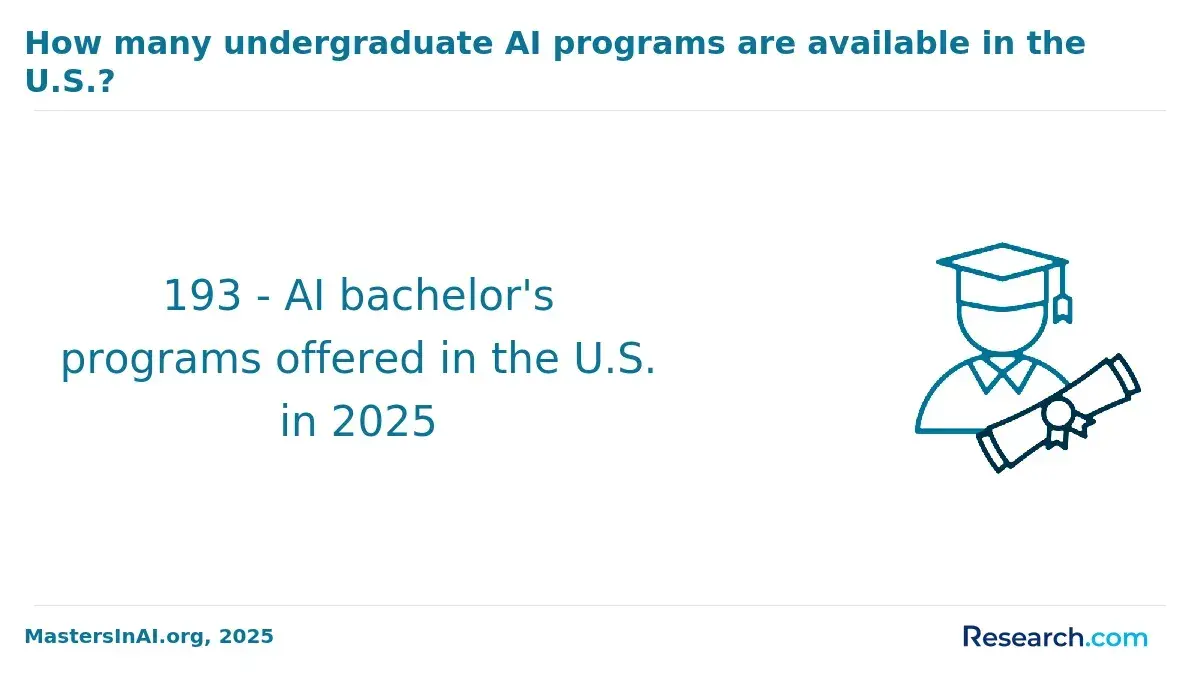
What is the job outlook and salary potential for associate degree holders in artificial intelligence?
Jobs in artificial intelligence offering associate degree holders significant opportunities are growing rapidly. The U.S. Bureau of Labor Statistics forecasts a 35% increase in AI and machine learning roles by 2032, far outpacing overall occupational growth. This surge reflects rising employer demand for skilled professionals to develop and maintain AI technologies across multiple sectors.
Typical entry-level jobs for those with an associate degree include AI technicians, data analysts, and machine learning assistants. These roles usually focus on supporting system development, data processing, and basic model training. Salaries generally start between $50,000 and $65,000 annually, varying by geographic location and industry. Experience and further training can lead to higher pay.
Enhancing technical knowledge with certifications or skills in programming languages like Python, data management, or cloud platforms can improve employability and salary prospects. Specialized fields such as healthcare and finance tend to offer better compensation due to their complex requirements. Employers often prioritize applied skills and problem-solving abilities cultivated during associate degree programs focused on artificial intelligence technology.
While an associate degree provides a strong foundation, advancing to a bachelor's degree or ongoing professional development can unlock roles like AI developer or machine learning engineer with greater salary potential. Nevertheless, the extensive job growth ensures ample entry-level opportunities for graduates in this evolving field.
How do online associate degrees in artificial intelligence compare to four-year bachelor's degrees in terms of career advancement?
Online associate degrees in Artificial Intelligence provide a fast, cost-effective route into tech careers, though they offer fewer opportunities than bachelor's degrees. Graduates with associate degrees in tech fields earn about 35% more than high school graduates but roughly 25% less than those holding bachelor's degrees. This difference highlights the greater depth of knowledge, specialized skills, and networking gained through four-year programs.
Associate degrees prepare students for roles like AI technician, data analyst assistant, or junior machine learning developer by focusing on foundational programming, data management, and basic machine learning concepts. Bachelor's degrees cover advanced topics such as AI theory, algorithm development, data science, and systems engineering, qualifying graduates for higher-level jobs like AI engineer, research analyst, or project lead.
Career growth with an associate degree may be limited without further education or certifications, though some employers value experience alongside these credentials. Many professionals later pursue bachelor's degrees through transfer programs, using their associate credits to shorten their studies and reduce costs.
For working adults, associate degrees offer an affordable reskilling option to enter Artificial Intelligence roles quickly. Bachelor's degree holders generally have greater access to leadership positions and higher salaries in competitive markets. Deciding between an associate and bachelor's degree depends on immediate career goals, finances, and long-term ambitions.
What professional certifications or industry credentials complement an online associate degree in artificial intelligence?
Professional certifications add critical value to an online associate degree in artificial intelligence by validating practical skills and boosting employability. Notable credentials like the Google Cloud Professional Machine Learning Engineer and AWS Certified Machine Learning Specialty demonstrate mastery of deploying and managing machine learning models on leading cloud platforms. According to the Coursera Skills Index 2024, certified AI professionals earn 18-22% higher salaries than their uncertified peers, emphasizing the market demand for these qualifications.
The Google Cloud certification focuses on designing and deploying ML models within Google's environment, while the AWS specialty emphasizes building, training, and tuning models on Amazon Web Services. These certifications provide hands-on experience with scalable AI solutions that align closely with industry needs.
Additional respected credentials include the Microsoft Certified: Azure AI Engineer Associate, which covers AI tool integration using Azure cloud services, and the Certified Artificial Intelligence Practitioner (CAIP) from the AI Institute, validating foundational AI knowledge and applications. Skills in data science and programming languages like Python and R are often essential prerequisites supporting advanced AI roles.
Graduates combining an associate degree with these certifications demonstrate employers' desired proficiency with AI toolkits and cloud environments, enabling them to navigate competitive job markets more effectively.
How should I evaluate the quality and reputation of an online AI associate degree program before enrolling?
Evaluating the reputation of an online associate degree program in artificial intelligence involves verifying key factors like accreditation, curriculum quality, faculty expertise, and career support. Accreditation is crucial; only about 32% of online associate programs in emerging tech fields hold both regional and specialized ABET accreditation, according to the American Association of Community Colleges. Confirming these credentials ensures recognized instruction and credit transferability.
The curriculum should cover fundamental AI topics such as machine learning basics, data analytics, Python programming, and ethical AI usage. Quality programs integrate hands-on projects or virtual labs to connect theory with practical experience. Faculty with advanced degrees or real-world AI industry backgrounds enhance learning outcomes.
Partnerships with tech companies or research organizations offer valuable internships and mentorship opportunities, which can improve job prospects. Investigate graduation and job placement rates to gauge how well a program prepares students for employment.
Support services like academic advising, tutoring, and career guidance tailored to AI students are essential. Accessibility of instructors for online learners ensures timely mentoring and help with complex topics. Gathering feedback from current students or alumni also provides insight into program satisfaction and real-world success.
Are there transfer pathways or articulation agreements that allow associate degree graduates to pursue bachelor's degrees in artificial intelligence?
Many community colleges offering associate degrees in Artificial Intelligence have established transfer pathways and articulation agreements with four-year institutions. These agreements allow credits earned in AI-related associate programs to transfer smoothly toward bachelor's degrees in artificial intelligence or related fields such as computer science with AI concentrations. For example, California's Community Colleges system often partners with the California State University and University of California systems, enabling AI graduates to transfer with junior standing. Likewise, the New York State Transfer and Articulation Reform Act supports credit reciprocity among its public colleges, facilitating easier transitions for AI students.
Transfer pathways enhance degree completion rates significantly. According to the National Student Clearinghouse Research Center, 62% of community college graduates who transfer to four-year institutions complete their bachelor's within three years. AI programs often report even higher completion rates compared to traditional majors, highlighting the value of specialized articulation agreements.
Students should verify accreditation and transfer policies at both community colleges and prospective universities, as some credits may not apply directly to technical AI tracks. Several institutions offer AI bachelor's programs designed for transfer students, with curricula aligned to associate degrees. Early consultation with academic advisors and review of transfer equivalencies are essential to maximize credit transfer and minimize costs.
Well-structured articulation agreements reduce credit loss, save tuition money, and accelerate progression toward AI-focused bachelor's degrees, addressing common student concerns about transferability and timely completion.
Other Things You Should Know About Artificial Intelligence
Most programs require college algebra, statistics, and sometimes introductory calculus or discrete mathematics. Some also ask for a placement test or a minimum high school GPA before you can take these courses. These classes support programming, data analysis, and basic machine-learning work.
Yes, coding is an essential part of artificial intelligence education at the associate degree level. Students learn programming languages such as Python and sometimes Java or R, which are fundamental for writing algorithms and managing AI tools. The curriculum focuses on basic to intermediate coding skills necessary to implement AI models and automate processes.
Prerequisites often include a high school diploma or GED, basic computer skills, and sometimes introductory math or programming courses. Some programs may require placement tests or prior coursework in related fields for entry in 2027.
In 2027, online associate degree programs in artificial intelligence often use tools like TensorFlow, Python, and Jupyter Notebooks for projects and coursework. These platforms aid in learning machine learning and data analysis, essential components of AI studies.
References
- Articulation Agreements & Transfer Pathways https://www.uoguelph.ca/admission/undergraduate/transfer/agreements-and-pathways/
- AGTU | Global Degree Online https://agtu.us/en/programs/undergraduate-programs/computer-science/associate-artificial-inteligence/
- 16 Artificial Intelligence Career Paths https://www.calmu.edu/news/artificial-intelligence-career-paths
- Articulation agreements streamline the bachelors degree pathway for associates degree-holders - Wisconsin Private Colleges https://www.wisconsinsprivatecolleges.org/news/articulation-agreements-streamline-bachelors-degree-pathway-associates-degree-holders/
- Best AI Certifications to Boost Your Career in 2026 – Dataquest https://www.dataquest.io/blog/best-ai-certifications/
- Top AI Certifications for 2026: A Guide to Advancing Your Tech Career | DataCamp https://www.datacamp.com/blog/top-ai-certifications
- What skills should I focus on alongside an AI online course in the USA? https://www.h2kinfosys.com/blog/what-skills-should-i-focus-on-alongside-an-ai-online-course-in-the-usa/
- AI Programs and Courses | DeVry University https://www.devry.edu/online-programs/area-of-study/artificial-intelligence.html
- Is the Traditional College Degree Still Relevant in an AI-Driven Job Market? - ReviewNPrep https://reviewnprep.com/blog/is-the-traditional-college-degree-still-relevant-in-an-ai-driven-job-market/
- Best Online AI Degrees: 2025 Rankings & Program Directory - MastersInAI.org https://www.mastersinai.org/degrees/online-artificial-intelligence-degrees/