2027 Cheapest Way to Get a Teaching Credential in Washington: Requirements & Certification

Co-Founder and Chief Data Scientist
Becoming a teacher in Washington can be affordable, but the cheapest route depends on what you already have: no degree, an associate degree, a bachelor’s degree, an out-of-state credential, or teacher training from another country. The lowest-cost path is rarely just the school with the lowest tuition. You also need to account for certification fees, testing, fingerprinting, student teaching requirements, transfer credits, program approval, and whether the credential will qualify you for the grade level or subject you want to teach.
This guide is for future teachers who want a Washington teaching credential without taking on unnecessary debt. It explains the main certification routes, online and hybrid options, alternative pathways, costs, salary expectations, renewal rules, private school differences, and financial aid strategies. You will also learn what to check before enrolling so you do not pay for a program that fails to meet Washington certification requirements.
Quick answer: What is the cheapest way to get a teaching credential in Washington?
The most affordable route usually depends on your starting point. If you already have a bachelor’s degree, a certification-only program, approved alternative route, or master’s program with certification may cost less than earning a second undergraduate degree. If you do not yet have a bachelor’s degree, starting at a community college and transferring to a public university can reduce tuition costs. Online and hybrid programs may also lower commuting, housing, and scheduling costs, but only if they are approved for Washington teacher certification.
The biggest mistake is choosing based on price alone. Before enrolling, confirm that the program is state-approved, leads to the certificate and endorsement you need, includes supervised teaching, and prepares you for Washington’s assessment and background check requirements.
Key things to know before choosing a low-cost Washington teaching credential path
- A bachelor’s degree and completion of an approved teacher preparation program are generally required for Washington teacher certification.
- Candidates who already have a degree may save money through a certification-only, alternative route, or graduate-level certification pathway instead of starting over with another bachelor’s degree.
- Alternative certification routes can be more flexible and may allow some candidates to work while completing requirements.
- Accreditation and state approval matter. A low-cost program is not a good value if it does not satisfy Washington certification standards.
- Certification expenses include more than tuition. Budget for application fees, endorsements, testing, fingerprinting, background checks, materials, transportation, and unpaid student teaching time.
- How much does it cost to become a teacher in Washington?
- Can a foreigner get a Washington teaching license?
- Can I get my teaching credential online in Washington?
- Can I teach in Washington with an out-of-state credential?
- How many years do you have to teach in Washington to retire?
- What happens if my Washington teaching credential expires?
- How many units is a Washington teaching credential?
- How much do teachers in Washington make?
- What is the job outlook of teachers in Washington?
- How do private school requirements differ from public schools in Washington?
- What alternative careers are available to educators in Washington?
- Can I get a preschool teaching credential affordably in Washington?
- What is the career path of a teacher in Washington?
- What financial aid options are available to aspiring teachers in Washington?
- Are online and hybrid teaching credential programs in Washington cost-effective?
- Can a teaching credential support creative and cross-disciplinary careers?
- Can affordable teaching credential programs balance cost and quality in Washington?
- Can subject specialization improve a teaching career in Washington?
- Can an online English degree complement a Washington teaching credential?
- What are the music teacher education requirements in Washington?
- Can middle school or high school specialization expand career options?
- Are Washington teacher certification requirements adapting to modern classrooms?
- Key insights
How much does it cost to become a teacher in Washington?
The cost of becoming a teacher in Washington includes program tuition plus state certification expenses. Tuition is usually the largest cost, but certification fees can add up, especially if you need multiple endorsements or submit an incomplete application that must be corrected later.
According to the fee structure used by the Office of Superintendent of Public Instruction, candidates should budget around $93 for an Initial Teacher Certificate application. Adding an endorsement costs $81 per endorsement. Other certificate-related fees include:
- Conditional Teacher Certificate: $63
- Continuing Teacher Certificate: $121
- Emergency Certificate: $57
These fees are non-refundable, so applicants should verify eligibility, documentation, transcripts, assessment records, and endorsement requirements before submitting an application.
| Cost category | Why it matters | How to reduce the cost |
| Tuition | The largest expense for most candidates, especially in full degree programs. | Compare public universities, community college transfer routes, certification-only programs, and approved online options. |
| Certification fees | Required for initial certification, additional endorsements, and some certificate types. | Apply only when documents are complete because fees are non-refundable. |
| Testing and preparation | Assessments may be required depending on certificate type and subject area. | Use free or low-cost preparation resources before paying for retakes. |
| Fingerprinting and background checks | Required for licensure and school placement. | Check the current fee schedule early and ask programs whether any school placement costs are included. |
| Student teaching expenses | Supervised teaching may reduce the time available for paid work. | Ask whether the program offers paid residency, internship, or district-supported options. |
| Living and transportation costs | Housing and commuting can be significant, especially in areas such as Seattle. | Consider hybrid or online coursework paired with local school placements. |
Three strategies tend to lower the total cost most effectively:
- Use transfer credits strategically. Students without a bachelor’s degree can often complete lower-division coursework at a community college before transferring to a four-year institution.
- Choose the shortest approved route that fits your background. Degree holders should compare certification-only, alternative route, and master’s-with-certification options instead of assuming a second bachelor’s degree is necessary.
- Apply for educator-specific aid. Scholarships, grants, loan forgiveness programs, and district partnerships can reduce out-of-pocket costs for candidates entering high-need fields.
If you are still comparing education careers, reviewing in-demand education career paths can help you decide whether classroom teaching, support services, or another education role offers the best fit.
Can a foreigner get a Washington teaching license?
Yes. Educators trained outside the United States may apply for a Washington teaching license, but the process requires careful documentation. The Washington Office of Superintendent of Public Instruction evaluates whether the applicant’s degree, teacher preparation, and experience satisfy state requirements.
Foreign-trained educators generally need to determine which certificate category matches their background:
- Residency Teacher Certificate: This may fit applicants who completed a teacher preparation program or hold a full teaching certificate from another state and have at least three years of teaching experience in the United States or abroad.
- Foreign Trained Applicants Certificate: This pathway is designed for candidates who completed degrees and teacher training through institutions outside the United States.
Applicants should expect to provide credential evaluations, transcripts, evidence of teacher preparation, proof of teaching experience when applicable, and assessment results if required. Because international documents can take time to evaluate, this route is usually cheapest when applicants gather records before paying application fees.
Cost-saving steps for foreign-trained teachers
- Ask local districts about support. Some districts may help international educators understand placement needs, shortage areas, or certification documentation.
- Use free official guidance first. Before paying for consulting services, review state agency instructions and attend free or low-cost workshops when available.
- Consider substitute teaching where eligible. Substitute work can provide U.S. classroom experience while you complete the certification process.
- Compare approved education programs. Candidates who need additional coursework can research options such as affordable online elementary education programs, but they should confirm Washington approval before enrolling.
The cheapest path for an international educator is the one that recognizes the most prior education and experience while still meeting Washington standards. Do not assume that a low-cost program will automatically accept foreign coursework or qualify you for licensure.
Can I get my teaching credential online in Washington?
Yes, some Washington teacher preparation coursework can be completed online or in a hybrid format. However, an online program still must meet state requirements, and candidates must complete supervised teaching experiences in real classrooms. A fully online course sequence is not enough by itself if it does not include approved fieldwork and certification support.
| Question to ask | Why it matters | Warning sign |
| Is the program approved for Washington teacher certification? | Approval determines whether the credential pathway can lead to licensure. | The school says it is “education-focused” but cannot confirm Washington certification eligibility. |
| Where will student teaching happen? | Washington requires supervised teaching experience. | The program expects you to find your own placement without support. |
| What assessments are required? | Tests such as the Washington Educator Skills Test or National Evaluation Series may apply depending on subject area. | Testing costs and retake policies are not clearly disclosed. |
| What is included in tuition? | Online programs may still charge technology, placement, materials, or administrative fees. | The advertised tuition excludes required fees. |
| Will the program support endorsements? | Your endorsement determines what subjects or grade levels you can teach. | The program prepares for a general education credential but not your intended subject area. |
Online programs can be cost-effective for working adults, rural students, parents, and career changers because they may reduce commuting and relocation costs. They can also be risky if students enroll before confirming approval, field placement access, and endorsement alignment. If you are comparing online education options beyond teaching, resources on online library and information science programs can also help you understand how to evaluate online academic quality.
Can I teach in Washington with an out-of-state credential?
Yes. Washington offers certification routes for educators who trained or taught in another state. The best route depends on whether you have completed a teacher preparation program, hold a full out-of-state certificate, have teaching experience, or hold an advanced certificate such as National Board certification.
Common certificate options for out-of-state educators include:
- Pre-Residency Clearance: For candidates who are still completing a teacher preparation program.
- Residency Teacher Certificate: For educators who completed teacher preparation or hold a full out-of-state certificate and have at least three years of teaching experience.
- Professional Teacher Certificate: For educators with a second-tier certificate from an accredited state or National Board for Professional Teaching Standards certification.
- Substitute Teacher Certificate: For candidates who meet requirements similar to the Residency Teacher Certificate and want to substitute teach.
- Conditional Teacher Certificate: For individuals hired by a Washington school based on specialized expertise.
- Emergency Substitute Teacher Certificate: For applicants serving in emergency substitute roles.
For experienced out-of-state teachers, the Residency Teacher Certificate may be a cost-effective option because it can recognize prior preparation and teaching experience. Still, candidates should verify endorsement rules, testing obligations, background checks, and district hiring preferences before moving or resigning from a current position.
If your long-term goal includes higher pay, leadership, or specialized roles, compare certification requirements with graduate-level outcomes. Research.com’s guide to master’s in education career opportunities can help you evaluate whether additional education is likely to support your goals.
How many years do you have to teach in Washington to retire?
Retirement eligibility depends on the plan, age, service credit, and individual circumstances. For cost planning, aspiring teachers should understand that Washington teaching can provide long-term benefits, but those benefits should not be used to justify an unaffordable credential program without careful analysis.
The original cost discussion often centers on the fact that teachers in Washington can retire after a minimum of five years, while educators with 20 to 30 years of service may significantly improve pension benefits. Candidates should verify plan details through official retirement resources because retirement rules can vary by plan and may change over time.
How retirement should affect your credential decision
- Think long term, but budget short term. Retirement benefits are valuable, but you still need a realistic plan for tuition, fees, and student teaching expenses.
- Consider earnings while training. Alternative routes that allow paid classroom work may reduce the opportunity cost of certification.
- Avoid excessive debt for a low starting salary. Compare projected payments with expected entry-level pay before borrowing heavily.
- Review related education pathways. If you are unsure whether classroom teaching is the right fit, exploring adjacent fields through resources such as online library science programs may reveal other education-focused careers.
What happens if my Washington teaching credential expires?
If a Washington teaching credential expires, the educator may need to renew it before continuing in a role that requires active certification. For a Residency Teacher Certificate, renewal requires 100 clock hours of professional development completed within the five years before the application.
Since July 1, 2023, educators must also complete an abuse awareness course covering forms of abuse and the educator’s responsibilities in prevention and reporting. Completion must be documented in the educator’s E-Certification account before submitting the renewal application.
Some endorsements, including STEM-related endorsements, may have additional professional learning requirements. Educators should track clock hours carefully because the same hours generally cannot be counted twice for separate requirements.
How to avoid renewal problems
- Track clock hours every year instead of waiting until the certificate is near expiration.
- Confirm whether your endorsements require specific professional development content.
- Upload required documentation before submitting a renewal application.
- Remember that application fees are non-refundable, so incomplete submissions can create unnecessary costs.
- Ask your district or professional learning office whether free or low-cost clock-hour opportunities are available.
How many units is a Washington teaching credential?
Washington does not use one universal “unit” total for every credential pathway, but the typical academic path includes a bachelor’s degree plus a teacher preparation program. A bachelor’s degree usually includes about 180 quarter credits or 120 semester credits. Teacher preparation may add about 30 to 45 credits, depending on the program and structure.
That means a traditional route may involve approximately 210 to 245 quarter credits or 135 to 175 semester credits. Alternative routes, post-baccalaureate programs, and master’s-with-certification programs can differ because they may recognize prior undergraduate coursework.
| Starting point | Likely lower-cost route | What to confirm |
| No college credits | Community college transfer pathway followed by a public university teacher preparation program. | Transfer agreements, prerequisite courses, admission requirements, and total time to degree. |
| Associate degree | Transfer to a bachelor’s completion program with teacher preparation. | How many credits transfer and whether education prerequisites are met. |
| Bachelor’s degree in another field | Certification-only, alternative route, or master’s program with certification. | Subject endorsement eligibility, field placement, and testing requirements. |
| Out-of-state credential | Washington certificate pathway for out-of-state educators. | Certificate level, experience requirements, endorsement alignment, and assessments. |
| Foreign teacher training | Foreign-trained applicant review or additional approved coursework. | Credential evaluation, translation requirements, and accepted teaching experience. |
The cheapest credential path is usually the one that accepts the most valid prior credits while still leading to the exact certificate and endorsement you need.
How much do teachers in Washington make?
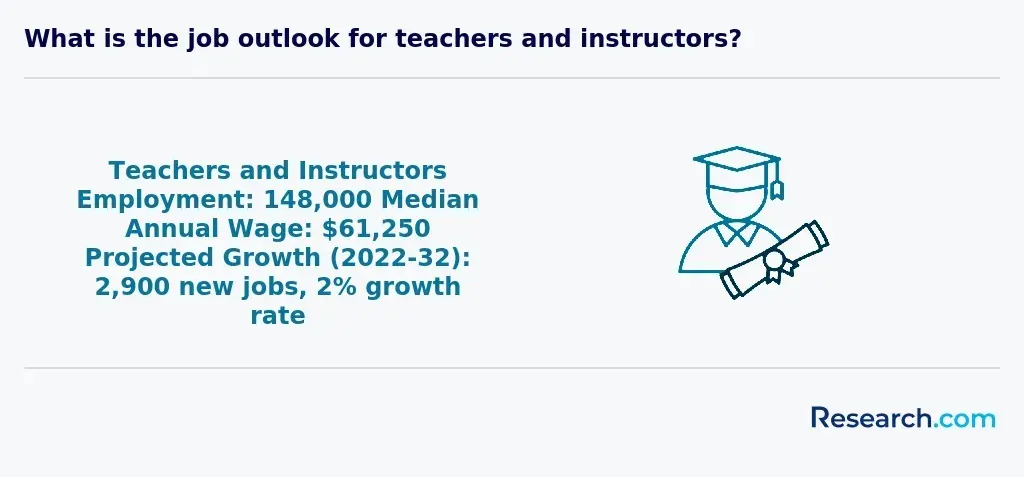
Teacher pay in Washington varies by district, experience, education level, endorsements, and collective bargaining agreements. As of 2024, the average public school teacher salary in Washington is around $77,072 per year. Entry-level teachers typically start at approximately $43,242, while experienced educators can earn up to $89,725.
Education level can affect starting pay. Teachers entering with a bachelor’s degree can expect an initial salary of about $52,741. Advanced degrees, additional endorsements, and specialized skills may improve salary placement depending on district salary schedules.
Salary growth may also be connected to years of service, added credentials, and evaluated skills. Teachers who demonstrate accountability in their instructional practice may receive raises of around 6%, while those who show strong collaboration may see increases of about 5%. Specialization can also matter; for example, a physical education focus may be associated with potential raises of approximately 3%.
How to think about ROI before enrolling
- Compare total program cost with realistic starting salary, not only average salary.
- Ask districts how salary placement works for bachelor’s, master’s, and endorsement credits.
- Consider shortage areas such as special education or STEM if they match your strengths and interests.
- Do not assume a higher-cost credential program guarantees higher pay.
- Factor in unpaid or reduced-income student teaching time when calculating affordability.
What is the job outlook of teachers in Washington?
The teacher job market in Washington depends on subject area, location, district budgets, student enrollment, and retirements. Forecasts cited for high school teachers show a modest decline of approximately 1% from 2023 to 2033. At the same time, about 64,000 high school teacher openings are expected nationwide each year, largely because educators retire, transfer, or leave the occupation.
This means the outlook is not the same for every candidate. A new teacher in a high-demand endorsement area or fast-growing district may see better prospects than a candidate in an oversupplied subject or low-growth region.
| Factor | How it affects hiring | What candidates should do |
| Location | Urban, suburban, and rural districts may have different staffing needs. | Review district job postings before choosing an endorsement. |
| Subject area | Some fields are more competitive, while others may have shortages. | Ask programs and districts which endorsements are currently needed. |
| Funding | District budgets influence hiring levels and class sizes. | Compare multiple districts rather than relying on statewide averages. |
| Experience | Student teaching, substitute work, and internships can strengthen applications. | Choose a program with strong school placement support. |
| Credential fit | Districts hire based on certificate and endorsement eligibility. | Make sure your program leads to the role you actually want. |
For aspiring teachers, the practical takeaway is clear: affordability matters, but employability matters too. A low-cost credential has stronger value when it leads to an endorsement that districts need.
How do private school requirements differ from public schools in Washington?
Public school teachers in Washington generally must meet state certification requirements. Private schools may have more flexibility and may hire candidates with different combinations of education, subject expertise, teaching experience, or religious or mission-specific qualifications.
That flexibility can make private schools an appealing option for some career changers, specialists, or candidates still completing certification. However, private school flexibility does not mean lower expectations. Many private schools still prefer or require strong academic preparation, classroom experience, and subject-matter competence.
Compensation may also differ. Public school pay is usually tied to salary schedules based on education and experience, while private school pay can vary more by institution, budget, role, and subject need. If you are considering this route, review Washington private school teacher requirements before deciding whether a full public school credential is necessary for your goals.
What alternative careers are available to educators in Washington?
A Washington teaching credential can support careers beyond traditional classroom instruction. Educators often build skills in training, communication, assessment, curriculum planning, youth development, coaching, and program management. Those skills may transfer into roles such as instructional coach, curriculum developer, education program coordinator, corporate trainer, tutoring director, or academic advisor.
Some educators move into student support professions that require additional education or licensure. For example, candidates interested in communication disorders can review the pathway to an SLP license in Washington. The key is to identify which careers require a teaching certificate, which require a graduate degree, and which value teaching experience without requiring classroom licensure.
Can I get a preschool teaching credential affordably in Washington?
Preschool and early childhood education can be a lower-cost entry point for some aspiring educators, but requirements depend on the setting, employer, and role. Public school preschool positions may involve different expectations than private childcare centers, Head Start programs, or community-based early learning providers.
Affordable early childhood pathways often combine targeted coursework, supervised practice, and financial aid designed for early learning workers. Candidates should compare whether a program leads to preschool, kindergarten, elementary, or broader early childhood eligibility. For a role-specific breakdown, review how to become a preschool teacher in Washington.
What is the career path of a teacher in Washington?
A teaching career in Washington usually begins with preparation, certification, and entry-level classroom experience. From there, educators may specialize by grade level, subject area, instructional model, or student population. Over time, teachers may move into mentoring, department leadership, curriculum coordination, instructional coaching, school administration, or district-level roles.
| Career stage | Typical focus | Cost-conscious move |
| Pre-certification | Complete degree, preparation program, assessments, and student teaching. | Use transfer credits, approved online coursework, and financial aid. |
| Entry-level teacher | Build classroom management, lesson planning, and assessment skills. | Choose districts with mentoring and professional development support. |
| Developing teacher | Add endorsements, refine instructional practice, and take leadership responsibilities. | Use employer-supported clock hours and low-cost endorsement options. |
| Experienced educator | Mentor new teachers, lead teams, or specialize in curriculum and intervention. | Evaluate whether graduate education will improve salary placement or career mobility. |
| Advanced pathway | Move into coaching, administration, policy, program leadership, or higher education. | Compare graduate costs with expected advancement opportunities. |
Community colleges, alternative certification programs, online options, and scholarships can all reduce the cost of entering this path. The right choice depends on your current credits, degree status, work schedule, and target endorsement.
What financial aid options are available to aspiring teachers in Washington?
Financial aid can substantially change the true cost of a teaching credential. Students should start with the Free Application for Federal Student Aid because it determines eligibility for many federal, state, and institutional aid programs.
- Federal and state grants: Education students may qualify for need-based aid. The Teacher Education Assistance for College and Higher Education Grant provides up to $4,000 per year for students who commit to teaching in a high-need field in a low-income area for at least four years after graduation.
- Scholarships from professional organizations: Education associations and community groups may offer awards based on need, merit, subject area, or commitment to high-need schools.
- University scholarships: Washington institutions may provide scholarships for education majors, transfer students, underrepresented students, or candidates preparing for high-need classrooms.
- Loan forgiveness programs: Programs such as Public Service Loan Forgiveness can forgive the remaining balance on Direct Loans after 120 qualifying monthly payments under a qualifying repayment plan while working full-time for a qualifying employer.
- District partnerships: Some preparation routes work with school districts to support candidates through internships, residencies, or alternative certification models.
Examples mentioned for Washington students include the Washington State Opportunity Scholarship, which supports low- and middle-income students in high-demand fields, including teaching with particular relevance to STEM education. The College of Education at the University of Washington also offers numerous scholarships for education students, including awards for students preparing to teach in high-need schools.
If you are comparing online bachelor’s pathways, review whether institutional aid applies to online enrollment. Research.com’s guide to online bachelor of education programs can help you understand how program format may affect affordability and access.
Are online and hybrid teaching credential programs in Washington cost-effective?
Online and hybrid teacher preparation programs can be cost-effective, but only when they are approved, transparent about fees, and able to arrange supervised field experiences. They can reduce commuting and relocation costs, help working adults continue earning income, and allow rural candidates to access programs that might otherwise be unavailable.
When online or hybrid programs make sense
- You already have a bachelor’s degree and need a flexible certification route.
- You live far from a campus but can complete student teaching locally.
- You need to work while completing coursework.
- The program clearly confirms Washington certification eligibility.
- The total cost, including fees and field placement requirements, is lower than campus-based alternatives.
When an online program may not be the best value
- The program is not approved for Washington licensure.
- Student teaching placement is unclear or unsupported.
- The program does not lead to the endorsement you want.
- Fees make the advertised tuition misleading.
- You need more structure than self-paced online learning provides.
For students specifically seeking a low-cost online route, compare tuition, approval status, placement support, credit transfer rules, and completion timeline. You can begin with Research.com’s guide to the most affordable online education degrees, then verify directly with each provider whether the program meets Washington certification requirements.
What are the music teacher education requirements in Washington?
Music teachers need both teaching preparation and subject-specific competence. A strong music education pathway should include music theory, performance, conducting or ensemble work where relevant, pedagogy, classroom management, and supervised teaching. Candidates should confirm that the program supports the correct music endorsement and is approved for Washington certification.
Because music teaching roles may differ across elementary, middle, and high school settings, candidates should ask whether the program prepares them for general music, choir, band, orchestra, or another music-focused assignment. For more detailed role guidance, see music teacher education requirements in Washington.
Can middle school or high school specialization expand career options?
Specializing by grade level or subject can make a teaching credential more targeted and potentially more marketable. Middle school teachers need strong classroom management skills, adolescent development knowledge, and subject-specific instructional strategies. Candidates interested in math can review middle school math teacher requirements in Washington to understand certification expectations.
High school specialization can also support career growth because teachers often develop deeper expertise in a specific discipline. History teachers, for example, may build skills in research, civic education, writing instruction, and curriculum design. If this path interests you, compare general history routes with grade-specific pathways such as how to become a high school history teacher in Washington.
Can a teaching credential support creative and cross-disciplinary careers?
A teaching credential builds more than classroom skills. Teachers learn how to explain complex ideas, design learning experiences, assess understanding, adapt content for different audiences, and use digital tools. Those skills can transfer to instructional design, educational technology, training, publishing, nonprofit programming, museum education, and content development.
Some educators also move into creative fields where storytelling and audience engagement matter. For example, someone with teaching and visual communication strengths may explore a career in animation, especially in educational media, training content, or child-focused storytelling.
Can affordable teaching credential programs balance cost and quality in Washington?
Yes, but only if affordability is evaluated alongside approval, outcomes, support, and fit. A program with low tuition can become expensive if credits do not transfer, field placement is delayed, candidates need repeated testing, or the credential does not match district hiring needs.
| Quality check | Why it protects your investment |
| State approval | Confirms that the program can lead to Washington certification. |
| Accreditation | Indicates that the institution or program meets recognized quality standards. |
| Field placement support | Prevents delays in student teaching and certification completion. |
| Endorsement alignment | Ensures the program prepares you for the subject or grade level you want. |
| Transparent total cost | Helps you compare tuition, fees, materials, testing, and lost income. |
| Completion and employment support | Shows whether the program helps candidates finish and enter classrooms. |
For a broader look at online routes, review how to become a teacher in Washington through online pathways.
Can subject specialization improve a teaching career in Washington?
Subject specialization can strengthen a teacher’s career when it aligns with district needs and personal strengths. Specialized educators may qualify for targeted endorsements, lead curriculum work, mentor colleagues, or pursue advanced roles in assessment and instructional design.
History is one example of a specialization that requires both content knowledge and strong teaching skill. Candidates interested in this subject can review how to become a history teacher in Washington to understand the pathway more clearly.
Can an online English degree complement a Washington teaching credential?
An English degree can support teaching careers that emphasize writing, literature, communication, literacy, and digital content. For future English language arts teachers, the key question is whether the degree also connects to an approved teacher preparation and endorsement pathway.
A standalone English degree may improve subject knowledge, but it does not automatically create teaching eligibility. If you want stronger communication and literature preparation, compare options such as a best online English degree program while confirming how the degree would fit into Washington certification requirements.
Can a kindergarten teaching credential improve early education career paths in Washington?
Kindergarten teaching requires specialized preparation in early literacy, child development, behavior guidance, family communication, play-based learning, and developmental assessment. Candidates who enjoy working with young learners should compare kindergarten, preschool, and elementary pathways because the requirements and job settings may differ.
For step-by-step details, review how to become a kindergarten teacher in Washington.
Are Washington teacher certification requirements adapting to modern classrooms?
Teacher certification requirements continue to respond to modern classroom demands, including digital learning, inclusive instruction, student mental health awareness, multilingual learners, and changing assessment practices. Candidates should expect programs to emphasize practical classroom readiness, technology-supported instruction, cultural responsiveness, and legal responsibilities such as abuse awareness and reporting.
Because requirements can change, future teachers should rely on official state guidance and approved program advisors rather than outdated checklists. For a detailed overview, review Washington teacher certification requirements.
Common mistakes that make a Washington teaching credential more expensive
- Choosing a program before checking state approval. If the program does not lead to Washington certification, the low tuition is not a bargain.
- Comparing tuition only. Fees, testing, travel, materials, student teaching, and lost work hours can change the true cost.
- Ignoring endorsement requirements. A credential that does not match your target subject or grade level may limit hiring options.
- Assuming online means cheaper. Online programs can save money, but some include additional fees or weak placement support.
- Not using transfer credits. Students who start at a four-year institution without checking community college transfer options may pay more than necessary.
- Waiting until the last minute on renewal. Missing clock-hour or abuse awareness requirements can delay employment and create added costs.
- Borrowing without a salary plan. Compare debt payments with expected entry-level salary, not just long-term earning potential.
Questions to ask before enrolling in a Washington teaching credential program
- Is this program approved for Washington teacher certification?
- Which certificate and endorsement will I be eligible for after completion?
- How many of my previous credits will transfer?
- What is the full cost, including fees, assessments, materials, and placement expenses?
- Where will student teaching take place, and who arranges it?
- Can I work while enrolled, or will student teaching require full-time availability?
- What financial aid, scholarships, or district partnerships are available?
- What are the program’s completion expectations and support services?
- Will the credential qualify me for public school jobs, private school jobs, or both?
- How does the program support certification renewal and long-term professional development?
Key insights
- The cheapest way to get a Washington teaching credential depends on your starting point. Degree holders should look closely at certification-only, alternative route, and graduate certification options.
- Washington candidates generally need a bachelor’s degree, approved teacher preparation, supervised teaching, assessments when required, and background clearance.
- Alternative routes can improve affordability and flexibility. Candidates may complete a one-year mentored internship and 540 hours of student teaching, with four alternative routes available for different educational backgrounds, including associate and bachelor’s degree holders.
- Online and hybrid programs can lower costs, but only if they are approved for Washington certification and provide reliable student teaching placement.
- Certification fees are separate from tuition. Budget for application fees, endorsement fees, fingerprinting, background checks, testing, and renewal costs.
- Teacher salaries in Washington vary widely. As of 2024, the average public school teacher salary is around $77,072, with entry-level salaries around $43,242 and experienced educators earning up to $89,725.
- Affordability should never replace quality checks. Confirm state approval, accreditation, endorsement fit, field placement support, and total program cost before enrolling.
- The best-value credential is not always the cheapest upfront. It is the pathway that gets you certified efficiently, prepares you for real classrooms, and supports employment in the role you want.
Related Articles for Nearby States
- 2027 Cheapest Way to Get a Teaching Credential in Oregon: Requirements & Certification
- 2027 Cheapest Way to Get a Teaching Credential in Idaho: Requirements & Certification
- 2027 Cheapest Way to Get a Teaching Credential in Montana: Requirements & Certification
- 2027 Cheapest Way to Get a Teaching Credential in California: Requirements & Certification
- 2027 Cheapest Way to Get a Teaching Credential in Nevada: Requirements & Certification
- 2027 Cheapest Way to Get a Teaching Credential in Utah: Requirements & Certification
- 2027 Cheapest Way to Get a Teaching Credential in Wyoming: Requirements & Certification
- 2027 Cheapest Way to Get a Teaching Credential for Arizona: Requirements & Certification
- 2027 Cheapest Way to Get a Teaching Credential in Colorado: Requirements & Certification
- 2027 Cheapest Way to Get a Teaching Credential in New Mexico: Requirements & Certification
References:
- Office of Superintendent of Public Instruction. Already Washington Certified Educators: Residency Teacher Renewal. https://ospi.k12.wa.us/certification/teacher-certificate/already-washington-certified-educators/residency-teacher-renewal
- Accredited Schools Online. How To Get a Teaching Credential. https://www.accreditedschoolsonline.org/education/certification
- Quora. Discussion on earning teaching credentials for another state. https://www.quora.com/Is-it-possible-for-me-to-start-earning-my-teaching-credentials-for-the-state-I-would-like-to-move-to-in-a-year-instead-of-the-state-that-I-currently-live-in
- Washington State Department of Retirement Systems. TRS Plan 2. https://www.drs.wa.gov/plan/trs2
- Salary.com. Public School Teacher Salary in Washington. https://www.salary.com/research/salary/benchmark/public-school-teacher-salary/wa
- U.S. Bureau of Labor Statistics. High School Teachers. https://www.bls.gov/ooh/education-training-and-library/high-school-teachers.htm
- TEACH.org. Find Your Teacher Career Path. https://www.teach.org/explore/career-paths
- Washington Professional Educator Standards Board. Alternative routes to teacher certification. https://www.pesb.wa.gov/pathways/alternative-routes-to-teacher-certification
Other Things You Should Know About Getting a Teaching Credential in Washington
The Washington Office of Superintendent of Public Instruction (OSPI) issues teaching credentials. Applicants usually apply through the Educator Certification Online system, submit transcripts and fingerprints, and meet state endorsement and testing requirements before OSPI can approve the credential.
A Washington teaching credential obtained in 2027 is typically valid for five years. During this period, educators must complete annual professional development hours and adhere to state standards to maintain their certification. Renewal requires meeting specific continuing education requirements.
In 2027, Washington requires at least a Bachelor's degree for obtaining a standard teaching credential. Those without a degree can pursue alternative route programs that integrate earning a degree with teacher certification, emphasizing hands-on classroom experience.